25 Easter Sunday Prep Plan for the Week
Everything you need to pull off a beautiful Easter spread without losing your mind in the process.
Let’s be real. Easter sneaks up on you. One minute you’re staring at pastel chocolate in the supermarket aisle in February, and the next minute it’s Saturday night, the ham is still frozen, you have no idea what you’re serving for sides, and fourteen people are showing up at noon tomorrow. We’ve all been there. Some of us have been there more than once, stubbornly convinced we’ll figure it out the night before.
This Easter Sunday prep plan is the version of you that finally got their act together. It’s built around 25 practical, achievable steps spread across the week leading up to Easter Sunday so that when the day actually arrives, you’re actually present for it. You know — the egg hunts, the family chaos, the one uncle who somehow always manages to empty the cheese board in under four minutes. You’re not trapped in the kitchen. You’re actually there.
Whether you’re hosting a big family brunch, a sit-down dinner, or something in between, this plan will walk you through what to prep, when to prep it, and how to make the whole thing feel effortless — even when it’s anything but.
Overhead flat-lay shot of a rustic Easter kitchen prep scene. A large wooden farmhouse table holds a glazed honey-mustard ham in a deep roasting pan, a bowl of vibrant spring green asparagus tied with kitchen twine, a mason jar of golden chicken stock, pastel-colored ceramic ramekins filled with prepped sides, and a linen tea towel with a small sprig of fresh rosemary. Warm, soft natural light streams in from a window just off-frame, casting gentle shadows. Color palette: cream, sage green, warm terracotta, and golden yellow. Soft-focus background of a bright spring kitchen. Styled for Pinterest — cozy, editorial, farmhouse-meets-modern, no text overlays.
Why You Actually Need a Week-Long Easter Prep Plan
Here’s the thing most people don’t realize about Easter: it’s harder to cook for than Christmas. I know, controversial opinion. But hear me out. At Christmas, everyone expects a big dramatic production over weeks. Easter tends to sneak in right after spring hits, when your brain is still in “casual” mode, and suddenly you’re expected to produce a full holiday table. The gap between expectation and effort is enormous.
A week-long plan removes that gap entirely. Instead of trying to cook everything Sunday morning (which is a direct route to burning the rolls and having a cry over the gravy), you spread the work across six or seven days in manageable chunks. Most tasks only take 20 to 40 minutes on any given day. It adds up to something that looks like you spent all week cooking — because you technically did, just not all at once.
It also helps with food safety. The FDA’s holiday food safety guidelines are clear that proper chilling, storage timing, and safe thawing practices matter especially when cooking for large groups. A proper prep plan bakes those considerations in so you’re not trying to figure out food storage at 11pm while also glazing a ham.
And let’s be honest — you deserve to actually enjoy Easter Sunday. So here’s how we do it.
The Full 25-Step Easter Sunday Prep Plan
This plan runs from Monday through Saturday. Each day has a few targeted tasks. Nothing feels overwhelming on its own. By Sunday morning you’ll have 80% of the meal already done.
Monday: Planning Day
Write your full Easter menu. Decide on your anchor protein (ham, lamb, or roast chicken), your sides, your desserts, and your brunch items if applicable. Write it down properly — not just in your head.
Take full stock of your pantry and fridge. Open every cabinet. Check your spices, canned goods, stock, oils, and baking staples. You want zero “oh no, we’re out of baking powder” moments on Saturday night. Trust me.
Write your master grocery list. Organize it by section — produce, protein, dairy, dry goods, and specialty. A good magnetic notepad set for the fridge makes this embarrassingly easy to manage across the week.
Check your equipment. Does your roasting pan fit a full leg of lamb? Do you have enough matching serving dishes? Is your carving knife actually sharp? Now is the time to find out, not Saturday evening.
Write your grocery list organized by aisle category, not by recipe. You’ll cut your shopping time in half and avoid the exhausting back-and-forth across the store.
Tuesday: The Big Grocery Run
Do your main grocery shop. Go early in the week so you have flexibility if anything is out of stock. Grab your fresh herbs, produce, proteins, and dairy. Buy a little extra — it’s Easter, someone will eat it.
Start your protein thawing process if needed. If your ham or lamb is frozen, move it to the fridge today. A bone-in leg of lamb needs about 24 to 48 hours per kilogram to safely thaw in the refrigerator.
Prep your dried goods. Pre-measure your dry spices, sugar, and flour into labeled containers or bags. Sounds fussy, but it makes Saturday baking feel effortless.
Wednesday: Stocks, Sauces, and Make-Aheads
Make your stock from scratch if you’re doing it that way. A good chicken or vegetable stock simmering on the stove is one of those Wednesday habits that pays dividends all weekend. Get it done, strain it, cool it, refrigerate it. If you’re not making stock from scratch, at least make sure your store-bought stock is in the house.
Prep your make-ahead sauces. Your mint sauce, your horseradish cream, your mustard glaze for the ham — all of these can be made today and will actually improve by Sunday. Pop them in small labeled jars in the fridge.
Bake any shelf-stable items. Hot cross buns, a shortbread base for a tart, biscotti — anything that stays fine at room temperature for several days can be baked today and stored in an airtight glass container.
Thursday: Produce Prep and Sides Foundations
Wash, trim, and store all your produce. Carrots peeled and cut. Green beans trimmed. Asparagus rinsed and dried. Spring onions sliced. All of it goes into labeled bags or stackable glass meal prep containers. Thursday is produce day, and it saves enormous time on Sunday.
Prep your potato dish. Scalloped potatoes, potato gratin, or roasted potatoes — slice them today, cover in cold water, and refrigerate. They’ll hold beautifully until Sunday and take zero time to assemble then.
Make your salad dressings. Every dressing is better after a day or two in the fridge. Your spring salads especially benefit from homemade dressings made ahead. Shake, jar, done.
Toast your nuts. Pecans, walnuts, flaked almonds — whatever your recipes call for. Toast them now in a dry pan, cool completely, and store in a jar. They’ll add the perfect finishing crunch to your sides and salads come Sunday.
Prep all your produce on Thursday and store in labeled containers in the fridge. Sunday-morning you will genuinely want to hug Thursday-night you for it.
I followed a version of this week-long Easter prep approach last spring and it completely changed how I experienced the holiday. Instead of stress-cooking all Sunday morning, I actually sat down and had coffee with my family. That had literally never happened on Easter before.
Friday: Baking Day
Bake your Easter dessert. Lemon tart, carrot cake, simnel cake, pavlova base — most Easter desserts actually taste better on day two or three. Bake it Friday, let it rest, finish it Saturday or Sunday morning. IMO this is one of the biggest time-savers in the whole plan.
Prep your casserole dishes. If you’re making a baked side like a green bean casserole or a roasted vegetable traybake, assemble it today (minus the crunchy topping), cover it tightly, and refrigerate. Tomorrow, or Sunday, you just finish the top and bake.
Set your table. Yes, on Friday. Not Saturday night in a panic. Lay the tablecloth, set the places, add your Easter decorations. It takes 20 minutes when you’re calm and about 45 when you’re frantic. Choose calm.
Saturday: The Final Push
Apply your dry rub or marinade to the protein. Whether it’s a honey-mustard glaze for the ham, a herb crust for the lamb, or a lemon-garlic butter for a roast chicken, do this Saturday. Overnight marinating means Sunday morning all you have to do is put the roast in the oven.
Prep your brunch items. If you’re doing an Easter brunch, now is when you put together your overnight French toast bake, mix your frittata filling, or assemble your egg casserole. Wrap it. Fridge it. Done. For more ideas, the make-ahead Easter brunch recipes have you completely covered.
Decant your drinks and chill your wines. Pull out the beverages. Chill the prosecco, the juices, the sparkling water. Slice the citrus for the jugs. This sounds trivial but on a busy Sunday morning it genuinely saves 15 minutes of fridge-door-staring.
Write your Sunday cooking timeline. This is a big one. FYI — a written timeline for Easter Sunday might be the single most useful thing on this whole list. What goes in the oven at what time, what gets reheated and when, what gets plated last. Write it on paper and stick it on the fridge.
Sunday: Game Day
Follow your cooking timeline to the letter. Start the roast at the time you planned. Reheat your sides in the sequence you mapped out. Trust the prep you did all week. You’ve earned the right to follow instructions instead of make frantic decisions.
Plate your cold dishes and salads first. Get these on the table 20 to 30 minutes before serving so they can come to room temperature. Cold food straight from the fridge tastes flat — a few minutes on the table makes a real difference.
Finish your dessert. Add the cream, the candied decorations, the lemon curd. The cake baked on Friday just needs its finishing touches. Ten minutes, maximum. Then display it somewhere people can see it, because you made something beautiful and you deserve the comments.
Rest before you serve. Seriously. Sit down for 15 minutes before people arrive or before you call everyone to the table. You prepped all week. You deserve this moment of calm before the chaos begins. Even if said chaos involves small children in pastel outfits demanding chocolate before the main course.
How to Handle Easter Leftovers Like a Pro
The underrated part of the entire Easter prep plan is what happens after Sunday. You’ve cooked a substantial amount of food. The instinct is to stack containers in the fridge and figure it out later. But with a small amount of intentional effort, Easter leftovers become some of the best weeknight meals of the whole month.
Ham leftovers are gold. Sliced ham goes into fried rice, pasta carbonara-style dishes, breakfast frittatas, and loaded sandwiches. Leftover lamb is even more versatile — it makes extraordinary tacos, flatbreads, and ragus with nothing more than a few pantry ingredients. Treat the leftover protein as the anchor for your Monday-through-Wednesday meal prep and you’ll barely need to cook until midweek.
According to Healthline’s comprehensive guide to meal prepping, cooling cooked food quickly in shallow containers and refrigerating within two hours of cooking is the most important habit for food-safe meal prep. That applies directly to Easter leftovers — the sooner they’re properly stored, the longer they stay good and the more useful they are through the week.
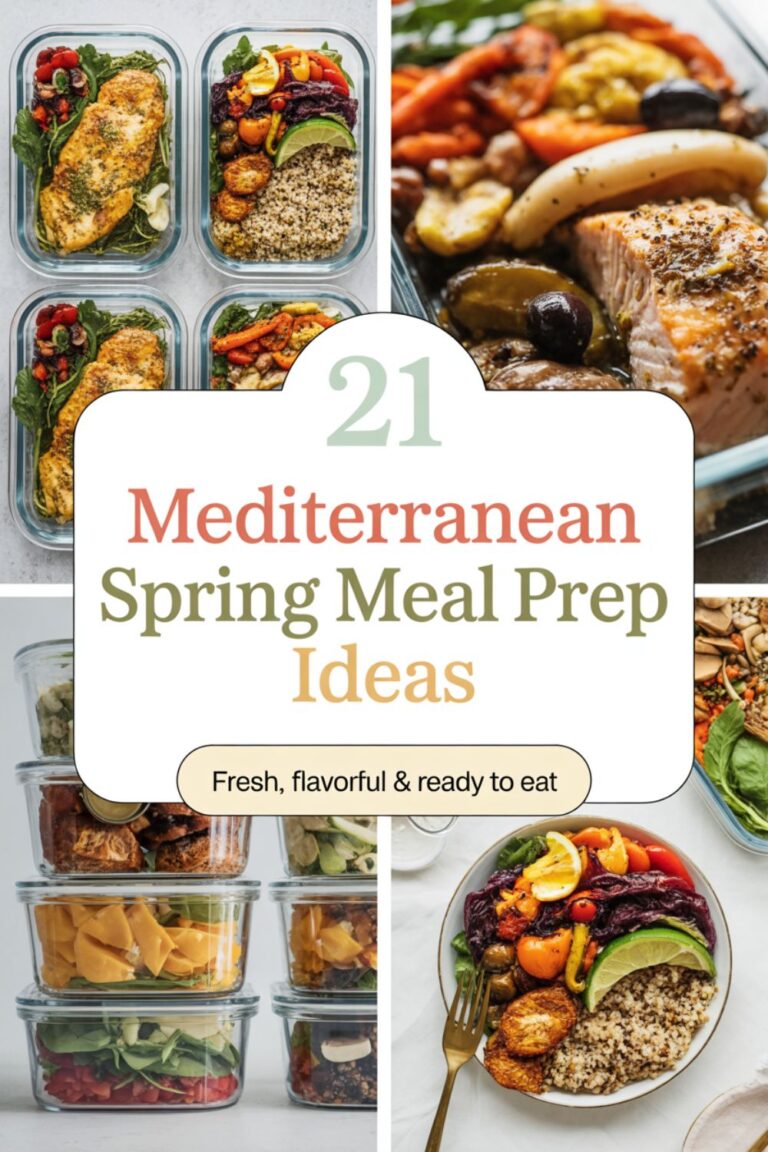
The 25 healthy Easter leftover meal prep ideas are an excellent place to start when you’re staring down a fridge full of holiday food on Monday morning. And the 19 high-protein Easter meal prep meals are particularly good if you want to keep things lean after what may have been a gloriously excessive Sunday.
Portion out leftover ham and lamb into individual-serving containers right after Easter dinner is cleared. You’ll thank yourself Monday when lunch requires zero thought.
Making Easter Prep Work for Different Diets
Not everyone at your Easter table is eating the same way, and the best Easter prep plans account for that without turning the cook into a short-order chef. The good news is that most traditional Easter sides are naturally adaptable — roasted spring vegetables, braised legumes, fresh salads, and potato dishes all translate easily across dietary needs.
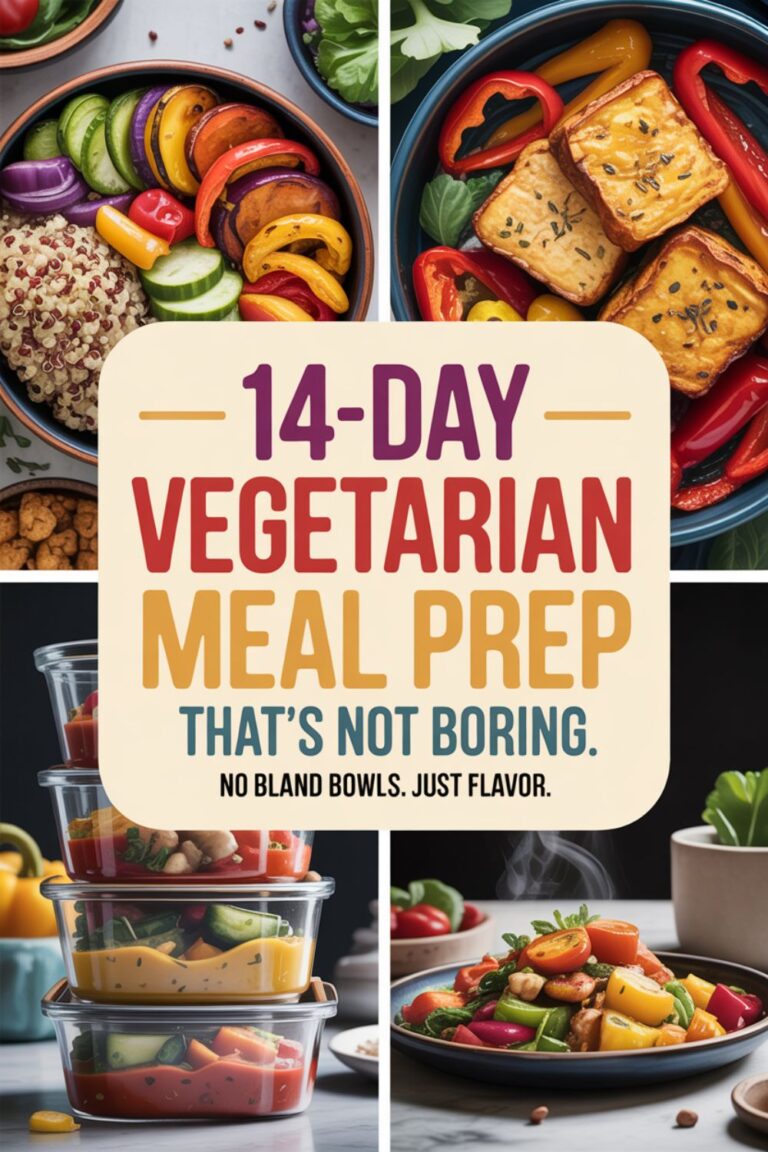
If you’re hosting vegetarians or vegans, lean hard into spring produce. Asparagus, peas, broad beans, new potatoes, spring onions, and radishes are at their peak right now and need almost nothing done to them. A whole roasted cauliflower with a herby tahini sauce can anchor a vegetarian Easter plate beautifully. Nutritionally, tahini is genuinely impressive — it’s rich in calcium, selenium, and plant-based protein, making it one of the better dairy-free sauce bases you can build a dish around.
For those eating low-carb, swap the roasted potato dishes for roasted celeriac, cauliflower mash, or a simple green salad dressed with olive oil and lemon. The protein choices at Easter — lamb, chicken, ham — are all naturally low-carb-friendly. The 17 low-carb spring meal prep recipes offer some good additional ideas that can be prepped alongside your main Easter dishes without much extra effort.
We have two coeliacs, a vegetarian, and three kids in our Easter crew. I used the low-carb spring meal prep ideas alongside the main Easter plan and it was the first year nobody felt like they were eating a sad side-plate version of the holiday. Everyone had a proper plate of food.
Tips for Making Easter Brunch Happen Without a Disaster
Easter brunch is its own special challenge because you’re trying to serve food that spans the breakfast-to-lunch gap for a group of people on a schedule that a toddler’s nap time is actively trying to destroy. The trick is to commit fully to make-ahead dishes that can go from fridge to oven with minimal intervention.
Overnight baked French toast is the brunch anchor that makes everything else easier. You assemble it the night before, it goes straight into the oven Easter morning while you drink your coffee, and it feeds a crowd without requiring you to stand over a pan flipping individual pieces for 45 minutes. Similarly, a pre-assembled egg and spring vegetable frittata can be half-baked on Saturday and finished on Sunday morning in under 15 minutes.
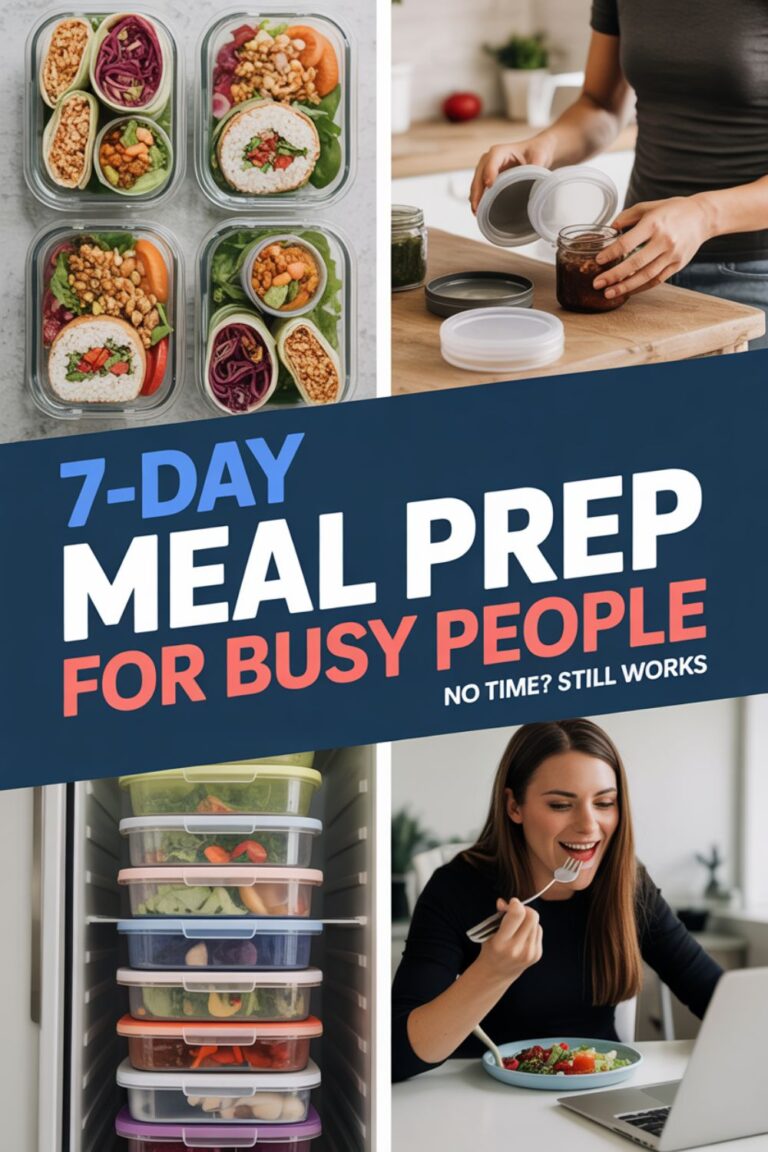
The 17 make-ahead Easter brunch recipes are entirely built around this principle. Every single one of them has a “do this part the night before” option so your Easter morning is manageable rather than a feat of endurance. And if you’re also thinking about healthy spring eating more broadly, these 19 light and fresh spring meal prep recipes are worth bookmarking for the weeks that follow.
Frequently Asked Questions
How far in advance can I prep Easter food?
Most components can be prepped between three and five days in advance without any quality loss. Sauces, marinades, and dry-rub applications are all fine up to four days ahead. Baked desserts like carrot cake are genuinely better made two or three days in advance. The main protein should be marinated the night before at the earliest for best flavour and texture.
Can I freeze Easter side dishes ahead of time?
Many Easter sides freeze extremely well — gratins, casseroles, braised dishes, and soups can all be frozen up to a month in advance. Fresh salads, potato dishes dressed with cream, and roasted vegetables with fresh herbs are better made fresh or refrigerator-prepped rather than frozen. If you want to get ahead by weeks rather than days, the 7-day freezer meal prep guide has a solid system for deciding what freezes well and what doesn’t.
How do I keep ham warm while everything else is finishing?
Once your glazed ham reaches its target internal temperature, tent it loosely with foil and let it rest. It will stay at serving temperature for 30 to 45 minutes without reheating. Use that window to get your sides finished and onto the table. Trying to keep everything at the same exact temperature simultaneously is the single biggest source of Easter dinner stress — the resting ham solves a lot of it.
What’s the best way to handle Easter leftovers safely?
Cool cooked food to room temperature first (no more than two hours after cooking), then portion into shallow airtight containers and refrigerate immediately. Easter leftovers stored correctly will keep well for three to four days in the fridge or three months in the freezer. The 25 healthy Easter leftover meal prep ideas give you a full week’s worth of meals from what you have.
Is it possible to do an Easter prep plan on a tight budget?
Absolutely. The most budget-friendly approach is to choose one anchor protein and fill the table with vegetable-forward sides, which are both cheaper and often more impressive visually. Spring vegetables are at their seasonal best and their cheapest right now. The 21 budget-friendly spring meal prep meals prove convincingly that seasonal eating is the best form of budget eating.
The Bottom Line
Easter Sunday is worth doing well. It’s one of those meals that people genuinely remember — the table, the food, the feeling of it. And the only way to do it well without running yourself into the ground is to spread the effort across the week rather than cramming it all into 12 hours on Sunday morning.
The 25 steps in this plan aren’t about being the most organized person in the room. They’re about giving yourself the gift of a Sunday where you’re actually present. Where the food is already 80% done. Where the dessert is already made and sitting beautifully in the fridge. Where you have time to have a conversation before fourteen people sit down at your table.
Start Monday with your menu. Work through the week in the order this plan gives you. Follow your cooking timeline on Sunday. And when the compliments come — and they will — you’re allowed to just smile and say thank you, because you did the work to earn them.
Happy Easter prep.