21 Budget-Friendly Spring Meal Prep Meals
Look, I’m just going to be straight with you—spring doesn’t have to drain your wallet. Between the farmer’s market hype and Instagram-worthy brunch spreads, it’s easy to think eating fresh means spending a fortune. But here’s the thing: with a little planning and some smart swaps, you can actually eat better for less during this season.
I’ve spent the last few months testing budget-friendly meal prep combinations that use peak spring produce without requiring a second mortgage. These aren’t those sad desk lunches that make you question your life choices at 2 PM. We’re talking real food that tastes good, keeps well, and won’t make your bank account weep.
Whether you’re trying to lose weight sustainably or just tired of ordering takeout five nights a week, this guide breaks down exactly how to meal prep on a budget this spring. No fancy equipment required, no weird ingredients you’ll use once and forget about.
Why Spring Actually Makes Budget Meal Prep Easier
Spring produce hits differently when you know what to buy. Asparagus, snap peas, radishes, and early greens are at their cheapest and tastiest right now. Plus, grocery stores are practically begging you to buy strawberries and carrots at rock-bottom prices.
The secret nobody tells you? Spring vegetables cook faster and require less seasoning because they’re naturally sweet and tender. That means less time, less energy cost, and honestly, less cleanup. When you’re prepping for the week, that efficiency adds up.
I’ve found that switching to seasonal ingredients cut my grocery bill by about 30% compared to winter. Not because spring produce is inherently cheaper, but because you’re not fighting against what’s naturally available. You’re working with nature instead of against it, and your wallet notices.
The Foundation: Building Blocks of Budget Spring Meal Prep
Protein That Won’t Break You
Forget the expensive cuts. Spring is perfect for eggs, canned tuna, dried lentils, and whatever chicken is on sale. I buy whole chickens when they hit $0.99/lb and break them down myself—takes ten minutes and saves about $15 per bird.
Beans are your friend here. A pound of dried chickpeas costs about $2 and makes enough protein for an entire week of lunches. Soak them overnight, toss them in your Instant Pot for 30 minutes, and you’ve got the base for Mediterranean bowls, curries, or simple salads.
According to Healthline’s nutrition research, combining high-protein foods with fiber-rich vegetables helps maintain satiety and supports sustainable weight management—which means you’ll actually stick to your meal prep instead of ordering pizza on Wednesday.
Spring Vegetables Worth Buying in Bulk
Here’s what I grab every week without fail: a massive bag of spinach ($3), whatever root vegetables are on markdown, snap peas by the pound, and those sad-looking carrots that grocery stores practically give away. These all last 5-7 days when stored properly.
Asparagus is tricky because it’s expensive even in season, but I’ve learned to buy it on Sunday evenings when stores discount weekend stock. Wrap the ends in damp paper towels, stand them in a jar with an inch of water, and they’ll keep for a week easy.
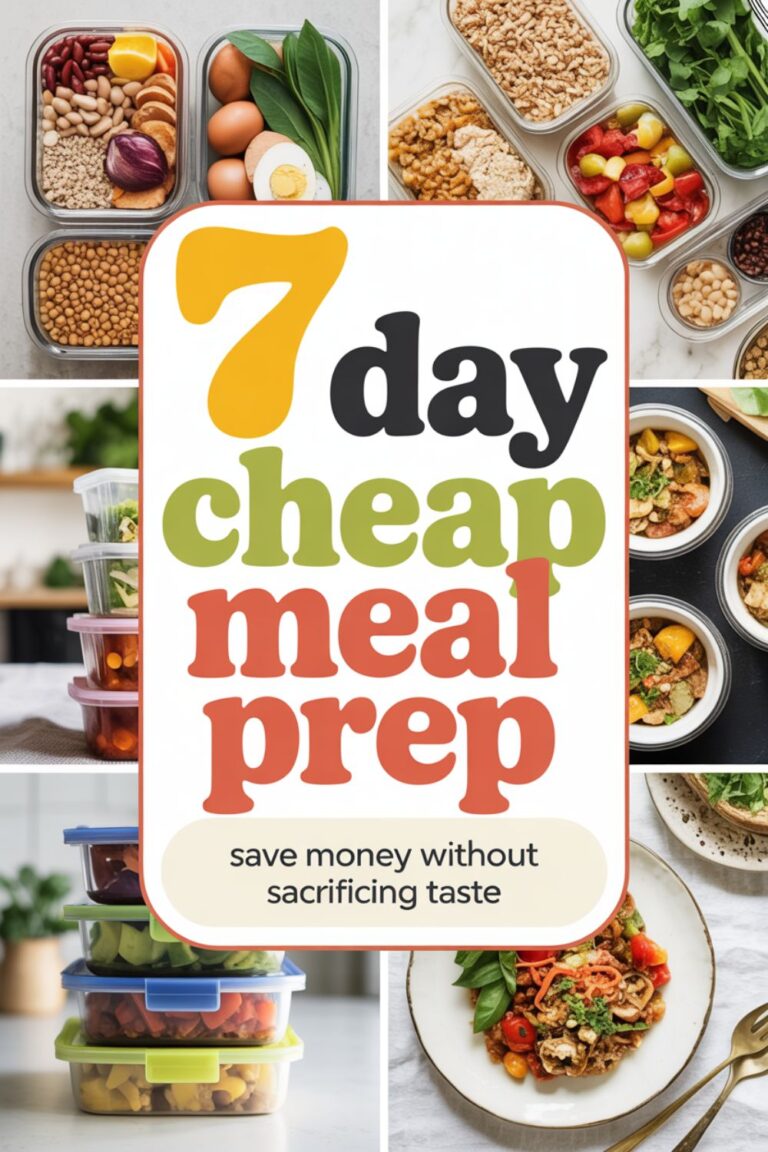
Want more meal prep strategies? Check out this 21-day budget meal prep plan that breaks down exactly how to shop and cook efficiently.
Meal Prep Essentials Used in This Plan
These are the tools and products that make spring meal prep actually work without the frustration:
- Glass meal prep containers set – Because plastic gets gross and these actually seal properly
- Vegetable chopper/dicer – Cuts my Sunday prep time in half, no exaggeration
- Large sheet pans (2-pack) – One-pan dinners are how I survive weeknights
- Spring Meal Prep Digital Cookbook – 50+ seasonal recipes with shopping lists included
- Budget Grocery Planning Template – Spreadsheet that tracks prices and creates shopping lists automatically
- Meal Prep Success Guide – Step-by-step video course on batch cooking basics
21 Budget-Friendly Spring Meal Prep Ideas
Breakfast Options (Make Once, Eat All Week)
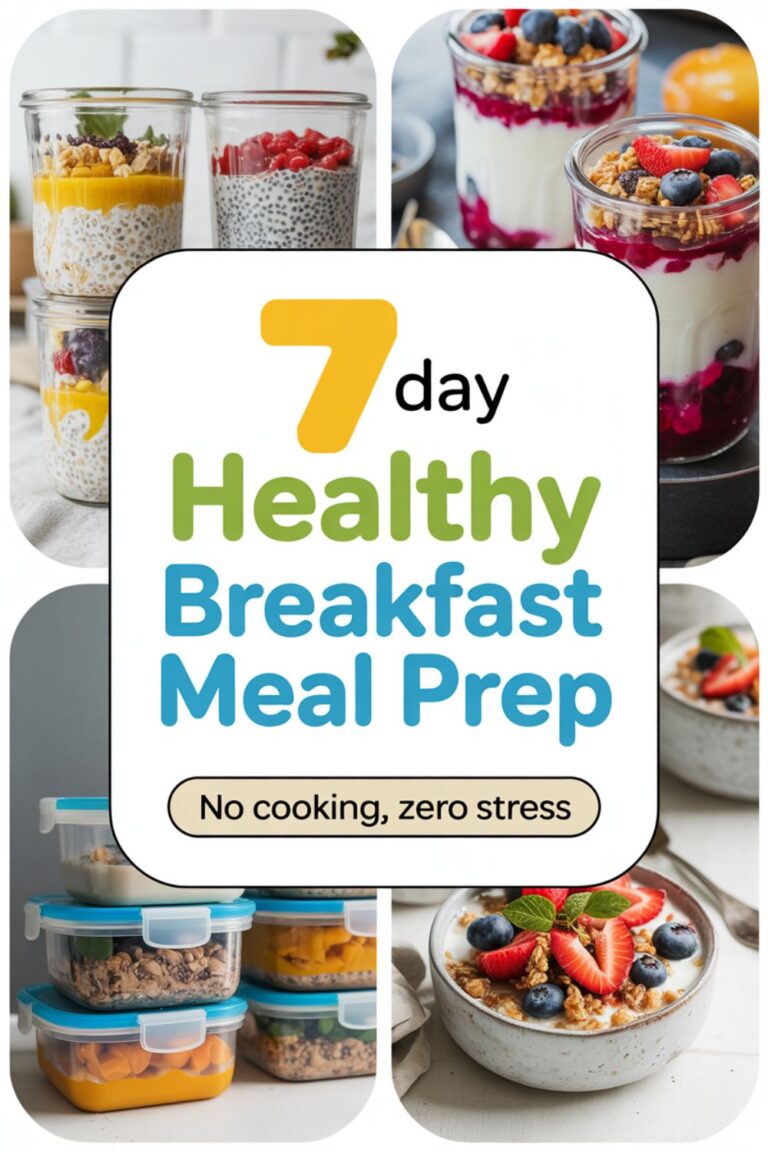
1. Spring Veggie Egg Muffins
Whisk a dozen eggs with chopped spinach, diced bell peppers, and whatever cheese you have lying around. Pour into muffin tins, bake at 350°F for 20 minutes. Costs about $6 for 12 muffins that reheat perfectly. Get Full Recipe
2. Overnight Oats with Strawberries
Mix oats, milk (dairy or whatever), chia seeds, and mashed strawberries in jars. Let them sit overnight. Each serving costs maybe $0.80 and keeps you full until lunch. The fiber content is insane, which matters more than people think when you’re trying to manage calories effectively.
3. Peanut Butter Banana Protein Pancakes
Mash 2 bananas, add 4 eggs, 1/2 cup oats, blend. Cook like regular pancakes. Makes about 12 small pancakes for under $3 total. Stack them with parchment paper between layers and freeze. Get Full Recipe
“I tried the egg muffin recipe and honestly didn’t expect much. But I’ve been making them every Sunday for two months now and my grocery bill dropped by almost $40 a month just from not buying breakfast on the way to work.” – Jessica from the community
Lunch Bowls That Actually Taste Good Cold
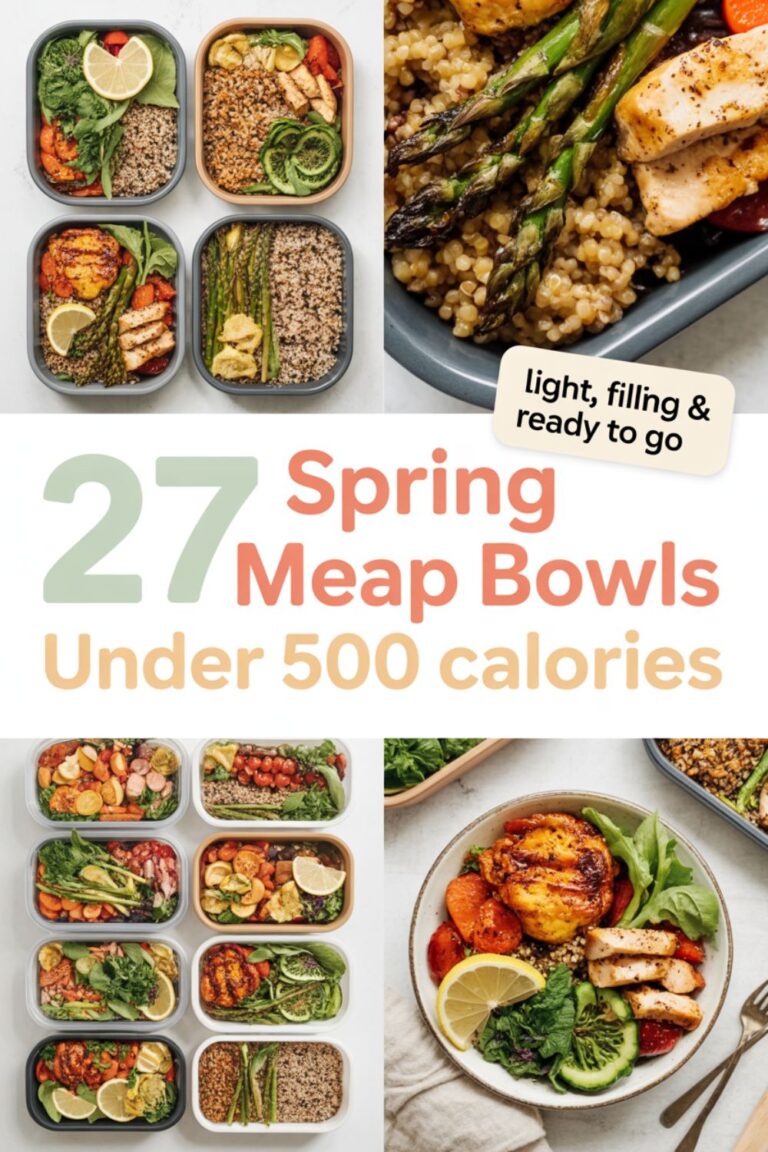
4. Mediterranean Chickpea Bowl
Roasted chickpeas, cucumber, tomatoes, red onion, good quality feta, and a lemon-tahini dressing. The whole batch costs under $12 and makes five substantial lunches. Pro move: keep the dressing separate until you eat it. Get Full Recipe
5. Asian-Inspired Chicken and Snap Pea Stir-Fry
Buy chicken thighs on sale (always cheaper than breasts), cut them up, toss with sesame oil, garlic, ginger. Add snap peas and carrots. Serve over rice you cooked in your rice cooker while watching TV. Each serving runs about $2.50.
6. Spring Greens and Tuna Salad
Mixed greens, canned tuna (the kind in olive oil tastes better and costs the same), cherry tomatoes, hardboiled eggs, and whatever dressing you make from pantry staples. This is basically free if you’ve already got the basics stocked. Get Full Recipe
Looking for more protein-packed lunch ideas? This 5-day high-protein lunch plan has some seriously good options.
7. Lentil and Vegetable Soup
One pound of lentils, whatever vegetables are cheap, stock, and spices. Simmer for 40 minutes. Makes enough for six meals at roughly $1.20 per serving. Freezes perfectly in individual portions.
Dinner Recipes That Scale Up Easily
8. Sheet Pan Chicken with Spring Vegetables
Chicken thighs, asparagus, baby potatoes, olive oil, salt, pepper. Everything goes on one sheet pan, roasts at 425°F for 35 minutes. Cleanup takes 2 minutes and dinner costs about $10 for four servings. Get Full Recipe
9. Budget-Friendly Fish Tacos
Whatever white fish is on sale (I usually find tilapia or cod for $5/lb), cabbage slaw, corn tortillas, and a lime crema made from Greek yogurt. Fish tacos sound fancy but they’re actually cheaper than ground beef tacos when you do the math.
10. Vegetarian Fried Rice
Day-old rice, frozen peas and carrots, eggs, soy sauce, sesame oil. Takes 15 minutes start to finish and costs maybe $4 for enough food to feed a family of four. IMO, this is the ultimate “forgot to plan dinner” backup meal. Get Full Recipe
If you’re trying to keep dinner simple during the week, check out these stress-free dinner meal prep ideas.
11. Slow Cooker Pulled Chicken
Throw chicken breasts in your slow cooker with salsa and taco seasoning. Cook on low for 6 hours. Shred it and you’ve got protein for tacos, burrito bowls, salads, or sandwiches all week. Cost per serving? About $1.50.
12. Spring Pasta Primavera
Whatever pasta shape is cheapest, sautéed spring vegetables (asparagus, peas, spinach), garlic, olive oil, and a squeeze of lemon. Fancy restaurants charge $18 for this. You can make six servings for $8.
Snacks and Sides That Fill Gaps
13. Roasted Chickpeas
Drain canned chickpeas, toss with olive oil and whatever spices, roast at 400°F for 30 minutes. They get crunchy and weirdly addictive. Store in an airtight container and they stay crispy for days.
14. Veggie Sticks with Hummus
Cut up carrots, celery, bell peppers on Sunday. Make hummus in your food processor (canned chickpeas, tahini, lemon, garlic) for about $2 per batch versus $5 at the store.
15. Greek Yogurt Parfaits
Layer plain Greek yogurt with whatever berries are on sale and a sprinkle of granola. Costs about $1.50 per serving versus $4 if you buy them pre-made. The protein keeps you satisfied way longer than regular yogurt.
One-Pot Wonders for Minimal Cleanup
16. White Bean and Kale Soup
Canned white beans, kale (buy it on sale and freeze what you don’t use), garlic, stock, and Italian seasoning. Everything cooks in one pot in 25 minutes. Each bowl costs under a dollar and the fiber content supports healthy digestion. Get Full Recipe
17. Chicken and Rice Casserole
Mix cooked chicken, rice, frozen mixed vegetables, cream of mushroom soup (or make your own with this simple roux technique), and cheese. Bake it. Done. Feeds six people for about $12.
18. Veggie-Packed Chili
Ground turkey (cheaper than beef), kidney beans, diced tomatoes, bell peppers, onions, chili powder. Let it simmer. Makes enough for eight servings at roughly $1.75 each. Freeze half for lazy future you.
For more complete meal planning strategies, this family meal prep guide walks through how to batch cook efficiently.
Make-Ahead Breakfast Sandwiches
19. Freezer-Friendly Egg and Cheese Sandwiches
Cook eggs in egg rings for perfect sandwich-sized shapes. Layer with cheese on English muffins. Wrap individually in foil, freeze. Microwave for 90 seconds on busy mornings. Each one costs about $0.85 versus $4 at the drive-through.
Budget Bowls with Maximum Flavor
20. Teriyaki Tofu Bowl
Press tofu (or don’t, honestly it works either way), cube it, toss with teriyaki sauce, bake until crispy. Serve over rice with steamed broccoli. The whole batch costs about $8 and makes four hefty portions.
21. Southwest Quinoa Bowl
Quinoa, black beans, corn, bell peppers, avocado, lime juice. Mix it all together or layer it pretty for Instagram. Either way, it tastes the same and costs about $2.50 per serving. This is one of those meals that somehow tastes better on day three. Get Full Recipe
How to Actually Execute Spring Meal Prep on a Budget
The Sunday Strategy That Works
Here’s what I do every single Sunday without fail: First, I cook all my grains and proteins. Rice, quinoa, whatever pasta I’m using, and 3-4 pounds of chicken or a big batch of beans. This takes about an hour total but you’re not actively cooking—just checking pots occasionally.
While that’s happening, I chop vegetables. Everything goes in separate containers because mixing them too early makes things soggy and sad. Prepped veggies last 5-7 days if you store them properly with these produce saver containers that actually work.
Then I make two sauces or dressings. Having flavor options means you can eat the same base ingredients five different ways without wanting to throw your meal prep containers out the window by Wednesday.
Speaking of meal prep routines, this no-stress meal prep plan breaks down the process even further if you’re just starting out.
Storage Hacks That Prevent Food Waste
FYI, the way you store stuff matters more than what you buy. I learned this the hard way after wasting probably $200 worth of groceries my first few months of meal prepping.
Leafy greens get wrapped in paper towels and stored in bags with holes poked in them. Herbs go in jars with water like flowers. Cooked grains stay fresh longer if you let them cool completely before sealing—condensation is the enemy.
Proteins get portioned immediately. Don’t cook 5 pounds of chicken and leave it in one giant container. Divide it up right away so you’re only exposing what you need each time you open the fridge.
Tools & Resources That Make Cooking Easier
After testing basically everything, here’s what actually earns its space in my kitchen:
- Instant Pot or pressure cooker – Cuts cooking time by 70% and uses less energy than your oven
- Quality chef’s knife – Cheap knives slow you down and increase injury risk
- Salad spinner – Sounds unnecessary until you realize wet lettuce ruins everything
- Seasonal Produce Guide – Monthly PDF showing what’s cheapest when
- Freezer Meal Mastery Course – Learn to batch cook and freeze properly
- Join our Meal Prep WhatsApp Community – Weekly tips, shopping lists, and recipe swaps with real people doing this daily
Smart Shopping Without the Overwhelm
I shop at three places: a discount grocery store for basics, a regular supermarket for whatever’s on sale, and occasionally the farmer’s market at closing time when they’re practically giving stuff away.
Never shop hungry. I know everyone says this but seriously—I spent $85 more than planned last month shopping at 6 PM after work with an empty stomach. Lesson learned.
Buy proteins when they’re on a loss-leader sale and freeze immediately. When chicken hits $1.99/lb instead of $4.99, I buy ten pounds and portion it out. Same with ground turkey and pork chops.
Making Spring Flavors Work in Meal Prep
Herbs and Seasonings That Matter
Fresh herbs transform cheap ingredients into something you’d actually want to eat. I grow basil, cilantro, and parsley on my windowsill using these self-watering planters because buying herbs at the store is basically throwing money away.
Spring flavors lean bright and fresh: lemon, garlic, dill, mint, and a good amount of black pepper. You don’t need seventeen different spice blends. Just those basics and you’re set.
One trick I learned from my grandmother: save Parmesan rinds in the freezer and throw them into soups or pasta water. Adds umami without buying expensive add-ins.
Balancing Macros Without Losing Your Mind
Look, I’m not a nutritionist, but I know that eating only carbs makes me crash by 3 PM and eating only protein makes me cranky. Each meal should have some protein, some fiber-rich carbs, and some fat.
That might sound complicated but it’s really just: protein source + vegetable + grain or starchy vegetable + drizzle of oil or sprinkle of nuts. Done. You don’t need to calculate macros down to the gram unless that’s your thing.
The Mayo Clinic’s meal planning resources emphasize this balanced approach without requiring you to become a nutrition expert overnight.
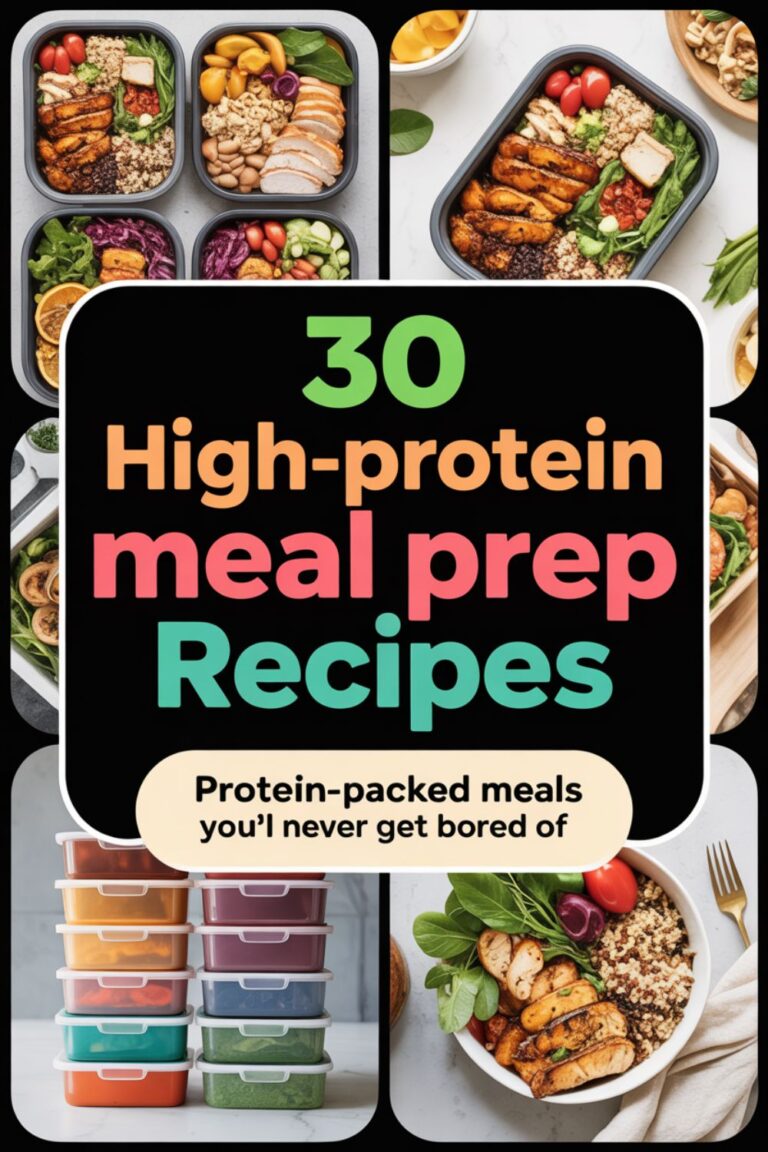
If you’re specifically focused on hitting protein goals, these high-protein meal prep recipes make it easier without eating chicken breast for every single meal.
Common Mistakes (That I Made So You Don’t Have To)
Over-Prepping Everything
My first week of meal prep, I cooked fourteen different recipes. By Thursday, I was so sick of opening the fridge and seeing containers that I ordered pizza three nights in a row. Start with 3-4 recipes maximum. Repeat them. Add variety after you’ve got the system down.
Choosing Recipes That Don’t Reheat Well
Fried foods, most seafood, and anything with a crispy coating turns sad and soggy after a day in the fridge. Save those for meals you’re cooking fresh. Meal prep should focus on foods that taste the same or better after a few days.
Not Accounting for Schedule Changes
I used to prep five lunches and five dinners every week. Then I’d end up eating out twice and the food would go bad. Now I prep four of each and give myself flexibility. Life happens. Your meal prep should accommodate that, not add stress.
“I wasted so much food my first month trying to prep everything at once. Now I just make 3-4 big batches and mix and match throughout the week. Way less overwhelming and my family actually eats it.” – Marcus from our community
Adapting These Meals for Different Diets
Low-Carb Modifications
Swap rice and pasta for cauliflower rice or zucchini noodles. Use lettuce wraps instead of tortillas. Most of these recipes work fine with those swaps—you’re just changing the base.
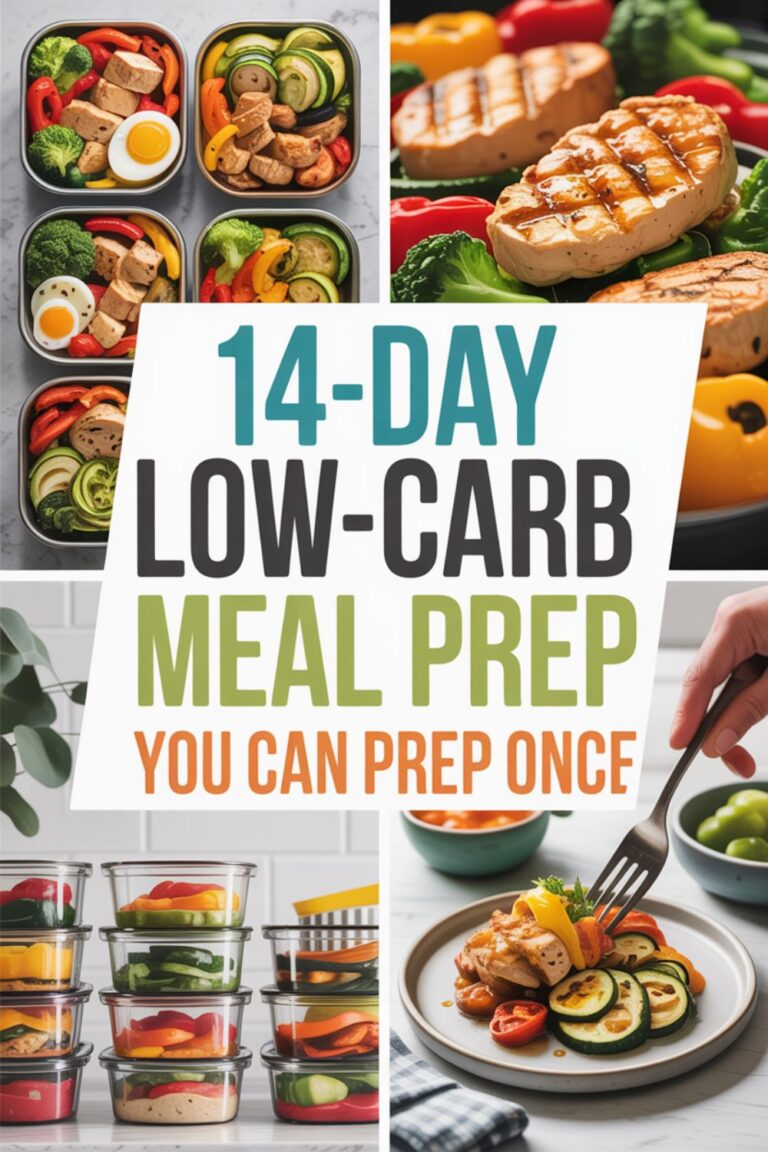
For a complete low-carb approach, check out this 21-day low-carb meal prep plan that keeps things simple.
Vegetarian and Vegan Options
Replace chicken with chickpeas, lentils, or tofu in basically any of these recipes. Use vegetable stock instead of chicken stock. Nutritional yeast adds a cheesy flavor without dairy.
Vegan meal prep actually costs less than omnivore meal prep in my experience. Beans and lentils are dirt cheap compared to meat, and they’re packed with protein and fiber that keeps you full.
This vegan meal prep plan has some seriously good ideas if you want to try plant-based eating without spending a fortune.
Making It Kid-Friendly
My secret: involve kids in picking recipes and keep seasoning mild. You can always add hot sauce or extra spices to your portion. Bento-style containers with sections work great for picky eaters who don’t like foods touching.
Also, calling things by different names helps. “Power bowls” sound way cooler to kids than “leftover chicken and rice.” Marketing matters even with your own family.
Frequently Asked Questions
How long does meal prepped food actually stay fresh?
Most cooked proteins and vegetables stay good for 4-5 days in the fridge. Grains can push 6-7 days if stored properly. Anything you won’t eat within that window should go in the freezer immediately. Don’t wait until day 5 to freeze day 6 and 7’s meals—do it upfront.
Can I meal prep on a budget without buying in bulk?
Absolutely. Focus on versatile ingredients that work in multiple recipes. A bag of rice, dried beans, eggs, and whatever vegetables are on sale that week will get you through. You don’t need a Costco membership to save money—sometimes buying smaller amounts prevents waste, which actually costs less.
What if I get bored eating the same meals?
Change up your sauces and seasonings. The same chicken and rice bowl becomes five different meals with teriyaki sauce, pesto, buffalo sauce, curry, or chimichurri. Keep your base ingredients simple but your flavoring options varied.
Do I need special containers for meal prep?
Not really. I started with mismatched Tupperware and it worked fine. Glass containers are nicer because they don’t stain or hold smells, but they’re not mandatory. Whatever seals well and fits in your fridge works.
How much money can I actually save with meal prepping?
I tracked my spending for three months and saved an average of $320 per month compared to my previous routine of eating out for lunch and grabbing takeout for dinner 3-4 times a week. Your savings will vary depending on your current habits, but most people who stick with it see significant differences within the first month.
Final Thoughts on Budget Spring Meal Prep
Look, meal prep isn’t about being perfect. It’s about making your life easier and your wallet fuller while actually enjoying what you eat. Spring gives you fresh, cheap ingredients that require minimal effort to taste amazing.
Start small. Pick 2-3 recipes from this list, prep them this Sunday, and see how it goes. You don’t need to overhaul your entire eating pattern overnight. Just consistent small changes that compound over time.
The money you save adds up faster than you’d think. The time you get back during busy weeknights is invaluable. And honestly? Knowing exactly what you’re eating and where it came from just feels better than wondering what’s actually in that mystery takeout container.
Give it a real shot for three weeks. That’s how long it takes for the routine to feel normal instead of like extra work. After that, it just becomes what you do on Sundays while catching up on podcasts or shows.