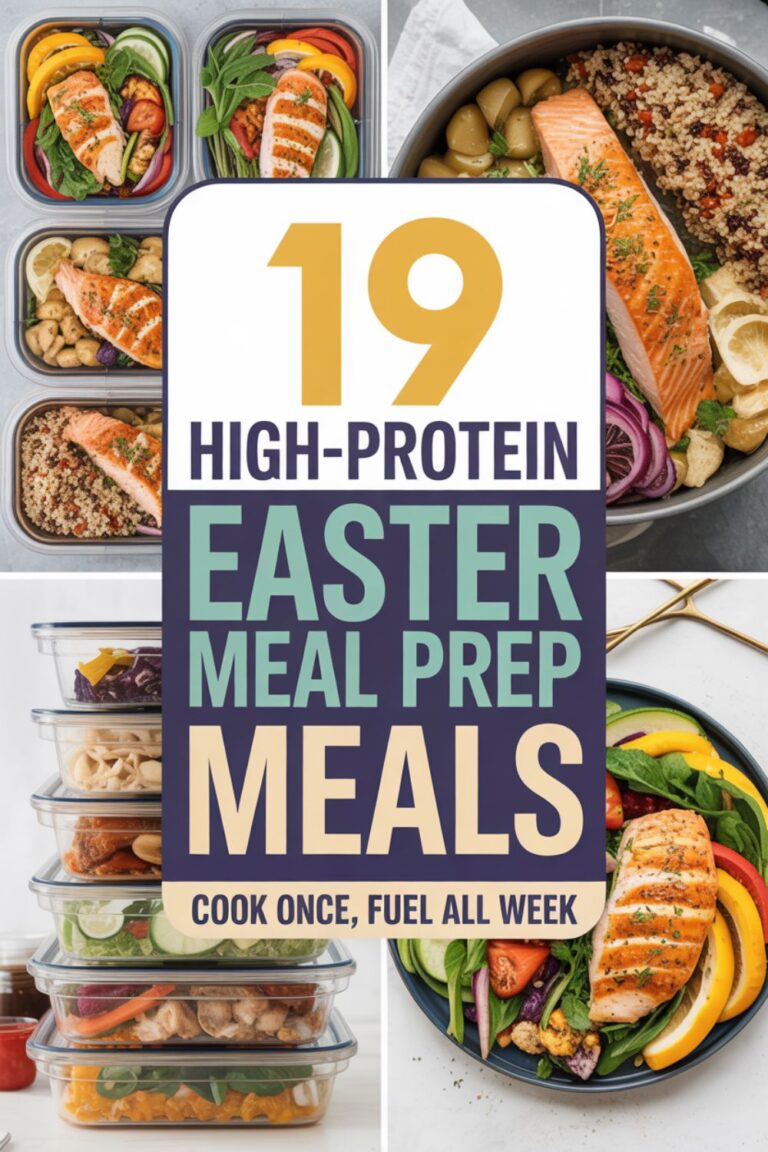
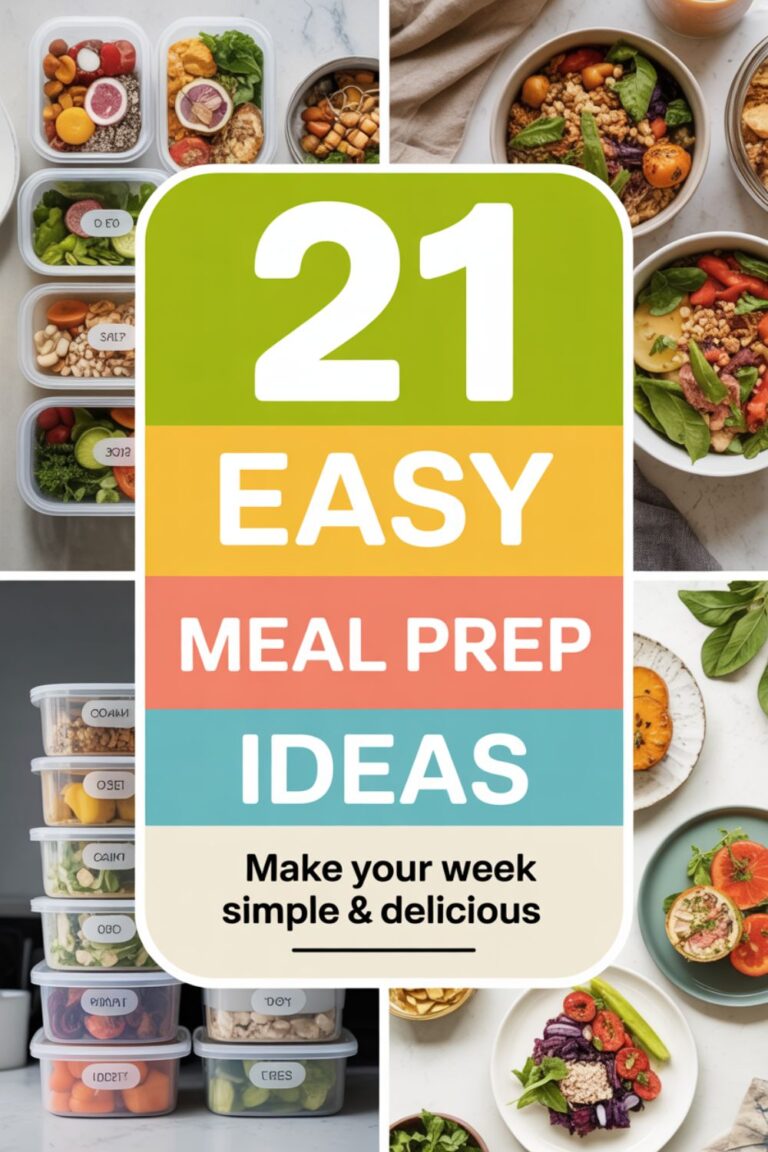
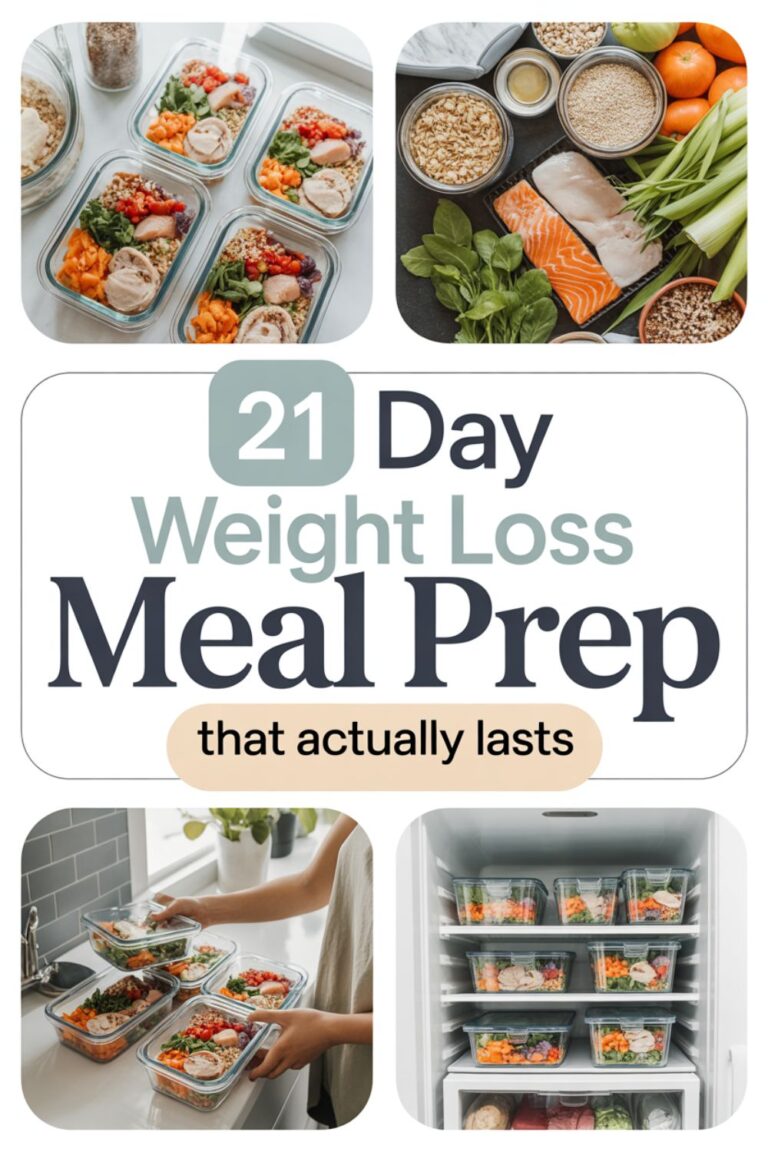
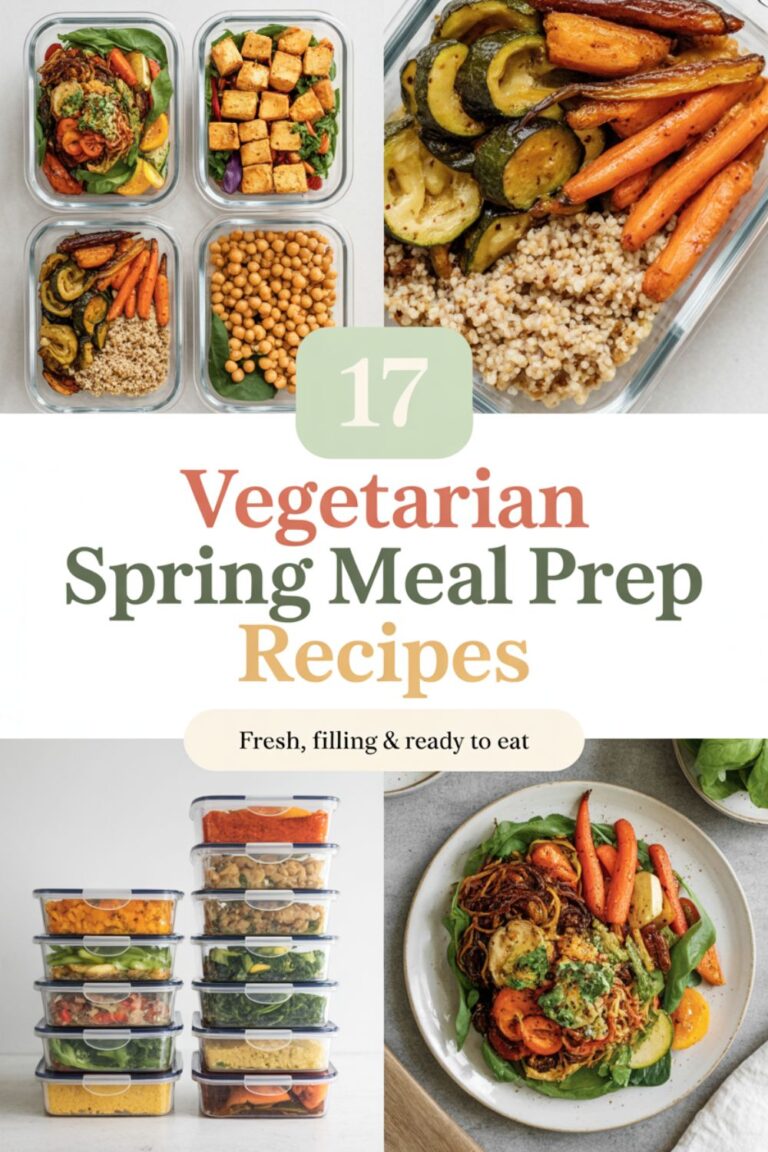
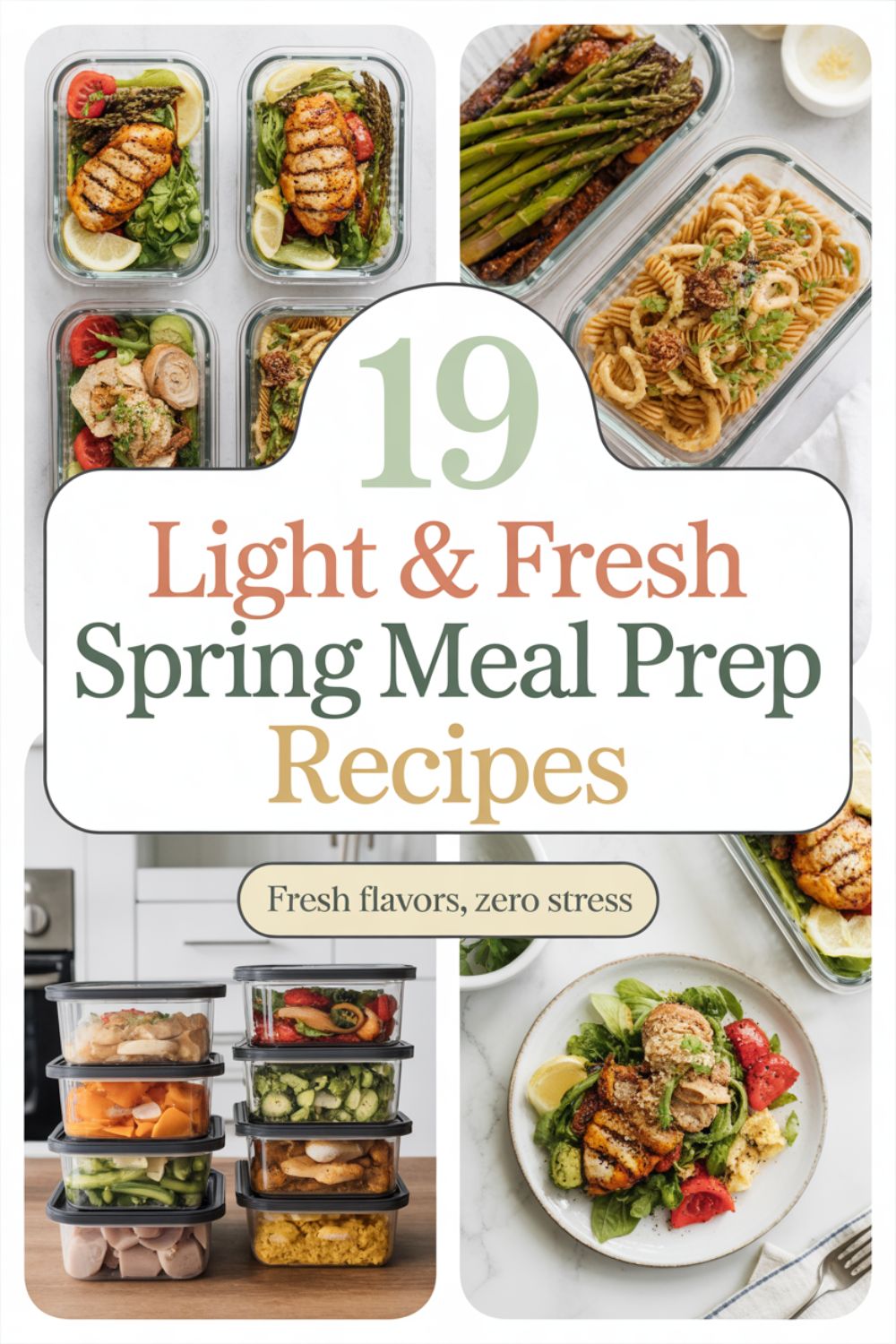
19 Light & Fresh Spring Meal Prep Recipes
Spring finally showed up, and honestly? It’s about time. The weather’s warming up, farmers’ markets are overflowing with crisp greens and vibrant veggies, and somehow my body is craving salads instead of carb-loaded comfort food. Weird, right?
If you’ve been stuck in a meal prep rut all winter, rotating between the same three casseroles and feeling like your containers have become a beige food graveyard, I get it. But spring is the perfect reset button. The produce is better, the recipes are lighter, and you actually want to eat the food you prepped on Sunday by the time Wednesday rolls around.
I’ve spent the last few weeks testing out spring meal prep ideas that don’t involve wilted lettuce or sad, soggy grain bowls. What I found are 19 recipes that actually work—stuff that tastes good cold, reheats without turning into mush, and uses ingredients that are actually in season right now.
No complicated techniques, no obscure ingredients you’ll use once and forget about. Just straightforward, fresh meals that’ll make you look forward to lunch instead of ordering takeout for the fourth time this week.
Why Spring Changes Everything for Meal Prep
Here’s the thing about spring produce—it’s not just prettier. It’s actually more nutritious when you eat it in season. Research shows that spring vegetables like asparagus, peas, and leafy greens contain higher concentrations of vitamins and antioxidants when they’re harvested fresh and consumed shortly after picking. Plus, they taste better, which means you’re more likely to actually eat the meals you prep.
Spring also brings lighter proteins and cooking methods that don’t heat up your kitchen or weigh you down. Think grilled chicken instead of braised beef, quinoa instead of heavy pasta, and dressings made with fresh herbs instead of cream-based sauces.
The best part? Most spring ingredients hold up incredibly well in the fridge. Asparagus stays crisp, strawberries keep their flavor, and herbs don’t turn into black slime after two days. It’s like the universe finally understood that we need our meal prep to last until Friday.
Pro Tip: Prep your vegetables Sunday night and thank yourself all week. Chop once, eat five times. Game changer.
Spring Breakfast Prep That Doesn’t Involve Eggs
I’m not anti-egg, but after a winter of breakfast burritos, my body was begging for something different. Spring breakfast prep opened up a whole new world—overnight oats with fresh berries, chia pudding with mango, even savory options like quinoa breakfast bowls with roasted vegetables.
The secret is using seasonal fruit. Strawberries, blueberries, and even early peaches add natural sweetness without dumping in sugar. Toss in some chia seeds from this organic brand for omega-3s and fiber, and you’ve got a breakfast that actually keeps you full.
One recipe I’ve been rotating is a simple overnight oat situation with almond milk, strawberries, and a drizzle of honey. Takes five minutes to throw together, lasts all week in mason jars, and honestly tastes better on day three when everything has melded together. Get Full Recipe.
Speaking of morning fuel, if you’re looking for more ideas that won’t bore you to tears, check out these breakfast meal prep options or go straight for high-protein breakfast prep if you’re trying to stay full longer.
Greek Yogurt Parfait Prep
This one’s almost too easy to count as a recipe, but it works. Layer Greek yogurt with granola and whatever fresh fruit is on sale. I use these wide-mouth mason jars because they’re easier to eat from and don’t make you look like you’re trying to mine for yogurt with a tiny spoon.
The trick is keeping the granola separate until you’re ready to eat. Nobody wants soggy granola. I portion it out in small silicone containers and toss them in my bag. Five seconds of assembly in the morning beats standing in a coffee shop line any day.
Lunch Bowls That Won’t Get Boring
The biggest meal prep mistake? Making the same lunch five times and wondering why you’re over it by Tuesday. Spring ingredients give you enough variety to actually switch things up without buying fifteen different groceries.
I rotate between grain bowls, salad jars, and cold noodle situations. The base might be the same—quinoa, farro, or rice noodles—but changing up the vegetables, protein, and dressing makes it feel like a completely different meal.
According to USDA food safety guidelines, cooked grains and vegetables stay fresh for 3-5 days when properly stored at 40°F or below. So your Sunday prep legitimately lasts through Thursday without any weird textures or questionable smells.
Quick Win: Batch cook three proteins at once—grilled chicken, hard-boiled eggs, and baked tofu. Mix and match with different bases and toppings all week. You’re welcome.
Spring Veggie Power Bowls
This is where asparagus, snap peas, and radishes shine. Roast them with olive oil and garlic, throw them over quinoa or brown rice, add some protein, and finish with a lemon tahini dressing. The vegetables stay crisp even after being refrigerated, and the whole thing comes together in under an hour.
I prep everything in glass containers with divided compartments to keep the dressing separate. Nobody wants pre-dressed salad unless you enjoy eating wilted greens that taste like regret.
For more lunch inspiration that actually travels well, these work lunch meal prep ideas have saved me more times than I can count. Or if you’re watching calories but still want flavor, try these healthy lunch options.
Mason Jar Salads Done Right
The internet swears by these, and for once, the hype is real. The key is layering strategically: dressing on the bottom, hearty vegetables next, grains or proteins in the middle, and delicate greens on top. When you’re ready to eat, dump it in a bowl and everything gets perfectly coated.
Spring greens like arugula and spinach don’t get as soggy as regular lettuce, which buys you an extra day or two of freshness. Add roasted beets, goat cheese, walnuts, and a balsamic vinaigrette, and you’ve got a lunch that looks like you ordered it from some overpriced salad chain.
Meal Prep Essentials Used in This Plan
Look, you don’t need a million gadgets to meal prep successfully, but these things legitimately make life easier:
- Glass meal prep containers with snap lids – Nothing worse than Tupperware that leaks all over your bag
- Quality chef’s knife – Chopping vegetables with a dull knife is how you lose fingers and motivation
- Sheet pans (at least two) – Roasting everything at once is the whole game
- 21-Day Weight Loss Meal Prep Plan – Digital guide with shopping lists and macros calculated
- Budget-Friendly Meal Prep Template – Spreadsheet that tracks costs per serving (it’s eye-opening)
- Printable Prep Day Checklist – Because winging it leads to forgotten ingredients and sad lunches
Plus, if you want to join other people who are trying to get their meal prep together, there’s a WhatsApp community where we share recipes and complain about produce prices. It’s helpful and weirdly motivating.
Spring Proteins That Actually Taste Good Cold
Winter proteins are all about slow cooking and braising. Spring proteins? They’re lighter, cook faster, and taste good at room temperature—which is crucial when you’re eating lunch at your desk and can’t access a microwave because someone’s reheating fish again.
Grilled chicken is the obvious choice, but I’ve also been doing baked salmon with lemon and dill, shrimp skewers with chimichurri, and marinated tofu that doesn’t taste like disappointment. The key is seasoning aggressively because refrigeration dulls flavors.
I use my cast iron grill pan for almost everything. It gives you those nice char marks without actually firing up the outdoor grill, and it heats evenly enough that you’re not dealing with raw centers and burnt edges.
Lemon Herb Grilled Chicken
This is my default protein for spring meal prep. Marinate chicken breasts in lemon juice, olive oil, garlic, and fresh herbs—whatever you have works, but I like thyme and rosemary. Let it sit for at least an hour, then grill or bake until cooked through.
The marinade keeps the chicken moist even after refrigeration, and the lemon brightness doesn’t fade like other flavors do. Slice it thin and use it in grain bowls, salads, or wraps all week. Get Full Recipe.
If chicken isn’t your thing, these high-protein dinner options cover everything from fish to plant-based proteins that actually fill you up.
Honey Mustard Baked Salmon
Salmon is one of those proteins that people think is fancy or complicated, but it’s actually stupid easy. Mix honey, Dijon mustard, and a splash of soy sauce. Brush it on salmon fillets, bake at 400°F for 12-15 minutes, and you’re done.
The glaze caramelizes slightly and keeps the fish from drying out. Eat it cold over salad, flake it into grain bowls, or just eat it straight out of the container because you’re an adult and nobody can stop you.
Vegetables That Don’t Turn Into Mush
Not all vegetables survive meal prep equally. Some turn into sad, watery disappointments. Others stay crisp and flavorful for days. Spring vegetables tend to fall into the second category, which is why this is the best season for prepping.
Asparagus, snap peas, radishes, carrots, and bell peppers all hold up beautifully. Roasting them concentrates their flavors and gives them enough structure to last through the week. I toss everything with olive oil, salt, and whatever seasonings match the meal—garlic and lemon for Mediterranean vibes, or sesame oil and ginger for Asian-inspired bowls.
Leafy greens are trickier but not impossible. The heartier ones—kale, arugula, spinach—do better than delicate lettuce varieties. If you’re making salads, keep the greens and dressing separate until you’re ready to eat. Seems obvious but you’d be surprised how many people skip this step and wonder why their lunch is soggy.
Pro Tip: Roast vegetables at 425°F instead of 350°F. Higher heat = better caramelization = vegetables that taste good instead of steamed and sad.
Roasted Spring Vegetable Medley
Chop asparagus, bell peppers, zucchini, and red onion into similar-sized pieces. Toss with olive oil, minced garlic, salt, and pepper. Spread on a rimmed baking sheet and roast at 425°F for 20-25 minutes, stirring halfway through.
The vegetables get slightly charred on the edges, which adds flavor without any extra effort. Portion them into containers and use them throughout the week. They reheat well or taste great cold, depending on your mood and microwave access.
Grain Bowls That Don’t Bore You to Death
Grain bowls are the ultimate meal prep formula because you can mix and match components and pretend you’re eating something new. Same quinoa, different toppings, completely different experience.
Spring is when I rotate away from heavy grains like farro and move toward lighter options—quinoa, brown rice, or even cauliflower rice if I’m feeling virtuous. The trick is cooking them with broth instead of water, which adds flavor without extra effort.
I cook a big batch of quinoa in this rice cooker that also steams vegetables. Set it and forget it, which is exactly the level of cooking I can handle on a Sunday afternoon when I’m trying to prep for the week while also watching three episodes of whatever show I’m currently obsessed with.
Mediterranean Quinoa Bowls
Cook quinoa in vegetable broth. Once it’s done, fluff it with a fork and let it cool. Portion it into containers and top with roasted vegetables, grilled chicken, feta cheese, olives, and a lemon vinaigrette. Fresh cucumber and cherry tomatoes add crunch and brightness.
This bowl tastes good cold, which is clutch when you’re eating at your desk and don’t want to heat anything up. The flavors actually improve after a day or two when everything has mingled together. Get Full Recipe.
If you’re looking for more bowl inspiration, these healthy meal prep bowls cover everything from comfort food vibes to lighter options that won’t leave you hungry an hour later.
Spring Snacks That Travel Well
Snacks are where meal prep either saves you or fails you. If you don’t have something ready to grab, you’ll end up in the vending machine staring at options that are all variations of sugar and regret.
Spring snacks are where fresh fruit shines. Strawberries, snap peas, baby carrots with hummus—all of it travels well and doesn’t require refrigeration for a few hours. I portion everything into small reusable snack bags on Sunday, and then I just grab and go all week.
Energy balls are another win. Mix dates, nuts, and whatever else sounds good in a food processor, roll into balls, and store in the fridge. They taste like dessert but have actual nutritional value, which is a rare combination.
No-Bake Lemon Energy Balls
Combine cashews, dates, shredded coconut, lemon zest, and a pinch of sea salt in a food processor. Pulse until everything sticks together. Roll into balls and refrigerate. They keep for over a week and taste bright and fresh—perfect for spring when you don’t want heavy, chocolate-laden snacks.
These are also clutch for meal prepping because you can make a big batch and just keep them in the fridge. Grab two or three when you’re running out the door, and you’re set until lunch. Get Full Recipe.
Tools & Resources That Make Cooking Easier
Honestly, half the battle of meal prep is having the right tools. These make everything faster and less annoying:
- Food processor – Chops vegetables in seconds instead of making you cry over onions for twenty minutes
- Digital kitchen scale – If you’re tracking macros or portions, this is non-negotiable
- Salad spinner – Wet greens = sad salads. This fixes that.
- Spring Meal Prep Grocery List Template – Organized by section so you’re not wandering around the store like a lost tourist
- Macro Calculator Spreadsheet – Plug in your recipes and it does the math for you
- Batch Cooking Guide PDF – Step-by-step for prepping multiple recipes at once without losing your mind
FYI, the digital products are downloadable immediately, so you can start using them today instead of waiting for shipping. The WhatsApp group also shares tips on how to use these resources, which is helpful when you’re starting out.
Dressings and Sauces That Don’t Go Bad
Here’s where most people mess up spring meal prep—they make a beautiful salad and then drown it in store-bought dressing that’s 90% sugar and preservatives. Or they make homemade dressing that separates and goes rancid by Wednesday.
The solution is making dressings in small batches and storing them properly. Most vinaigrettes last a week in the fridge if you use good oil and keep them in an airtight container. Cream-based dressings are trickier, but tahini and yogurt-based options hold up surprisingly well.
I keep a couple of small glass jars with pour spouts specifically for dressings. They’re easier to use than squeezing things out of regular jars, and they look less depressing sitting in your fridge.
Lemon Tahini Dressing
Whisk together tahini, lemon juice, minced garlic, a drizzle of maple syrup, and enough water to reach your desired consistency. This dressing is creamy without using dairy, and it pairs well with basically any spring vegetable situation you can think of.
It keeps for at least a week in the fridge and doesn’t separate like oil-based dressings sometimes do. Pour it over grain bowls, use it as a dip for vegetables, or thin it out even more and use it as a salad dressing. Get Full Recipe.
One-Pan Dinners That Save Your Sanity
After a long day, the last thing you want to do is cook something complicated or clean a million dishes. One-pan dinners solve both problems, and spring vegetables are perfect for this cooking method.
I throw protein and vegetables on a sheet pan, season everything, and bake it all at once. Chicken with asparagus and cherry tomatoes. Salmon with snap peas and bell peppers. Shrimp with zucchini and red onion. The combinations are endless, and you only dirty one pan.
Sheet pan meals also scale perfectly for meal prep. Make a double batch on Sunday, portion it into containers, and you have dinner sorted for half the week. It reheats well, or you can eat it cold if you’re feeling lazy.
For more ideas that minimize cleanup, check out these sheet pan meal prep recipes or these one-pan meal options that are basically foolproof.
Sheet Pan Chicken and Spring Vegetables
Arrange chicken thighs, asparagus spears, and halved baby potatoes on a sheet pan. Drizzle with olive oil, sprinkle with garlic powder, rosemary, salt, and pepper. Bake at 425°F for 30-35 minutes until the chicken is cooked through and the vegetables are tender with crispy edges.
The potatoes get golden and crispy, the asparagus stays slightly crunchy, and the chicken stays moist from the skin. Everything tastes better together than it would cooked separately, which is the magic of sheet pan cooking. Get Full Recipe.
Making Meal Prep Actually Work
The difference between meal prep that works and meal prep that ends up in the trash by Wednesday comes down to a few things: flavor, variety, and proper storage.
Flavor is crucial. If your food tastes bland, you won’t eat it. Season aggressively and use fresh herbs, citrus, and good quality olive oil. Spring ingredients have a lot of natural flavor, but they still need help.
Variety keeps you from getting bored. Don’t make the same lunch five times. Make components that you can mix and match throughout the week. Cook three proteins, prep four types of vegetables, make two grain bases, and rotate combinations.
Storage is where a lot of people fail. Invest in decent containers that actually seal. Keep wet ingredients separate from dry ones. Store dressings separately. Label everything with dates so you’re not playing food safety roulette on Friday.
According to FDA storage guidelines, most cooked foods stay safe for 3-4 days when refrigerated at 40°F or below. If you’re prepping for the full work week, consider making a mid-week batch on Wednesday evening instead of trying to stretch Sunday’s prep through Friday.
Spring Meal Prep Tips That Actually Matter
After doing this for years, here’s what actually makes a difference:
Prep your vegetables right after grocery shopping. Don’t wait until Sunday. Wash, chop, and store them immediately so they’re ready when you need them. This one change saves more time than any other hack.
Cook proteins in bulk. Grilled chicken, hard-boiled eggs, baked tofu—make more than you need and use them in multiple meals. This is how you meal prep without spending all Sunday in the kitchen.
Keep sauces and dressings separate. Nothing ruins meal prep faster than soggy food. Store dressings in small containers and add them right before eating.
Use freezer-safe containers for extras. If you made too much or you know you won’t eat everything within a week, freeze portions immediately. Don’t wait until they’re questionable and then try to save them.
Plan for variety. Even if you’re using the same ingredients, switch up the seasonings and cooking methods. Roasted vegetables taste different from grilled ones. Chicken with lemon and herbs is different from chicken with spicy marinade.
Looking for complete meal plans that take the guesswork out? These 21-day weight loss plans and clean eating guides have everything mapped out, including shopping lists and prep schedules.
Budget-Friendly Spring Meal Prep
Spring produce can get expensive if you’re not careful, especially when you’re buying organic or shopping at farmers’ markets. But it’s also when certain vegetables are cheapest because they’re in season and abundant.
Asparagus, snap peas, and leafy greens are usually cheaper in spring than any other time of year. Strawberries and other berries drop in price too. Buy what’s on sale, plan your meals around it, and you’ll save money without sacrificing quality.
Buying in bulk makes sense for grains, nuts, and seeds. I get quinoa, brown rice, and oats from the bulk section and store them in airtight containers to keep them fresh. It’s way cheaper than buying small packages, and they last forever if stored properly.
Skip expensive pre-cut vegetables and do the chopping yourself. Yes, it takes more time, but you’re meal prepping anyway. An extra ten minutes of chopping saves you several dollars per grocery trip, which adds up fast.
If budget is tight but you still want to eat well, these budget meal prep plans and budget recipes show you how to make good food without spending a fortune.
Frequently Asked Questions
How long does spring meal prep actually last in the fridge?
Most cooked proteins and vegetables stay fresh for 3-5 days when stored properly at 40°F or below. Grains and cooked beans can last up to a week. If you’re prepping on Sunday and eating through Friday, consider doing a mid-week prep session on Wednesday to keep everything fresh. Salads with dressing should be eaten within 2-3 days max, but undressed components can last the full week.
Can I freeze spring meal prep recipes?
Some recipes freeze better than others. Cooked proteins, soups, and grain-based dishes freeze well. Most spring vegetables lose their texture when frozen and then thawed—asparagus gets mushy, and leafy greens turn to slime. If you want to freeze meals, stick with heartier options like casseroles or one-pan dinners, and add fresh vegetables when you reheat them.
What’s the best way to keep salads fresh all week?
Store components separately and assemble when you’re ready to eat. Keep dressing in small containers, store proteins and vegetables in different compartments, and don’t add anything wet to greens until you’re about to eat. Mason jar salads work well if you layer correctly—dressing on bottom, hearty vegetables next, grains and proteins in the middle, and delicate greens on top. Shake and dump into a bowl when ready to eat.
Do I need special containers for meal prep?
You don’t need fancy containers, but good ones make everything easier. Look for glass containers with airtight lids that don’t leak. Divided containers help keep wet and dry ingredients separate. Mason jars work great for salads and overnight oats. Avoid cheap plastic containers that stain and don’t seal properly—they’ll make your food taste like whatever else is in your fridge.
How do I meal prep without getting bored?
Cook components instead of complete meals. Make three proteins, four vegetable options, two grain bases, and a couple of dressings. Mix and match throughout the week to create different combinations. Also, switch up your seasonings—same chicken tastes completely different with Mediterranean spices versus Asian-inspired marinades. Variety is the whole game.
Final Thoughts on Spring Meal Prep
Spring meal prep doesn’t have to be complicated or time-consuming. The produce is better, the cooking methods are simpler, and everything tastes lighter without sacrificing flavor or satisfaction.
Start with a few recipes that sound good and build from there. You don’t need to prep every meal for the entire week on Sunday. Even prepping lunches or a few dinners makes a massive difference in how your week goes.
The goal isn’t perfection. It’s having food ready when you need it so you’re not ordering takeout for the third time this week or eating cereal for dinner because cooking feels like too much effort.
Use what’s in season, keep it simple, and actually eat the food you prep. That’s the whole strategy. Everything else is just details.