7-Day Budget High-Protein Meal Plan Under $50
7-Day Budget High-Protein Meal Plan Under $50
Let’s be real — eating high-protein on a budget sounds like one of those things fitness influencers say while casually holding a $12 smoothie. But here’s the truth: you genuinely don’t need a massive grocery budget to fuel your body with quality protein. I’ve been there, staring at my bank account and my empty fridge, wondering how to make it work. Spoiler: it absolutely works, and this 7-day plan proves it.
Why High-Protein Eating Doesn’t Have to Break the Bank
Most people assume that high-protein automatically means expensive. Chicken breast, protein powders, Greek yogurt — yes, these can add up. But the real protein MVPs are the budget-friendly staples most of us already overlook: eggs, canned tuna, lentils, chickpeas, and frozen chicken thighs.
The key is planning. Without a solid plan, you wander the grocery store aisles buying random things that don’t work together, and suddenly your $50 budget is gone on three days of sad salads. IMO, a little upfront planning saves a ton of money and stress.
If you want to see how this fits into a longer strategy, check out this 7-day high-protein meal prep for real results — it pairs perfectly with the shopping approach we’re using here.
Your $50 Grocery List (The Foundation of Everything)
Before we get to the daily meals, let’s talk about what you’re actually buying. Here’s the weekly grocery haul that makes this entire plan possible:
- Eggs (18-count) — ~$3.50
- Canned tuna (6 cans) — ~$5.00
- Frozen chicken thighs (3 lbs) — ~$7.00
- Greek yogurt (32 oz container) — ~$5.00
- Canned chickpeas (3 cans) — ~$3.00
- Dry lentils (1 lb bag) — ~$2.00
- Oats (large canister) — ~$4.00
- Cottage cheese (16 oz) — ~$3.50
- Frozen broccoli (2 bags) — ~$4.00
- Brown rice (2 lb bag) — ~$3.00
- Canned black beans (2 cans) — ~$2.00
- Peanut butter (16 oz) — ~$4.00
- Bananas, apples, and a bag of spinach — ~$5.00
Total: ~$51 (give or take a dollar depending on your store)
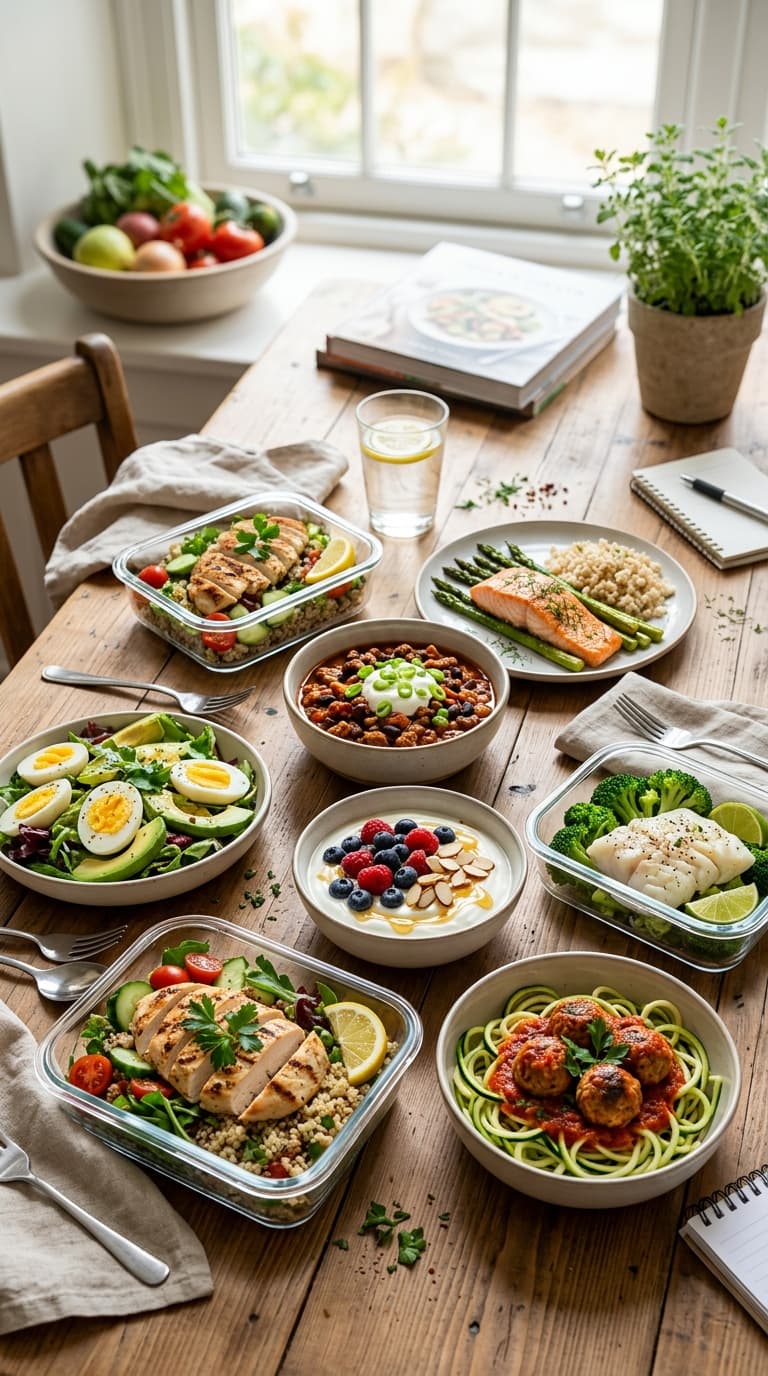
That’s it. That’s your whole week. Everything overlaps intentionally so nothing goes to waste. This is what budget meal prep that cuts grocery bills is all about — strategic overlap, not random shopping.
Day 1: Monday — Start Strong
Breakfast
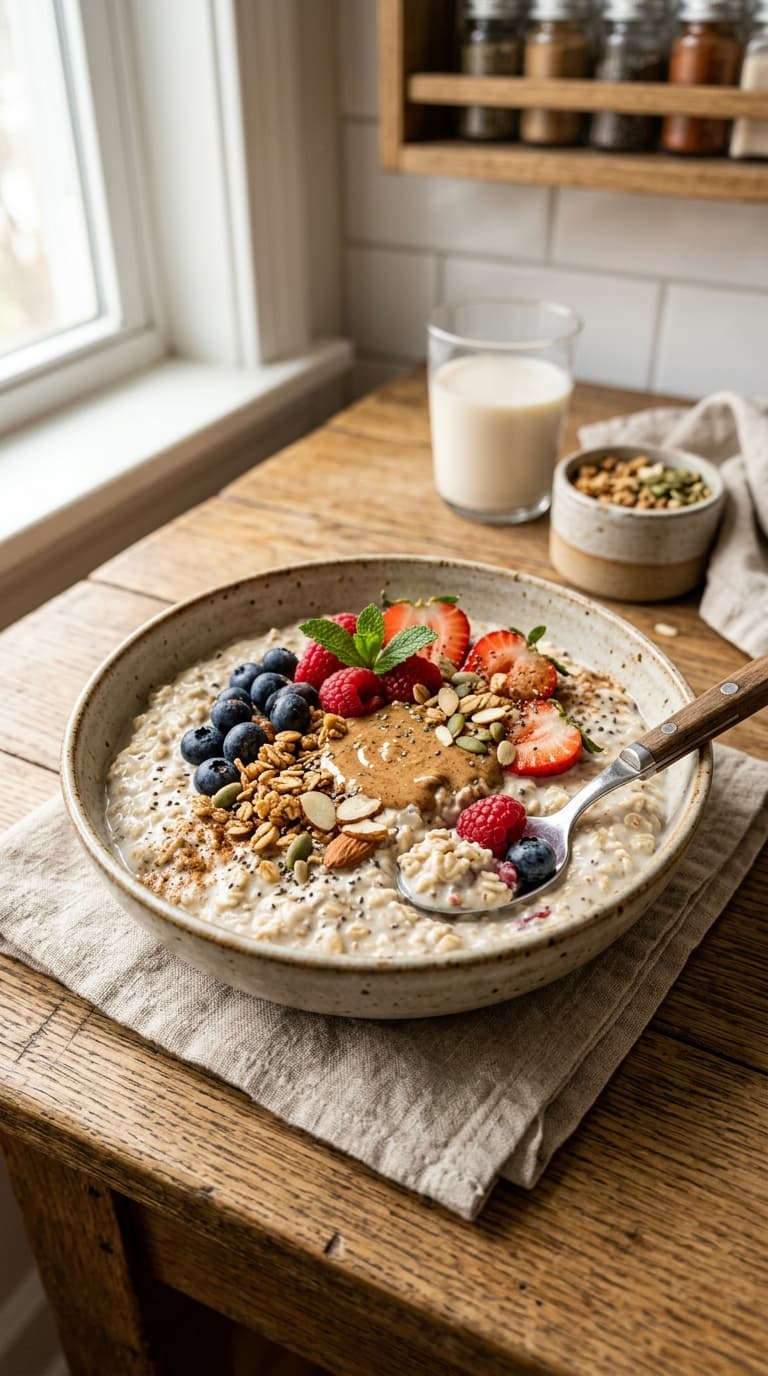
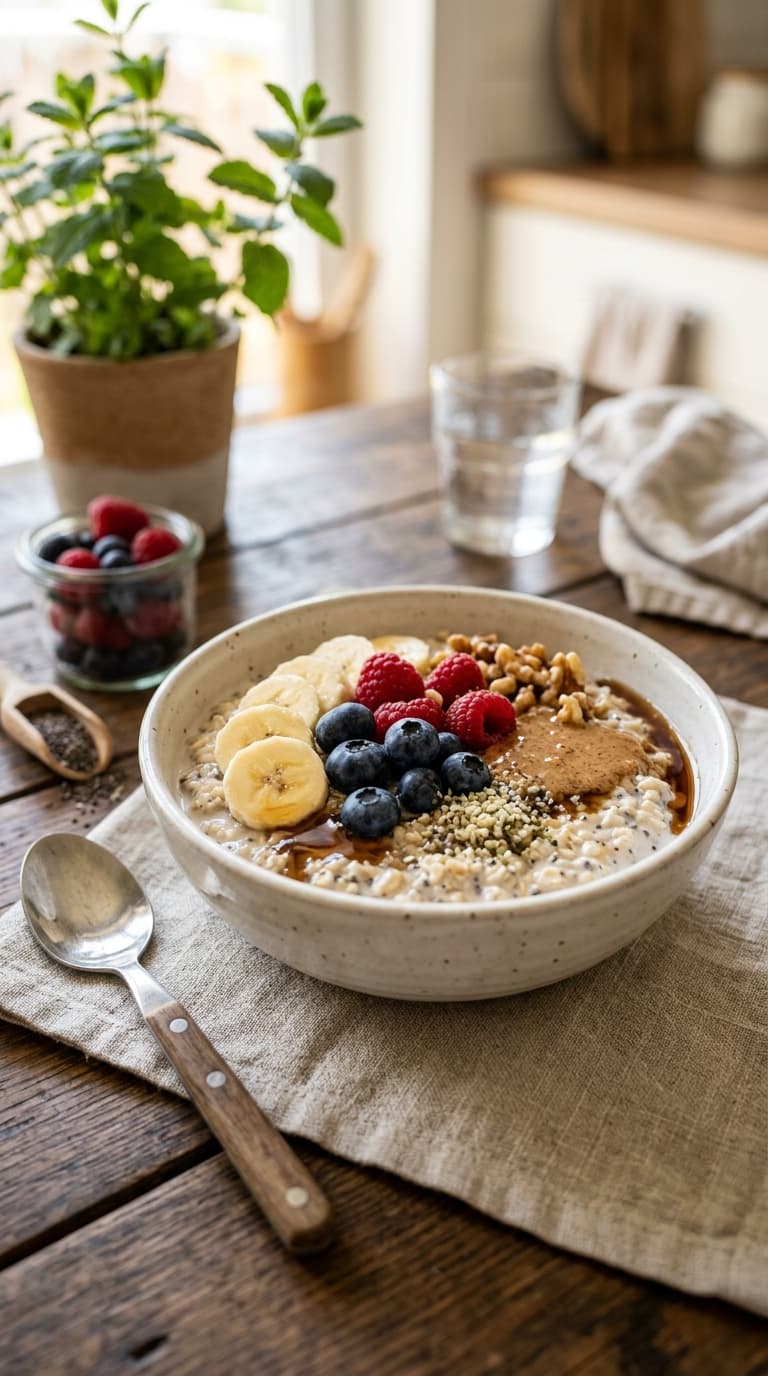
Overnight oats with Greek yogurt and banana. Mix half a cup of oats with Greek yogurt, a splash of water, and sliced banana. Pop it in the fridge Sunday night. Done. You’re not scrambling Monday morning — you’re already winning.
Lunch
Tuna and chickpea salad. One can of tuna mixed with half a can of chickpeas, a handful of spinach, and a drizzle of olive oil if you have it. This combo hits about 35g of protein per serving, which is honestly pretty impressive for something that took five minutes.
Dinner
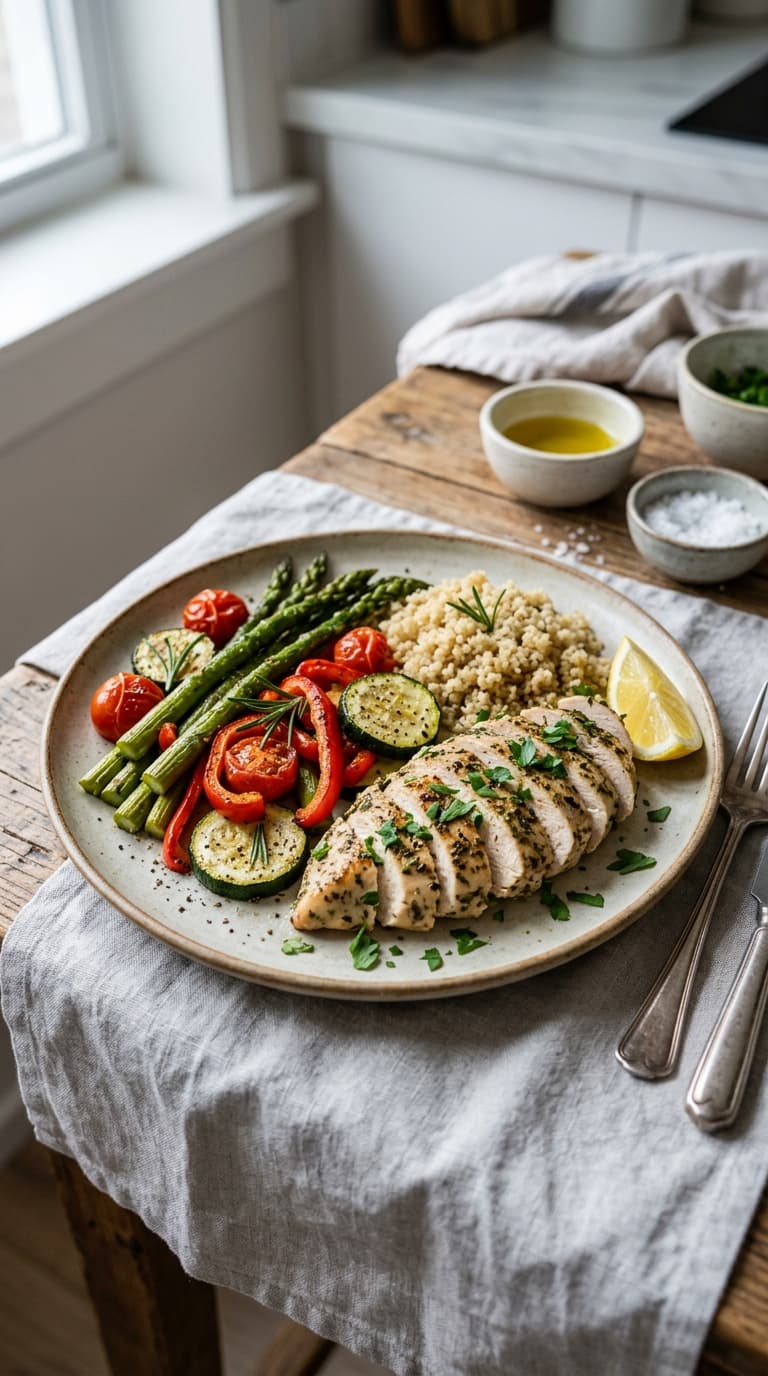
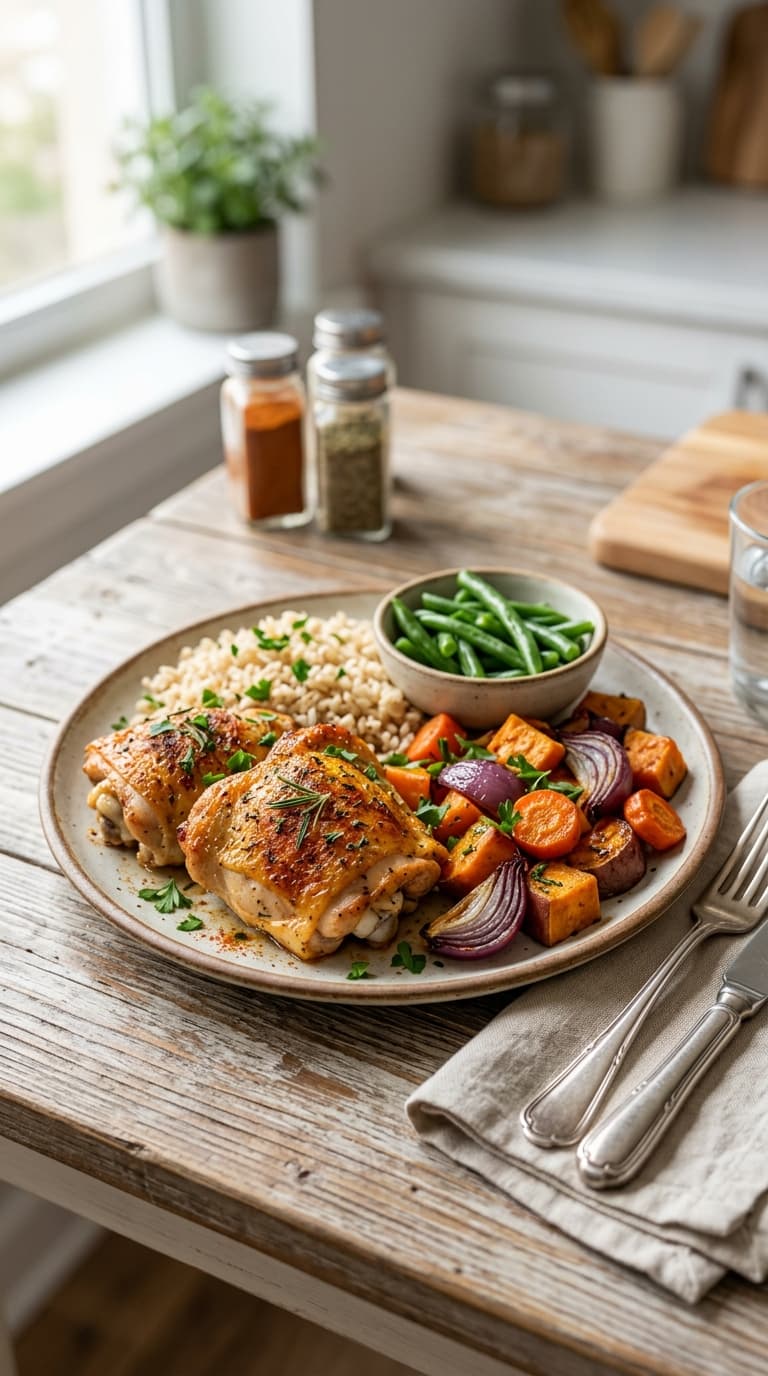
Baked chicken thighs with brown rice and broccoli. Season the chicken with whatever spices you have (garlic powder, paprika, salt — the classics), bake at 400°F for 35 minutes, and serve alongside brown rice and steamed frozen broccoli. Simple, filling, and genuinely delicious.
Day 2: Tuesday — Keep the Momentum
Breakfast
Scrambled eggs with spinach. Three eggs, a handful of spinach wilted in the pan, salt and pepper. About 21g of protein before you’ve even had your coffee. Pair with a piece of fruit if you’re feeling fancy.
Lunch
Lentil soup (batch-cooked). Cook a big pot of lentils with whatever seasoning you like — cumin and turmeric work great. You’ll use this across multiple days, so make a solid batch. Lentils are one of the most underrated protein sources out there, and they’re incredibly filling.
Dinner
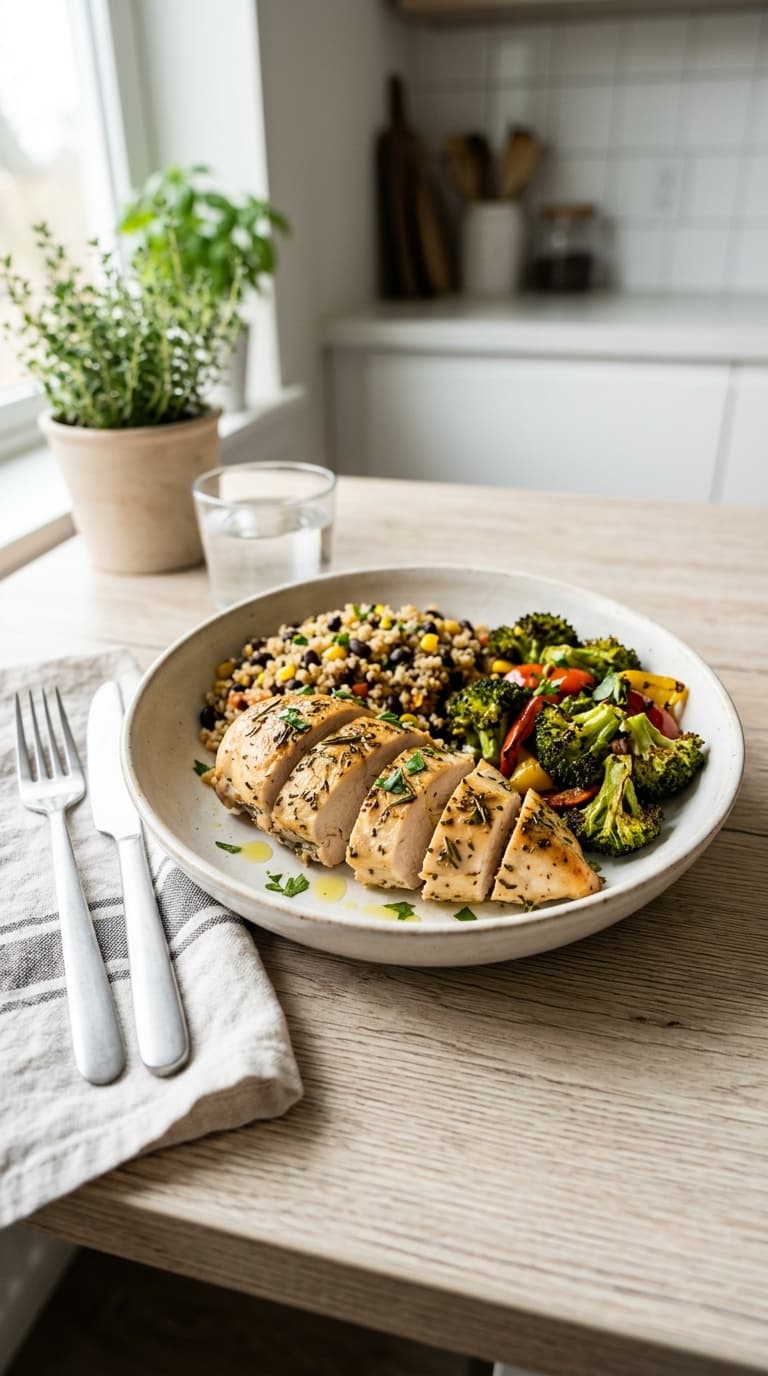
Chicken and black bean rice bowl. Leftover chicken from Monday, black beans, brown rice, and spinach. Throw it all in a bowl. Season it. Eat it. Meal prep bowls like this are genuinely one of the easiest ways to stay consistent — if you want more ideas along these lines, these high-protein meal prep bowls for fat loss are worth bookmarking.
Day 3: Wednesday — Midweek Fuel
Breakfast
Greek yogurt with peanut butter and banana. This combo sounds too simple to be good. It’s not. It’s actually fantastic, and it delivers around 25g of protein without any cooking required. You’ll thank yourself for this one at 7am.
Lunch
Cottage cheese and tuna wrap (or bowl). Mix cottage cheese with a can of tuna. I know, I know — it sounds weird :/ but trust the process. The texture works, the protein is through the roof (around 40g), and it genuinely keeps you full for hours.
Dinner
Lentil and rice bowl with a fried egg on top. Use your lentil batch from Tuesday. Serve over rice, top with a fried egg. The egg adds another hit of protein and makes it feel like a complete meal rather than just leftovers.
Day 4: Thursday — Halfway There
Breakfast
Boiled eggs and oats. Two or three boiled eggs alongside a bowl of plain oats. Not glamorous, but this breakfast keeps you full until lunch without fail. Boil a batch of eggs at the start of the week so they’re ready to grab every morning.
Lunch
Chickpea and spinach stir-fry. Sauté chickpeas in a pan with spinach and garlic. Add any seasoning you like. Serve over brown rice. This is one of those meals that sounds too healthy to be satisfying — and yet here we are, surprisingly full and happy.
Dinner
Baked chicken thighs (second batch) with broccoli and lentils. Use the second portion of your chicken thighs tonight. Pair with the remaining lentils and some broccoli. You’re eating well, saving money, and not eating sad desk salads. Honestly, that’s the dream.
Day 5: Friday — End-of-Week Strong
Breakfast
Peanut butter oats. Oats topped with a tablespoon of peanut butter and sliced banana. Stir it all together while it’s hot. It becomes this creamy, satisfying bowl of goodness that you’ll start looking forward to. Around 18g of protein and genuinely filling.
Lunch
Tuna and black bean bowl. Another can of tuna, rest of the black beans, some spinach, over rice. FYI, this is one of those combos that works way better than it sounds on paper. The beans add fiber alongside the protein, which means you stay full longer.
Dinner
Egg fried rice with broccoli. Leftover rice, three beaten eggs scrambled into it, broccoli, soy sauce if you have it. This is the kind of meal that costs almost nothing and tastes like you actually tried. One of those simple high-protein dinner ideas that doesn’t feel like budget eating at all.
Day 6: Saturday — Treat Yourself (Within Budget)
Breakfast
Greek yogurt parfait. Layer Greek yogurt with oats and sliced banana. It looks like something from a café. It costs you maybe $1.50. That gap in price-to-perceived-value is one of life’s small victories.
Lunch
Big lentil and chickpea soup. Combine your remaining lentils and chickpeas into one big pot of soup. Season generously. This is a high-protein, high-fiber meal that’ll keep you comfortable all afternoon without touching your remaining budget.
Dinner
Chicken thigh and rice meal prep bowl. Whatever chicken remains, serve it one more time with rice and broccoli. You’ve been eating well all week — tonight is just a solid, familiar finish to the savory part of the plan.
Day 7: Sunday — Reset and Reflect
Breakfast
Scrambled eggs with cottage cheese mixed in. Yes, you mix cottage cheese into the eggs before scrambling. It makes them creamier and adds a big protein boost. Around 28g of protein from a breakfast that takes four minutes.
Lunch
Peanut butter and banana oat bowl. Use up your remaining oats and banana. Clean, simple, nutritious. You’ve been consistent all week — don’t overthink the last day.
Dinner
Whatever’s left — freestyle bowl. Gather whatever proteins and grains remain and build a bowl. This is actually the fun part. Mix the last of the chickpeas, rice, eggs, or lentils. Season it. Call it a “signature dish.” 🙂
Protein Breakdown: Are You Actually Hitting Your Goals?
Let’s be honest — the point of this plan is to hit meaningful protein numbers without spending a fortune. Here’s a rough daily protein estimate based on this plan:
- Eggs (3 per day average): ~18–21g
- Canned tuna (1 can): ~25g
- Greek yogurt (1 cup): ~17g
- Chickpeas (half can): ~8g
- Lentils (1 cup cooked): ~18g
- Chicken thighs (1 serving): ~28g
- Cottage cheese (half cup): ~14g
- Peanut butter (2 tbsp): ~8g
Most days on this plan land between 100–130g of protein, depending on your portion sizes. That’s genuinely solid for a budget setup.
Tips to Make This Plan Actually Work
Meal planning sounds easy until it’s 6pm on a Tuesday and you’re exhausted and tempted by takeout. Here’s what actually helps:
- Batch cook on Sunday. Boil all your eggs, cook all your rice, bake your first round of chicken. Two hours of cooking on Sunday = smooth sailing all week.
- Pre-portion your snacks. Greek yogurt and peanut butter portions go fast when you’re hungry. Pre-portion into containers to avoid accidentally eating three days’ worth in one sitting.
- Embrace repetition. The biggest mindset shift in budget meal prep is accepting that you’ll eat similar things multiple days in a row. That’s not boring — that’s efficient. Budget meal prep that saves money is built on this principle entirely.
- Season aggressively. Basic ingredients taste bland when seasoned poorly. Use spices generously — they’re cheap and they transform everything.
- Use frozen vegetables liberally. Frozen broccoli is nutritionally comparable to fresh, costs half the price, and never goes bad before you use it. Stop sleeping on frozen veg.
How This Plan Supports Fat Loss (If That’s Your Goal)
High protein isn’t just for muscle building. Protein keeps you fuller for longer, which naturally reduces overall calorie intake without you having to obsessively count every calorie. It also supports muscle retention during a calorie deficit, which means the weight you lose is more likely to come from fat.
If you’re actively working on fat loss alongside this plan, pairing it with a structured calorie approach makes a big difference. Something like this 7-day calorie deficit meal prep plan can help you dial in the numbers without feeling deprived.
And if you want meals that are both high-volume and lower calorie — so you’re eating bigger portions while staying in a deficit — these high-volume low-calorie meals for fat loss are worth adding to your rotation.
Making It Work Long-Term
One week is a great start, but the real magic happens when this becomes your default approach. The habits you build — batch cooking, strategic grocery shopping, embracing simple protein sources — compound over time.
If you want to extend this into a longer plan, a 21-day high-protein meal prep for lean muscle is a natural next step. Or if family is involved and you’re feeding more than just yourself, this 7-day family meal prep everyone will eat keeps everyone happy without doubling the budget.
The point is: this isn’t a one-and-done experiment. It’s a template you can repeat, adjust, and build on every single week.
Final Thoughts
So there you have it — a full seven days of high-protein eating for under $50. No fancy supplements, no expensive cuts of meat, no complicated recipes that require twelve ingredients and a culinary degree.
The secret was never money. It was always planning. When you know what you’re buying and why, every dollar works harder. You eat better, feel fuller, and stop wasting food (and cash) on things that don’t serve your goals.
Start with this plan as-is, then make it yours. Swap the tuna for more eggs if you hate tuna. Add hot sauce to everything if that’s your thing. The framework is solid — the details are flexible.
Now go make your grocery list. Your future self, who’s eating well and still has money left over at the end of the week, will genuinely thank you.