14-Day Low-Calorie High-Protein Meal Plan For Real Results
14-Day Low-Calorie High-Protein Meal Plan For Real Results
Let’s be honest — you’ve probably tried cutting calories before, ended up starving by 3pm, and raided the snack drawer like it personally offended you. Sound familiar? The secret most plans miss is pairing low calories with high protein. That combo keeps you full, protects your muscle, and actually makes the scale move in the right direction. This 14-day meal plan gives you a real, doable roadmap — no rabbit food, no misery.
Why Low-Calorie High-Protein Actually Works
Here’s the thing most people get wrong: they slash calories but forget about protein. Then they lose muscle instead of fat, feel exhausted, and wonder why they look “skinny-soft” instead of lean. Not exactly the goal, right?
Protein does three heavy-lifting jobs at once:
- It keeps you full longer by slowing digestion
- It preserves lean muscle mass while you’re in a calorie deficit
- It has a high thermic effect — your body burns more calories just digesting it
IMO, this is the single most underrated combo in weight loss. A 7-day high-protein meal prep plan is a great starting point if you want to see how this plays out in a shorter window before committing to two full weeks.
What Your Daily Targets Should Look Like
Before you start cooking, you need a rough framework. Nobody wants to obsessively count every almond, but having a ballpark keeps you on track.
General daily targets for this plan:
- Calories: 1,400–1,600 per day (adjust slightly based on your size and activity level)
- Protein: 100–140g per day
- Carbs: 100–130g (focus on complex sources)
- Fat: 40–55g (healthy fats only — avocado, olive oil, nuts)
If you’re on the shorter or less active side, you might find a 7-day 1,200 calorie meal plan useful as a reference point for tighter calorie targets.
Your 14-Day Meal Plan Breakdown
Let’s get into the actual food. This plan repeats some meals strategically — because nobody has time to cook 42 completely different dishes. Smart repetition = less stress, less waste, more results.
Week 1 (Days 1–7)
Day 1
- Breakfast: Greek yogurt (plain, full-fat 2%) with berries and a drizzle of honey — ~30g protein
- Lunch: Grilled chicken salad with chickpeas, cucumber, cherry tomatoes, and lemon-tahini dressing — ~40g protein
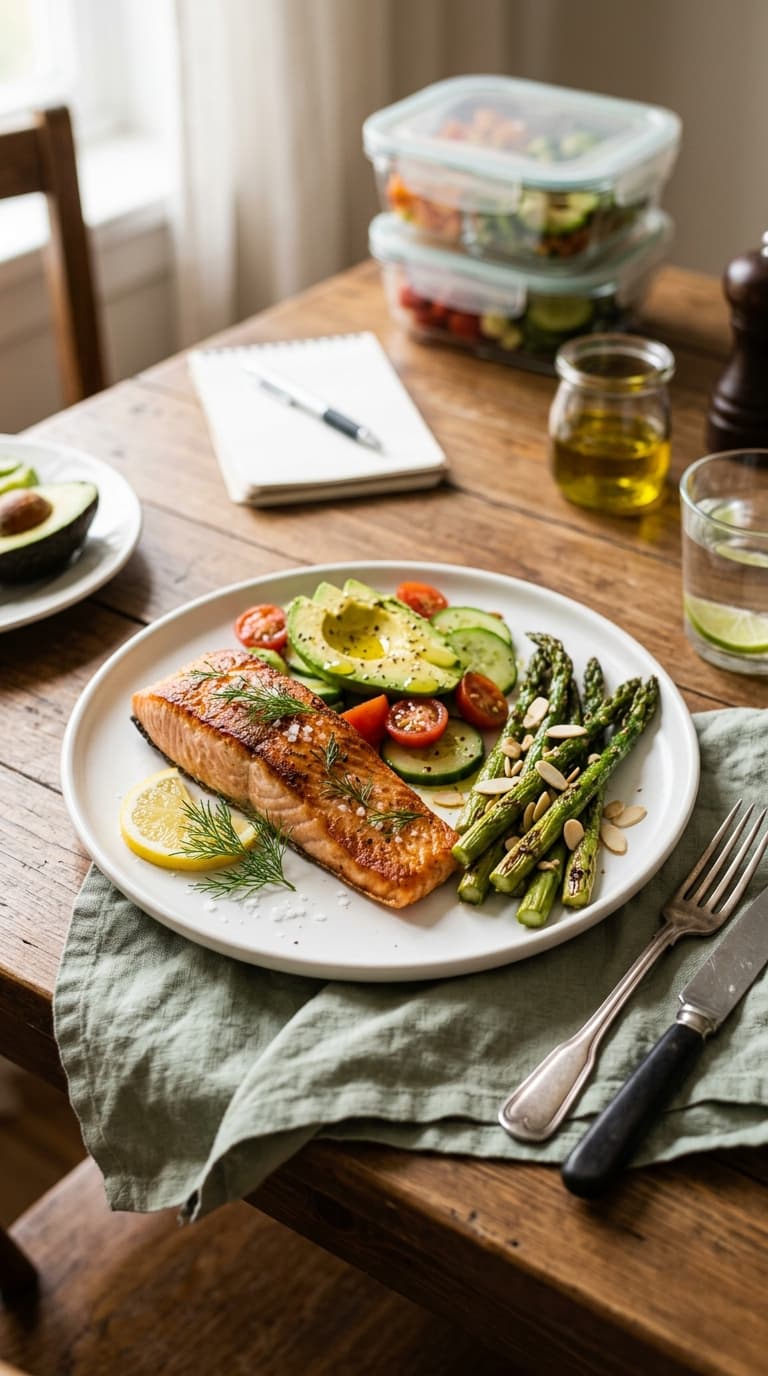
- Dinner: Baked salmon with roasted broccoli and quinoa — ~38g protein
- Snack: Hard-boiled eggs x2 — ~12g protein
Day 2
- Breakfast: Scrambled eggs (3) with spinach and whole grain toast — ~28g protein
- Lunch: Turkey and avocado wrap with lettuce and mustard — ~35g protein
- Dinner: Lean beef stir-fry with bell peppers, snap peas, and brown rice — ~40g protein
- Snack: Cottage cheese with cucumber slices — ~15g protein
Day 3
- Breakfast: Protein smoothie — Greek yogurt, banana, protein powder, almond milk — ~35g protein
- Lunch: Lentil soup with a side of whole grain bread — ~25g protein
- Dinner: Chicken thighs (skinless) with sweet potato and green beans — ~42g protein
- Snack: A handful of almonds and a string cheese — ~10g protein
Day 4
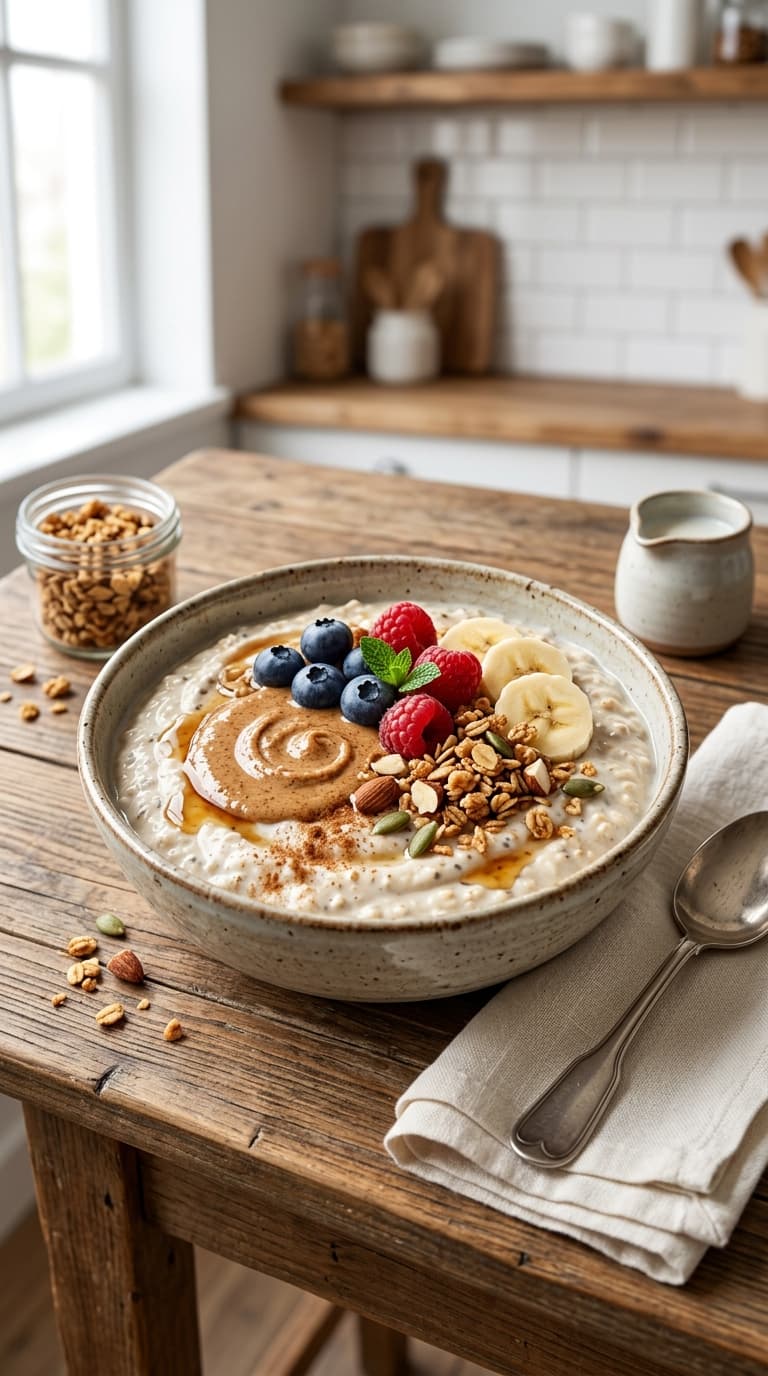
- Breakfast: Overnight oats with chia seeds, almond butter, and sliced banana — ~22g protein
- Lunch: Tuna-stuffed bell peppers with brown rice and salsa — ~38g protein
- Dinner: Shrimp tacos (corn tortillas, cabbage slaw, Greek yogurt sauce) — ~35g protein
- Snack: Edamame, lightly salted — ~14g protein
Day 5
- Breakfast: Egg white omelette with mushrooms, feta, and tomatoes — ~30g protein
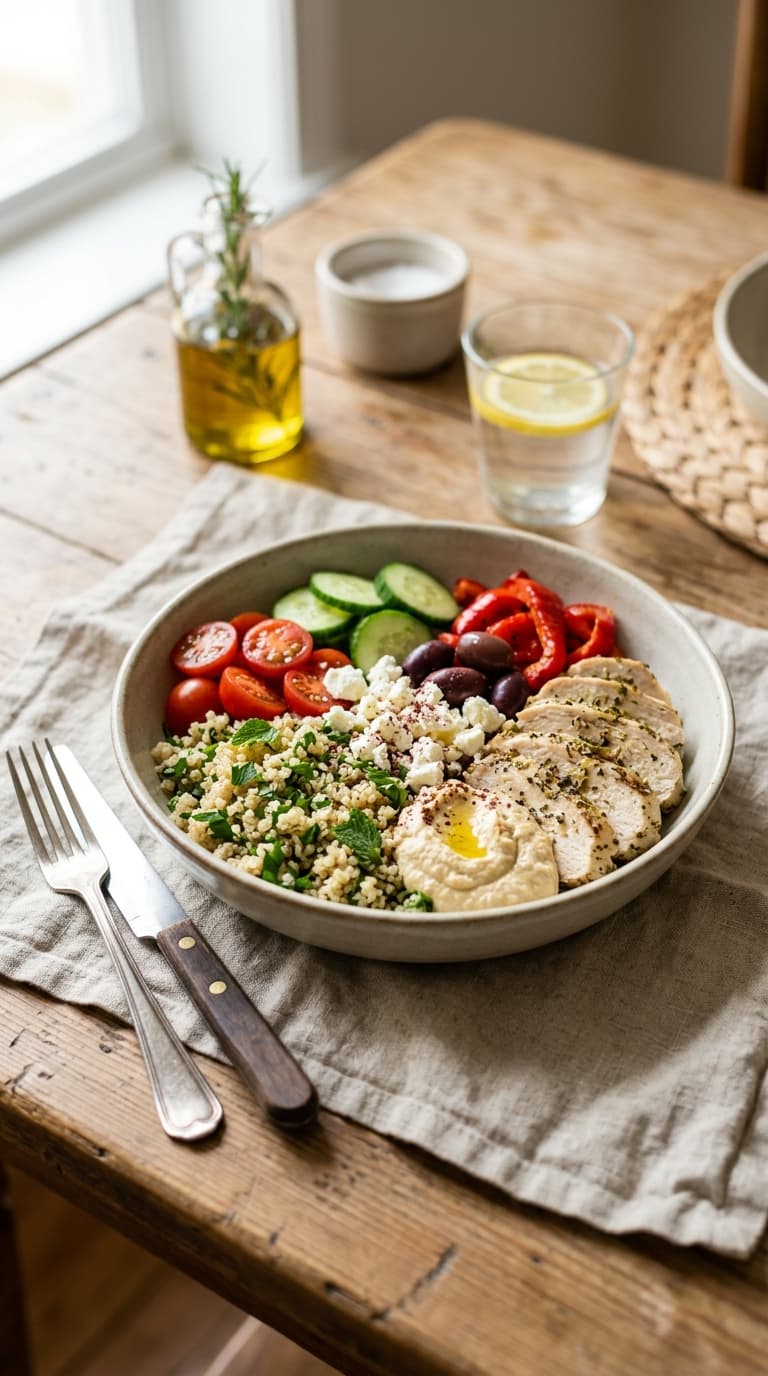
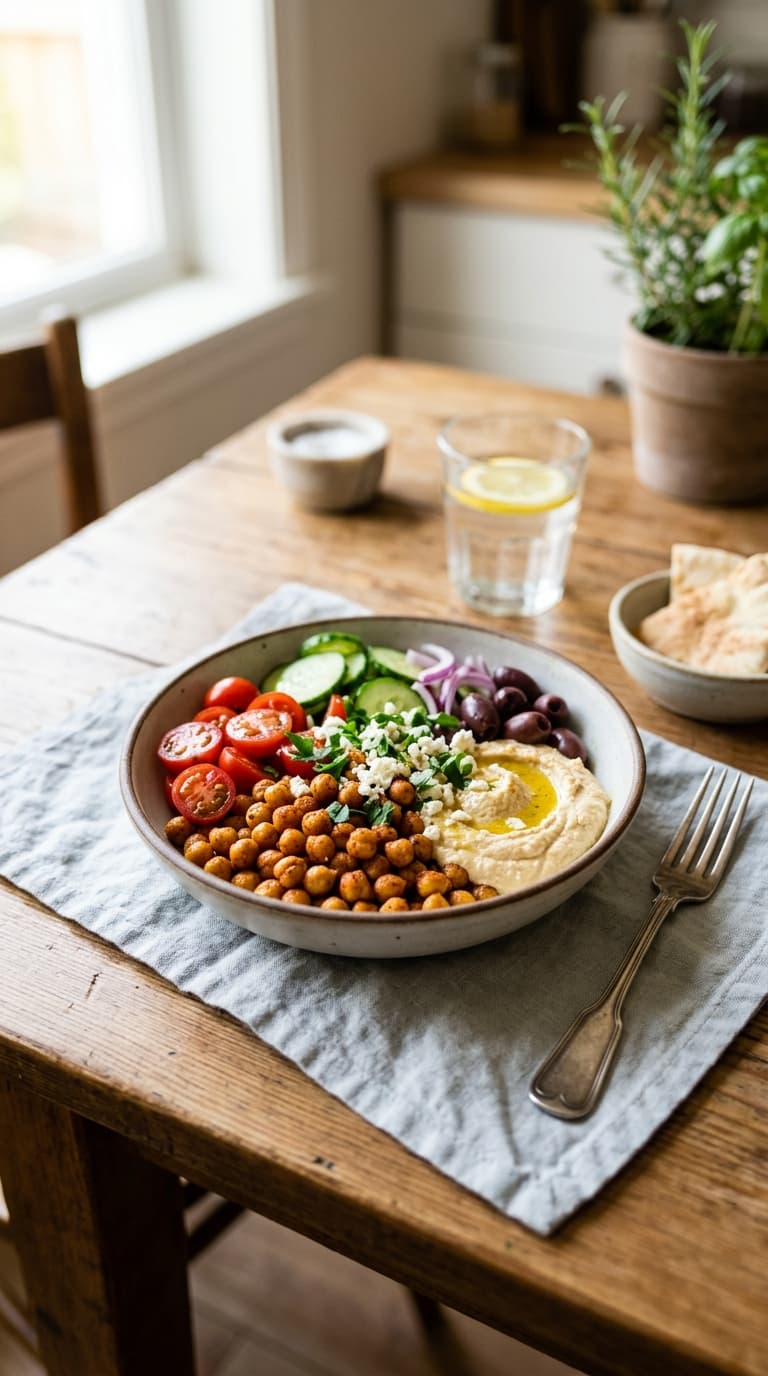
- Lunch: Grilled chicken grain bowl with farro, roasted veggies, and hummus — ~40g protein
- Dinner: Turkey meatballs with zucchini noodles and marinara — ~38g protein
- Snack: Protein bar (look for ones under 200 calories with 15g+ protein) — ~15g protein
Day 6
- Breakfast: High-protein pancakes (oat flour, eggs, banana) with fresh fruit — ~25g protein
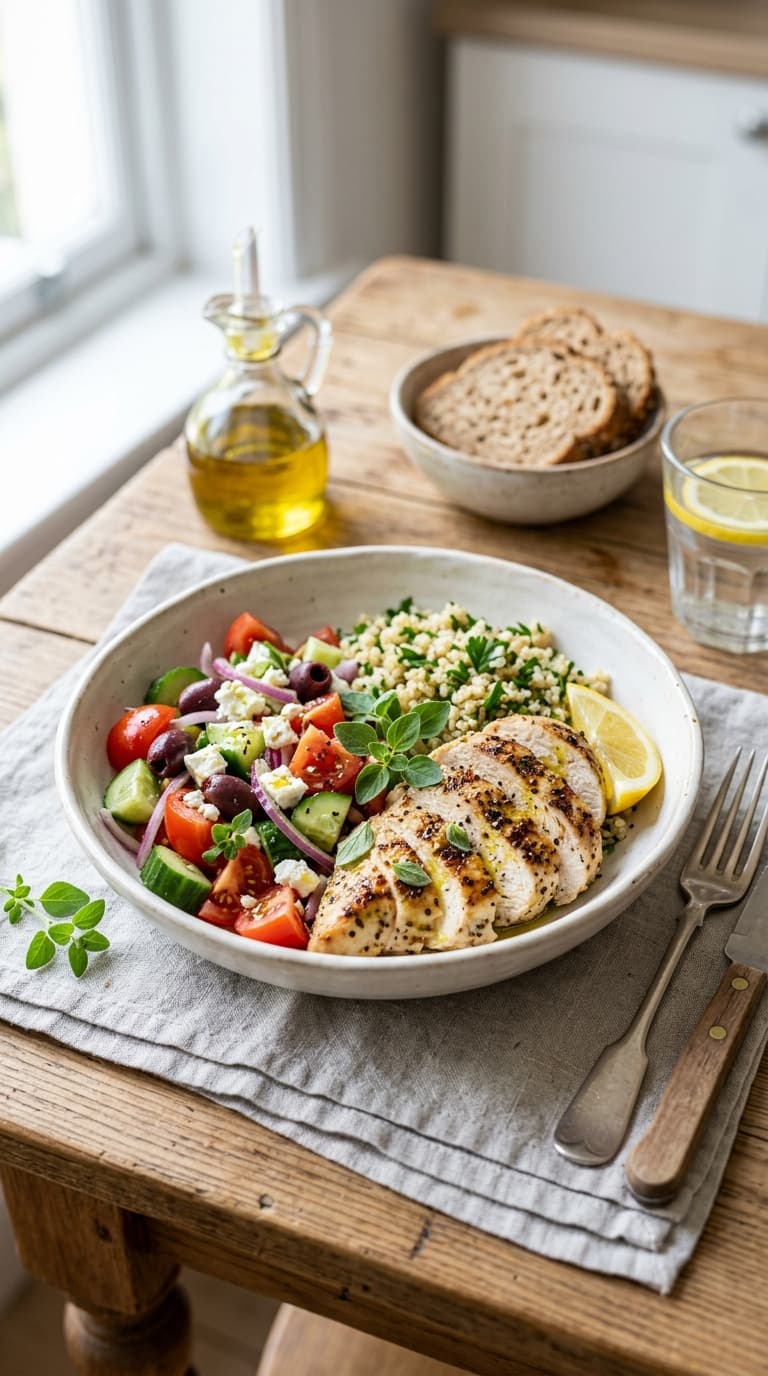
- Lunch: Greek salad with grilled chicken and a whole grain pita — ~42g protein
- Dinner: Baked cod with asparagus and roasted baby potatoes — ~35g protein
- Snack: Celery with peanut butter — ~7g protein
Day 7
- Breakfast: Veggie scramble with 3 eggs, onion, peppers, and salsa — ~30g protein
- Lunch: Chicken and black bean burrito bowl — ~45g protein
- Dinner: Homemade turkey chili (use lean ground turkey, kidney beans, canned tomatoes) — ~40g protein
- Snack: Greek yogurt with a sprinkle of granola — ~18g protein
If batch cooking sounds appealing, a 14-day meal prep plan to reset your routine pairs perfectly with this structure.
Week 2 (Days 8–14)
Here’s where most people fall off. Week two is actually the harder one — the novelty wears off and motivation dips. The trick? Keep meals simple, familiar, and prep-friendly.
Day 8
- Breakfast: Cottage cheese bowl with pineapple and flaxseeds — ~28g protein
- Lunch: Leftover turkey chili from Day 7 (meal prep win :)) — ~40g protein
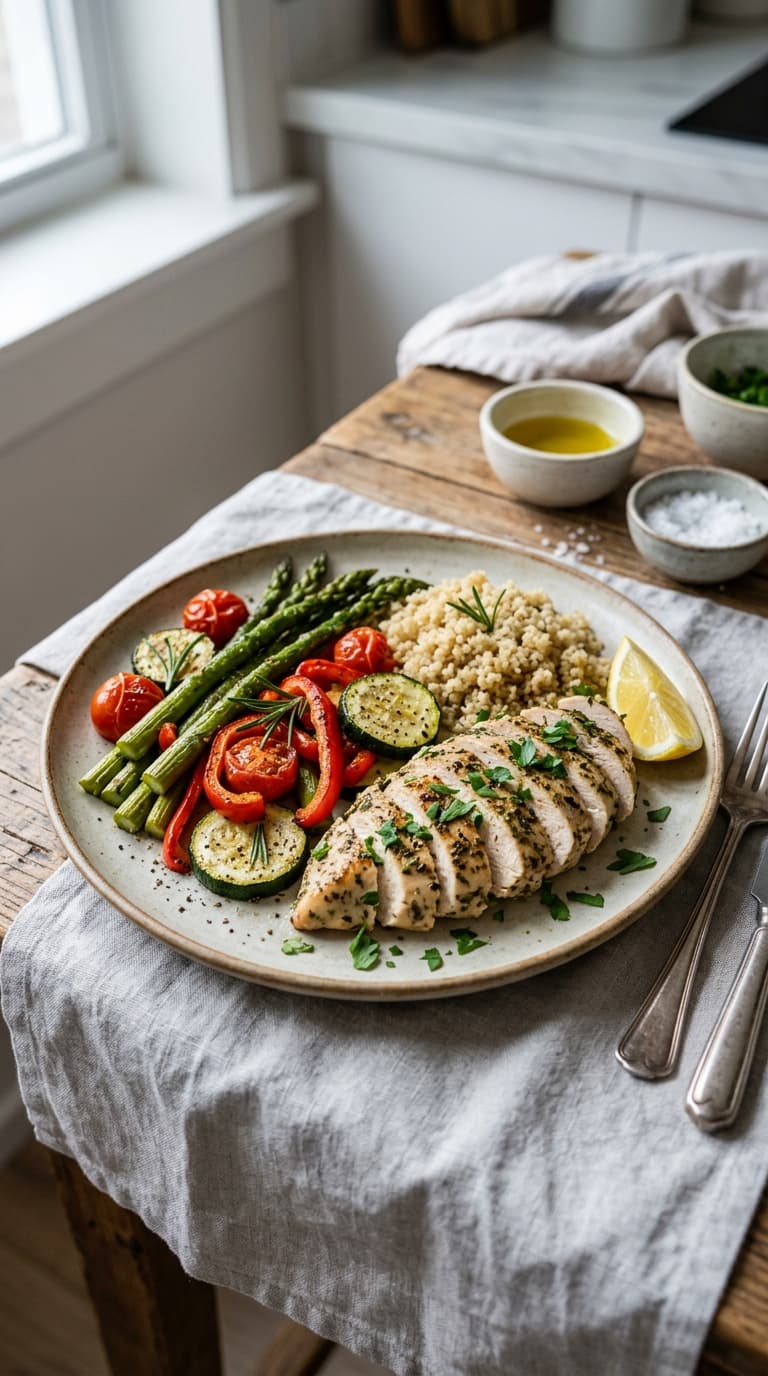
- Dinner: Baked chicken breast with cauliflower rice and roasted carrots — ~42g protein
- Snack: Rice cakes with almond butter — ~8g protein
Day 9
- Breakfast: Protein smoothie bowl (frozen berries, protein powder, topped with seeds) — ~32g protein
- Lunch: Grilled salmon salad with arugula, avocado, and lemon vinaigrette — ~38g protein
- Dinner: Lean beef and veggie stew with a small whole grain roll — ~40g protein
- Snack: Hard-boiled egg and an apple — ~7g protein
Day 10
- Breakfast: Egg muffins (baked in muffin tin with veggies and turkey sausage) — ~30g protein
- Lunch: Chicken shawarma bowl with hummus, cucumber, and whole grain pita — ~45g protein
- Dinner: Shrimp fried cauliflower rice with edamame and soy-ginger glaze — ~35g protein
- Snack: Cottage cheese with cherry tomatoes — ~16g protein
Day 11
- Breakfast: Overnight oats with protein powder, walnuts, and raspberries — ~30g protein
- Lunch: Turkey lettuce wraps with shredded carrots, avocado, and sriracha — ~32g protein
- Dinner: Baked tilapia with mashed cauliflower and steamed broccoli — ~36g protein
- Snack: String cheese and a small pear — ~7g protein
Day 12
- Breakfast: Greek yogurt parfait with granola and mixed berries — ~28g protein
- Lunch: Chicken and lentil soup with spinach and a slice of whole grain toast — ~38g protein
- Dinner: Ground turkey stuffed zucchini boats — ~40g protein
- Snack: Protein bar or edamame — ~14g protein
Day 13
- Breakfast: Spinach and feta egg scramble with sliced avocado — ~30g protein
- Lunch: Tuna salad (Greek yogurt base, no mayo) on whole grain crackers — ~35g protein
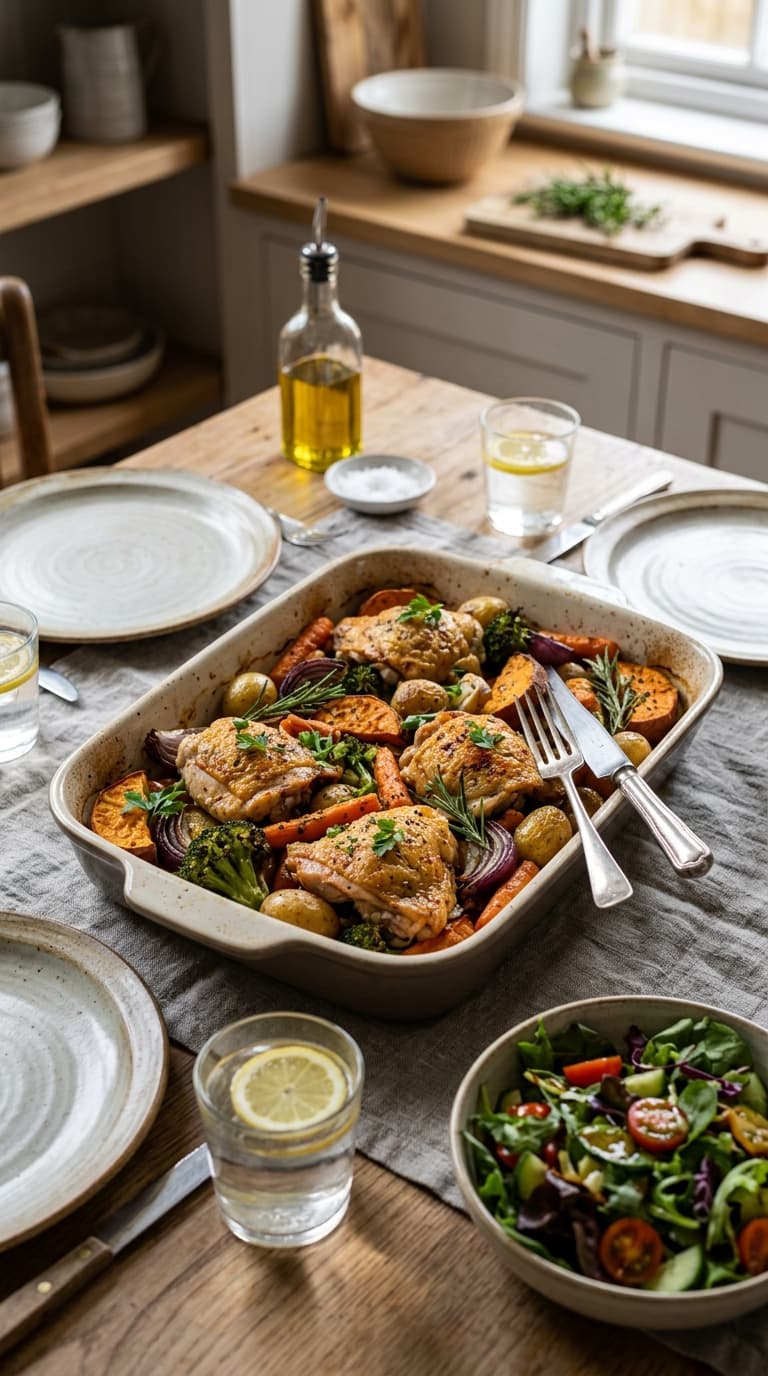
- Dinner: Grilled chicken thighs with roasted Brussels sprouts and sweet potato — ~42g protein
- Snack: Handful of mixed nuts and a hard-boiled egg — ~12g protein
Day 14
- Breakfast: Protein pancakes with fresh berries and a dollop of Greek yogurt — ~28g protein
- Lunch: Big grain bowl — quinoa, grilled chicken, roasted veg, tahini drizzle — ~45g protein
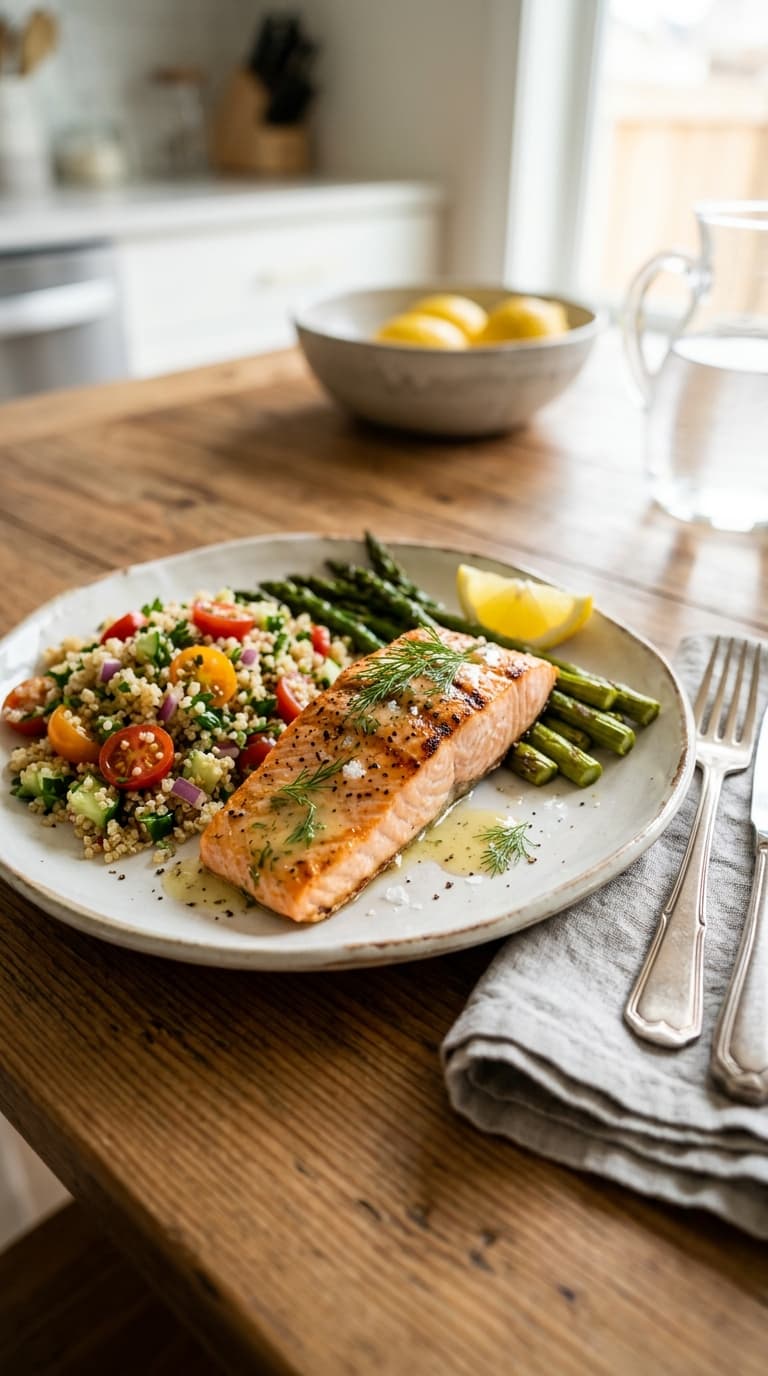
- Dinner: Salmon with wild rice and sautéed kale in garlic and olive oil — ~40g protein
- Snack: Whatever you have left in the fridge, honestly. You earned it. — ~varies
Smart Meal Prep Strategies That Save Your Week
You do not want to be cooking from scratch every single night. That’s how even the most motivated people burn out by Day 4. Spending a couple of hours on Sunday will make the entire week run smoother than you’d believe.
Here’s what to batch-prep on Day 1 and Day 8:
- Cook a large batch of grains (quinoa, brown rice, farro) — they last 5 days in the fridge
- Grill or bake a big tray of chicken breasts or thighs
- Hard-boil a dozen eggs at once
- Roast two sheet pans of mixed veggies
- Pre-portion your snacks into containers so you’re not eyeballing everything at 10pm
If you want something more structured, these 14 meal prep bowls for easy weight loss are a genius way to batch your meals without eating the exact same thing every day. And if time is genuinely tight, the 7-day meal prep plan for busy people gives you a fast-track version you can adapt here.
Foods That Belong on Your Shopping List
FYI — keeping your kitchen stocked with the right staples means you’ll never be stuck scrambling for something to eat. These are the non-negotiables for this plan.
Proteins:
- Chicken breast and thighs (skinless)
- Lean ground turkey
- Salmon, tilapia, cod, shrimp
- Eggs and egg whites
- Greek yogurt (plain, 2% or full-fat)
- Cottage cheese
- Canned tuna
- Lentils, chickpeas, black beans, edamame
Carbs (the smart kind):
- Quinoa, brown rice, farro, wild rice
- Oats (rolled or quick)
- Sweet potatoes
- Whole grain bread, tortillas, and pita
- Corn tortillas
Fats:
- Avocado and avocado oil
- Olive oil
- Almonds, walnuts, peanut butter, almond butter
- Feta cheese (used sparingly)
Veggies (go wild here):
- Broccoli, Brussels sprouts, zucchini, asparagus, green beans, spinach, kale, cauliflower, bell peppers
Mistakes to Avoid On This Plan
Even a solid plan can go sideways if you make these common slip-ups. Trust me, I’ve seen every one of these derail real progress.
1. Skipping protein at breakfast
Starting your day with just toast or fruit means you’ll be ravenous by mid-morning. Lead with protein every single time — eggs, Greek yogurt, cottage cheese, or a protein smoothie.
2. Eating too little
This isn’t a 900-calorie starvation plan. Going too low spikes cortisol, tanks your energy, and tanks your metabolism. Stick to the 1,400–1,600 range. If you want to explore a structured calorie deficit approach for women specifically, this 14-day calorie deficit meal plan for women is worth bookmarking.
3. Forgetting about liquid calories
Fancy coffees, juices, and even “healthy” smoothies can quietly add 300–500 calories without touching your hunger. Stick mostly to water, black coffee, or plain tea.
4. Not prepping snacks
When hunger hits and there’s nothing ready, willpower evaporates fast. Pre-pack your snacks just like your meals. These 30 low-calorie meals that keep you full also have great snack-adjacent ideas worth borrowing.
How to Handle Hunger and Cravings
Hunger on a calorie deficit is real — let’s not pretend otherwise :/. But there’s hunger from genuine need and then there’s boredom hunger, stress hunger, and “my eyes saw chocolate” hunger.
Ways to manage it without blowing the plan:
- Drink a large glass of water first and wait 10 minutes
- Eat more volume — pile up raw veggies, broth-based soups, and high-fiber foods that fill your stomach without a huge calorie cost
- These 30 high-volume low-calorie meals for fat loss are genuinely a game-changer for staying full on a deficit
- Keep a protein-rich snack within arm’s reach at all times
What to Expect Week by Week
Week 1 Results
You’ll likely drop a bit of water weight in the first week — usually 1–3 lbs depending on your starting point. Don’t get too attached to that number. It’s mostly glycogen and water, not pure fat. Your energy might dip slightly around Days 3–4 as your body adjusts. Push through it.
Week 2 Results
This is where real fat loss starts to show up. If you’ve stayed consistent, you could see 1–2 lbs of actual fat loss in week two. You’ll also notice clothes fitting differently, less bloating, and more consistent energy levels throughout the day.
Over 14 days combined, a realistic and healthy total loss is 3–5 lbs — with actual body composition improvements that last. For a longer runway with similar principles, a 30-day weight loss meal plan that actually works is a natural next step after this.
Can You Exercise Alongside This Plan?
Absolutely — and you should. Strength training in particular pairs beautifully with high-protein eating because your muscles have the fuel to recover and grow. Even 3 sessions per week of lifting makes a huge difference.
If you’re doing intense cardio or heavy training, bump your protein slightly higher (aim for the upper end of the 140g range) and make sure you’re not dipping below 1,400 calories on heavy training days. Your body will tell you if it needs more fuel — listen to it.
Making This Plan Work Long-Term
Two weeks is a great reset, but the real win is building habits that stick past Day 14. Think of this plan as your proof of concept — evidence that eating high-protein and low-calorie doesn’t have to be miserable. If you want to keep the momentum going, a 21-day high-protein meal prep for lean muscle is an excellent follow-up that takes things to the next level.
You can also rotate in different protein sources, try new cuisines, and swap vegetables freely — the framework stays the same. High protein, smart calories, real food, consistent prep.
The Bottom Line
This 14-day low-calorie high-protein meal plan works because it doesn’t ask you to suffer. It gives you structure, variety, and enough food to feel human while still creating the calorie deficit your body needs to drop fat. The combination of adequate protein and moderate calories is genuinely the most sustainable fat loss approach out there — not just another trend.
Stick to the plan, prep your food ahead of time, and don’t let a bad meal spiral into a bad week. One off-meal changes nothing. Consistency over 14 days changes everything. Now go cook something good — you’ve got results waiting.