21-Day Mediterranean Diet Challenge For Beginners (Lose Weight & Feel Great)
21-Day Mediterranean Diet Challenge For Beginners (Lose Weight & Feel Great)
So you’ve heard everyone raving about the Mediterranean diet and you’re wondering if it’s actually worth the hype — or just another trendy eating plan that’ll have you miserable by day three. Spoiler: it’s the real deal. I tried this challenge myself after years of yo-yo dieting, and honestly, it’s the first eating approach that didn’t make me want to throw my meal plan out the window by week two. Let’s talk about how to do this right, starting today.
What Is the Mediterranean Diet (And Why Should You Care)?
The Mediterranean diet isn’t really a “diet” in the traditional sense — it’s more of a lifestyle borrowed from people living along the Mediterranean coast. Think Greece, Italy, Spain. These folks have been eating this way for centuries, and their rates of heart disease, obesity, and diabetes are significantly lower than in most Western countries.
The core idea is simple: eat more whole foods, healthy fats, lean protein, and plants. Cut back on processed junk, refined sugar, and red meat. That’s it. No calorie obsession, no weird supplements, no cutting out entire food groups.
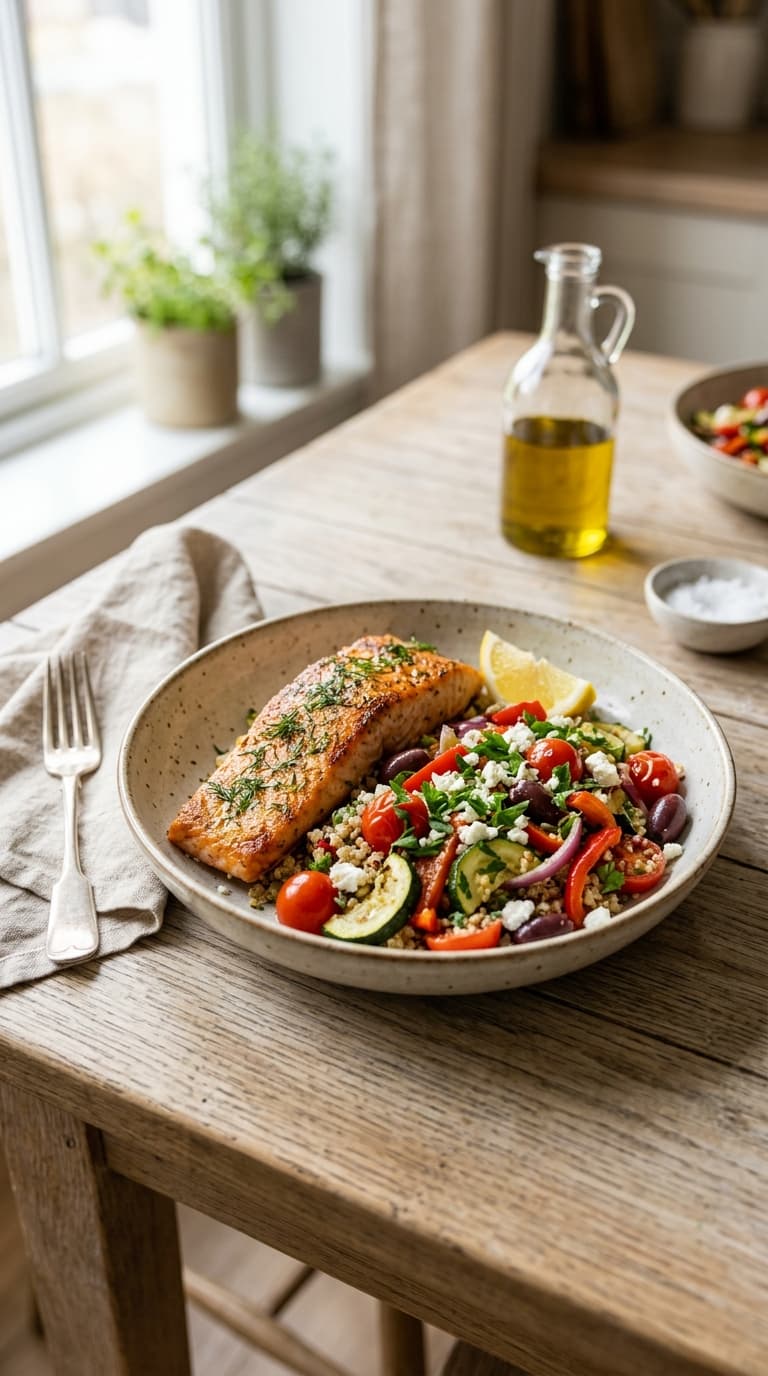
What makes it so sustainable is that the food actually tastes incredible. Olive oil, fresh herbs, roasted vegetables, grilled fish — this isn’t punishment food. This is good food.
What You’ll Eat on This Challenge
Before we map out the 21 days, let’s get clear on what’s on the menu and what’s off-limits.
Foods to Eat Freely
- Vegetables — especially leafy greens, tomatoes, peppers, zucchini, eggplant
- Fruits — berries, oranges, figs, grapes, apples
- Whole grains — farro, quinoa, brown rice, whole wheat bread
- Legumes — chickpeas, lentils, black beans, white beans
- Nuts and seeds — almonds, walnuts, sunflower seeds, flaxseeds
- Healthy fats — extra virgin olive oil (your new best friend), avocado
- Fish and seafood — salmon, sardines, tuna, shrimp (aim for 2–3 times a week)
- Herbs and spices — garlic, basil, oregano, turmeric, cumin
Foods to Eat in Moderation
- Poultry — chicken and turkey a few times a week
- Eggs — up to one per day is fine
- Dairy — Greek yogurt, feta, and small amounts of cheese
- Red wine — yes, really, but one glass max and only if you drink
Foods to Limit or Avoid
- Processed snacks and fast food
- Refined sugar and sugary drinks
- White bread and pasta (in large quantities)
- Red meat (keep it to once a week or less)
- Anything that comes in a crinkly bag with 47 ingredients you can’t pronounce
The 21-Day Plan Breakdown
Here’s how to structure your three weeks so it feels manageable and not like you’re trying to overhaul your entire life in one afternoon.
Week 1: Build the Foundation (Days 1–7)
Week one is all about swapping, not overhauling. Don’t try to go full Mediterranean from day one. Instead, make gradual swaps that don’t feel painful.
- Swap butter for extra virgin olive oil in cooking
- Replace white rice with quinoa or farro
- Add a side salad to at least one meal per day
- Drink water or herbal tea instead of soda
- Snack on a handful of almonds or fresh fruit instead of chips
A typical day might look like this: Greek yogurt with berries and a drizzle of honey for breakfast, a big chickpea and vegetable salad for lunch, and grilled salmon with roasted zucchini and brown rice for dinner.
If you want to take meal prep seriously from the start, a solid 21-day weight loss meal prep plan will save you hours every week and keep you on track when life gets hectic.
Week 2: Dial It Up (Days 8–14)
By week two, the swaps from week one should feel more natural. Now it’s time to add more structure and variety.
- Start batch cooking on Sundays — roast a big tray of vegetables, cook a pot of lentils, prep some grains
- Try two new Mediterranean recipes you’ve never made before
- Reduce meat portions and fill the plate with more vegetables and legumes
- Cut out processed snacks entirely — this is the week it gets real
- Add a 20-minute walk after dinner at least four days a week
FYI — the walk after dinner isn’t just for calorie burning. It helps regulate blood sugar after meals, which is one reason Mediterranean populations stay leaner without obsessing over macros.
For meal prep inspo that actually keeps your fridge stocked without taking over your entire Sunday, check out this 21-day healthy meal prep guide for building better habits — it’s genuinely practical.
Week 3: Lock It In (Days 15–21)
Week three is about making this feel permanent. By now, your taste buds have adjusted. You probably don’t miss the processed stuff as much as you expected. The goal this week is to solidify routines so you don’t bounce back to old habits the moment the challenge ends.
- Plan your meals for the full week on Sunday
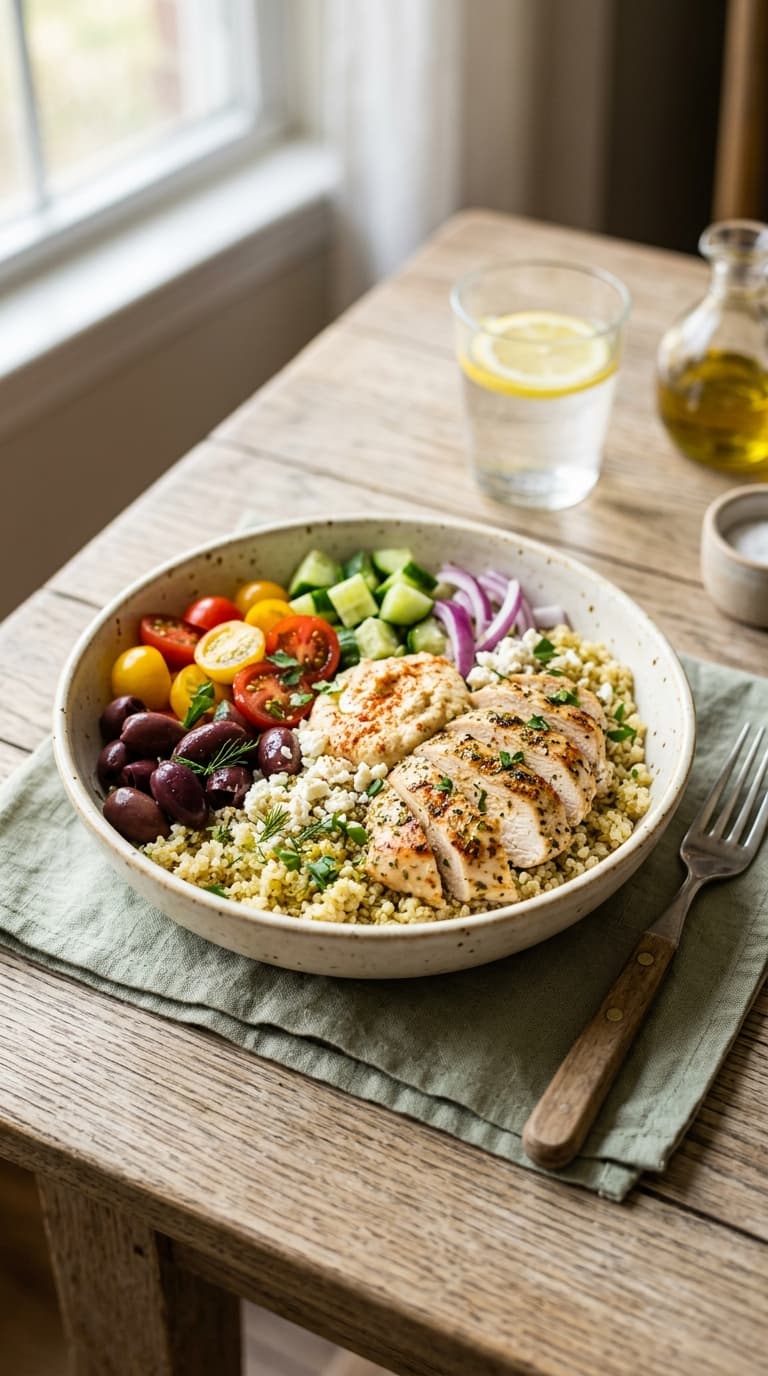
- Experiment with legume-heavy meals — lentil soup, white bean stew, hummus bowls
- Eat mindfully — sit down, eat slowly, enjoy your food like the Italians do
- Notice how you feel: energy levels, sleep quality, digestion, mood
Most people report feeling noticeably better by day 15. Lighter, more energetic, less bloated. That’s not a fluke — that’s what happens when you fuel your body with actual food.
Sample Mediterranean Meal Plan (Day-by-Day Snapshot)
Here’s a quick look at what a few days might look like across the three weeks:
Day 1
- Breakfast: Greek yogurt with walnuts and honey
- Lunch: Lentil soup with crusty whole wheat bread
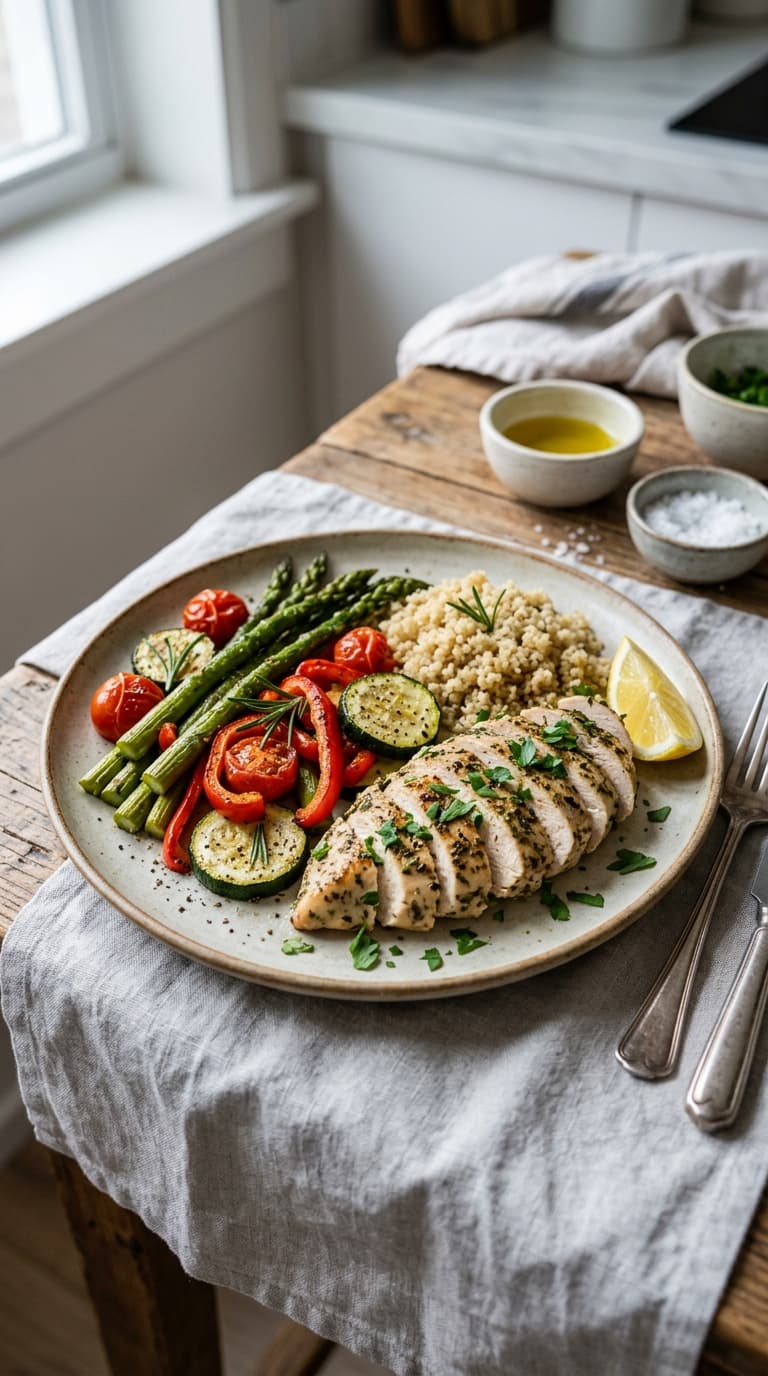
- Dinner: Grilled chicken with roasted peppers and quinoa
- Snack: Apple slices with almond butter
Day 7
- Breakfast: Scrambled eggs with spinach, tomato, and olive oil
- Lunch: Tuna and white bean salad with arugula
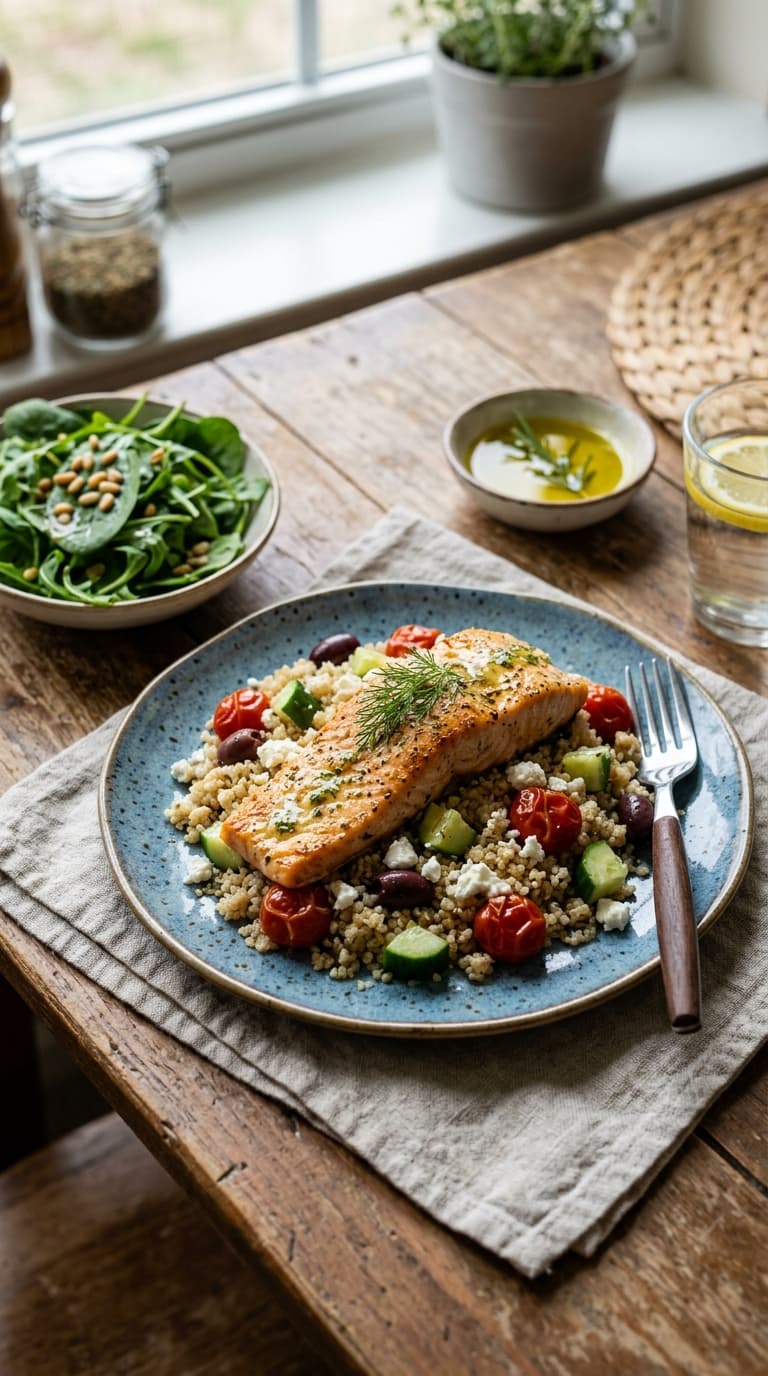
- Dinner: Baked salmon with lemon, garlic, and steamed broccoli
- Snack: A small handful of mixed nuts
Day 14
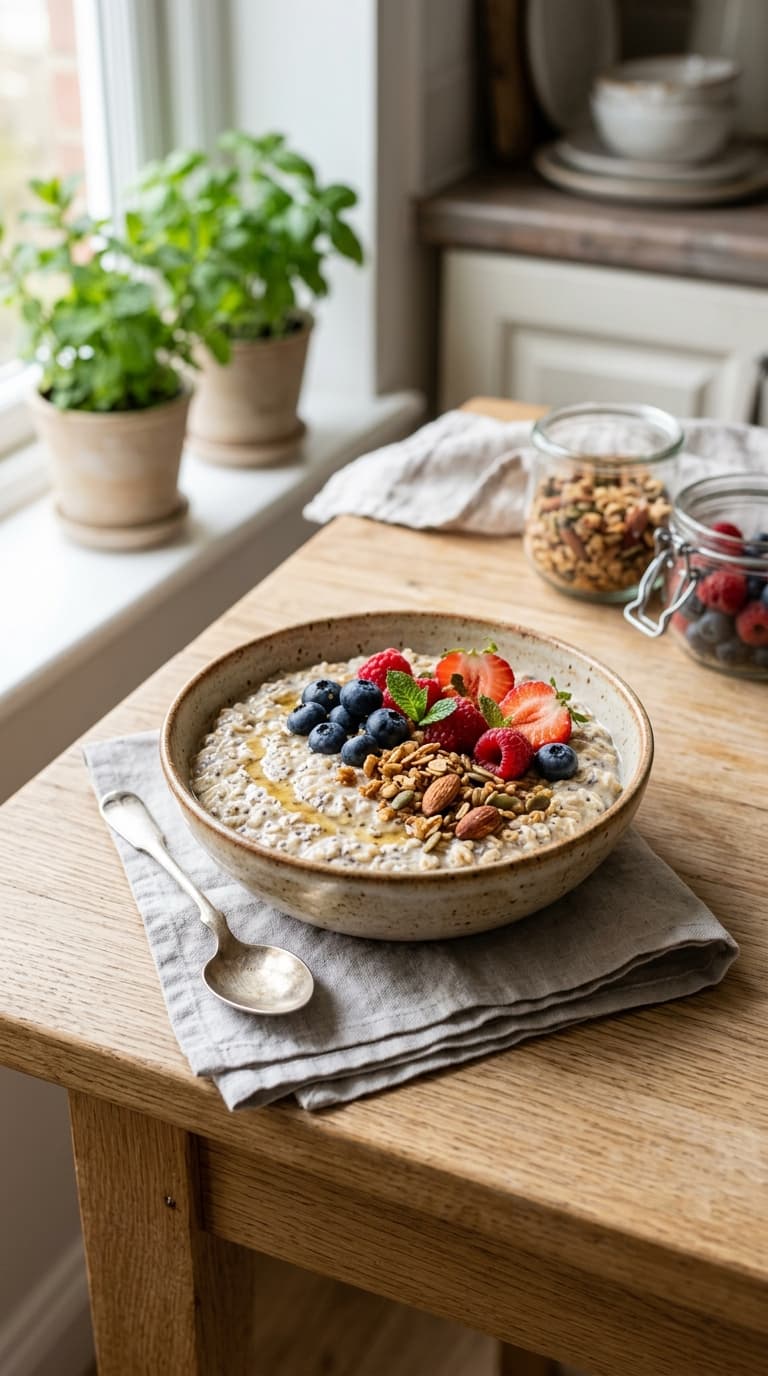
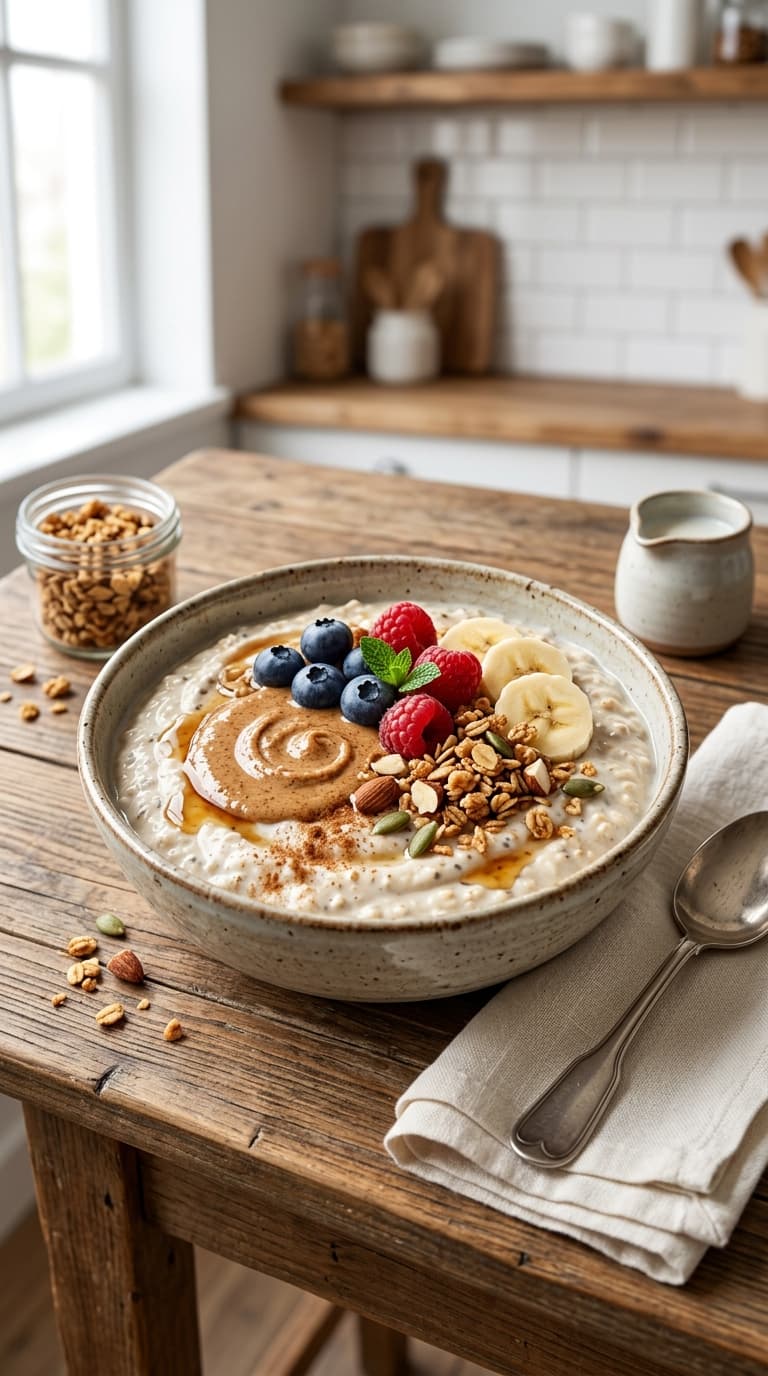
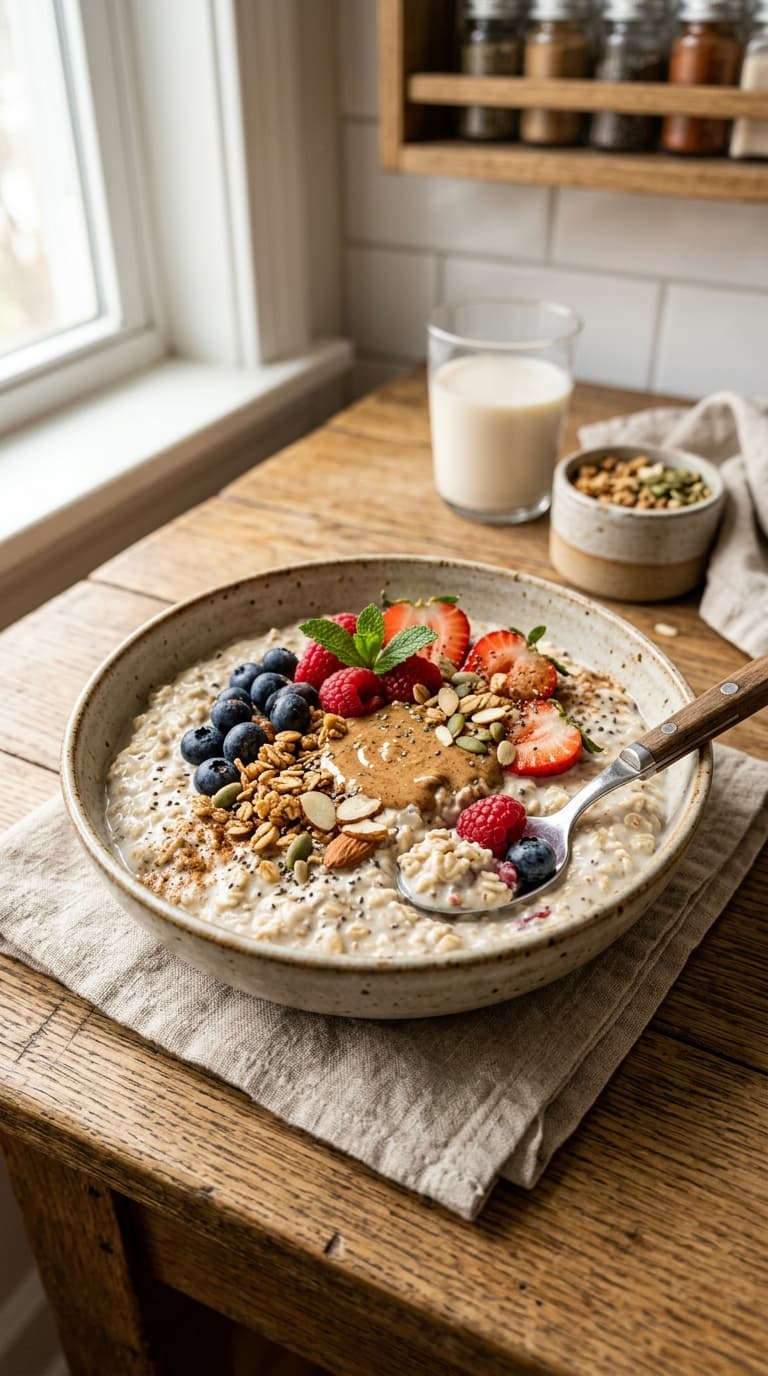
- Breakfast: Overnight oats with figs and flaxseeds
- Lunch: Chickpea Buddha bowl with tahini dressing
- Dinner: Shrimp stir-fry with zucchini, olive oil, and brown rice
- Snack: Sliced cucumber and hummus
Day 21
- Breakfast: Smoothie with Greek yogurt, banana, spinach, and berries
- Lunch: Stuffed bell peppers with quinoa, olives, and feta
- Dinner: Slow-cooked white bean and vegetable stew
- Snack: Fresh fruit with a square of dark chocolate 🙂
Mediterranean Diet and Weight Loss: Does It Actually Work?
Short answer: yes. Longer answer: yes, and here’s why.
The Mediterranean diet creates a natural calorie deficit without making you feel starved. High-fiber vegetables, legumes, and whole grains keep you full for longer. Healthy fats from olive oil and nuts keep hunger hormones in check. And because you’re not white-knuckling your way through a restrictive plan, you actually stick with it long enough to see results.
Studies consistently show that Mediterranean-style eating leads to sustainable weight loss, reduced belly fat, and better blood sugar control — all without obsessive calorie counting.
If you want to pair this challenge with some intentional calorie management, take a look at these high-volume low-calorie meals for fat loss — they fit perfectly within the Mediterranean framework and keep portions satisfying.
Practical Tips to Survive (and Enjoy) All 21 Days
Meal Prep Is Your Secret Weapon
IMO, the biggest reason people bail on healthy eating plans is they get home tired, the fridge is empty, and suddenly a pizza delivery app is open on their phone. Prep ahead and that scenario disappears.
Spend 60–90 minutes on Sunday prepping grains, roasting vegetables, and cooking a batch of legumes. You’ll thank yourself every single weekday. If you want meal prep to feel less overwhelming, this 21-day meal prep plan for a total body reset lays it all out in simple steps.
Stock Your Mediterranean Pantry
Having the right ingredients on hand makes everything easier. Here’s what should always be in your kitchen:
- Extra virgin olive oil (get a good one — it matters)
- Canned chickpeas, lentils, and white beans
- Whole grains like farro, quinoa, and brown rice
- Canned or jarred tomatoes
- A solid collection of dried herbs and spices
- Nuts, seeds, and nut butters
- Greek yogurt
- Fresh garlic and lemons (always)
Don’t Fear the Fat
One thing that surprises people about the Mediterranean diet is how much healthy fat it includes. Olive oil on everything? Avocado in your salad? Nuts as a snack? Yes, all of it. Healthy fats don’t make you fat — they help regulate hormones and keep you satisfied. The sooner you embrace this, the easier the whole plan becomes.
Keep It Social
One of the best-kept secrets of Mediterranean culture is that food is meant to be shared. Eat with people. Cook for others. Make meals an event, not just a refueling stop. This mindset shift alone can transform your relationship with food.
Common Beginner Mistakes to Avoid
Even with the best intentions, people stumble. Here are the most common slip-ups and how to dodge them:
- Using low-quality olive oil — Look for “extra virgin” on the label. The cheap stuff doesn’t have the same benefits and honestly doesn’t taste as good either :/
- Overdoing whole grains — They’re healthy, but portion size still matters. A cup of cooked farro is great; a mountain of it at every meal, not so much.
- Ignoring vegetables — They should fill at least half your plate at every meal. Non-negotiable.
- Skipping fish — A lot of beginners stick to chicken because it’s familiar. Push yourself to add salmon or sardines at least twice a week.
- Treating it like a short-term diet — The whole point is to shift your lifestyle, not white-knuckle 21 days and then go back to old habits.
For days when you need something fast that still keeps you on track, these 21 low-calorie meals that actually keep you full are worth bookmarking right now.
What to Expect Week by Week
Week 1: You might feel a bit unsettled as your body adjusts. Some people experience mild fatigue or cravings for sugar and processed food. This is completely normal. Drink more water and push through.
Week 2: Energy starts to stabilize. Bloating decreases. You’ll notice your clothes fitting a little differently. Cravings quiet down significantly.
Week 3: This is where the magic happens. Better sleep, clearer skin, improved digestion, and real sustained energy throughout the day. Most people drop 4–8 pounds across the full 21 days, depending on their starting point and activity level.
After the Challenge: What Now?
Here’s the thing about the Mediterranean diet — it’s not supposed to end after 21 days. The challenge is just a structured way to build habits that can last a lifetime.
After day 21, keep the core principles. Eat mostly plants. Use olive oil. Eat fish regularly. Enjoy meals slowly. Have a small piece of dark chocolate when you want something sweet and don’t feel guilty about it. This is a long game, and it’s one you can genuinely enjoy playing.
If you want to keep the momentum going with structured planning, a 30-day weight loss meal plan that actually works is a great next step — because 21 days builds the habit and 30 days solidifies it.
Final Thoughts
Twenty-one days. That’s all it takes to completely reset how you eat, how you feel, and how you think about food. The Mediterranean diet isn’t about restriction — it’s about eating more of the right things and crowding out the junk naturally.
You don’t need to be a chef. You don’t need to spend a fortune on groceries. You just need to start, stay consistent, and trust the process. The people who’ve eaten this way for generations aren’t doing it because they have to — they’re doing it because good food shared with people you love is one of life’s actual pleasures.
So grab some olive oil, fire up your oven, and let’s make these 21 days count. You’ve got this.