30-Day Mediterranean Diet Meal Plan For Beginners (With Shopping List)
30-Day Mediterranean Diet Meal Plan For Beginners (With Shopping List)
So you’ve heard about the Mediterranean diet approximately 47 times in the last month and you’re finally curious enough to actually try it. Good. Because this isn’t one of those trendy diets that disappears after a celebrity stops posting about it — this is a genuine, research-backed way of eating that people in Greece, Italy, and Spain have been thriving on for centuries. And the best part? It actually tastes incredible. No sad desk salads. No flavorless chicken breast. Just real, satisfying food.
I started experimenting with Mediterranean eating a couple of years ago, mostly because I was tired of complicated diet rules and wanted something I could actually maintain long-term. What I found was a lifestyle that felt less like a diet and more like an upgrade. Let me walk you through everything you need to get started — including a full 30-day meal plan and a shopping list you can use right away.
What Is the Mediterranean Diet (And Why Should You Care)?
Before we get into the meal plan, let’s quickly cover what this diet actually is. The Mediterranean diet is inspired by the traditional eating habits of countries bordering the Mediterranean Sea. Think lots of vegetables, fruits, whole grains, legumes, nuts, olive oil, fish, and moderate amounts of dairy and lean meat.
What it’s NOT is a strict calorie-counting regimen. You’re not weighing your olives or panicking over every gram of cheese. The focus is on whole, minimally processed foods and eating patterns that nourish your body without making mealtimes miserable.
The research consistently shows benefits like reduced risk of heart disease, better blood sugar control, improved brain health, and easier weight management. Not bad for a diet built around hummus and grilled fish, right? 🙂
The Core Pillars of Mediterranean Eating
Here’s a quick breakdown of what you’ll be eating — and not eating — on this plan:
Eat freely:
- Extra virgin olive oil (your new best friend)
- Vegetables — especially leafy greens, tomatoes, cucumbers, peppers, zucchini
- Fruits — berries, figs, citrus, grapes
- Legumes — chickpeas, lentils, white beans, black beans
- Whole grains — farro, bulgur, whole wheat bread, brown rice, oats
- Nuts and seeds — walnuts, almonds, flaxseeds, chia seeds
- Herbs and spices — oregano, basil, cumin, turmeric, garlic
Eat in moderation:
- Fish and seafood (aim for 2–3 times per week)
- Poultry and eggs
- Dairy — Greek yogurt, feta cheese, ricotta
- Red wine (optional, 1 glass with meals if desired)
Limit significantly:
- Red meat
- Processed foods and packaged snacks
- Added sugars and sugary drinks
- Refined grains like white bread and white pasta
Your 30-Day Mediterranean Diet Meal Plan
Rather than mapping out every single day (which would make this article the length of a novel), I’ve organized this into four weekly frameworks. Each week has a theme and repeatable structure so you’re not cooking a brand-new meal every single day. Because honestly, who has time for that?
Week 1: Getting Comfortable With the Basics
This first week is all about building confidence. You’ll cook simple, familiar dishes with Mediterranean-style ingredients. Nothing fancy, nothing intimidating.
Monday
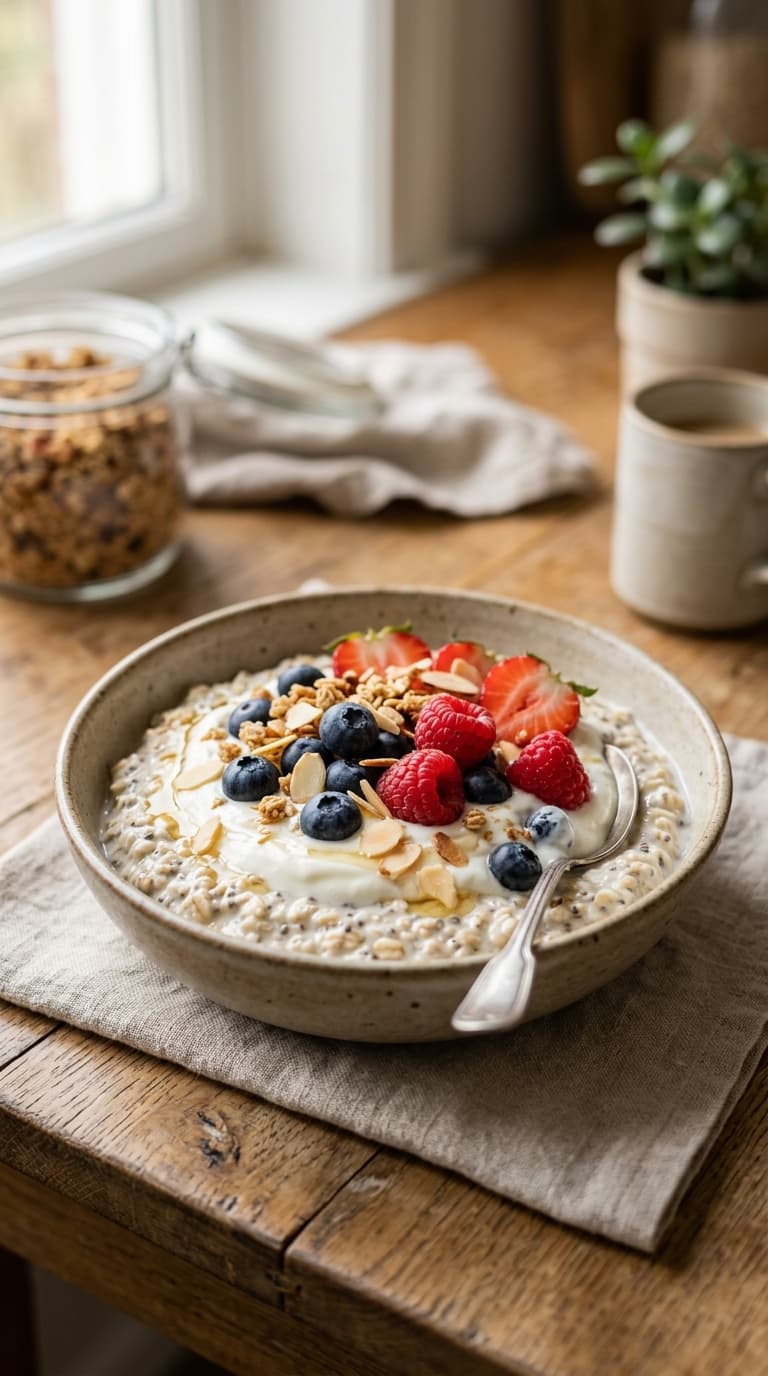
- Breakfast: Greek yogurt with honey, walnuts, and fresh berries
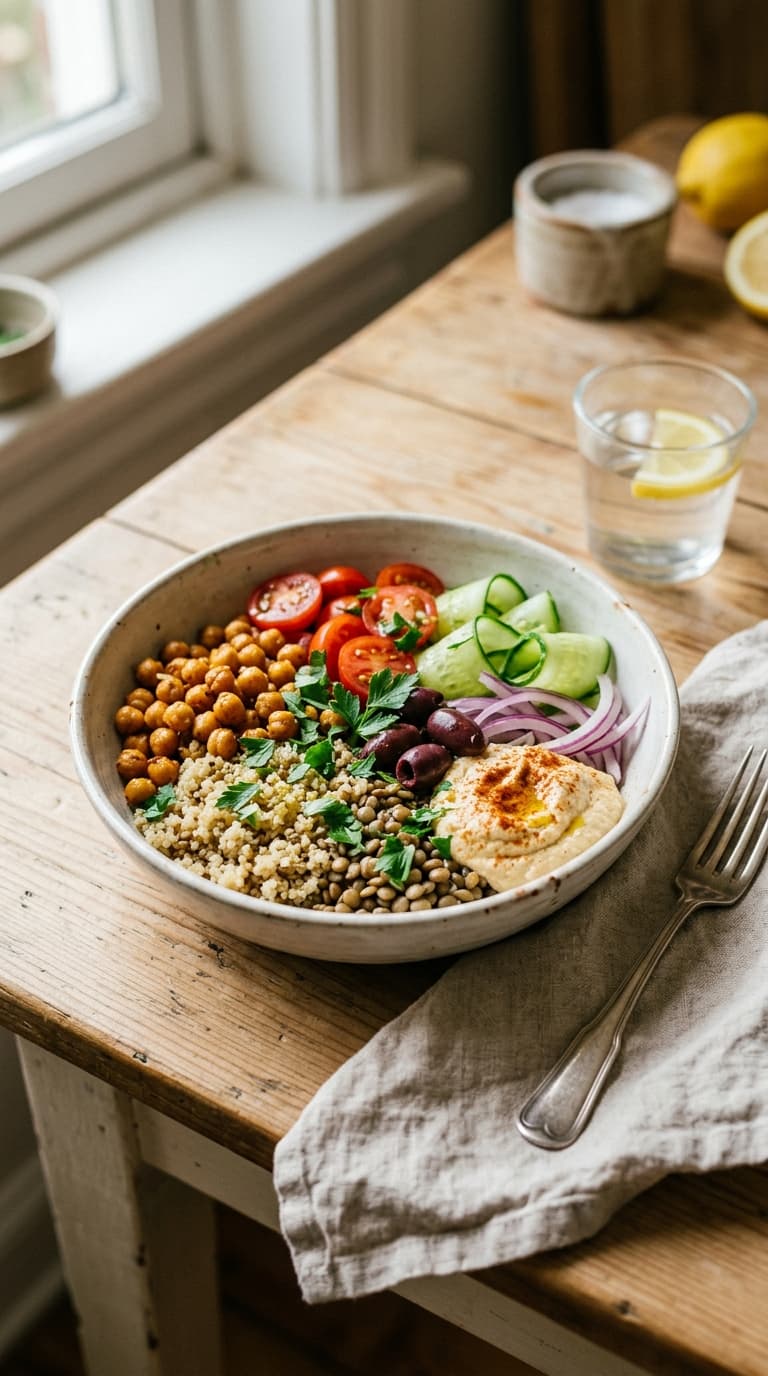
- Lunch: Whole wheat pita with hummus, cucumber, tomatoes, and feta
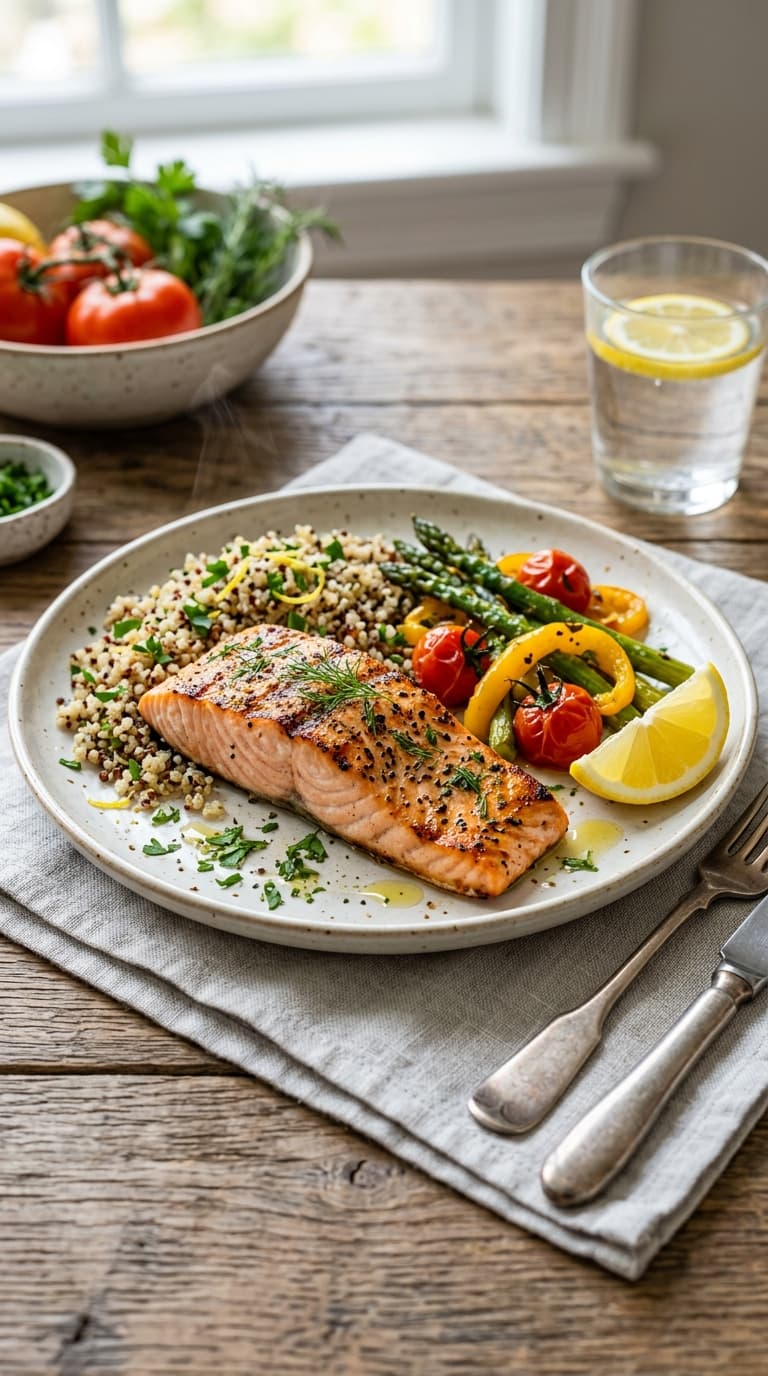
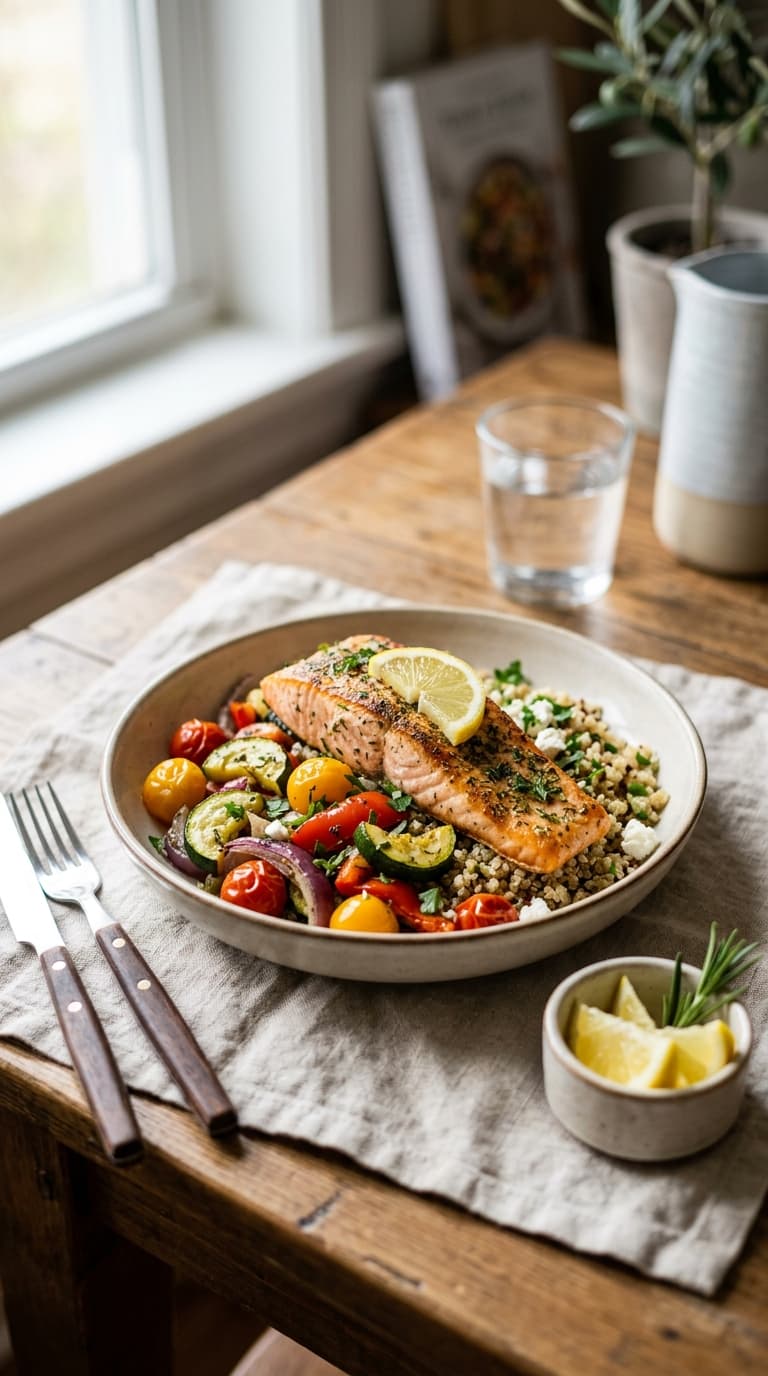
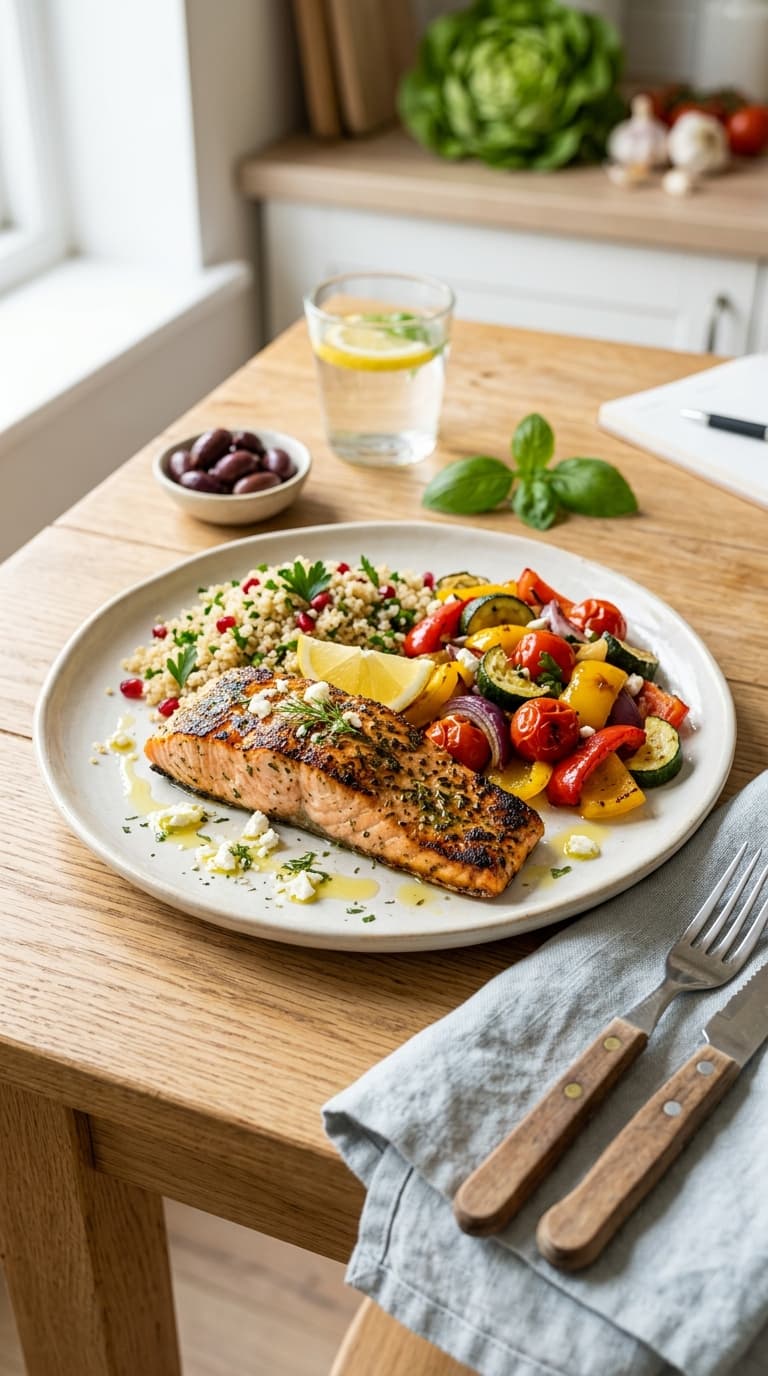
- Dinner: Baked salmon with roasted vegetables and a side of quinoa
Tuesday
- Breakfast: Oatmeal with sliced almonds, banana, and a drizzle of olive oil
- Lunch: Lentil soup with crusty whole grain bread
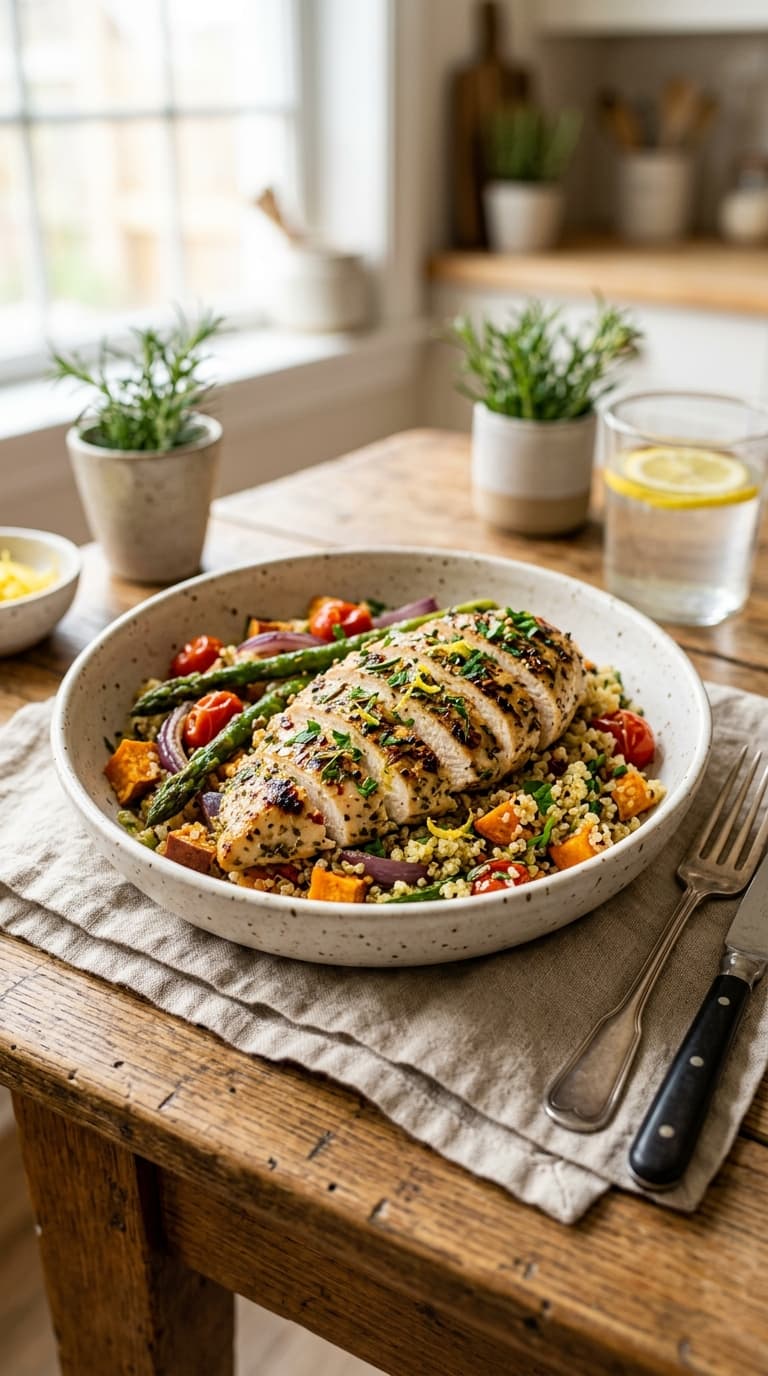
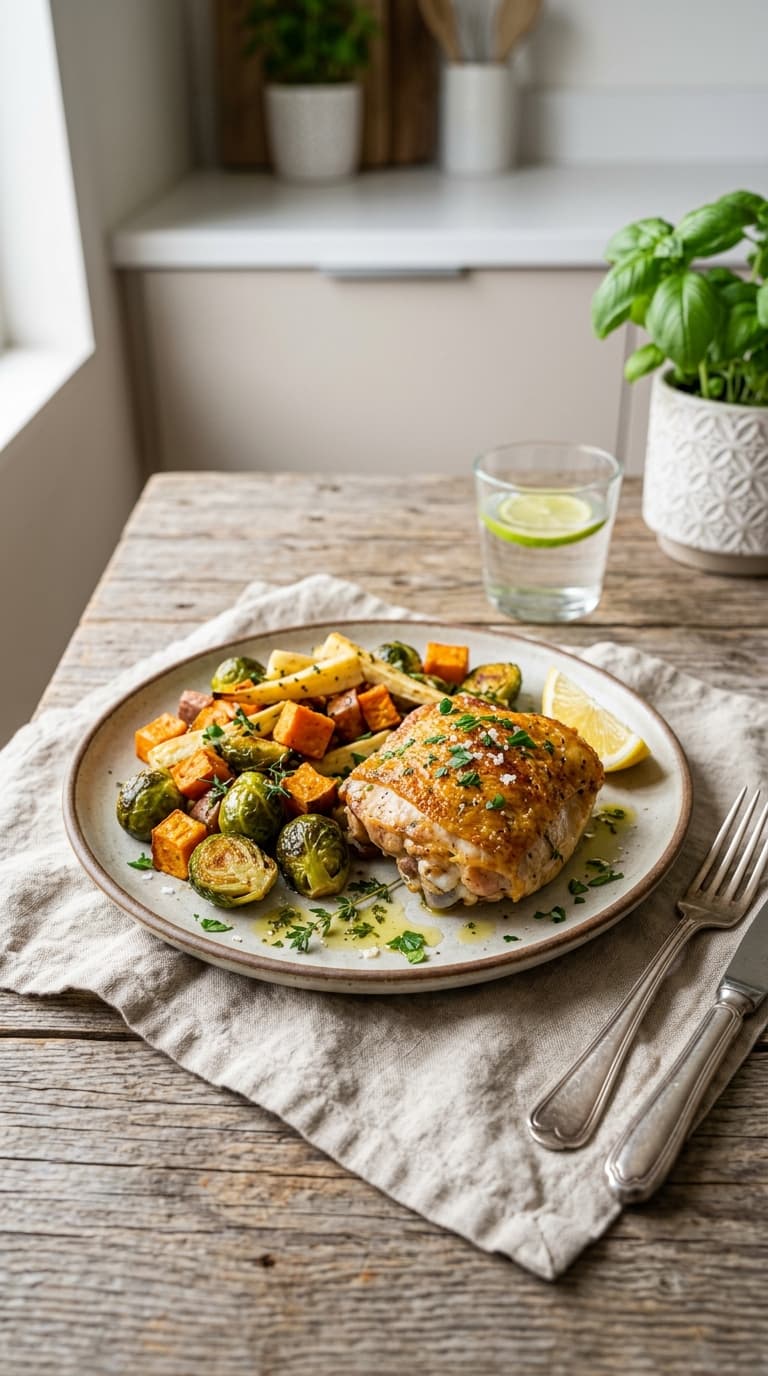
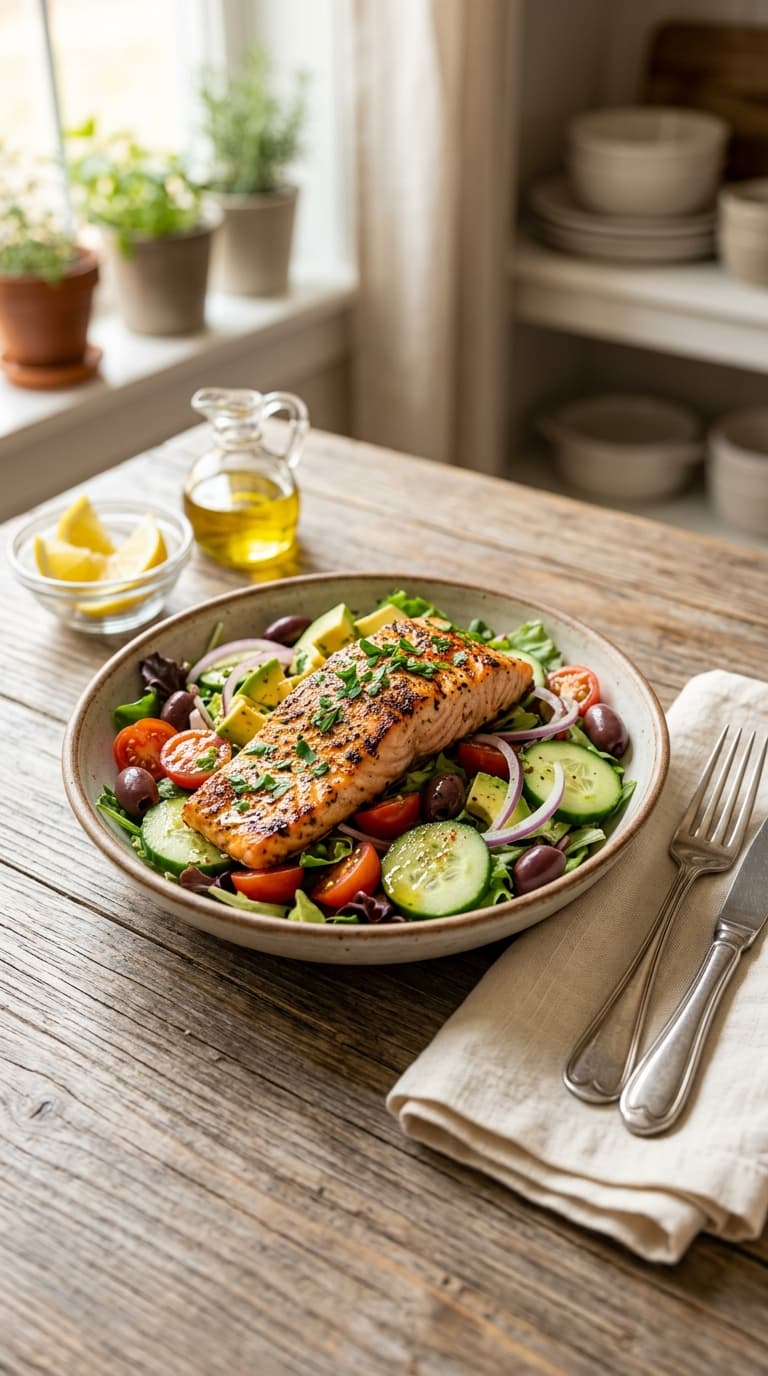
- Dinner: Grilled chicken thighs with a simple Greek salad
Wednesday
- Breakfast: Scrambled eggs with spinach, tomatoes, and a sprinkle of feta
- Lunch: Chickpea and cucumber salad with lemon-olive oil dressing
- Dinner: Whole wheat pasta with marinara, olives, capers, and tuna
Thursday
- Breakfast: Whole grain toast with smashed avocado and a poached egg
- Lunch: Leftover pasta from Wednesday (meal prep magic)
- Dinner: Stuffed bell peppers with brown rice, ground turkey, and herbs
Friday
- Breakfast: Greek yogurt parfait with granola and fresh fruit
- Lunch: White bean and vegetable minestrone
- Dinner: Sheet pan shrimp with cherry tomatoes, zucchini, and garlic
Saturday
- Breakfast: Vegetable frittata with leftover roasted veggies
- Lunch: Mezze platter — hummus, olives, pita, raw veggies, tzatziki
- Dinner: Slow-cooked chicken with lemon, artichokes, and capers
Sunday
- Breakfast: Whole grain pancakes with Greek yogurt and honey
- Lunch: Falafel wrap with tahini and shredded cabbage
- Dinner: Baked cod with a tomato-olive sauce and couscous
Week 2: Adding More Variety
By week two, you’re starting to feel more comfortable in the kitchen. This week we add more plant-forward meals and introduce some Mediterranean staples you might not have tried before. If you’re also interested in easy meal prep strategies that actually work, week two is a great time to start batching your lunches.
Key meals this week:
- Shakshuka (eggs poached in spiced tomato sauce) — trust me on this one, it’s a game-changer
- Tabbouleh with bulgur, fresh parsley, tomatoes, and lemon
- Grilled sardines or mackerel — yes, the ones in the can work too, IMO
- Spanakopita-inspired baked eggs with spinach and feta
- Moroccan-style lentils with cumin, coriander, and preserved lemon
Week 3: Building Sustainable Habits
Week three is where the real shift happens. You’ve got the basics down, your pantry is stocked, and you’re starting to genuinely crave the food. This week focuses on meal prepping more efficiently so weekday cooking feels effortless.
Sunday becomes your prep day. You cook a big batch of grains, roast a tray of vegetables, and prep one or two proteins. Everything else just assembles itself during the week. If you want to see how other structured plans handle this, check out this 21-day weight loss meal prep guide — a lot of the same principles apply beautifully to Mediterranean eating.
Key week 3 focus:
- Cook a big pot of farro or barley on Sunday — it keeps in the fridge for 5 days
- Roast two trays of mixed vegetables — use them in salads, wraps, and bowls all week
- Make a large batch of hummus from scratch (it takes 10 minutes and blows store-bought out of the water)
- Prep overnight oats for three mornings
Week 4: You’re in the Zone Now
By week four, something interesting happens — you stop thinking of this as “a diet” and start thinking of it as just how you eat. That’s the goal. The Mediterranean diet works long-term because it’s genuinely satisfying and flexible, not because it puts you in a rigid box.
This week, experiment with meals that feel a little more indulgent but are still completely on-plan:
- Lamb kofta with tzatziki and warm pita
- Seafood paella with saffron, shrimp, and mussels
- Walnut and fig salad with arugula and shaved parmesan
- Baked eggplant with tahini drizzle
- Chocolate and almond stuffed dates for dessert — yes, dessert exists here 🙂
Your Mediterranean Diet Shopping List
Here’s your master shopping list for the first two weeks. You won’t buy all of this every week — most pantry staples last for months.
Pantry Staples
- Extra virgin olive oil (get a good one — this is your primary cooking fat)
- Canned chickpeas and white beans
- Canned whole tomatoes and tomato paste
- Canned tuna and sardines in olive oil
- Whole grain pasta, farro, bulgur, brown rice, couscous
- Red lentils and green lentils
- Whole grain bread or whole wheat pita
- Tahini
- Dried herbs: oregano, basil, cumin, coriander, smoked paprika, thyme
- Nuts: walnuts, almonds, pine nuts
- Kalamata olives
- Capers
- Honey (raw, if possible)
- Red wine vinegar and balsamic vinegar
Produce (Buy Fresh Weekly)
- Tomatoes, cherry tomatoes
- Cucumbers
- Bell peppers
- Zucchini
- Eggplant
- Spinach or arugula
- Red onion and yellow onion
- Garlic (lots of it — don’t be shy)
- Lemons (you’ll use way more than you expect)
- Fresh parsley, basil, and mint
- Berries, bananas, oranges, figs
Proteins
- Salmon fillets (frozen works perfectly)
- Shrimp
- Chicken thighs (bone-in are cheaper and more flavorful)
- Eggs (at least a dozen)
- Greek yogurt (full fat — yes, really)
- Feta cheese
Tips for Actually Sticking to This Plan
Ever notice how most diet plans fail not because the food is bad but because life gets in the way? Here’s how to stay consistent without losing your mind.
Batch cook on weekends. Even just 90 minutes on a Sunday can set you up for the whole week. Grains, roasted veggies, and a protein — that’s all you need. For more structured ideas, these high-protein meal prep recipes can give you a solid blueprint to follow alongside your Mediterranean plan.
Keep a stocked pantry. The Mediterranean diet is incredibly forgiving if your pantry has the basics. Canned chickpeas, olive oil, garlic, and whole grain pasta can become a meal in under 20 minutes.
Don’t aim for perfection. Had a slice of pizza on Wednesday? Cool. Get back to your Mediterranean meals on Thursday. This plan isn’t a punishment system — it’s a long-term habit.
Lean into snacks. A small handful of walnuts, a piece of fruit, or a few olives with cheese aren’t “cheating” — they’re exactly what this diet encourages. If you ever need inspiration for filling meals that keep hunger at bay, these low-calorie meals that actually keep you full pair really well with Mediterranean principles.
What to Expect in 30 Days
Let me be real with you — you’re not going to drop 20 pounds in a month on this plan. And honestly, that’s a good thing. What you WILL likely notice:
- Better energy levels, especially in the afternoons
- Less bloating from cutting out processed foods
- Reduced sugar cravings after the first week (the first few days are rough, FYI)
- Improved sleep in many people, linked to better nutrition
- A genuine enjoyment of cooking — Mediterranean food is just delicious
If weight loss is one of your goals, the Mediterranean approach pairs really well with a modest calorie awareness. A 30-day weight loss meal plan can help you layer in that structure if you want something more specific while still eating Mediterranean-style.
The Bottom Line
The Mediterranean diet isn’t a 30-day challenge you white-knuckle through and then abandon — it’s a genuinely enjoyable way of eating that rewards you the longer you stick with it. The food is satisfying, the flavors are incredible, and you’re never actually depriving yourself. That’s a rare combination in the world of nutrition.
Start with week one. Stock your pantry with the essentials. Cook a few of the meals above. And don’t stress about being perfect — the whole spirit of Mediterranean eating is abundance, not restriction.
Grab your olive oil, get some garlic going in that pan, and let’s do this. Your future self is going to thank you for starting today.