14-Day Mediterranean Diet Plan For Diabetics (Blood Sugar Friendly)
14-Day Mediterranean Diet Plan For Diabetics (Blood Sugar Friendly)
Managing blood sugar while actually enjoying your food — sounds like a fantasy, right? Here’s the thing: the Mediterranean diet makes it completely possible, and the research backs it up hard. This 14-day Mediterranean diet plan for diabetics isn’t about suffering through bland meals or counting every single carb like your life depends on it. It’s about eating real, delicious food that your body — and your blood sugar — will thank you for.
I’ve spent a lot of time studying how the Mediterranean way of eating works for diabetics, and honestly, it’s one of those rare cases where the “healthy” option is also the tasty option. So grab a cup of herbal tea, and let’s get into it.
Why the Mediterranean Diet Works So Well for Blood Sugar
Ever wondered why this particular diet keeps showing up in conversations about diabetes management? It’s not hype. The Mediterranean diet is naturally rich in fiber, healthy fats, and low-glycemic foods — three things that work together to slow glucose absorption and keep your blood sugar from spiking like a rollercoaster.
The diet centers around vegetables, legumes, whole grains, olive oil, fish, and lean proteins. These foods digest slowly and don’t cause the sharp insulin spikes that processed carbs do. IMO, it’s the most sustainable blood-sugar-friendly eating pattern out there — no weird supplements, no starvation phases.
Studies have consistently shown that people with type 2 diabetes who follow a Mediterranean-style diet see improvements in HbA1c levels, insulin sensitivity, and even cardiovascular health. That’s a triple win right there.
What to Eat (and What to Skip)
Before jumping into the 14-day plan, let’s get clear on the ground rules. Knowing what belongs on your plate makes the whole two weeks a lot smoother.
Foods to Eat Freely
- Leafy greens (spinach, kale, arugula)
- Non-starchy vegetables (zucchini, peppers, cucumbers, tomatoes)
- Legumes (lentils, chickpeas, black beans)
- Whole grains (quinoa, barley, farro, oats)
- Fatty fish (salmon, sardines, mackerel — at least twice a week)
- Extra virgin olive oil as your primary fat
- Nuts and seeds (almonds, walnuts, chia seeds)
- Fresh herbs and spices (garlic, turmeric, cinnamon — great for blood sugar too)
- Low-sugar fruits (berries, apples, pears, citrus)
Foods to Limit
- Refined grains (white bread, white rice, regular pasta)
- Added sugars and sugary drinks
- Processed meats (bacon, deli meats)
- Full-fat dairy (small amounts are fine)
- High-glycemic fruits (watermelon, pineapple in large amounts)
Foods to Avoid
- Ultra-processed snacks
- Sugary cereals and desserts
- Fried foods and fast food
- Sweetened yogurts and flavored drinks
Key Principles to Follow During the 14 Days
Portion control still matters, even with healthy foods. Whole grains are great, but a mountain of quinoa will still raise your blood sugar. Stick to roughly ½ cup cooked grains per meal.
Pair every meal with protein and healthy fat — this combination is your secret weapon for blood sugar stability. Think grilled fish with olive oil drizzle, or a legume salad with tahini dressing.
Eat regularly — skipping meals causes blood sugar crashes, which often lead to overeating later. Three balanced meals and one optional snack works well for most diabetics.
The 14-Day Mediterranean Diet Plan
Let’s get into the actual plan. Each day gives you breakfast, lunch, dinner, and a snack. Adjust portions based on your specific calorie and carb targets — always check in with your healthcare provider before making major dietary changes.
If you want to save time and stress during the week, pairing this plan with a solid 14-day meal prep routine makes everything much more manageable.
Week 1
Day 1
- Breakfast: Greek yogurt (plain, unsweetened) with walnuts and fresh blueberries
- Lunch: Lentil soup with a side of cucumber and tomato salad, drizzled with olive oil
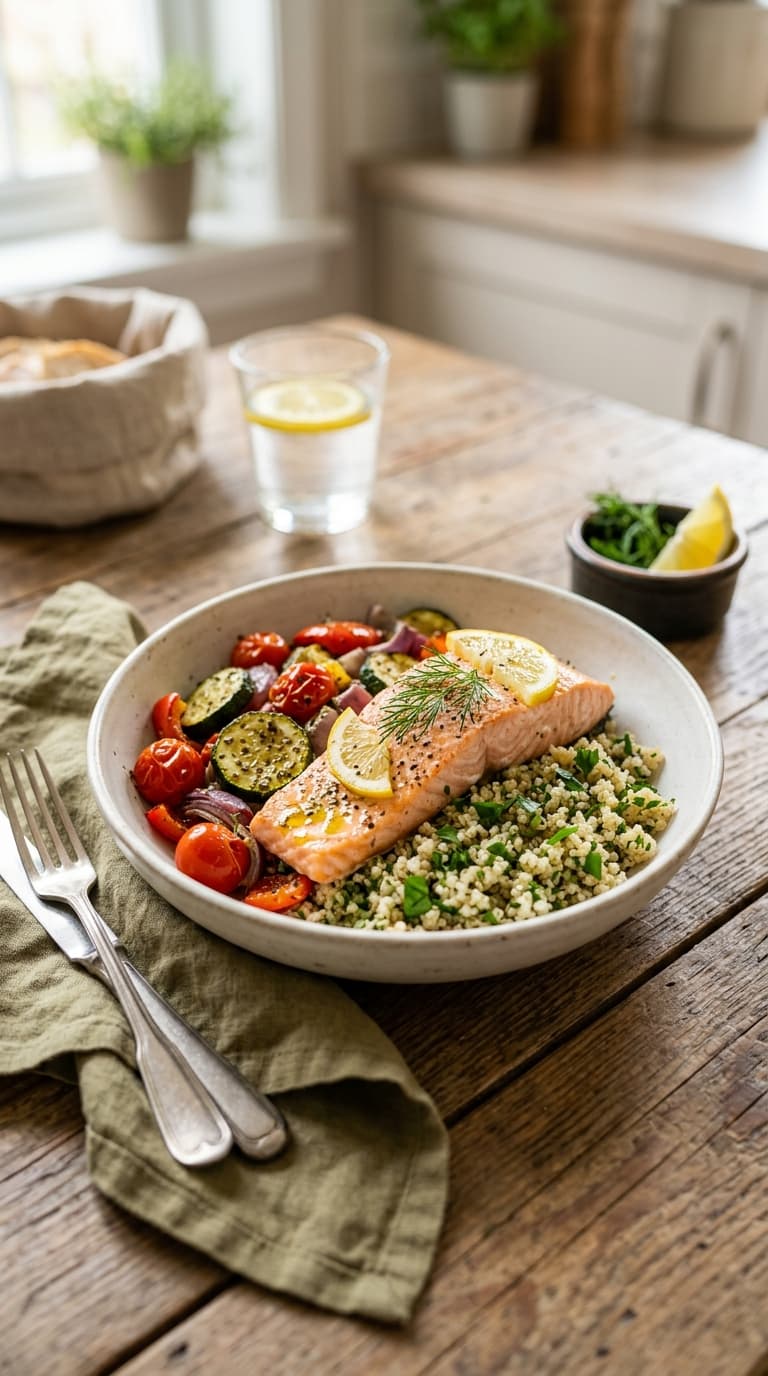
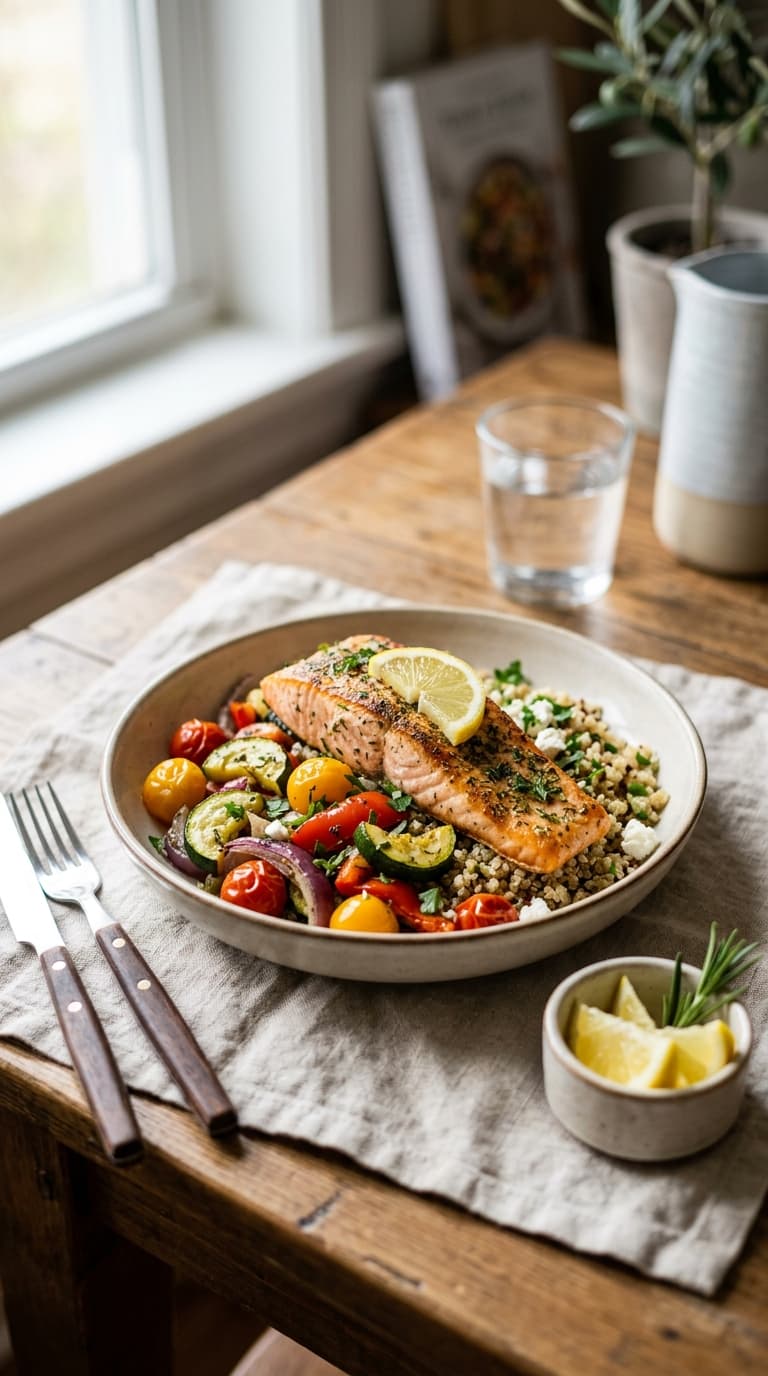
- Dinner: Baked salmon with roasted zucchini and a small serving of quinoa
- Snack: A small handful of almonds
Day 2
- Breakfast: Overnight oats with chia seeds, cinnamon, and a few sliced strawberries
- Lunch: Chickpea and spinach salad with lemon-tahini dressing
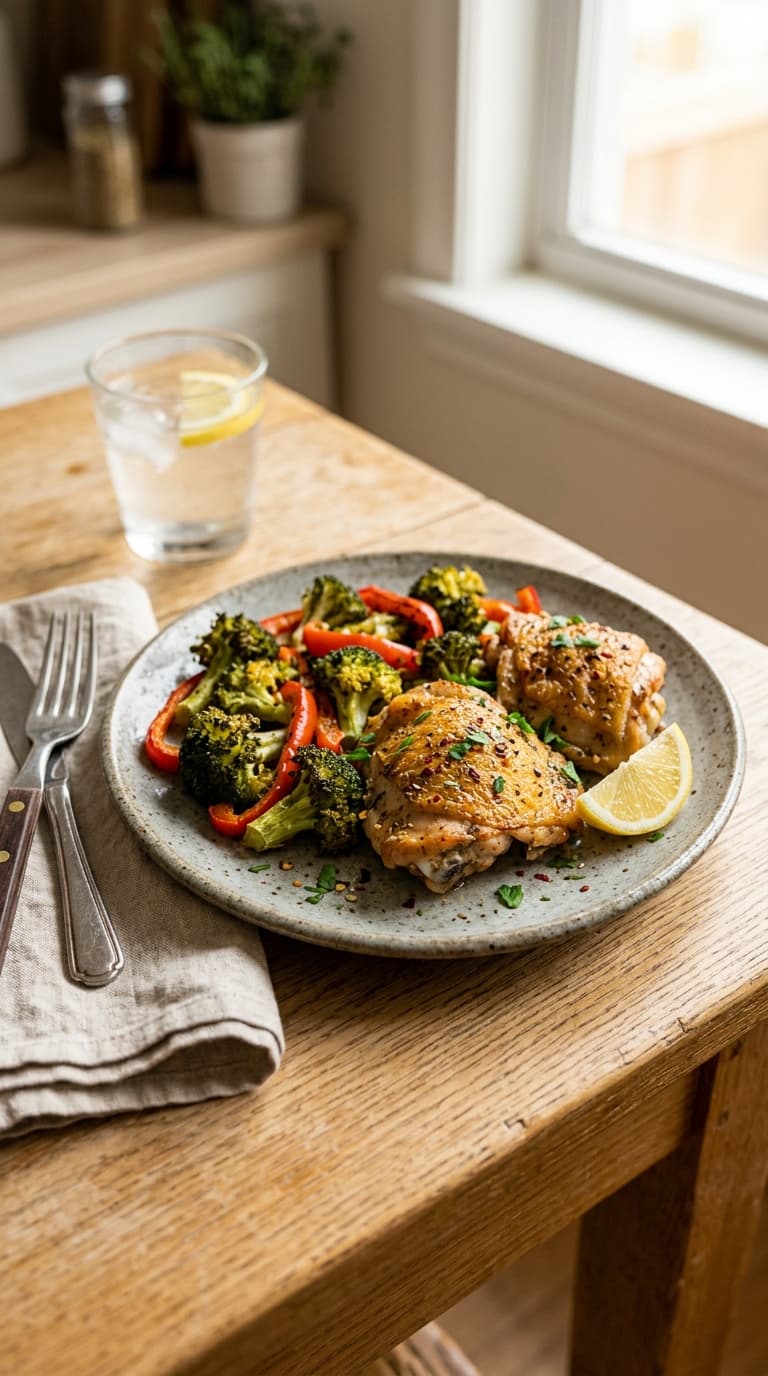
- Dinner: Grilled chicken thighs with steamed broccoli and barley
- Snack: Celery sticks with hummus
Day 3
- Breakfast: Two scrambled eggs with sautéed spinach and a slice of whole-grain toast
- Lunch: Whole-grain pita with grilled vegetables and tzatziki
- Dinner: Baked cod with a tomato-olive sauce and a side of lentils
- Snack: A small apple with almond butter
Day 4
- Breakfast: Smoothie with spinach, berries, unsweetened almond milk, and flaxseed
- Lunch: Tuna salad (olive oil, not mayo) over arugula with cherry tomatoes
- Dinner: Turkey and vegetable stuffed bell peppers with brown rice
- Snack: A few walnuts and a small orange
Day 5
- Breakfast: Oatmeal topped with cinnamon, chia seeds, and a small pear
- Lunch: Mediterranean quinoa bowl with roasted vegetables and feta
- Dinner: Grilled sardines with a big Greek salad and whole-grain bread
- Snack: Plain Greek yogurt with a sprinkle of flaxseed
Day 6
- Breakfast: Two-egg omelet with mushrooms, tomatoes, and fresh herbs
- Lunch: White bean and kale soup with a side salad
- Dinner: Shrimp stir-fry with zucchini noodles, olive oil, and garlic
- Snack: A handful of mixed seeds
Day 7
- Breakfast: Greek yogurt parfait with oats, berries, and a drizzle of honey (small)
- Lunch: Falafel-inspired baked chickpea patties with a cucumber-tomato salad
- Dinner: Baked mackerel with roasted cauliflower and bulgur wheat
- Snack: Sliced peppers with hummus
Week 2
Day 8
- Breakfast: Whole-grain toast with avocado, a poached egg, and a squeeze of lemon
- Lunch: Lentil and roasted vegetable bowl with olive oil and cumin dressing
- Dinner: Grilled chicken breast with a large Mediterranean salad and farro
- Snack: A small handful of almonds and an apple
Day 9
- Breakfast: Chia pudding made with unsweetened almond milk, topped with raspberries
- Lunch: Hummus and veggie wrap in a whole-grain tortilla
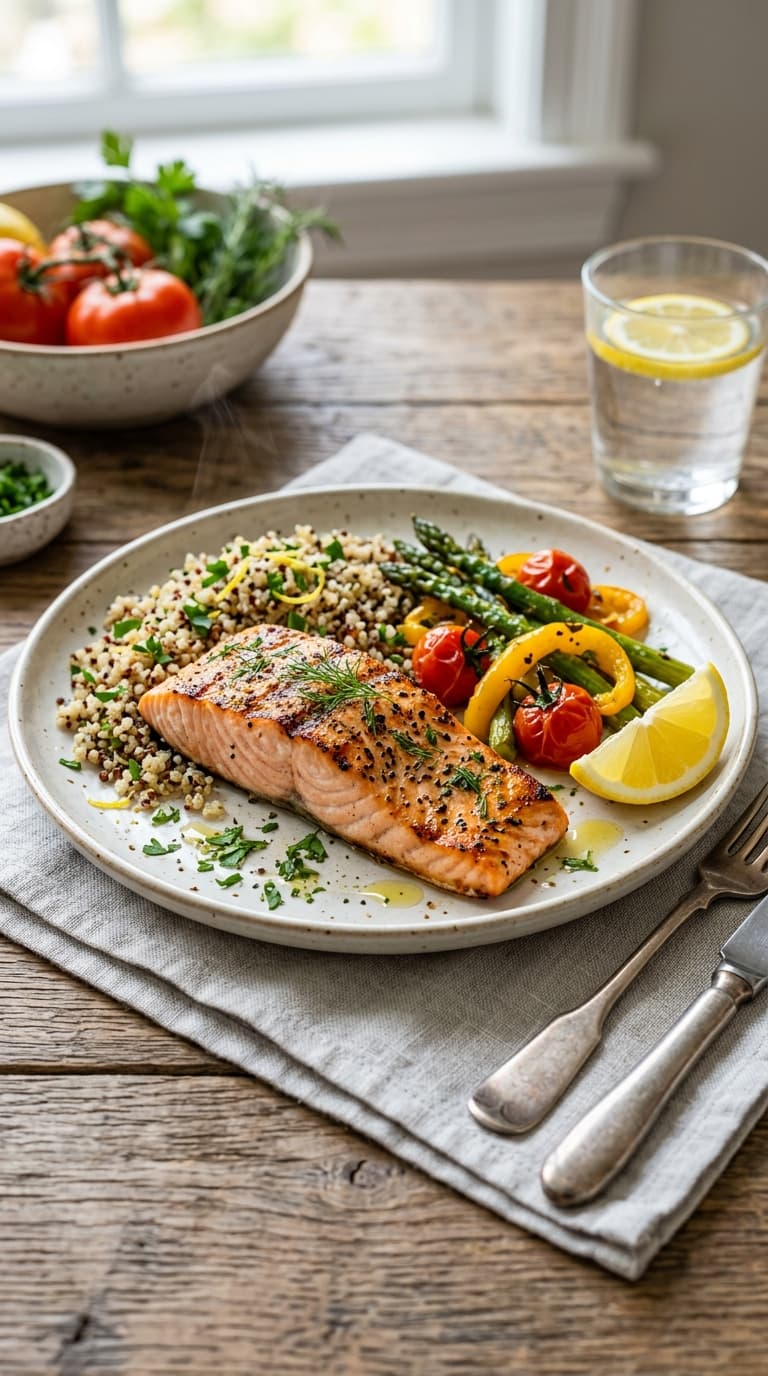
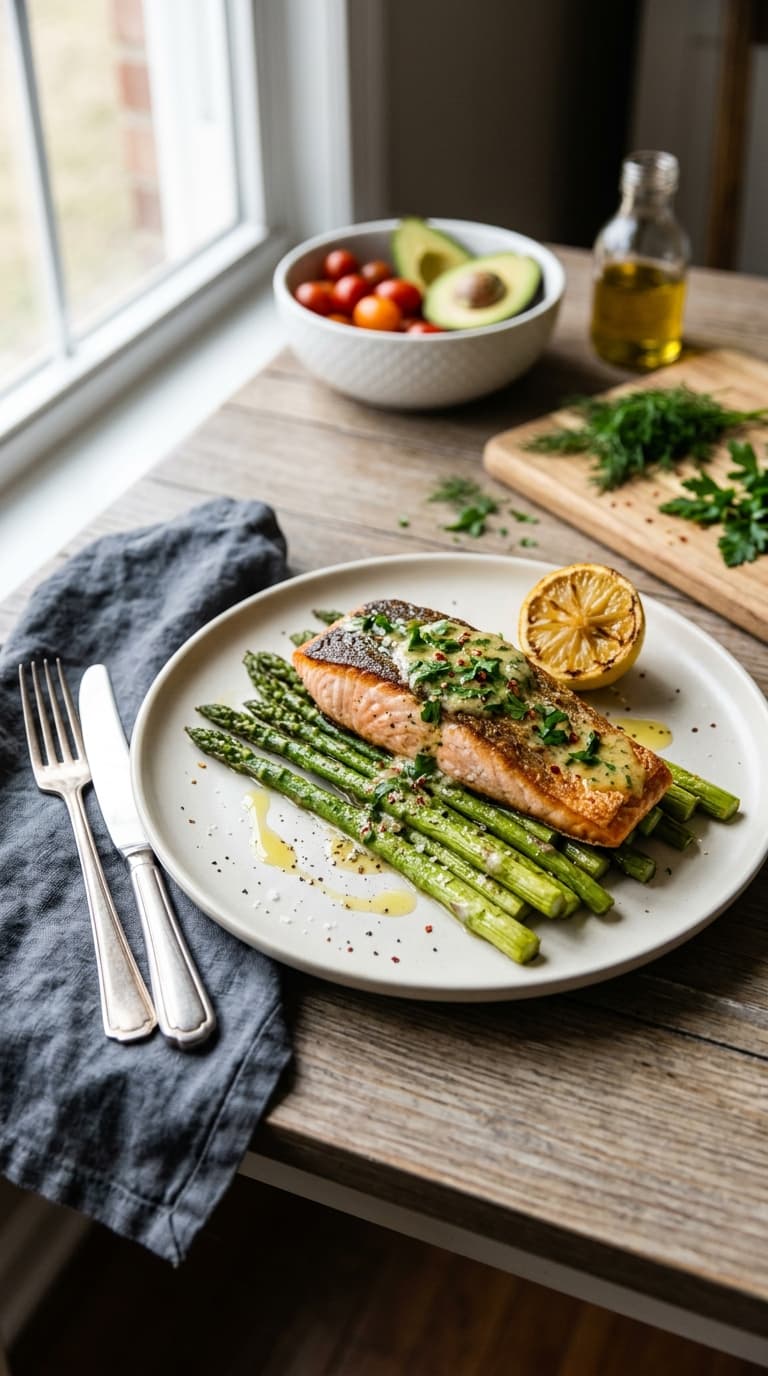
- Dinner: Baked salmon with asparagus and a side of quinoa
- Snack: Plain Greek yogurt with walnuts
Day 10
- Breakfast: Scrambled eggs with diced tomatoes, olives, and whole-grain toast
- Lunch: Chickpea and roasted red pepper salad with lemon dressing
- Dinner: Turkey meatballs in tomato sauce with zucchini noodles
- Snack: Celery with almond butter
Day 11
- Breakfast: Oatmeal with pumpkin seeds, cinnamon, and fresh blueberries
- Lunch: Grilled vegetable and feta panini on whole-grain bread (light on the bread)
- Dinner: Cod with white bean stew and a side of wilted spinach
- Snack: A small orange and a few walnuts
Day 12
- Breakfast: Two-egg veggie frittata with bell peppers and onions
- Lunch: Mediterranean tuna bowl with barley, olives, cucumber, and capers
- Dinner: Grilled shrimp with herbed quinoa and roasted tomatoes
- Snack: Hummus with sliced carrots
Day 13
- Breakfast: Overnight oats with almond milk, cinnamon, chopped dates (just 2-3), and flaxseed
- Lunch: Lentil and tomato stew with a small whole-grain roll
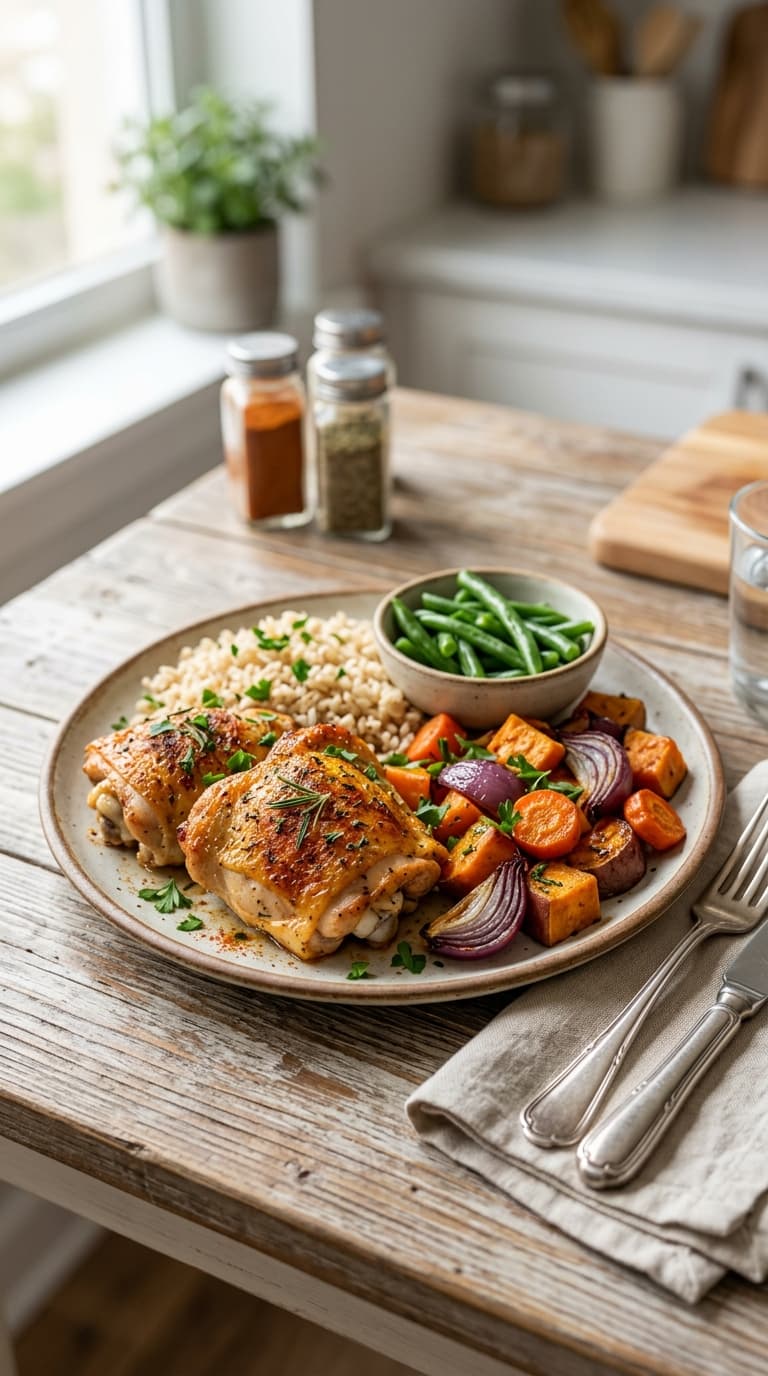
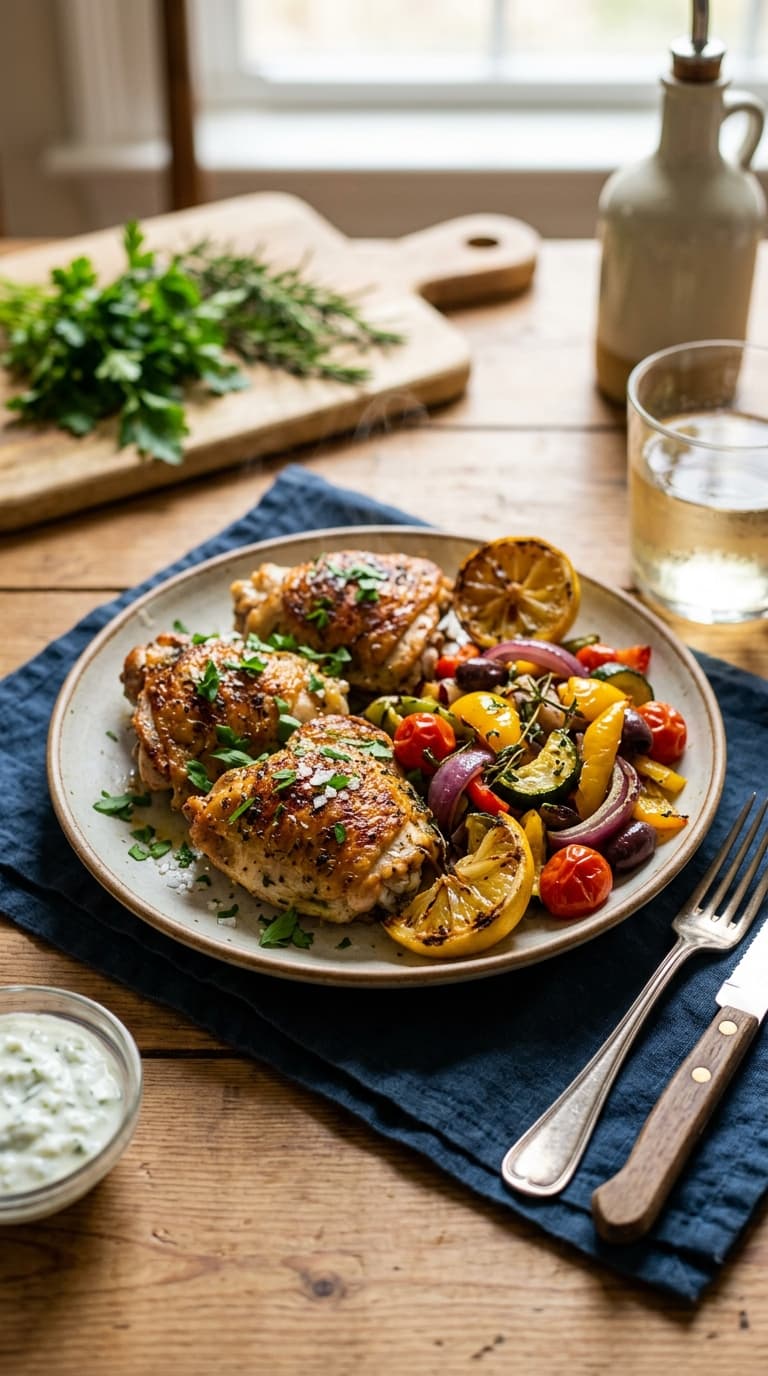
- Dinner: Baked chicken thighs with roasted sweet potato (small portion) and arugula salad
- Snack: Greek yogurt with chia seeds
Day 14
- Breakfast: Smoothie bowl with spinach, banana (half), berries, almond milk, and hemp seeds
- Lunch: Quinoa stuffed peppers with chickpeas and Mediterranean herbs
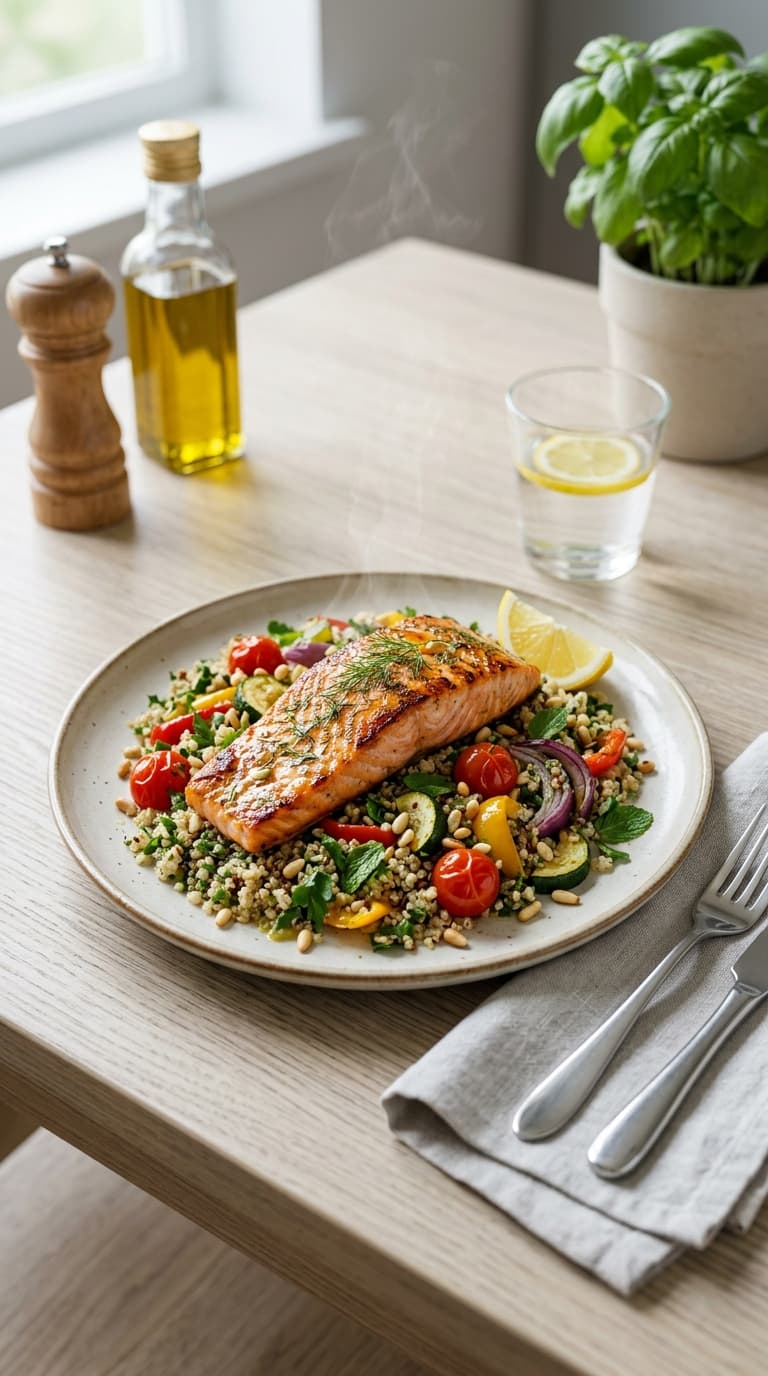
- Dinner: Grilled salmon with a massive Greek salad, olive oil, and a side of bulgur
- Snack: A handful of mixed nuts
Meal Prep Tips to Make This Plan Easier
Look, nobody wants to cook three meals from scratch every single day — especially not when you’re already managing a health condition. Batch cooking on Sundays saves your entire week. Cook a big pot of lentils, roast a tray of vegetables, and grill several portions of chicken or fish at once.
If you need a solid framework for this, check out this 14-day low-carb meal prep guide — it fits really well alongside the Mediterranean approach since both prioritize whole, unprocessed foods.
For the busiest days, keep it simple with easy-to-grab meal prep bowls — you can build Mediterranean-style bowls in batches that stay fresh for 4-5 days in the fridge.
Some practical prep tips:
- Wash and chop veggies at the start of the week
- Cook grains in bulk (quinoa, barley, bulgur all reheat well)
- Make a big batch of hummus — it works as a snack, spread, and salad topper
- Pre-portion your nuts and seeds so you’re not accidentally eating 400 calories of almonds 🙂
- Keep canned chickpeas and sardines stocked — they’re zero-prep lifesavers
Blood Sugar Monitoring While on This Plan
The Mediterranean diet is blood-sugar-friendly, but everyone’s body responds differently. Check your blood glucose before and two hours after meals for the first few weeks, especially as you learn how your body handles certain foods.
Some diabetics find that even “healthy” carbs like sweet potato or certain fruits push their numbers up. That’s totally individual. The goal is to find your own tolerance level within the Mediterranean framework — not to follow a rigid rulebook.
FYI — cinnamon, turmeric, and apple cider vinegar have some evidence supporting their role in blood sugar regulation. They’re not miracle cures, but sprinkling cinnamon on your oats or adding turmeric to your lentils doesn’t hurt.
How This Plan Supports Weight Loss Too
Managing blood sugar and losing weight often go hand-in-hand for people with type 2 diabetes. The Mediterranean diet naturally supports both without requiring you to obsess over calories. High fiber content keeps you full, healthy fats prevent energy crashes, and the absence of processed foods means you’re not eating empty calories.
If weight loss is a priority alongside blood sugar management, you might find this 14-day calorie deficit meal plan useful as a companion resource — you can adapt the calorie targets while keeping Mediterranean-style foods at the center.
For longer-term consistency, a 30-day weight loss meal plan built around these same principles helps you build real, lasting habits rather than short-term fixes.
What to Drink on This Plan
Water is your best friend — aim for at least 8 glasses a day. Dehydration actually affects blood sugar readings, so staying hydrated matters more than most people realize.
Herbal teas (chamomile, peppermint, green tea) are excellent choices. Black coffee in moderation is fine for most diabetics. Avoid fruit juices entirely — even 100% natural juice spikes blood sugar fast. Red wine gets mentioned in Mediterranean diet discussions, but for diabetics, that’s a conversation to have with your doctor.
A Quick Note on Portions and Carb Counting
You don’t need to count every gram on the Mediterranean diet, but being carb-aware still matters if you have diabetes. A general framework that works well:
- ¼ of your plate: whole grains or starchy vegetables
- ¼ of your plate: lean protein or fish
- ½ of your plate: non-starchy vegetables
- A drizzle of olive oil on everything (within reason :/ )
This plate method keeps your blood sugar predictable without making every meal feel like a math exam.
Staying Consistent Beyond 14 Days
Two weeks is a great reset, but the real magic happens when you keep going. The Mediterranean diet isn’t a temporary fix — it’s a lifestyle that gets easier and more enjoyable the longer you stick with it.
After you finish this 14-day plan, you’ll likely notice better energy, more stable blood sugar readings, and possibly some weight loss too. That’s your motivation to keep going. If you want to extend the structure, a 21-day clean eating meal prep guide builds naturally on these same food principles.
For those who want to keep meal prepping efficiently week after week, this 7-day healthy meal prep routine is one of the most practical things you can bookmark right now.
Wrapping It Up
The 14-day Mediterranean diet plan for diabetics isn’t magic — it’s just smart, whole-food eating that works with your body instead of against it. You get to eat real, satisfying food, keep your blood sugar stable, and maybe even rediscover your love of cooking along the way.
Start with the first week, take it one meal at a time, and don’t stress if you’re not perfect every day. Consistency beats perfection every single time. Your blood sugar will thank you, your taste buds will definitely thank you, and honestly — so will future you.
Now go make that lentil soup. You’ve got this.