7-Day Mediterranean Anti-Inflammatory Meal Plan (Heal From The Inside)
7-Day Mediterranean Anti-Inflammatory Meal Plan (Heal From The Inside)
Your joints ache, your energy crashes by 2 PM, and your gut feels like it’s staging a protest. Sound familiar? Chronic inflammation is sneaky — it doesn’t always show up as obvious pain. Sometimes it just makes you feel off. Puffy, sluggish, foggy. And honestly? Most of us have been eating in a way that feeds the fire without even realizing it.
I stumbled onto the Mediterranean diet a couple of years ago when my doctor casually mentioned that half my problems might be “lifestyle-related.” Super helpful, doc. But after some digging, I found that the research on Mediterranean eating and inflammation is genuinely hard to argue with. This isn’t a trendy detox or a punishment diet. It’s real food, good olive oil, and meals you’ll actually want to eat. IMO, that’s the only kind of eating plan worth following.
So here’s a full 7-day Mediterranean anti-inflammatory meal plan, built to help your body start healing from the inside out — one delicious plate at a time.
Why the Mediterranean Diet Fights Inflammation So Well
Before we get into the actual food, let’s talk about why this works. Inflammation isn’t always the enemy — short-term inflammation helps you heal from injuries. The problem is chronic, low-grade inflammation that lingers for months or years and quietly damages tissues, organs, and your overall wellbeing.
The Mediterranean diet tackles this in a few key ways:
- Olive oil is loaded with oleocanthal, a compound that works similarly to ibuprofen in reducing inflammation
- Fatty fish like salmon and sardines deliver omega-3s that directly lower inflammatory markers
- Colorful vegetables and fruits flood your body with antioxidants that neutralize free radicals
- Whole grains support a healthy gut microbiome, which is deeply connected to inflammation levels
- Legumes provide plant-based protein and fiber without spiking blood sugar
The diet also naturally cuts out the things that drive inflammation — refined sugars, processed seed oils, and ultra-processed foods. It’s not about restriction so much as it’s about crowding out the bad stuff with genuinely good stuff.
What to Stock Before You Start
Getting your kitchen set up properly makes the whole week run smoothly. Trust me, Monday morning is not the time to discover you’re out of olive oil. If you’re already into weekly meal prep, this part will feel familiar.
Pantry essentials:
- Extra virgin olive oil (buy the good stuff — it matters)
- Canned chickpeas, lentils, and white beans
- Whole grain pasta, farro, and brown rice
- Canned wild-caught sardines or salmon
- Walnuts, almonds, and pumpkin seeds
- Dried herbs: oregano, turmeric, cumin, cinnamon
Fresh items to grab weekly:
- Salmon fillets and chicken thighs
- Leafy greens — spinach, arugula, kale
- Cherry tomatoes, cucumbers, bell peppers
- Berries — blueberries and strawberries especially
- Lemons, garlic, and fresh herbs
If you want to make your grocery run even more efficient, pairing this with a solid 7-day meal prep plan for busy people will save you a ton of time during the week.
The 7-Day Mediterranean Anti-Inflammatory Meal Plan
Day 1 — Monday: Reset and Refresh
Breakfast: Greek yogurt with blueberries, a drizzle of raw honey, and a handful of walnuts. Simple, quick, and packed with probiotics and antioxidants. Blueberries, BTW, are one of the most powerful anti-inflammatory foods on the planet.
Lunch: Big arugula salad with cherry tomatoes, cucumber, kalamata olives, chickpeas, and feta. Dress it with lemon juice and olive oil. Nothing fussy, just fresh.
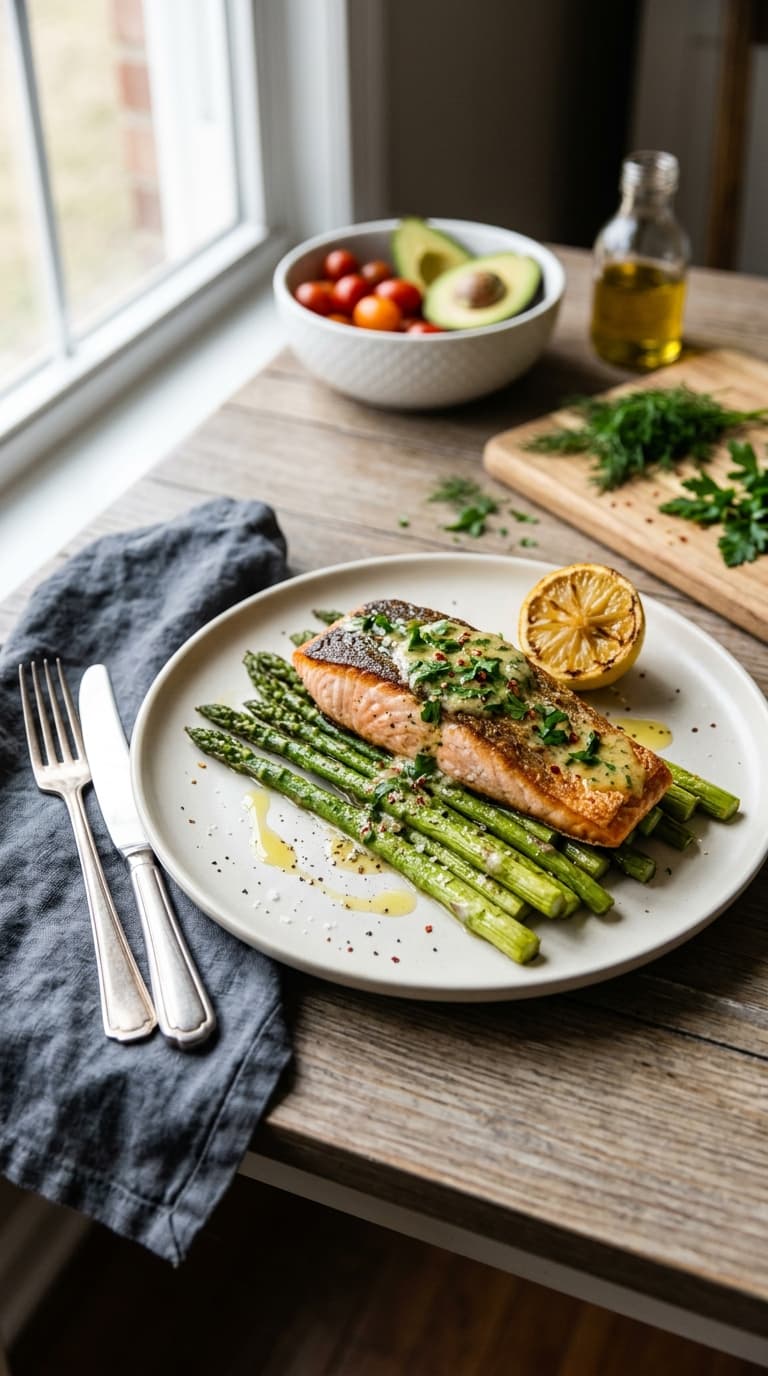
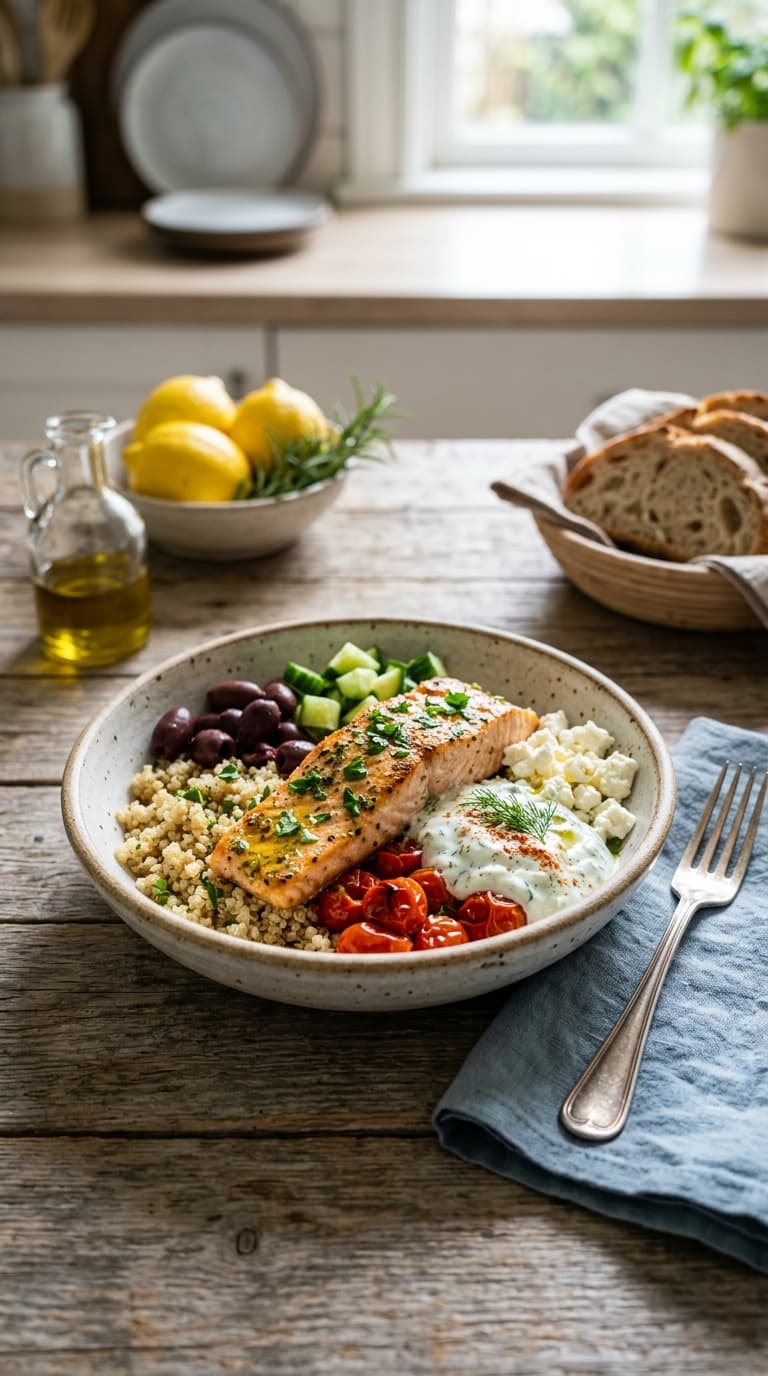
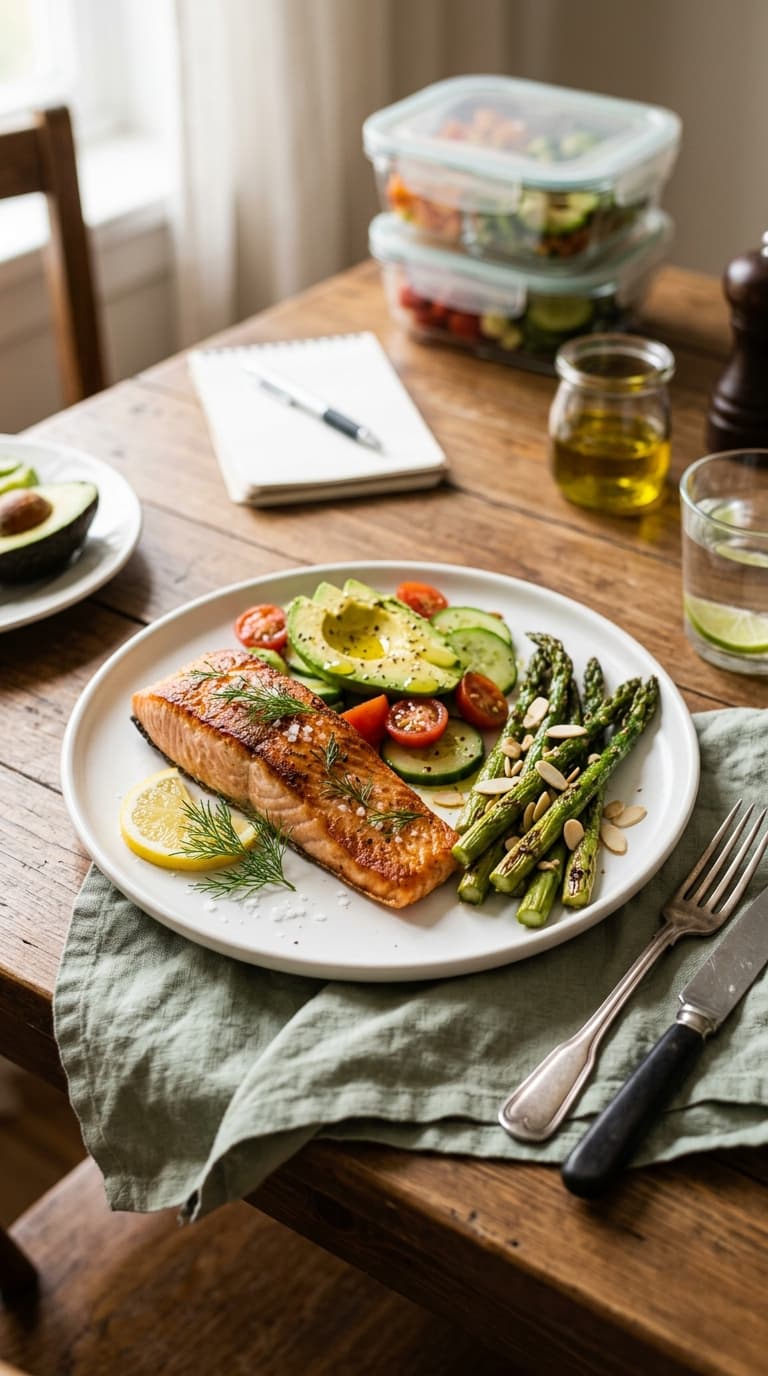
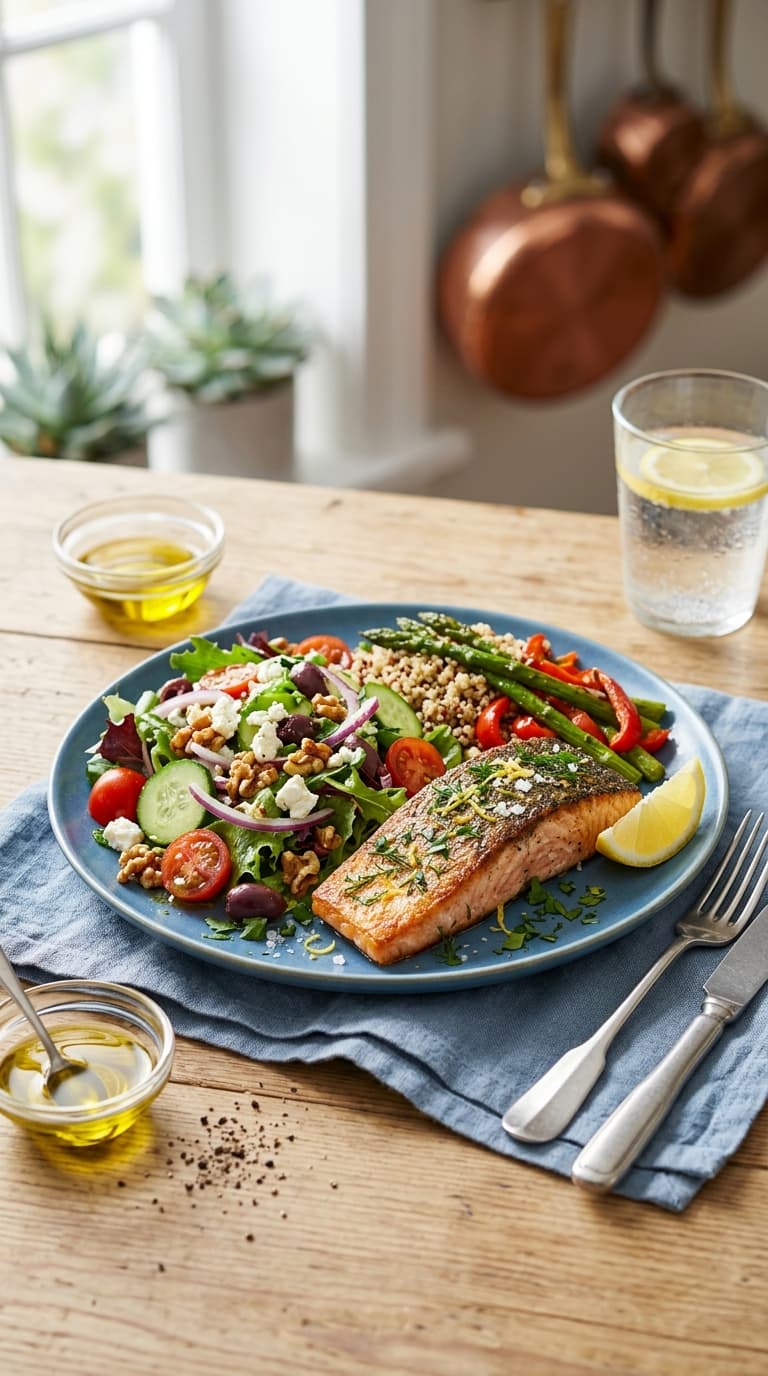
Dinner: Baked salmon with roasted asparagus and a side of farro. Season the salmon with garlic, lemon zest, and dried oregano. Salmon twice a week is ideal for hitting your omega-3 targets.
Snack: A small handful of almonds and a couple of fresh figs.
Day 2 — Tuesday: Plant-Forward Power
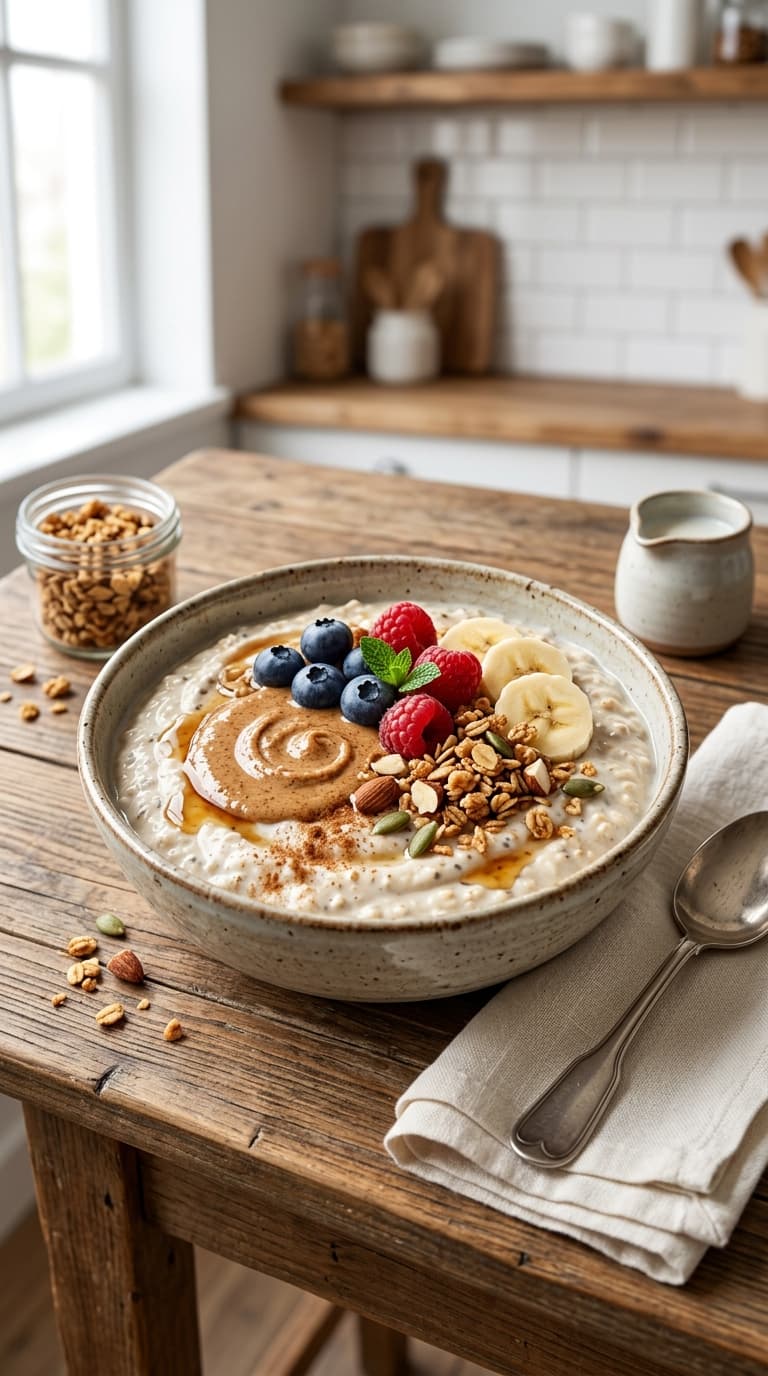
Breakfast: Overnight oats with chia seeds, almond milk, sliced strawberries, and a sprinkle of cinnamon. Make this the night before — future you will be grateful.
Lunch: Lentil soup with tomatoes, spinach, garlic, and a squeeze of lemon. Lentils are an anti-inflammatory superstar — high in fiber, polyphenols, and plant protein.
Dinner: Grilled chicken thighs with a cucumber-tomato-herb salad and hummus. Drizzle everything with olive oil and don’t be shy about the garlic.
Snack: Sliced bell peppers with hummus.
Day 3 — Wednesday: Midweek Fuel
Breakfast: Two-egg veggie scramble with spinach, tomatoes, and a sprinkle of turmeric. Turmeric contains curcumin, one of the most well-researched anti-inflammatory compounds in existence. Add black pepper to boost absorption — the combo is genuinely impressive.
Lunch: Whole grain wrap with grilled chicken, roasted red peppers, arugula, and tzatziki.
Dinner: Shrimp and vegetable stir-fry with olive oil, garlic, zucchini, cherry tomatoes, and fresh basil. Serve over a small portion of brown rice or farro.
Snack: A small bowl of mixed berries or a piece of dark chocolate (70%+ cacao). Yes, dark chocolate counts. You’re welcome 🙂
Day 4 — Thursday: Hearty and Healing
Breakfast: Smoothie with spinach, frozen mango, ginger, flaxseeds, and almond milk. Ginger is a natural anti-inflammatory that also does wonders for digestion.
Lunch: White bean and kale soup with diced tomatoes and rosemary. Make a big batch — this reheats beautifully and gets better the next day.
Dinner: Baked cod with olives, capers, cherry tomatoes, and lemon. This is a classic Mediterranean preparation that feels fancy but takes about 25 minutes. Serve with roasted broccoli or cauliflower.
Snack: Walnuts and a small orange. Walnuts specifically are the nut for fighting inflammation — higher in omega-3s than any other common nut.
Day 5 — Friday: End-of-Week Energy
Breakfast: Greek yogurt parfait layered with granola (low-sugar), mixed berries, and flaxseeds.
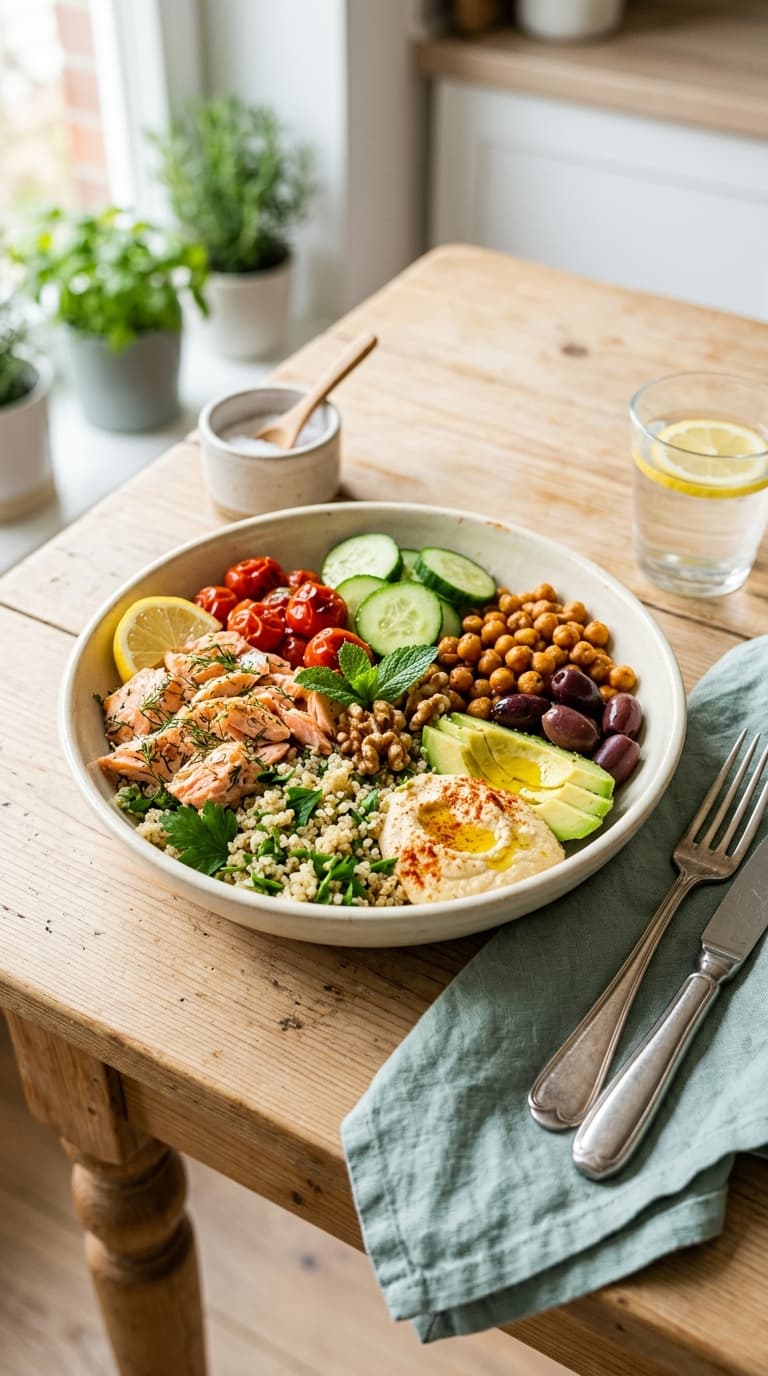
Lunch: Quinoa bowl with roasted sweet potato, chickpeas, baby spinach, tahini dressing, and pumpkin seeds. If you’ve been building out your healthy meal prep bowls, this is a perfect addition to the rotation.
Dinner: Herb-marinated lamb chops with roasted eggplant and a simple tabbouleh. Lamb is a traditional part of the Mediterranean diet and provides iron, zinc, and anti-inflammatory omega-3s — especially when pasture-raised.
Snack: Olives and a few whole grain crackers. Olives are basically nature’s anti-inflammatory snack and they’re criminally underrated.
Day 6 — Saturday: Slow Down and Savor
Saturday is a good day to actually enjoy cooking. No rushing, no sad desk lunches. Take your time.
Breakfast: Shakshuka — eggs poached in a spiced tomato sauce with peppers and onions. Top with fresh parsley and serve with whole grain pita. This dish is a weekend ritual worth adopting.
Lunch: Large mezze spread: hummus, baba ganoush, stuffed grape leaves, fresh pita, olives, cucumber, and cherry tomatoes. This is a social, relaxed Mediterranean tradition. Make extra and snack on it all afternoon.
Dinner: Grilled salmon over a warm farro salad with roasted beets, arugula, walnuts, and a lemon-tahini dressing. Beets are an underused anti-inflammatory gem — they contain betalains that actively reduce oxidative stress.
Snack: Fresh fruit plate with a square or two of dark chocolate.
Day 7 — Sunday: Prep for the Week Ahead
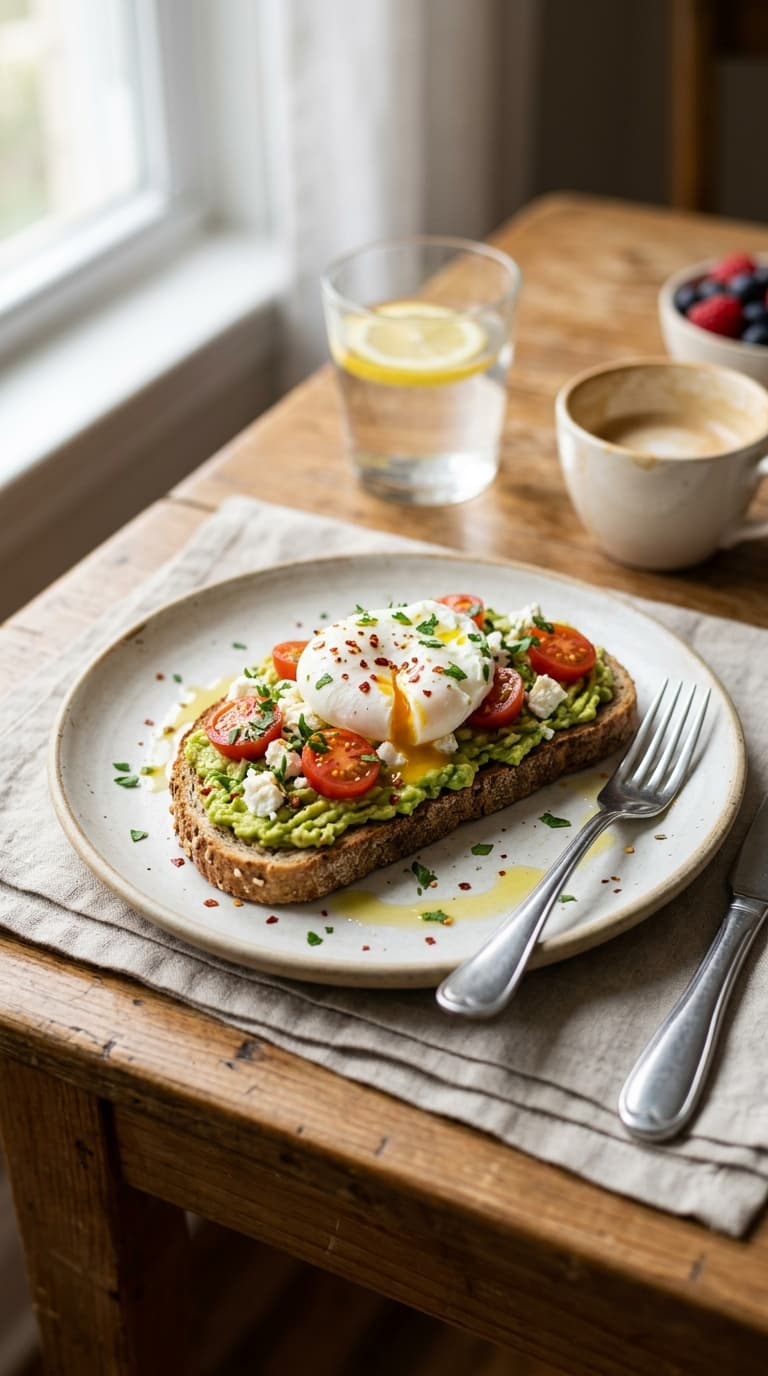
Breakfast: Whole grain toast with smashed avocado, a fried egg, sliced cherry tomatoes, and red pepper flakes. Classic, satisfying, and loaded with healthy fats.
Lunch: Big Greek salad with romaine, tomatoes, cucumber, red onion, olives, feta, and grilled chicken. Use a really generous amount of olive oil in the dressing — this is not the place to be stingy.
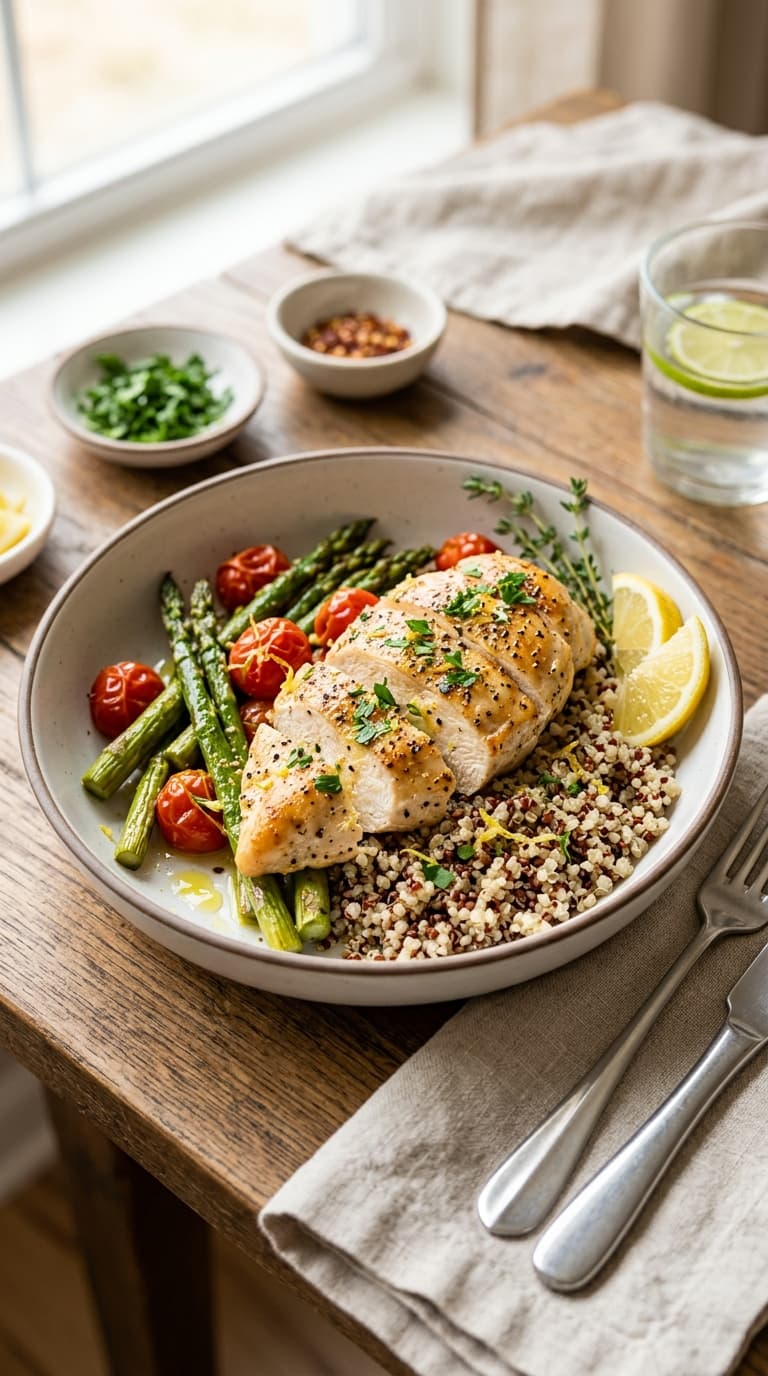
Dinner: Slow-roasted chicken thighs with lemon, garlic, artichokes, and white beans. This is a one-pan wonder that makes the whole kitchen smell incredible. If you love low-effort meals like this, one-pan meal prep ideas might become your new best friend.
Snack: Almond butter on apple slices or celery sticks.
Use Sunday afternoon to batch-cook grains, chop vegetables, and portion snacks for the coming week. A little prep goes a long way toward actually sticking with this kind of eating.
Anti-Inflammatory Foods to Eat Every Single Day
You don’t have to overthink this. Focus on getting these foods in daily and you’ll naturally crowd out the inflammatory culprits:
- Extra virgin olive oil (at least 2 tablespoons daily)
- Leafy greens — any variety, any preparation
- Berries — fresh or frozen, both work perfectly
- Fatty fish at least 2-3 times per week
- Nuts and seeds, especially walnuts and flaxseeds
- Legumes — chickpeas, lentils, or beans daily if possible
- Garlic and onions (anti-inflammatory and good for gut health)
- Colorful vegetables across the rainbow
Foods to Reduce or Cut Entirely
Here’s where some people get defensive, but I’ll be straight with you — these foods actively work against what you’re trying to do:
- Refined sugar — feeds inflammatory pathways directly
- Refined vegetable oils (sunflower, corn, soybean) — high in omega-6 fatty acids that promote inflammation
- Ultra-processed snacks — chips, crackers with 30 ingredients, “healthy” bars loaded with sugar
- White bread and refined grains — spike blood sugar and trigger inflammatory responses
- Excess alcohol — moderate red wine is part of the Mediterranean tradition, but “moderate” means one glass, not one bottle :/
Tips to Actually Stick With This Plan
Real talk — any eating plan looks great on paper. Execution is the hard part. Here are a few things that made this work for me personally:
Batch cook on Sundays. Spend 60-90 minutes prepping grains, roasting a tray of vegetables, and hard-boiling some eggs. The week becomes infinitely easier. If you want a system for this, a solid 7-day healthy meal prep routine can give you the structure to make it automatic.
Keep snacks visible and ready. A bowl of walnuts on the counter beats a bag of chips in the cupboard every time. Environment design is underrated.
Don’t aim for perfection. If one meal goes sideways, the next one is a fresh start. This isn’t a 7-day cleanse with strict rules — it’s a sustainable way of eating that you’re building toward over time.
Make it social. The Mediterranean diet is rooted in communal eating. Cook for friends, share meals, enjoy the process. Food isn’t meant to be a solitary, anxious experience.
What to Expect After 7 Days
FYI — one week won’t fix years of inflammation overnight. But most people notice real, tangible shifts within 7 days:
- Less bloating as the gut microbiome starts to shift
- More stable energy without the afternoon crash
- Reduced joint stiffness, especially in the mornings
- Clearer skin as systemic inflammation drops
- Better sleep quality — inflammation and poor sleep are deeply linked
These aren’t dramatic, overnight transformations. They’re quieter, steadier improvements that compound over time. And honestly? That’s more meaningful than any 3-day juice cleanse could ever be.
If your goals also include weight management alongside the anti-inflammatory benefits, pairing this approach with a calorie-aware eating framework can help you get the best of both worlds without feeling deprived.
Final Thoughts
The Mediterranean diet isn’t about eating “perfectly” — it’s about eating intentionally. More olive oil, more fish, more vegetables, more time spent actually enjoying food. Less processed junk, less inflammatory sugar, less eating on autopilot.
Your body is genuinely capable of healing when you give it the right inputs. This 7-day plan is a starting point, not a finish line. Stick with it for a month and the changes become more pronounced. Stick with it for six months and it stops feeling like a “plan” — it just becomes how you eat.
Now go make some shakshuka and feel better. Your future self will absolutely thank you 🙂