7-Day Low Calorie Meal Prep Plan Under 1500 Calories
7-Day Low Calorie Meal Prep Plan Under 1500 Calories
Okay, let’s be real — most “meal prep” content out there either has you eating sad iceberg lettuce for a week or cooking 47 different recipes on a Sunday afternoon. Neither sounds fun. This 7-day low calorie meal prep plan under 1500 calories is different. It’s practical, it’s filling, and honestly, it’s the kind of plan you’ll actually stick to past Wednesday.
I’ve been meal prepping for years, and the biggest lesson I’ve learned? Keeping it simple is the secret weapon. When you stop overcomplicating things, meal prep stops feeling like a chore and starts feeling like a superpower.
Why 1500 Calories Actually Works
Before we get into the plan, let’s talk numbers for a second. 1500 calories is a solid calorie deficit target for most people — not so low that you’re dizzy by noon, but low enough to actually move the needle on the scale. The key is making every calorie count through high-volume, nutrient-dense foods.
If you’ve ever wondered why some people lose weight eating 1500 calories while others feel starving at the same number, it comes down to food quality and meal timing. Protein keeps you full. Fiber keeps your gut happy. And prepped meals keep you away from the drive-through at 7 PM when willpower hits zero.
FYI — if you’re consistently active or have a larger frame, you might want to sit closer to the 1400–1500 range rather than cutting below it. This plan gives you that flexibility.
What You Need Before You Start
The Right Containers
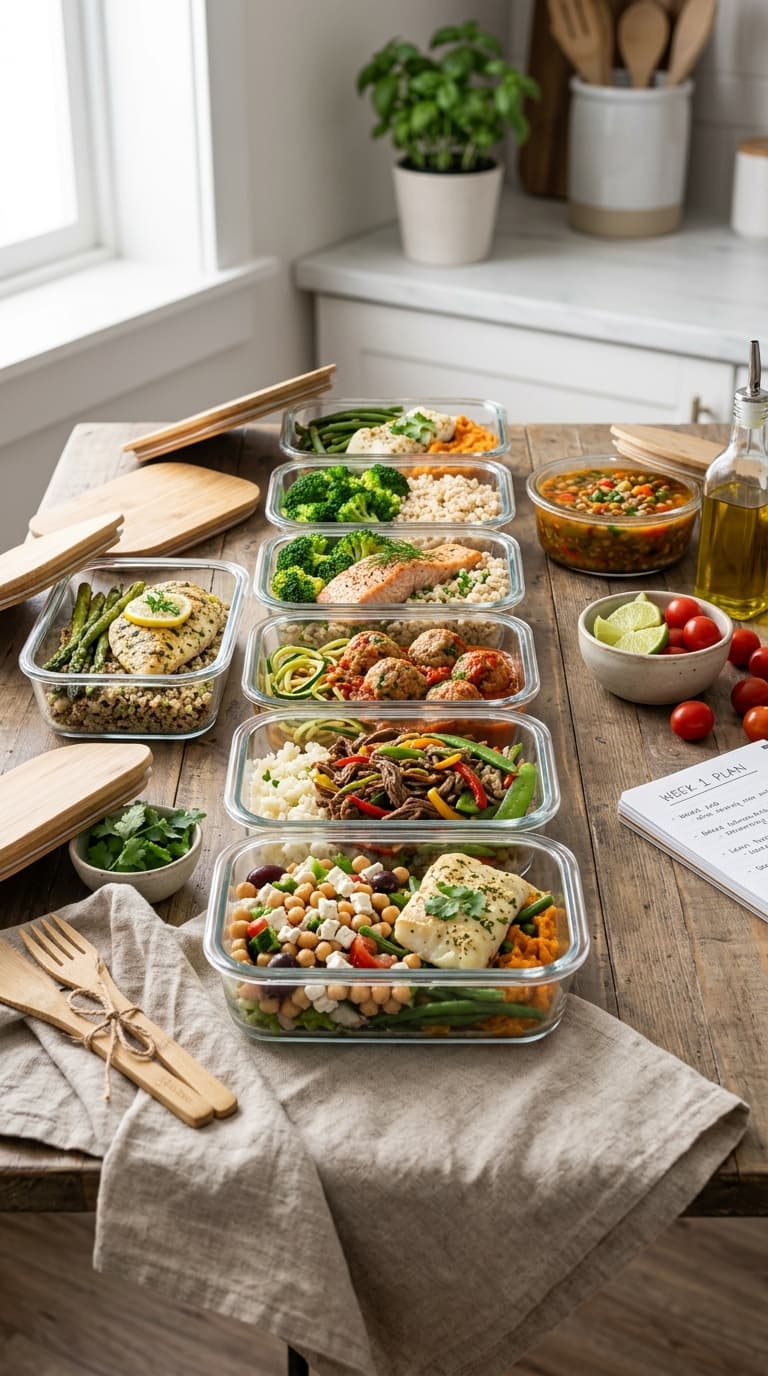
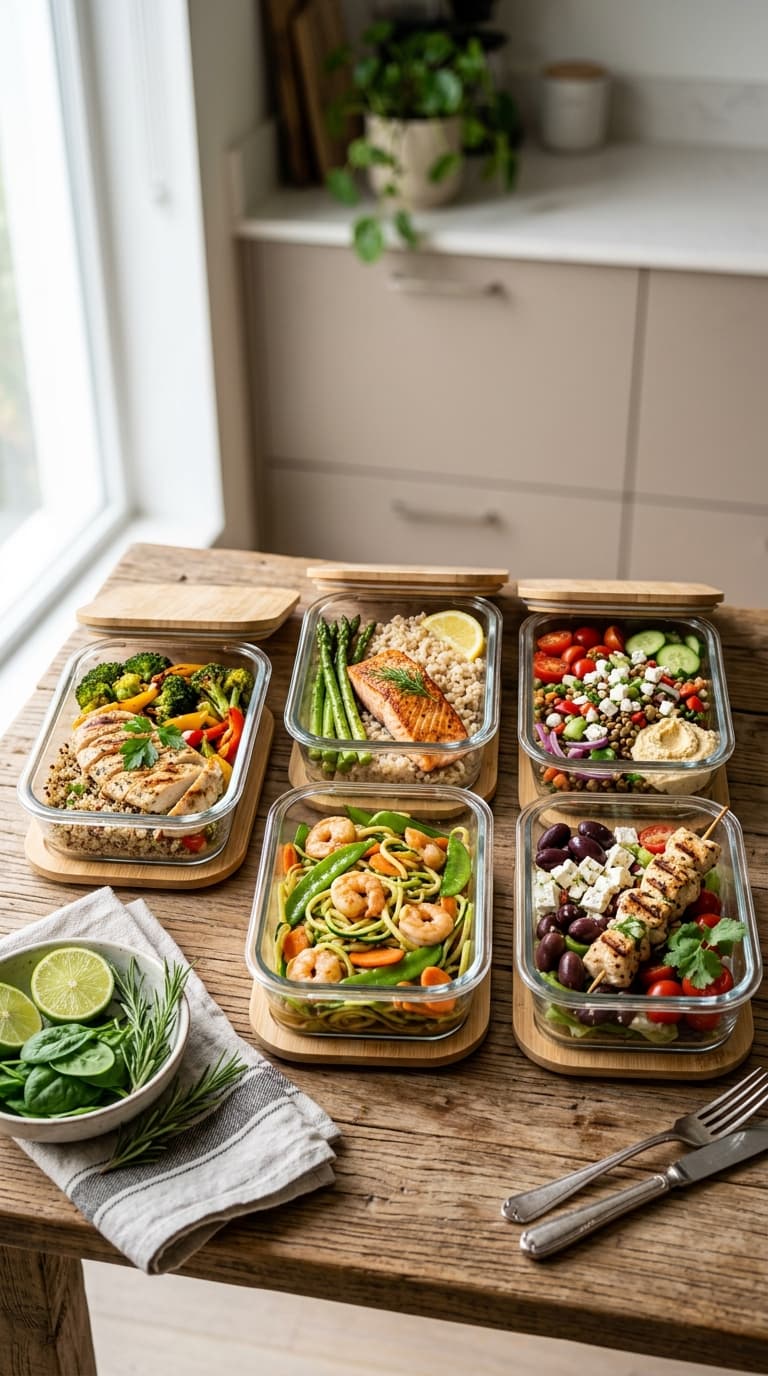
Don’t underestimate the power of good meal prep containers. Glass containers with locking lids are worth every penny — they reheat evenly and don’t absorb smells. Grab a set of:
- 1-cup containers for snacks and dressings
- 2-cup containers for lunches
- 4-cup containers for grain and protein combos
- A set of freezer-safe bags for batch-cooked proteins
Your Grocery List Staples
Every great low calorie meal prep plan starts with a smart shopping run. Stock up on:
- Proteins: Chicken breast, eggs, canned tuna, Greek yogurt, cottage cheese
- Carbs: Brown rice, oats, sweet potatoes, whole grain wraps
- Fats: Avocado, olive oil, almonds (portion these — they sneak up on you :/)
- Produce: Spinach, bell peppers, zucchini, broccoli, cherry tomatoes, berries
- Flavor boosters: Garlic, lemon, herbs, low-sodium soy sauce, mustard
The 7-Day Meal Plan Breakdown
Here’s the full week laid out. Each day comes in at 1,400–1,500 calories, with meals designed to keep hunger low and energy high.
Day 1 — Monday: Fresh Start Energy
Breakfast (350 cal): Overnight oats with ½ cup rolled oats, unsweetened almond milk, ½ banana, and a tablespoon of chia seeds.
Lunch (400 cal): Grilled chicken breast (4 oz) over a big bed of spinach, cherry tomatoes, cucumber, and a lemon-mustard dressing.
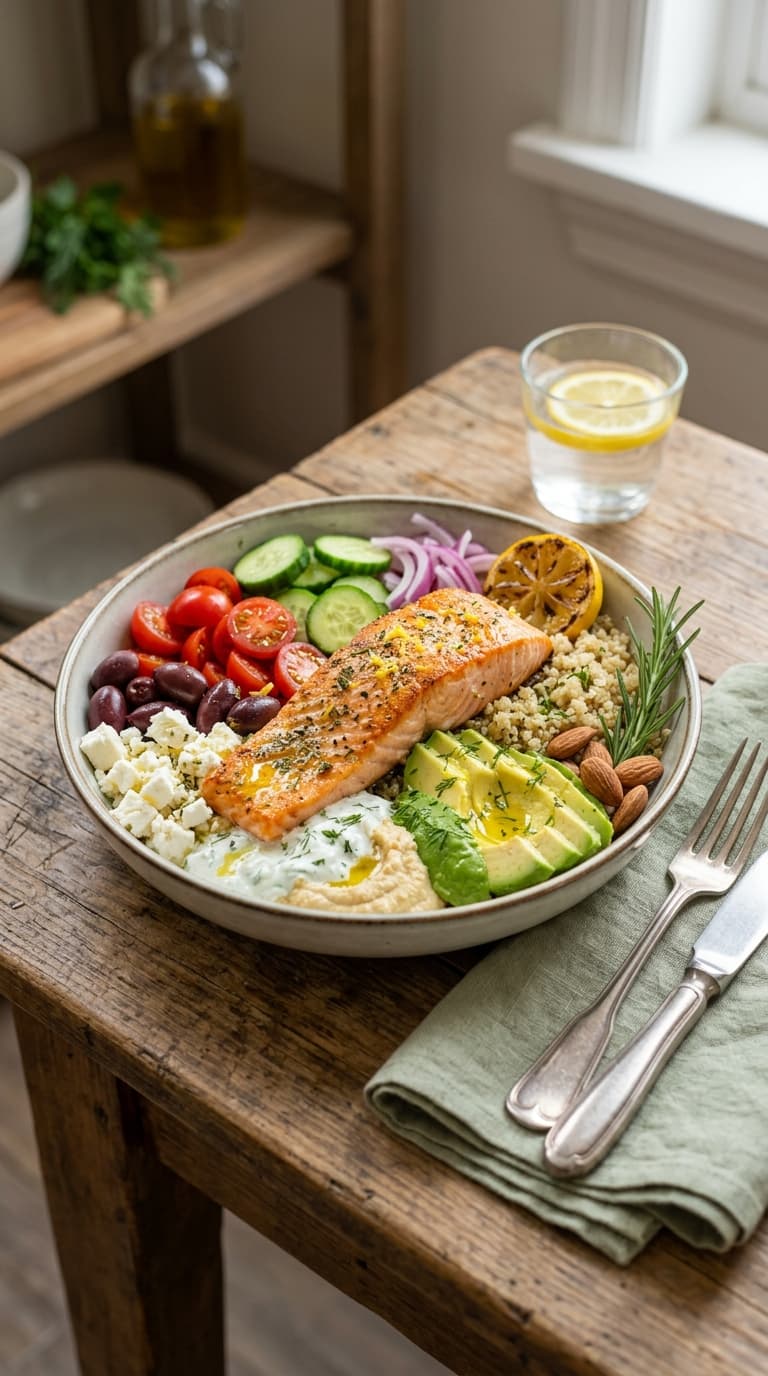
Dinner (450 cal): Baked salmon (4 oz) with roasted broccoli and ½ cup brown rice.
Snack (200 cal): ½ cup cottage cheese with a handful of berries.
Day 2 — Tuesday: The Crowd Pleaser
Breakfast (320 cal): Two scrambled eggs with sautéed spinach and one slice of whole grain toast.
Lunch (420 cal): Turkey and veggie wrap in a whole grain tortilla with lettuce, tomato, mustard, and sliced avocado.
Dinner (460 cal): Chicken stir-fry with zucchini, bell peppers, and low-sodium soy sauce over ½ cup brown rice.
Snack (200 cal): Apple with one tablespoon almond butter.
Day 3 — Wednesday: Halfway There
Breakfast (350 cal): Greek yogurt parfait with ½ cup plain Greek yogurt, granola (small portion), and mixed berries.
Lunch (400 cal): Tuna salad lettuce wraps — canned tuna mixed with Greek yogurt, celery, and lemon juice in romaine cups.
Dinner (450 cal): Baked chicken thigh (skinless) with roasted sweet potato and steamed green beans.
Snack (190 cal): Hard-boiled egg and 10 almonds.
Day 4 — Thursday: Keep the Momentum
Breakfast (330 cal): Smoothie with one cup frozen berries, ½ banana, one scoop unflavored protein powder, and unsweetened almond milk.
Lunch (420 cal): Quinoa bowl with roasted veggies, chickpeas, and a drizzle of tahini dressing.
Dinner (460 cal): Lean ground turkey with diced tomatoes and zucchini over ½ cup brown rice.
Snack (200 cal): Rice cake with two tablespoons hummus and sliced cucumber.
Day 5 — Friday: End of the Week Win
Breakfast (340 cal): Overnight oats variation — add a tablespoon of peanut butter and a sprinkle of cinnamon.
Lunch (410 cal): Big chopped salad with grilled chicken, avocado, black beans, and salsa as the dressing. No, salsa counts. Trust me.
Dinner (450 cal): Shrimp stir-fry with snap peas, carrots, and a ginger soy sauce over cauliflower rice.
Snack (200 cal): Protein bar under 200 calories (check the label — some of these things are basically candy bars in disguise).
Day 6 — Saturday: Flex Day
Saturday is your easiest prep day because most of your containers are already done. Focus on repurposing leftovers creatively.
Breakfast (360 cal): Two-egg veggie omelet with whatever produce you have left — peppers, spinach, mushrooms.
Lunch (400 cal): Leftover grain bowl remix — grab whatever rice or quinoa is in the fridge, toss it with a new protein, add hot sauce.
Dinner (480 cal): Sheet pan chicken and veggies — toss everything on a pan, season it, bake at 400°F for 25 minutes. Done.
Snack (160 cal): Greek yogurt with a drizzle of honey.
Day 7 — Sunday: Prep Day Itself
Sunday is both your last day of eating from this plan AND your prep day for the week ahead. IMO, the best move is to eat something simple in the morning and spend 2–3 hours cooking in batches.
Breakfast (300 cal): Simple smoothie bowl with fruit and a tablespoon of hemp seeds.
Lunch (400 cal): Egg salad on whole grain bread with a side of sliced veggies.
Dinner (500 cal): Homemade chicken and vegetable soup — make a big pot and portion it into containers for next week’s lunches.
Snack (200 cal): Cottage cheese with pineapple chunks.
How to Actually Prep All of This
Here’s the honest truth — if you try to prep everything from scratch each day, you’ll quit by Tuesday. The whole point is to batch cook smartly so weekday-you doesn’t have to think.
Sunday Prep Session (2–3 Hours Total)
Hour 1 — Proteins:
- Grill or bake a full batch of chicken breasts (enough for 3–4 days)
- Hard boil 6 eggs
- Cook ground turkey for two dinners
Hour 2 — Grains and Carbs:
- Cook a large pot of brown rice
- Roast a sheet pan of sweet potato chunks
- Prepare overnight oats for Monday and Tuesday mornings
Hour 3 — Produce:
- Wash and chop all vegetables for the week
- Pre-portion snacks into small containers
- Assemble any salads you’ll eat within 2–3 days (keep dressing separate — soggy salad is a crime)
If you want to see how this kind of approach plays out over a longer stretch, the 21-day weight loss meal prep plan is a great next step once you’ve nailed this week.
Keeping Calories in Check Without Losing Your Mind
Calorie counting doesn’t need to be a full-time job. A few habits make it almost automatic:
- Weigh proteins raw — cooked weights vary and can throw off your numbers
- Measure oils — one “glug” of olive oil can be 120+ calories before you know it
- Use a food scale for the first two weeks — after that, your eye gets pretty accurate
- Log before you eat, not after — this small habit alone can cut mindless extras
One of the most effective strategies I’ve found is building meals around high volume, low calorie foods — things that physically fill your plate and your stomach without wrecking your calorie budget. Think spinach, zucchini, cucumber, broth-based soups, and berries.
Making It Work When Life Gets Chaotic
We’ve all been there — the week that had zero plans and then suddenly had all the plans. Meal prep only works if it’s flexible enough to survive real life.
Quick Swaps That Don’t Tank Your Calories
- Swap brown rice for cauliflower rice to cut 150 calories from dinner
- Swap Greek yogurt dressing for store-bought — just check labels and look for options under 50 calories per serving
- Swap a full meal for a big protein shake on crazy-busy days — just make sure it actually hits 25–30g of protein
For days when you genuinely have no time to reheat anything, having a stash of grab-and-go weight loss meals prepped ahead is honestly a lifesaver. Five minutes of prep on Sunday can save your entire Wednesday.
Staying Full Under 1500 Calories
This is the question everyone has. Can you actually feel satisfied on this plan? Yes — but you have to be strategic about it. The meals above hit specific targets that keep hunger under control:
- Protein at every meal — aim for 25–35g per meal
- Fiber from whole foods — vegetables, legumes, and whole grains slow digestion
- Healthy fats in moderation — they signal satiety but pack calories, so portion them
If you find yourself genuinely hungry between meals, check out these low calorie meals that keep you full — the list is full of ideas you can slot right into this plan without blowing your daily budget.
Budgeting This Plan Without Breaking the Bank
One concern I hear a lot is that healthy eating costs too much. The good news? This plan leans heavily on affordable proteins like eggs, canned tuna, and chicken — all of which you can buy in bulk and store easily.
A few budget-saving moves:
- Buy frozen vegetables — just as nutritious, last longer, cost less
- Opt for canned fish (tuna, salmon) over fresh for weekday lunches
- Buy grains in bulk — a big bag of brown rice or oats costs pennies per serving
- Plan meals around what’s on sale that week at your grocery store
If budget is a real concern for you, the 7-day cheap meal prep plan breaks down exactly how to make this work for under $50 a week.
Tracking Progress Beyond the Scale
Here’s something a lot of people overlook — the scale isn’t the only (or even best) measure of progress. When you follow a calorie deficit plan consistently, you might notice:
- More stable energy throughout the day (no 3 PM crash)
- Better sleep quality — heavy meals tank your sleep more than you realize
- Clearer skin — less processed food does wonders
- Improved mood — blood sugar stability is underrated
Take progress photos. Note how your clothes fit. Track your energy levels. These markers often show results before the scale moves — and they keep you motivated when the numbers feel slow.
What Comes After This Week
So you made it through seven days. What now? The beautiful thing about building this habit is that you now have a template you can repeat, remix, and refine.
A few natural next steps:
- If you want to extend your results, the 7-day calorie deficit meal prep plan is a fantastic follow-up that digs even deeper into deficit eating without the hunger.
- If you’re ready to go bigger, the 30-day weight loss meal plan lays out a full month of structured eating with real variety built in.
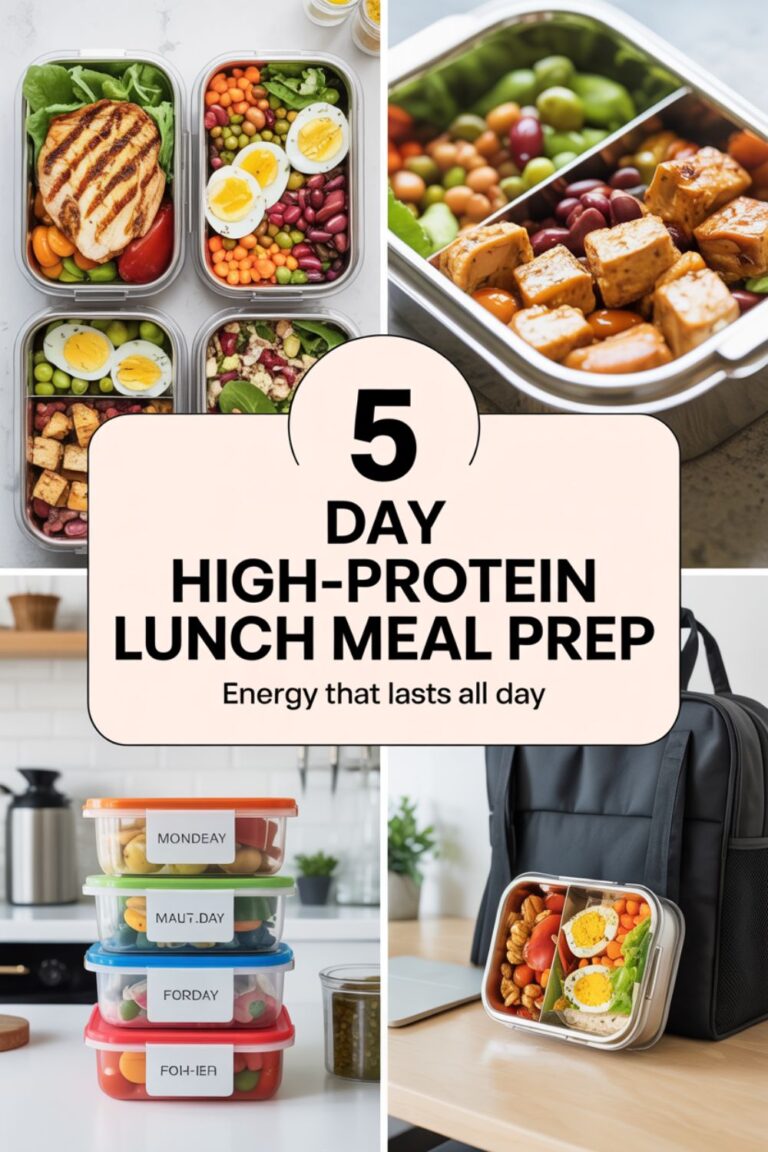
- If high protein is your priority, the 7-day high protein meal prep plan pairs perfectly with this calorie framework.
Final Thoughts
Look, meal prep isn’t magic — but it is the closest thing to a cheat code for eating well during a busy week. This 7-day low calorie meal prep plan under 1500 calories gives you structure without making you feel like you’re on a punishment diet. The food is real, the portions are satisfying, and the process is repeatable.
Start small if you need to. Even prepping two or three meals ahead is infinitely better than winging it every day. Build the habit before you chase perfection.
The best meal prep plan is the one you actually follow. So grab your containers, block off two hours this Sunday, and prove to future-you that you meant it this time. You’ve totally got this 🙂