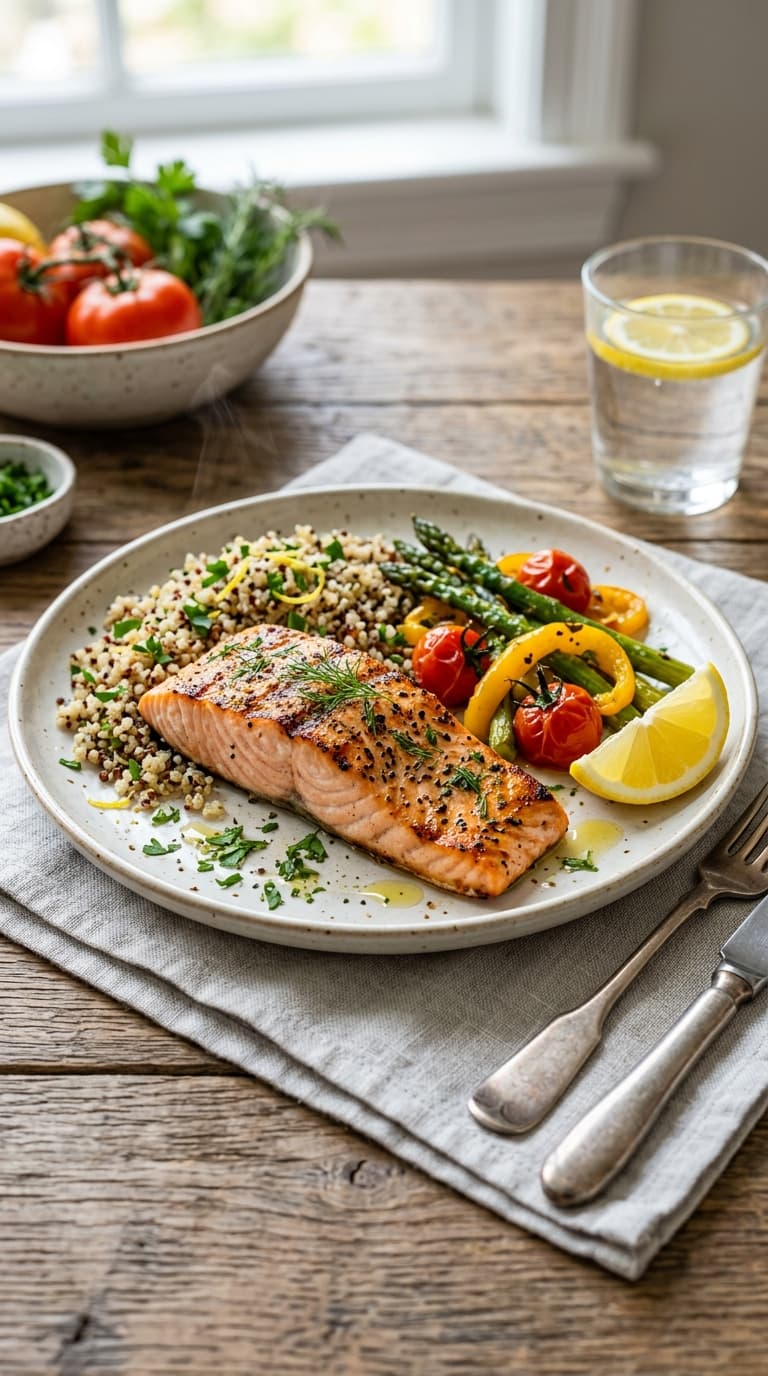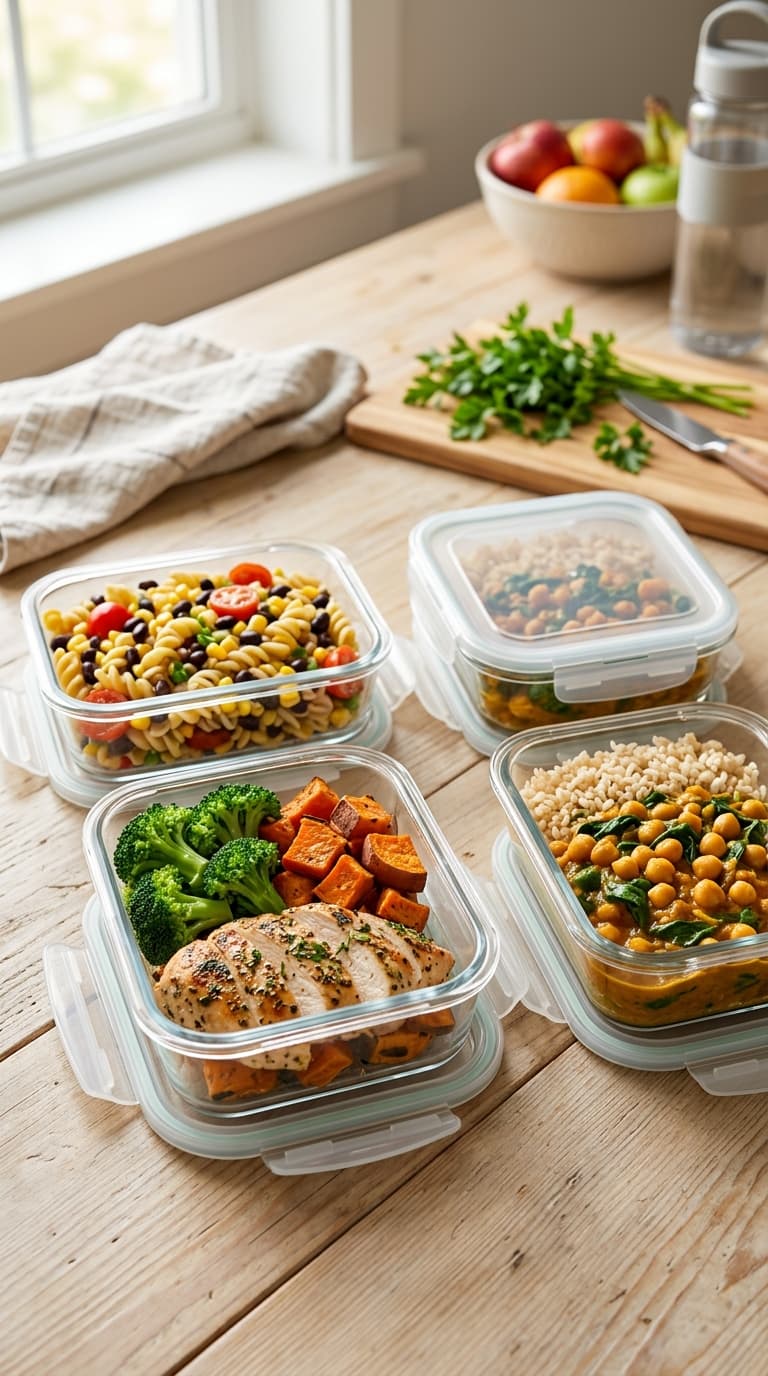
5-Day Budget Meal Prep Plan (Feed Yourself For Under $20)
5-Day Budget Meal Prep Plan (Feed Yourself For Under $20)
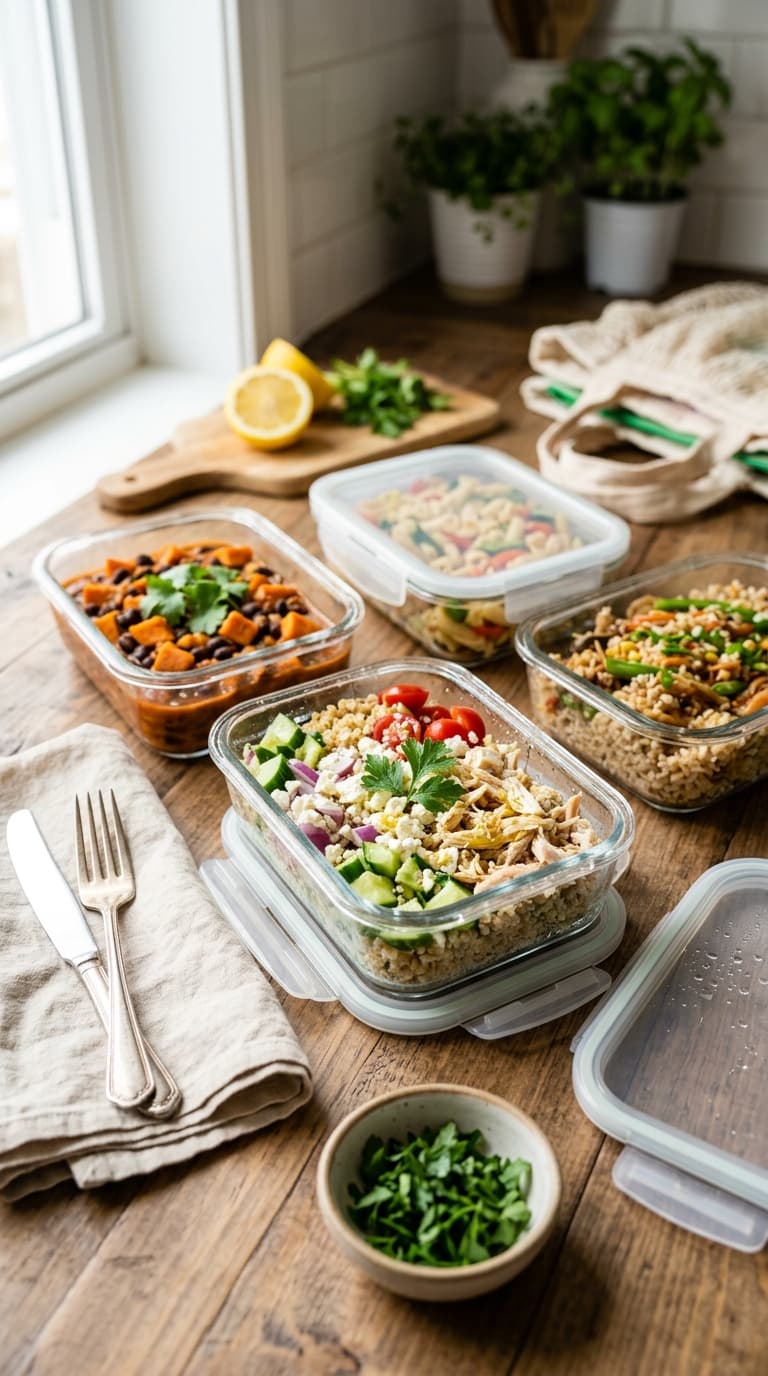
Let’s be honest — grocery bills are getting ridiculous. You open your fridge on a Tuesday night, stare into the abyss, and somehow end up ordering takeout for the fourth time this week. Sound familiar? I’ve been there, and I’m telling you right now, it doesn’t have to be this way.
This 5-day budget meal prep plan proves you can eat well, stay full, and keep your wallet happy — all under $20 for the whole week. Yes, really. No sad desk salads. No mystery leftovers. Just solid, tasty food that you actually planned ahead.
Why Budget Meal Prep Actually Works
Most people think eating cheap means eating badly. That’s just not true. The real problem isn’t money — it’s the lack of a plan. When you walk into a grocery store without a list, you’re basically donating money to the store’s profit margin. IMO, that’s the single biggest mistake people make.
Meal prepping flips the script. You buy what you need, cook in batches, and spend the rest of the week just reheating and eating. It saves time, money, and the mental energy of deciding “what’s for dinner?” every single night. If you’re new to this whole world, these easy meal prep recipes for total beginners are a great place to start before jumping into a full week plan.
Your $20 Grocery List
Before we get into the day-by-day breakdown, let’s talk shopping. The key to keeping costs low is building around cheap, versatile staples that work across multiple meals. Here’s what you’re grabbing:
- Dried lentils (~$1.50 for a 1 lb bag)
- White rice (~$2.00 for 2 lbs)
- Canned chickpeas x2 (~$1.80 total)
- Canned diced tomatoes x2 (~$2.00 total)
- Eggs x12 (~$2.50)
- Frozen mixed vegetables (~$1.50)
- Oats (~$2.00)
- Bananas (~$1.00)
- Garlic, onion, and basic spices (~$2.00)
- Peanut butter (~$2.50)
- Bread loaf (~$1.80)
Total: roughly $20.60 — and if you already have some pantry staples like salt, pepper, or olive oil, you’ll come in under that easily.
The beauty of this list? Everything overlaps. You’re not buying 15 separate ingredients for 15 separate meals. You’re buying smart and cooking smart. If you want to see how far this strategy scales, check out this guide on a 7-day cheap meal prep that saves you money — it uses the same core philosophy.
Day 1 — Sunday Prep Session
Set Aside 1.5 Hours, Thank Yourself All Week
Sunday is your power day. You’re not cooking five separate things from scratch every morning — that’s the whole point. Here’s what you cook on Sunday:
- Cook a big pot of rice (use the whole 2 lbs — you’ll use it across multiple days)
- Simmer a lentil soup with canned tomatoes, garlic, onion, and spices
- Hard-boil 6 eggs
- Prep overnight oats for the first three mornings (oats + water or a splash of milk if you have it + banana slices)
That’s your Sunday. An hour and a half, maybe two if you’re slow in the kitchen like I was when I first started. Now you’ve got breakfasts and a solid lunch/dinner base ready to go.
Pro tip: Store everything in separate containers in the fridge. Label them if you share a fridge with other people, because trust me — your roommate will “just taste” your lentil soup and suddenly half of it is gone. :/
Day 2 — Monday: Start Strong
Breakfast
Grab your overnight oats from the fridge. Slice a banana on top if you haven’t already. Done. You’re out the door with a real breakfast that took zero effort this morning.
Lunch
Rice + lentil soup. It sounds basic, and honestly, it is — but it’s also filling, protein-rich, and surprisingly satisfying when you season your lentils right. Cumin, paprika, a pinch of chili flakes. Don’t skip the seasoning. That’s where bland budget food goes wrong.
Dinner
Scrambled eggs with frozen mixed vegetables over rice. Add a dash of soy sauce or hot sauce if you have it. This combo delivers protein, carbs, and vegetables in under 10 minutes of reheating. Nobody’s winning a Michelin star here, but you’re eating well and you spent maybe $3.50 for the whole day.
Day 3 — Tuesday: Keep the Momentum Going
By Tuesday, some people hit a wall. The novelty wears off, and suddenly that takeout menu starts looking attractive again. Don’t cave. Here’s how to keep things interesting without spending more money.
Breakfast
Overnight oats again — but this time, stir in a spoonful of peanut butter before eating. Game changer. It adds healthy fat, protein, and makes the whole thing taste like a treat. Who said budget eating was boring?
Lunch
Chickpea rice bowl. Drain a can of chickpeas, toss them in a pan with garlic, cumin, and a splash of your canned tomatoes. Serve over rice. This meal costs about $1.20 and keeps you full for hours. If you love this style of eating, you’ll probably enjoy browsing through these 15 budget meal prep bowls that cost less than $5 each for more inspiration.
Dinner
Peanut butter toast with a side of lentil soup. Yes, it sounds like a weird combo. But trust the process — the soup is hearty, the toast adds crunch, and you’re hitting your calories without stressing your budget.
Day 4 — Wednesday: Midweek Power Meals
Breakfast
Last batch of overnight oats. By now you’ve got the routine down, and you probably don’t even think about it anymore. That’s the magic of meal prep — it removes decision fatigue from your mornings completely.
Lunch
Egg fried rice. Use leftover rice (it fries better when it’s a day or two old, FYI), scramble in two eggs, toss in your frozen vegetables, and season with whatever you’ve got. It’s simple, fast, and honestly one of the better meals of the week.
Dinner
Lentil soup again, but switch it up by serving it over rice instead of eating it as a soup. Add a boiled egg on the side. Small changes like this help the same ingredients feel completely different across the week — and that matters more than people realize when you’re eating on a tight budget.
Day 5 — Thursday: Finish Strong
You’re almost at the finish line. Everything in your fridge is getting used up, and you haven’t spent a dime beyond that initial $20 grocery run. That’s genuinely something to feel good about.
Breakfast
Make simple scrambled eggs on toast. You’ve got eggs left, you’ve got bread — this is the most classic breakfast combo on the planet for a reason. Add a banana on the side if you have one left.
Lunch
Chickpea and tomato stew over rice. Use that second can of chickpeas and your remaining canned tomatoes. Let it simmer for 20 minutes with garlic and spices, and you’ve got a thick, stew-like meal that eats like comfort food. Honestly, this one’s my personal favorite of the whole plan.
Dinner
Peanut butter toast + leftover lentil soup (if any remains) or a simple egg scramble with frozen vegetables. At this point, your fridge should be nearly empty — which means you executed the plan almost perfectly. No waste, no mystery leftovers, no guilt.
How to Make Budget Meal Prep Actually Sustainable
Here’s where most guides stop — after the five days. But what happens on Day 6? Do you just go back to buying overpriced sandwiches and wondering where your paycheck went? Let’s talk about making this a habit.
The secret is keeping your staples stocked. Rice, lentils, canned beans, oats, and eggs are cheap enough that you can refresh your supply weekly without ever going over budget. Rotate your proteins and vegetables to keep things fresh. One week it’s chickpeas and lentils; the next week maybe you add ground turkey if it’s on sale.
If you want to extend this approach beyond five days, a 7-day healthy meal prep you’ll actually stick to is a natural next step. And when you’re ready to go bigger, a full 21-day budget meal prep for tight schedules will show you how to sustain this long-term without burning out.
Common Budget Meal Prep Mistakes to Avoid
Even with the best intentions, people mess up meal prep in predictable ways. Here are the big ones:
- Overcomplicating recipes. You don’t need five different sauces and fresh herbs. Simple food, cooked well, tastes great.
- Not prepping enough. If you only cook for two days, you’ll be scrambling by Wednesday.
- Ignoring portion sizes. This is especially important if you’re also trying to manage calories. For that, these 21 low-calorie meals that keep you full can help you stay on track without feeling deprived.
- Buying fresh produce when frozen works just as well. Frozen vegetables are just as nutritious and cost far less. Stop buying fresh broccoli that turns yellow in three days.
- Skipping the spices. This is the number one reason budget food tastes boring. Spices are cheap. Use them generously.
Budget Meal Prep for Specific Goals
Maybe you’re not just trying to save money — you’ve also got a fitness or weight goal in mind. Good news: budget meal prep and health goals are not mutually exclusive. Not even close.
If you’re focused on fat loss while keeping costs low, combining a budget approach with high-volume eating really works. You can check out these 30 high-volume low-calorie meals for fat loss to see how to eat more food for fewer calories without spending more money. Lentils, eggs, and vegetables are already naturally high-volume and low-calorie — so this plan already has your back.
If you’re trying to build muscle or support an active lifestyle, you might want to bump up the protein. That means adding more eggs, incorporating lentils heavily (they pack around 18g of protein per cooked cup), or saving a few dollars to grab a small pack of canned tuna or chicken breast. For a more protein-focused structure, the 7-day high-protein meal prep for real results gives you a roadmap you can adapt to a budget approach.
What to Do With Leftovers and Extras
One of the best parts of this plan? Very little goes to waste. But if you do end up with extra rice or a few boiled eggs by Friday, here’s how to handle it:
- Extra rice — freeze it in portions. Frozen rice reheats perfectly in the microwave in about 3 minutes.
- Extra lentil soup — this actually freezes incredibly well. Portion it into a freezer bag and you’ve got a meal ready for next week with zero effort.
- Extra eggs — make a quick egg salad with whatever condiments you have, spread it on toast, and call it lunch.
If you love the idea of building a freezer stash, the 7-day freezer meal prep you’ll thank yourself for takes this concept way further and gives you a whole system for make-ahead freezer cooking.
Final Thoughts: $20 and Five Days of Real Food
Look, nobody’s pretending this is gourmet cuisine. But here’s what this plan actually is: practical, filling, nutritious, and genuinely affordable. You spent under $20, you wasted almost nothing, and you didn’t cave to takeout temptation once. That’s a win worth celebrating.
The biggest mental shift with budget meal prep is realizing that eating well doesn’t require spending a lot — it requires planning a little. Once you get into the rhythm of a Sunday prep session, the rest of the week practically runs itself.
Start with this 5-day plan, get comfortable with it, then expand. Maybe try a 14-day budget meal prep that cuts grocery bills next, or build up to a full 30-day weight loss meal plan that actually works when you’re feeling ambitious. The foundation is always the same: simple ingredients, a solid plan, and the willingness to spend one afternoon cooking instead of five evenings panicking.
You’ve got this. Now go buy some lentils 🙂