30-Day Keto Diet Plan For Beginners (Full Guide & Grocery List)
30-Day Keto Diet Plan For Beginners (Full Guide & Grocery List)
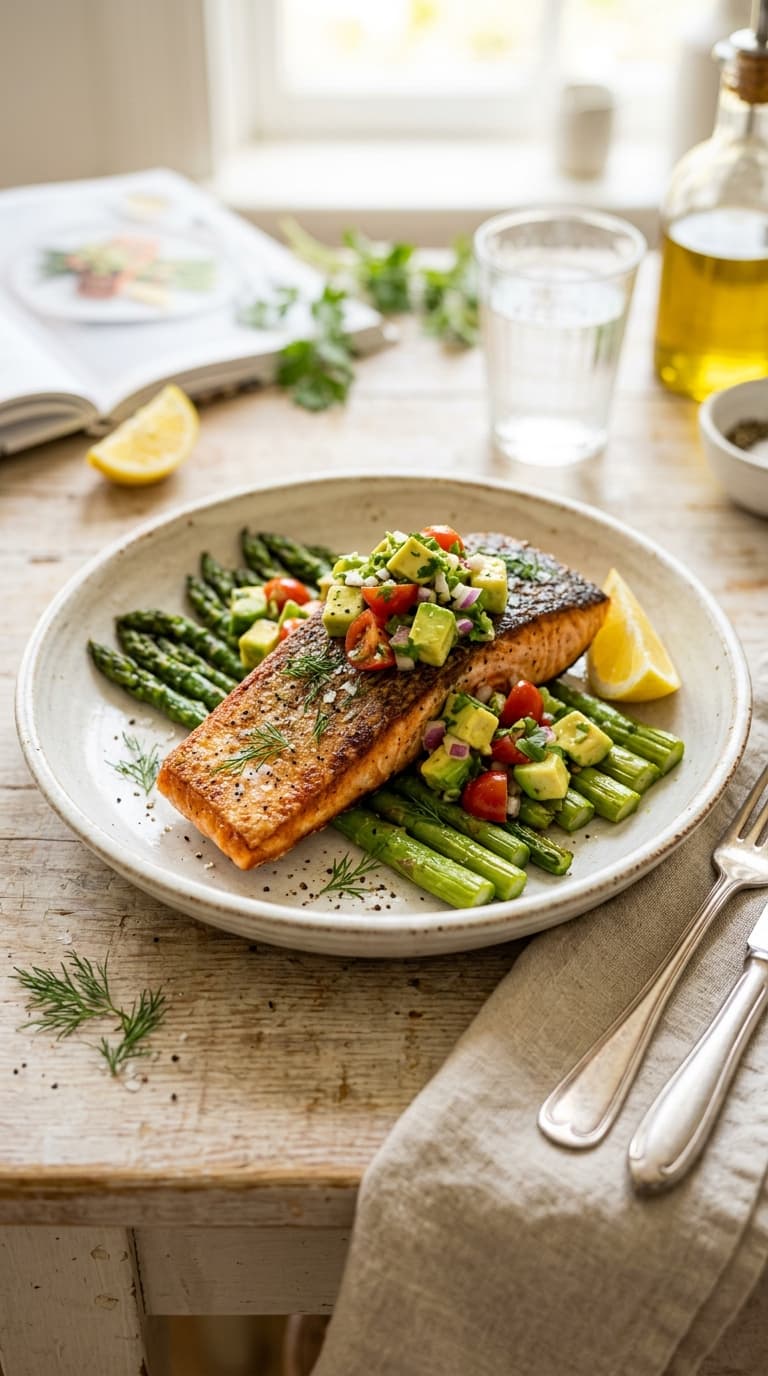
So you’ve heard about keto. Maybe your coworker lost 20 pounds on it, or you stumbled across a before-and-after photo that made you do a double-take. Either way, you’re here, and that’s a solid first step. I started keto a few years back feeling completely overwhelmed — what can I eat, what do I avoid, and why does everyone keep talking about bacon like it’s a religion? Don’t worry. This guide breaks the whole thing down for you, including a full 30-day plan and grocery list so you’re not left guessing.
What Is the Keto Diet, Actually?
Let’s skip the textbook version. Keto is basically a high-fat, very low-carb eating style that pushes your body into a metabolic state called ketosis. In ketosis, your body stops burning glucose for fuel and starts burning fat instead. Yes, your own body fat. Pretty cool, right?
The standard breakdown looks like this:
- 70–75% of calories from fat
- 20–25% from protein
- 5–10% from carbohydrates (usually under 20–50g net carbs per day)
Most people eat 200–300g of carbs daily without thinking twice. Keto cuts that down dramatically, which is why the first week feels like your body is staging a protest.
What Happens to Your Body in the First Week?
Fair warning — the first few days can be rough. You might feel tired, foggy, or mildly miserable. This is called the “keto flu,” and it’s totally normal. Your body is literally switching its fuel source, and it throws a little tantrum in the process.
Symptoms include headaches, fatigue, irritability, and brain fog. The fix? Drink more water, eat more salt, and push through. Most people feel dramatically better by day 5 or 6. Stay the course.
Why 30 Days?
One week isn’t long enough to fully adapt. It takes most people 2–4 weeks to become “fat-adapted,” meaning your body gets genuinely efficient at burning fat for fuel. At 30 days, you’ve given yourself enough time to feel the real benefits — better energy, clearer thinking, and usually noticeable weight loss.
Think of the first 30 days as your keto training wheels. You’ll make mistakes, you’ll accidentally eat hidden carbs in a sauce somewhere, and that’s fine. The goal is building the habit, not perfection.
Foods You Can Eat on Keto
This is the part most beginners get excited about — and honestly, the food list is pretty great.
Proteins:
- Eggs (your new best friend)
- Chicken thighs, beef, pork, lamb
- Fatty fish like salmon, sardines, and mackerel
- Bacon and sausage (yes, really — just watch for added sugars)
Fats:
- Avocados and avocado oil
- Butter and ghee
- Olive oil, coconut oil
- Full-fat cheese
Vegetables (low-carb ones):
- Spinach, kale, arugula
- Broccoli, cauliflower, zucchini
- Bell peppers, mushrooms, cabbage
- Asparagus and green beans
Snacks and extras:
- Nuts and seeds (almonds, walnuts, chia seeds)
- Heavy cream
- Olives
- Dark chocolate (85% or higher, in moderation)
Foods to Avoid
Here’s where people trip up — especially beginners who don’t realize how many everyday foods are loaded with carbs.
Hard no’s:
- Bread, pasta, rice, oats
- Sugar in any form — honey, maple syrup, cane sugar
- Most fruits (especially bananas, grapes, mangoes)
- Beans and legumes
- Starchy vegetables like potatoes and corn
- Soda, juice, most alcohol
- Low-fat or “diet” products (these are usually packed with sugar)
FYI — “whole grain” doesn’t make it keto-friendly. A slice of whole grain bread still packs around 20g of carbs. That’s almost your entire daily allowance right there.
The Full 30-Day Keto Meal Plan
Here’s a week-by-week breakdown. You don’t need to follow this exactly — treat it as a reliable framework you can adapt based on what you enjoy.
Week 1: Getting Into Ketosis
Your only job this week is to cut carbs and not panic.
Day 1–7 Sample Meals:
- Breakfast: Scrambled eggs with butter and spinach | Bacon and avocado
- Lunch: Grilled chicken thighs with a side salad (olive oil dressing) | Tuna salad lettuce wraps
- Dinner: Pan-seared salmon with roasted broccoli | Ground beef stir-fry with zucchini
- Snacks: Almonds, hard-boiled eggs, string cheese, cucumber slices
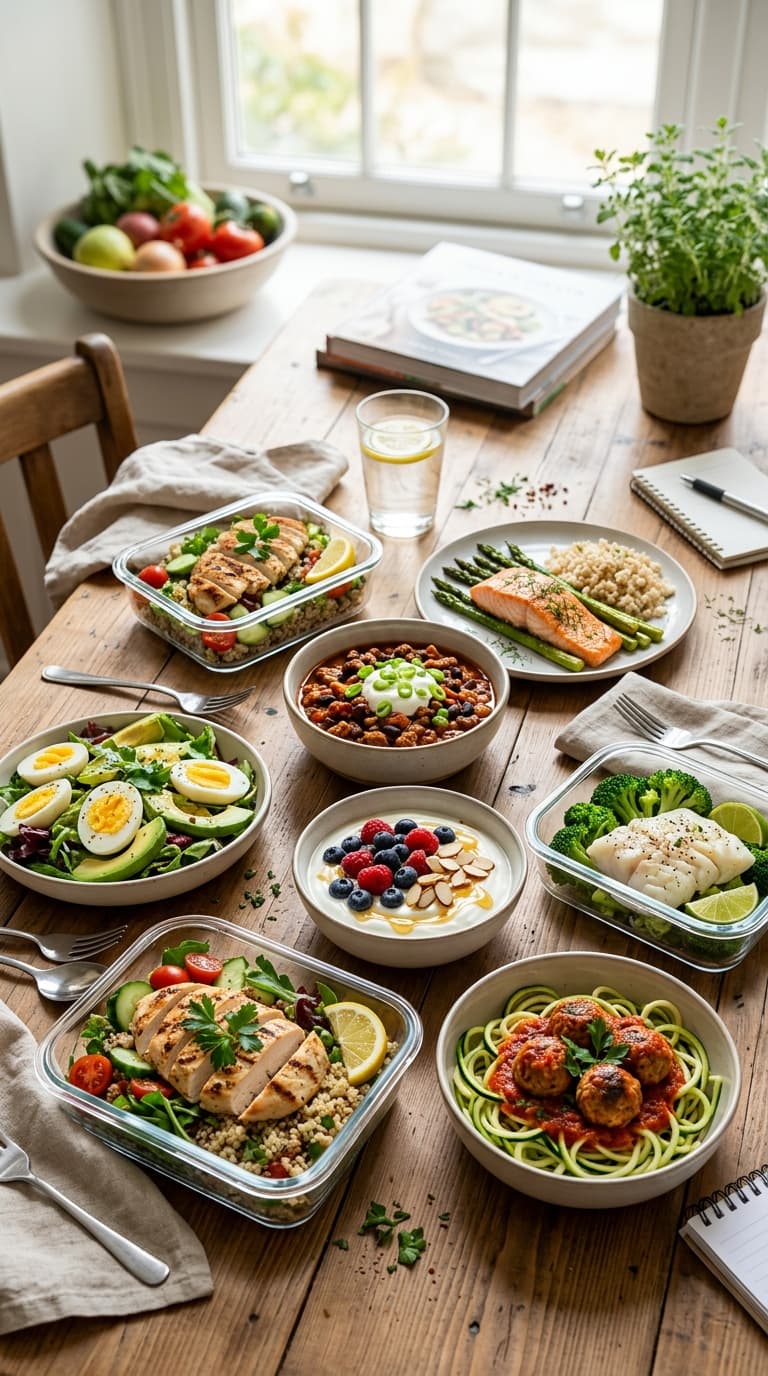
Keep it simple. You’re not trying to win a cooking competition — you’re just trying to get through the week without reaching for a sandwich. If you’re looking for inspiration on how to batch cook efficiently, this 7-day keto meal prep plan for beginners is genuinely helpful.
Week 2: Finding Your Rhythm
By now the keto flu should be gone and you might actually feel… good? That’s not a coincidence. Your body is starting to adapt.
Day 8–14 Sample Meals:
- Breakfast: Keto pancakes made with almond flour | Greek yogurt (full-fat) with walnuts
- Lunch: Zucchini noodles with pesto and grilled chicken | Cauliflower rice bowl with seasoned beef
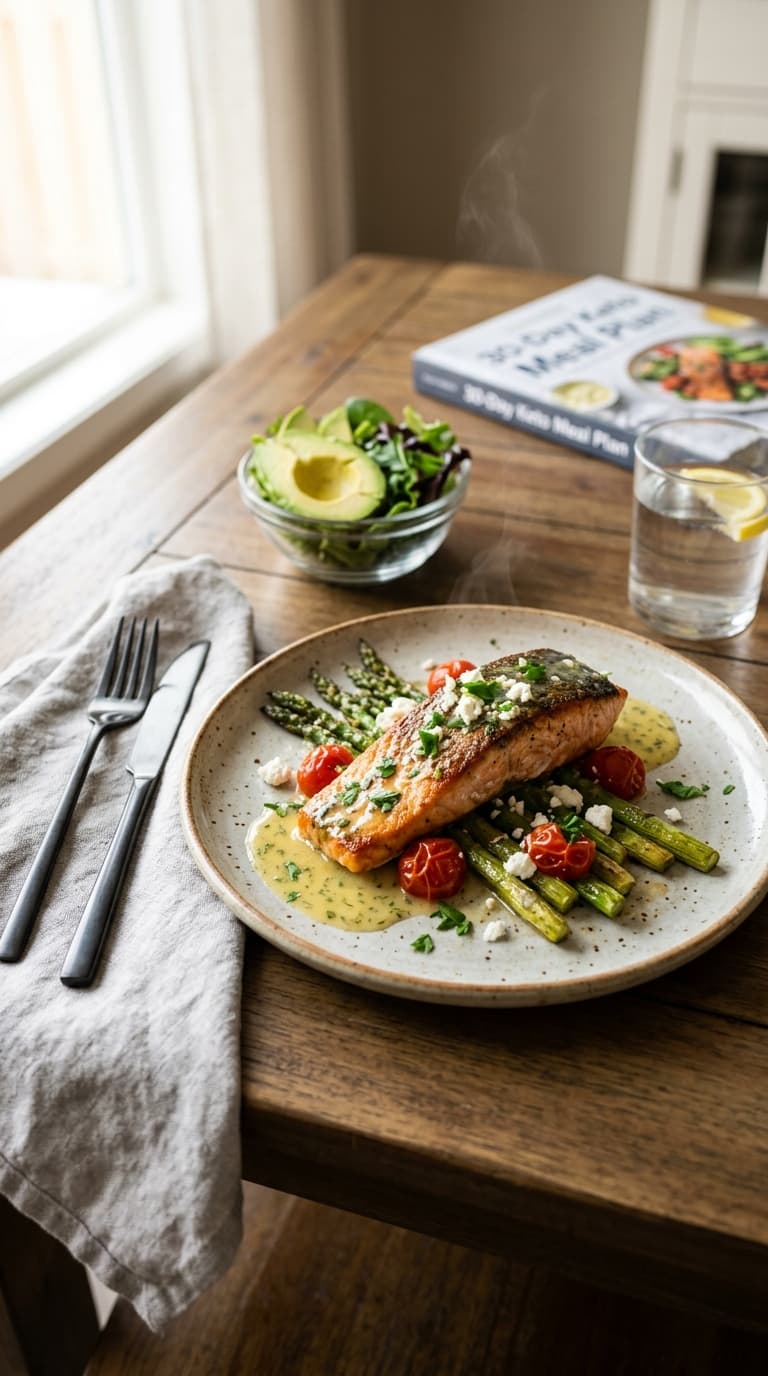
- Dinner: Baked salmon with asparagus and lemon butter | Pork chops with creamed spinach
- Snacks: Celery with almond butter, olives, cheese slices
This is a good week to start batch cooking. Prepping your proteins and veggies on Sunday saves so much time and mental energy. A structured 7-day keto meal prep for fat burning strategy can shave hours off your weekly cooking time.
Week 3: Fat-Adaptation Kicks In
This is the week most people report feeling legitimately amazing. Energy is steadier, cravings reduce, and your brain feels less foggy. Welcome to fat adaptation 🙂
Day 15–21 Sample Meals:
- Breakfast: Avocado egg cups (baked eggs inside an avocado half) | Smoked salmon with cream cheese
- Lunch: Grilled steak salad with feta and olives | Egg salad stuffed in bell pepper halves
- Dinner: Chicken thighs in a creamy garlic sauce | Shrimp and cauliflower grits
- Snacks: Dark chocolate (85%+), macadamia nuts, pepperoni slices
You’re past the hardest part. If you’re also tracking calories (which some keto beginners do), you might appreciate a broader 30-day weight loss meal plan as a reference alongside your keto meals.
Week 4: Locking It In
By week 4, keto should feel less like a diet and more like a lifestyle. You know what to order at restaurants, you’ve figured out your go-to snacks, and you’re not white-knuckling through dinner anymore.
Day 22–30 Sample Meals:
- Breakfast: Keto breakfast burrito in a low-carb wrap | Chia seed pudding made with coconut milk
- Lunch: BLT lettuce wraps | Chicken Caesar salad (no croutons, obviously)
- Dinner: Lamb chops with roasted Brussels sprouts | Beef and broccoli stir-fry with coconut aminos
- Snacks: Keto fat bombs, pork rinds, boiled eggs
This is also a great time to experiment with meal prepping more seriously. If you want a no-stress approach to getting meals ready for the whole week, check out this 7-day easy keto meal prep without stress guide — it’s as straightforward as it sounds.
The Beginner’s Keto Grocery List
Print this. Seriously. Walk into the store with this list and you’re already 80% ahead of where most beginners start.
Proteins:
- Eggs (at least 2 dozen)
- Ground beef (80/20 fat ratio is ideal)
- Chicken thighs (skin-on)
- Salmon fillets
- Bacon (no sugar added)
- Canned tuna or sardines
Dairy & Fats:
- Butter (grass-fed if possible)
- Heavy whipping cream
- Full-fat cheese (cheddar, mozzarella, cream cheese)
- Greek yogurt (full-fat, plain)
- Sour cream
- Avocados
Vegetables:
- Spinach and kale
- Broccoli and cauliflower
- Zucchini
- Asparagus
- Mushrooms
- Bell peppers (in moderation)
- Cabbage
Pantry Staples:
- Olive oil and coconut oil
- Almond flour and coconut flour (for keto baking)
- Chia seeds and flaxseeds
- Almonds, walnuts, macadamia nuts
- Coconut aminos (soy sauce alternative)
- Canned coconut milk
Condiments (check labels carefully):
- Mustard
- Hot sauce
- Mayonnaise (full-fat, no canola oil versions)
- Apple cider vinegar
Tips to Actually Stick With It
Look, the plan is only as good as your ability to follow it. Here are the habits that make the biggest difference.
Read every label. Hidden carbs are everywhere — salad dressings, deli meats, sauces, protein bars. If a label shows more than 5g of net carbs per serving, it probably doesn’t belong in your keto kitchen.
Meal prep on weekends. You will not make good food decisions when you’re hungry and tired on a Tuesday night. Having pre-cooked proteins and chopped veggies in the fridge removes that temptation entirely. Even a simple 7-day meal prep plan for busy people can work beautifully alongside a keto approach.
Keep electrolytes up. On keto, your kidneys excrete more sodium, which pulls magnesium and potassium out with it. This is literally why the keto flu happens. Salt your food, drink plenty of water, and consider an electrolyte supplement.
Track your carbs (at least at first). You don’t have to track forever, but in the beginning it’s genuinely eye-opening. Most people have no idea how many carbs they’re eating until they actually count them. IMO, tracking for even just the first two weeks makes a massive long-term difference.
Don’t fear fat. This is the #1 mental hurdle for most beginners. Fat doesn’t make you fat on keto — insufficient fat intake on a low-carb diet just leaves you hungry and miserable. Eat the avocado. Put butter in your coffee if that’s your thing. Embrace it.
Common Mistakes Beginners Make
Even with a solid plan, people tend to stumble in predictable ways. Let’s just address them upfront.
- Eating too much protein — excess protein can convert to glucose through a process called gluconeogenesis, potentially knocking you out of ketosis
- Not eating enough fat — again, fat is fuel on this diet, not the enemy
- Ignoring vegetable intake — keto doesn’t mean eating only meat and cheese, even though that sounds kind of amazing :/
- Quitting during the keto flu — this is the most common dropout point, and it’s the one you absolutely have to push past
- Forgetting about net carbs — total carbs minus fiber equals net carbs; fiber doesn’t spike insulin, so it doesn’t count toward your daily limit
Should You Try Keto?
Keto works really well for people who want fast initial weight loss, better mental clarity, or blood sugar stability. It’s not magic — it’s just a metabolic shift that your body responds to pretty powerfully when you do it right.
That said, it’s not for everyone. If you have kidney disease, a history of disordered eating, or you’re pregnant, check with your doctor first. And if you’re someone who genuinely loves carbs and can’t imagine life without pasta — maybe a more moderate 14-day low-carb meal prep approach is a better entry point before going full keto.
Wrapping It Up
Thirty days on keto can genuinely change how you feel — your energy, your hunger levels, your relationship with food. But it only works if you actually do it. The plan above gives you everything you need: what to eat, when to eat it, and what to buy.
The first week is the hardest. The second week gets easier. By week three, you’ll wonder why you waited so long to try this. And by the end of 30 days? You’ll have enough experience to know whether keto is your long-term lifestyle or just a reset that worked.
Either way, you gave it a real shot — and that counts for a lot. Now go make some eggs 🙂