7-Day Keto Diet Plan For Beginners (Low-Carb, Flavor-Packed & Easy)
7-Day Keto Diet Plan For Beginners (Low-Carb, Flavor-Packed & Easy)
So you’ve heard about keto. Maybe your coworker won’t stop talking about it, or you stumbled across before-and-after photos that made you do a double-take. Either way, you’re here — and honestly, good timing. This 7-day keto diet plan for beginners is exactly what you need to get started without feeling like you need a nutrition degree to pull it off.
I’ll be straight with you: keto isn’t magic. But when you do it right, it genuinely works — and the food? Way better than you’d expect from a “diet.”
What Is the Keto Diet, Really?
Let’s skip the textbook version. Keto (ketogenic diet) is basically a high-fat, moderate-protein, very low-carb way of eating. You slash carbs so low (usually under 20–50g per day) that your body runs out of glucose to burn and switches to burning fat for fuel instead. That fat-burning state is called ketosis — and it’s the whole point.
Think of it like switching your car from gasoline to diesel. Same destination, different fuel. And once your body gets the hang of it, it becomes surprisingly efficient at burning fat — including the stuff hanging around your midsection. 🙂
What You Eat on Keto
- Fats: Avocado, olive oil, butter, coconut oil, nuts, seeds
- Proteins: Eggs, chicken, beef, salmon, tuna, pork
- Low-carb veggies: Spinach, zucchini, broccoli, cauliflower, peppers
- Dairy: Cheese, heavy cream, full-fat Greek yogurt (in moderation)
- What you ditch: Bread, pasta, rice, sugar, most fruits, starchy veggies
What Happens in Your Body
When you drop carbs dramatically, your liver starts converting fat into ketones — which your brain and muscles use as fuel. Most people reach ketosis within 2–4 days of strict low-carb eating. Some feel a little rough during that transition (the infamous “keto flu”), but it usually passes within a few days. More on that later.
Why a 7-Day Plan Actually Helps
Here’s the thing — a lot of beginners crash keto not because the diet doesn’t work, but because they show up unprepared. They open the fridge, realize there’s nothing keto-friendly inside, and end up eating a bowl of cereal. Classic.
A structured 7-day keto meal prep plan removes the guesswork entirely. You know what you’re eating, when you’re eating it, and how to prep it. That’s 90% of the battle won right there.
Planning also helps you hit your macros — the ratio of fat, protein, and carbs your body needs to stay in ketosis. A typical keto macro split looks like this:
- Fat: 70–75% of daily calories
- Protein: 20–25%
- Carbs: 5–10% (that’s usually 20–50g net carbs per day)
The 7-Day Keto Meal Plan (Beginner-Friendly)
Let’s get into the actual plan. I’ve kept things simple, repeatable, and genuinely delicious — no exotic ingredients, no three-hour cooking sessions.
Day 1 — Keep It Classic
Breakfast: Scrambled eggs with butter and a side of bacon
Lunch: Grilled chicken salad with avocado, olive oil, and feta
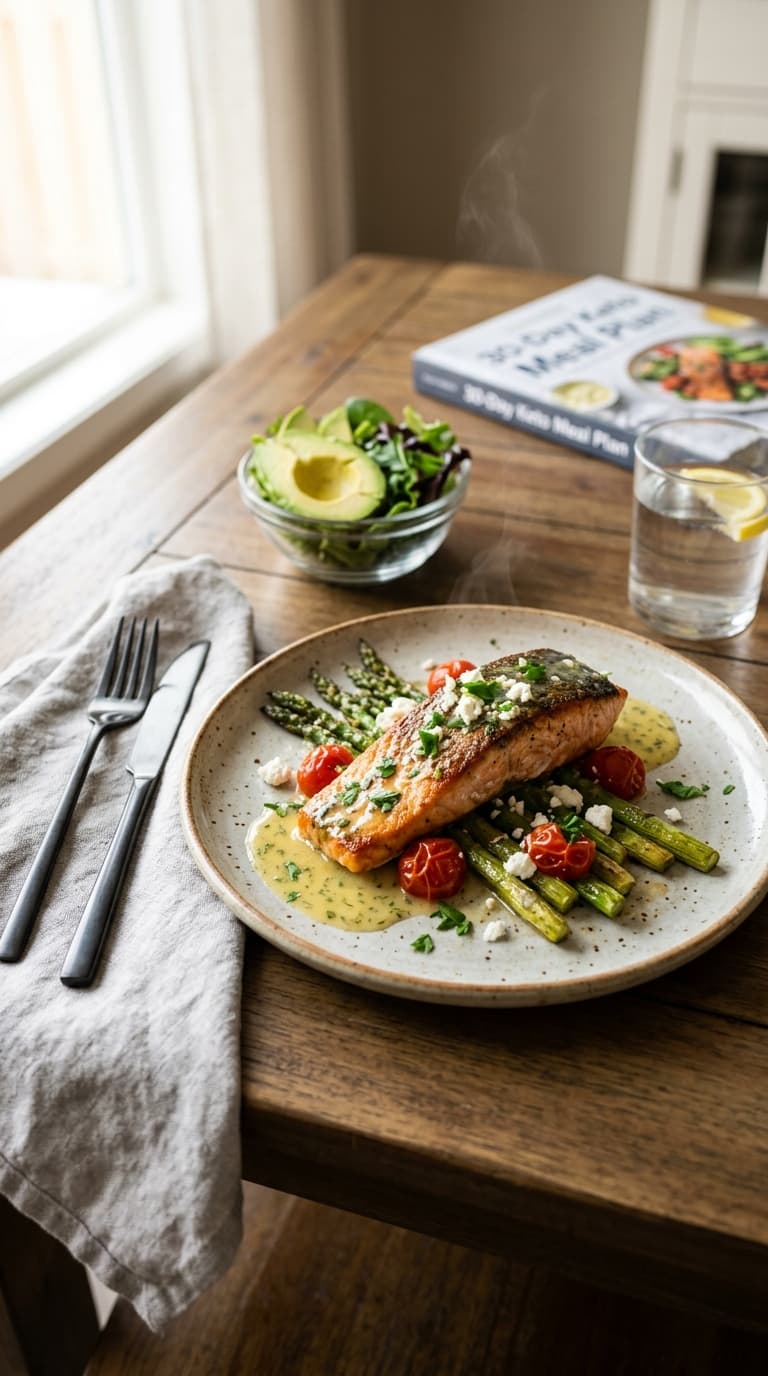
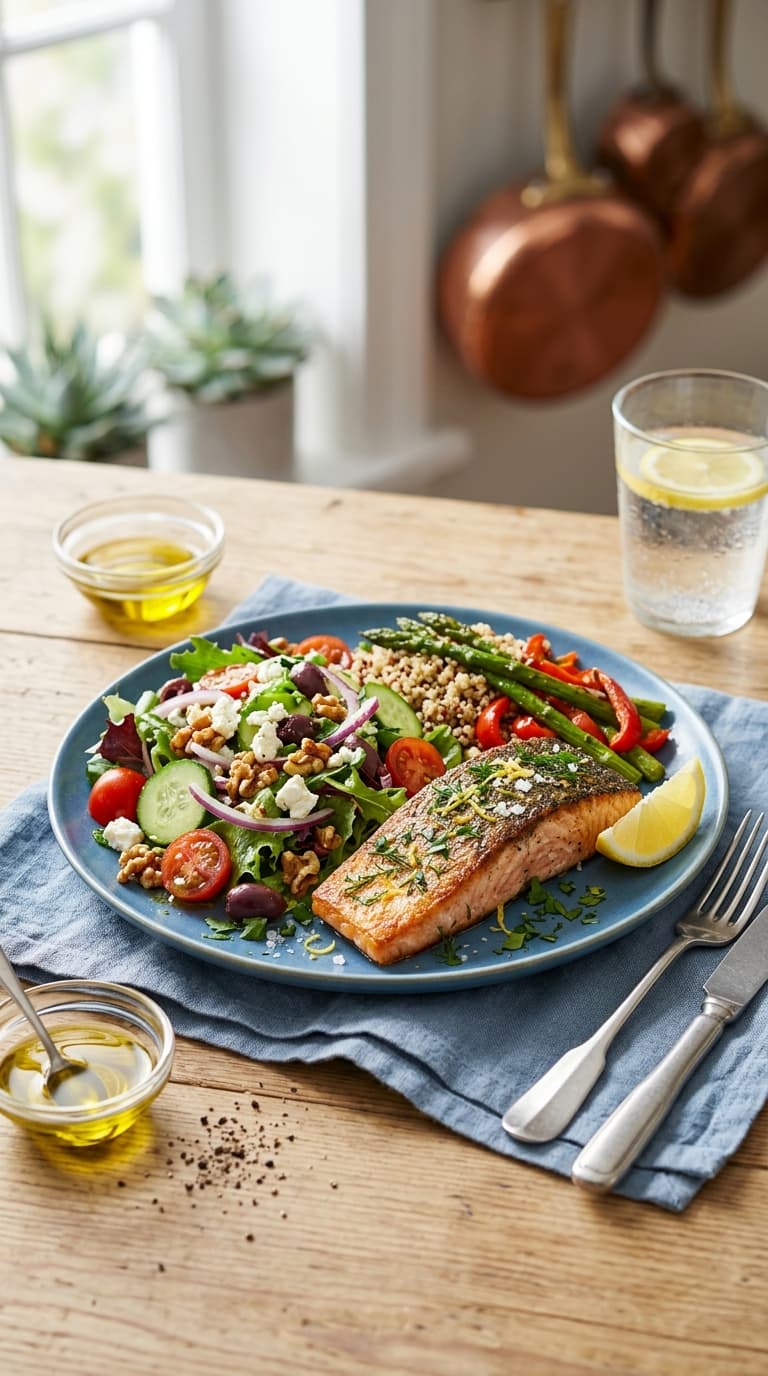
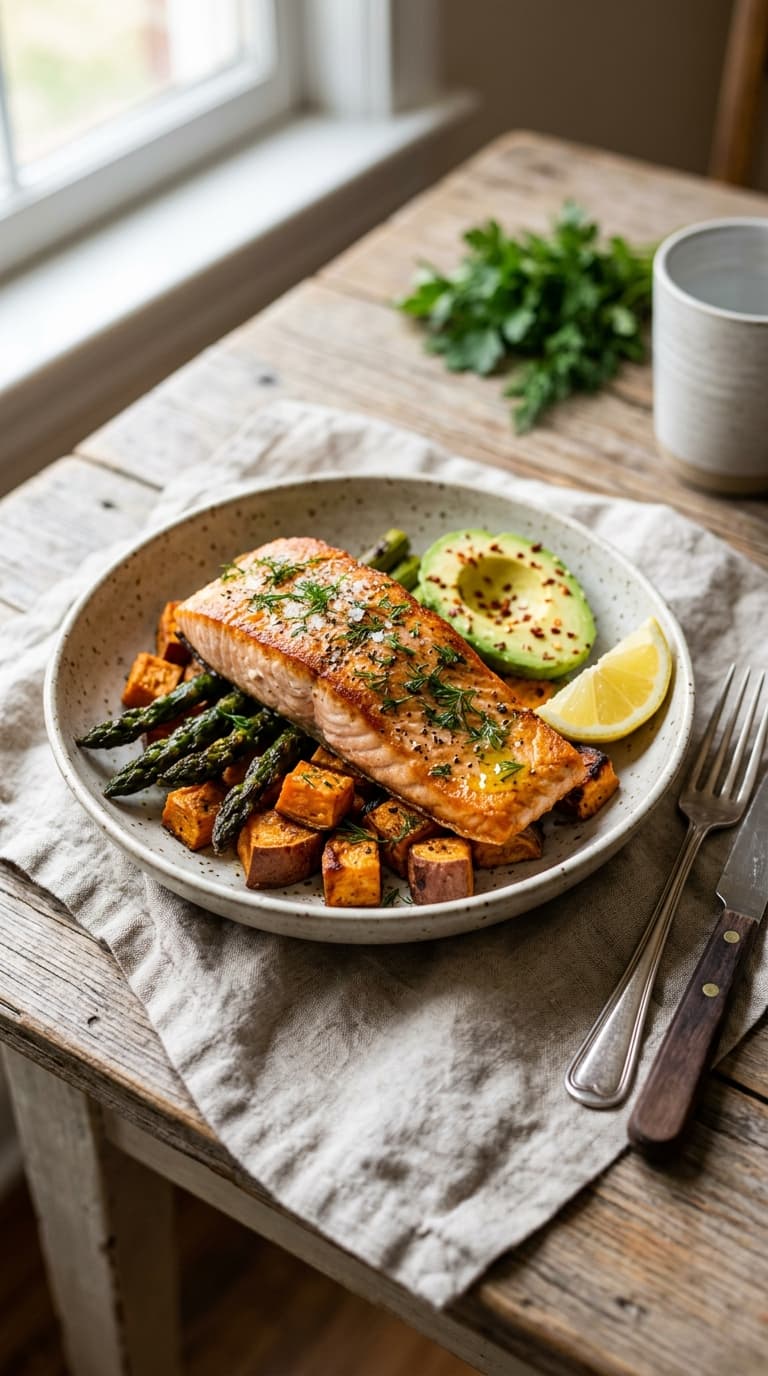
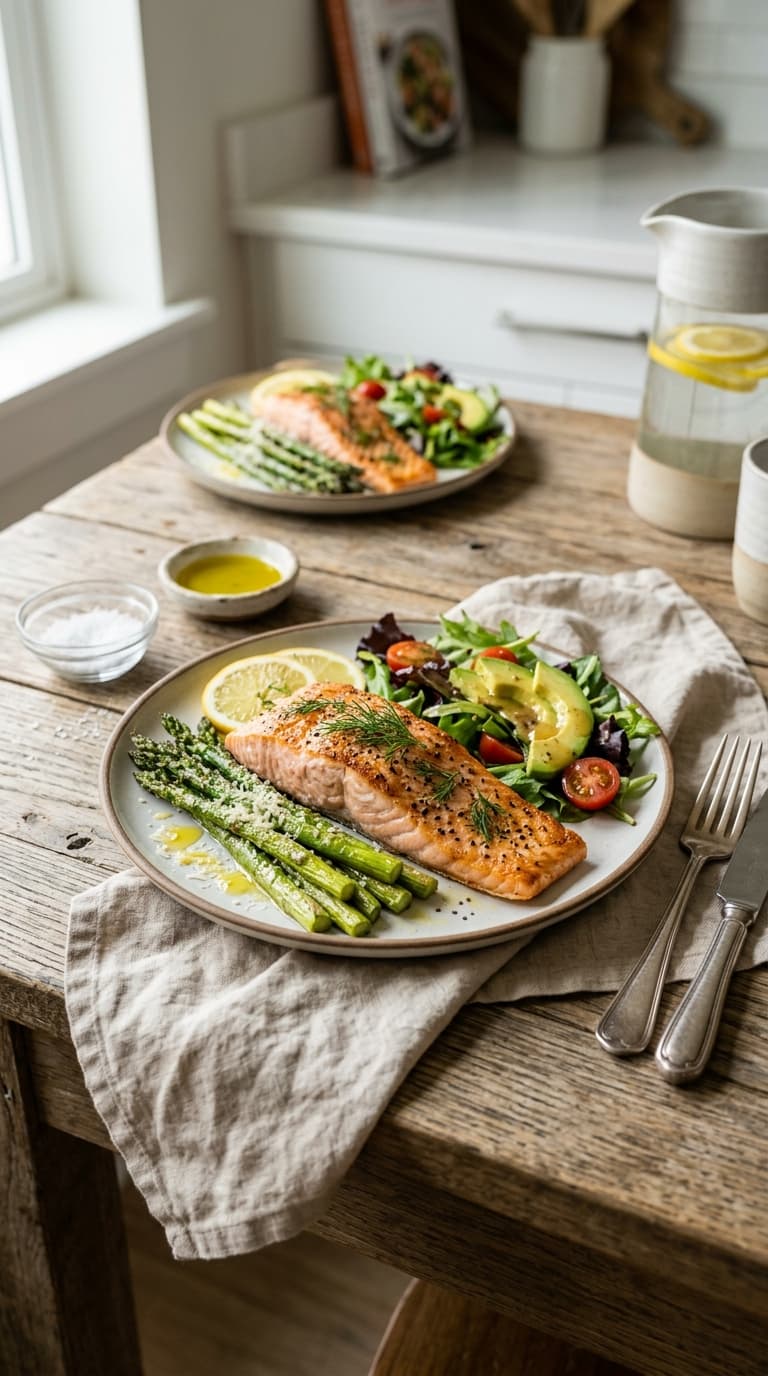
Dinner: Pan-seared salmon with steamed broccoli and garlic butter
Snack: A handful of mixed nuts or a cheese slice
Day 1 is all about easing in. Nothing fancy, just solid keto fundamentals. Eggs and bacon for breakfast might sound indulgent — and honestly, that’s kind of the point.
Day 2 — Pump Up the Fat
Breakfast: Avocado and eggs (fried or poached) with crumbled feta
Lunch: Tuna salad stuffed in lettuce wraps with mayo and celery
Dinner: Ground beef stir-fry with zucchini, peppers, and soy sauce (low-sodium)
Snack: Celery sticks with almond butter
By Day 2, your body is starting to adjust. You might feel a little tired or foggy — that’s normal. Drink more water, add a pinch of salt to meals, and push through. The keto flu is temporary. Your cravings for carbs? Also temporary — though it doesn’t feel that way at first. :/
Day 3 — Variety Is Key
Breakfast: Keto smoothie (unsweetened almond milk, spinach, protein powder, almond butter)
Lunch: Caesar salad with grilled chicken (skip the croutons, obviously)
Dinner: Baked chicken thighs with roasted cauliflower and parmesan
Snack: Hard-boiled eggs
Ever notice how most diet food is just sad? Day 3 changes that narrative. Baked chicken thighs with parmesan cauliflower is legitimately one of the best things you’ll eat this week. Don’t sleep on it.
Day 4 — Halfway Through, Keep Going
Breakfast: Keto egg muffins (eggs, cheese, spinach, baked in a muffin tin)
Lunch: Leftover chicken thighs with a green salad
Dinner: Pork chops with sautéed green beans and herb butter
Snack: Cheese cubes and olives
Day 4 is where most beginners start to feel the shift. Energy picks up, mental clarity improves, and the constant hunger starts dialing down. Your body is learning to run on fat — and it’s getting good at it.
If you’re juggling a busy schedule, prep your egg muffins the night before. They refrigerate well and save you from the morning chaos. If you’re looking for more ideas like this, check out these 7-day meal prep ideas for busy people — tons of overlap with keto-friendly eating.
Day 5 — Keep It Fresh
Breakfast: Full-fat Greek yogurt (plain, unsweetened) with crushed walnuts and a few blueberries
Lunch: Shrimp lettuce wraps with avocado and lime
Dinner: Beef burger (no bun) with lettuce, tomato, avocado, and a fried egg on top
Snack: Pork rinds with guacamole
FYI — the double-patty burger with a fried egg on top is something I make at least twice a week. It’s outrageously filling and takes less than 15 minutes. You’re welcome.
Day 6 — Slow and Satisfying
Breakfast: Bacon and veggie omelette (peppers, onion, mushrooms)
Lunch: Chicken soup made with bone broth, zucchini noodles, and herbs
Dinner: Slow-cooked beef with roasted broccoli and avocado slices
Snack: Macadamia nuts
Day 6 is a great time to batch-cook. Make extra beef for tomorrow’s lunch. Slow-cooked beef is deeply satisfying and requires almost zero active effort — which is exactly the kind of cooking style that makes keto sustainable long-term.
Day 7 — Finish Strong
Breakfast: Chia seed pudding made with coconut milk (unsweetened)
Lunch: Leftover slow-cooked beef with a side of leafy greens and olive oil
Dinner: Garlic butter shrimp with cauliflower rice and fresh herbs
Snack: Dark chocolate (85%+ cacao, 1–2 squares)
You made it to Day 7. Look at you. Cauliflower rice is one of those things that sounds weird until you actually try it — sautéed with garlic and butter, it genuinely hits the spot. And yes, dark chocolate is keto-friendly in small amounts. That alone should convince you this diet isn’t about deprivation.
Dealing With the Keto Flu
Let’s talk about this honestly, because it trips up a lot of beginners. When you cut carbs, your kidneys flush out a ton of water and electrolytes. That can leave you feeling tired, headachy, and irritable — especially on Days 2–4.
Here’s how to handle it:
- Hydrate aggressively — aim for at least 2–3 liters of water daily
- Salt your food — don’t fear sodium on keto; your body needs it
- Supplement electrolytes — potassium, magnesium, and sodium are your best friends
- Rest more — your body is going through a real metabolic shift
- Eat enough fat — undereating fat on keto is one of the most common beginner mistakes
The keto flu isn’t a sign that keto isn’t working. It’s actually a sign that your body is switching fuel systems. Give it a few days.
Keto Grocery List for Beginners
Here’s what to stock up on before you start:
Proteins:
- Eggs (buy a lot — seriously, a lot)
- Chicken thighs and breasts
- Ground beef
- Salmon and tuna (canned and fresh)
- Shrimp
- Bacon and pork chops
Fats:
- Avocados
- Olive oil and coconut oil
- Butter (grass-fed if possible)
- Almond butter
- Macadamia nuts and walnuts
Low-Carb Vegetables:
- Spinach, kale, arugula
- Zucchini and cauliflower
- Broccoli and green beans
- Peppers and mushrooms
- Celery
Dairy:
- Full-fat Greek yogurt (plain)
- Heavy cream
- Cheddar, feta, parmesan, mozzarella
Pantry:
- Bone broth
- Soy sauce (low-sodium)
- Chia seeds
- Unsweetened almond milk
- Dark chocolate (85%+ cacao)
- Pork rinds (great for snacking)
Tips to Actually Stay in Ketosis
Knowing the rules and following them are two different things. Here are some practical tips that actually make a difference:
Meal prep on Sundays. Batch cooking at the start of the week means you always have something keto-ready. If you want structure, a 7-day low-carb keto meal prep made easy approach works really well for beginners.
Read labels on everything. Hidden sugars show up in the most unexpected places — salad dressings, hot sauces, deli meats, even some cheeses. Net carbs are what you’re tracking, not total carbs.
Don’t fear fat. This one messes with people’s heads because we’ve spent decades being told fat is bad. On keto, fat is fuel. Eat enough of it.
Track your macros (at least at first). Apps like Cronometer or Carb Manager make this painless. You don’t have to do it forever, but for your first week, it helps you understand where your carbs are hiding.
Stay consistent on the weekends. One “cheat day” with carbs can kick you out of ketosis and send you back to Day 1. Is that slice of pizza worth three days of re-adaptation? IMO, no.
Keto vs. Other Low-Carb Approaches
People often wonder how keto stacks up against other approaches — like general low-calorie eating or other structured plans. Here’s the honest take:
Keto vs. general low-calorie eating: Low-calorie works, but hunger tends to be a constant battle. Keto naturally suppresses appetite because fat and protein keep you full far longer. If you’ve struggled with constant hunger on traditional diets, you might find it useful to compare with high-volume low-calorie meals for fat loss — some people actually combine both philosophies.
Keto vs. low-carb (not full keto): A moderate low-carb approach (50–100g carbs/day) is less strict but doesn’t necessarily put you in ketosis. Keto requires that strict cut to trigger the fat-burning switch. Both have merit — it depends on your goals. If you want something more flexible, a 14-day low-carb meal prep plan is worth exploring.
Keto for fat loss vs. muscle building: Keto works well for fat loss. If you’re also chasing lean muscle, you’ll want to dial up your protein intake slightly. Pairing keto principles with a high-protein meal prep strategy can get you the best of both worlds.
Common Beginner Mistakes (And How to Avoid Them)
Let’s be real — most people stumble the same way when they start keto. Here’s what to watch out for:
- Not eating enough fat. This leaves you hungry, tired, and questioning your life choices.
- Eating too much protein. Excess protein converts to glucose through a process called gluconeogenesis. Yes, that can kick you out of ketosis.
- Ignoring electrolytes. This is the #1 reason people feel terrible on keto — and it’s 100% preventable.
- Assuming “low-carb” on a package means keto-friendly. Always check net carbs.
- Giving up on Day 3. That’s usually peak keto flu territory. Day 4 and 5 feel dramatically different — hang in there.
Making Keto Work Long-Term
One week is a great start, but keto is most powerful when you stick with it long enough to become fat-adapted — which typically takes 3–6 weeks. At that point, your body becomes highly efficient at burning fat, energy stabilizes, mental clarity sharpens, and cravings largely disappear.
If you want to extend your structure beyond this week, a 30-day weight loss meal plan or even a 21-day meal prep plan for a total body reset can bridge the gap nicely — just adapt the meals to fit your keto macros.
The key is not to treat keto as a short-term crash diet. Use this week to learn your food preferences, figure out which meals you love, and build habits that stick. If you’re also prepping for a busy week ahead, a 7-day easy keto meal prep plan without stress is a solid next step.
Final Thoughts
Here’s the bottom line: keto works, it’s sustainable, and it doesn’t have to be complicated. This 7-day plan gives you a real foundation — solid meals, simple ingredients, and a structure that actually fits real life.
You don’t need to be perfect. You just need to be consistent. Skip the bread, eat the bacon, load up on avocados, and let your body do what it was designed to do.
The first week is the hardest. After that? You might just find yourself voluntarily turning down pasta. And honestly, that’s when you know keto has changed the game for you. Now go stock that fridge and get started — Week 1 isn’t going to eat itself.