The Meal Edit
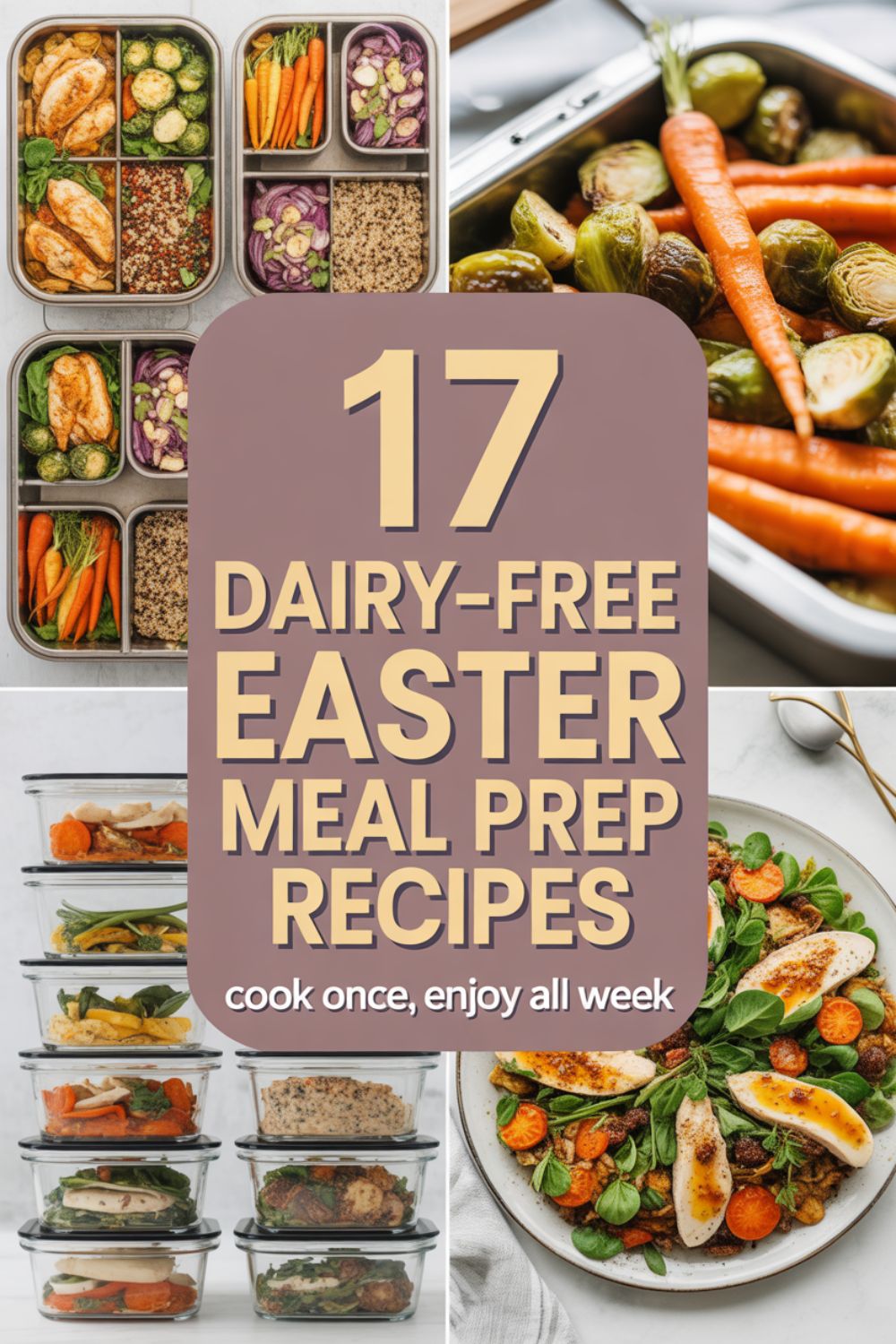
17 Dairy-Free Easter Meal Prep Recipes That Actually Make the Holiday Easier
Easter is one of those holidays that sneaks up on you every single year. One week you’re telling yourself you have plenty of time, and the next thing you know it’s Saturday night and you’re staring at a fridge full of butter, cream, and cheese wondering how you’re going to pull off a dairy-free spread by Sunday morning. Sound familiar?
Whether you’re cooking for someone with a dairy intolerance, following a plant-based lifestyle, or just trying to keep things lighter after a heavy winter, dairy-free Easter cooking is genuinely less complicated than people think. The trick is prepping ahead. These 17 dairy-free Easter meal prep recipes cover everything from brunch through dessert, and most of them can be made two to three days in advance without losing a single bit of flavor.
I’ve pulled together a mix of savory showstoppers, easy sides, fresh spring salads, and a couple of sweet things worth getting excited about. Let’s get into it.
Why Dairy-Free Easter Meal Prep Actually Works in Your Favor
Here’s the thing most people don’t realize: a lot of traditional Easter food is already pretty close to dairy-free if you swap a few key ingredients. Think roasted lamb, grilled asparagus, spring pea dishes, herb-marinated proteins, fresh salads. None of that relies heavily on cream or cheese to taste good. You’re not sacrificing anything dramatic here.
The bigger win is that dairy-free dishes tend to hold up better in the fridge over several days. No cream-based sauces separating overnight, no cheese-crusted gratins turning rubbery by day two. Olive-oil-dressed vegetables, citrus-marinated proteins, and legume-based dips actually improve after a night in the fridge because the flavors have time to develop. That’s a meal prepper’s dream right there.
According to Healthline’s overview of dairy-free eating, eliminating dairy often pushes people toward a wider variety of plant-based ingredients — which naturally leads to more colorful, nutrient-dense meals. Easter is honestly one of the best times to lean into that because spring produce is doing all the heavy lifting for you.
FYI — if you’re navigating the grocery store wondering what counts as dairy-free, the short version is: no milk, butter, cream, cheese, yogurt, or any ingredient derived from animal milk. Coconut milk, oat milk, almond milk, cashew cream, and olive oil are your best friends here.
The 17 Dairy-Free Easter Meal Prep Recipes
These recipes are organized roughly by meal or occasion — brunch first, mains in the middle, sides and snacks throughout, and something sweet to finish. Mix and match based on what your Easter looks like this year.
-
01
Herb-Roasted Spring Vegetable Sheet Pan
Asparagus, radishes, baby carrots, and snap peas tossed in olive oil, lemon zest, and fresh thyme. Roast at 425°F for 20 minutes. This one goes from fridge to table in under 10 minutes on Easter day.
Get Full Recipe -
02
Lemon Tahini Deviled Eggs
Classic deviled eggs remade without mayo — just tahini, lemon juice, Dijon, and a touch of garlic. The tahini gives them a slightly nutty richness that honestly beats the original. Hard-boil and fill up to two days ahead. Using a good piping bag set like this one makes them look catering-level polished without actually trying very hard.
-
03
Coconut Milk Overnight Oats with Berries
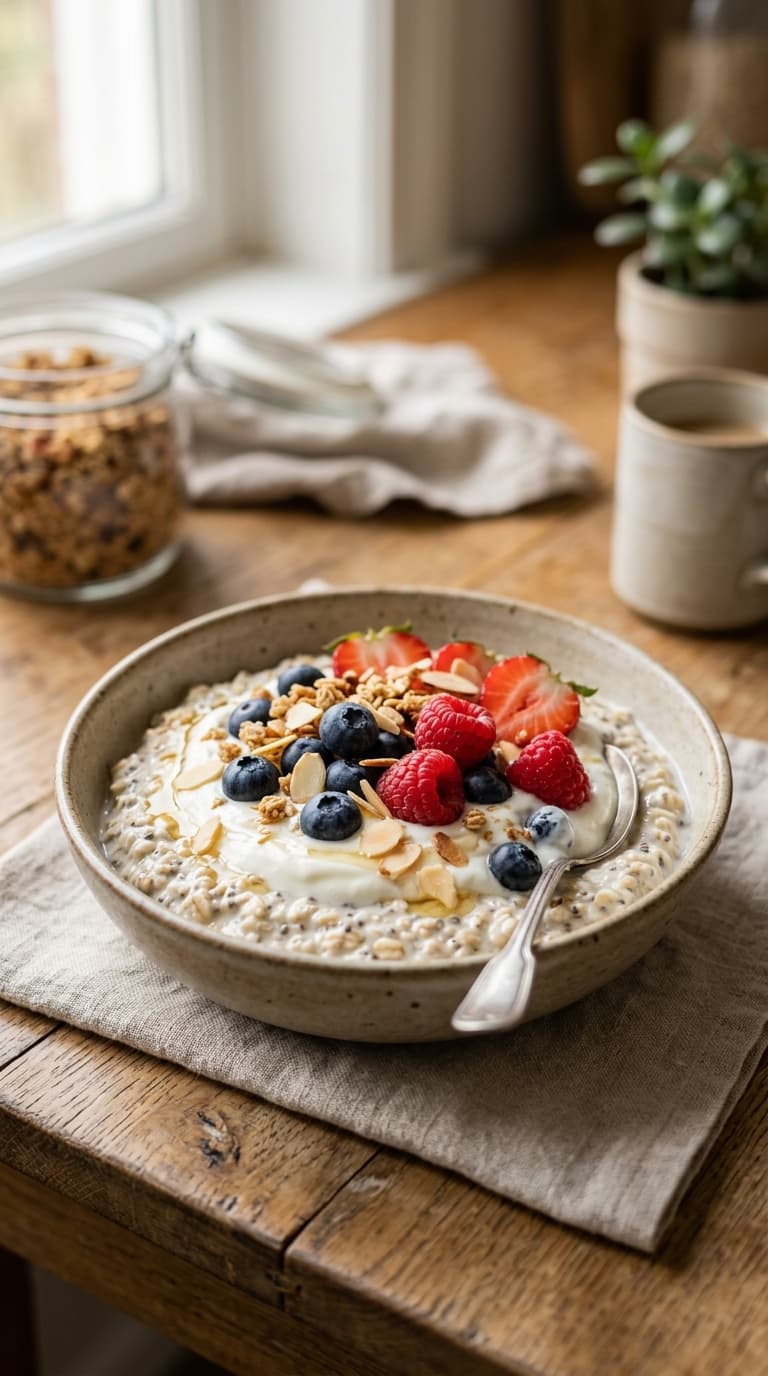
Easter brunch doesn’t have to mean a full hot spread. These overnight oats with full-fat coconut milk, chia seeds, vanilla, and fresh strawberries are ready to pull straight from the fridge. Make a batch Friday night and everyone feeds themselves Saturday morning too. Get Full Recipe — Get Full Recipe
-
04
Garlic Herb Slow-Roasted Lamb Shoulder
Lamb naturally pairs with nothing more than garlic, rosemary, olive oil, and time. No dairy needed here whatsoever. Prep the rub on Friday, slow-roast Sunday morning at 325°F for three hours. The whole house will smell extraordinary.
-
05
Spring Pea and Mint Soup
Blended frozen peas, vegetable stock, garlic, and fresh mint — finished with a swirl of coconut cream instead of the usual heavy cream. Make this Thursday, refrigerate, and serve cold or gently reheated. A high-powered blender like this one gets it perfectly silky in under two minutes.
-
06
Smashed Cucumber and Herb Salad
English cucumbers smashed with the flat of a knife, dressed with rice vinegar, sesame oil, chili flakes, and lots of fresh cilantro. Ready in 10 minutes, keeps brilliantly in the fridge for three days, and gets better as it sits.
-
07
White Bean and Roasted Garlic Dip
This is the dairy-free alternative to a creamy cheese spread that everyone reaches for on the appetizer table. Blend white beans, roasted garlic, lemon juice, olive oil, and rosemary until smooth. Serve with crudités or good bread. Make it Saturday, refrigerate, done. Get Full Recipe
-
08
Roasted Salmon with Citrus-Herb Marinade
A citrus-forward marinade of orange juice, lemon zest, capers, and fresh dill goes on the salmon up to 24 hours ahead. Roast on Easter morning for 15 minutes. Line your baking sheet with a silicone baking mat like this one and you’ll have zero cleanup and zero sticking.
-
09
Turmeric Roasted Cauliflower Steaks
Cut cauliflower into thick steaks, coat in turmeric, cumin, olive oil, and a squeeze of lime. Roast ahead and reheat gently. The golden color is genuinely beautiful on an Easter table and requires zero effort to achieve.
-
10
Spring Green Frittata (Dairy-Free)
Eggs loaded with spinach, asparagus, leeks, and fresh herbs — no cheese, no cream, no sacrifice. Use a good non-stick pan, cook it Friday, slice and refrigerate. Serve at room temperature for brunch. Get Full Recipe
-
11
Coconut Cream Lemon Curd Tart
A simple shortcrust base (dairy-free with coconut oil), filled with lemon curd made from eggs, lemon juice, and coconut oil instead of butter. Refrigerate overnight — the curd sets perfectly and the tart slices beautifully. IMO, this is honestly one of the best Easter desserts regardless of dietary requirements.
-
12
Mango and Avocado Spring Rolls
Fresh rice paper rolls filled with mango, avocado, shredded purple cabbage, mint, and basil — served with a peanut-lime dipping sauce. Make the filling components in advance and roll on Easter morning. Takes 20 minutes tops. A bamboo rolling mat like this one makes the whole process satisfyingly easy.
-
13
Harissa Roasted Chickpeas
Toss canned chickpeas in harissa paste, olive oil, smoked paprika, and a pinch of cumin. Roast at 400°F until crispy — about 30 minutes. Store in an airtight container and they stay crunchy for three days. Perfect snack, perfect salad topper, perfect reason to eat them straight from the container.
-
14
Herb-Crusted Rack of Lamb
Dijon mustard, fresh breadcrumbs (check the label — most are dairy-free), parsley, thyme, and garlic form a crust that cooks to perfection in 25 minutes. Prep the rack and the crust separately on Saturday. Assemble and roast Sunday — minimal effort, maximum impression.
-
15
Roasted Beet and Orange Salad
Roasted beets (done ahead, obviously), fresh blood orange segments, toasted walnuts, and a simple shallot vinaigrette. No cheese needed when the colors are this good. This pairs brilliantly with both the lamb and the salmon on this list.
-
16
Dairy-Free Chocolate Mousse
Full-fat coconut cream whipped with melted dark chocolate (most good dark chocolate is naturally dairy-free), a touch of vanilla, and a pinch of sea salt. Set in individual glasses overnight. Dead simple, gorgeous, and will disappear faster than any chocolate egg in the basket.
Get Full Recipe -
17
Quinoa Tabbouleh with Pomegranate
Traditional tabbouleh gets a protein boost by swapping bulgur for quinoa — loads of fresh parsley, mint, diced cucumber, tomato, pomegranate seeds, and a sharp lemon-olive oil dressing. Make it Saturday, the flavors peak by Sunday lunch. This is the kind of dish that makes people ask for the recipe without you having to offer it.
How to Structure Your Easter Meal Prep Timeline
The biggest mistake people make with holiday meal prep is trying to do everything on the day before. You end up exhausted before the actual holiday starts. Spread it across three days and it becomes genuinely manageable.
Thursday Evening (30 minutes)
Make your marinades, your lemon curd, and your dressings. These all need time to develop flavor anyway. If you’re making the pea soup, cook and blend it tonight. Refrigerate everything and walk away.
Friday Afternoon (1 to 1.5 hours)
Roast the beets, cook the quinoa for tabbouleh, prep the frittata, and whip the chocolate mousse into its serving glasses. All of this holds perfectly for two to three days in the fridge. This is also the right day to marinate your salmon or prep the lamb rub.
Saturday Morning (45 minutes)
Make the white bean dip, assemble the spring roll fillings, roast the chickpeas, and dress the cucumber salad. Hard-boil your eggs for the deviled eggs and fill them if you have piping bags ready. Store covered in the fridge.
Easter Sunday (40 minutes of actual cooking)
The only things that need live oven time are the lamb, the salmon, and the sheet pan vegetables. Everything else is already done. You serve, you enjoy, and you do not spend the whole morning in the kitchen. That’s the whole point.
Meal Prep Essentials Used in This Plan
Nothing fancy, nothing unnecessary — just the things that actually make a difference when you’re prepping across three days.
Physical Products
Digital Resources
The Dairy-Free Swaps That Actually Work at Easter
A lot of the hesitation around dairy-free Easter cooking comes from a few specific recipes — the ones where cream or butter feels non-negotiable. Here’s the thing: there’s a good swap for every single one, and most of them taste better than you’d expect.
Butter in Baked Goods and Pastry
Coconut oil works as a direct 1:1 replacement in most recipes. For a more neutral flavor, refined coconut oil (rather than virgin) avoids any tropical taste entirely. In pastry specifically, cold coconut oil mimics the flakiness of butter quite effectively when handled quickly and kept cold.
Heavy Cream in Soups and Sauces
Full-fat coconut cream is your best friend here. It adds richness and body without thinning out over heat the way oat milk or almond milk sometimes can. For savory soups where you don’t want any sweetness at all, cashew cream (blended soaked cashews and water) is actually closer in flavor to heavy cream than coconut.
Milk in Egg Dishes
Unsweetened oat milk or almond milk work perfectly in frittatas, quiches, and scrambled eggs. Mayo Clinic nutritionists note that fortified plant-based milks can provide comparable calcium to dairy, making them a solid nutritional swap beyond just cooking function. Check the label for calcium-fortified varieties when you’re shopping.
Cheese in Dips and Spreads
White bean dip, hummus, cashew-based “cream cheese,” and roasted garlic blended with olive oil all fill the cheese-spread role beautifully on an Easter appetizer table. Nobody misses the actual cheese when the alternatives are this good.
How to Store Dairy-Free Easter Prep Properly
Dairy-free dishes generally refrigerate better than their dairy-containing counterparts, but there are still a few things worth knowing to keep everything fresh and safe over a three-day window.
Roasted vegetables keep well for up to four days when stored undressed in an airtight container. Dress them only when you’re ready to serve or they’ll get soggy. Marinated proteins like the salmon and lamb can sit in their marinades for up to 24 hours in the fridge — longer for lamb, shorter for fish. Dips and spreads (the white bean dip, the harissa chickpeas) last three to four days covered in the fridge with a thin layer of olive oil on top to prevent them from drying out.
For the chocolate mousse and the lemon curd tart — both need at least overnight to set properly, so making them Friday is actually optimal, not just convenient. The mousse is best consumed within two days for peak texture, but it’ll still taste good on day three. These store beautifully in individual 4oz glass dessert jars like these — elegant to serve from and easy to portion in advance.
Label everything with a piece of masking tape and a marker. It takes 30 seconds and saves you the confused-fridge-squinting experience on Sunday morning when you’re trying to figure out which container has the dip and which one has the leftover soup.
Getting Enough Protein in a Dairy-Free Easter Spread
One thing worth flagging: dairy contributes a meaningful amount of protein to many traditional holiday dishes, so when you remove it, it pays to think consciously about what’s filling that gap. The good news is that the recipes on this list are genuinely protein-rich without trying very hard.
The lamb and salmon are obvious heavy hitters. The deviled eggs, spring frittata, and white bean dip all add significant protein to the brunch spread. The quinoa tabbouleh and harissa chickpeas double as protein-forward sides that hold their own against any meat-based dish. If you’re cooking for a fully plant-based table, check out the 7-day high-protein vegan meal prep plan — it’s built around exactly this kind of strategic protein stacking without relying on any dairy or meat.
For comparison: a cup of cooked chickpeas delivers around 15 grams of protein, and a cup of cooked quinoa gives you about 8 grams. Neither requires a single drop of dairy to be satisfying, and both are carrying real nutritional weight on your Easter table.
Tools and Resources That Make Easter Cooking Easier
A few things that genuinely earn their place in the kitchen during a prep-heavy holiday weekend.
Physical Tools
Digital Resources
Frequently Asked Questions
Can you make dairy-free Easter desserts that actually taste good?
Absolutely — and the dairy-free chocolate mousse and lemon curd tart on this list are proof of that. The key is using full-fat coconut cream rather than light versions, and using good quality dark chocolate (most of it is naturally dairy-free). The texture and richness are genuinely comparable to traditional versions.
How far in advance can I prep Easter food?
Most of the savory dishes on this list hold well for two to three days in the fridge. Roasted vegetables, dips, marinated proteins, and dressed grains are all fine on Thursday or Friday for an Easter Sunday serving. Desserts like the mousse and lemon curd actually benefit from an overnight rest, so Friday is the ideal time to make them.
What can I use instead of butter for Easter baking?
Refined coconut oil is the closest substitute in baking — it behaves similarly to butter in terms of fat content and creates comparable texture in pastry. For a completely neutral flavor, refined coconut oil (as opposed to virgin) works without leaving any coconut taste. In cookies and cakes, a good-quality vegan butter block also works as a direct 1:1 replacement.
Is a dairy-free Easter spread more expensive to cook?
Not necessarily. The recipes on this list are built around whole vegetables, legumes, eggs, and simple proteins — none of which are expensive. The coconut milk and tahini cost a little more than their dairy equivalents, but the legume-based dishes (chickpeas, white beans, quinoa) more than offset that. You can put together a full dairy-free Easter spread very comfortably on a normal food budget.
Can guests who eat dairy still enjoy a dairy-free Easter menu?
Yes, and in most cases they won’t notice the difference. Roasted lamb, herb-dressed vegetables, citrus-marinated salmon, deviled eggs with tahini — none of these taste like they’re “missing” anything. The white bean dip and tahini deviled eggs consistently fool guests who expect traditional versions. The chocolate mousse made with coconut cream is often preferred over the dairy original once people taste both.
The Bottom Line
Dairy-free Easter cooking is not a compromise. It’s just cooking — with a few smart swaps, a clear prep timeline, and the knowledge that most of the work can be done days before you need it. The 17 recipes on this list cover every part of the holiday spread, from brunch through dessert, and every one of them holds up beautifully when prepped ahead.
Spread the prep across Thursday, Friday, and Saturday, and you’ll spend roughly 40 minutes in actual cooking on Easter Sunday itself. The rest of your time goes toward the people you’re feeding — which is really the whole point of doing it this way. Pick three or four recipes to start, get your containers organized, and trust the process. The fridge does most of the work for you.
If this Easter plan has you thinking about how to structure your spring cooking more broadly, the 21 spring meal prep ideas for a fresh start is where to head next. There’s a whole season of good eating ahead.