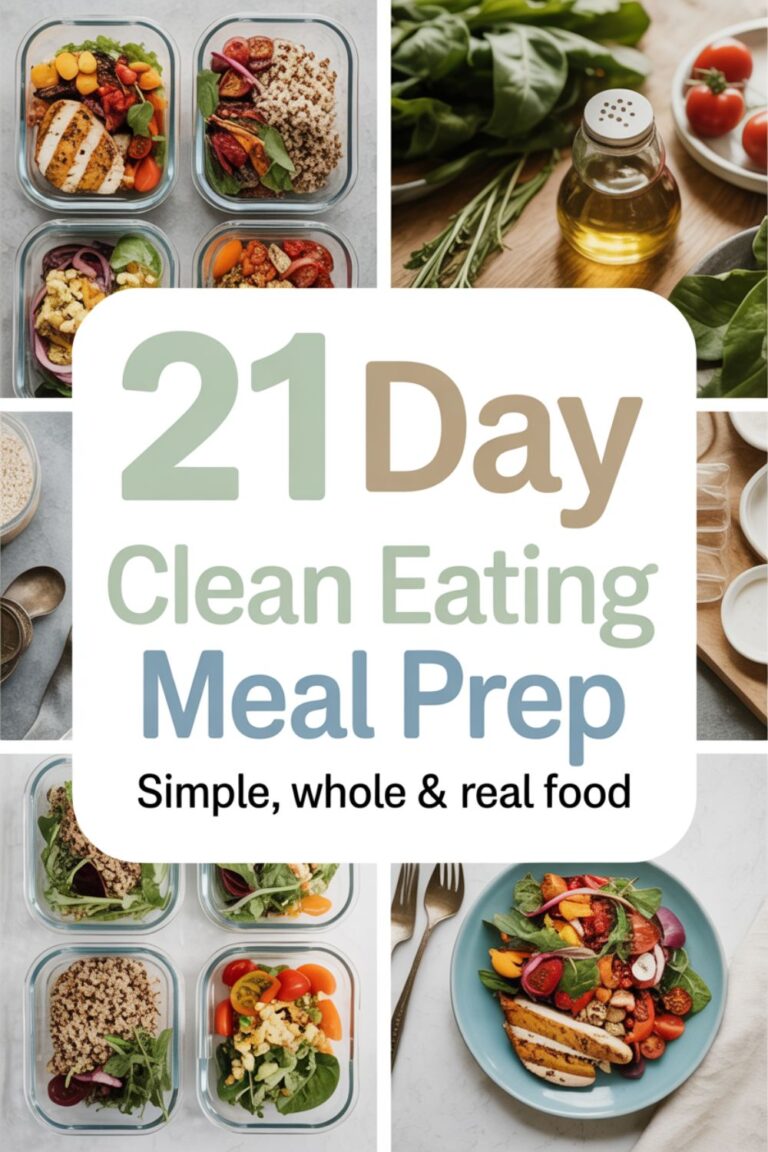
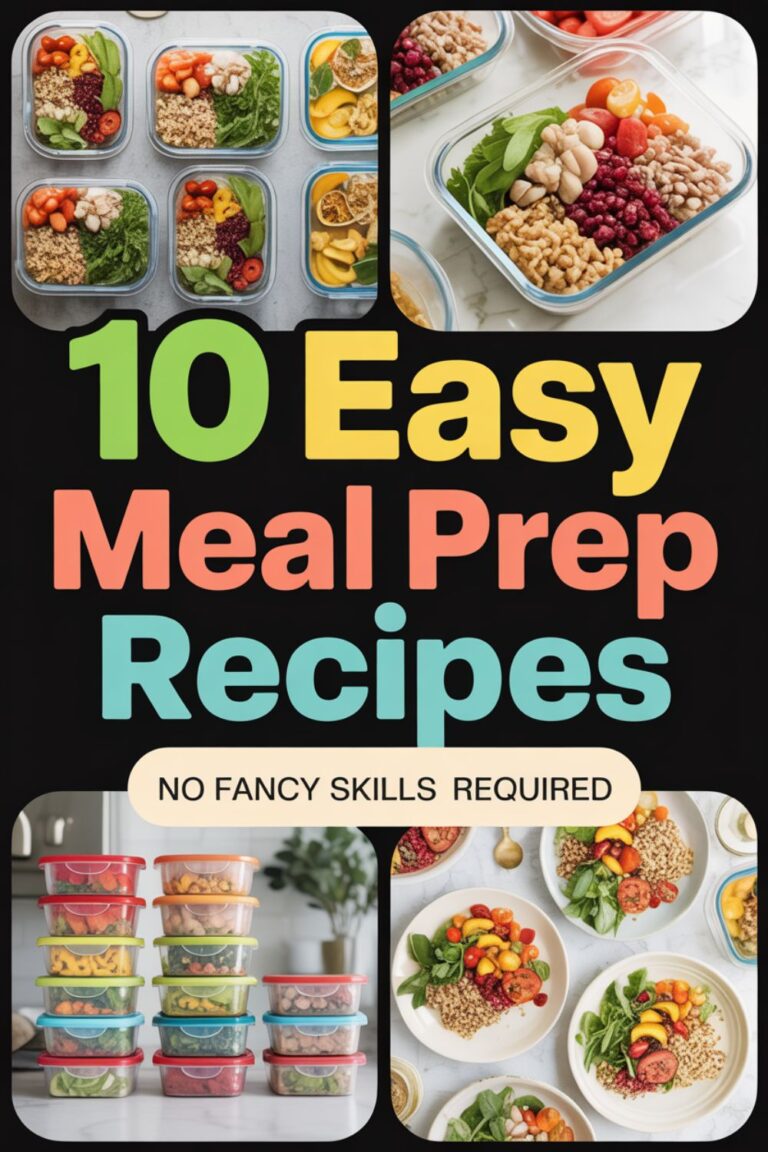
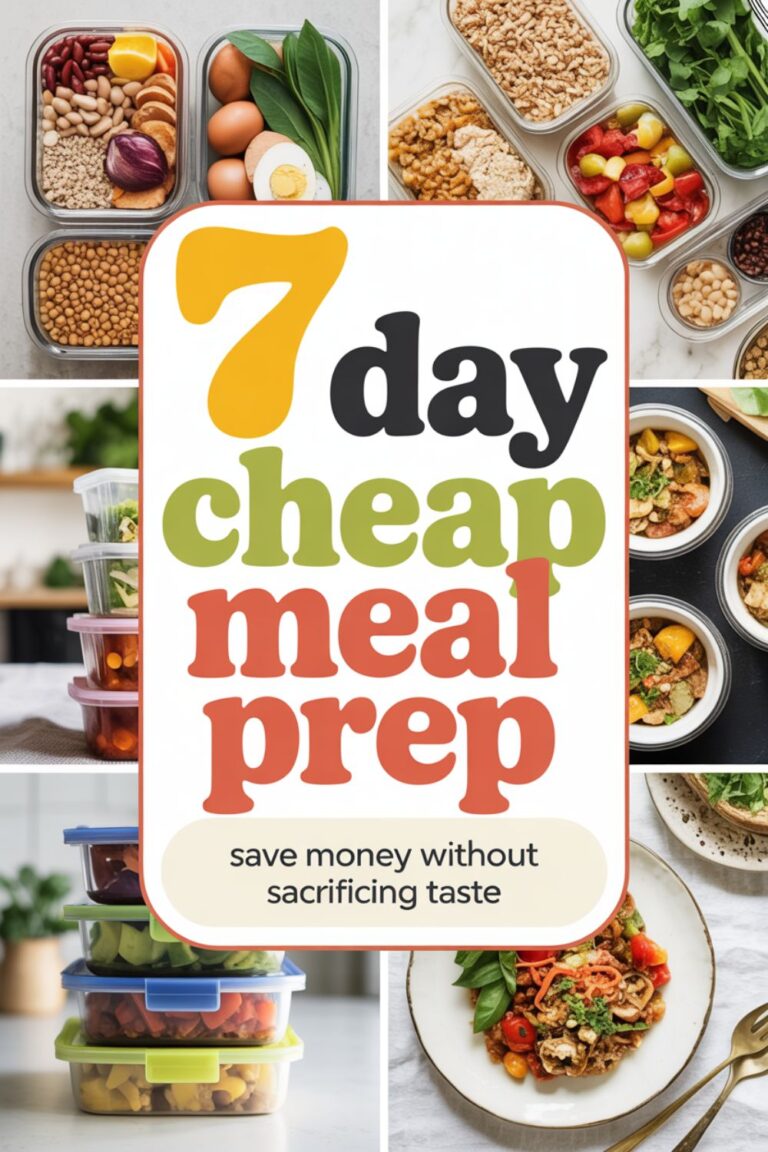
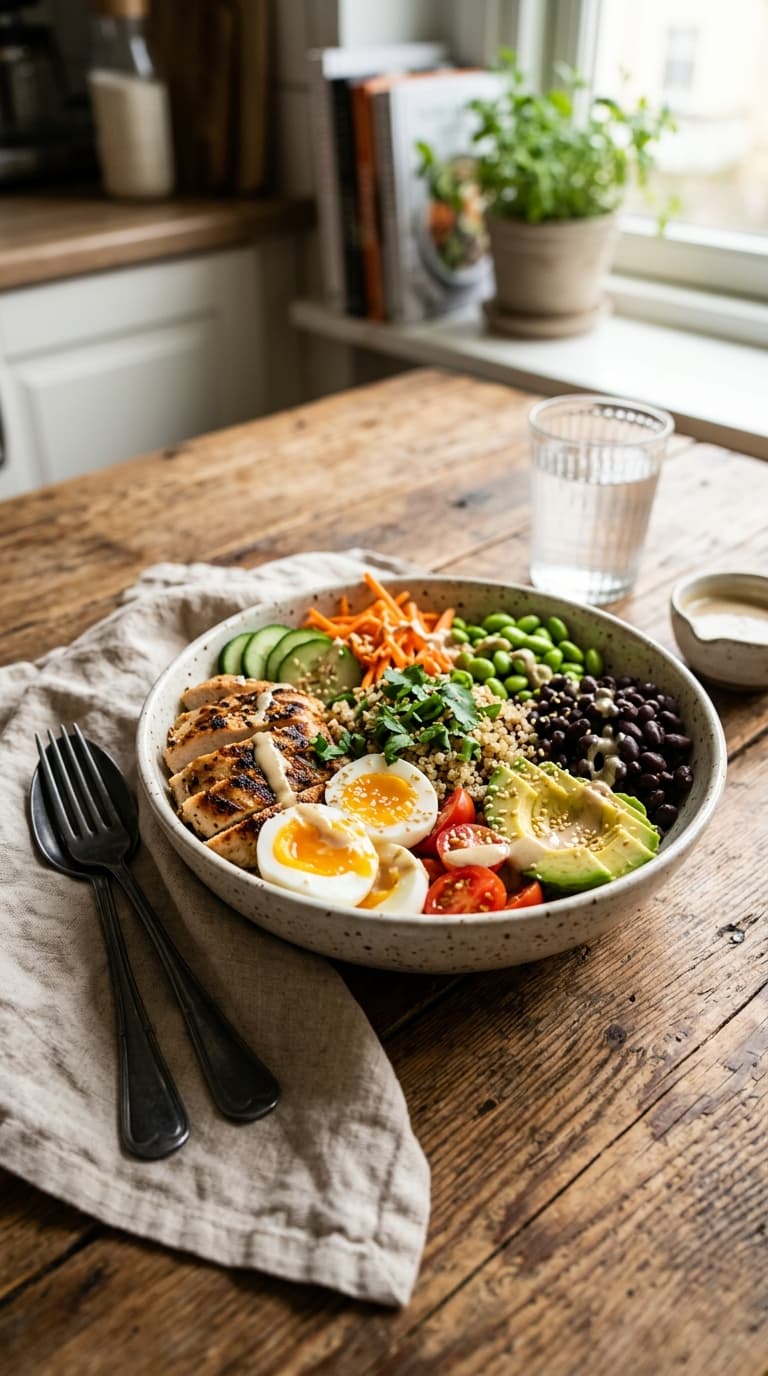
Build Your Perfect Budget Meal Prep Plan
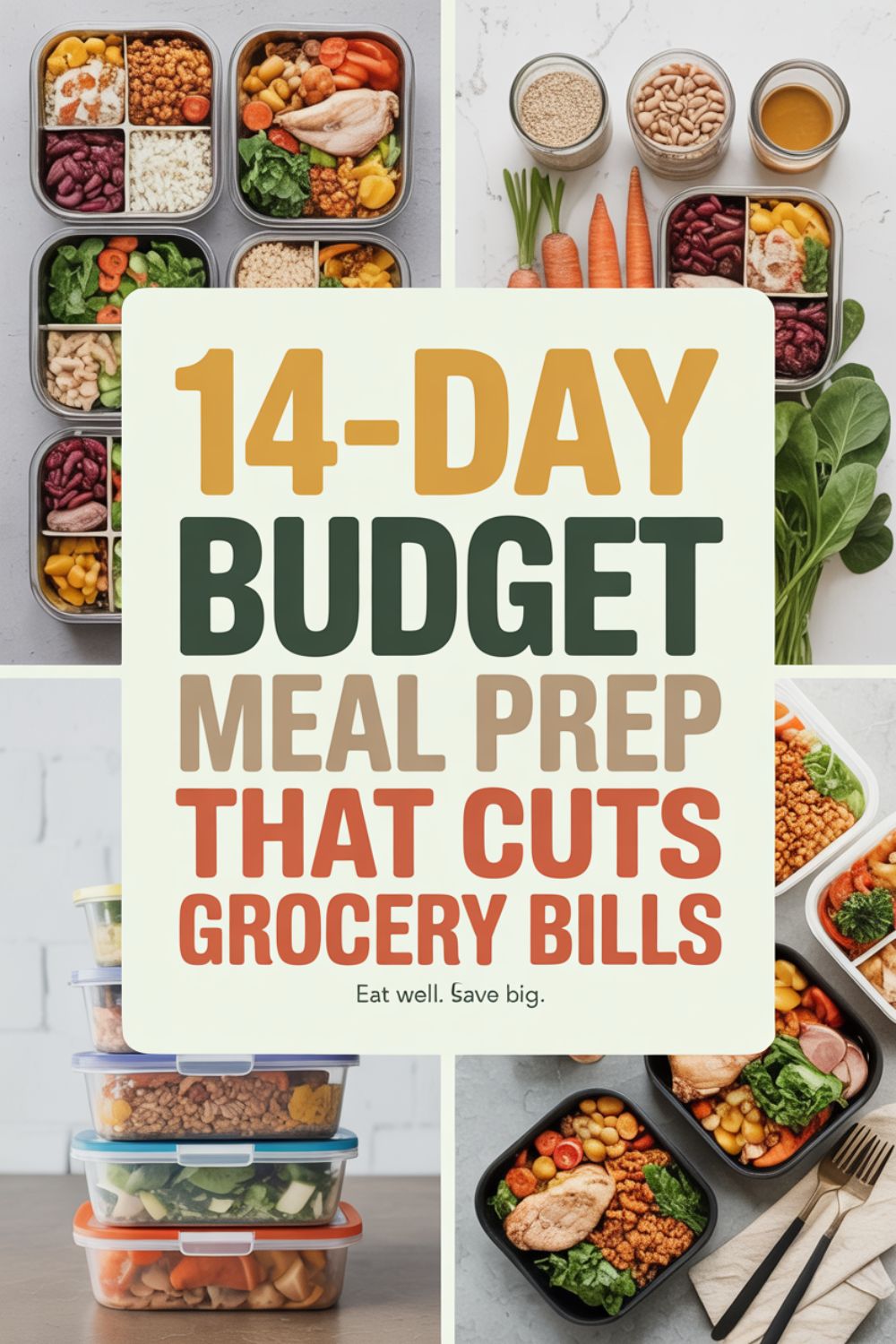
14-Day Budget Meal Prep That Cuts Grocery Bills
Your grocery bill just hit triple digits again, and you’re left wondering where all that money actually went. Sound familiar? You’re not alone in this frustrating cycle of overspending at the supermarket while half your fridge contents end up in the trash by week’s end.
Here’s the truth nobody talks about: the problem isn’t what you’re buying, it’s how you’re planning. Most people walk into grocery stores without a real strategy, grabbing what looks good and hoping it’ll magically turn into meals. That approach is quietly draining hundreds of dollars from your bank account every month.
This 14-day budget meal prep plan changes everything. It’s built on simple meals that actually taste good, strategic shopping that slashes your grocery bill, and a prep system so straightforward you’ll wonder why you didn’t start years ago. No complicated recipes, no expensive ingredients, no wasting food you forgot about in the back of your fridge.
Ready to cut your grocery spending while eating better than ever? Let’s get into it.
How This Budget Meal Prep Plan Works
Budget meal prep isn’t about eating the same bland chicken and rice for two weeks straight. It’s about understanding which ingredients give you the most bang for your buck and how to use them in different ways throughout your plan.
This plan focuses on what nutritionists call “anchor ingredients.” These are affordable staples that you buy once and use multiple times in different meals. Think eggs, rice, beans, frozen vegetables, and chicken thighs instead of breasts. According to the USDA’s Thrifty Food Plan, a practical budget meal plan can provide all necessary nutrients while keeping costs significantly lower than average grocery spending.
The magic happens when you prep these ingredients in batches. You’re not cooking 14 separate meals. You’re cooking foundational components that mix and match throughout the week. One batch of seasoned ground beef becomes tacos on Monday, pasta sauce on Wednesday, and burrito bowls on Friday.
The Three-Tier Prep System
This plan uses a smart three-tier approach that saves both time and money. Your foundation tier includes grains and proteins cooked in large batches. The middle tier covers chopped vegetables and simple sauces. The top tier is quick assembly meals that come together in minutes.
Here’s what makes this system work: you’re never spending more than two hours on your main prep day. The rest assembles quickly when you need it. No marathon cooking sessions that leave you exhausted and ordering takeout the next night.
Most families following this plan report saving between 150 to 300 dollars per month on groceries. That’s not even counting the money saved by avoiding last-minute takeout when dinner plans fall apart.
Your Complete 14-Day Meal Plan
Every meal in this plan costs under 4 dollars per serving and takes less than 15 minutes to assemble if you’ve done your Sunday prep. The protein amounts are included to help you track nutrition without obsessing over numbers.
Day 1
Day 2
Day 3
Day 4
Quick Swap Options
Out of chicken thighs? Use drumsticks or chicken leg quarters instead. They’re usually even cheaper and just as flavorful when roasted.
Don’t like tuna? Swap for canned chicken or make egg salad sandwiches using those hard-boiled eggs.
Need more vegetables? Frozen mixed vegetables work in almost any recipe and cost about a dollar per bag.
Day 5
Day 6
Day 7
Week 1 Prep Checklist
- Cook large batch of rice (use for multiple meals)
- Boil dozen eggs (snacks and quick breakfasts)
- Season and bake chicken thighs
- Brown ground beef for pasta and tacos
- Chop vegetables for quick assembly
- Make overnight oats portions
- Start slow cooker chili Saturday morning
Speaking of budget-friendly meals that actually fill you up, you might want to check out these 21 low-calorie meals that keep you full. They use similar budget principles with different flavor profiles.
Day 8
Day 9
Day 10
Day 11
Quick Swap Options
Tilapia too pricey? Use frozen pollock or cod fillets. They’re usually under 5 dollars per pound and cook the same way.
Skip the lentil soup? Make a simple vegetable soup using whatever vegetables are on sale and add canned beans for protein.
No time for meatballs? Use the same ground turkey in a pasta sauce or make simple turkey burgers instead.
Day 12
Day 13
Day 14
Week 2 Prep Checklist
- Bake tilapia fillets and chicken breasts
- Make turkey meatball batch for multiple uses
- Prep stir-fry vegetables and sauce
- Cook brown rice and quinoa batches
- Boil another dozen eggs
- Make bean soup in large pot
- Marinate chicken drumsticks for quick baking
Pro Tip: Your freezer is your secret weapon for budget meal prep. Every time you cook proteins, make double and freeze half. By week three, you’ll have a rotation of pre-cooked proteins ready to thaw and use. This prevents that panic of “nothing to make for dinner” that leads to expensive takeout.
What You’ll Eat (High-Level Overview)
This plan rotates through affordable protein sources strategically. You’ll eat chicken in different forms, ground beef transformed into various dishes, eggs prepared multiple ways, and budget-friendly fish options. The variety comes from how you season and combine these proteins with different grains and vegetables.
Your vegetable intake stays high without breaking the bank thanks to frozen options and seasonal fresh picks. Research from the U.S. News guide on meal prepping shows that frozen vegetables retain their nutrients while costing significantly less than fresh alternatives.
Breakfast Rotation
Mornings alternate between quick protein-rich options and grab-and-go choices. Overnight oats, eggs in various forms, yogurt bowls, and simple breakfast sandwiches keep things interesting without requiring expensive specialty ingredients. Everything costs under 2 dollars per serving.
The key is preparing components ahead. Those overnight oats take two minutes to assemble the night before. Hard-boiled eggs last all week. Mason jars let you portion everything perfectly and grab breakfast on your way out the door.
Lunch Strategy
Lunches focus heavily on leftovers transformed into new meals. That chili from dinner becomes chili-cheese rice bowls. Roasted chicken turns into chicken salad sandwiches. You’re not eating the exact same meal twice, but you’re using the same base ingredients in fresh ways.
This approach saves money and reduces waste. According to the Fidelity guide on grocery savings, proper meal planning reduces food waste by up to seventy percent. That’s money you’re literally throwing away when you don’t have a system.
Dinner Plans
Dinners center on simple proteins paired with affordable sides. Sheet pan meals minimize cleanup while maximizing flavor. One-pot dishes like chili, stir-fries, and pasta reduce both cooking time and dish washing. Everything comes together in under 45 minutes, even on your busiest weeknights.
The smart part is ingredient overlap. Buying a large bag of rice means you’re using it for burrito bowls, fried rice, and as a chili base. One pack of chicken thighs feeds you for four different meals throughout the plan.
If you’re looking for even more variety in your lunch rotation, these 30 no-reheat weight loss lunches for work are perfect for mixing into your budget meal prep system.
Meal Prep Essentials Used in This Plan
These are the tools that make this whole system work without requiring a complete kitchen overhaul. Invest in quality once and use them for years.
Glass Meal Prep Containers
Forget flimsy plastic. Glass containers last forever, don’t stain, and go straight from fridge to oven. The set of ten handles this entire two-week plan.
Instant Pot
This thing cooks rice perfectly, makes beans from scratch in minutes, and turns cheap cuts of meat tender without hours of babysitting. Worth every penny.
Sheet Pans
Two good sheet pans mean you can roast an entire week’s worth of chicken and vegetables in one go. Get the heavy-duty ones that won’t warp.
Kitchen Scale
Portion control saves money. Knowing exactly how much protein you’re using prevents both waste and those “where did my chicken go” moments mid-week.
Slow Cooker
Set it before work, come home to dinner ready. Perfect for tough cuts of meat that become fall-apart tender for a fraction of the cost of premium cuts.
Food Storage Bags
Freezer bags protect your prepped ingredients from freezer burn. Buy the name brand ones because cheap bags leak and ruin everything.
Meal Prep & Kitchen Setup That Makes Life Easy
Your kitchen doesn’t need to look like a restaurant to pull off budget meal prep. What matters is having a simple system that works with your actual schedule and cooking skills.
Start with your refrigerator organization. Dedicate one shelf to prepped proteins, another to cooked grains and starches, and use your crisper drawers for chopped vegetables. When everything has a designated spot, assembly becomes second nature instead of a treasure hunt through your fridge.
The Sunday Prep Session
Block out two hours on Sunday afternoon. This is when you batch-cook the foundations of your week. Put rice in your rice cooker, chicken in the oven, eggs on to boil, and use that time to chop vegetables while everything cooks.
The specific order matters for efficiency. Start with foods that take longest to cook like whole chickens or large batches of beans. While those cook, move on to quick tasks like chopping vegetables or portioning snacks. Finish with foods that cook fastest like hard-boiled eggs or sautéed vegetables.
Label everything with masking tape and a marker. Writing “chicken thighs cooked Sunday” tells you exactly how fresh things are without guessing. This simple step prevents both waste and food safety issues.
Wednesday Mini-Prep
Spend 30 minutes Wednesday evening refreshing your supply. This isn’t a full prep session, just topping off what you’ve used. Boil more eggs, cook another batch of rice if needed, chop fresh vegetables for the next few days.
This mid-week check-in prevents that Friday panic when you realize you’re out of everything. It also gives you a chance to adjust the plan if something isn’t working or if you need to use up ingredients before they spoil.
Storage and Portioning
Individual portions save money by preventing overeating and making grab-and-go meals effortless. Portion lunches into containers Sunday night so you can literally grab one from the fridge each morning without thinking.
Keep a permanent marker in your kitchen drawer. Date everything that goes in the fridge or freezer. Your memory is not reliable when you’re staring at three identical containers of rice wondering which one is from last Sunday.
Pro Tip: Freeze individual portions flat in storage bags, then stand them up like files in a drawer. You can see everything at once, portions thaw faster, and you maximize freezer space. This simple change transformed how I use my freezer.
Looking for more meal prep strategies that work with busy schedules? Check out this 7-day meal prep plan for busy women that uses similar time-saving techniques.
Common Mistakes That Kill Results
The biggest mistake people make is trying to prep too much at once. They see those Instagram accounts with 50 containers lined up perfectly and think that’s the standard. It’s not. Start small, master the basics, then expand if you want to.
Shopping Without a List
Walking into a grocery store without a detailed list is how you blow your budget in 15 minutes. Stores are designed to make you spend more. End caps, checkout displays, and “sale” signs lure you into buying things you don’t need and won’t use.
Your list should match your meal plan exactly. If the plan calls for six chicken thighs, that’s what goes on your list. Not a family pack of twelve because it’s on sale unless you have a specific plan for those extra six thighs.
Ignoring Unit Prices
The big package isn’t always cheaper. Check the unit price on the shelf tag. Sometimes the medium size is the best value, especially for items you won’t use quickly enough to prevent spoilage.
This is especially true for produce. A huge bag of potatoes might seem like a deal until half of them sprout before you use them. Buy quantities that match your actual consumption, not what seems like the best price per pound.
Prepping Food You Don’t Actually Like
Budget meal prep fails when you make foods you think you should eat instead of foods you actually enjoy. If you hate plain chicken breast, stop making it. Use chicken thighs with seasoning you love instead. They’re cheaper anyway.
This plan works because it uses normal foods people actually want to eat. No one is forcing you to choke down meals you find boring. If something in this plan doesn’t appeal to you, swap it for something similar that does. The budget principles stay the same.
Not Accounting for Realistic Time
Recipe blogs lie about cooking times. A recipe might say 30 minutes but that doesn’t include getting everything out, preheating the oven, or cleaning up. Be honest about how much time you actually have and choose recipes accordingly.
This is why this plan emphasizes simple techniques. Sheet pan meals, one-pot dishes, and slow cooker recipes build in buffer time. If something takes longer than expected, you’re not derailing your entire week.
If time is your biggest constraint, these 21 grab-and-go weight loss meals require almost zero prep time and work perfectly for budget-conscious eaters.
Customizing This Plan for Your Lifestyle
This base plan is a starting point, not a rigid prescription. Adjust it based on your household size, dietary preferences, and what’s actually on sale at your local stores this week.
Scaling for Different Household Sizes
Cooking for one person means you’ll have more leftovers, which is actually perfect. Freeze individual portions and you’ll build a library of ready-made meals. Cooking for a family of four means doubling the protein portions while keeping the structure the same.
The grocery list scales linearly. Two people need twice the ingredients, four people need four times the ingredients. The time investment doesn’t scale the same way though. Cooking four chicken thighs takes about as long as cooking eight.
Dietary Adjustments
Vegetarian eaters can swap every protein for beans, lentils, tofu, or eggs. The budget actually decreases because plant proteins cost less than meat. A pound of dried beans costs about a dollar and provides the same protein as 4 dollars worth of chicken.
Going lower carb means replacing rice and pasta with cauliflower rice and zucchini noodles. Your grocery bill might increase slightly for more vegetables, but the framework stays identical. You’re still doing the same batch cooking, just with different ingredients.
Working Around Sales and Seasons
The smartest budget shoppers build their meal plans around what’s on sale that week. If pork chops are half price, replace the chicken meals with pork. If ground turkey is cheaper than ground beef, make that swap.
Seasonal produce makes a huge difference in your budget. Strawberries in December cost three times what they cost in June. Plan meals around what’s actually in season in your region and your grocery bill drops while food quality improves.
Check your store’s weekly ad before finalizing your grocery list. Most stores run similar sales cycles. Knowing that chicken goes on sale every third week lets you stock up and freeze portions for weeks when the price is higher.
Pro Tip: Keep a price book in your phone’s notes app. Track the regular and sale prices of items you buy frequently. After a few months, you’ll know exactly when something is actually a good deal versus just marketing hype. This knowledge alone saves hundreds per year.
Tools & Resources That Make Cooking Easier
Beyond the basic equipment, these tools streamline your meal prep and make the whole process more enjoyable.
Vegetable Chopper
Dice onions and peppers in seconds instead of minutes. Your eyes will thank you, and prep time drops significantly when you’re not hand-chopping everything.
Magnetic Measuring Spoons
They stick together so you’re not digging through drawers hunting for the tablespoon. Small thing that eliminates daily annoyance during cooking.
Silicone Spatulas Set
Heat-resistant, flexible, and they get every last bit out of the jar. Wasting a tablespoon of peanut butter each jar adds up over a year.
Budget Meal Planning App
Digital tools help track spending, generate shopping lists, and alert you when ingredients you buy regularly go on sale at nearby stores.
Grocery Store Loyalty Apps
Every major chain has an app with digital coupons and personalized deals. Spending five minutes clipping virtual coupons saves real money at checkout.
Food Waste Tracking Journal
Track what you throw away for two weeks. Seeing patterns in waste helps you adjust buying habits and prevent the same mistakes from repeating.
One reader shared that switching to this meal prep approach saved her family 200 dollars the first month. The second month saved 250 because she got better at catching sales and reducing waste. By month three, the system felt automatic and the savings kept increasing.
Want to extend this approach beyond two weeks? The 30-day weight loss meal plan that actually works uses the same budget-friendly principles scaled up for a full month.
Frequently Asked Questions
How much money will this plan actually save me?
Most people save between 150 to 300 dollars per month depending on their previous shopping habits. The biggest savings come from eliminating food waste and avoiding last-minute takeout orders. If you’re currently spending 800 dollars monthly on groceries and eating out, this plan typically brings that down to 450 to 550 dollars.
Can I meal prep if I hate eating the same thing multiple days in a row?
Absolutely, and this plan is designed for exactly that. You’re batch-cooking ingredients, not entire meals. Those chicken thighs become tacos one night, fried rice another, and chicken salad sandwiches for lunch. Same protein, completely different meals. You can also freeze half of everything you cook and rotate through a larger variety week to week.
What if I don’t have two hours for Sunday meal prep?
Break it into smaller sessions throughout the week or focus on the absolute essentials first. Thirty minutes Sunday to cook proteins and grains covers you for most meals. Then spend 15 minutes each evening prepping tomorrow’s food. The system is flexible and works with whatever time you actually have available.
How long does prepped food actually stay fresh?
Cooked proteins last four days in the refrigerator, five days if stored properly in airtight containers. Cooked grains like rice and quinoa last five to six days. Raw chopped vegetables last three to four days. Anything you won’t use within these timeframes should go in the freezer immediately after cooking. Frozen meals stay good for two to three months.
Do I really need special containers or can I use what I have?
Use what you have to start. Mismatched containers work fine for learning the system. But if you stick with meal prep, investing in a proper set of uniform containers makes everything easier. They stack efficiently, you know exactly how much fits in each one, and lids are actually interchangeable. Consider it a graduation present to yourself after completing your first two weeks successfully.
Your Budget Meal Prep Journey Starts Now
Cutting your grocery bill doesn’t mean sacrificing the foods you enjoy or spending your entire weekend in the kitchen. This 14-day plan proves that smart planning, strategic shopping, and simple batch cooking create the perfect formula for saving money while eating well.
Start with week one. Follow the prep checklist, stick to your shopping list, and see how the system works for your household. Make adjustments as you go. Swap ingredients based on what’s on sale. Modify portions based on your family size. The framework stays the same even when the specific foods change.
By the end of these two weeks, you’ll have a proven system that saves money, reduces stress, and eliminates that daily question of what’s for dinner. The savings compound month after month while the time investment gets easier as the routine becomes automatic. Your future self will thank you for starting today.