Build Your Perfect Meal Prep Plan
14-Day Healthy Meal Prep for Consistent Energy
Let me guess. It’s three in the afternoon, and you’re staring at your computer screen wondering why your brain feels like it’s swimming through molasses. You had coffee. You ate lunch. So why do you feel like you could nap under your desk?
The problem isn’t your willpower or your work ethic. It’s your meal prep. Or more accurately, your lack of one.
I spent years riding the energy roller coaster, grabbing whatever was convenient and wondering why I crashed harder than my toddler after a birthday party. Then I discovered something that changed everything: strategic meal prep designed specifically for consistent energy.
This isn’t about eating perfectly or spending your entire Sunday in the kitchen. It’s about setting yourself up so that your body has what it needs, when it needs it, without you having to think about it every single day.
How This Energy-Focused Plan Works
Most meal plans fail because they’re designed for weight loss or muscle building, treating energy as an afterthought. This plan flips that script entirely.
According to the Academy of Nutrition and Dietetics, maintaining steady energy requires a balance of protein, healthy fats, and complex carbohydrates at each meal. This isn’t revolutionary science, but most people completely ignore it when they’re meal prepping.
The Three Pillars of Energy-Stable Eating
First, you need consistent meal timing. Your body runs on patterns, and when you eat at roughly the same times each day, your metabolism knows what to expect. No more dramatic blood sugar swings that leave you face-down in a bag of chips at four o’clock.
Second, you need balanced macronutrients. Every meal in this plan includes protein to stabilize blood sugar, complex carbs for sustained fuel, and healthy fats to slow digestion and keep you satisfied. Research from Harvard’s Nutrition Source shows that this combination prevents the energy crashes that come from carb-heavy or protein-only meals.
Third, you need foods that actually work with your schedule. Everything in this plan can be prepped ahead, stores well, and tastes good on day four. Because what good is a perfect meal plan if it requires you to cook fresh meals three times a day?
Pro Tip: The biggest mistake people make is trying to prep 21 different meals at once. Start with just breakfast and lunch for the week. Once that becomes routine, add dinners. Small wins build momentum.
Your Complete 14-Day Meal Plan
Here’s exactly what you’ll eat for the next two weeks. Every meal is designed to provide steady energy, balanced nutrition, and zero decision fatigue. I’ve included protein counts because that’s the one macro most people undereat, especially at breakfast.
- Breakfast: Overnight Oats with Greek Yogurt, chia seeds, blueberries, and almond butter (22g protein)
- Lunch: Mediterranean Quinoa Bowl with grilled chicken, cucumber, tomatoes, feta, and lemon-tahini dressing (35g protein)
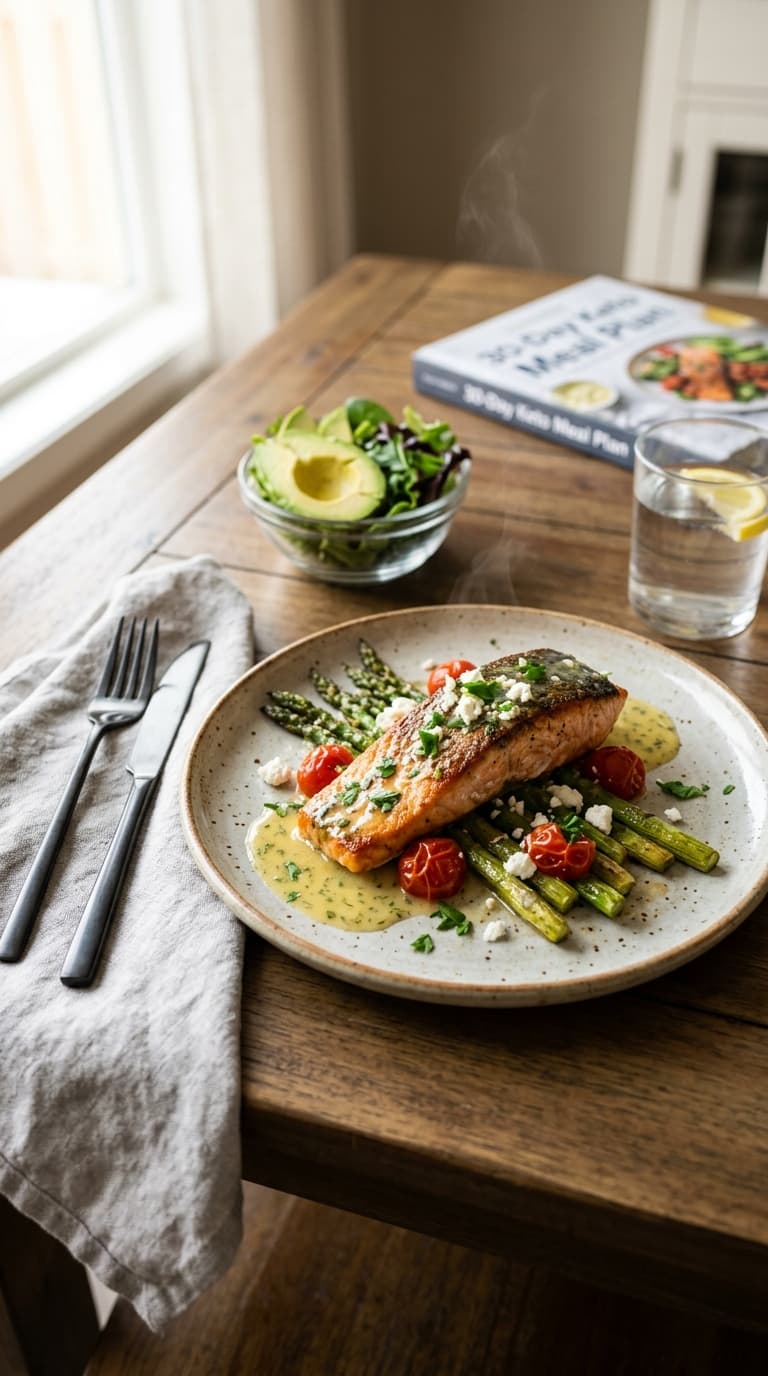
- Dinner: Baked Salmon with roasted sweet potato wedges and garlic green beans (32g protein)
- Snack: Apple slices with almond butter and a handful of walnuts (8g protein)
- Breakfast: Veggie-Packed Egg Muffins with spinach, bell peppers, and turkey sausage (24g protein)
- Lunch: Turkey and Avocado Wrap with whole grain tortilla, mixed greens, and hummus (28g protein)
- Dinner: Slow Cooker Chicken Teriyaki with brown rice and steamed broccoli (38g protein)
- Snack: Greek yogurt parfait with granola and mixed berries (15g protein)
- Breakfast: Protein Smoothie Bowl with banana, spinach, protein powder, topped with chia seeds and sliced strawberries (26g protein)
- Lunch: Grilled Chicken Caesar Salad with parmesan, chickpeas, and whole grain croutons (36g protein)
- Dinner: Beef and Vegetable Stir-Fry with snap peas, carrots, and cauliflower rice (34g protein)
- Snack: Hard-boiled eggs with cherry tomatoes and cucumber slices (12g protein)
Quick Swap Options
Not a fan of salmon? Swap it for cod, tilapia, or even baked chicken thighs. Vegetarian? Replace any meat with tempeh, tofu, or an extra serving of legumes. The key is maintaining the protein-to-carb ratio, not following the exact ingredients.
- Breakfast: Cottage Cheese Power Bowl with pineapple, hemp seeds, and a drizzle of honey (25g protein)
- Lunch: Lentil and Vegetable Soup with whole grain bread and a side salad (20g protein)
- Dinner: Turkey Meatballs with zucchini noodles and marinara sauce (35g protein)
- Snack: Hummus with carrot sticks and whole grain crackers (7g protein)
- Breakfast: Whole Grain Toast with mashed avocado, poached eggs, and everything bagel seasoning (18g protein)
- Lunch: Tuna Salad Stuffed Bell Peppers with white beans and mixed greens (30g protein)
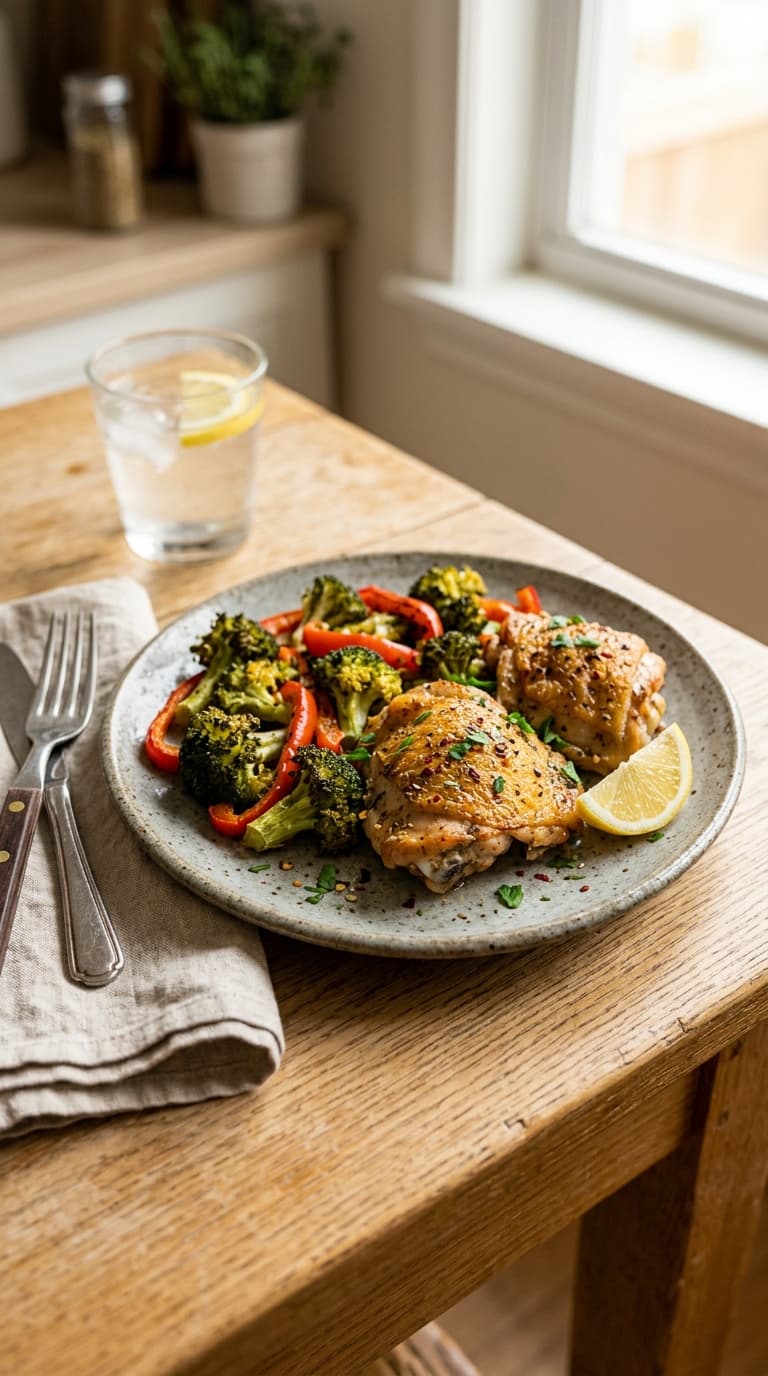
- Dinner: Sheet Pan Chicken Fajitas with peppers, onions, and cauliflower rice (36g protein)
- Snack: Protein energy balls made with oats, peanut butter, and dark chocolate chips (9g protein)
- Breakfast: Breakfast Burrito Bowl with scrambled eggs, black beans, salsa, and avocado (27g protein)
- Lunch: Asian-Inspired Chicken Salad with edamame, mandarin oranges, and sesame-ginger dressing (33g protein)
- Dinner: Baked Cod with roasted Brussels sprouts and quinoa pilaf (29g protein)
- Snack: String cheese with a small handful of almonds and grapes (10g protein)
- Breakfast: Protein Pancakes with Greek yogurt, fresh berries, and a touch of maple syrup (23g protein)
- Lunch: Chicken and White Bean Chili with a side of cornbread muffin (31g protein)
- Dinner: Grilled Shrimp Skewers with roasted vegetables and wild rice (28g protein)
- Snack: Cottage cheese with sliced peaches and a sprinkle of cinnamon (14g protein)
Week 1 Prep Checklist
✓ Cook 3 lbs chicken breast for salads and bowls
✓ Bake egg muffins (makes 12)
✓ Prepare overnight oats (5 servings)
✓ Chop vegetables for the week
✓ Cook quinoa and brown rice in bulk
✓ Make protein energy balls
✓ Hard-boil one dozen eggs
Speaking of breakfast meal prep, if you’re looking for more grab-and-go options, you might want to check out these meal prep ideas designed specifically for busy mornings. They’ve saved me countless times when I’m running late.
- Breakfast: Savory Oatmeal Bowl with sautéed mushrooms, spinach, and a poached egg (20g protein)
- Lunch: Greek Turkey Burger Bowl with tzatziki, cucumber, tomato, and farro (34g protein)
- Dinner: Pork Tenderloin with roasted root vegetables and a side of sautéed kale (35g protein)
- Snack: Protein shake with banana and a tablespoon of almond butter (25g protein)
- Breakfast: Chia Pudding with coconut milk, sliced kiwi, and chopped pistachios (15g protein)
- Lunch: Chicken Pesto Pasta Salad with cherry tomatoes, mozzarella, and arugula (32g protein)
- Dinner: Pan-Seared Salmon with asparagus and garlic herb quinoa (33g protein)
- Snack: Rice cakes with cottage cheese and sliced strawberries (12g protein)
- Breakfast: Breakfast Sandwich on whole grain English muffin with egg, turkey bacon, and avocado (22g protein)
- Lunch: Shrimp and Avocado Salad with mixed greens, mango, and lime-cilantro dressing (27g protein)
- Dinner: Chicken Enchilada Bowl with black beans, corn, peppers, and Greek yogurt (36g protein)
- Snack: Trail mix with raw almonds, pumpkin seeds, and dark chocolate (8g protein)
Quick Swap Options
Feeling like you need more variety? Rotate your proteins weekly. Week one could be chicken and salmon, week two could be turkey and tilapia, week three brings in lean beef and shrimp. Your taste buds stay interested, and you still get the energy-stabilizing benefits.
- Breakfast: Veggie Scramble with bell peppers, onions, turkey sausage, and whole grain toast (26g protein)
- Lunch: Buddha Bowl with tofu, sweet potato, kale, tahini dressing, and hemp seeds (24g protein)
- Dinner: Grass-Fed Beef Tacos with lettuce wraps, pico de gallo, and guacamole (31g protein)
- Snack: Greek yogurt with honey and sliced almonds (16g protein)
- Breakfast: Protein Waffles with Greek yogurt, mixed berries, and a drizzle of nut butter (24g protein)
- Lunch: Chicken Fajita Salad with peppers, onions, black beans, and salsa verde (35g protein)
- Dinner: Baked Tilapia with roasted Brussels sprouts and cauliflower mash (28g protein)
- Snack: Celery sticks with almond butter and raisins (6g protein)
- Breakfast: Smoked Salmon Breakfast Plate with whole grain crackers, cream cheese, cucumber, and capers (19g protein)
- Lunch: Italian Chopped Salad with salami, provolone, chickpeas, and red wine vinaigrette (29g protein)
- Dinner: Turkey Chili with kidney beans, topped with Greek yogurt and green onions (33g protein)
- Snack: Apple slices with string cheese (8g protein)
- Breakfast: Breakfast Quinoa Bowl with cinnamon, sliced banana, nut butter, and a scoop of protein powder (27g protein)
- Lunch: Mediterranean Tuna Bowl with white beans, olives, cherry tomatoes, and olive oil (30g protein)
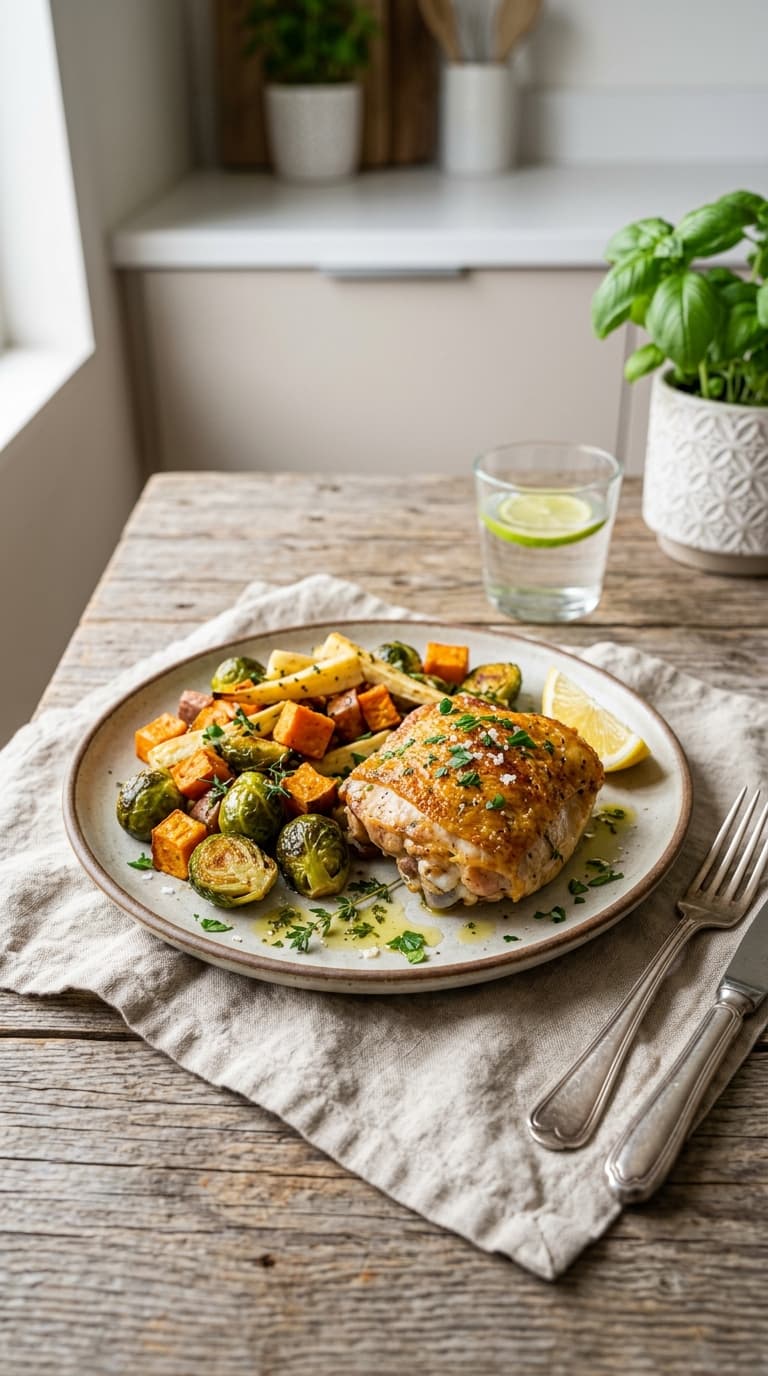
- Dinner: Herb-Roasted Chicken Thighs with roasted carrots and wild rice pilaf (34g protein)
- Snack: Smoothie with spinach, protein powder, frozen berries, and almond milk (22g protein)
Week 2 Prep Checklist
✓ Grill or bake 3 lbs mixed proteins (chicken, fish, tofu)
✓ Prep chia pudding and overnight oats
✓ Roast large batch of mixed vegetables
✓ Cook grains (quinoa, rice, farro) for the week
✓ Make turkey chili (serves 6)
✓ Wash and portion snack vegetables
✓ Prepare smoothie freezer packs
If you’re looking to streamline your lunch game even further, these meal prep bowl ideas are absolute lifesavers. They’re designed to be assembled quickly and they actually taste better after a day or two in the fridge.
What You’ll Eat (High-Level Overview)
Let me break down the patterns you’ll notice over these two weeks, because understanding the why behind the what makes this whole thing sustainable.
Breakfast: The Energy Foundation
Every morning meal combines protein with complex carbs and a small amount of healthy fat. You’ll see lots of eggs, Greek yogurt, and protein powder because these are the most efficient ways to hit 20-25g of protein first thing in the day. According to Nutrition.gov, starting your day with adequate protein helps regulate appetite and energy levels throughout the day.
No more grabbing a muffin and wondering why you’re starving by ten o’clock. When you eat a balanced breakfast, your blood sugar stays stable, your focus stays sharp, and you’re not thinking about food every twenty minutes.
Lunch: The Midday Sustainer
Lunch is where most people crash and burn. They either skip it entirely, grab something quick and carb-heavy, or eat a sad desk salad that leaves them raiding the vending machine two hours later.
Every lunch in this plan clocks in around 30-35g of protein with plenty of fiber from vegetables and whole grains. This combination keeps you full and focused through the afternoon slump without making you feel like you need a nap.
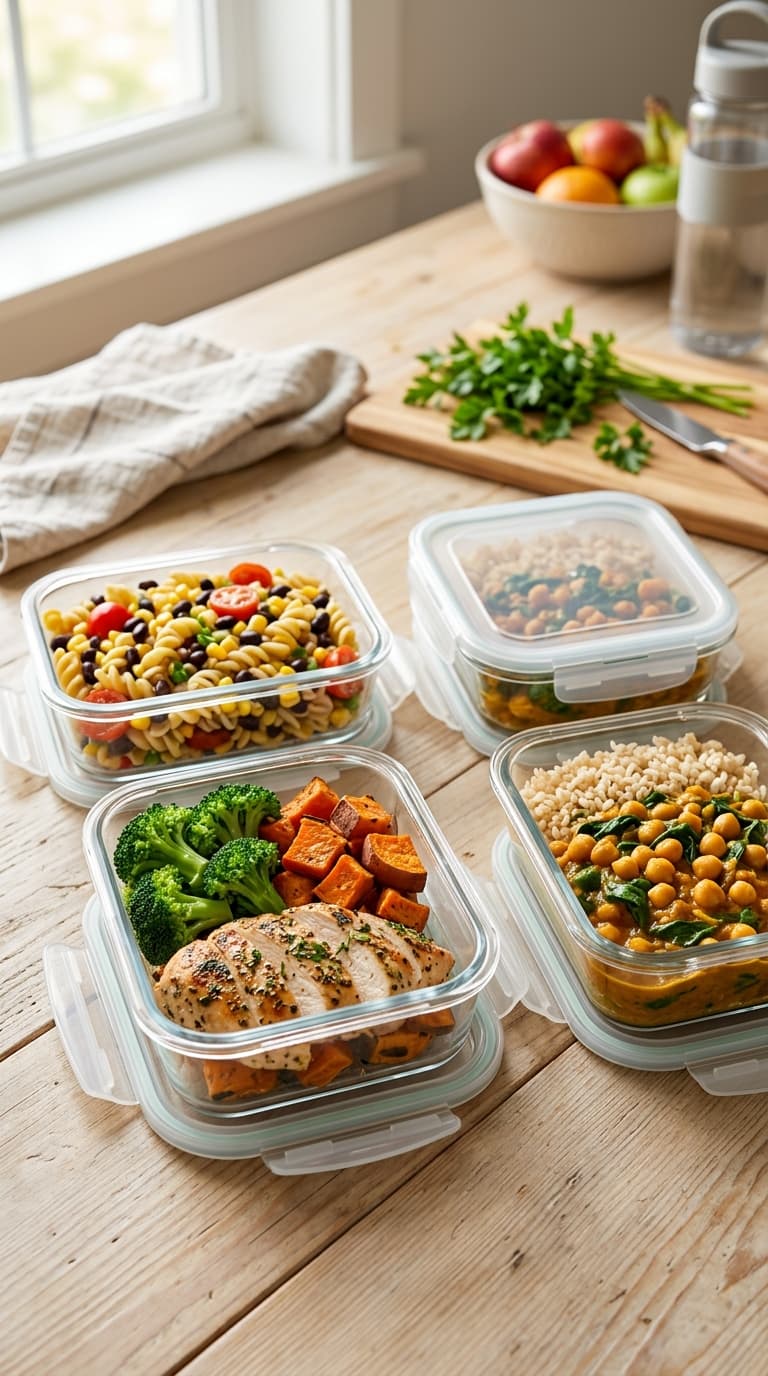
I use a lot of glass meal prep containers for these lunches because they keep everything fresh and make portioning automatic. No guessing, no measuring every day, just grab and go.
Dinner: The Recovery Meal
Dinner isn’t just about not being hungry. It’s about giving your body what it needs to recover from the day and set you up for quality sleep. That’s why you’ll see consistent portions of lean protein, colorful vegetables, and moderate amounts of complex carbs.
The meals are substantial enough that you won’t wake up hungry at midnight, but they’re not so heavy that you feel sluggish or struggle to sleep. Finding that balance took me years of trial and error, but now it’s built into every dinner in this plan.
Snacks: The Strategic Bridges
Snacks aren’t treats or indulgences here. They’re strategic tools to maintain stable blood sugar between meals. Every snack includes protein and either healthy fats or fiber to keep you satisfied until the next meal.
Notice how none of the snacks are processed bars or packaged foods. Real food digests better, provides more nutrients, and doesn’t spike your blood sugar like those “healthy” snack bars that are basically candy in disguise.
Meal Prep & Kitchen Setup That Makes Life Easy
Here’s the truth nobody tells you about meal prep: it’s not about spending six hours in the kitchen every Sunday. It’s about working smarter, not harder.
The Sunday Power Hour Strategy
I spend about 90 minutes on Sunday afternoon and I’m set for the entire week. Here’s my exact process, and you can steal it completely.
First, I cook all my proteins at once. Chicken breasts go in the oven on one sheet pan, salmon on another. While those are cooking, I’m hard-boiling eggs and browning ground turkey on the stovetop. Everything finishes around the same time, and I’ve just knocked out my protein for the week.
While proteins are cooking, I chop vegetables. Everything gets washed, dried, and stored in produce storage containers that actually keep them fresh all week. This was a game-changer for me because I used to end up with soggy, sad vegetables by Wednesday.
Next, I cook grains in my rice cooker. Set it and forget it while I’m assembling other components. Quinoa, brown rice, farro—whatever the week calls for gets made in bulk.
Pro Tip: Cook grains with vegetable or chicken broth instead of water. Same effort, way more flavor. Nobody wants to eat bland rice all week, and this simple swap makes everything taste better.
The Tools That Actually Matter
You don’t need a fancy kitchen to make this work, but a few key tools make everything exponentially easier. I resisted investing in proper equipment for years, thinking I could make do with mismatched containers and old pans. I was wrong.
Get yourself a set of quality glass containers with snap lids. They’re microwave-safe, dishwasher-safe, and they don’t stain or hold smells like plastic. I have about 20 of them in various sizes, and they’re worth every penny.
A good chef’s knife cuts your prep time in half. Literally. When you’re trying to dice three bell peppers with a dull knife, it takes forever and it’s dangerous. A sharp knife makes quick work of everything.
Sheet pans are your best friend. I use rimmed baking sheets for roasting everything from vegetables to proteins. Get three or four of them so you can cook multiple components at once without playing musical ovens.
Meal Prep Essentials Used in This Plan
Glass Meal Prep Containers (Set of 10)
Leak-proof lids, stackable design, and they actually keep food fresh. I’ve had mine for three years.
Check current priceDigital Food Scale
Essential for portion control without guesswork. Helps you nail those protein targets consistently.
See on AmazonProduce Storage Containers
The ventilation system actually works. Lettuce stays crisp for a full week, herbs don’t wilt in two days.
View optionsMeal Prep Nutrition Calculator
Digital tool that helps you adjust macros for your specific needs and calculate exact portions.
Try it freeWeekly Meal Planning Template
Downloadable spreadsheet that organizes your shopping list, prep schedule, and daily meals in one place.
Download nowMacro Tracking App Premium
Upgrade that makes tracking your protein, carbs, and fats actually easy. Syncs with your meal plan automatically.
Start free trialStorage and Organization Hacks
Your fridge organization matters more than you think. I learned this the hard way after losing track of containers and finding science experiments in the back of my fridge.
Designate one shelf for prepped meals. Everything for the week lives in the same spot, organized by day if you’re Type A or just grouped by meal type if you’re more flexible. Either way, you can see at a glance what you have and what you need to eat first.
Label everything with the date you prepped it. I use a label maker, but masking tape and a Sharpie work just as well. Most proteins are good for 4 days in the fridge, so knowing exactly when you cooked that chicken matters.
For longer storage, embrace your freezer. Cooked grains freeze beautifully for up to 3 months. Same with most proteins and soups. I always make double batches and freeze half for those weeks when life gets chaotic and Sunday prep doesn’t happen.
Common Mistakes That Kill Results
I’ve made every meal prep mistake in the book, so let me save you from the same headaches.
Prepping Everything on Sunday Night
This is the number one reason people burn out on meal prep. They try to do everything in one marathon cooking session and end up exhausted, surrounded by dirty dishes, questioning all their life choices.
Split it up. Do proteins and grains on Sunday, then take 20 minutes on Wednesday to prep the second half of the week. Or prep breakfast and lunch on Sunday, then make fresh dinners. There’s no rule that says it all has to happen at once.
Not Seasoning Your Food Properly
Plain grilled chicken breast is the reason people think meal prep tastes boring. Season your proteins before cooking them. Use marinades, dry rubs, or at minimum, salt, pepper, and garlic powder.
Keep sauces and dressings separate until you’re ready to eat. Pack them in small containers or use the sauce cups with lids that make portion control easy. This keeps everything from getting soggy and gives you flexibility to change up flavors throughout the week.
Choosing Recipes That Don’t Reheat Well
Not all foods are created equal when it comes to meal prep. Crispy foods get soggy. Delicate fish can get overcooked. Pasta can turn to mush.
Stick with foods that hold up well: roasted vegetables, heartier proteins like chicken thighs or salmon, grain bowls, soups, and stews. Save the crispy fried chicken and delicate fish for meals you’re cooking fresh.
Pro Tip: If you’re craving something crispy, pack the components separately and assemble right before eating. Store your salad greens separate from the protein and toppings, add dressing at the last minute. Takes 30 extra seconds and makes all the difference.
Forgetting About Texture Variety
Everything soft and mushy gets old fast. Make sure each meal has different textures. Crunchy vegetables with tender protein. Creamy elements paired with crispy components. This is what keeps meal prep from feeling monotonous.
Add fresh elements right before eating. Sliced avocado, chopped nuts, crispy chickpeas, fresh herbs—these take seconds to add but transform a reheated meal into something that actually feels fresh and satisfying.
If you find yourself struggling with lunch variety, check out these no-reheat lunch ideas that stay delicious at room temperature. They’ve been a lifesaver for my office days.
Customizing This Plan for Your Lifestyle
This plan is a framework, not a prison sentence. Here’s how to make it work for your specific situation.
If You Need More Calories
Add an extra snack, increase portion sizes by 25%, or add healthy fats to your meals. An extra tablespoon of olive oil, a handful of nuts, or half an avocado can add 100-200 calories without requiring a completely different meal plan.
If you’re highly active or trying to build muscle, you might need to bump your protein targets up by 10-15g per meal. The structure stays the same, just increase the portions of your protein sources.
If You Need Fewer Calories
Reduce portions of grains and starches while keeping protein and vegetables consistent. Your body needs that protein for energy and satiety, so don’t cut it. But you can easily reduce the quinoa from 1 cup to ¾ cup and save about 50 calories.
Choose leaner protein sources. Swap chicken thighs for chicken breast, use 93% lean ground turkey instead of 85%, or opt for white fish over salmon. These swaps can save 100-200 calories per meal without sacrificing the energy-stabilizing benefits.
For more calorie-conscious meal ideas, take a look at this calorie deficit meal plan that’s specifically designed for sustainable energy while in a deficit.
If You’re Vegetarian or Vegan
Swap all animal proteins for plant-based alternatives. Tofu, tempeh, seitan, legumes, and high-protein grains like quinoa all work beautifully in this structure.
Pay extra attention to combining protein sources throughout the day to get complete amino acid profiles. Beans with rice, hummus with whole grain bread, nut butter with oats—these combinations ensure you’re getting everything your body needs.
You might need to add a bit more protein powder to hit those targets, especially at breakfast. A scoop of plant-based protein powder in your smoothie or oatmeal makes a huge difference.
If You Work Irregular Hours
The meal timing matters more than the specific times. If you work nights, your “breakfast” might be at 6 PM. That’s fine. Space your meals 4-5 hours apart and keep the macro balance consistent.
Prep grab-and-go options that don’t require reheating. Mason jar salads, cold protein boxes, overnight oats, and wraps all work at any time of day and don’t need a microwave.
These grab-and-go meal ideas are perfect for unconventional schedules and don’t require any heating or assembly.
Tools & Resources That Make Cooking Easier
Instant Pot Duo
Pressure cooker, slow cooker, rice cooker in one. Makes bulk protein cooking ridiculously easy and fast.
Check priceQuality Chef’s Knife Set
Sharp knives make prep work faster and safer. This set covers everything you need for meal prep.
View on AmazonVegetable Spiralizer
Turns vegetables into noodles in seconds. Perfect for adding variety and bulk to meals without extra calories.
See optionsMeal Prep Mastery Course
Video course teaching efficient prep techniques, time-saving hacks, and how to plan meals that actually work.
Enroll nowGrocery Shopping List Builder
App that automatically generates shopping lists from your meal plan and organizes by store section.
Try freeMacro-Friendly Recipe Database
Subscription access to 500+ recipes with complete nutrition info and meal prep instructions.
Get accessMaking This Plan Work Long-Term
The difference between two weeks of good eating and actually changing your relationship with food comes down to making this sustainable.
Build in Flexibility Days
I don’t meal prep for seven days straight. I prep for five, leaving weekends open for eating out, trying new recipes, or just giving myself a break. This prevents burnout and keeps meal prep from feeling like a chore.
If you know you have dinner plans Friday night, don’t prep a Friday dinner. Use that container space for extra lunches or batch-cook something that freezes well for future weeks.
Rotate Your Proteins Every Two Weeks
Even the best meal plan gets boring if you’re eating the same proteins every single week. After you finish these 14 days, swap out half your proteins. If you’ve been doing chicken and salmon, try turkey and tilapia. Keep the structure, change the players.
The same goes for vegetables and grains. Broccoli and quinoa are great, but sweet potato and farro are equally nutritious and give your taste buds something new to work with.
Keep a Running List of Winners
Some meals just hit different. They taste amazing on day four, they’re easy to prep, and you actually look forward to eating them. Write those down.
Over time, you’ll build a personal rotation of 15-20 meals that work for your taste, your schedule, and your goals. That’s when meal prep transforms from following a plan to having a system that runs on autopilot.
Pro Tip: Take photos of your favorite meal prep combinations. When you’re planning next week and drawing a blank, scroll through your photos for instant inspiration. I do this every single week and it saves me so much mental energy.
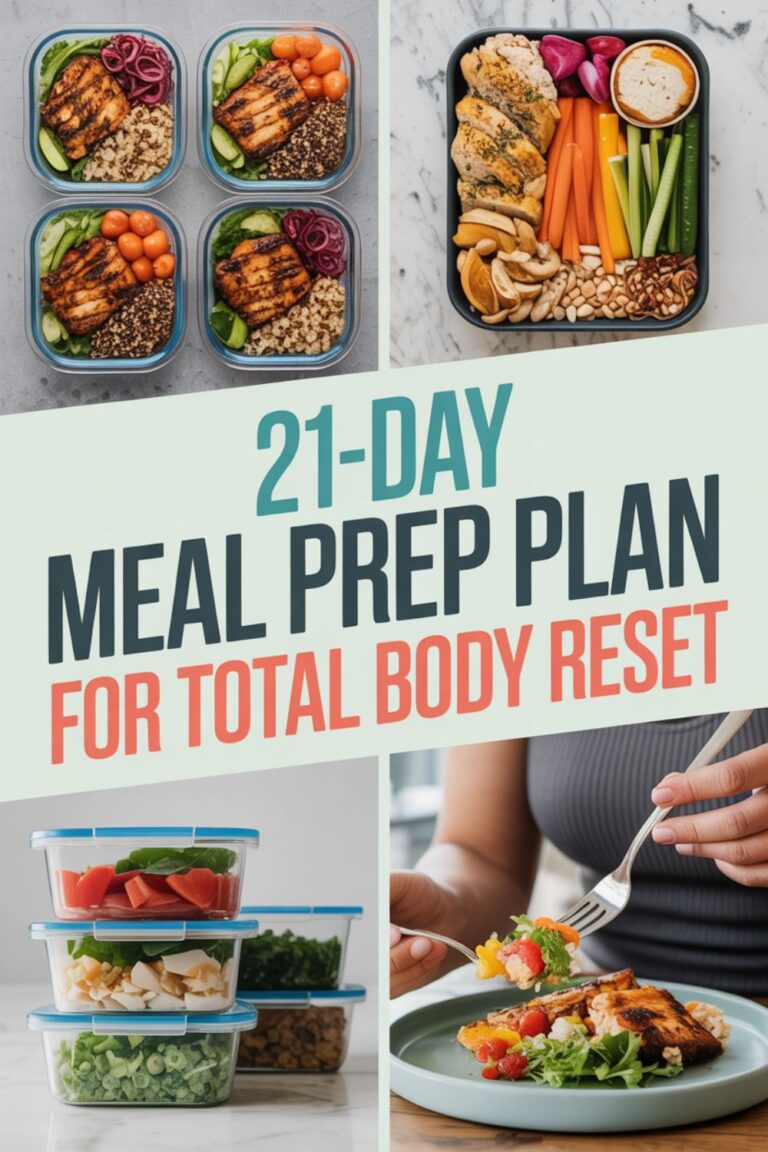
Once you’ve got this plan down, you might want to explore this 21-day meal prep plan that takes everything to the next level with even more variety and strategies.
Frequently Asked Questions
How long does food stay fresh when meal prepping?
Most proteins stay fresh for 3-4 days in the fridge, which is why I recommend prepping in smaller batches or freezing half. Cooked grains last 4-5 days, and most vegetables hold up well for 5-7 days when stored properly in airtight containers. Always smell-test before eating and when in doubt, freeze extras right after cooking.
Can I freeze these meals?
Most of them, yes. Proteins, grains, soups, and cooked vegetables all freeze beautifully for up to 3 months. The exceptions are anything with fresh greens, cucumbers, or dishes with high water content that get mushy when thawed. I always freeze in individual portions so I can grab exactly what I need without thawing an entire batch.
What if I don’t hit the exact protein numbers?
The protein targets are goals, not requirements. Being within 5g either way is totally fine. What matters more is consistency across the day and week. If breakfast is lower one day, just make sure lunch or dinner picks up the slack. Your body averages things out over time.
Do I really need to prep everything on one day?
Absolutely not. I split my prep between Sunday and Wednesday for maximum freshness and minimal burnout. Some people prefer prepping just breakfast and lunch, then cooking dinner fresh each night. Find what works for your schedule and energy levels. The best meal prep system is the one you’ll actually stick with.
Can I eat the same meals every day instead of following the variety plan?
If that works for you, go for it. Some people love routine and find it easier to eat similar meals daily. Just make sure you’re still getting a variety of nutrients across the week. Rotating at least your vegetables and occasionally switching up proteins helps ensure you’re not missing any key micronutrients. But if eating the same breakfast for five days straight makes your life easier, I’m not going to tell you it’s wrong.
Your Next Two Weeks Start Now
You’ve got the complete plan. You know what to eat, when to eat it, and how to prep it without losing your mind or your entire weekend.
The meals are balanced for consistent energy. The prep strategies are realistic for actual human beings with jobs and lives and responsibilities. The customization options mean you can adapt this to whatever your specific situation requires.
Start with one week. Prep just breakfast and lunch if that’s all you can handle right now. Use the exact meals from the plan or swap in your own favorites following the same structure. There’s no perfect way to do this, only the way that works for you.
Two weeks from now, you’ll either still be riding the energy roller coaster, or you’ll have experienced what it feels like to fuel your body properly and consistently. The plan is here. The choice is yours.