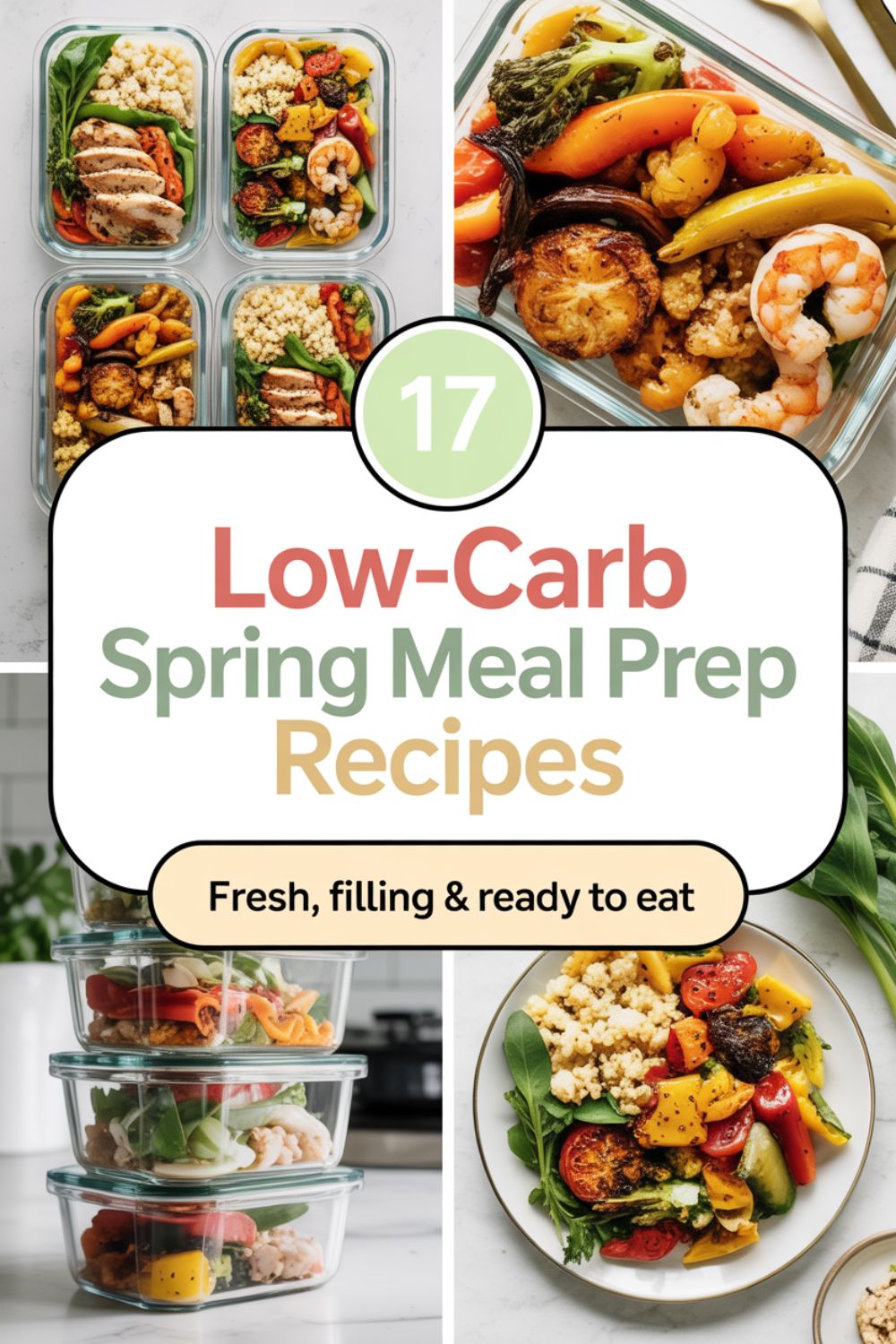
17 Low-Carb Spring Meal Prep Recipes That Actually Taste Good
Spring meal prep shouldn’t mean choking down sad chicken and broccoli for the fifth day straight. I get it—you want to cut carbs, feel lighter, maybe fit into those shorts you optimistically bought last year. But you also want food that doesn’t make you question your life choices by Wednesday.
Here’s the thing about low-carb meal prep: when you do it right, you’re not just surviving on lettuce wraps and hard-boiled eggs. You’re eating actual meals with flavor, texture, and enough variety that your taste buds don’t stage a mutiny. Spring gives us the perfect excuse to shake things up with fresh produce, bright flavors, and recipes that don’t require a culinary degree.
I’ve been meal prepping for years, and spring is honestly my favorite season for it. The farmers’ markets are bursting with asparagus, radishes, snap peas, and herbs that make everything taste like you actually tried. Plus, warmer weather means you’re less likely to crave those heavy, carb-loaded comfort foods that derail your progress.
Why Low-Carb Meal Prep Works Better in Spring
Let’s talk about why spring is basically the VIP season for low-carb eating. First off, you’re not fighting against your body’s natural instinct to hibernate and eat all the bread. The longer days and warmer weather make lighter meals feel more appealing than they did in February when all you wanted was mac and cheese.
Second, the produce selection explodes. You’re not limited to root vegetables and frozen sad greens. We’re talking crisp asparagus, peppery arugula, crunchy radishes, and tender zucchini that actually taste like something. These vegetables have personality, which means your meals don’t need to rely on carbs for flavor.
Third, spring cleaning extends to your eating habits. There’s something about the season that makes people want to reset, and low-carb meal prep is one of the easiest ways to do that without feeling like you’re punishing yourself. You’re just eating real food, prepped ahead, so you’re not making terrible decisions when you’re starving at 6 PM.
The Brilliant Basics: Spring Vegetables That Shine
Before we jump into recipes, let’s appreciate the MVP vegetables of spring that make low-carb meal prep actually enjoyable. Asparagus is probably the star player here—it roasts beautifully, stays crisp in containers, and pairs with basically everything. I usually grab two bunches on Sunday and roast them with olive oil, garlic, and lemon zest.
Zucchini and summer squash start showing up in late spring, and they’re absolute lifesavers for meal prep. Spiralize them into noodles, slice them for stir-fries, or roast them until they’re golden and sweet. They soak up flavors like nobody’s business and add bulk to your meals without the carb count.
Don’t sleep on radishes either. Raw, they add crunch and a peppery bite to salads and bowls. Roasted, they mellow out and taste almost like little potatoes, but without the carb guilt. Toss them with butter and thyme, roast until tender, and thank me later.
Fresh herbs deserve their own paragraph because they’re the difference between “meh” meal prep and food you’re actually excited to eat. Basil, cilantro, dill, and parsley are all in season and dirt cheap at farmers’ markets. Chop them up, freeze them in olive oil using an ice cube tray like this one, and you’ve got instant flavor bombs for weeks.
Looking for complete meal plans that use these spring ingredients? Check out this 21-day low-carb meal prep plan or explore these clean eating meal prep ideas that focus on whole foods and seasonal produce.
Meal Prep Essentials Used in This Plan
Physical Products That Make Life Easier
- Glass meal prep containers with snap lids – I’ve tried every container on the planet, and glass just works better for low-carb prep. Tomato-based sauces don’t stain them, you can reheat without weird plastic smells, and they stack neatly in the fridge. Get the 3-compartment ones if you like keeping your foods separated.
- Spiralizer for veggie noodles – If you’re doing low-carb, a spiralizer isn’t optional. It’s how you turn zucchini into something that actually resembles pasta. The handheld ones work fine, but the countertop version is faster if you’re prepping for the week.
- Sheet pan set (half and quarter size) – Sheet pan dinners are the backbone of lazy meal prep. Line them with parchment paper, toss on your protein and veggies, and let the oven do the work. I use mine at least four times a week.
Digital Resources Worth Having
- Macro tracking app – Not trying to push you into obsessive counting, but having a general idea of your carb intake helps, especially when you’re starting out. Most free apps work fine for this.
- Meal planning template – A simple spreadsheet or app that lets you plan your week saves so much mental energy. You’re not reinventing the wheel every Sunday.
- Recipe database subscription – Whether it’s a food blog membership or a premium app, having access to tested low-carb recipes prevents the “what am I making this week” panic.
17 Spring Low-Carb Recipes That Don’t Suck
Breakfast Winners
1. Asparagus and Goat Cheese Frittata Cups
These little egg cups are perfect for grab-and-go mornings. Whisk eggs with chopped asparagus, crumbled goat cheese, and fresh dill. Pour into a muffin tin, bake, and you’ve got five days of breakfast sorted. They reheat beautifully and taste way fancier than the effort required.
2. Smoked Salmon and Cream Cheese Roll-Ups
Spread cream cheese on smoked salmon, add cucumber sticks and fresh dill, roll them up, and slice into pinwheels. It’s basically sushi without the rice, and it feels indulgent enough that you won’t miss your morning bagel. Get Full Recipe
3. Spinach and Feta Egg Muffins
If goat cheese isn’t your thing, feta works just as well. Mix eggs with wilted spinach, crumbled feta, sun-dried tomatoes, and oregano. Bake in muffin cups and store them in the fridge. They’re surprisingly filling and have actual flavor, unlike those sad gas station egg bites.
Want more morning options? Try this high-protein breakfast meal prep plan that keeps you full until lunch without the carb crash.
Lunch That Won’t Put You to Sleep
4. Greek Chicken Bowl with Tzatziki
Marinate chicken thighs in lemon, garlic, and oregano, then grill or bake them. Serve over cauliflower rice with cucumber, tomatoes, red onion, olives, and a generous dollop of tzatziki. The yogurt-based sauce adds creaminess without the carbs of a grain bowl. Get Full Recipe
5. Asian-Inspired Lettuce Wraps
Ground turkey cooked with ginger, garlic, coconut aminos, and a splash of rice vinegar, served in butter lettuce cups. Top with shredded carrots, cilantro, and chopped peanuts. It’s crunchy, savory, and doesn’t leave you feeling like you need a nap by 2 PM.
6. Cobb Salad Jars
Layer your dressing at the bottom of a mason jar, then add hard-boiled eggs, bacon, avocado, chicken, cherry tomatoes, and mixed greens. When you’re ready to eat, shake it up and dump it in a bowl. The layering keeps everything fresh, and it travels well if you’re eating at your desk.
7. Pesto Zucchini Noodles with Cherry Tomatoes
Spiralize zucchini, toss with homemade or store-bought pesto (check the sugar content), halved cherry tomatoes, and grilled chicken or shrimp. The key is not cooking the zoodles in advance—they’ll get soggy. Spiralize them, store them raw, and give them a quick sauté when you’re ready to eat.
For more satisfying lunch ideas, check out these high-protein lunches or these healthy work lunch options that keep you energized all afternoon.
Dinners That Don’t Feel Like Diet Food
8. Lemon Herb Chicken Thighs with Roasted Radishes
Season chicken thighs with lemon zest, rosemary, and thyme. Roast them alongside halved radishes tossed in olive oil and sea salt. The radishes caramelize and lose their bite, becoming almost potato-like. It’s comfort food that happens to be low-carb.
9. Salmon with Creamy Dill Sauce and Asparagus
Bake salmon fillets and serve with a sauce made from Greek yogurt, fresh dill, lemon juice, and garlic. Pair with roasted asparagus. This is one of those meals that looks impressive but takes maybe 20 minutes of actual work. Get Full Recipe
10. Italian Sausage and Pepper Skillet
Brown Italian sausage links, slice them up, and cook with bell peppers, onions, and cherry tomatoes until everything’s tender and slightly charred. It’s a one-pan wonder that reheats beautifully and doesn’t need any carbs to feel complete. I use my cast iron skillet for this because the caramelization is unmatched.
11. Beef and Broccoli Stir-Fry
Thin-sliced beef cooked with broccoli florets, garlic, and a sauce made from coconut aminos, sesame oil, and ginger. Serve over cauliflower rice or eat it straight. The sauce is key here—make extra and store it in the fridge for quick weeknight meals.
If you’re loving these one-pan ideas, you’ll appreciate this one-pan meal prep plan and these sheet pan recipes that make cleanup almost non-existent.
Snacks and Sides
12. Everything Bagel Deviled Eggs
Hard-boil a dozen eggs, make classic deviled eggs with mayo and mustard, then top with everything bagel seasoning. They’re ridiculously addictive and scratch that savory, crunchy itch when you’re tempted to raid the chip aisle.
13. Cucumber Hummus Boats
Slice cucumbers in half lengthwise, scoop out the seeds, and fill with hummus. Top with cherry tomatoes and fresh herbs. It’s crunchy, creamy, and feels substantial enough to count as a snack that actually holds you over.
14. Bacon-Wrapped Asparagus Bundles
Wrap three asparagus spears in a strip of bacon, bake until crispy. It’s vegetables wrapped in meat, which is basically the low-carb dream. These are great for meal prep because they stay good in the fridge for days and taste amazing cold or reheated.
Bonus Recipes for Variety
15. Cauliflower Rice Fried “Rice”
Sauté riced cauliflower with scrambled eggs, peas (small amount for color), carrots, and green onions. Season with coconut aminos and sesame oil. It’s shockingly similar to the real thing and makes a great base for other proteins throughout the week.
16. Caprese Chicken with Balsamic Reduction
Top grilled chicken breasts with fresh mozzarella and tomato slices. Drizzle with balsamic reduction (the thick, syrupy kind, not the vinegar). Add fresh basil right before eating. It’s elegant enough for company but easy enough for Tuesday night. Get Full Recipe
17. Shrimp and Avocado Salad
Cooked shrimp tossed with diced avocado, cherry tomatoes, red onion, cilantro, lime juice, and a touch of olive oil. Serve over arugula or eat it straight. The healthy fats from the avocado keep you satisfied, and the lime keeps everything tasting fresh even after a few days in the fridge.
Tools & Resources That Make Cooking Easier
Kitchen Gadgets Worth the Counter Space
- Digital kitchen scale – If you’re tracking macros even loosely, eyeballing portions will sabotage your progress. A simple scale takes the guesswork out and helps you learn what proper portions actually look like.
- Salad spinner – Sounds bougie, but wet lettuce ruins meal prep salads. Spin your greens dry and they’ll stay crisp all week instead of turning into sad, wilted mush by Wednesday.
- Mandoline slicer – For uniform veggie slices that cook evenly. Just watch your fingers—these things are aggressive. I use the safety guard every time because I value having ten fingers.
Planning Resources
- Meal prep planner printable – A physical checklist you can stick on your fridge. There’s something satisfying about checking off tasks with a real pen.
- Nutrition calculator tool – Helps you understand the carb content of your meals without making you feel like you’re back in high school math class.
- Weekly shopping list template – Organize by grocery store section so you’re not zigzagging like a confused tourist. Saves time and prevents impulse buys.
The Meal Prep Strategy That Actually Works
Here’s where most people screw up low-carb meal prep: they try to prep seven identical meals on Sunday and wonder why they’re ordering takeout by Thursday. Your brain craves variety, even if your meal plan doesn’t provide it. The solution is building a rotation instead of a repetition.
Pick three proteins for the week—maybe chicken thighs, ground turkey, and salmon. Prep them all with different seasonings. Then choose four or five vegetables and prep them different ways. Now you can mix and match throughout the week, creating different combinations that feel like new meals even though you’re using the same base ingredients.
According to research on low-carb eating patterns, this approach of variety within structure is more sustainable than rigid meal plans. You get the efficiency of batch cooking without the boredom that makes people quit.
I usually spend about two hours on Sunday doing the bulk of my prep. Proteins go in the oven or on the grill, vegetables get chopped and roasted, and sauces get mixed up and stored. Everything gets divided into containers, but I don’t assemble full meals yet—that happens throughout the week based on what sounds good.
The other key is keeping your carb sources intentional. If you’re doing low-carb, you’re probably aiming for under 50-100 grams per day depending on your goals. Spring vegetables are naturally lower in carbs than winter staples, but they still add up. A cup of cooked asparagus has about 5 grams, while a cup of cauliflower rice has about 5 grams too. It’s not nothing, but it leaves room for some berries or a small amount of higher-carb vegetables if you want them.
Making It Work for Your Actual Life
Let’s get real for a second. You’re not going to meal prep perfectly every single week. Some Sundays you’ll be hungover, or busy, or just not feeling it. That’s fine. The goal isn’t perfection—it’s having a system that works most of the time.
On weeks when you can’t do a full prep, focus on proteins. Get your chicken, beef, or fish cooked and portioned. Buy pre-washed salad greens and pre-cut vegetables from the grocery store. Yeah, they’re more expensive, but they’re cheaper than eating out five times because you didn’t prep anything.
Keep some emergency low-carb staples in your freezer. Frozen cauliflower rice, frozen vegetables, and cooked proteins you can thaw quickly make the difference between sticking to your plan and demolishing a pizza because you’re starving and unprepared.
For more flexible approaches, check out these easy meal prep ideas or this no-stress meal prep plan designed for people with unpredictable schedules.
Common Mistakes and How to Avoid Them
The biggest mistake I see people make with low-carb meal prep is underseasoning their food. When you cut out carbs, you’re removing a lot of natural flavor and texture from your meals. You need to compensate with herbs, spices, acids, and healthy fats or everything tastes like cardboard.
Lemon juice, vinegars, fresh herbs, garlic, ginger—these are your best friends. Don’t be shy with them. A squeeze of lemon over roasted vegetables or a handful of fresh cilantro in your stir-fry makes the difference between food you tolerate and food you actually enjoy.
Another mistake is not eating enough fat. Low-carb doesn’t mean low-fat. Healthy fats keep you full and make your food taste better. Olive oil, avocado, nuts, seeds, full-fat dairy if you tolerate it—these aren’t the enemy. They’re what make your meals satisfying enough that you’re not raiding the pantry an hour later.
Research from Mayo Clinic on low-carb diets confirms that adequate fat and protein intake is crucial for satiety and adherence to lower-carb eating patterns.
Also, stop trying to replicate carb-heavy foods with sad substitutions. Cauliflower pizza crust will never taste like real pizza, and pretending it does just makes you resentful. Instead, find foods that are naturally low in carbs and taste good on their own. A perfectly grilled steak with chimichurri sauce doesn’t need to pretend to be anything else.
Budget-Friendly Tips for Spring Meal Prep
Spring produce is generally cheaper than winter imports, but low-carb proteins can get expensive if you’re not strategic. Chicken thighs are cheaper than breasts and have more flavor. Ground turkey or beef works in dozens of recipes and costs less per pound than fancy cuts.
Eggs are basically the cheapest complete protein you can buy. Hard-boil a dozen on Sunday and you’ve got instant snacks, breakfast add-ins, or salad toppers for the week. I buy them by the 18-pack and go through them faster than seems reasonable for one person.
Buy vegetables that are actually in season. In spring, that’s asparagus, radishes, snap peas, and early zucchini. They’ll be cheaper and taste better than out-of-season produce shipped from across the world. Frozen vegetables work great for meal prep too—they’re often cheaper than fresh and just as nutritious.
If budget is tight, these budget meal prep ideas and affordable recipes show you how to meal prep without breaking the bank.
How to Store Everything Without Wasting Space
Your fridge real estate is precious, especially if you’re meal prepping for a whole week. Stack your containers uniformly—this is why I recommend buying all the same size and brand. They stack better and you’re not playing Tetris every time you open the fridge.
Use the crisper drawers for raw prepped vegetables. Keep them in produce storage bags or containers with ventilation to prevent them from getting slimy. Proteins go on the middle shelf where the temperature is most consistent. Sauces and dressings live in the door where they’re easy to grab.
If you’re running out of space, consider prepping some meals to freeze. Soups, stews, and cooked proteins freeze well. Just make sure to cool everything completely before freezing to prevent ice crystals that ruin texture.
Frequently Asked Questions
How long does low-carb meal prep last in the fridge?
Most cooked proteins and vegetables stay fresh for 4-5 days in airtight containers. Fish and seafood are best within 2-3 days. If you’re prepping for longer, freeze portions for later in the week and thaw them as needed. Label everything with dates to avoid the guessing game.
Can I meal prep if I’m not strictly low-carb?
Absolutely. These recipes work whether you’re doing keto, just cutting back on carbs, or following a balanced diet. Add a serving of quinoa or sweet potato if you want more carbs. The beauty of meal prep is you can customize it to your actual needs, not some arbitrary rules.
What’s the best way to reheat meal-prepped food?
Microwave works fine for most things, but oven reheating brings back crispness to roasted vegetables and proteins. I usually microwave for convenience, but when I have time, a quick oven reheat at 350°F makes everything taste freshly cooked. Avoid microwaving fish if you’re in an office unless you enjoy being that person.
How do I prevent zucchini noodles from getting watery?
Don’t cook them in advance. Spiralize them, store them raw, and give them a quick sauté (2-3 minutes max) when you’re ready to eat. You can also salt them and let them sit for 10 minutes to draw out moisture, then pat dry before cooking. This small step prevents soggy, sad noodles.
Do I need to count every carb on a low-carb plan?
Not necessarily. Some people prefer strict tracking, especially when starting out or doing keto. Others just focus on avoiding obvious carb sources like bread, pasta, and sugar. FYI, I track loosely for the first few weeks to get a feel for portions, then I eyeball it. Find what works for your brain and your goals.
Final Thoughts on Spring Low-Carb Meal Prep
Low-carb meal prep in spring doesn’t have to be complicated or miserable. You’re taking advantage of the best seasonal produce, prepping it in ways that actually taste good, and setting yourself up to make good decisions when life gets chaotic. That’s it. That’s the whole strategy.
Start with a few recipes that sound appealing. Don’t try to overhaul your entire eating pattern in one weekend. Pick two or three meals to prep, see how it goes, and adjust from there. Some recipes will become staples, others you’ll never make again, and that’s fine. You’re building a system that works for your life, not following someone else’s idea of perfection.
The asparagus will only be cheap and abundant for a few more weeks. The farmers’ markets are full of herbs and vegetables that make low-carb eating feel less like a chore and more like something you’d actually choose to do. Take advantage of it. Your future self, standing in front of the fridge on Wednesday night with a perfectly prepped meal ready to go, will appreciate it.