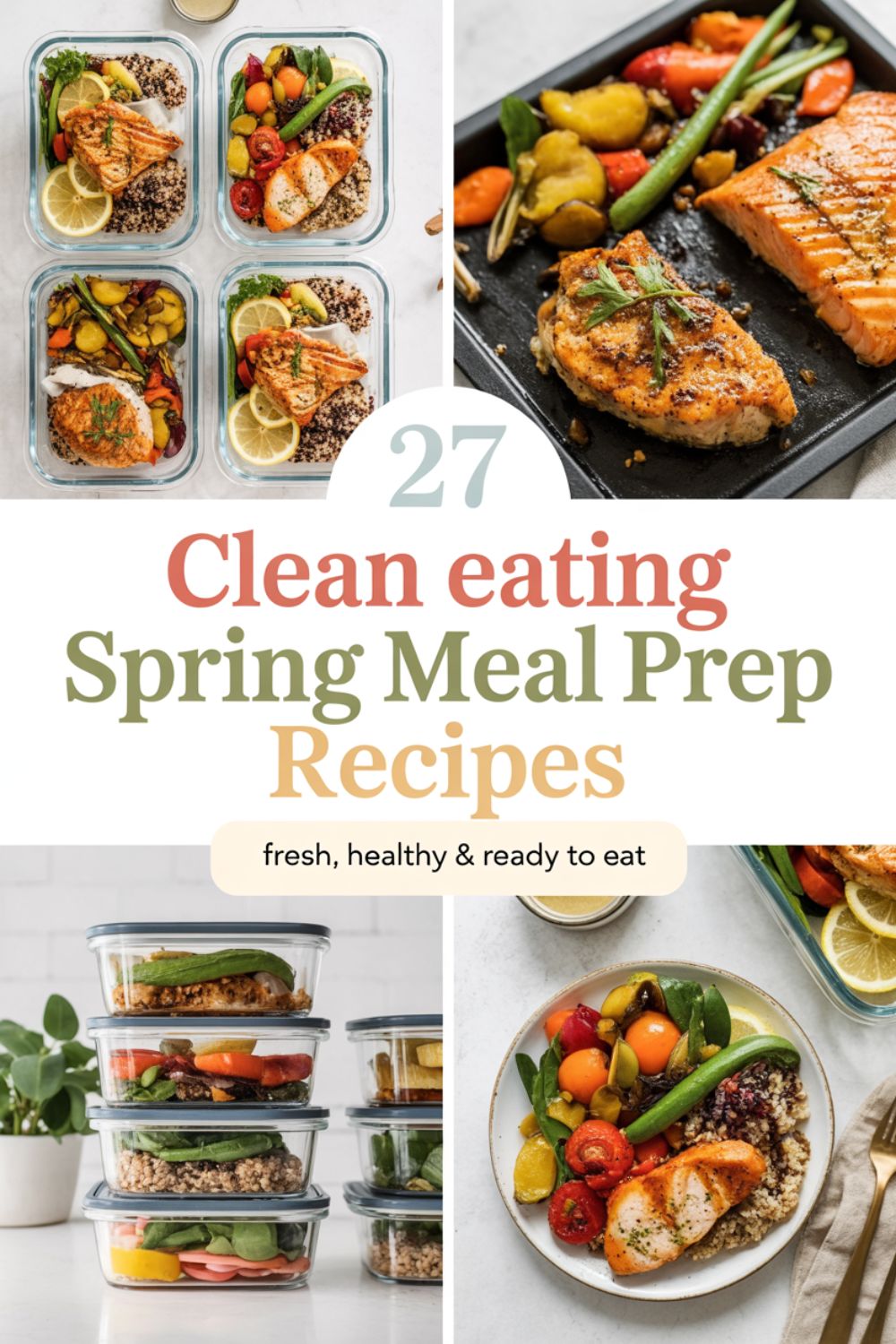
27 Clean Eating Spring Meal Prep Recipes
Spring hits different when your fridge is stocked with meals that actually make you feel good. Not the kind of “good” that comes with guilt-tripping yourself into eating plain chicken and steamed broccoli for the fifth day straight, but genuinely satisfying food that happens to be clean, fresh, and ridiculously convenient.
Here’s the thing about clean eating in spring—you’ve got nature doing half the work for you. Asparagus, strawberries, fresh herbs, snap peas—they’re all at their peak, bursting with flavor and packed with vitamins that improve heart health, assist with weight management, and boost energy levels. When ingredients taste this good on their own, you don’t need to smother them in questionable sauces or spend two hours in the kitchen pretending you’re on a cooking show.
I’m talking about meal prep that doesn’t feel like meal prep. The kind where you spend a couple hours on Sunday, and suddenly the entire week feels manageable. No more 8 PM panic orders from that place with the questionable health rating. No more eating cereal for dinner while standing at the counter questioning your life choices.
Why Spring Makes Meal Prep Actually Enjoyable
Winter meal prep is all about hearty stews and roasted root vegetables that stick to your ribs. Spring meal prep? It’s lighter, brighter, and honestly way less work. You’re not fighting with butternut squash that requires actual arm strength to cut, or scrubbing crusty casserole dishes until your hands prune.
Spring produce is crisp and quick-cooking. Snap peas take three minutes to blanch. Asparagus roasts in twelve. Strawberries need zero prep beyond a quick rinse. The Harvard T.H. Chan School of Public Health notes that focusing on whole, minimally processed foods—exactly what’s abundant in spring—creates balanced meals that support long-term health without restrictive rules.
Plus, when you’re working with ingredients that actually taste like something, you don’t need to compensate with butter, cheese, and hope. A little good quality olive oil, some flaky sea salt, maybe a squeeze of lemon, and you’re done. Spring ingredients do the heavy lifting.
The Framework: How These 27 Recipes Actually Work Together
Rather than giving you 27 completely unrelated recipes that require 84 different ingredients and leave you with half-used jars of obscure spices, these recipes are designed to layer. You’re batch-cooking proteins, grains, and vegetables that can mix and match throughout the week.
Think of it like building blocks. You roast a big tray of sheet pan vegetables—asparagus, cherry tomatoes, zucchini. You cook a pot of quinoa. You grill some chicken thighs. Suddenly you’ve got breakfast bowls, lunch salads, and dinner situations all sorted from the same core ingredients.
For anyone who’s tried those meal prep plans that are basically “eat this exact same bowl for seven days straight,” you know how soul-crushing that gets by Wednesday. These recipes prevent that by giving you variety without complexity. Same prep work, different combinations, zero boredom.
If you’re new to the whole meal prep thing, these beginner-friendly recipes are a solid starting point. They walk you through the basics without overwhelming you with techniques you’ve never heard of.
Breakfast Options That Don’t Require Morning Brain Function
Breakfast is where most meal prep plans fall apart. You wake up, you’re already running late, and suddenly that elaborate quinoa parfait you prepped seems like it belongs to a different, more motivated version of yourself.
Spring breakfast prep needs to be grab-and-go or it’s pointless. Overnight oats with fresh strawberries and chia seeds. Egg muffins loaded with spinach and cherry tomatoes. Greek yogurt parfaits with seasonal berries that you can assemble in literal seconds. These are the MVPs.
The beauty of spring fruits is they require minimal intervention. You’re not dealing with rock-hard winter apples or mealy pears. Strawberries, blueberries, raspberries—they’re sweet, they’re soft, they go straight from container to bowl. No peeling, no chopping, no thinking required.
One of my go-to moves is making a massive batch of overnight oats on Sunday. Five mason jars, five different mornings covered. Add whatever fruit looks good at the store, maybe some almond butter if you’re feeling fancy, and you’ve got breakfast that actually fills you up until lunch.
For those trying to pack in more protein, the high-protein breakfast options work especially well in spring when you can bulk them up with fresh vegetables without adding heaviness.
Meal Prep Essentials Used in This Plan
Here’s what makes spring meal prep actually work, based on what I’ve learned after too many failed attempts and a few successes:
- Physical Products:
- Glass meal prep containers (5-pack with compartments) – Keeps everything fresh without that weird plastic smell, plus you can see what’s inside so nothing gets forgotten in the back of the fridge
- Stainless steel sheet pans (set of 2) – For roasting everything from asparagus to chicken thighs; they don’t warp like cheap ones and clean up without a fight
- Silicone baking mats – Zero sticking, zero scrubbing, and you can toss them in the dishwasher without guilt
- Digital Products:
- Spring Meal Prep Master Guide – Detailed breakdown of seasonal recipes with shopping lists and prep timelines
- Clean Eating Recipe Database – Searchable collection of 200+ recipes organized by season and dietary preference
- Meal Prep Template Pack – Printable planning sheets and grocery lists that actually make sense
Lunch Recipes That Actually Survive Until Noon
The worst thing about meal-prepped lunches is when they get sad and soggy by the time you’re ready to eat them. Wilted lettuce, watery tomatoes, that depressing separation that happens when dressing meets greens too early—we’ve all been there.
Spring lunch prep is all about keeping components separate until the last possible second. Mason jar salads work because you layer ingredients strategically: dressing on the bottom, hearty vegetables in the middle, greens on top. When you’re ready to eat, flip it over and everything stays crisp.
Grain bowls are another winner. Quinoa, farro, or brown rice as a base, roasted spring vegetables, some protein, and a zippy lemon vinaigrette kept separate. You can eat it cold or nuke it for 90 seconds if you want something warm. Either way, it’s satisfying without being heavy.
The five-day healthy lunch rotation gives you solid variety without overwhelming your Sunday prep session. Different proteins, different vegetables, same efficient process.
Wraps and spring rolls are clutch for warmer days when the last thing you want is hot food. Rice paper wraps with shrimp, cucumber, mint, and snap peas. Whole wheat wraps with grilled chicken, avocado, and whatever greens you have. They hold up shockingly well in the fridge if you wrap them tight in plastic wrap.
The trick with lunch prep is accepting that you don’t need seven completely different meals. Three solid options that you rotate through? That’s variety enough. Your coworkers won’t judge you for eating the same thing twice in a week. And if they do, they’re probably eating sad desk salads from the cafeteria, so their opinion doesn’t count.
Dinner Solutions for When You’re Too Tired to Think
Dinner is where the wheels really fall off without meal prep. You’re exhausted, you’re hungry, and suddenly ordering pizza seems like the only logical choice. But with a little Sunday prep work, you can have real dinner on the table in the time it takes to decide which pizza toppings everyone wants.
Sheet pan dinners are your best friend. Throw chicken breasts, asparagus, baby potatoes, and cherry tomatoes on a pan. Drizzle with olive oil, season aggressively, roast for 25 minutes. That’s it. That’s dinner for three days if you batch it right.
One-pan meals eliminate the “what should I make” paralysis because there’s literally one pan involved. Chicken and vegetables. Salmon and roasted radishes. Turkey meatballs with zucchini noodles. Simple, clean, and you’re not stuck washing seventeen dishes afterward.
The sheet pan meal prep guide breaks down exactly how to maximize your oven space and minimize your cleanup time. It’s basically a masterclass in efficiency.
Slow cooker and Instant Pot recipes work too, but honestly, spring is too nice for heavy stews. Save those for when the weather turns cold again. Right now, you want fresh, light, and quick. Things that don’t make you feel like you need a nap after eating.
Grilled proteins are a smart move if you have the energy. Fire up the grill pan or actual grill, cook a week’s worth of chicken, fish, or tofu, and you’ve got the foundation for everything from salads to grain bowls to quick stir-fries.
Speaking of which, if you’re watching carbs but still want something satisfying, the low-carb dinner options prove you don’t need pasta or rice to feel full. Cauliflower rice with the right seasonings can actually be good. I know, I was skeptical too.
The Actual 27 Recipes (Without the Fluff)
Breakfast Bunch (1-7)
- Strawberry Basil Overnight Oats: Fresh strawberries, basil, rolled oats, almond milk, chia seeds. Assemble in jars, refrigerate overnight. Get Full Recipe
- Asparagus & Feta Egg Muffins: Chopped asparagus, eggs, feta, cherry tomatoes. Bake in muffin tins for grab-and-go mornings. Get Full Recipe
- Greek Yogurt Parfaits with Spring Berries: Layer Greek yogurt, granola, strawberries, blueberries. Keep components separate until ready to eat. Get Full Recipe
- Spinach & Mushroom Breakfast Burritos: Scrambled eggs, sautéed spinach, mushrooms, whole wheat tortillas. Wrap individually in foil. Get Full Recipe
- Lemon Blueberry Chia Pudding: Chia seeds, coconut milk, lemon zest, fresh blueberries. Set overnight in mason jars. Get Full Recipe
- Spring Vegetable Frittata Squares: Eggs, asparagus, peas, goat cheese. Bake in a pan, cut into squares for easy portioning. Get Full Recipe
- Banana Walnut Breakfast Cookies: Mashed bananas, oats, walnuts, cinnamon. No refined sugar, holds up for days. Get Full Recipe
For more morning meal prep inspiration that won’t bore you to tears, check out the complete breakfast guide that covers everything from sweet to savory options.
Lunch Winners (8-14)
- Mason Jar Greek Salad: Cucumbers, tomatoes, olives, feta, chickpeas, lemon vinaigrette. Layer strategically for crisp greens. Get Full Recipe
- Quinoa Spring Vegetable Bowl: Quinoa, roasted asparagus, snap peas, radishes, lemon tahini dressing. Get Full Recipe
- Shrimp Spring Rolls with Peanut Sauce: Rice paper, shrimp, cucumber, carrots, mint, cilantro. Sauce stored separately. Get Full Recipe
- Chicken Pesto Pasta Salad: Whole grain pasta, grilled chicken, cherry tomatoes, pesto, arugula. Get Full Recipe
- Tuna Avocado Lettuce Wraps: Canned tuna, avocado, celery, lemon juice, butter lettuce cups. Get Full Recipe
- Mediterranean Farro Bowl: Farro, roasted vegetables, chickpeas, feta, red wine vinaigrette. Get Full Recipe
- Turkey & Spinach Pinwheel Wraps: Whole wheat tortillas, turkey, spinach, hummus, shredded carrots. Get Full Recipe
If you need lunch options that work specifically for the office or on-the-go situations, the work lunch collection is designed for exactly that scenario.
Dinner Champions (15-21)
- Sheet Pan Lemon Herb Chicken with Asparagus: Chicken thighs, asparagus, baby potatoes, lemon, herbs. One pan, 25 minutes. Get Full Recipe
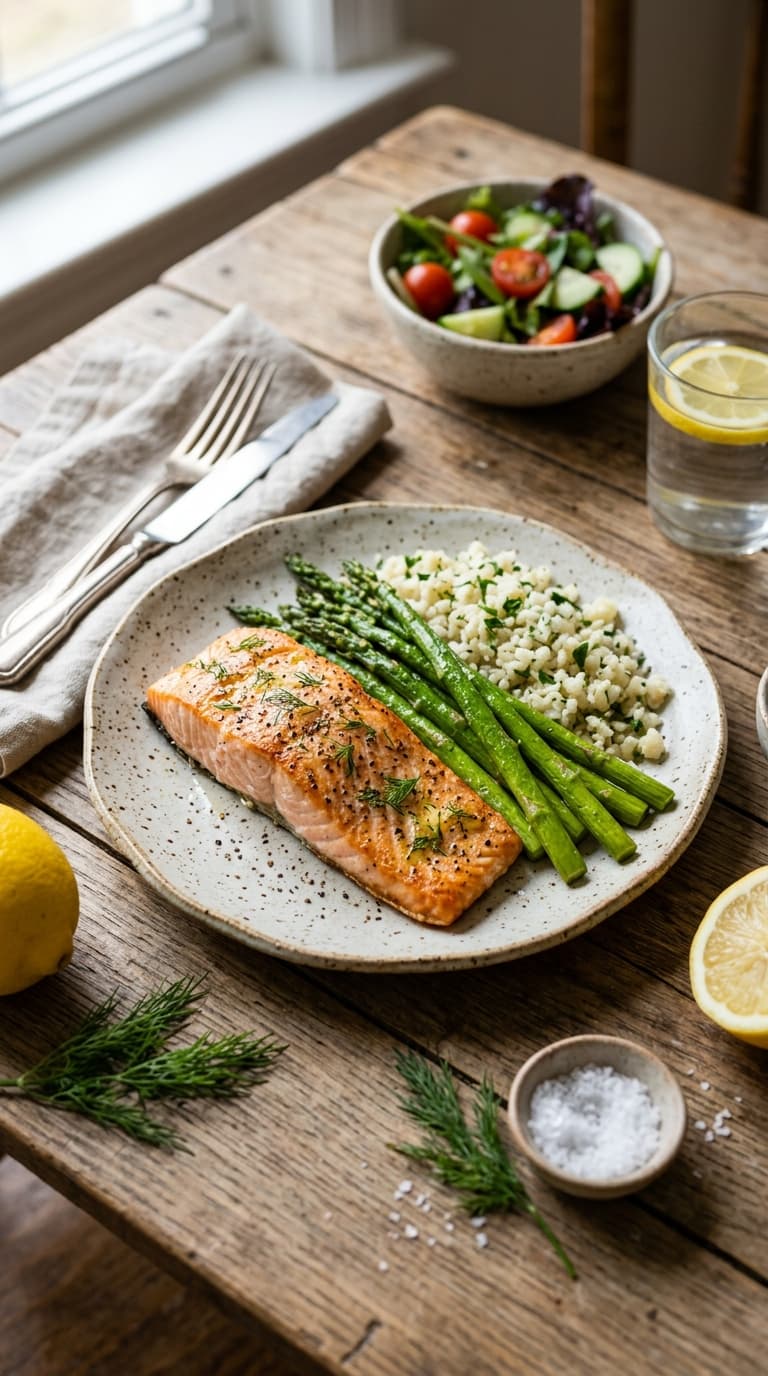
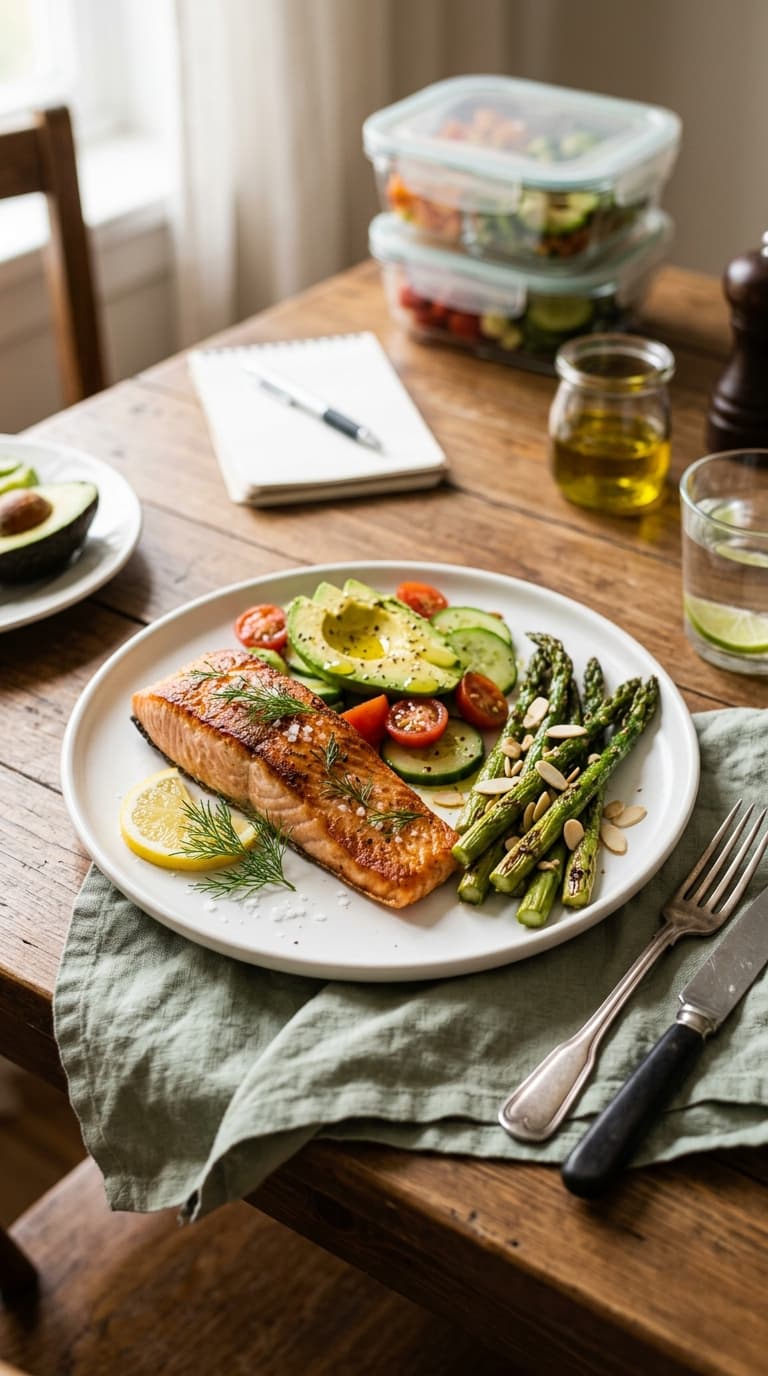
- Baked Salmon with Roasted Radishes: Salmon fillets, radishes, dill, garlic. Simple and quick. Get Full Recipe
- Turkey Meatballs with Zucchini Noodles: Ground turkey, Italian herbs, spiralized zucchini, marinara. Get Full Recipe
- Grilled Chicken with Strawberry Spinach Salad: Grilled chicken breast, spinach, strawberries, almonds, balsamic. Get Full Recipe
- Shrimp & Snap Pea Stir-Fry: Shrimp, snap peas, ginger, garlic, coconut aminos. Serve over cauliflower rice. Get Full Recipe
- Stuffed Bell Peppers with Ground Turkey: Bell peppers, ground turkey, quinoa, tomatoes, spices. Get Full Recipe
- Herb-Crusted Cod with Green Beans: Cod fillets, panko, fresh herbs, green beans, lemon. Get Full Recipe
When you’re trying to keep dinner interesting without spending your entire evening cooking, these family-friendly dinner options strike the right balance between nutrition and actual flavor.
Snacks & Extras (22-27)
- Cucumber Hummus Bites: Cucumber rounds, hummus, cherry tomatoes, everything bagel seasoning. Get Full Recipe
- Hard-Boiled Eggs with Everything Seasoning: Perfect protein snack, prep a dozen at once in your egg cooker. Get Full Recipe
- Apple Almond Butter Sandwiches: Apple slices, almond butter, granola, cinnamon. Kid-friendly, adult-approved. Get Full Recipe
- Roasted Chickpeas Three Ways: Savory, sweet, spicy variations. Crunchy, protein-packed, addictive. Get Full Recipe
- Energy Balls with Dates & Nuts: Dates, almonds, coconut, cocoa powder. No-bake, naturally sweet. Get Full Recipe
- Veggie Sticks with Greek Yogurt Ranch: Carrots, celery, bell peppers, homemade ranch dip. Get Full Recipe
- Frozen Yogurt Bark with Berries: Greek yogurt, honey, mixed berries. Freeze in a pan, break into pieces. Get Full Recipe
Looking for even more snack ideas that won’t derail your progress? The extended recipe collection includes plenty of options that work for both snacks and sides.
Tools & Resources That Make Cooking Easier
After years of meal prepping with varying levels of success, these are the things that actually make a difference:
- Physical Products:
- Vegetable spiralizer – Turns zucchini into noodles faster than you can say “why didn’t I buy this sooner”
- Salad spinner – Because wet lettuce is sad lettuce, and nobody wants that in their meal prep
- Kitchen scale – For when you actually want to know portions instead of just guessing like a caffeinated squirrel
- Digital Products:
- Seasonal Meal Prep Calendar – Month-by-month guide to what’s fresh and how to use it
- Clean Eating Shopping List Generator – Automatically creates lists based on your chosen recipes
- Macro-Friendly Recipe Converter – Adjusts recipes to hit your specific protein/carb/fat targets
Making It Work Without Losing Your Mind
The biggest mistake people make with meal prep is trying to do too much at once. You see someone’s Instagram showing 28 perfectly portioned containers representing every meal for an entire month, and you think that’s the standard. It’s not. That person either has zero life commitments or is lying.
Start small. Prep breakfast and lunch for three days. Just three days. If that goes well, add dinner. If you’re feeling ambitious, prep snacks too. But don’t try to meal prep every single thing you’ll eat for the next two weeks on your first attempt. That’s how you end up eating takeout while staring at a fridge full of good intentions.
The 21-day clean eating guide walks you through a gradual approach that actually works for real humans with jobs and responsibilities.
Another thing: you don’t need to make everything from scratch. Yes, homemade everything is great in theory. In practice, buying pre-washed greens, pre-chopped vegetables, or rotisserie chicken from the store isn’t cheating. It’s called being practical. Your time has value.
Store-bought shortcuts I regularly use without shame: pre-cooked quinoa pouches, bagged salad greens, frozen cauliflower rice, canned beans, jarred marinara sauce. Mix these with fresh spring produce and nobody can tell the difference. More importantly, you actually stick with it because it’s not consuming your entire Sunday.
What Makes Spring Meal Prep Different From Other Seasons
Winter meal prep is about comfort and warmth. Fall is all about squash and apples. Summer is peak grilling season. Spring sits in this sweet spot where ingredients are fresh and light, but you’re not dealing with the intense heat that makes you want to avoid turning on the oven.
Spring produce is also incredibly versatile. Asparagus works in everything from breakfast frittatas to dinner stir-fries. Strawberries go in breakfast parfaits, lunch salads, and even savory dishes if you’re feeling adventurous. Herbs like basil, mint, and dill are at their peak, adding brightness without adding calories.
The other advantage? Spring vegetables cook fast. No more spending 45 minutes roasting butternut squash until it’s actually tender. Asparagus roasts in 12 minutes. Snap peas blanch in 3. Radishes—criminally underrated, by the way—roast in about 20 minutes and taste nothing like the bitter raw version.
For vegetarian options that make the most of spring produce, the vegetarian meal prep plan has some genuinely tasty ideas that don’t feel like rabbit food.
The Budget Reality Check
Let’s be honest about cost. Yes, fresh produce can get expensive, especially if you’re shopping at places that charge you $7 for organic asparagus. But spring is actually one of the cheaper times to eat clean because so much is in season.
Hit up farmers’ markets toward closing time. Vendors want to go home, and they’d rather sell you their remaining produce at a discount than pack it back up. Buy what’s abundant and cheap, not what some recipe tells you is “essential.”
Frozen vegetables are your friend too. Flash-frozen produce is picked at peak ripeness and often contains more nutrients than fresh produce that’s been sitting in a truck for a week. Frozen spinach, peas, and berries work perfectly in meal prep and cost a fraction of fresh versions.
The budget meal prep strategies break down exactly how to eat clean without spending your entire paycheck at Whole Foods.
Batch cooking is inherently budget-friendly. Buying a whole pack of chicken thighs is cheaper per pound than buying three individual breasts. Cooking a big pot of quinoa costs maybe two dollars and gives you grain for the entire week. It’s basic math, but it adds up.
Frequently Asked Questions
How long does meal-prepped food actually stay fresh?
Most cooked proteins and grains last 4-5 days in the fridge when stored properly in airtight containers. Raw vegetables stay crisp for 5-7 days if you keep them dry and separate from dressings or sauces. If you’re meal prepping for the full week, consider freezing portions you won’t eat within four days, or prep in two batches—one on Sunday, one on Wednesday.
Can I meal prep if I don’t have hours to spend in the kitchen?
Absolutely. The whole point is efficiency. You can prep breakfast and lunch for three days in about 90 minutes if you’re strategic. Choose recipes that share ingredients and cook multiple things simultaneously—roast vegetables while you cook quinoa and grill chicken. It’s not about spending all day cooking; it’s about working smarter.
What’s the difference between clean eating and just eating healthy?
Clean eating focuses on whole, minimally processed foods—things that come from the ground or had a parent, as opposed to things made in a factory. It’s less about counting calories and more about ingredient quality. That said, don’t get obsessive about it. An occasional piece of bread or store-bought hummus won’t ruin your progress.
Do I need expensive containers for meal prep to work?
No. You can start with whatever containers you already have—even repurposed takeout containers work fine. That said, investing in a few good glass containers makes a difference because they don’t absorb odors, they’re microwave-safe, and you can see what’s inside without opening seventeen containers to find your lunch.
What if I get bored eating the same things?
That’s why these recipes are designed to layer rather than repeat. You’re using the same base ingredients in different combinations. Monday’s grain bowl becomes Wednesday’s stuffed pepper filling. Tuesday’s roasted chicken becomes Thursday’s salad protein. Same prep work, different meals. You’re not eating identical food all week; you’re strategically repurposing components.
The Bottom Line on Spring Meal Prep
Clean eating doesn’t have to be complicated, expensive, or time-consuming. Spring gives you an advantage because the best ingredients are abundant, affordable, and actually taste good without needing much intervention. You’re not fighting against nature; you’re working with it.
These 27 recipes aren’t about perfection. They’re about making your life easier while eating food that makes you feel good. Some weeks you’ll nail the meal prep and feel like a domestic champion. Other weeks you’ll manage breakfast burritos and call it a win. Both scenarios are valid.
The goal isn’t to become someone who meal preps every single thing for the rest of your life. It’s to have a system that works when you need it, that doesn’t stress you out, and that helps you make better food choices without thinking about it constantly.
Start with a few recipes that sound good. Prep what you can on Sunday. Adjust as you go. And remember that even meal prepping one or two meals a week is still better than meal prepping zero meals a week. Progress over perfection, always.