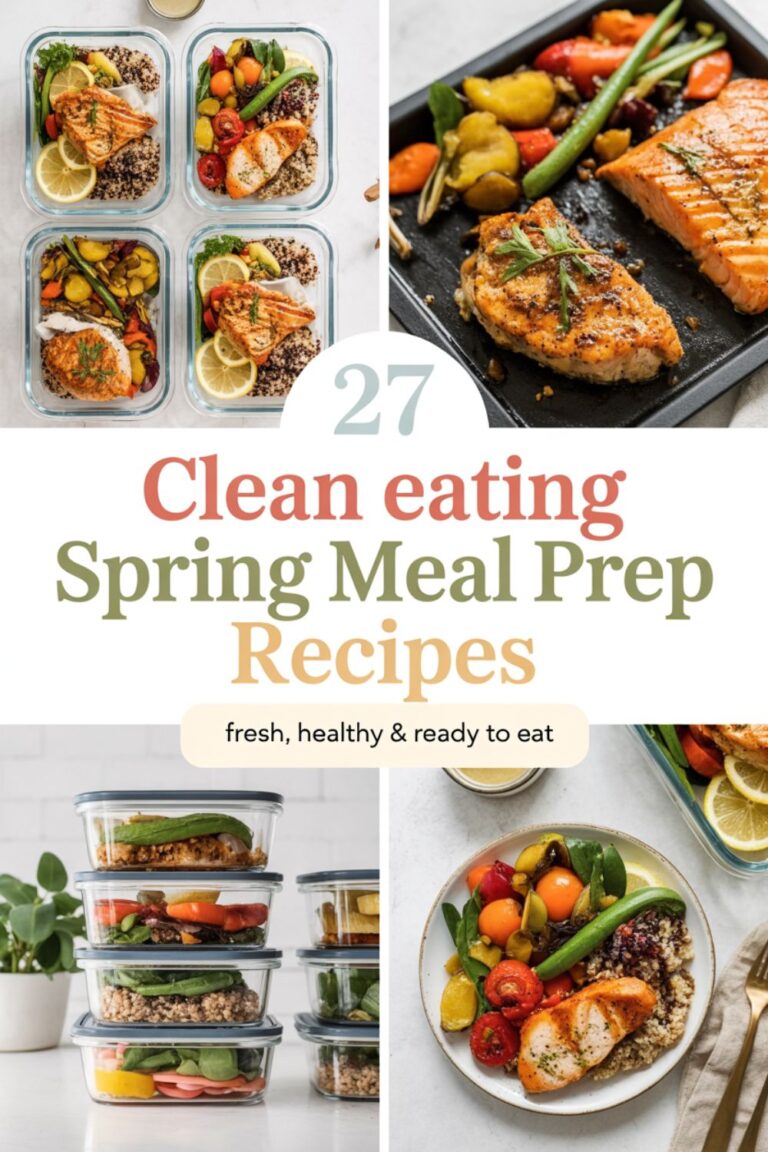
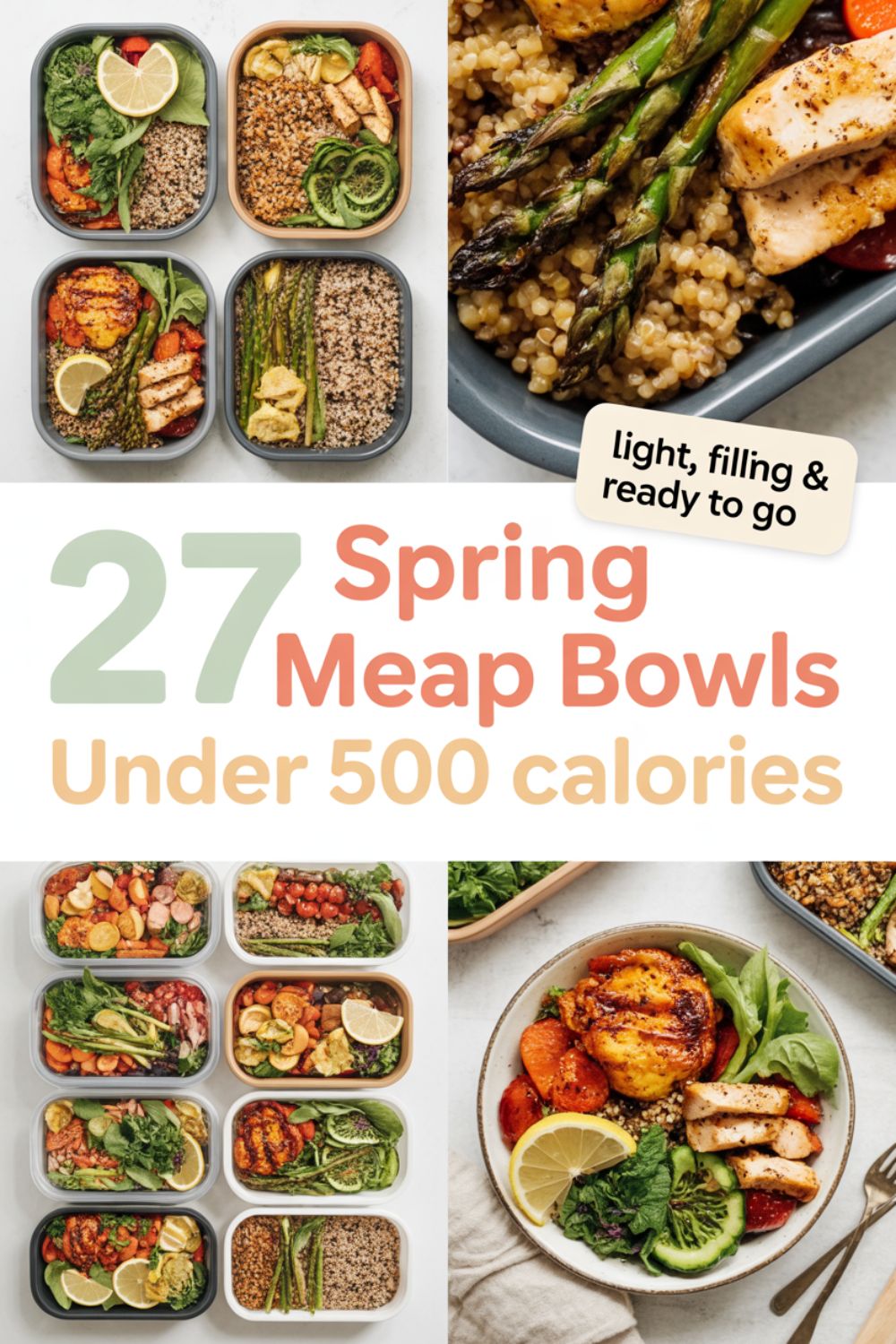
27 Spring Meal Prep Bowls Under 500 Calories
Listen, I get it. You want to drop a few pounds before summer hits, but you’re also not trying to live on celery sticks and sadness. Here’s the thing about spring meal prep bowls—they’re basically nature’s perfect excuse to eat colorful food that actually tastes good while keeping your calories in check.
Spring vegetables hit differently. They’re crisp, they’re fresh, and honestly, they make those sad winter root vegetables look like they’ve been sitting in your produce drawer since Thanksgiving. When asparagus and snap peas are at their peak, you don’t need to drown everything in ranch dressing to make it edible.
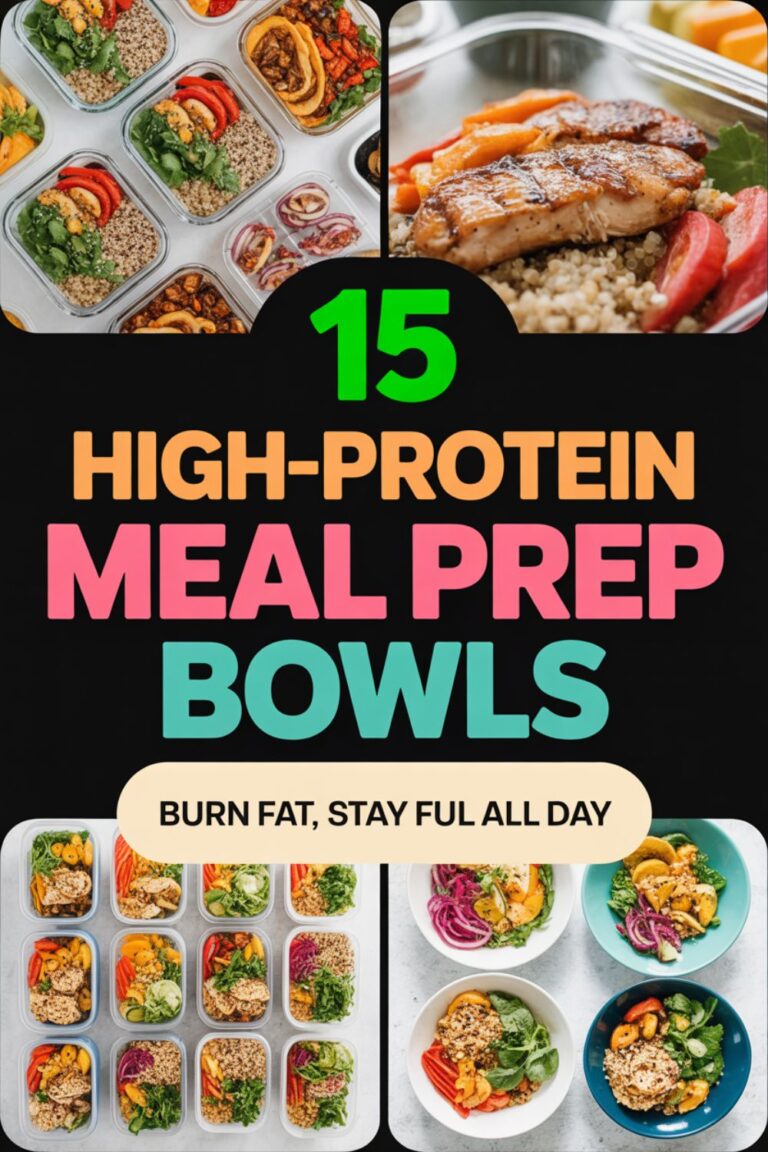
I’ve been meal prepping for years, and spring is hands-down the easiest season to stay under 500 calories per bowl without feeling like you’re on some medieval torture diet. These 27 bowls are what I actually make when I’m trying to keep my eating in check but still want to enjoy my lunch breaks.
Why Spring Vegetables Make Everything Easier
Spring produce doesn’t play games. Asparagus alone gives you vitamins A, C, E, K, and fiber without packing on calories. We’re talking about vegetables that are naturally low in calories but high in nutrients—which means you can pile your bowl high and still stay way under your calorie budget.
The secret most people miss? Spring vegetables have this built-in flavor advantage. They’re so fresh and crisp that you don’t need to mask them with heavy sauces or cheese to make them palatable. A little lemon juice, some herbs, maybe a drizzle of olive oil—that’s it. You’re not fighting against bland, mushy vegetables that have been sitting in cold storage for six months.
According to research on seasonal eating, vegetables consumed shortly after harvest retain peak nutrients and flavor. That means your body gets more bang for its buck, and your taste buds actually want to cooperate with your meal prep plan.
Pro Tip
Prep your vegetables Sunday night and thank yourself all week. Wash, chop, and store everything in airtight containers. Your weekday-morning self will worship you for this.
The Formula That Actually Works
Every solid meal prep bowl follows the same basic blueprint. You need a grain or base (about half a cup), a protein source (3-4 ounces), tons of vegetables (go wild here), and a light dressing. This isn’t rocket science, but it works.
Here’s what I’ve learned after making approximately a thousand bowls: the vegetables should take up half your bowl. Not a sad little pile in the corner—half the entire bowl. That’s how you stay full on 500 calories or less.
Building Your Base Layer
Your grain or carb base matters more than you think. Brown rice, quinoa, and farro give you that slow-burning energy without the crash. I rotate between them because, honestly, eating the same grain every single day gets old fast.
Cauliflower rice is clutch when you want to save even more calories. Half a cup of regular brown rice runs you about 110 calories, but cauliflower rice? Maybe 15 calories for the same volume. Do the math on that difference over a week.
Protein Without the Calorie Bomb
Chicken breast is the obvious choice, but if you’re not sick of it yet, you will be. Mix in some grilled shrimp, baked tofu, hard-boiled eggs, or even chickpeas. Your protein should clock in around 100-200 calories, leaving plenty of room for the good stuff.
I use this air fryer for basically everything—chicken comes out juicy, tofu gets crispy, and cleanup takes about thirty seconds. Game changer for meal prep Sundays.
Looking for more protein-focused recipes? Try these high-protein dinner meal prep ideas that work perfectly for lunch bowls too.
27 Spring Bowl Combinations That Don’t Suck
Asparagus & Lemon Chicken Bowl
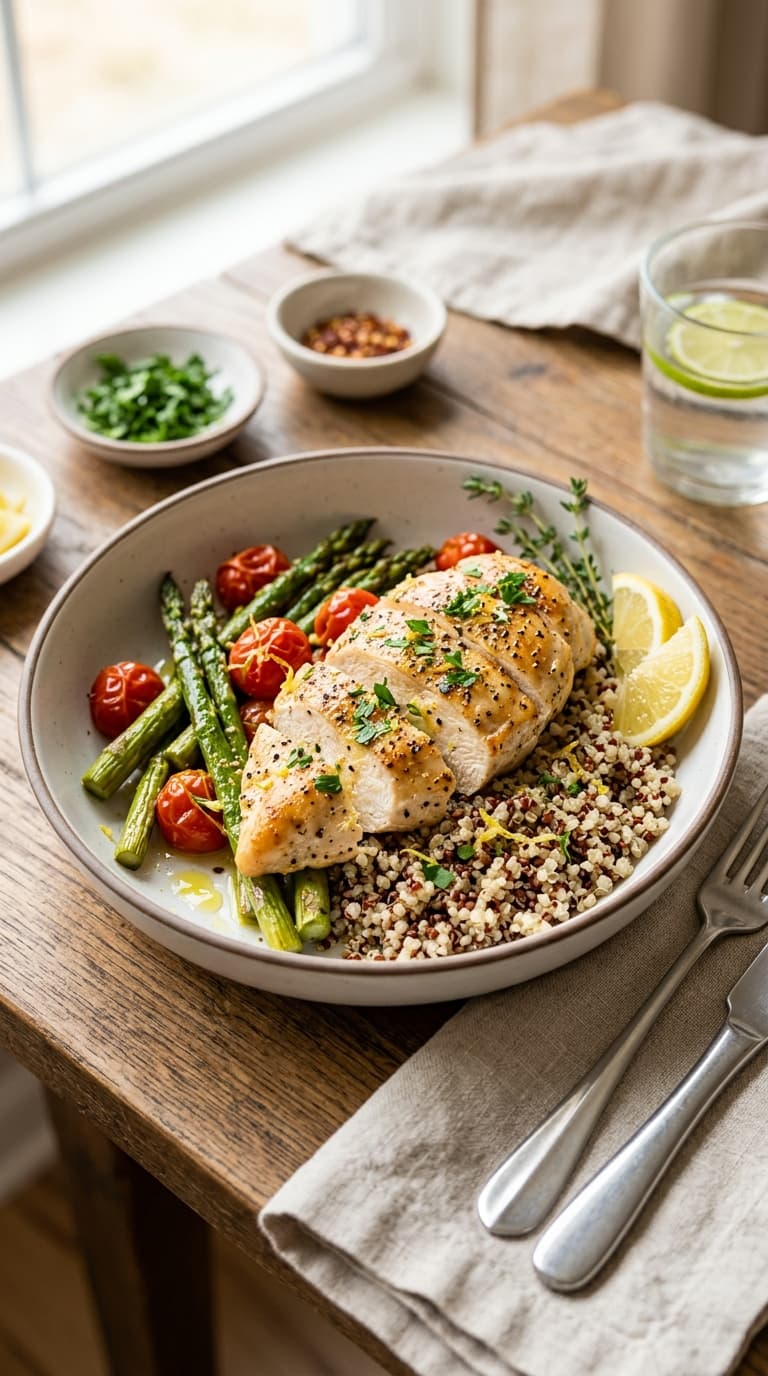
Grilled chicken breast with roasted asparagus, cherry tomatoes, quinoa, and a lemon-herb dressing. This one’s like spring on a plate—fresh, bright, and weirdly satisfying for under 400 calories. Get Full Recipe
Mediterranean Chickpea Power Bowl
Chickpeas, cucumber, red onion, feta cheese, olives, and spinach over bulgur wheat. The lemony tahini dressing makes this one addictive. Pro tip: go easy on the feta if you want to stay closer to 450 calories.
Spring Pea & Mint Quinoa Bowl
Fresh peas (not the sad frozen kind), mint, grilled chicken, arugula, and a light yogurt dressing. This sounds fancy but takes maybe 20 minutes to throw together. Sweet peas are packed with vitamin A, vitamin K, and folate that support your metabolism.
Teriyaki Salmon & Edamame Bowl
Baked teriyaki salmon, edamame, shredded cabbage, carrots, and brown rice. The key is using a light teriyaki sauce—the bottled stuff is basically sugar water. Make your own with soy sauce, ginger, and a tiny bit of honey.
I measure everything with these digital kitchen scales because eyeballing portions is how you accidentally eat 700 calories instead of 400. Trust me on this one.
Meal Prep Essentials Used in This Plan
Physical Products:
- Glass meal prep containers with dividers – The three-compartment ones keep your dressing from making everything soggy. Absolute must-have.
- Salad spinner – Wet lettuce ruins everything. This thing pays for itself in saved soggy-salad heartbreak.
- Sharp chef’s knife – A dull knife turns meal prep into a three-hour ordeal. Get a good one, keep it sharp, thank me later.
Digital Products & Resources:
- MyFitnessPal Premium – For actually tracking your macros without losing your mind
- Meal Prep Guide eBook – Complete with shopping lists and timing strategies
- Spring Recipe Collection PDF – 50+ seasonal recipes rotated by week
Join the Community: We have a WhatsApp group where people share their meal prep wins, swap recipes, and troubleshoot disasters. It’s actually helpful, not one of those spam groups.
Shrimp & Avocado Spring Roll Bowl
Deconstructed spring rolls, basically. Grilled shrimp, rice noodles, cucumber, carrots, mint, cilantro, and a peanut-lime dressing. This one’s around 380 calories and tastes like you ordered takeout. Get Full Recipe
Turkey Meatball & Zoodle Bowl
Spiralized zucchini (zoodles), homemade turkey meatballs, marinara sauce, and a sprinkle of parmesan. Carb-light but still filling. The zoodles save you a solid 150 calories compared to regular pasta.
Beet & Goat Cheese Farro Bowl
Roasted beets, crumbled goat cheese, arugula, walnuts, and farro with a balsamic reduction. This one’s on the fancier side calorie-wise—about 480—but worth every bite.
Thai Basil Chicken Bowl
Ground chicken, Thai basil, snap peas, bell peppers, and jasmine rice. The trick is using a non-stick wok so you can cook with minimal oil. Flavor’s still there, calories aren’t.
Quick Win
Batch-cook your proteins and grains on Sunday. Store them separately, then mix and match throughout the week. This keeps things interesting and prevents burnout from eating identical meals five days straight.
For more breakfast-focused options that use similar spring ingredients, check out these healthy breakfast meal prep ideas that don’t require daily cooking.
Tuna Niçoise Bowl
Seared tuna (or canned if you’re being practical), green beans, hard-boiled eggs, cherry tomatoes, olives, and baby potatoes. Classic French bistro vibes without the bistro prices or calories.
Korean Bibimbap-Inspired Bowl
Brown rice, spinach, carrots, mushrooms, bean sprouts, a fried egg, and gochujang sauce. This one requires a bit more assembly but hits different when you mix everything together with that spicy sauce.
Lentil & Roasted Veggie Bowl
Green lentils, roasted spring vegetables (asparagus, carrots, radishes), arugula, and a lemon-tahini dressing. Completely plant-based and still packs about 18 grams of protein. Sarah from our community tried this setup and lost 15 pounds in three months without feeling restricted.
Chicken Souvlaki Bowl
Marinated grilled chicken, cucumber-tomato salad, red onion, tzatziki, and quinoa. The yogurt-based tzatziki keeps things light while adding that creamy element you’re craving.
Spring Breakfast Bowl (Yes, Really)
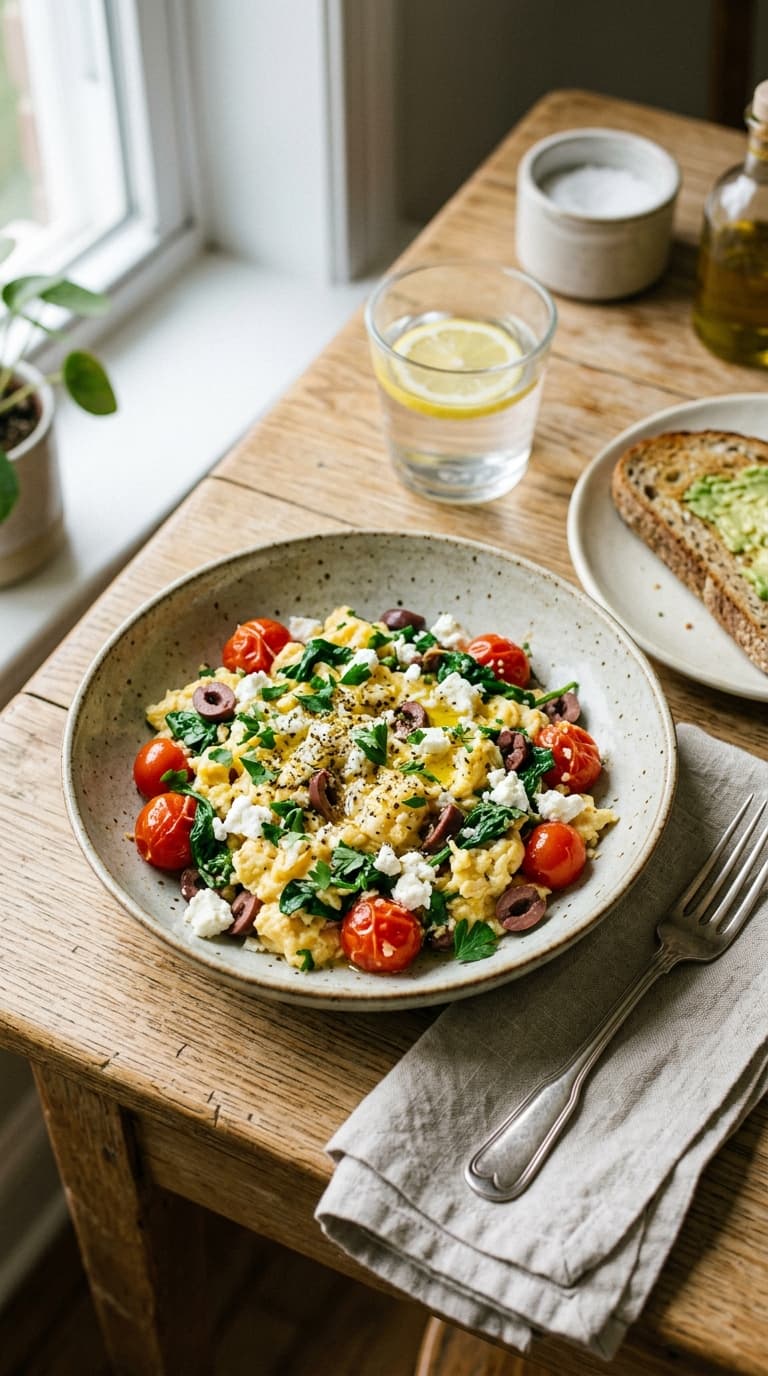
Poached eggs, sautéed asparagus, cherry tomatoes, avocado, and a small portion of breakfast potatoes. Who says meal prep bowls are only for lunch? This one’s about 420 calories and keeps you full until noon.
Speaking of breakfast, if you want to prep your morning meals too, these breakfast meal prep ideas will fix your chaotic mornings permanently.
Cajun Shrimp & Cauliflower Rice Bowl
Blackened shrimp, cauliflower rice, bell peppers, corn, and a lime-cilantro dressing. The Cajun seasoning does heavy lifting flavor-wise, so you barely need any added fats. Clocks in around 350 calories.
Pesto Chicken & White Bean Bowl
Grilled chicken, white beans, cherry tomatoes, arugula, and a light pesto. Make your pesto with mostly basil and just a tiny bit of olive oil and pine nuts to keep calories down. I use this mini food processor for small batches—way easier than cleaning a full-size one.
Moroccan Spiced Chickpea Bowl
Spiced chickpeas, couscous, roasted carrots, dried apricots, almonds, and a yogurt-cumin dressing. The sweet-savory combo makes this one feel like you’re eating something way more indulgent than you actually are.
Sesame Ginger Tofu Bowl
Crispy baked tofu, edamame, cucumber, shredded carrots, and brown rice with a sesame-ginger dressing. Press your tofu properly and bake it on silicone baking mats—zero sticking, zero cleanup drama.
Chimichurri Steak Bowl
Grilled flank steak (3 ounces keeps it reasonable), roasted sweet potato, asparagus, and chimichurri sauce. This is the bowl you make when you need to feel like you’re not even trying to eat healthy. Get Full Recipe
Greek Lemon Chicken Orzo Bowl
Lemon-herb chicken, orzo pasta, cucumbers, tomatoes, kalamata olives, and feta. Measure your orzo—it’s sneaky high in calories if you’re not paying attention. Half a cup cooked is plenty.
Tools & Resources That Make Cooking Easier
Kitchen Essentials:
- Instant-read meat thermometer – Stop guessing whether your chicken is done. This takes the anxiety out of meal prep.
- Mandoline slicer – Uniform veggie slices in seconds. Get one with a hand guard unless you enjoy bandaging your fingers.
- Stackable storage containers – Fridge space is real estate. These containers maximize every inch and keep things organized.
Time-Savers & Guides:
- Meal Timing Spreadsheet – Helps you coordinate cooking multiple components without losing your mind
- Macro Calculator Tool – Takes the guesswork out of hitting your nutrition targets
- Seasonal Shopping List Templates – Pre-organized by store section to speed up grocery runs
Spring Vegetable Curry Bowl
Chickpea and vegetable curry (light on the coconut milk), basmati rice, and cilantro. Make a big batch of curry on Sunday and it gets better throughout the week as the flavors develop.
Balsamic Chicken & Strawberry Bowl
Balsamic-glazed chicken, fresh strawberries (yes, strawberries), spinach, goat cheese, and quinoa. The strawberries are peak season in spring and add this unexpected sweetness that makes the whole bowl work.
Coconut Lime Shrimp Bowl
Grilled shrimp, jasmine rice, snap peas, carrots, and a coconut-lime sauce made with light coconut milk. This one walks the line at about 490 calories, but the flavors justify it.
Italian Sausage & Pepper Bowl
Turkey Italian sausage, bell peppers, onions, marinara, and a small portion of whole wheat pasta. The sausage gives you that satisfying savory hit without wrecking your calorie budget.
Spring Grain Bowl with Soft-Boiled Egg
Mixed grains (farro, quinoa, barley), roasted asparagus, radishes, peas, soft-boiled egg, and a lemon vinaigrette. The runny yolk acts as part of the dressing—chef’s kiss. Get Full Recipe
If you’re looking for complete meal planning strategies that incorporate these bowls, check out this 21-day weight loss meal prep plan that shows you how to rotate meals without getting bored.
Honey Mustard Salmon Bowl
Honey mustard-glazed salmon, roasted Brussels sprouts, sweet potato, and wild rice. Brussels sprouts are technically year-round, but the spring crop is sweeter and less bitter.
Mexican Street Corn Bowl (Esquites-Style)
Grilled corn, black beans, bell peppers, cilantro-lime rice, and a light crema. Skip the mayo-heavy traditional version and use Greek yogurt instead—same creamy texture, way fewer calories.
Green Goddess Chicken Bowl
Grilled chicken, avocado, cucumber, snap peas, butter lettuce, and green goddess dressing. Everything’s green, everything’s fresh, and you’ll feel virtuous eating it. The dressing is where people usually mess up—keep it to two tablespoons max.
Making These Bowls Work in Real Life
Here’s what nobody tells you about meal prep: the first week is always weird. Your brain expects variety, and eating prepped meals feels restrictive even when they’re delicious. Push through it. By week two, the convenience wins.
I rotate between three to four different bowls each week instead of making the same thing five times. Monday and Tuesday might be the asparagus lemon chicken bowl, Wednesday and Thursday get the Mediterranean chickpea bowl, and Friday is wild card day where I freestyle based on what’s left in the fridge.
Real Talk
Invest in quality containers. Cheap ones stain, crack, and leak. You’ll buy replacements three times and spend more money than if you’d just bought the good ones first. This is the voice of experience talking.
The Dressing Situation
Store your dressings separately. Always. I don’t care how “dressing-resistant” you think your vegetables are—they will get soggy. Use these tiny dressing containers that snap onto your main bowl. Pour it on right before eating.
Homemade dressings beat store-bought every time for calorie control. A basic vinaigrette is literally just oil, vinegar, and seasonings. You control exactly how much fat goes in.
Storage and Shelf Life
Most of these bowls last four days in the fridge, five if you’re pushing it. Anything with delicate greens or avocado should go toward the front of the week. Heartier bowls with cooked vegetables and grains can handle Friday.
Label everything with dates. Future you, opening the fridge on Thursday morning before coffee, will appreciate the clarity.
For those weeks when you want even more variety, these 30 healthy meal prep recipes give you a full month of rotation options.
Common Mistakes That Tank Your Progress
Mistake #1: Underestimating portions. That “handful” of nuts or “drizzle” of olive oil adds up faster than you think. Measure your high-calorie ingredients. Eyeballing is how you accidentally eat 600 calories instead of 400.
Mistake #2: Skipping the vegetables. The vegetables are not garnish. They’re the main event. If your bowl is more grain and protein than vegetables, you’re doing it wrong and you’ll be hungry an hour later.
Mistake #3: Using regular salad dressing. Two tablespoons of ranch can run you 140 calories. That’s nearly a third of your entire bowl’s calorie budget gone to dressing. Make your own or use the “light” versions sparingly.
Mistake #4: Not prepping enough variety. Eating the exact same bowl five days in a row is a fast track to ordering pizza by Wednesday. Mix it up, even if it’s just swapping the dressing or protein.
When You Mess Up (Because You Will)
You’re going to have weeks where you don’t prep. Or you prep and then life happens and you eat out anyway. It’s not the end of the world. One week of chaos doesn’t undo three weeks of solid meal prep.
The people who succeed at this long-term are the ones who treat meal prep like a helpful tool, not a religion. Miss a Sunday? Do a quick Tuesday prep session. Hate one of the bowls you made? Toss it and learn from it. Flexibility beats perfection every time.
If you’re struggling with consistency, these no-stress meal prep strategies help you build sustainable habits without the all-or-nothing pressure.
Frequently Asked Questions
Can I really stay full on 500 calories per meal?
Yes, if you’re strategic about it. The key is loading up on high-volume, low-calorie vegetables and including enough protein and fiber to slow digestion. Most people find these bowls more filling than higher-calorie meals that are heavy on refined carbs and low on vegetables. The fiber and protein combo keeps you satisfied for 4-5 hours.
How long do these meal prep bowls last in the fridge?
Most bowls stay fresh for 3-4 days when stored properly in airtight containers. Bowls with heartier vegetables (roasted root vegetables, cooked grains) can push to 5 days. Anything with delicate greens, avocado, or fresh herbs should be eaten within 2-3 days. Always store dressings separately to prevent sogginess.
Do I need to count every calorie to make these work?
For the first week or two, yes—measure your portions to learn what accurate serving sizes actually look like. After that, you can usually eyeball it pretty well. The exceptions are calorie-dense ingredients like nuts, cheese, oils, and dressings. Those still need measuring because small volume differences equal big calorie differences.
Can I freeze these bowls?
Some yes, some no. Bowls with cooked grains, proteins, and hearty vegetables freeze well for up to 3 months. Skip freezing anything with fresh lettuce, cucumber, tomatoes, or avocado—they turn to mush when thawed. Rice and grain-based bowls are your best bet for freezing.
What if I don’t like one of the ingredients in a bowl?
Swap it out. These are templates, not commandments. Don’t like chickpeas? Use chicken. Hate quinoa? Try brown rice or farro. The formula works as long as you maintain the basic proportions: base grain, protein, lots of vegetables, light dressing. Customize based on what you actually enjoy eating.
Final Thoughts
Spring meal prep bowls under 500 calories aren’t about deprivation. They’re about eating real food that happens to align with your goals without making you feel like you’re missing out. When vegetables are this good—and they genuinely are at peak season—you don’t need to rely on heavy sauces and cheese to make lunch interesting.
Start with two or three bowls that sound good to you. Prep them on Sunday. See how you feel by Wednesday. If you’re still excited about your lunch, you’re onto something. If you’re already dreading it, adjust. This is supposed to make your life easier, not turn eating into a joyless obligation.
The best meal prep plan is the one you’ll actually stick with. For some people, that’s five identical bowls. For others, it’s three different options rotated throughout the week. Figure out what works for your brain, your schedule, and your taste buds. Everything else is just details.