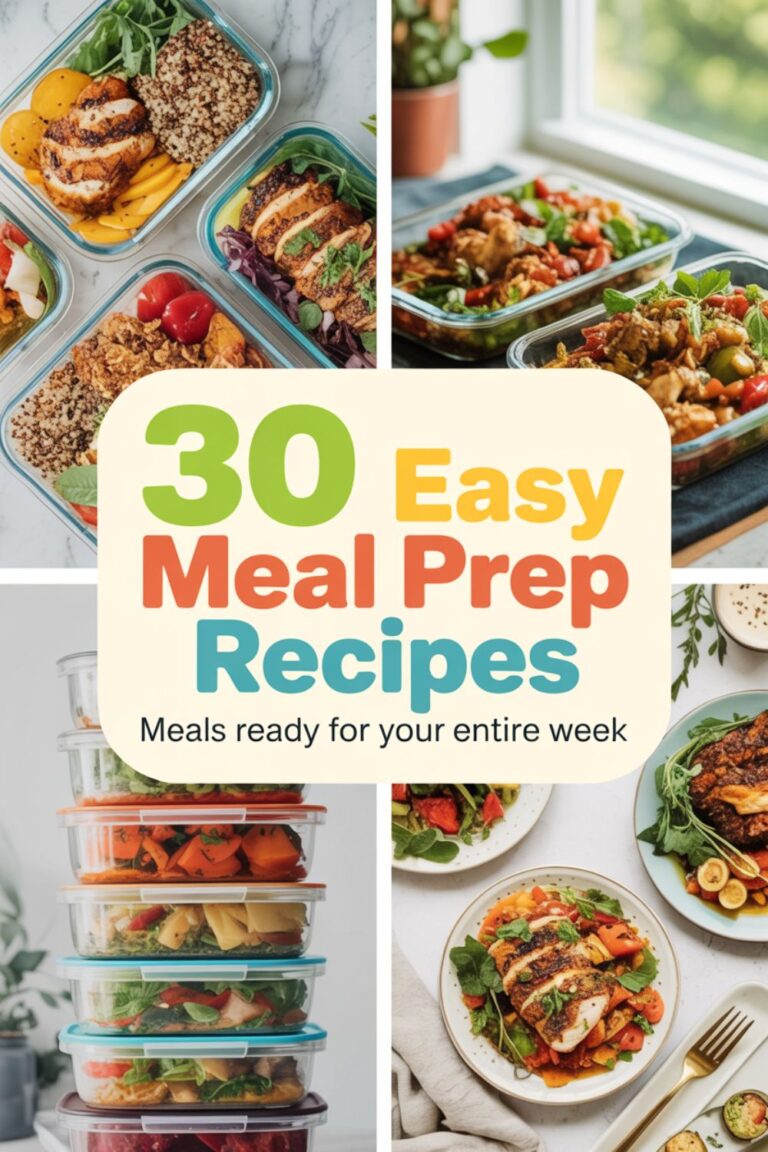
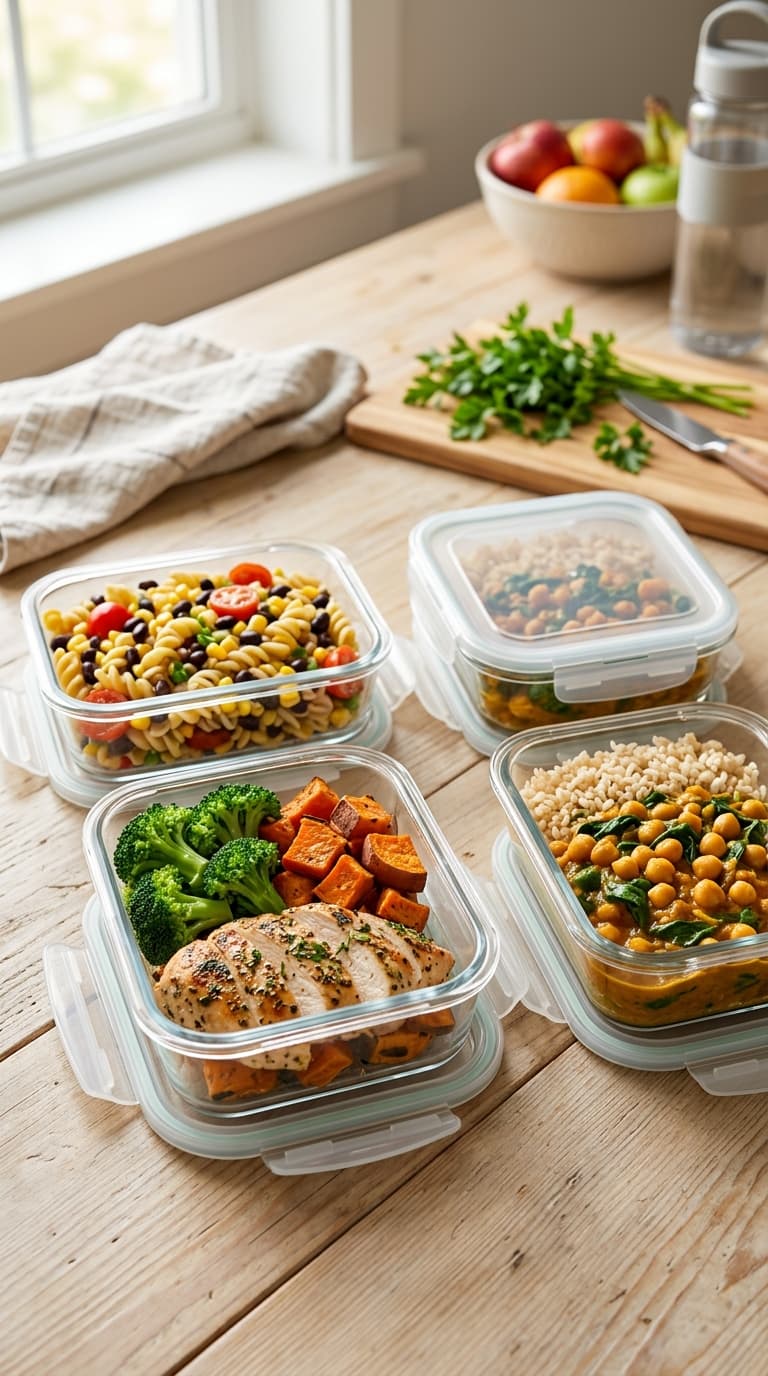
7-Day Cheap Meal Prep That Saves You Money
I’ve been meal prepping for years now, and honestly? The weeks I spend the least are often the weeks I eat the best. Sounds backward, right? But when you stop grabbing overpriced “convenient” options and start cooking intentionally, your wallet notices. And no, you don’t need fancy containers or a Pinterest-worthy kitchen setup. You just need a solid plan and the willingness to spend a couple hours on Sunday afternoon. Trust me, Future You will be ridiculously grateful.
This 7-day cheap meal prep guide is exactly what it sounds like—a week’s worth of meals that won’t demolish your budget or require a culinary degree. We’re talking breakfast, lunch, dinner, and even some snacks, all planned out so you can spend less than you’d blow on three days of takeout. Ready to stop hemorrhaging money on food? Let’s get into it.
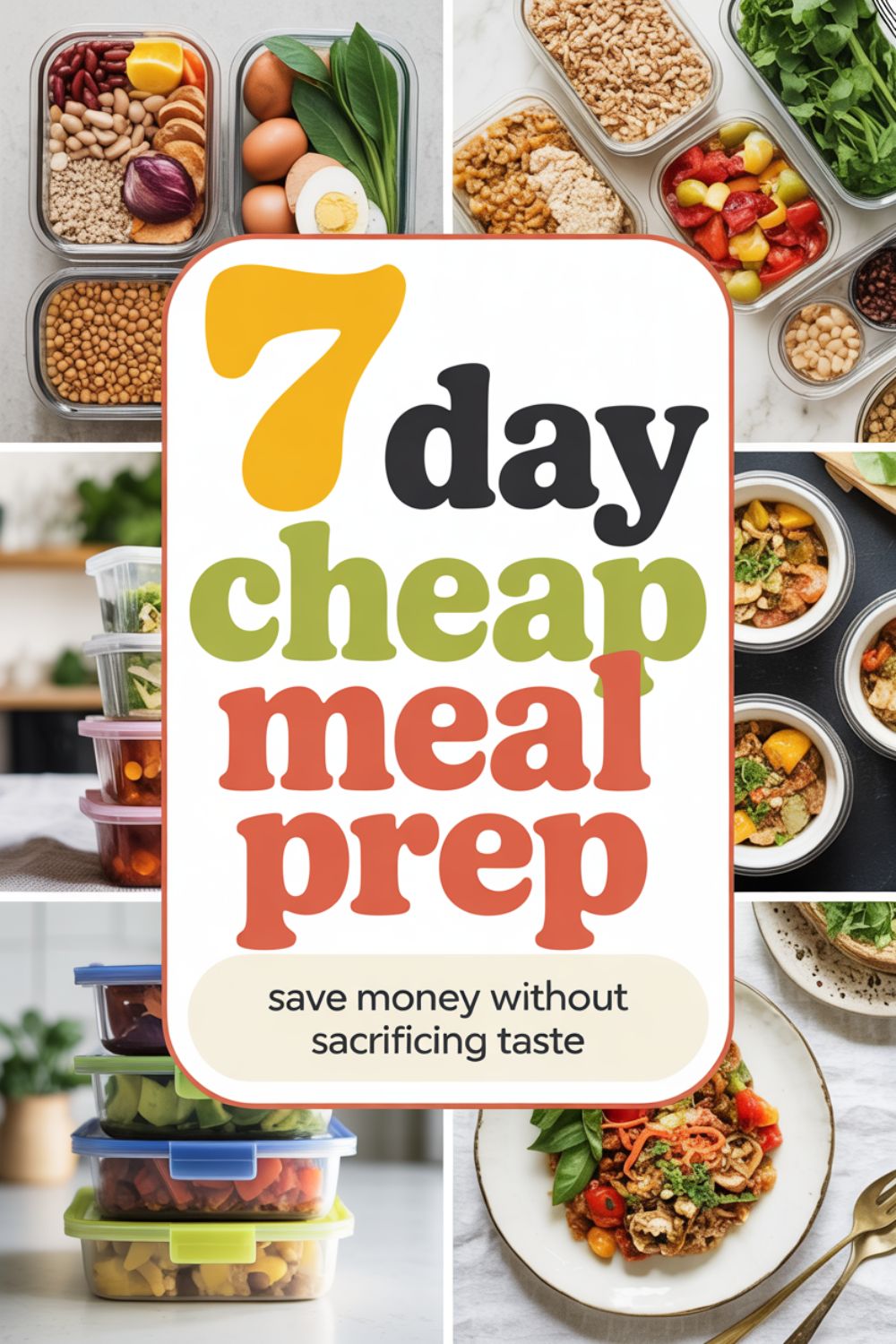
Why Cheap Meal Prep Actually Works (When Most “Budget Tips” Don’t)
Ever notice how most money-saving food advice is completely useless? “Just skip your daily latte!” Cool, thanks Karen, but my coffee addiction funds like three therapy sessions worth of sanity. The real money drain isn’t your morning caffeine—it’s the random “quick meals” that add up faster than you can say “but I was hungry.”
Meal prep works because it removes decisions from your exhausted, hungry brain. You know that moment at 6 PM when you’re starving and everything sounds terrible except the $15 burrito bowl? Yeah, that moment costs you roughly $300 a month if you’re not careful. When you’ve already got prepped dinners ready to go, that moment becomes “heat and eat” instead of “order and regret.”
The beauty of budget meal prep is that you’re buying ingredients, not convenience. A bag of dried beans costs about the same as one canned soup, but makes like eight meals. Bulk rice? Cheaper than literally everything except maybe tap water. When you plan your meals around affordable staples, you stop paying premium prices for someone else to do the work.
The Real Cost Breakdown: What You’ll Actually Spend
Let’s talk numbers, because “cheap” means different things to different people. For this 7-day meal prep plan, you’re looking at roughly $40-60 for the entire week. That’s all your meals, people. Breakfast, lunch, dinner, and snacks. Compare that to eating out even semi-regularly—two restaurant meals can easily hit $40 alone.
The biggest money-savers? Eggs, beans, rice, pasta, frozen vegetables, and whatever protein is on sale that week. I’m not precious about specific brands or trendy ingredients. If chicken thighs are $2 cheaper than breasts, we’re going dark meat. If ground turkey is on clearance, that’s our protein for the week. Flexibility is your friend when you’re trying to keep costs down.
According to research from the USDA on budget-friendly nutrition, planning meals around affordable staples can reduce grocery costs by up to 30% compared to buying convenience foods. That’s real money back in your pocket—money that could go toward literally anything else that isn’t overpriced grab-and-go salads.
Here’s what your shopping list might look like: a dozen eggs ($3), two pounds of dried beans ($3), a big bag of rice ($5), pasta ($2), frozen mixed vegetables ($6 for two bags), whatever protein is on sale ($10-15), some basic seasonings you probably already have, and maybe fresh produce if there’s a good deal. You’ll notice I didn’t include expensive superfoods or specialty items—because you don’t need them.
Breaking Down the Weekly Budget
- Proteins: $12-18 (chicken thighs, eggs, beans, canned tuna)
- Grains & Carbs: $8-12 (rice, pasta, oats, budget bread)
- Vegetables: $10-15 (frozen mixed veggies, potatoes, onions, carrots)
- Pantry Staples: $5-8 (cooking oil, seasonings, canned tomatoes)
- Extras: $5-7 (cheese, yogurt, peanut butter)
If you’re thinking this sounds too good to be true, I get it. But remember—you’re not buying individual portions or paying for packaging and marketing. You’re buying raw ingredients and doing the work yourself. That’s where the savings come from. It’s not magic, it’s just math.
Looking for even more ways to stretch your budget? Check out these 30 budget meal prep recipes that prove cheap eating doesn’t mean boring eating. Seriously, some of my favorite meals cost under $2 per serving.
Your 7-Day Cheap Meal Prep Plan (The Actual Schedule)
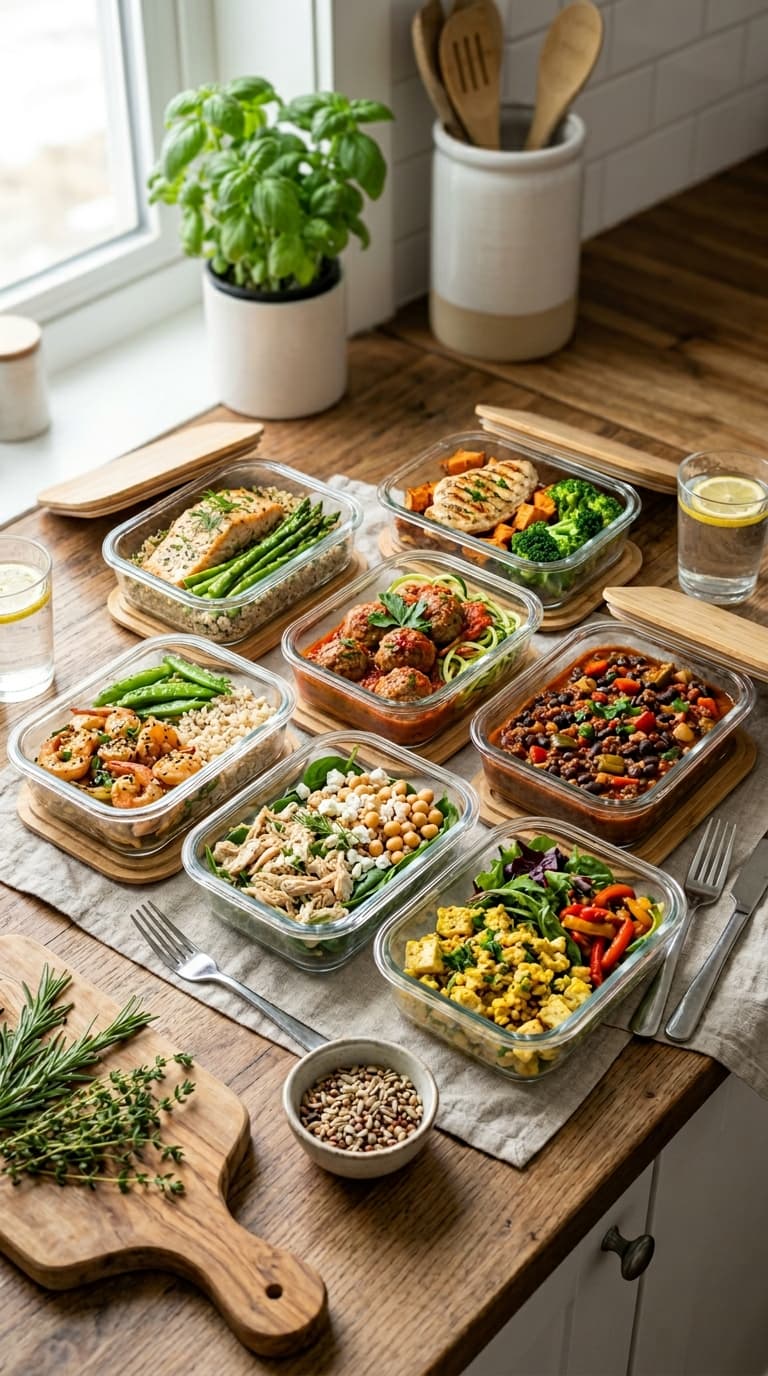
Alright, let’s get specific. This is what your week looks like when you’re serious about saving money but not interested in eating sad desk salads for seven days straight. I’ve structured this around ingredients that overlap, so you’re not buying fifteen different things that get used once. Smart shopping, people.
Day 1-2: Rice Bowl Foundation
Start your week with a massive batch of rice—like, a truly unreasonable amount of rice. I use my rice cooker for this because watching a pot is not how I want to spend my Sunday, but a regular pot works fine if you’re patient. Cook up about 6 cups of uncooked rice, which becomes roughly 12-14 cups cooked. This is your foundation for the first half of the week.
For protein, season and bake a couple pounds of chicken thighs. They’re cheaper than breasts and actually stay moist when you reheat them—unlike chicken breast which turns into edible cardboard if you look at it wrong. Toss them with whatever seasonings you’ve got (garlic powder, paprika, salt, pepper is my go-to), and bake at 400°F for about 25-30 minutes. Let them cool, then chop them up.
Vegetables? Frozen mixed veggies are your MVP here. Roast them if you want to feel fancy, or just steam them in the microwave if you’re keeping it real. Either way works. Portion everything into containers—rice base, protein on top, veggies on the side. Get full recipe for the exact ratios and seasoning blend I use.
Day 3-4: Pasta Power
Midweek, we’re switching to pasta because eating the same thing seven days straight is how you develop a deep-seated hatred for perfectly good food. Cook a full pound of pasta—whatever shape is cheapest, doesn’t matter. While that’s happening, make a simple tomato sauce with canned tomatoes, garlic, and Italian seasoning. If you’ve got ground beef or turkey on sale, brown that and add it in. If not, canned beans work just as well and cost way less.
The sauce is where you can get creative without spending extra. Got some wilted spinach in the fridge? Throw it in. Random bell pepper looking sad? Dice it up and add it. This is the beauty of budget meal prep—you’re using everything, wasting nothing, and somehow ending up with meals that actually taste good.
For those following specific eating patterns, you might want to check out this vegetarian meal prep plan that keeps costs low while packing in nutrients. The bean-based pasta dishes are ridiculously filling and cost basically nothing to make.
Day 5-7: Breakfast Prep That Doesn’t Suck
Let’s be honest—breakfast is where most budget plans fall apart. You start with good intentions and end up at the drive-through by Wednesday because you “didn’t have time” to eat the boring oatmeal you prepped. I’ve been there. I’ve LIVED there.
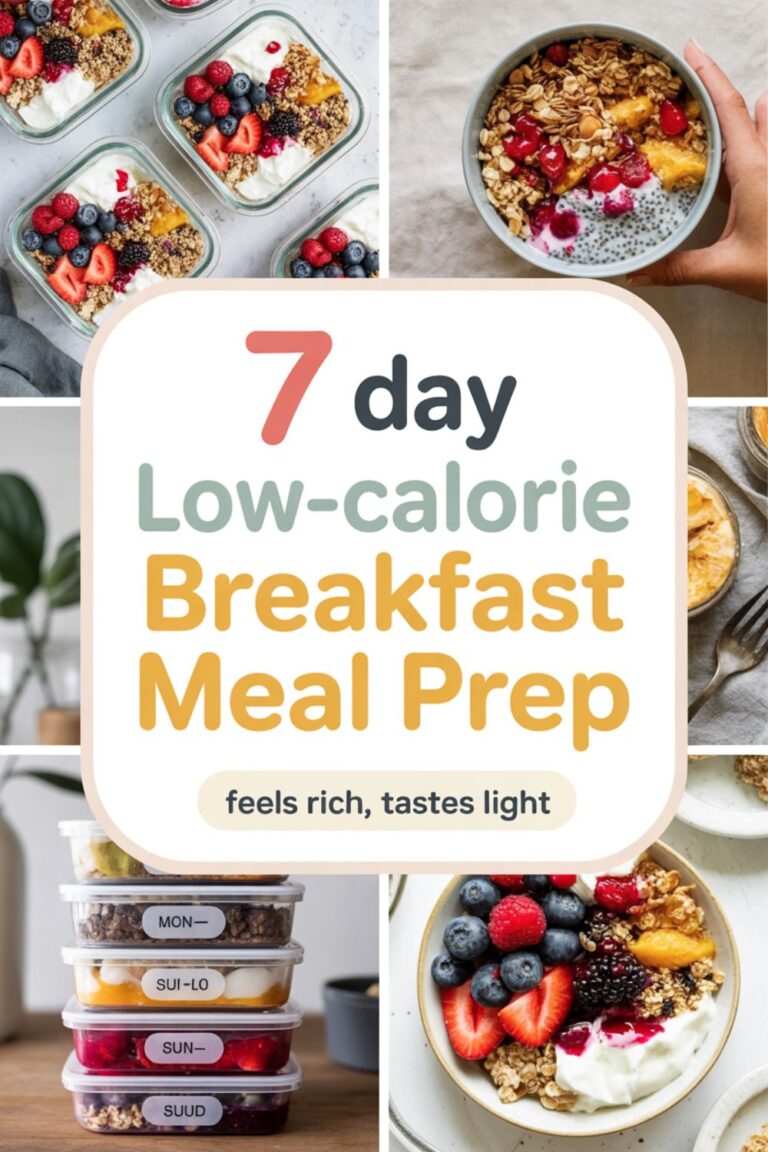
The solution? Make breakfast actually appealing. I do overnight oats in mason jars because they’re cheap, easy, and you can make them interesting. Oats, milk (dairy or non-dairy, whatever’s cheapest), a spoonful of peanut butter, and a drizzle of honey or maple syrup. Mix it up the night before, grab it in the morning. Get full recipe with all my favorite flavor combinations.
For a hot option, egg muffins are ridiculously cheap and actually filling. Beat a dozen eggs, pour them into a muffin tin, add whatever vegetables and cheese you have, and bake for about 20 minutes at 350°F. They keep all week and reheat perfectly. If you want more morning inspiration, these breakfast meal prep ideas have saved my mornings more times than I can count.
According to Harvard Medical School’s research on breakfast habits, eating a balanced breakfast can improve focus and energy levels throughout the day. But here’s the thing—it doesn’t have to be expensive or time-consuming to be effective. A $0.50 serving of overnight oats works just as well as a $12 acai bowl, your brain doesn’t know the difference.
Meal Prep Essentials Used in This Plan
Physical Products That Make Life Easier:
- Glass meal prep containers (set of 10) – Honestly these have lasted me three years and counting. Worth every penny.
- Large rice cooker – Game-changer if you’re doing this regularly. Set it and forget it.
- Sheet pans (set of 3) – For roasting everything at once. Less cleanup, more sanity.
Digital Resources Worth Checking Out:
- Budget Meal Prep Master Guide (eBook) – My go-to resource for scaling recipes and calculating real costs per serving.
- Meal Prep Printable Planner Pack – Makes planning actually organized instead of notes scattered across seventeen pieces of paper.
- Freezer Meal Prep Video Course – If you want to prep for the entire month, this breaks it down step by step.
Want accountability and recipe swaps? Join our WhatsApp meal prep community where we share wins, fails, and what’s actually on sale this week.
Smart Shopping Strategies That Actually Save Money
You can have the best meal prep plan in the world, but if you’re shopping like a confused person in a grocery store maze, you’re still going to overspend. Here’s what actually works when you’re trying to keep costs down without sacrificing nutrition or flavor.
Shop the sales, build the menu. I know conventional wisdom says to plan meals then shop, but when you’re on a budget, you do it backward. Check the weekly ads first, see what protein is discounted, then plan around that. Chicken thighs $1.99/lb? That’s your protein for the week. Ground beef on clearance? We’re doing that instead. This approach alone probably saves me $15-20 per week compared to shopping with a rigid list.
Buy store brands for everything except like three things that actually matter to you personally. For me, it’s coffee, pasta sauce, and cheese—everything else, I’m going generic without shame. Store brand rice tastes identical to name brand rice. Store brand frozen vegetables are literally the same vegetables. You’re paying for marketing and packaging with name brands, and that money could be going toward extra snacks or actual fun instead.
Stock up when prices drop. If pasta goes on sale for $0.88 a box, buy ten boxes. If canned beans are buy-two-get-one, get six. This requires a tiny bit of upfront money, but it averages out over time and you’ll thank yourself when you can skip buying those items at full price later. I keep a price tracking app on my phone to know what’s actually a deal versus what’s just marketing nonsense.
Speaking of building flexible meal plans, this no-stress meal prep approach is perfect for when you want structure without being locked into specific ingredients that might not be on sale.
Where to Actually Cut Costs (And Where Not To)
Cut costs on: packaging, convenience, and brand names. Buy the big bag of rice instead of the “microwave rice cups.” Get the block of cheese and shred it yourself instead of buying pre-shredded. Choose dried beans over canned when you have time to cook them properly. These swaps are minimal effort for real savings.
Don’t cheap out on: cooking oil, basic spices, and protein sources. Terrible oil makes everything taste terrible. Missing basic seasonings means you’ll get bored and start ordering out. And sketchy discount meat that’s been sitting in the clearance section for suspicious reasons? Not worth the risk, friend. Some savings aren’t actually savings.
If you’re trying to hit specific macros while staying budget-friendly, these high-protein meal prep recipes show you how to get enough protein without buying expensive cuts or supplements. Turns out eggs and beans are both cheap AND protein-packed. Revolutionary, I know.
Lunch Prep for the Work Week (Without Sad Desk Salads)
Let’s address the elephant in the room—meal prep lunches have a reputation for being depressing. There’s a reason “sad desk lunch” is a entire genre of workplace comedy. But it doesn’t have to be that way, even when you’re pinching pennies.
The key is making lunches you’d actually want to eat, not just tolerate because you’re too cheap/busy/practical to buy takeout. My favorite budget lunch formula: grain + protein + two vegetables + sauce. Sounds simple, but the combinations are endless. Brown rice + roasted chickpeas + roasted broccoli and carrots + tahini drizzle. Pasta + shredded chicken + sautéed spinach and tomatoes + pesto. Quinoa + black beans + corn and peppers + salsa and sour cream.
The sauce is what saves you from boredom-induced takeout sabotage. I keep a variety pack of hot sauces at my desk because the same lunch with different sauce is basically a different lunch. Science might disagree but my taste buds are very convinced.
For workweek-specific inspiration, check out these work lunch meal prep ideas that actually make lunchtime something to look forward to instead of endure. And if you’re really trying to keep lunch costs down, this budget lunch plan under one hour proves you can prep an entire week of midday meals in less time than it takes to watch an episode of whatever you’re binging right now.
Dinner Solutions That Don’t Require Chef Skills
Dinner is where people get intimidated with meal prep. Breakfast? Sure, I can scramble eggs. Lunch? Fine, I’ll assemble a bowl. But dinner feels like it should be more… sophisticated? Newsflash: it doesn’t. Especially not when you’re eating alone or with people who are also tired from existing all day.
Sheet pan dinners are your best friend. Protein + vegetables + olive oil + seasonings, spread on a rimmed baking sheet, roast at 425°F for 20-30 minutes. Done. You just made dinner for four days and only dirtied one pan. These sheet pan meal prep ideas have saved me from the “I’m too tired to cook so I guess I’ll just eat cereal for dinner” spiral more times than I can count.
Slow cooker meals are the other MVP. Dump ingredients in the morning, come home to food that’s ready. The effort-to-results ratio is almost criminal. Chili, pulled chicken, bean stew—all ridiculously cheap and scale up easily. Get full recipe for my ultra-budget slow cooker chili that costs maybe $8 and feeds you for days.
If you’re feeding more than just yourself, this family meal prep guide shows you how to make budget dinners that even picky eaters will actually eat. Kids don’t care if dinner cost $2 or $20 per serving as long as it doesn’t have “weird” vegetables touching their food.
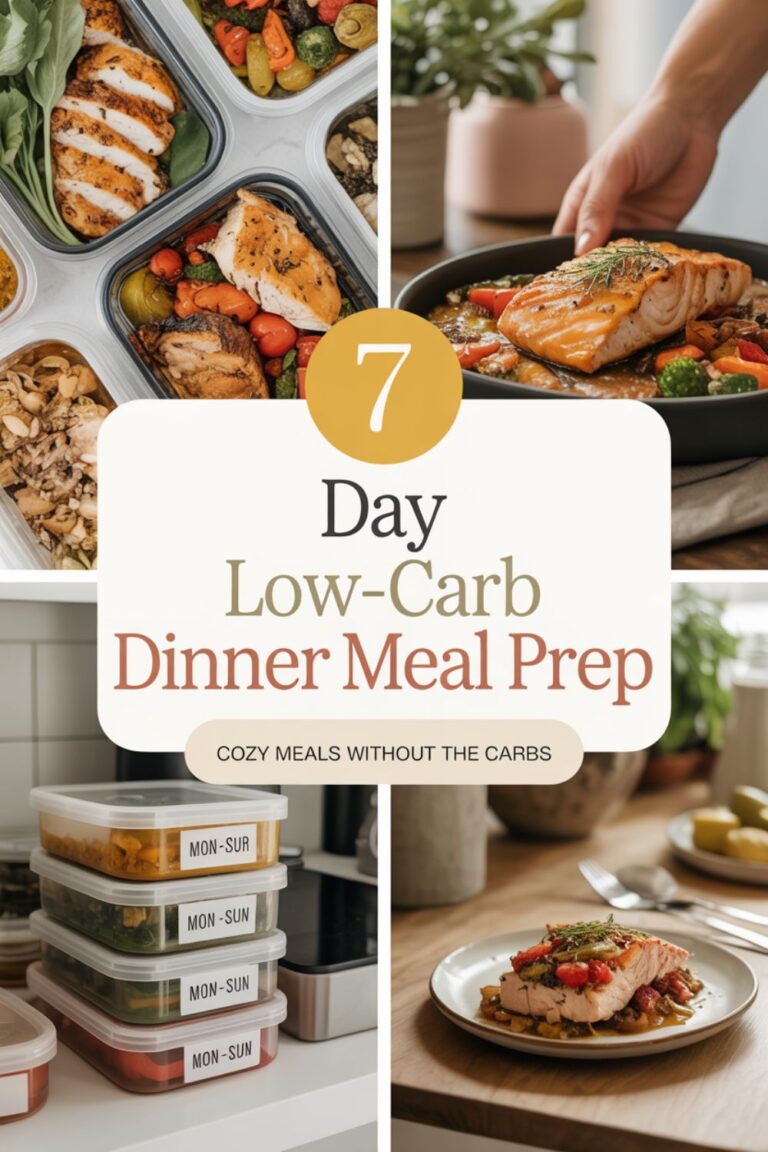
For anyone following specific dietary approaches, these low-carb dinner options prove you can cut carbs without cutting into your budget. Cauliflower rice is way cheaper when you buy the whole cauliflower and rice it yourself using a food processor, FYI.
Tools & Resources That Make Cooking Easier
Kitchen Gear Worth Having:
- Slow cooker (6-quart) – Literally the laziest way to cook and somehow it works perfectly.
- Good chef’s knife – Stop struggling with dull knives. One decent knife changes everything.
- Stackable storage containers – For fridge organization that doesn’t make you want to cry.
Digital Guides & Planners:
- Grocery Budget Tracker Template – Actually see where your food money goes each month.
- Freezer Inventory Printable – So you stop buying stuff you already have buried in the freezer.
- Weekly Meal Planner Download – Makes planning visual and way less overwhelming.
Need recipe ideas daily? Join our WhatsApp group for budget cooking tips and real-time help when your meal prep goes sideways.
Making It Work When Life Gets Chaotic
Here’s what nobody tells you about meal prep—some weeks, it just doesn’t happen. You get sick, work explodes, life occurs, and suddenly it’s Thursday and you haven’t prepped anything and you’re eating scrambled eggs for the third meal in a row. That’s fine. That’s normal. Meal prep is a tool, not a personality trait.
The goal isn’t perfection, it’s being slightly more prepared than you would be otherwise. Even prepping half the week is better than prepping nothing. Even having breakfast ready is better than skipping it and being ravenous by 10 AM. Give yourself permission to do an imperfect job and still count it as a win.
For extremely busy people (which, let’s be honest, is most of us), these quick meal prep ideas are designed for when you have about 45 minutes total and need food for the week. They’re not Instagram-worthy, but they work.
Sarah from our community tried budget meal prep for the first time last month—not because she wanted to lose weight or hit macros, just because she was tired of spending $400 a month on mediocre takeout. Three months in, she’s down to about $150 monthly on groceries, eating better than she was before, and actually enjoying cooking. Not bad for a couple hours of weekend prep time.
Common Problems and Actual Solutions
“Everything tastes the same by day 5.” Yeah, because you’re eating identical meals. Solution: prep components, not complete meals. Make rice, protein, and vegetables separately, then mix and match with different sauces and seasonings throughout the week. Same ingredients, different combinations, way less boring.
“I don’t have time on Sundays.” Then don’t prep on Sundays. Prep whenever works for your schedule. Wednesday evening? Fine. Split it between two shorter sessions? Also fine. The meal prep police aren’t coming for you if you don’t follow someone’s arbitrary schedule.
“My family won’t eat this.” Have you asked them? Because sometimes we assume things without checking. But also, you might need to prep differently for different people. Maybe you eat the budget-friendly beans and rice all week while your picky spouse gets the more expensive protein. It’s your life, make it work for your situation.
Freezer Strategies for Maximum Budget Impact
Your freezer is basically a time machine for food and money. Things that would go bad and cost you money just… don’t, when frozen properly. I’m legitimately obsessed with freezer meal prep because it’s the ultimate “prepare once, eat forever” situation.
Cooked rice freezes perfectly. Portion it into bags, flatten them, stack them like delicious frozen files in your freezer. Same with cooked pasta (toss it with a tiny bit of oil first so it doesn’t stick), sauces, soups, casseroles—basically anything that isn’t lettuce or cucumber can probably be frozen. These freezer meal prep strategies have legitimately saved me during crazy work weeks.
Raw meat on sale? Buy extra and freeze it. Bread about to go stale? Freeze it. Leftover herbs? Chop them up, put them in ice cube trays with olive oil, freeze them. You now have instant flavor bombs for future meals and you didn’t waste anything. This is both environmentally and financially responsible, and you get to feel smug about both.
According to data from the Natural Resources Defense Council on food waste, Americans waste about 40% of the food they buy. That’s not just bad for the environment—it’s literally throwing money away. Freezer meal prep is one of the easiest ways to prevent waste while maintaining food quality.
If you’re ready to go deep on freezer prep, this guide to make-ahead freezer meals breaks down exactly what freezes well, what doesn’t, and how long everything lasts. Spoiler: most things last way longer than you think if frozen properly.
Snacks That Don’t Blow Your Budget
Let’s talk about the silent budget killer—snacks. You’re doing great with your meal prep, crushing your budget goals, and then you spend $8 on a “healthy” snack bar at the convenience store because you were hungry between meals. I see you. I’ve been you. Multiple times this week, actually.
Homemade snacks sound annoying but they’re honestly easier than you’d think. Roasted chickpeas cost about $0.50 per batch and taste way better than anything in a bag. Get full recipe for my favorite seasoning combinations. Hard-boiled eggs are the original grab-and-go protein snack and they’re basically free compared to protein bars.
Peanut butter on apple slices, carrot sticks with hummus, homemade popcorn (made in an air popper with real butter), string cheese, a handful of nuts—these aren’t revolutionary, but they work and they’re cheap. The fancy $6 protein balls at Whole Foods are just dates, nuts, and marketing. You can make those at home for about $1.50 total.
Energy balls are stupid easy and endlessly customizable. Dates + nuts + cocoa powder + whatever else you have (coconut, peanut butter, vanilla, etc.) in a food processor, roll into balls, done. They keep for weeks and cost pennies per serving. Your fancy coworker will ask where you bought them, and you get to feel superior when you say you made them. Worth it for that alone, IMO.
Frequently Asked Questions About Budget Meal Prep
How long does meal prepped food actually stay fresh?
Most cooked food stays good in the fridge for 3-4 days, which is why I typically prep for 3-4 days at a time rather than the full week. If you want to stretch it longer, freeze half of what you make and thaw it midweek. Rice and pasta dishes last the full 4 days easily, salads with dressing pre-added get weird by day 3.
Can I really meal prep on $40-60 per week?
Yes, but it requires flexibility and smart shopping. You’re building meals around what’s cheap and on sale, not following recipes that require specific expensive ingredients. Shop sales, buy store brands, use beans and eggs for protein, and bulk grains for carbs. It’s absolutely doable, I’ve done it for years during tight money months.
What if I don’t have time for a full Sunday meal prep session?
Then don’t do a full Sunday session. Prep what you can when you can—maybe just breakfasts on Sunday, lunches on Wednesday evening. Or focus on dinner only and keep breakfast and lunch super simple (yogurt, sandwiches, whatever). Meal prep is flexible, not a rigid system you have to follow perfectly or fail.
How do I prevent meal prep burnout from eating the same thing repeatedly?
Prep components instead of complete meals, and switch up sauces and seasonings. If you make plain rice, chicken, and roasted vegetables, you can turn that into different flavor profiles throughout the week—Asian-inspired with soy sauce and sesame oil one day, Mexican-style with salsa and cumin the next, Mediterranean with lemon and herbs another day. Same base ingredients, totally different taste experiences.
Do I really need special containers for meal prep?
No. I used old takeout containers and mason jars for my first six months of meal prepping. Eventually I bought proper glass containers because they last forever and stack nicely, but you can absolutely start with whatever containers you already have. The food doesn’t care what it’s stored in.
Final Thoughts: Making Peace with Cheap Meal Prep
Here’s the truth nobody wants to admit—cheap meal prep isn’t glamorous. It’s not going to win any Instagram awards. Your meals won’t look like something from a trendy restaurant. And that’s completely fine, because the goal isn’t aesthetic perfection. The goal is feeding yourself real food without financial stress.
I’ve been meal prepping on various budgets for years now, and the cheap weeks are often the most satisfying. There’s something genuinely empowering about eating well all week while knowing you spent less than most people spend on two or three restaurant meals. It’s like winning a game nobody else realized they were playing.
Will every week be perfect? Absolutely not. Will you occasionally mess up and burn something or forget ingredients or just completely lose motivation? Yes, because you’re human. But the weeks you do meal prep—even imperfectly—are still better than the weeks you don’t. Your wallet will thank you. Your stress levels will improve. And you’ll stop having that 6 PM panic about what’s for dinner.
Start small if this feels overwhelming. Prep just breakfast for one week. Or just lunches. You don’t have to overhaul your entire food life in one Sunday afternoon. Build the habit slowly, figure out what works for your situation, and adjust as needed. This isn’t about following someone else’s perfect plan—it’s about finding what works for you while saving money.
The meal prep journey isn’t about perfection or Pinterest-worthy organization or even following this 7-day plan exactly as written. It’s about taking control of your food budget, reducing decision fatigue, and proving to yourself that eating well doesn’t require spending a fortune. Everything else is just details.
Now if you’ll excuse me, I have a date with my slow cooker and about twelve pounds of dried beans that were on sale. Future me is going to be so grateful, and present me is going to save about $50 this week. That’s a win in my book.