14-Day Calorie Deficit Meal Prep Plan
Look, I’m not going to pretend eating in a calorie deficit is some magical, effortless journey where you skip through meadows feeling amazing 24/7. But here’s what I will say: when you’ve got your meals prepped, portioned, and ready to go, the whole thing becomes way less of a mental battle. You’re not standing in front of the fridge at 9 PM wondering if string cheese counts as dinner.
I’ve spent the last few months testing different approaches to calorie deficit meal prep, and this 14-day plan is what actually worked without making me want to throw my meal prep containers out the window. No weird ingredients you’ll use once, no recipes that take longer than your lunch break, just real food that keeps you satisfied while staying in that deficit sweet spot.
Why 14 Days Makes More Sense Than You’d Think
Everyone talks about 21-day this and 30-day that, but honestly? Two weeks is the perfect testing ground. It’s long enough to establish a rhythm without feeling like you’ve committed to some lifelong sentence of eating the same thing.
I’ve tried the whole month-long meal prep thing, and by week three, I was so sick of my “brilliant” recipes that I ended up ordering takeout anyway. With a 14-day plan, you get variety, you learn what actually works for your schedule, and you can adjust before you’re completely burnt out. If you’re looking for something more extended once you nail this down, the 21-day weight loss meal prep plan is a solid next step.
Here’s the thing about calorie deficits: they work when you can stick to them. Groundbreaking insight, I know. But meal prepping removes about 80% of the decision fatigue that usually derails people. When your lunch is already packed and your dinner is portioned out, you’re not making food choices when you’re starving and likely to make questionable decisions.
Understanding Your Calorie Deficit Without Getting Obsessive
Before we dive into the actual meal prep, let’s talk numbers for a second. A calorie deficit just means you’re consuming fewer calories than your body burns. Most people aim for a deficit of 500-750 calories per day, which theoretically leads to about 1-1.5 pounds of fat loss per week.
I’m not going to tell you to meticulously track every single almond—that’s a one-way ticket to food neurosis. But having a general idea of your portions and staying consistent with your prepped meals makes hitting that deficit way more sustainable. According to research on calorie deficits and weight loss, the key is finding a balance that doesn’t leave you feeling deprived or exhausted.
Calculate your maintenance calories using an online TDEE calculator, then subtract 500-750. But here’s the real secret: prep your meals based on those numbers for the first week, then adjust based on how you actually feel. If you’re dragging through workouts or constantly thinking about food, bump it up slightly.
The beauty of this 14-day plan is that it’s built around nutrient-dense, filling foods that naturally keep calories in check without making you feel like you’re surviving on bird food. We’re talking lean proteins, fiber-rich vegetables, complex carbs that actually sustain you, and yes, even some healthy fats because your brain needs them to function.
The Foundation: What Makes This Meal Prep Different
I’ve seen meal prep plans that require you to cook 47 different components on Sunday and somehow have the energy left to label everything like you’re running a commercial kitchen. This isn’t that.
This plan uses a strategic overlap approach. You’ll cook proteins in bulk, prep vegetables that work across multiple meals, and batch-cook grains and bases that you can mix and match. One roasted chicken breast becomes three different meals depending on what you pair it with. Genius, right? Well, it’s actually just efficient.
The budget meal prep approach uses similar principles, proving you don’t need to spend a fortune or endless hours to eat well while losing weight.
Core Proteins You’ll Rotate
- Chicken breast – The classic for a reason. Easy to season differently, lean protein that’s hard to mess up.
- Ground turkey – More affordable than you’d think, and versatile enough for everything from breakfast scrambles to dinner bowls.
- White fish (cod or tilapia) – Cooks fast, low in calories, high in protein. Perfect for when you’re sick of poultry.
- Eggs – Breakfast hero, but also great hard-boiled for quick snacks or salad toppers.
- Greek yogurt – Not technically a “cook it” protein, but essential for breakfasts and snacks that keep you full.
For more protein-focused options, check out these high-protein meal prep ideas that specifically target fat loss while keeping muscle intact.
Vegetables That Actually Taste Good Reheated
Let’s be real: not all vegetables survive the meal prep process with dignity. Cucumber gets soggy. Lettuce turns into sad mush. But these champions? They hold up beautifully.
- Broccoli and cauliflower (roasted, not steamed—trust me)
- Bell peppers (any color, they’re all good)
- Zucchini (spiralized or roasted)
- Brussels sprouts (controversial, I know, but roasted with a little olive oil they’re incredible)
- Green beans
- Asparagus
- Cherry tomatoes (add these fresh, not prepped)
Smart Carb Choices
Carbs aren’t the enemy, despite what your cousin who did keto for three weeks might have told you. You need them for energy, especially if you’re working out. The trick is choosing ones that provide sustained energy without spiking your blood sugar.
- Quinoa – Complete protein, filling, nutty flavor that doesn’t get boring
- Sweet potatoes – Naturally sweet, loaded with fiber and vitamins
- Brown rice – The reliable workhorse. Nothing fancy, just solid
- Oats – Breakfast MVP and surprisingly versatile
- Whole grain pasta – Yes, you can eat pasta in a deficit. Just measure your portions
If you want to go lower on carbs, the low-carb meal prep plan shows you how to do it without making everything complicated.
“I started this 14-day plan thinking I’d be miserable and hungry all the time. Week one was an adjustment, but by day 10, I actually looked forward to my prepped meals. Lost 4 pounds in the first two weeks and didn’t feel like I was starving myself at all.” – Sarah M., from our community
Week One: Getting Into Your Rhythm
The first week is about establishing your baseline and figuring out your prep workflow. Don’t try to be perfect—just aim for consistency.
Breakfast Options (Pick One Per Day)
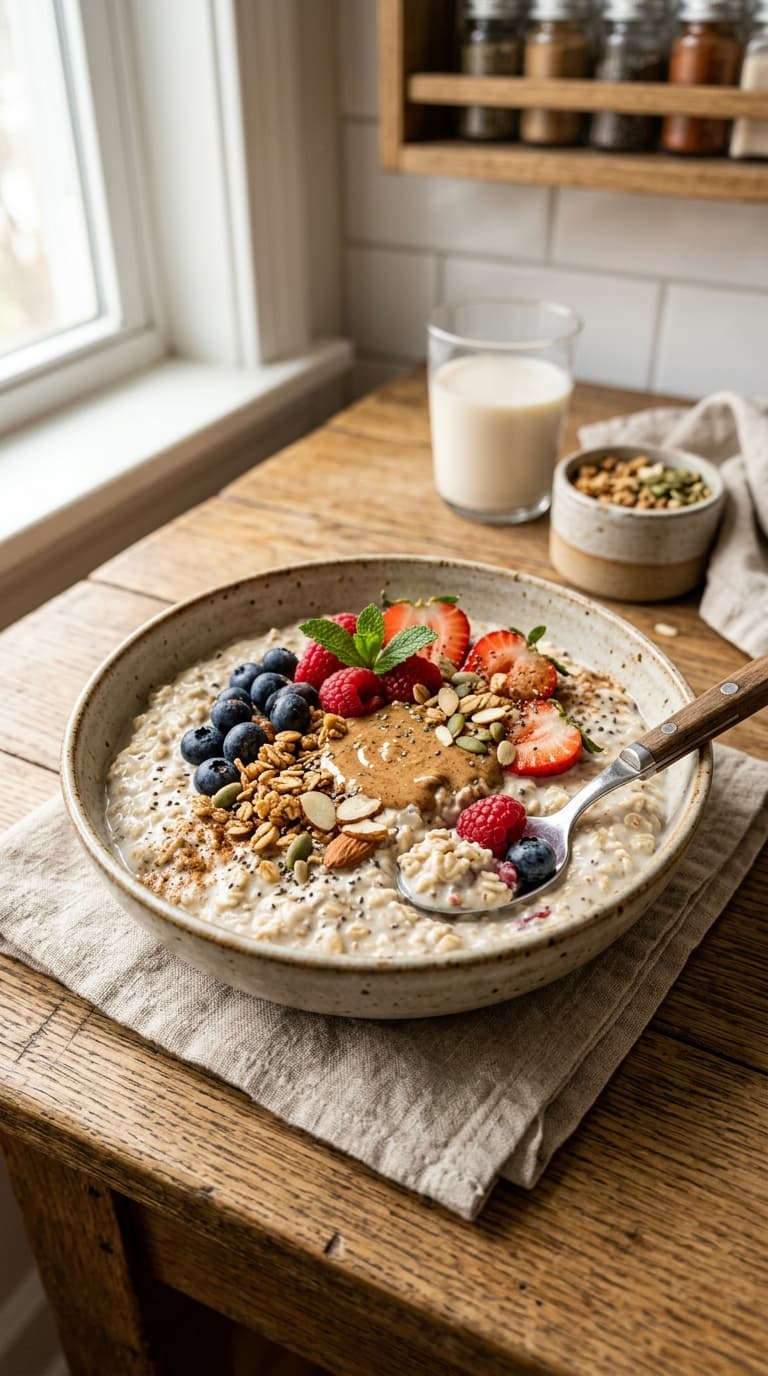
Overnight Oats – Three Ways
Base recipe: ½ cup oats, ½ cup unsweetened almond milk, ¼ cup Greek yogurt, mix and refrigerate overnight. This is your blank canvas.
- Berry Vanilla: Add ½ cup mixed berries, 1 tsp vanilla extract, drizzle of honey
- Apple Cinnamon: Add ½ diced apple, cinnamon, pinch of nutmeg
- Chocolate Banana: Add 1 tbsp cocoa powder, ½ sliced banana, touch of stevia
For more morning inspiration, the 7-day breakfast meal prep has some seriously good options that’ll make you actually want to wake up.
Egg Muffin Cups
Whisk 8 eggs with veggies of your choice (spinach, bell peppers, onions), season with salt, pepper, garlic powder. Pour into muffin tins (I use these silicone muffin cups because cleanup is stupidly easy), bake at 350°F for 20-25 minutes. Makes 12 cups. Grab two for breakfast, around 140 calories.
Protein Smoothie Packs
Pre-portion into freezer bags: 1 cup spinach, ½ cup berries, ½ banana. When ready to blend, add protein powder, ½ cup unsweetened almond milk, handful of ice. Blend in a good quality blender (seriously worth the investment) and you’re out the door.
If you’re specifically targeting fat loss in the morning, check out the high-protein breakfast meal prep plan. Get Full Recipe.
Lunch Options
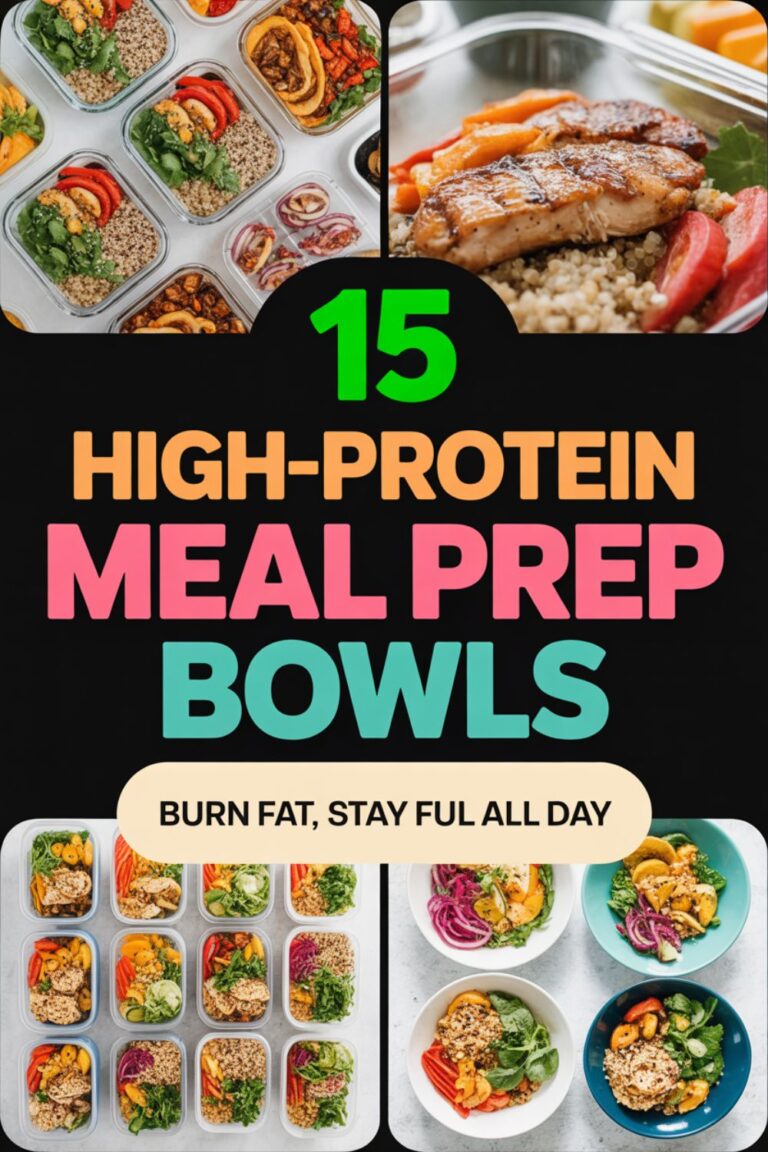
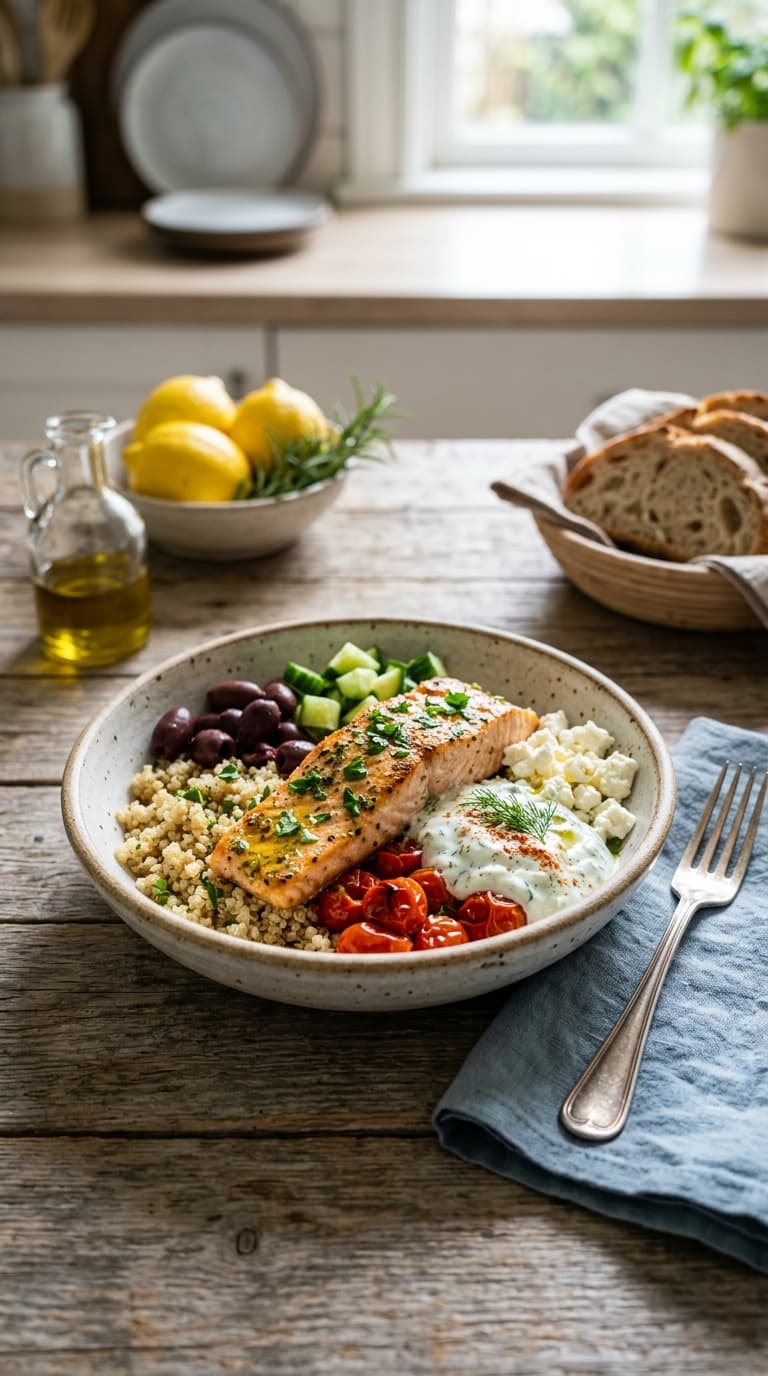
Mediterranean Chicken Bowl
Grilled chicken breast (4 oz), ¾ cup cooked quinoa, cucumber, cherry tomatoes, red onion, 2 tbsp hummus, lemon juice. Season chicken with oregano, garlic, lemon zest before grilling. This reheats perfectly or eats well cold. Around 380 calories.
Turkey Taco Bowl
Seasoned ground turkey (4 oz), ½ cup black beans, ½ cup brown rice, lettuce, salsa, 2 tbsp Greek yogurt instead of sour cream, corn, bell peppers. Use a good taco seasoning mix or make your own with chili powder, cumin, paprika, garlic powder. Approximately 420 calories.
Asian-Inspired Salmon Bowl
Baked salmon (4 oz) with soy sauce glaze, steamed broccoli, ¾ cup brown rice, edamame, sesame seeds, sriracha mayo (make it lighter by mixing Greek yogurt with a touch of sriracha). The rice cooker I use makes this so much easier—set it and forget it. About 400 calories.
More lunch ideas that’ll actually make your coworkers jealous? Try these high-protein lunch options or the healthy workday lunches. Get Full Recipe.
Prep your lunch proteins on Sunday, but don’t assemble the full bowls until Tuesday night for the second half of the week. This keeps everything fresher and prevents flavor fatigue.
Dinner Options
Lemon Herb Chicken with Roasted Vegetables
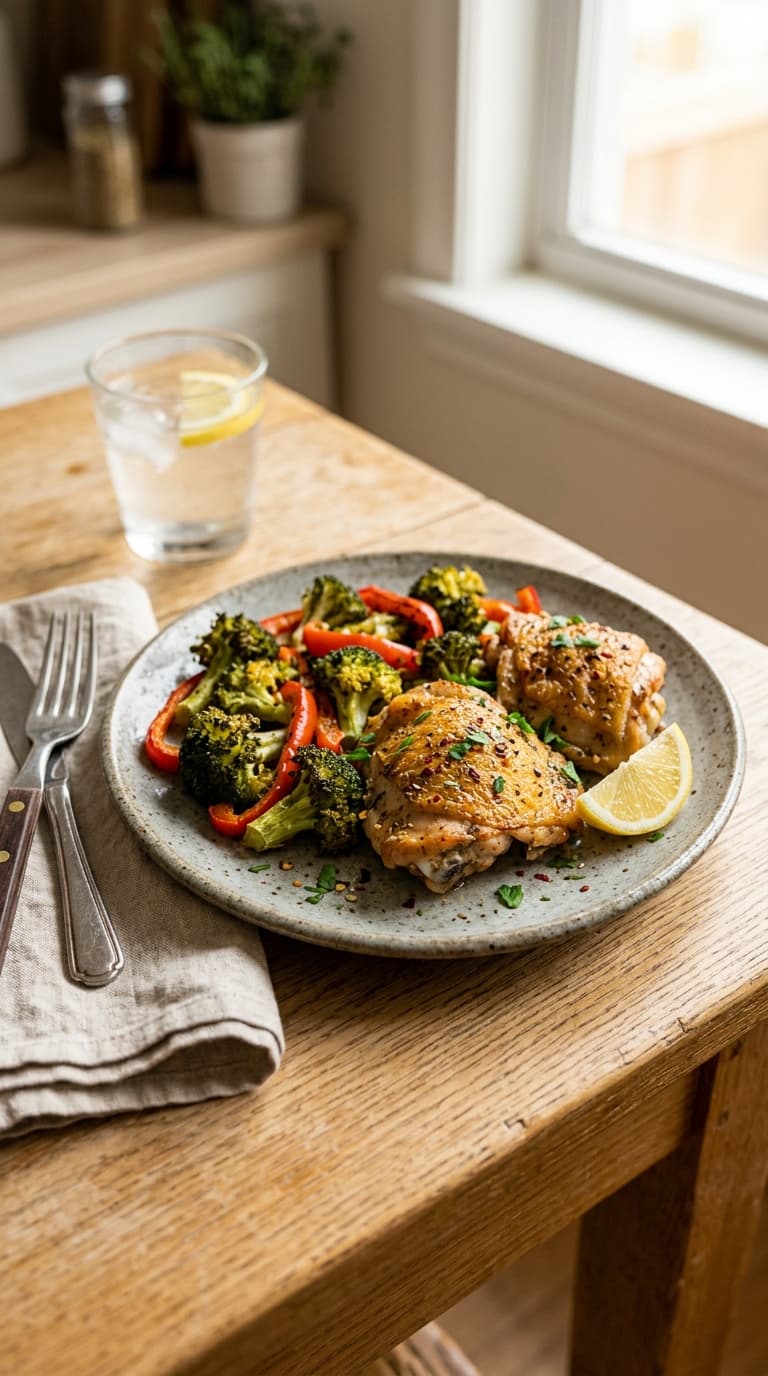
Chicken breast marinated in lemon juice, olive oil, garlic, and fresh herbs (thyme, rosemary, whatever you have). Roast on a sheet pan with Brussels sprouts, carrots, and red onion at 425°F for 25-30 minutes. Serve with ½ cup cooked quinoa. The sheet pan approach is clutch—everything cooks together, minimal cleanup. Around 410 calories.
Zucchini Noodle Stir-Fry
Spiralized zucchini (get a spiralizer, it’s weirdly fun to use), ground turkey, bell peppers, snap peas, garlic, ginger, low-sodium soy sauce, sesame oil. Quick sauté, done in 15 minutes. About 320 calories—great for days you want a lighter dinner.
Baked Cod with Sweet Potato
Cod fillet seasoned with paprika, garlic powder, lemon, baked at 400°F for 12-15 minutes. Serve with roasted sweet potato cubes and steamed green beans. Simple, clean, filling. Approximately 380 calories.
The 7-day dinner meal prep plan has a ton more options if you want to mix things up, or check out the high-protein dinners specifically designed for fat loss. Get Full Recipe.
Speaking of dinner prep, if you’re tight on time, these sheet pan meals and one-pan options are absolute lifesavers for busy weeknights.
Week Two: Level Up Your Game
By week two, you’ve got your system down. Now we’re adding a bit more variety to keep your taste buds interested while maintaining that deficit.
Breakfast Rotation – Week Two
Breakfast Burrito Bowls
Scrambled eggs with bell peppers and onions, black beans, ¼ cup shredded cheese, salsa, sliced avocado (add this fresh, not prepped). Skip the tortilla to keep calories lower. Season with cumin and chili powder for that burrito vibe. About 350 calories with the avocado.
Greek Yogurt Parfaits
Layer Greek yogurt with granola (watch portions—granola calories add up fast), berries, drizzle of honey. Use mason jars for easy grab-and-go. Approximately 280 calories.
Savory Oatmeal Bowl
Yes, savory oats. Hear me out. Cook oats with chicken broth instead of water, top with a fried egg, sautéed spinach, everything bagel seasoning. Sounds weird, tastes amazing. Around 320 calories.
Need more variety in the AM? The low-calorie breakfast options prove you don’t have to sacrifice flavor to keep calories in check. Get Full Recipe.
Lunch Rotation – Week Two
Buffalo Chicken Lettuce Wraps
Shredded chicken mixed with buffalo sauce (check labels for low-sugar options), wrapped in romaine lettuce leaves, topped with diced celery, carrots, and a drizzle of ranch made with Greek yogurt. Crunchy, spicy, satisfying. About 290 calories.
Shrimp and Cauliflower Rice Bowl
Sautéed shrimp with garlic and lemon, cauliflower rice (buy it pre-riced or use a food processor to make your own), snap peas, carrots, light teriyaki sauce. Quick, low-carb, protein-packed. Around 310 calories.
Italian Chicken and Vegetable Skillet
Diced chicken breast, zucchini, yellow squash, cherry tomatoes, Italian herbs, touch of parmesan. Cook in a cast iron skillet for that nice sear. Serve over whole grain pasta or zoodles. About 380 calories with pasta, 280 without.
The work lunch meal prep plan has more ideas you’ll actually get excited about eating at your desk. Get Full Recipe.
“The variety in week two saved me. I was starting to get bored with the same flavors, but switching it up while keeping the same calorie targets made all the difference. Down 6 pounds total after the full 14 days.” – Marcus T., community member
Dinner Rotation – Week Two
Turkey Meatballs with Marinara
Mix ground turkey with breadcrumbs, egg, Italian seasoning, garlic. Bake at 400°F for 20 minutes. Serve with marinara sauce (watch the added sugar in store-bought) over zucchini noodles or whole grain pasta. Make extra and freeze—future you will be grateful. Around 370 calories.
Beef and Broccoli Stir-Fry
Lean beef strips (or swap for chicken if beef isn’t your thing), broccoli, garlic, ginger, low-sodium soy sauce, touch of honey. Serve over cauliflower rice to keep it lighter or brown rice if you need the carbs. The wok makes this cook perfectly, but a regular pan works too. About 400 calories.
Baked Chicken Thighs with Root Vegetables
Bone-in, skin-on chicken thighs (yes, in a deficit—the fat keeps you satisfied), roasted with carrots, parsnips, and sweet potato. The skin adds flavor and isn’t as calorie-dense as you’d think when portioned right. Remove skin if you want to save about 80 calories. Around 450 calories with skin, 370 without.
For more complete dinner solutions, the family-friendly dinner plan works great even if you’re the only one eating in a deficit. Get Full Recipe.
Meal Prep Essentials Used in This Plan
Look, you don’t need a kitchen full of fancy equipment, but these things genuinely make meal prep less annoying:
Snacks That Won’t Derail Your Progress
Here’s where most people mess up their calorie deficit: mindless snacking. But planned, portioned snacks? Those actually help by preventing the blood sugar crashes that make you eat an entire sleeve of crackers at 4 PM.
Smart Snack Options (100-150 calories each):
- Hard-boiled eggs (2 eggs)
- Apple slices with 1 tbsp almond butter (measure it, seriously)
- Greek yogurt with berries
- Carrots and hummus (2 tbsp hummus)
- String cheese with a small handful of grapes
- Rice cakes with cottage cheese and cucumber
- Protein shake (if you’re genuinely hungry, not just bored)
Store snacks in portion-control containers so you’re not eyeballing it every time. When you’re hungry, your idea of “a handful” becomes comically inaccurate.
The Prep Day Strategy That Actually Works
Sunday meal prep has become this Instagram-worthy phenomenon where people spend six hours cooking and somehow still have energy to photograph everything beautifully. That’s not reality for most of us.
Here’s my actual system:
Sunday (2-2.5 hours total):
- Cook all proteins: chicken breasts, ground turkey, hard-boil eggs
- Batch cook grains: quinoa, brown rice, oats for overnight oats
- Wash and chop vegetables that hold up well (broccoli, peppers, carrots)
- Portion snacks into containers
Wednesday evening (45 minutes):
- Quick protein cook for Thursday-Saturday meals
- Refresh vegetables
- Reassemble lunch containers
This split approach prevents food from sitting in the fridge too long and keeps things tasting fresh. The freezer meal prep guide is genius for making extras that you can pull out whenever you need them.
Invest in a good set of sheet pans. You can roast multiple proteins and vegetables simultaneously, cutting your active cooking time in half. Also, get parchment paper or reusable silicone mats—cleanup takes minutes instead of scrubbing for ages.
Dealing With Real Life: Flexibility Within Structure
Life happens. Someone brings donuts to the office. Your friend’s birthday dinner is at a restaurant. You just really, really want pizza on Friday night.
Here’s the thing: this 14-day plan isn’t a prison sentence. It’s a framework. If you eat 90% of your prepped meals and 10% of your meals are “off-plan,” you’re still going to see results. The deficit doesn’t disappear because you had a slice of birthday cake.
What I do when I know I have a dinner out: lighter breakfast and lunch from my prepped options, maybe skip the afternoon snack, enjoy the dinner without guilt. The next day, back to the plan. No drama, no “starting over Monday,” just continuing forward.
According to research on flexible dieting approaches, people who adopt a more flexible mindset tend to sustain their fat loss better than those who follow rigid all-or-nothing rules.
For plans that build in more flexibility from the start, check out the clean eating guide that focuses on real results without unnecessary drama.
Making It Vegetarian-Friendly
Not everyone eats meat, and honestly, some days I don’t either. The principles of this plan work perfectly with vegetarian proteins—you just swap the protein source.
Protein Swaps:
- Chicken → Tofu, tempeh, or chickpeas
- Ground turkey → Lentils or crumbled tempeh
- Fish → Firm tofu or white beans
- Eggs → Keep them, they’re vegetarian (or use tofu scramble if you’re vegan)
The vegetarian meal prep plan has full recipes designed specifically around plant-based proteins, with all the same calorie deficit principles. Get Full Recipe.
One note on vegetarian deficit eating: you’ll want to pay extra attention to protein intake since plant proteins are often packaged with more carbs. Not a deal-breaker, just something to be aware of when portioning meals.
Tools & Resources That Make Cooking Easier
These aren’t must-haves, but they seriously simplify the whole meal prep process:
What Results Actually Look Like
Let’s set realistic expectations. You’re not going to lose 20 pounds in two weeks. If someone tells you they did, they either had a lot to lose initially (mostly water weight) or they’re not being entirely truthful.
With a consistent 500-750 calorie daily deficit, most people lose 2-4 pounds over these 14 days. Some lose more, some lose less. Variables include your starting weight, activity level, sleep quality, stress levels, hormones, and approximately 47 other factors you can’t perfectly control.
What you will notice:
- Clothes fitting slightly better
- More consistent energy (no more 3 PM crashes)
- Better sleep (proper nutrition helps)
- Less bloating and water retention
- Mental clarity from not constantly thinking about what to eat
The scale is one metric. How you feel is equally important. IMO, having consistent energy and feeling in control of your food choices matters just as much as the number dropping.
For comprehensive recipe collections that support long-term results, browse through the 30 healthy meal prep recipes or the high-protein options you can actually repeat without getting bored.
Troubleshooting Common Issues
Problem: You’re Hungry All the Time
Your deficit might be too aggressive. Bump up your calories by 100-150 and see how you feel. Also check your protein and fiber intake—both keep you fuller longer. If you’re eating 1200 calories of mostly carbs, yeah, you’re going to be starving.
Problem: Food Tastes Bland After Day 3
Season aggressively. Use fresh herbs, acids (lemon juice, vinegar), spices, hot sauce. Store your spice collection somewhere you can actually see it so you remember to use it. I keep a spice rack right by the stove for easy access.
Also, don’t be afraid to add fresh elements when you eat: fresh herbs, a squeeze of lime, everything bagel seasoning, hot sauce, nutritional yeast. Small additions make a huge difference.
Problem: You Don’t Have Time for Mid-Week Prep
Double your Sunday prep and freeze half. Or simplify your mid-week meals to things that require zero cooking: rotisserie chicken, pre-cooked proteins from the deli, canned tuna or salmon, Greek yogurt bowls.
The no-stress meal prep plan specifically addresses this with minimal cooking options. The crockpot approach is also clutch for zero-effort meals.
Problem: Your Family Won’t Eat “Diet Food”
Don’t call it diet food. Prep your portions separately and add higher-calorie sides for them (extra rice, bread, cheese, whatever they like). Your grilled chicken with roasted vegetables is their chicken with vegetables plus pasta and garlic bread. Same base, different additions.
The family meal prep guide shows you exactly how to do this without cooking entirely separate meals.
Frequently Asked Questions
Can I still build muscle while eating in a calorie deficit?
Yes, especially if you’re new to strength training or returning after a break. Keep protein intake high (around 0.8-1g per pound of body weight), continue resistance training, and don’t make your deficit too aggressive. You might not build muscle as quickly as you would in a surplus, but it’s absolutely possible, especially for beginners.
How do I know if my deficit is too aggressive?
Warning signs include constant fatigue, inability to complete workouts you could previously handle, losing strength rapidly, feeling irritable or foggy-headed, poor sleep quality, or losing more than 2 pounds per week consistently. If you’re experiencing these, increase calories by 100-200 and reassess after a week.
What if I mess up and overeat one day?
Log it mentally or in your tracker, then move on. One day of eating more won’t undo your progress just like one day of eating less won’t make you suddenly lean. The overall pattern matters, not individual days. Just get back to your prepped meals the next day without guilt or punishment.
Do I need to count every single calorie exactly?
Not necessarily. Weighing and measuring initially helps you understand portions, but once you’ve got a good sense of what 4 oz of chicken or ½ cup of rice looks like, you can eyeball more. That said, if results stall, tightening up measurements is usually the first step.
Can I drink coffee or alcohol while doing this?
Coffee is fine—just watch what you add to it. Black coffee has basically zero calories, but that vanilla latte with whole milk and syrup can be 300+ calories. For alcohol, it’s not ideal while in a deficit (empty calories, can increase appetite, affects sleep), but if you choose to drink, account for it in your daily calories and stick to lower-calorie options like vodka soda or dry wine.
The Bottom Line: Consistency Over Perfection
This 14-day calorie deficit meal prep plan isn’t about being perfect. It’s about being consistent enough that you actually see results without losing your mind in the process.
You’ll have days where your prepped lunch tastes amazing and you feel like a meal prep genius. You’ll also have days where you look at your containers and just want a burrito instead. Both are normal. The difference between people who succeed and people who quit is what they do after the burrito day.
Meal prepping removes the constant decision-making that drains your willpower. It puts you in control instead of leaving you vulnerable to whatever’s convenient when you’re hungry. And in a calorie deficit, that control is everything.
Start with one week. See how it feels. Adjust what isn’t working. Add back in the things you missed. Find your rhythm. Then do week two with that knowledge. By the end of 14 days, you’ll have a pretty solid understanding of what sustainable deficit eating actually looks like for you.
And if this plan clicks for you and you want to keep going, you’ve got plenty of resources to extend it. The 21 easy meal prep ideas and quick meal prep options give you endless combinations to keep things interesting.
You’ve got this. Make the list, do the shopping, spend a couple hours on Sunday, and set yourself up for two weeks of eating well without the stress. Future you, standing in front of the fridge on a random Tuesday, will be incredibly grateful you did.