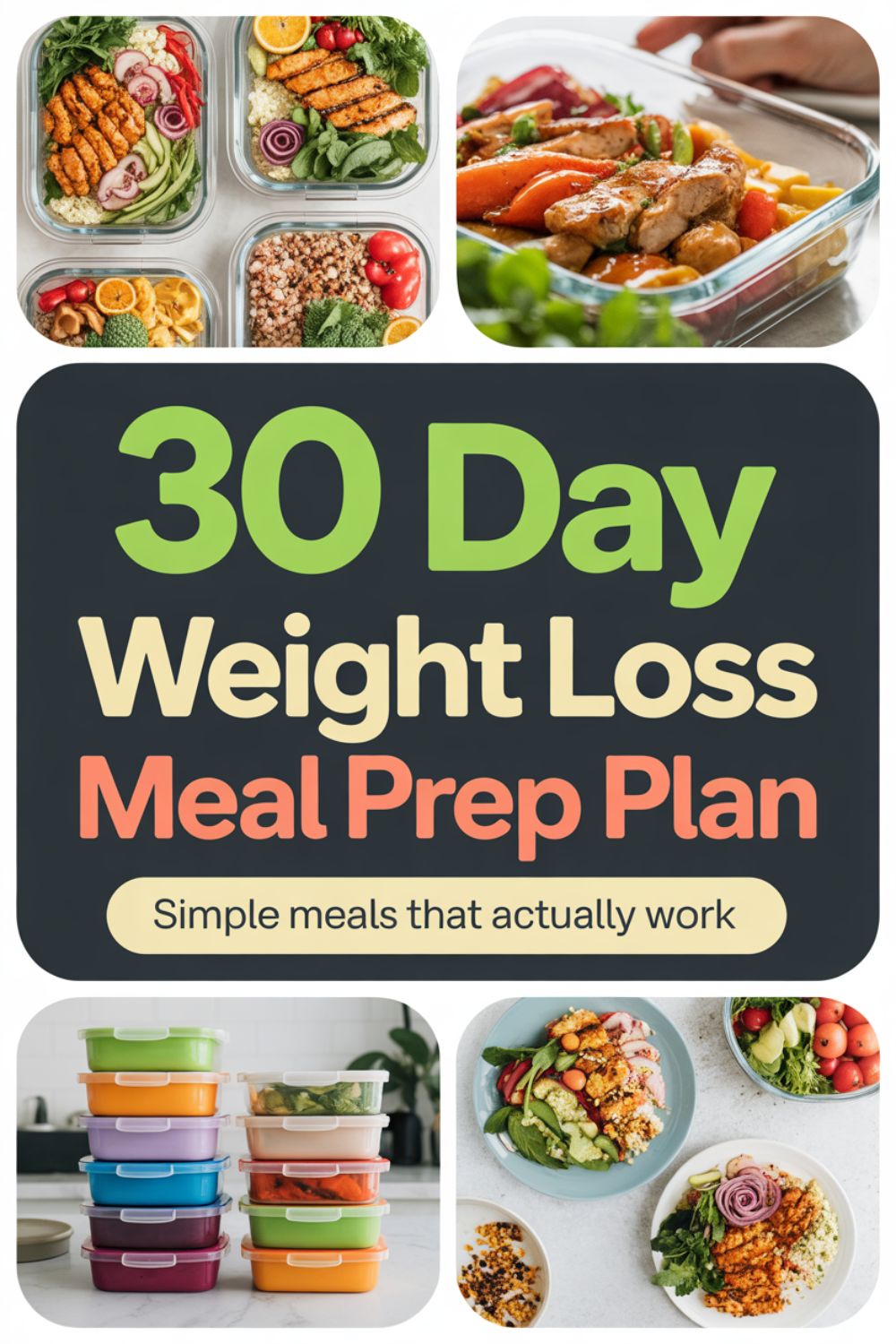
30-Day Weight Loss Meal Prep Plan That Works
Let’s cut through the noise. You’ve probably scrolled through dozens of meal prep plans that promise the world but deliver soggy chicken and sad broccoli by day three. I get it. Most meal prep advice treats you like you’ve got unlimited time, a culinary degree, and zero taste buds.
Here’s the thing though—meal prep actually works when you stop trying to be perfect and start being strategic. A solid 30-day weight loss meal prep plan isn’t about eating the same bland bowl for a month straight. It’s about having a system that doesn’t make you want to quit before week two.
This isn’t another “just prep all your meals on Sunday” lecture. Real life gets messy. Your weekends fill up. You get tired. So we’re going to build something that actually fits into your actual life, not some Instagram fantasy version of it.
Why 30 Days Is the Sweet Spot
Anyone can white-knuckle their way through a week. But 30 days? That’s where habits start to stick without feeling like torture. According to Mayo Clinic, meaningful weight loss requires sustainable habits, not crash diets—and one month gives you enough runway to see actual results while building routines that last.
The first week you’re figuring things out. Week two, you’re adjusting. By week three, you stop thinking about it so much. Week four is when it clicks and you realize you’ve been doing this without fighting yourself the whole time.
Plus, one month lines up nicely with how most people buy groceries and plan their schedules. You’re not committing to some six-month marathon before you even know if this works for you.
The Foundation: What Actually Makes Meal Prep Work
Before we dive into recipes and shopping lists, let’s talk about why most meal prep fails. It’s not because you lack willpower—it’s because the plan doesn’t account for real life.
Batch Cooking vs. Full Meal Assembly
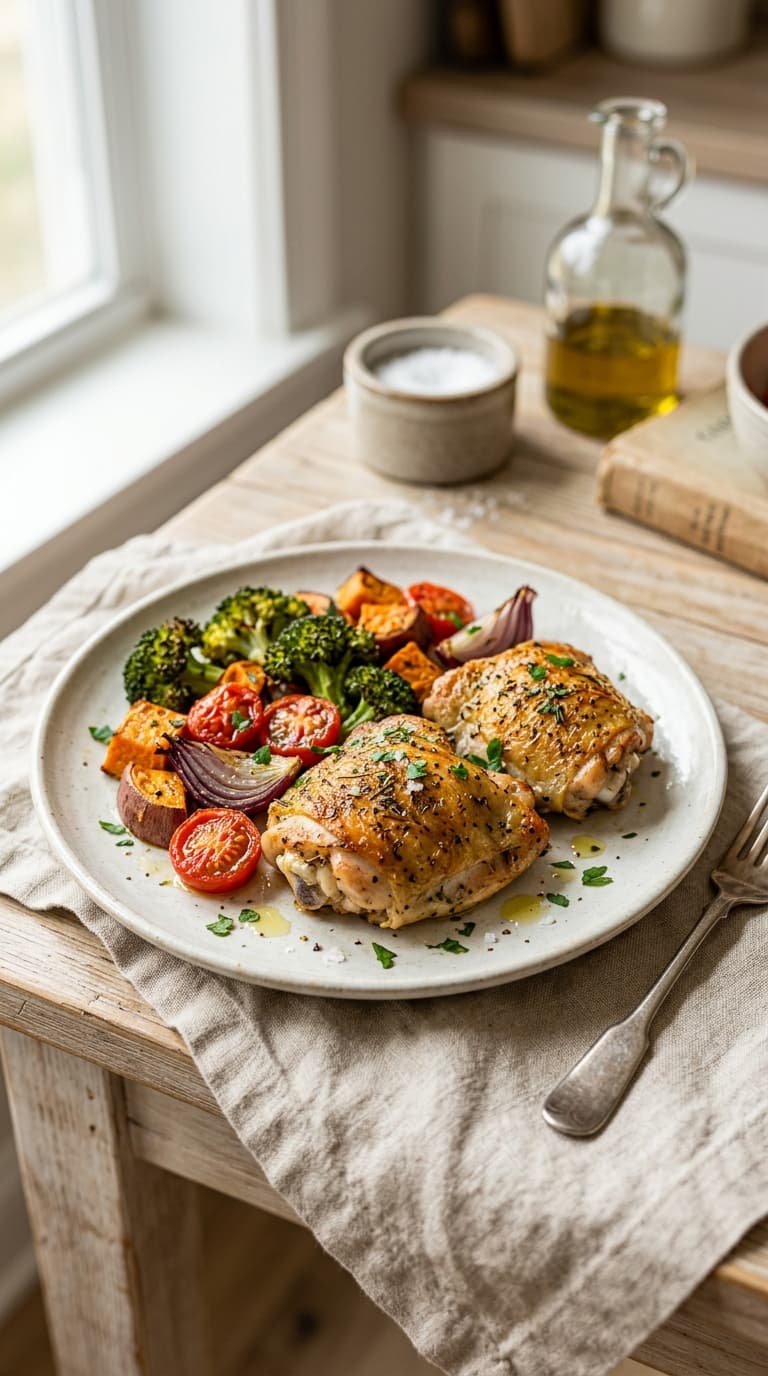
You don’t need to assemble 21 complete meals every Sunday. That’s insane. Instead, you prep components. Cook a batch of chicken thighs, roast three sheet pans of vegetables, make a big pot of quinoa. Then you mix and match during the week.
This approach keeps things interesting and prevents that “ugh, this again?” feeling by day four. One batch of protein can become three different meals depending on what you pair it with.
The 70/30 Rule
Prep 70% of your meals, leave 30% flexible. Maybe you’ll grab lunch with a friend. Maybe you’ll have leftovers. Maybe you’ll just want something different. Building in flexibility prevents the plan from becoming a prison.
I use glass meal prep containers with compartments for portioned meals and larger storage bowls for batch-cooked ingredients. Having the right containers makes a bigger difference than you’d think.
Week One: Getting Your Feet Wet
The first week is about building confidence, not perfection. You’re learning what works in your kitchen, with your schedule, for your preferences.
Your Week One Prep List
Start simple. Here’s what worked for me and dozens of people in our community who’ve tried this plan:
- Proteins: Baked chicken breast, hard-boiled eggs, ground turkey cooked with basic seasonings
- Carbs: Brown rice, sweet potatoes, overnight oats
- Vegetables: Roasted broccoli, sautéed peppers and onions, fresh salad greens
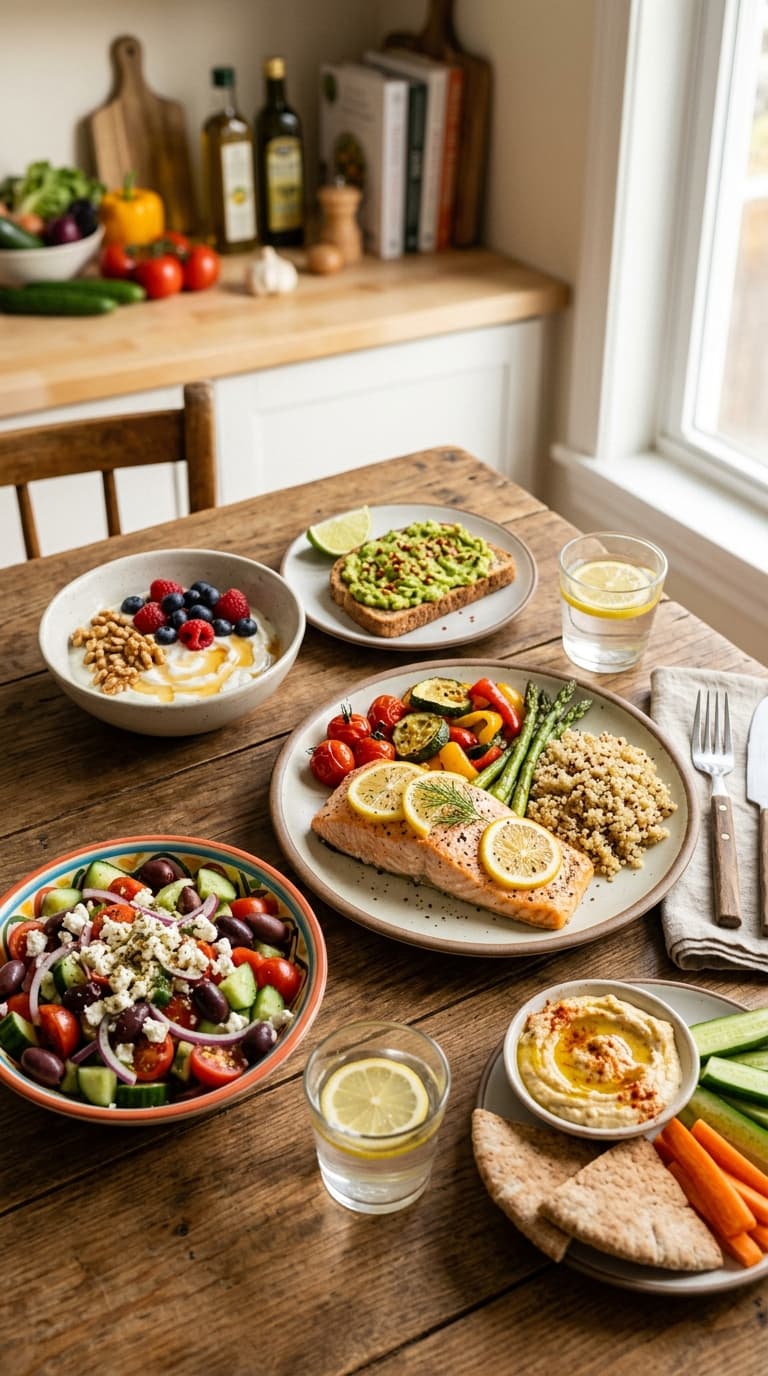
- Snacks: Chopped veggies with hummus, Greek yogurt with berries, almonds portioned into small containers
Notice what’s not on this list? Complicated recipes with 15 ingredients. Week one is about proving to yourself you can do this. If you’re looking for structured guidance, this 7-day breakfast meal prep plan breaks down morning meals in a way that actually makes sense.
The beauty of component prep is versatility. Monday’s breakfast might be overnight oats Get Full Recipe, while Tuesday you grab eggs and avocado. Same prep session, different meals. That’s the hack nobody tells you about.
The Mindset Shift
Week one will feel weird. You’ll probably overthink everything. That’s normal. Just keep it stupidly simple and focus on consistency over creativity.
Sarah from our community tried this plan and dropped 15 pounds over three months. Her biggest lesson from week one? “Stop trying to make Pinterest-worthy meals. Just make food you’ll actually eat.”
Week Two: Adding Variety Without Losing Your Mind
By week two, you know your rhythm. Now you can experiment a bit without derailing everything.
This is where you might want to try some high-protein options that keep you satisfied longer. I’ve found that high-protein breakfast meal prep makes a massive difference in how hungry I feel by lunch.
Rotation Strategy
Instead of eating chicken all week, do a 3-2-2 split: three chicken meals, two ground turkey meals, two vegetarian options. Same prep effort, way less monotony. For vegetarian inspiration, check out this 21-day vegetarian meal prep plan that doesn’t make you miss meat.
Swap your seasonings and sauces to transform the same ingredients into different meals. Monday’s chicken with teriyaki sauce becomes Thursday’s chicken with buffalo sauce. It’s the same protein, but your brain doesn’t care—it tastes different.
Meal Prep Essentials Used in This Plan
These are the tools and ingredients that make this whole system actually work:
- Glass meal prep containers (3-compartment) – Keeps everything separate, microwave-safe, lasts forever
- Silicone baking mats – No more scrubbing sheet pans until your fingers hurt
- Digital food scale – Takes the guessing out of portions when you actually need to be precise
- 30-Day Meal Prep Planner (Digital Download) – Printable shopping lists and weekly templates
- Quick Prep Recipe Collection – 50+ recipes designed for batch cooking
- Macro Tracking Spreadsheet – Simple tool to monitor protein, carbs, and fats without getting obsessive
Want to connect with others following this plan? Join our WhatsApp community for daily tips, recipe swaps, and real-time support.
Addressing the Flavor Problem
Let’s talk about why most meal prep tastes like cardboard by Wednesday. It’s not the food—it’s the moisture.
Store your sauces and dressings separately. Keep cooked grains slightly undercooked since they’ll continue absorbing liquid. Don’t put wet ingredients next to dry ones in the same container unless you’re eating it that day.
I keep a set of small sauce containers filled with different dressings and sauces. Grab one when you heat your meal, and suddenly your reheated chicken doesn’t taste like you cooked it three days ago.
Week Three: The Maintenance Zone
This is where most people either quit or lock in. If you’ve made it to week three, you’re already ahead of about 60% of people who start meal prep plans.
By now, your Sunday prep takes half the time it used to. You know which meals you like, which containers work best, and how much food you actually need. The training wheels are off.
Speaking of breakfast, you might be looking for more variety to keep things interesting. These healthy breakfast options that don’t require daily cooking fit perfectly into week three when you want to switch things up without adding work.
Introducing Strategic Leftovers
Here’s something nobody tells you: intentional leftovers are different from sad leftovers. When you cook dinner, make 1.5x the recipe. Eat one portion fresh, pack one for lunch tomorrow.
This hybrid approach—some prepped components, some intentional leftovers, some flexible meals—is more sustainable than trying to prep every single thing. If you’re feeding a family too, this family meal prep guide shows how to scale up without losing your mind.
“Week three was when I stopped feeling like I was on a diet. The food just became… what I ate. No drama, no internal negotiation every meal. Just grab, heat, eat.” – Mike, down 22 pounds in two months
The Snack Situation
If you’re constantly hungry between meals, your macro balance is probably off. Research on meal prep and satiety shows that including adequate protein and fiber at each meal significantly reduces snacking.
That said, having prepped snacks beats grabbing whatever’s in the vending machine. I portion out mixed nuts into small containers, prep veggie sticks with hummus, and keep Greek yogurt cups ready to grab.
Week Four: Making It Stick
The final week is about cementing habits and planning your next move. You’ve proven you can do this. Now it’s about making it permanent without it feeling like work.
The Monthly Reset
At the end of each 30 days, I do a quick reset. What worked? What didn’t? What am I sick of eating? What could I add?
This isn’t about starting over—it’s about refining. Maybe you realize you need more variety in vegetables. Maybe you want to try low-carb options for a cycle. Maybe you’re ready for more complex recipes now that the basics are automatic.
The goal isn’t to meal prep forever in exactly the same way. It’s to build a flexible system that evolves with you.
Tools & Resources That Make Cooking Easier
After a full month of meal prep, here are the game-changers worth investing in:
- Instant Pot or slow cooker – Set it, forget it, come home to cooked protein
- Quality chef’s knife – Makes chopping vegetables way less painful
- Stackable storage containers – Your fridge will actually close, revolutionary concept
- Meal Prep Masterclass (Digital Course) – Video tutorials for advanced techniques
- Seasonal Recipe Pack – Updated quarterly with new meal ideas to prevent boredom
- Budget Meal Prep Calculator – Figures out cost per meal so you know exactly what you’re spending
These resources pair perfectly with the system you’ve already built, making month two even smoother.
Practical Strategies That Actually Matter
Let’s get specific about things that make or break your meal prep game.
Shopping Smart Without Overspending
Meal prep doesn’t have to destroy your budget. In fact, it usually saves money compared to eating out or buying lunch daily. But you need a strategy.
Buy proteins on sale and freeze them. Stock up on canned beans, frozen vegetables, and whole grains when they’re cheap. These staples don’t go bad quickly and you’ll use them constantly. For budget-friendly ideas that don’t sacrifice quality, this budget meal prep plan breaks down how to eat well without going broke.
I use a vacuum sealer to extend the life of proteins in the freezer. Chicken breasts bought in bulk when they’re on sale can last months without freezer burn.
Storage and Shelf Life
Here’s the reality check: most cooked proteins last 3-4 days in the fridge. Some meals freeze well, others don’t. Knowing the difference prevents food waste and potential food poisoning.
Good freezer candidates: soups, stews, cooked grains, most proteins, casseroles. Bad freezer candidates: salads, anything with mayonnaise, cooked eggs, most dairy-based sauces.
Label everything with dates. I use a chalk marker directly on glass containers—writes easily, wipes clean, no gross adhesive residue.
The Assembly Line Method
If you’re prepping multiple meals at once, work like a restaurant kitchen. Do all of one task before moving to the next.
Chop all vegetables. Season all proteins. Start everything cooking. Then assemble. This is way more efficient than making one complete meal at a time.
A large cutting board and a food processor for vegetables make this process exponentially faster. I’m talking 20 minutes of chopping instead of an hour.
For dinner specifically, having a system in place helps tremendously. These stress-free dinner prep ideas show how to apply the assembly line method to evening meals.
Dealing with Common Problems
Let’s address the stuff that actually goes wrong, because it will go wrong at some point.
When You Get Sick of Your Food
First, this is normal. Even your favorite restaurant gets boring if you eat there every single day. The solution isn’t to abandon meal prep—it’s to have swap options ready.
Keep a backup plan in your freezer. A few frozen meals you can grab when you can’t face another chicken breast. Having this escape hatch prevents total derailment. Consider exploring freezer meal prep options as your emergency stash.
Also, give yourself permission to occasionally order takeout. The goal is progress, not perfection. One restaurant meal doesn’t erase three weeks of good habits.
When Life Gets Chaotic
Okay so your schedule imploded. You didn’t prep this week. What now? Don’t spiral. This is where simplified meal prep saves you.
Buy a rotisserie chicken. Grab pre-washed salad greens. Pick up microwaveable rice pouches. Make quick smoothies with protein powder. It’s not Instagram-worthy, but it keeps you on track.
The maintenance level for meal prep is way lower than the startup level. You can coast on minimal effort once you’ve built the habit. For ultra-busy periods, these quick meal prep ideas are designed for when you have zero bandwidth.
Making It Work for Different Eating Styles
This 30-day framework adapts to pretty much any dietary approach. You’re not locked into one specific way of eating.
Low-Carb Adjustments
Swap the rice and sweet potatoes for cauliflower rice and extra vegetables. Load up on healthy fats—avocados, nuts, olive oil. Protein stays roughly the same. The prep method doesn’t change, just the ingredients.
If you want structured low-carb guidance, this low-carb meal prep plan keeps things simple without requiring specialty ingredients.
Plant-Based Options
Replace animal proteins with beans, lentils, tofu, tempeh, or textured vegetable protein. Everything else stays the same. You might need slightly larger portions of plant proteins to hit the same satiety level, but the prep strategy is identical.
Clean Eating Focus
Minimize processed foods, focus on whole ingredients, make sauces from scratch. The 30-day timeline works great for this because it gives you time to develop a taste for simpler flavors. Check out this clean eating approach if that resonates with you.
The common thread? The prep system stays the same. Batch cooking, component assembly, flexible planning—it all works regardless of what you’re actually eating.
Measuring Success Beyond the Scale
Yeah, weight loss is probably why you’re here. But let’s talk about other wins that matter.
How much money are you saving by not eating out? How much mental energy are you not spending on “what should I eat?” decisions? How’s your energy level compared to a month ago?
I track these things because they’re often more motivating than the scale. Some weeks the number doesn’t move, but I saved four hours and $80 bucks on food. That’s still a win.
The Harvard School of Public Health notes that meal prep contributes to overall nutritional balance and stress reduction—benefits that extend way beyond just losing weight.
“I lost 11 pounds in my first 30 days, but honestly? The bigger change was not feeling anxious about food anymore. I knew what I was eating, when I was eating it, and I could actually focus on other stuff.” – Jennifer, month one complete
What Comes After Day 30
So you made it through a month. Now what?
Option one: Run it back with some tweaks. Same basic framework, different recipes. This is what most people do for the first few cycles.
Option two: Scale back to maintenance mode. Maybe you only prep four days a week instead of six. Maybe you just prep breakfast and lunch, freestyle dinner. Find your sustainable level.
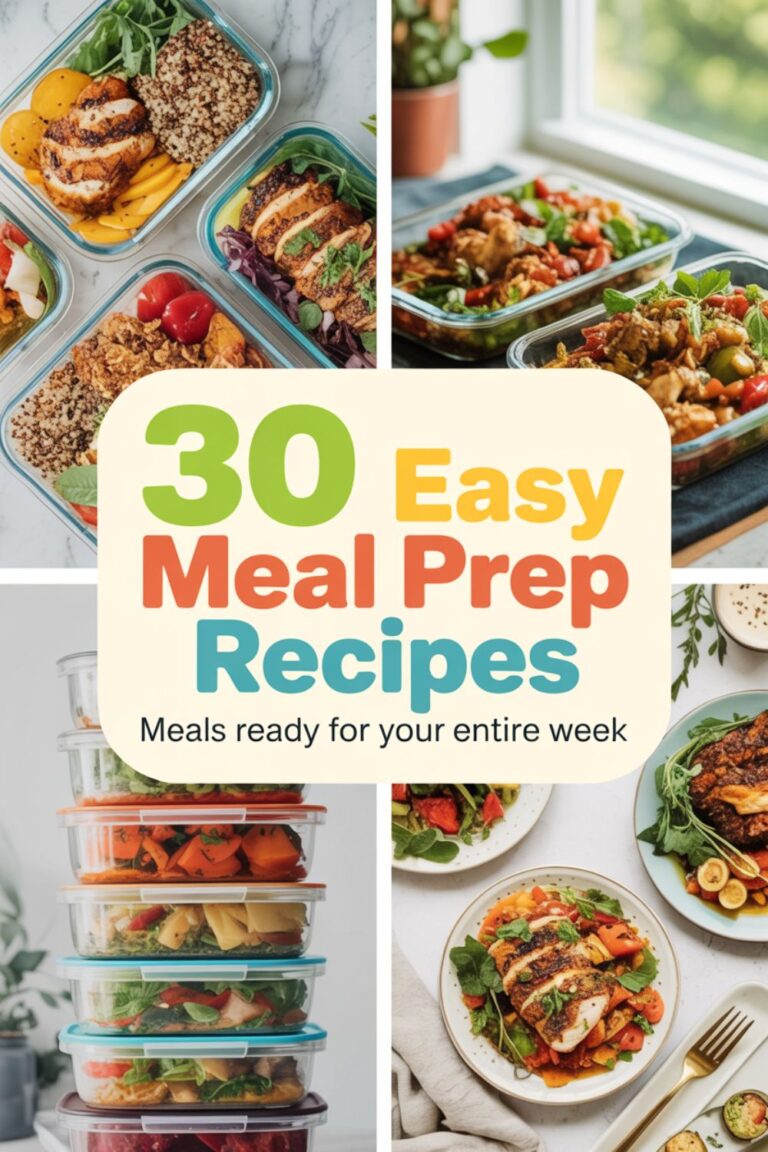
Option three: Level up. Try more complex recipes, experiment with different cuisines, get creative. You’ve built the foundation, now you can play. These easy meal prep recipes offer a ton of variety once you’re ready to expand your rotation.
The point is to keep moving forward, not to stay stuck doing exactly the same thing forever. Use the structure as a foundation, not a prison.
Frequently Asked Questions
How much weight can I realistically lose in 30 days with meal prep?
Most people lose between 4-8 pounds in their first month, though this varies based on starting weight, activity level, and how closely you stick to the plan. The first week you might lose more due to water weight, then expect 1-2 pounds per week after that. Remember, sustainable weight loss is about consistency, not speed.
Do I really need to prep all my meals, or can I just do some?
You absolutely don’t need to prep everything. Most successful people prep 70% of meals and leave 30% flexible. Start with just breakfast and lunch if that feels more manageable—you’ll still see results and save tons of time. The goal is consistency in the meals you do prep, not perfection across every single meal.
How long does meal prep actually take each week?
Week one might take 3-4 hours as you’re learning the routine. By week three, you can get your core prep done in 90 minutes to 2 hours. If you use the assembly line method and prep components instead of complete meals, you’ll save even more time. Some people split it into two shorter sessions instead of one long one.
Won’t I get bored eating the same things all week?
Only if you make the same complete meals every day, which is why this plan focuses on component prep instead. When you batch-cook proteins and vegetables separately, you can mix them in different combinations throughout the week. Different sauces and seasonings also transform the same ingredients into totally different meals. Plus, the 70/30 rule gives you flexibility to eat out or cook fresh when you want variety.
What if I don’t have time for a big Sunday prep session?
Split it up. Prep proteins one day, vegetables another. Or do a quick 30-minute session twice during the week instead of one marathon Sunday cook-off. You can also lean on strategic shortcuts like rotisserie chicken, pre-washed greens, and frozen vegetables. The system adapts to your schedule—you don’t have to follow some rigid Sunday-only rule.
Final Thoughts
Look, meal prep isn’t magic. It won’t solve all your problems or transform your life overnight. But it removes so much friction from eating well that everything else gets easier.
After 30 days, you’ll have a system that works for your life, not against it. You’ll know which foods you like, how long prep actually takes, and what strategies prevent you from quitting when things get hard.
The best meal prep plan is the one you’ll actually follow. This framework gives you structure without rigidity, guidance without micromanagement. Take what works, adjust what doesn’t, and build something sustainable.
Start small. Be consistent. Give yourself permission to not be perfect. In 30 days, you’ll be amazed at how automatic it all becomes. And yeah, you’ll probably lose some weight too.