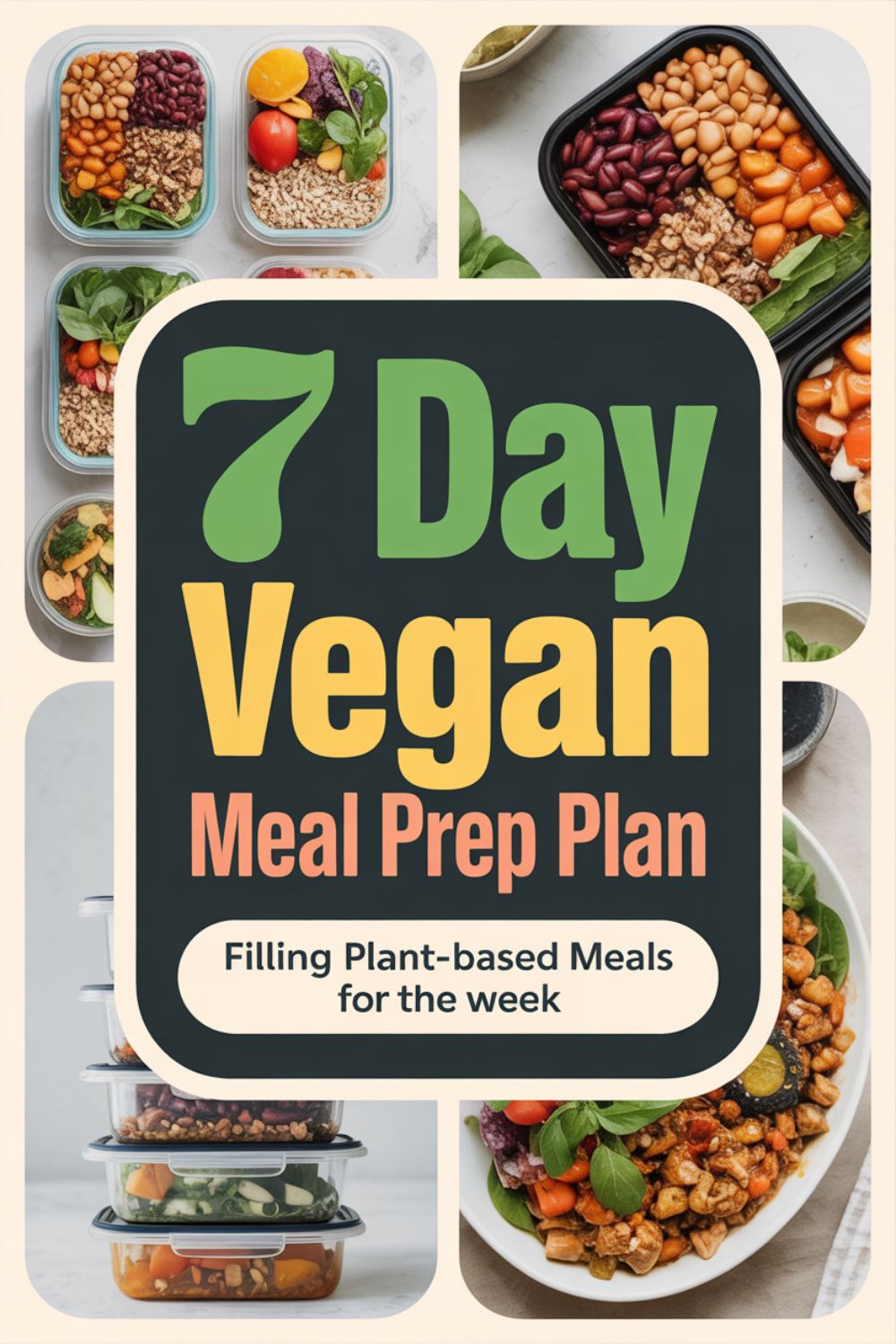
7-Day Vegan Meal Prep Plan That Keeps You Full
You know that sinking feeling when you open the fridge at 7 PM and find nothing but condiments and questionable leftovers? Yeah, been there. That’s exactly why I started meal prepping, and honestly, going vegan made it even more necessary. The thing about plant-based eating is that people assume you’ll be hungry all the time, surviving on lettuce leaves and air. Spoiler alert: that’s complete nonsense.
I’m going to walk you through a seven-day vegan meal prep plan that actually keeps you satisfied. No fake hunger pangs at 3 PM, no secret drive-thru runs, just real food that fills you up and doesn’t require a culinary degree to prepare. This isn’t about restriction or suffering through bland chickpeas—it’s about setting yourself up so you’re not scrambling every single meal.
Why Vegan Meal Prep Actually Works
Let me be straight with you: meal prep isn’t some magical productivity hack that transforms your life overnight. It’s just practical. When you’ve got prepared food sitting in your fridge, you’re way less likely to make questionable decisions. And when you’re eating vegan, having ready-to-eat options means you won’t find yourself eating cereal for dinner (again).
The science backs this up too. Research on home meal preparation shows that batch cooking reduces stress and gives you more healthy options throughout the week. Plant-based diets rich in legumes, whole grains, and vegetables have been linked to improved gut health, better blood sugar control, and reduced risk of chronic diseases.
But here’s what really matters: protein. Everyone and their mother will ask “where do you get your protein?” when you mention eating vegan. According to research published in the journal Nutrients, protein-rich plant foods like legumes, nuts, and seeds are completely sufficient for meeting protein needs in adults. You just need to eat enough of them, which is where meal prep becomes your best friend.
The Foundation: Building Meals That Actually Fill You Up
Satiety on a vegan diet comes down to three things: protein, fiber, and healthy fats. Miss any of these and you’ll be raiding the pantry an hour after eating. I learned this the hard way after a week of sad salads left me constantly hungry and cranky.
Each meal in this plan combines complete protein sources with complex carbs and fats. We’re talking lentils, chickpeas, tofu, tempeh, quinoa, and nuts. These aren’t just fillers—they’re legitimate protein powerhouses. A cup of cooked lentils has about 18 grams of protein, and tofu packs around 15 grams per serving. When you compare this to peanut butter versus almond butter, both deliver healthy fats, but peanut butter actually has slightly more protein (about 7-8 grams per two tablespoons versus 6-7 for almond butter).
I’m a huge fan of using glass meal prep containers with divided compartments for this. They keep different components from getting soggy, and you can see exactly what you’re grabbing without playing fridge roulette. Plus, I use these reusable silicone bags for snacks and smaller portions—way better than tossing plastic baggies every week.
Your Seven-Day Blueprint
This plan rotates through different cuisines and flavors so you’re not eating the exact same thing repeatedly. Variety keeps it interesting and ensures you’re getting a wider range of nutrients. Each day includes breakfast, lunch, dinner, and two snacks. The prep work happens primarily on Sunday, with a small midweek refresh on Wednesday.
For anyone just starting out with vegan eating, you might want to check out this 21-day vegetarian meal prep guide that eases you into plant-based cooking without overwhelming your schedule.
Day 1-3: The Protein-Packed Foundation
Monday through Wednesday focuses on legume-heavy meals because they store well and reheat beautifully. You’ll prep a big batch of lentil curry, chickpea “tuna” salad, and overnight oats with chia seeds.
Monday Meals
Breakfast: Overnight oats made with rolled oats, almond milk, chia seeds, maple syrup, and fresh berries. The chia seeds aren’t just trendy—they add omega-3s and create a pudding-like texture that’s actually filling. I prep these in small mason jars with tight lids because they stack perfectly and you can grab and go.
Lunch: Massive lentil and vegetable curry over brown rice. This is where a quality Dutch oven earns its keep. You can make enough curry for three days in one pot, and it tastes better each day as the flavors develop. Get Full Recipe
Dinner: Buddha bowl with roasted chickpeas, quinoa, roasted sweet potato, kale, avocado, and tahini dressing. The chickpeas get crispy in the oven if you toss them with a tiny bit of olive oil and your favorite spices. I roast them on these silicone baking mats—zero sticking, zero scrubbing later.
If you’re looking for more ways to keep breakfast interesting without cooking every morning, this 7-day breakfast meal prep guide has some solid options that don’t all involve oats.
Tuesday and Wednesday
You’re eating variations of Monday’s meals. Switch up the overnight oats by adding different nut butters—I alternate between natural almond butter and sunflower seed butter for variety. The lentil curry gets served over different grains (try farro or barley), and the Buddha bowls rotate vegetables based on what’s looking good at the market.
For lunch, the chickpea “tuna” salad works great stuffed in whole grain pitas or over mixed greens. You make it by mashing chickpeas with vegan mayo, diced celery, red onion, and a squeeze of lemon. It’s protein-dense and genuinely satisfying. Get Full Recipe
Day 4-5: Midweek Reset
Wednesday evening is your mini prep session. This is when you make fresh items that don’t store as well for multiple days. Think stir-fries, fresh spring rolls, and anything with delicate greens.
Thursday Lineup
Breakfast: Tofu scramble with vegetables, nutritional yeast, and whole grain toast. Tofu scrambles are ridiculously easy once you get the hang of them. Crumble extra-firm tofu, season it with turmeric for color, add nutritional yeast for a cheesy flavor, and mix in whatever vegetables need using up. The whole thing comes together in one pan—I use this well-seasoned cast iron skillet for basically everything.
Lunch: Tempeh and vegetable stir-fry with brown rice noodles. Tempeh has a firmer texture than tofu and packs even more protein—about 20 grams per serving. I marinate it in soy sauce, ginger, and garlic before pan-frying. The result is nutty, savory, and holds up perfectly in the fridge for a couple days.
Dinner: Black bean and sweet potato tacos with all the fixings. This is where meal prep gets fun because everyone can customize their own. Prep the beans and roasted sweet potatoes ahead, then let people add their own toppings. Get Full Recipe
Speaking of high-protein options that keep you full, if you’re specifically trying to increase protein intake, this high-protein breakfast prep plan focuses on exactly that without any animal products.
Friday
By Friday, you’re coasting. Breakfast is another tofu scramble variation, lunch uses up the tempeh stir-fry leftovers, and dinner is a big batch of minestrone soup loaded with white beans, pasta, and vegetables. Soup is criminally underrated for meal prep. It freezes beautifully, reheats perfectly, and you can make massive quantities without much effort.
The white beans in the minestrone add creaminess and about 15 grams of protein per cup. Combined with whole grain pasta and all those vegetables, it’s a complete meal that actually sticks with you. I make mine in a programmable slow cooker so it’s ready when I get home. Get Full Recipe
Day 6-7: Weekend Simplicity
Weekends should be slightly more relaxed. You’ve made it through the week, and frankly, you deserve to not stress about every single meal.
Saturday
Breakfast: Smoothie bowls with frozen fruit, spinach, protein powder, and toppings. I blend frozen bananas with berries, a handful of spinach (you won’t taste it), and plant-based protein powder. Top with granola, seeds, and fresh fruit. It’s Instagram-worthy and actually nutritious.
Lunch: Leftover minestrone from Friday or a giant salad with pre-prepped toppings. The key to good salads is having everything chopped and ready. Keep your dressing separate until you’re ready to eat—soggy salad is a crime against meal prep.
Dinner: Homemade veggie burgers with sweet potato fries. Make extra patties and freeze them. Future you will be grateful. I shape these by hand and cook them on the stovetop, but you could also bake them on parchment-lined sheet pans for less active cooking time.
Looking for more complete meal ideas? This 7-day dinner meal prep plan takes the guesswork out of evening meals for the entire week.
Sunday
Sunday is your flex day. Make something fresh that you’re craving, use up whatever’s left in the fridge, or try a new recipe. I like using Sundays to experiment without pressure since I know I’ve got the coming week covered from my prep work.
A friend recently turned me on to jackfruit “pulled pork” sandwiches, and they’ve become a Sunday regular. Young jackfruit has this amazing shredded texture that soaks up whatever sauce you use. It’s weird, it works, and it’s stupidly simple to make.
Meal Prep Essentials Used in This Plan
Here are the tools and ingredients that make this seven-day plan actually doable without losing your mind:
- Glass meal prep containers (set of 10) – Microwave safe, dishwasher friendly, and you can see what’s inside without opening them
- Quality chef’s knife – A sharp knife makes vegetable prep about 10 times faster and way safer than hacking away with a dull blade
- Large Dutch oven or heavy-bottomed pot – Essential for curries, soups, and anything you’re making in bulk
- Vegan Meal Prep Mastery ebook – Comprehensive guide with 50+ recipes, shopping lists, and detailed prep schedules
- Plant-Based Protein Guide PDF – Complete breakdown of protein sources, amino acid profiles, and daily requirements
- Meal Prep Template Bundle – Printable weekly planners, grocery lists, and container labels
- Join our WhatsApp Meal Prep Community – Weekly recipe swaps, troubleshooting help, and accountability partners
The Snack Situation
Let’s talk about snacks because pretending you won’t get hungry between meals is unrealistic. The trick is having grab-and-go options that aren’t just emergency crackers.
My rotation includes: hummus with cut vegetables, trail mix (make your own with raw nuts, seeds, and dried fruit), apple slices with nut butter, energy balls made with dates and oats, and roasted chickpeas. Everything gets prepped on Sunday and portioned into containers or bags.
Energy balls are particularly clutch because they’re sweet enough to feel like a treat but packed with protein and healthy fats. You literally just blend dates, nuts, oats, and whatever add-ins you want (chocolate chips, coconut, vanilla) in a food processor, roll into balls, and refrigerate. Done. Get Full Recipe
If you’re someone who needs more structured snack ideas, this collection of 30 healthy meal prep recipes includes snack options alongside full meals.
Making It Work in Real Life
Theory is great, but execution is where most meal prep plans fall apart. Here’s what actually works based on doing this weekly for the past year and change.
Sunday Prep Session Strategy
Block out 2-3 hours on Sunday. Put on a podcast or music, and treat it like your weekly cooking marathon. Start with anything that needs the longest cooking time—grains, roasted vegetables, slow-cooked legumes. While those are going, prep your vegetables, make dressings, and portion snacks.
I use these stackable glass containers because they maximize fridge space and don’t absorb smells or stains like plastic does. Label everything with masking tape and a marker. FYI, this seems excessive until you’re staring at three identical containers wondering which one is the curry and which one is the chili.
Storage Guidelines That Matter
Most cooked vegan food lasts 4-5 days in the fridge when stored properly. According to food safety guidelines, cooked vegetables and grains stay fresh for 3-5 days, while cooked legumes can last up to a week. That’s why Wednesday’s mini-prep exists—you’re refreshing things that don’t last quite as long.
Anything you won’t eat within 5 days should go straight to the freezer. Soups, curries, and grain-based dishes freeze beautifully. Use freezer-safe containers and leave some headspace since food expands when frozen. Label with the date, because frozen food all looks the same after a month and you will forget what you made.
For people working with smaller budgets, this 21-day budget meal prep plan shows how to eat well without spending a fortune on specialty ingredients.
Batch Cooking vs. Ingredient Prep
There are two schools of thought: batch cooking complete meals or prepping ingredients to mix and match. I do both, honestly. Complete meals like curry or soup are great for lunches when I want zero decision-making. But having prepped ingredients—cooked grains, roasted vegetables, marinated tofu—gives me flexibility for dinners when I might want something different.
The ingredient prep approach means I can throw together a grain bowl, wrap, stir-fry, or salad in about 10 minutes. It’s the difference between “I have to eat this specific thing” and “I can make something with what I have.” Both approaches work; figure out what matches your brain better.
Tools & Resources That Make Cooking Easier
These aren’t absolutely necessary, but they genuinely make the process smoother and less painful:
- Instant Pot or pressure cooker – Cooks dried beans in 30 minutes instead of hours, perfect for last-minute additions
- Food processor – Hummus, energy balls, veggie burgers, and anything else you’d rather not mash by hand
- Quality vegetable peeler and box grater – Makes vegetable prep significantly faster and less annoying
- Weekly Meal Planning Workbook – Step-by-step system for planning, shopping, and prepping without the overwhelm
- Vegan Substitutions Cheat Sheet – Quick reference for replacing eggs, dairy, and meat in any recipe
- Batch Cooking Video Course – Video tutorials showing exact prep techniques, storage methods, and timing strategies
- Recipe Developer Community Access – Private group for sharing modified recipes, asking questions, and getting feedback
Common Mistakes to Avoid
I’ve made literally all of these mistakes, so learn from my failures instead of repeating them.
Prepping Food You Don’t Actually Like
Just because something is healthy doesn’t mean you have to eat it. If you hate Brussels sprouts, don’t meal prep them thinking you’ll magically start enjoying them on day four. You won’t. You’ll end up eating crackers and hummus for dinner instead. Prep food you genuinely want to eat.
Going Too Ambitious Too Fast
Start with prepping one or two meals for the week. Get comfortable with the rhythm before you try to prep every single meal for seven days. The goal is sustainable habits, not burning yourself out in week one and giving up entirely.
If you need a gentler introduction, this no-stress meal prep approach breaks things down into manageable chunks without overwhelming your schedule.
Ignoring Food Safety
Cool hot food before refrigerating it, but don’t leave it sitting out for hours. Store proteins separately from produce if possible. Use airtight containers. Wash your hands. These aren’t optional suggestions—they’re how you avoid food poisoning, which would definitely ruin your week.
Not Planning for Variety
Eating the same meal seven days straight sounds efficient but it’s mind-numbingly boring. Even if you’re making a big batch of one thing, switch up your sides, add different sauces, or vary your breakfast and snacks. Variety keeps you from hating the whole concept of meal prep.
Frequently Asked Questions
Can I really get enough protein from plants?
Yes, absolutely. Lentils, chickpeas, black beans, tofu, tempeh, quinoa, nuts, and seeds all pack significant protein. According to research, plant-based diets easily meet protein requirements when you’re eating enough calories and including a variety of these foods. A cup of lentils has 18g of protein, tofu has about 15g per serving, and even quinoa provides 8g per cup. Combine different sources throughout the day and you’re golden.
How long does meal-prepped food actually last?
Most cooked vegan food stays fresh for 4-5 days in the fridge when stored properly in airtight containers. Cooked grains and legumes can stretch to 5-7 days. Anything beyond that should be frozen immediately after cooking. Always use your senses though—if something smells off or looks questionable, toss it.
What if I don’t have time for a big Sunday prep session?
Break it up. Do 45 minutes Sunday and 45 minutes Wednesday. Or prep just breakfasts and snacks on Sunday, then do quick 20-minute dinner preps each evening. The point isn’t perfection; it’s having more ready-to-eat food than you would otherwise. Even prepping half your meals is better than prepping zero meals.
Do I need fancy equipment to meal prep?
Not really. A good knife, cutting board, some pots and pans, and basic storage containers will get you 90% of the way there. Everything else is just nice to have. I managed meal prep for months with a hand-me-down knife and mismatched Tupperware before upgrading my gear.
What about eating out or social events?
Build them into your plan. If you know you’re eating out Friday night, don’t prep Friday dinner. If there’s a weekend brunch situation, skip prepping Saturday breakfast. Meal prep is supposed to make life easier, not turn you into someone who never leaves their kitchen or declines every invitation.
Making This Work Long-Term
The real test isn’t whether you can meal prep for one week. It’s whether you can build this into a sustainable routine that doesn’t make you want to quit after three weeks.
Start by accepting that some weeks will go perfectly and others will be a disaster. You might nail your Sunday prep and feel like a domestic god, or you might get to Wednesday and realize you forgot to make anything and you’re eating peanut butter from the jar. Both scenarios are fine. What matters is that you keep trying instead of declaring the whole thing a failure.
Find your rhythm. Maybe you’re someone who loves a big Sunday cook-a-thon. Maybe you prefer smaller daily prep sessions. Maybe you do great with repetitive meals or maybe you need constant variety. There’s no single right way to do this—just the way that works for your brain, schedule, and preferences.
Track what actually gets eaten. If you prep something and it sits in the fridge until it goes bad, stop making that thing. Make more of whatever disappears first. Pay attention to which meals you look forward to and which ones feel like a chore to eat. Adjust accordingly.
The ultimate goal here isn’t Instagram-perfect meal prep photos or following someone else’s plan exactly. It’s having nutritious food ready when you need it so you’re not making decisions when you’re tired, hungry, and standing in front of an open fridge wishing for different options. That’s it. That’s the whole point.
This seven-day plan gives you a framework, but it’s meant to be customized. Swap ingredients based on what’s in season, what’s on sale, or what you’re craving. Use it as a jumping-off point rather than scripture. The best meal prep plan is the one you’ll actually do consistently, not the one that looks perfect on paper but makes you miserable in practice.
And honestly? Some weeks you’ll crush it and some weeks you’ll survive on last-minute stir-fries and takeout. That’s being human. The goal is progress and making your life easier, not achieving some impossible standard of perfection. Keep it simple, keep it realistic, and keep going. You’ve got this.