7-Day Easy Keto Meal Prep Without Stress
You know that Sunday night panic when you realize you haven’t planned a single meal for the week? Yeah, we’ve all been there. But here’s the thing about keto meal prep—it’s not about spending your entire weekend cooking forty containers of chicken and broccoli. It’s about working smarter, not harder.
I’ve been doing keto meal prep for three years now, and honestly, the first few months were a disaster. Soggy vegetables, rubbery eggs, and enough meal prep burnout to make me order takeout by Wednesday. But once I figured out the actual secrets to stress-free keto prep, everything changed. Now my Sunday prep takes me about two hours, and I actually look forward to eating my prepped meals all week.
Let me walk you through exactly how to make keto meal prep work without losing your mind or your weekends.
Why Keto Meal Prep Actually Makes Sense
Here’s what nobody tells you about keto: the hardest part isn’t giving up bread or pasta. It’s making good choices when you’re starving at 3 PM and your brain is screaming for the quickest carb fix possible. That’s where meal prep becomes your secret weapon.
The Mayo Clinic explains that low-carb diets work because they help you feel full longer, which naturally reduces your overall calorie intake. But that only works if you actually have keto-friendly food ready to eat. Otherwise, you’re one hungry moment away from a carb binge.
When I started meal prepping my keto meals, I stopped making desperate food decisions. No more grabbing whatever looked remotely keto at the gas station. No more convincing myself that the lettuce on a burger somehow cancelled out the bun.
The Sunday Strategy That Changes Everything
Forget what you’ve seen on Instagram. You don’t need twelve matching glass containers and a color-coded spreadsheet. You need a system that fits your actual life.
Start With Your Proteins
I always cook my proteins first because they take the longest and set the foundation for the whole week. My go-to method? Sheet pans for everything. Seriously, I use this heavy-duty aluminum sheet pan set for literally every protein I make—less dishes, more flavor.
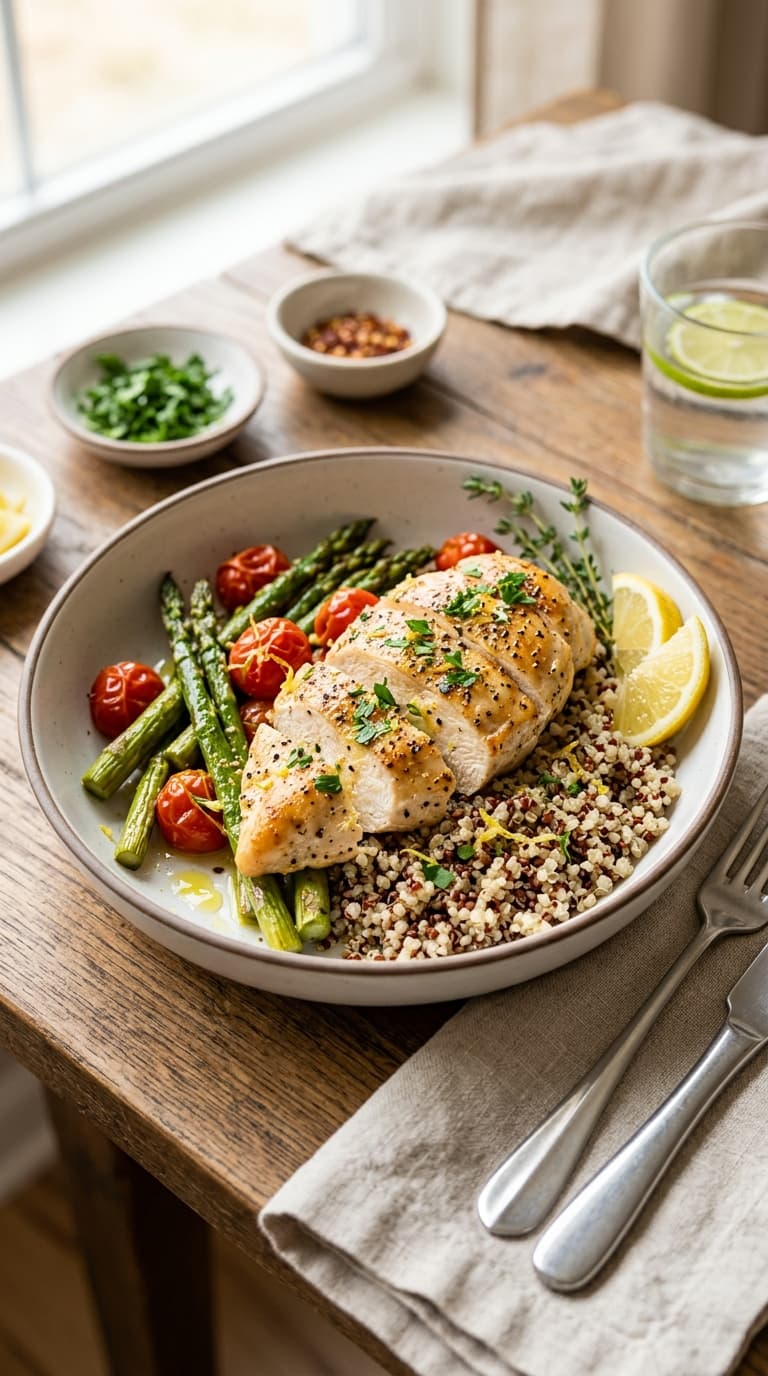
Here’s my typical Sunday protein lineup: chicken thighs seasoned with garlic and paprika, ground beef with taco spices, and salmon with lemon and dill. Three proteins, three different flavor profiles, endless meal combinations. I season the chicken and salmon on one large rimmed baking sheet, and brown the ground beef in my favorite cast iron skillet while the oven does its thing.
Vegetables That Don’t Turn to Mush
This took me forever to figure out, but the secret to vegetables that actually taste good all week is understanding which ones hold up and which ones don’t. Roasted Brussels sprouts, cauliflower, and bell peppers? Excellent. Delicate greens and zucchini? Not so much.
I roast all my hardy vegetables at once using the same sheet pans my proteins were on (just give them a quick rinse). These family-friendly dinner preps taught me that keeping vegetables slightly undercooked means they won’t turn sad and soggy by midweek.
For greens, I wash and dry them thoroughly, then store them in containers lined with paper towels. Game changer. I have these produce storage containers with vents that legitimately keep lettuce crisp for over a week.
The Seven-Day Breakdown That Actually Works
Here’s how I structure my week so I’m not eating the exact same thing seven days in a row.
Days 1-3: Fresh Proteins
Monday through Wednesday, I eat my fresh-cooked proteins. The chicken thighs go over cauliflower rice with roasted peppers. The salmon gets paired with roasted Brussels sprouts and a side of avocado. The taco-seasoned beef becomes burrito bowls with shredded lettuce, cheese, sour cream, and salsa.
According to USDA food safety guidelines, cooked proteins stay safe in the fridge for 3-4 days when stored properly at 40°F or below, which is exactly why I structure my week this way.
Days 4-5: Strategic Repeats
Thursday and Friday, I’ll either reheat what’s left from the first half of the week or pull something from the freezer. This is where having a few freezer meal preps on rotation saves you from meal prep burnout.
I also keep these meals interesting by changing up the sides or sauces. Same chicken, different vegetables. Same beef, but now it’s over a salad instead of cauliflower rice.
Days 6-7: Flex Days
Saturday and Sunday are my flex days. Sometimes I cook fresh, sometimes I finish up leftovers, sometimes I actually go out to eat like a normal person. The point of meal prep isn’t to lock yourself into a food prison—it’s to make your weekdays easier.
Meal Prep Essentials Used in This Plan
Kitchen Tools That Make Life Easier
- Glass meal prep containers with snap lids – I swear by the 3-compartment ones. They keep different foods separate, you can see what’s inside, and they’re microwave and dishwasher safe.
- Digital kitchen scale – Tracking macros without guessing makes keto so much easier. This one connects to an app but honestly, I just use it the old-fashioned way.
- Silicone baking mats – I use these on everything short of cereal bowls. Zero sticking, zero scrubbing. My sheet pans have never looked better.
Digital Resources
- Keto Macro Calculator – Figure out your exact carb, protein, and fat targets
- 7-Day Meal Prep Planner Template – Printable PDF that keeps you organized
- Keto Shopping List Database – Every ingredient you’ll ever need, categorized by store section
Community Support
- WhatsApp Keto Meal Prep Group – Share your preps, get feedback, steal ideas from others
- Recipe Swap Community – When you’re bored of your rotation, find new favorites here
The Macro Balance Nobody Explains Properly
Okay, real talk for a second. Everyone throws around “75% fat, 20% protein, 5% carbs” like it’s gospel, but that’s not actually how most people should approach keto meal prep. Your macro needs depend on your goals, your activity level, and your body.
I learned this the hard way after three months of eating way too much fat and wondering why I wasn’t losing weight. Turns out, if weight loss is your goal, you need to eat fat for satiety, not just to hit some arbitrary percentage. Your body will burn its own fat stores when you create a calorie deficit—you don’t need to force-feed yourself tablespoons of butter.
For my meal prep, I aim for about 100-120g of protein daily, keep carbs under 25g net, and let fat fill in the rest until I’m satisfied. Some days that’s 60% fat, some days it’s 75%. As long as I’m in ketosis and not hungry, I’m good.
If you’re curious about the science behind this, this comprehensive study on ketogenic diets breaks down how different macro ratios affect ketosis and metabolic outcomes.
Protein Priority Meal Prep
Most keto meal preppers I know—myself included—have the best results when we prioritize protein first, then add fat and vegetables around it. This approach keeps you full, preserves muscle mass, and makes hitting your macros way less stressful.
My favorite high-protein keto combinations for meal prep include grilled chicken with olive oil and almonds, baked salmon with butter sauce and asparagus, and seasoned ground beef with cheese and avocado. Each meal hits around 30-35g of protein, which is perfect for spreading throughout the day.
For more protein-focused options, check out these high-protein dinner preps designed for fat loss—they follow the same philosophy and work incredibly well for keto.
The Carb Confusion and How to Fix It
Here’s something that confused the hell out of me when I started: total carbs versus net carbs. And honestly, it still trips people up constantly.
Total carbs are every carbohydrate in the food. Net carbs are total carbs minus fiber and certain sugar alcohols. For keto meal prep purposes, you want to track net carbs because fiber doesn’t spike your blood sugar or kick you out of ketosis.
A cup of cauliflower rice has about 5g total carbs but only 3g net carbs because of the 2g of fiber. That difference matters when you’re trying to stay under 20-25g daily.
I keep a running list on my phone of the net carb counts for my go-to ingredients. After a few weeks, you won’t even need to look stuff up—you’ll just know that a serving of broccoli is about 4g net carbs and plan accordingly.
Storage Strategies That Prevent Food Waste
I used to throw away so much prepped food because I didn’t understand proper storage. Now I barely waste anything, and my meals taste fresh all week long.
First rule: proteins and vegetables get stored separately when possible. When they sit together in the same container for days, flavors bleed and textures get weird. I use these divided glass containers that keep everything separate but still in one convenient package.
Second rule: sauces and dressings always go in separate small containers. Always. I bought a pack of 2-ounce portion cups with lids and it changed my meal prep life. No more soggy salads or weirdly moist chicken.
For longer storage, I portion meals into freezer-safe containers and label them with the date and contents using this erasable freezer label kit. According to FDA storage recommendations, most cooked meals stay safe in the freezer for 2-4 months, which means you can actually prep ahead for busy weeks.
The Reheat Reality Check
Not all foods reheat equally. Chicken and ground beef? Pretty forgiving. Fish? Needs to be reheated gently or it gets dry and fishy. Eggs? Better made fresh or eaten cold.
I reheat most meals in the microwave at 70% power for longer rather than full power quickly. Slower reheating means more even temperature and better texture. For chicken especially, I’ll add a splash of broth or water to the container before reheating—keeps everything moist.
If I’m reheating something with vegetables, I’ll sometimes pull the protein out halfway through and continue heating just the vegetables since they need longer. Seems fussy, but it takes literally 30 extra seconds and makes a huge difference.
Speaking of easy weekday solutions, these work lunch meal preps are designed specifically to reheat well in office microwaves without making your coworkers hate you.
Tools and Resources That Make Cooking Easier
My Most-Used Kitchen Gear
- Instant-read meat thermometer – Stop guessing when your protein is done. This one gives you a reading in 3 seconds and has saved me from so much overcooked chicken.
- Spiralizer for zucchini noodles – The handheld kind, not those giant countertop things. Takes up minimal space and actually gets used.
- Silicone spatulas set – Heat-resistant, dishwasher safe, and they don’t scratch your pans. I have like eight of these and use them constantly.
Apps and Digital Tools
- Carb Manager Premium – Tracks macros, has a huge food database, and connects with fitness trackers
- Meal Prep Sunday Planner – Digital planner that syncs across devices so you can grocery shop from your phone
- Keto Recipe Database – Searchable by ingredient, macro count, and prep time
Join the Community
- Weekly Keto Prep Challenge Group – WhatsApp community where we share Sunday preps and keep each other motivated
- Recipe Testing Squad – Try new recipes together and give honest feedback before adding them to your rotation
Common Meal Prep Mistakes I Made So You Don’t Have To
Mistake number one: trying to prep seven different meals. Variety is great, but when you’re starting out, stick to 3-4 base meals and change up the sides or sauces. Trust me on this.
Mistake number two: not tasting as you go. Season your food properly during prep, not when you’re reheating it days later. Underseasoned meal prep is the fastest way to end up ordering takeout by Tuesday.
Mistake number three: prepping foods I didn’t actually like. Just because cauliflower rice is keto doesn’t mean you have to eat it if you hate it. Find keto foods you genuinely enjoy, or this whole thing becomes unsustainable really fast.
I also learned that prepping too far in advance leads to food fatigue. Even my favorite meals get boring if I eat them for ten days straight. That’s why I stick to a seven-day max and build in those flex days at the end of the week.
The Seasoning Secret
Here’s a trick that took my meal prep from boring to actually exciting: I prep proteins fairly plain, then store different sauces and seasoning blends separately. One batch of chicken becomes three different meals depending on whether I add buffalo sauce, pesto, or curry spices when I reheat it.
My current sauce rotation includes homemade ranch (Mayo, sour cream, herbs), sriracha mayo (exactly what it sounds like), and garlic butter (butter, minced garlic, parsley). Each one takes about five minutes to make and completely transforms the same base protein.
For a wider variety of approaches, these low-carb meal preps show you how to keep things interesting without complicated recipes.
Budget-Friendly Keto Prep That Won’t Break the Bank
Let’s address the elephant in the room: keto can get expensive if you’re not strategic. But it doesn’t have to be.
My budget game-changers: buy proteins on sale and freeze them, choose eggs as a protein source at least a few times a week, and skip the fancy keto specialty products. You don’t need almond flour bread or sugar-free keto cookies to do this successfully. IMO, most of that stuff is overpriced anyway.
I spend about sixty bucks a week on groceries for keto meal prep, and that includes pretty decent quality meats and plenty of vegetables. The secret is planning around what’s on sale and keeping my meals relatively simple.
Chicken thighs are cheaper than breasts and taste better. Ground beef goes on sale constantly. Eggs are always affordable. Frozen vegetables are just as nutritious as fresh and often cheaper. Buy blocks of cheese and shred it yourself instead of buying pre-shredded—you’ll save money and avoid the anti-caking agents.
Need more budget-conscious options? These budget meal preps for tight schedules prove you can eat well without spending a fortune.
Making Breakfast Work Without Morning Chaos
I’m not a morning person. Like, at all. Which is why my keto breakfast meal prep is possibly the most important part of my entire week.
I make three types of breakfasts: egg muffins that I can grab cold from the fridge, chia seed pudding made in small mason jars, and occasionally a big batch of keto pancakes that I freeze and pop in the toaster during the week.
The egg muffins are stupidly simple: whisk eggs with heavy cream, add cooked sausage and cheese, pour into a silicone muffin pan, bake at 350°F for about 20 minutes. Done. Each muffin is about 2g net carbs and keeps me full until lunch.
For the chia pudding, I mix chia seeds with unsweetened almond milk, a bit of vanilla extract, and stevia, then let it sit overnight. In the morning, I add some berries and nuts. Takes literally two minutes to make a whole week’s worth.
If you want more breakfast variety that’s still grab-and-go friendly, check out these breakfast meal preps designed to fix chaotic mornings. They saved me from the drive-through breakfast sandwich temptation more times than I can count.
When Life Gets In the Way of Meal Prep
Some weeks, Sunday meal prep just doesn’t happen. Maybe you’re traveling, maybe you’re exhausted, maybe life just got in the way. That’s completely normal and not a reason to give up on keto entirely.
My backup plan: keep frozen cooked proteins on hand at all times. I always have frozen cooked chicken, ground beef, and usually some kind of fish in the freezer. Add a bagged salad and some full-fat dressing, and you have a keto meal in ten minutes.
I also keep these emergency keto staples stocked: rotisserie chicken from the grocery store, pre-cooked bacon, hard-boiled eggs (yes, you can buy them pre-cooked), canned tuna, and pre-washed greens. Are these ideal from a budget standpoint? No. But they’re way better than breaking your eating plan because you weren’t prepared.
The goal isn’t perfection. The goal is having systems in place that work even when life isn’t perfect.
Looking for more flexible approaches? These no-stress meal prep plans are designed specifically for people with unpredictable schedules who still want to eat well.
Real Talk About Keto Flu and How Prep Helps
If you’re new to keto, you might experience what people call “keto flu” during the first week or two. Headaches, fatigue, brain fog, irritability—it’s all pretty miserable. But here’s what most articles don’t tell you: it’s not actually the flu, and meal prep can help you avoid it entirely.
Keto flu happens because your body is losing water and electrolytes as you dump glycogen stores. The fix? Salt your food more than you normally would, drink plenty of water, and consider adding electrolyte drops to your water throughout the day.
When I meal prep, I’m way more intentional about electrolytes. I’ll season my proteins generously with salt, add lite salt (which has potassium) to my vegetables, and keep magnesium supplements on hand. Making these small adjustments during prep means I don’t have to think about it during the week when I’m already adapting to fewer carbs.
I also make bone broth in big batches using my slow cooker and freeze it in portions. Warm bone broth with extra salt is basically magic for fighting keto flu—and it’s incredibly soothing when you’re feeling rough.
Sustainable Keto vs. Crash Diet Keto
Here’s my unpopular opinion: if your keto meal prep makes you miserable, you’re doing it wrong. This should make your life easier, not turn eating into a joyless obligation.
I see people all the time doing extreme versions of keto—no dairy, no nuts, no artificial sweeteners, tracking every macro to the decimal point. And sure, that works for some people. But most of us need something we can actually maintain long-term.
My version of sustainable keto meal prep includes foods I genuinely enjoy, allows for flexibility when I need it, and doesn’t require me to bring my own food to every social event. I eat vegetables I like, proteins I enjoy, and use enough fat to make everything taste good without forcing myself to drink oil or eat straight butter.
The research supports this approach too. Studies show that sustainable dietary changes—ones you can maintain for months or years—are far more effective than extreme restrictions you can only handle for a few weeks.
If you’re looking to ease into keto without going all-in immediately, these clean eating meal preps are a great stepping stone. They focus on whole foods and can help you transition gradually.
Frequently Asked Questions
How long does keto meal prep actually last in the fridge?
Most cooked proteins and vegetables stay safe for 3-4 days when stored properly at 40°F or below. I structure my week so I’m eating fresh-prepped meals Monday through Wednesday, then either finishing leftovers or pulling from the freezer Thursday and Friday. This keeps everything tasting good and prevents food waste. If you want meals to last longer, freeze portions immediately after cooking and thaw them as needed throughout the week.
Do I need to count every single macro when meal prepping for keto?
Not necessarily. When you’re starting out, yes, tracking helps you learn what proper portions look like and ensures you’re actually in ketosis. But after a few weeks, most people develop an intuitive sense of their macros and can relax the tracking. I calculate macros when I’m prepping the whole batch, then divide by portions—way easier than tracking each individual meal. Focus on keeping carbs consistently low, eating enough protein, and using fat to feel satisfied.
Can I meal prep keto on a tight budget?
Absolutely. Skip the expensive specialty keto products and focus on whole foods: eggs, chicken thighs, ground beef, frozen vegetables, and blocks of cheese you shred yourself. Buy proteins when they’re on sale and freeze them. I spend about sixty dollars a week on keto meal prep, and that includes quality ingredients. The key is planning around sales and keeping meals simple rather than trying to recreate fancy keto versions of high-carb foods.
What if I get bored eating the same meals all week?
Prep your proteins fairly plain and store different sauces separately. One batch of chicken becomes three different meals depending on whether you add buffalo sauce, pesto, or curry when you reheat it. Also, don’t prep more than four days at a time—build in flex days where you cook fresh or try something new. Variety comes from smart seasoning and sauce rotation, not from cooking twelve different meals every Sunday.
How do I prevent my meal prep from getting soggy or weird-tasting?
Store proteins and vegetables separately when possible, keep sauces and dressings in small containers on the side, and slightly undercook vegetables so they don’t turn to mush when reheated. Use divided containers that keep different foods separate but still convenient. Also, reheat at lower power for longer rather than full blast—it makes a huge difference in texture and moisture retention.
The Bottom Line on Stress-Free Keto Prep
After three years of keto meal prepping, here’s what I know for sure: the best system is the one you’ll actually use. Not the most Instagram-worthy one, not the most extreme one, not the one some influencer swears by.
Start simple. Pick three proteins you like, roast some vegetables, make a couple of sauces. See how that goes for a week before you try to get fancy. Build your system gradually based on what actually works for your schedule, your kitchen, and your taste preferences.
The Sunday prep gets faster with practice. The first few times, yeah, it might take you three hours. But after a month, you’ll have your system down and it’ll take you ninety minutes, maybe two hours tops. That’s a small investment for a week of stress-free eating.
And remember: meal prep is supposed to make your life easier. If it’s not doing that, adjust your approach. This isn’t about achieving some perfect meal prep ideal—it’s about having good food ready when you need it so you can stick to your goals without losing your mind.
Now go make your grocery list, block out two hours this Sunday, and start building a meal prep system that actually works for your real life. Your future self will thank you when it’s 6 PM on a Tuesday and you have a delicious keto meal ready in three minutes instead of staring hopelessly into an empty fridge.