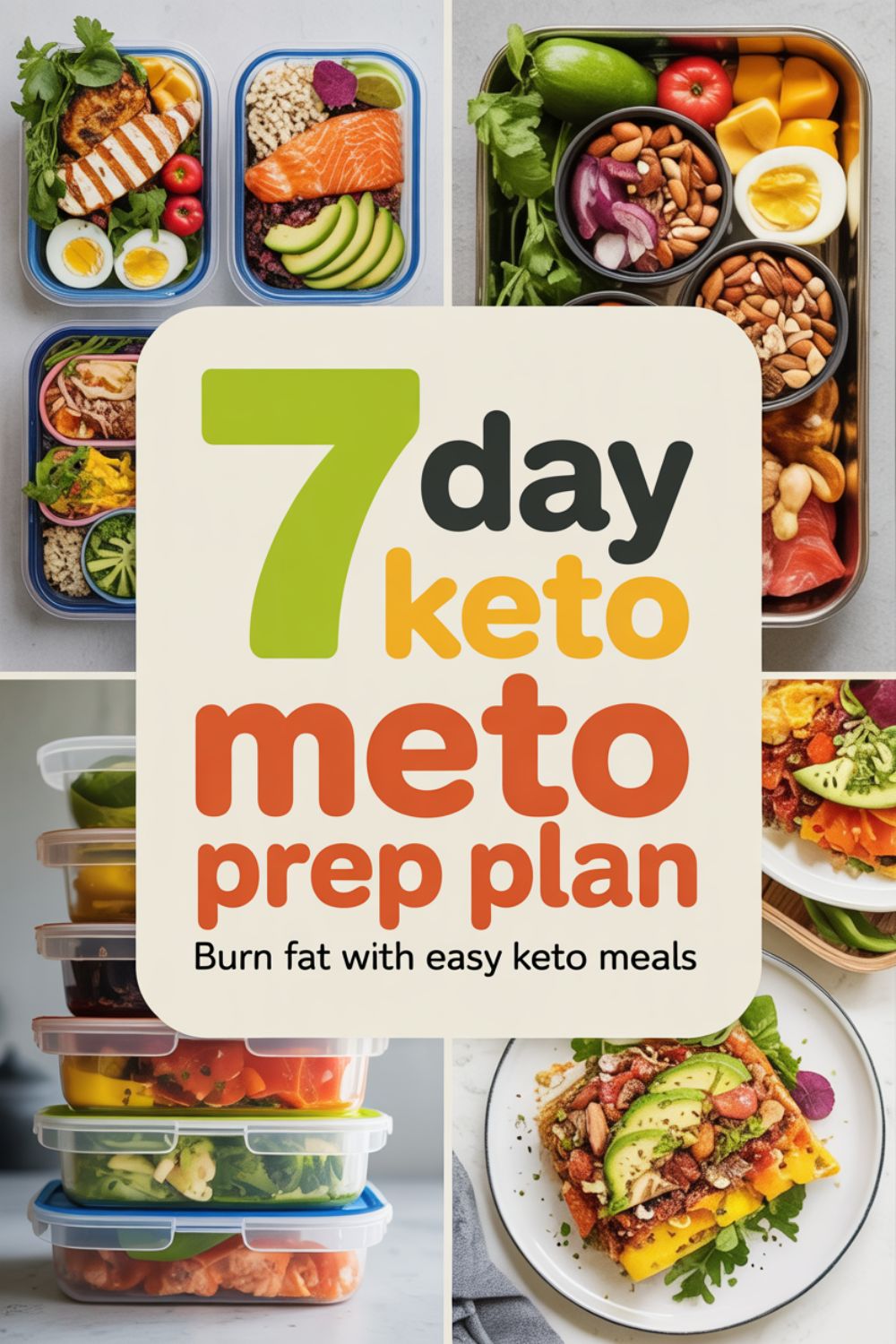
7-Day Keto Meal Prep Plan for Fat Burning
Look, I’m not going to sugarcoat this—going keto while juggling work, family, and whatever else life throws at you can feel like running a marathon backward. You’re supposed to count macros, stay under 50 grams of carbs, and somehow avoid the siren call of that office birthday cake. But here’s the thing: when you’ve got your meals prepped and ready to go, keto stops being a daily wrestling match and starts feeling like a system that actually works.
I spent my first month on keto eating sad chicken salads and questioning all my life choices. Then I discovered meal prep—actual, strategic meal prep that takes the guesswork out of staying in ketosis. This 7-day plan is exactly what I wish someone had handed me back then. It’s designed to keep you burning fat without requiring a culinary degree or spending every waking hour in the kitchen.
Whether you’re trying keto for the first time or you’re a seasoned low-carb veteran looking to tighten up your routine, this plan covers everything from breakfast egg muffins to dinner-ready zucchini boats. And trust me, by day three, you’ll wonder why you ever stressed about what to eat.
Why Keto Meal Prep Actually Changes Everything
Here’s what nobody tells you about keto: the diet itself isn’t that complicated, but the daily execution can absolutely wreck you if you’re not prepared. According to research from Mayo Clinic, a true ketogenic diet requires keeping carbs under 50 grams daily while getting 60-80% of calories from fat. That’s roughly what you’d find in just one bagel worth of carbs for your entire day.
When you meal prep for keto, you’re essentially building a safety net. No more standing in front of your fridge at 8 PM trying to figure out if that protein bar will kick you out of ketosis. No more emergency trips to fast-food joints because you forgot to thaw something. You’ve got your meals locked and loaded.
The fat-burning magic happens when your body shifts from using glucose to using ketones for energy—a process called ketosis. But here’s the catch: you need consistency. One high-carb slip-up and you’re back at square one, waiting days to get back into that metabolic sweet spot. Meal prep eliminates most of those accidental carb bombs.
Understanding the Keto Fat-Burning Process
Let me break down what’s actually happening in your body when you go keto. Normally, your body runs on glucose from carbohydrates—it’s the easy fuel source. But when you drastically cut carbs, your liver starts breaking down fat into molecules called ketones. These ketones become your new primary fuel source.
The National Center for Biotechnology Information explains that this metabolic shift doesn’t happen overnight. It typically takes two to three weeks for your body to fully adapt to burning fat instead of glucose. During this transition, some people experience what’s lovingly called the “keto flu”—headaches, fatigue, and general crankiness.
That’s where meal prep becomes your secret weapon. When you’ve got perfectly portioned, macro-counted meals ready to grab, you’re way less likely to cheat out of hunger or frustration. You’re setting yourself up to push through that adaptation phase and get to the good stuff—consistent energy, reduced appetite, and yes, fat loss.
Here’s something interesting: ketosis naturally suppresses hunger hormones. Studies show people on keto diets report less hunger and desire to eat. But you’ve got to stay consistent long enough to experience those benefits. IMO, that’s why so many people fail at keto—they give up before their body fully adapts.
If you’re also looking for complementary strategies, check out these 21-day weight loss meal prep plans that can help you establish solid habits. Many people find success combining different meal prep approaches to keep things interesting.
The 7-Day Keto Meal Prep Blueprint
Alright, let’s get into the actual plan. This isn’t some fantasy meal schedule that assumes you have three hours every morning. This is designed for real people with real schedules who still want to see real results.
Day 1-2: Foundation Phase
Start with the basics: egg-based breakfast options and simple protein-plus-veggie combinations. For breakfast, prep a dozen keto egg muffins loaded with cheese, spinach, and bacon. Each muffin has about 2g net carbs, making them perfect grab-and-go fuel.
Lunch is where you’ll want to batch cook. I’m talking about grilled chicken thighs (way more forgiving than breasts) over cauliflower rice with a hefty drizzle of olive oil and herbs. Make enough for four servings—two for these first days, two for later in the week.
Dinner gets a bit fancier: baked salmon with roasted Brussels sprouts and a side of mashed cauliflower. The key here is using this silicone baking mat so nothing sticks and cleanup takes about 30 seconds instead of 30 minutes.
Day 3-4: Variety Without Chaos
By day three, you might be getting sick of eggs. Fair. Switch to keto chia pudding made with coconut milk, chia seeds, and a touch of stevia. Mix it up the night before in these handy mason jars and you’ve got breakfast that feels like dessert.
Midweek lunches call for something that reheats well. Enter: beef and broccoli stir-fry made with coconut aminos instead of soy sauce. Use this pre-seasoned wok to get that restaurant-quality sear without the carbs from traditional stir-fry sauces.
Dinner tonight is zucchini noodles with homemade pesto and grilled shrimp. I use this spiralizer because it doesn’t turn zucchini into mush—nobody wants soggy noodles. The pesto is just basil, pine nuts, parmesan, garlic, and olive oil blended until smooth. Make extra and store it in ice cube trays for instant flavor bombs later.
Speaking of creative veggie preparations, you might enjoy these 7-day low-carb dinner meal prep ideas that focus on comforting, satisfying meals without the carb overload.
Day 5-6: Strategic Leftovers
This is where meal prep genius really shines. Remember that extra pesto? It’s going on your breakfast frittata along with sun-dried tomatoes and feta cheese. Bake it in a sheet pan, cut it into squares, and you’ve got two days of breakfast covered.
Lunch is pulled pork (made in this slow cooker the night before) served over a bed of coleslaw with avocado. The pork requires zero attention—just dump it in with some spices and forget about it for eight hours.
Friday night dinner is personal pizza time, but make it keto. Use fathead dough (mozzarella, cream cheese, almond flour, and egg) as your base. Top it with whatever low-carb options you’re craving. Pro tip: I bake mine on this pizza stone for a legitimately crispy crust that doesn’t taste like cardboard.
Meal Prep Essentials Used in This Plan
Look, you don’t need to buy everything on this list, but these are the items that genuinely make keto meal prep easier, not harder:
- Glass Meal Prep Containers (Set of 10) – Because plastic stains and nobody wants orange turmeric containers forever. These stack perfectly and actually seal properly.
- Digital Kitchen Scale – Eyeballing portions is how you accidentally eat 40g of carbs. This scale is accurate to 1 gram and has a tare function that’ll change your life.
- Instant Pot 6-Quart – Not just hype. This thing pressure cooks, slow cooks, and sautés. I’ve made entire weekly protein batches in under an hour.
- Keto Macro Calculator Spreadsheet (Digital Download) – Takes the math out of meal planning. Plug in your stats, get your personalized macros, and track daily intake without losing your mind.
- 50 Keto Meal Prep Recipe eBook (Digital Download) – Beyond this 7-day plan. Includes shopping lists, substitution guides, and recipes organized by prep time.
- Printable Meal Prep Planner Bundle (Digital Download) – Weekly templates, grocery lists, and macro tracking sheets. Print once, use forever.
Want even more support? Join our Keto Meal Prep Community on WhatsApp where members share weekly prep photos, swap recipes, and troubleshoot together. Real people, real results, zero judgment.
Day 7: Prep Day Reset
Sunday is about setting up next week while enjoying today’s meals. Breakfast is leftover fathead pizza reheated in this mini toaster oven—way better than microwave sogginess.
Lunch keeps it simple with a rotisserie chicken (yes, store-bought counts as meal prep) over mixed greens with olive oil and balsamic vinegar. Use the leftover chicken bones to make bone broth in your slow cooker overnight. FYI, bone broth is basically liquid gold for staying in ketosis—packed with electrolytes and zero carbs.
Dinner is ribeye steak with garlic butter green beans. While the steak rests, use this time to prep tomorrow’s breakfast egg cups and marinate chicken for the week ahead. Efficiency is the name of the game.
For those mornings when you need something ready in seconds, these 7-day breakfast meal prep ideas offer variety while keeping your carb count in check. Get Full Recipe for the egg cups mentioned above—they’re genuinely game-changing.
Smart Protein Choices That Keep You Full
Not all proteins are created equal on keto. You want options that are naturally fatty or that pair well with added fats. Skinless chicken breast? That’s actually harder to work with on keto because it’s too lean. You’ll end up adding so much fat back in that it becomes a production.
Better choices: chicken thighs, salmon, ground beef (80/20 ratio), pork shoulder, and whole eggs. These proteins already have enough fat to keep you satisfied and hit your macro targets without needing to chug olive oil or eat straight butter (though no judgment if that’s your thing).
Here’s something interesting about protein intake on keto: you need enough to preserve muscle mass, but too much can actually kick you out of ketosis through a process called gluconeogenesis. The sweet spot is typically 20-25% of your daily calories from protein. That’s where having this protein powder comes in handy—it’s specifically formulated for keto with added MCT oil and zero fillers.
When you’re planning protein-heavy meals, these high-protein dinner meal prep recipes can help you stay in your macros while building satisfying, flavorful meals. You’ll also want to check out this 7-day high-protein breakfast meal prep plan for morning options that power you through until lunch.
Vegetables That Won’t Wreck Your Macros
Vegetables on keto require some strategy. You can’t just eat unlimited amounts of everything green—some veggies are surprisingly carb-heavy. Looking at you, carrots and peas.
Your safest bets are leafy greens (spinach, kale, arugula), cruciferous vegetables (broccoli, cauliflower, Brussels sprouts), and zucchini. These are all under 5g net carbs per serving and pack fiber that helps with, well, keeping things moving. Nobody talks about this enough, but the keto diet can back you up if you’re not eating enough fiber.
Cauliflower deserves special recognition here. This vegetable is basically the Swiss Army knife of keto—cauliflower rice, mashed cauliflower, cauliflower pizza crust, even cauliflower mac and cheese. I prep a huge batch every Sunday using this food processor and it becomes the base for probably four different meals throughout the week.
Zucchini noodles (zoodles) are another vegetable workhorse. They satisfy that pasta craving without the 40g carb bomb. The trick is salting them and letting them sit for 10 minutes before cooking—this draws out excess moisture so you don’t end up with a watery mess. Pat them dry with paper towels, then quickly sauté in butter for about two minutes. That’s it.
Interested in plant-based options? These 21-day vegetarian meal prep ideas include plenty of keto-friendly vegetable combinations that work beautifully with added fats and proteins.
Fats That Fuel Without the Guilt
On a standard diet, fat is often the villain. On keto, it’s literally your primary fuel source. But that doesn’t mean you should be chugging coconut oil straight from the jar (though, again, no judgment). Quality matters.
The best fats for keto are avocado oil, olive oil, coconut oil, grass-fed butter, and ghee. These are whole-food fats that come with actual nutrients, unlike some of the processed options. Avocados themselves are keto gold—packed with healthy fats, fiber, and only about 2g net carbs per half.
Nuts and seeds work great too, but you’ve got to watch portions. It’s surprisingly easy to blow through 10g of carbs by mindlessly snacking on almonds. I portion mine out using these small containers so I’m not accidentally eating three servings while watching TV.
MCT oil is worth mentioning. It’s derived from coconut oil and gets converted to ketones super efficiently. I add a tablespoon to my morning coffee along with some grass-fed butter—that’s the famous “bulletproof coffee” everyone talks about. Fair warning: start with a small amount. MCT oil can cause some, uh, digestive urgency if you go too hard too fast.
Cheese is another fat source that makes keto actually enjoyable. Cream cheese, cheddar, mozzarella, parmesan—they’re all fair game. Just check the labels because some cheeses have hidden carbs from fillers. The good stuff should be basically zero carbs per serving.
Tools & Resources That Make Keto Cooking Easier
These aren’t just random kitchen gadgets—these are the tools that actually get used every single week:
- Vegetable Spiralizer – Turns zucchini, cucumbers, and even butternut squash into noodle alternatives. The blade is dishwasher safe and it doesn’t take up half your counter.
- Cast Iron Skillet (12-inch) – Perfect sear every time. Pre-seasoned and basically indestructible. Your ribeyes will thank you.
- Immersion Blender – Makes smooth cauliflower mash, homemade mayo, and creamy soups right in the pot. Way easier to clean than a full blender.
- Weekly Keto Grocery List Template (Digital Download) – Organized by store sections. Never forget an ingredient or waste time wandering aisles.
- Keto Snack Ideas Guide (Digital Download) – 30 grab-and-go options under 5g net carbs. Because 3 PM hunger is real.
- Restaurant Survival Guide for Keto (Digital Download) – What to order at 25 popular chains to stay in ketosis while eating out.
Join the conversation in our Keto Success Stories WhatsApp Group where members share their wins, progress photos, and the occasional hilarious meal prep fail. It’s motivation when you need it most.
Avoiding Common Keto Meal Prep Mistakes
Let’s talk about what doesn’t work, because learning from other people’s mistakes is way cheaper than making them yourself.
First mistake: not eating enough salt. When you cut carbs, your body dumps water and electrolytes. You need to actively replenish sodium, potassium, and magnesium or you’ll feel like hot garbage. I add extra salt to everything and keep these electrolyte packets on hand for when I’m feeling off.
Second mistake: prepping food that doesn’t reheat well. Hardboiled eggs? Great cold, terrible reheated. Crispy bacon? Soggy disaster by day three. Learn which textures hold up and which don’t. Generally, things in sauce reheat better than dry proteins.
Third mistake: getting bored and quitting. Keto can feel monotonous if you’re eating the same five things every week. That’s why having variety in your prep is crucial. Batch cook different proteins each week. Try new seasonings. Experiment with different low-carb vegetables. The people who succeed at keto long-term are the ones who find ways to keep it interesting.
Fourth mistake: not planning for snacks. Even on keto, hunger happens between meals. Having keto-friendly snacks ready prevents you from reaching for whatever’s convenient (which is usually not keto). I keep portions of cheese, pepperoni, macadamia nuts, and celery with almond butter prepped and ready.
If you’re struggling with budget constraints while trying to eat keto, these budget meal prep ideas prove you don’t need to spend a fortune to eat well. Keto can actually be quite affordable if you focus on whole foods instead of expensive specialty products.
Meal Timing and Intermittent Fasting
Here’s something interesting: keto and intermittent fasting (IF) work together like peanut butter and jelly. Except, you know, without the jelly. Or the bread. You get the point.
When you’re fat-adapted (fully in ketosis), hunger becomes way more manageable. Many people naturally fall into an IF pattern because they’re just not hungry in the morning. This creates an even bigger calorie deficit and can accelerate fat loss.
A common approach is 16:8 intermittent fasting—you eat within an 8-hour window and fast for 16 hours. For most people, this means skipping breakfast and eating between noon and 8 PM. Your meal prep just got simpler because you’re only prepping lunch and dinner.
But here’s the thing: you don’t have to do IF to succeed on keto. If you’re genuinely hungry for breakfast, eat breakfast. The goal is sustainability, not suffering. Some people feel amazing fasting, others feel like they’re going to eat their own arm. Both approaches can work for fat loss as long as you’re in ketosis and maintaining a calorie deficit.
For those who do eat breakfast, these 7-day healthy breakfast meal prep ideas keep your mornings simple while staying low-carb. You can also explore low-calorie breakfast options that work perfectly within keto macros.
Tracking Progress Beyond the Scale
The scale is not your only measure of success on keto. In fact, it can be downright misleading, especially in the first two weeks.
When you first go keto, you’ll lose a bunch of water weight. The scale will drop dramatically, and it feels amazing. But then it might stall for a week or two while your body adjusts. This is where most people panic and quit. Don’t be most people.
Better progress markers: how your clothes fit, your energy levels throughout the day, mental clarity, and whether you’re staying in ketosis (use these ketone test strips for confirmation). Take measurements and progress photos every two weeks. The scale might not budge, but your waist measurement could drop an inch.
Also pay attention to non-scale victories like reduced inflammation, better sleep, more stable mood, and fewer sugar cravings. These are signs that your body is adapting to fat metabolism, even if the scale isn’t moving as fast as you’d like.
Sarah from our community tried this exact meal prep approach and lost 15 pounds in three months while actually enjoying her food. She said the biggest shift was having meals ready to go so she never had an excuse to cheat. That’s the power of preparation.
Need more comprehensive planning? Check out this 21-day clean eating meal prep guide that can complement your keto approach. You might also find value in these 30 easy meal prep recipes that can be adapted to fit keto macros. Get Full Recipe for the keto-adapted versions that keep net carbs under 10g per serving.
Dining Out While Staying in Ketosis
Real talk: you’re going to eat out occasionally. Life happens. Birthdays exist. Your friends will invite you to restaurants. The question isn’t whether you’ll dine out, but how to do it without completely derailing your progress.
Most restaurants are surprisingly keto-friendly if you know what to ask for. Skip the bread basket (obvious, but worth saying). Order protein with vegetables and ask for extra butter or olive oil. Bunless burgers are your friend. So are salads with grilled chicken or salmon—just watch out for sugary dressings.
Mexican restaurants? Fajitas without the tortillas, hold the rice and beans, extra guacamole. Steakhouses? Basically made for keto. Italian places are trickier, but most will sub zucchini noodles for pasta or serve your protein over a bed of vegetables.
The key is planning ahead. Look at the menu online before you go. Know what you’re going to order so you’re not making impulse decisions while starving and surrounded by garlic bread. This is where your meal prep habit pays off—because you’re already in the routine of thinking strategically about food.
If you’re feeding a family and need meals everyone will actually eat, these 21-day family meal prep ideas show you how to prep keto-friendly components that can be mixed and matched for different dietary needs at the table.
Frequently Asked Questions
Can I meal prep keto food for a full week without it going bad?
Absolutely. Most cooked proteins and vegetables stay fresh in the fridge for 4-5 days when stored properly in airtight containers. For anything beyond that, freeze it. Soups, casseroles, and cooked ground meat all freeze beautifully. Just thaw overnight in the fridge before reheating. The key is using quality containers that actually seal—cheap ones let air in and dry everything out.
How do I know if I’m actually in ketosis?
The most reliable way is using blood ketone meters or urine test strips. Aim for 0.5-3.0 mmol/L on a blood test. But you’ll also notice physical signs: decreased appetite, increased energy after the initial adaptation phase, mental clarity, and sometimes a fruity smell to your breath (not the most glamorous, but it’s a sign). If you’re consistently under 20-30g net carbs daily, you’re almost certainly in ketosis within a week.
What if I mess up and eat too many carbs?
Don’t panic. One high-carb meal won’t destroy weeks of progress, but it will kick you out of ketosis temporarily. Just get back on track with your next meal—don’t try to “make up for it” by eating nothing or cutting calories drastically. That just makes you miserable. It typically takes 24-48 hours to get back into ketosis if you immediately return to low-carb eating. Consider it a learning experience and move on.
Is keto safe long-term or is it just a short-term diet?
According to Mayo Clinic research, keto can be safe long-term for most people, but it’s not optimal for everyone. The restrictive nature makes it hard to maintain, and you want to make sure you’re getting enough nutrients from vegetables and not just loading up on bacon and butter. Many people cycle in and out of keto or use a less restrictive low-carb approach long-term. The best diet is always the one you can actually stick to while meeting your health goals.
Do I need expensive supplements to succeed on keto?
Nope. The only “supplements” I’d consider essential are electrolytes (sodium, potassium, magnesium) which you can get from food and salt rather than expensive powders. Some people like MCT oil for the ketone boost, but it’s not necessary. Focus your budget on quality whole foods—grass-fed meat if you can afford it, organic vegetables, good fats. The fancy keto products marketed everywhere are mostly just expensive ways to eat ultra-processed foods. Real food wins every time.
Making It Work for Your Life
Here’s the bottom line: this 7-day keto meal prep plan is a framework, not a prison sentence. You can swap proteins based on what’s on sale. You can adjust vegetables based on what you actually like eating. You can even repeat your favorite meals multiple times if that makes your life easier.
The goal isn’t perfection. The goal is progress. Every meal you prep in advance is one less opportunity to make a decision you’ll regret. Every day you stay in ketosis is another day your body is burning fat instead of storing it. Every week you stick with it is proof that you can do hard things.
Some days you’ll nail this plan perfectly. Other days you’ll eat cheese straight from the bag while standing in front of the fridge at midnight. Both are fine. What matters is the overall pattern, not individual moments.
Start with one week. Just seven days. Prep the meals, follow the plan, see how you feel. I’m willing to bet that by the end of week one, you’ll have more energy, less hunger, and a clearer head than you’ve had in a while. That’s usually enough to convince people to keep going.
For even more variety throughout the month, check out these 30 healthy meal prep recipes you can repeat without getting bored. You can also explore sheet pan meal prep options and one-pan meal prep recipes that minimize cleanup while maximizing flavor.
Remember, meal prep is just a tool. Keto is just a tool. They’re both means to an end—feeling better, having more energy, and yes, losing fat. Use the tools that work for you and don’t stress about the rest. Your body will thank you for the consistency, and your future self will thank you for starting today.
Now go make those egg muffins.