Build Your Perfect Family Meal Prep Plan
7-Day Cheap Meal Prep That Saves Money
Let me guess. You’re standing in your kitchen at 5:47 PM, staring into the fridge like it’s going to magically produce dinner. The kids are asking what’s for dinner every three minutes, and you’re already exhausted from the day. Sound familiar?
Family meal prep isn’t about spending your entire Sunday prepping identical containers of bland chicken and broccoli. It’s about having a plan that actually works for real families with picky eaters, busy schedules, and zero time for complicated recipes. I’ve tried every meal prep method out there, and I can tell you this: the best plan is the one your family will actually eat.
This seven-day plan is designed for families who want healthy, delicious meals without the dinnertime drama. You won’t need fancy equipment or hours of free time. Just a few smart strategies and meals that everyone from toddlers to teenagers will enjoy. Ready to take back your weeknights?
Pinterest Image Prompt
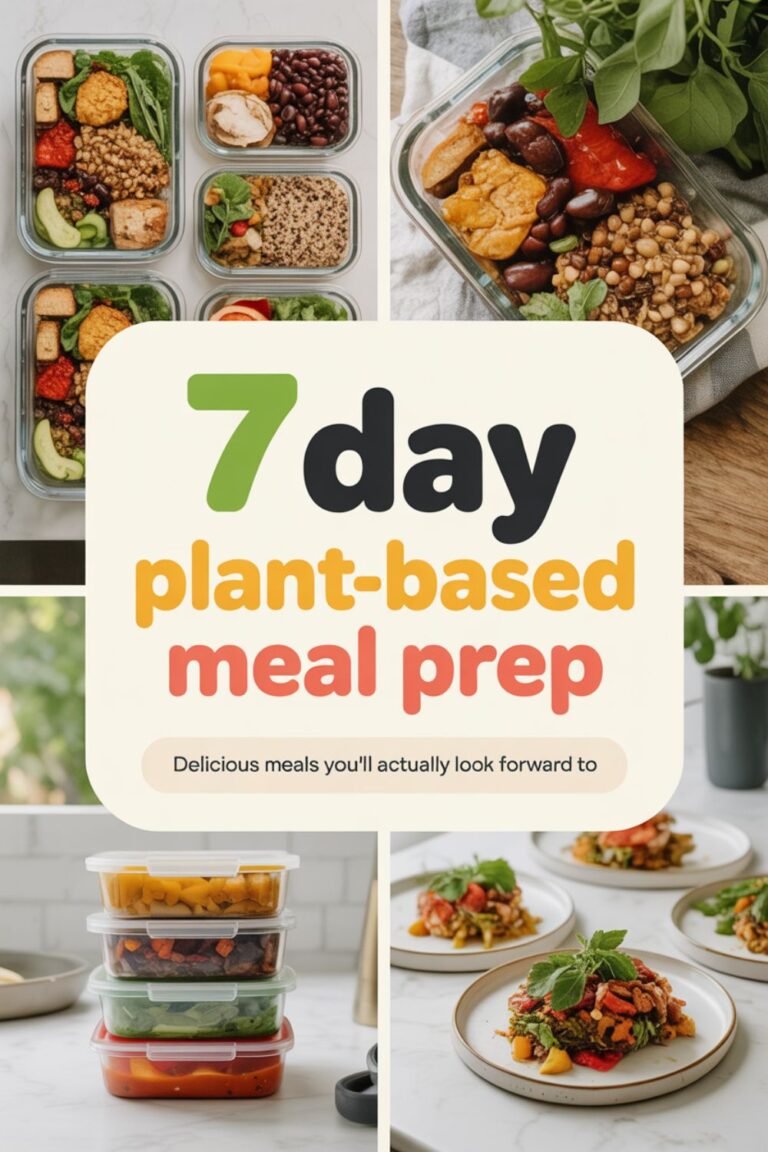
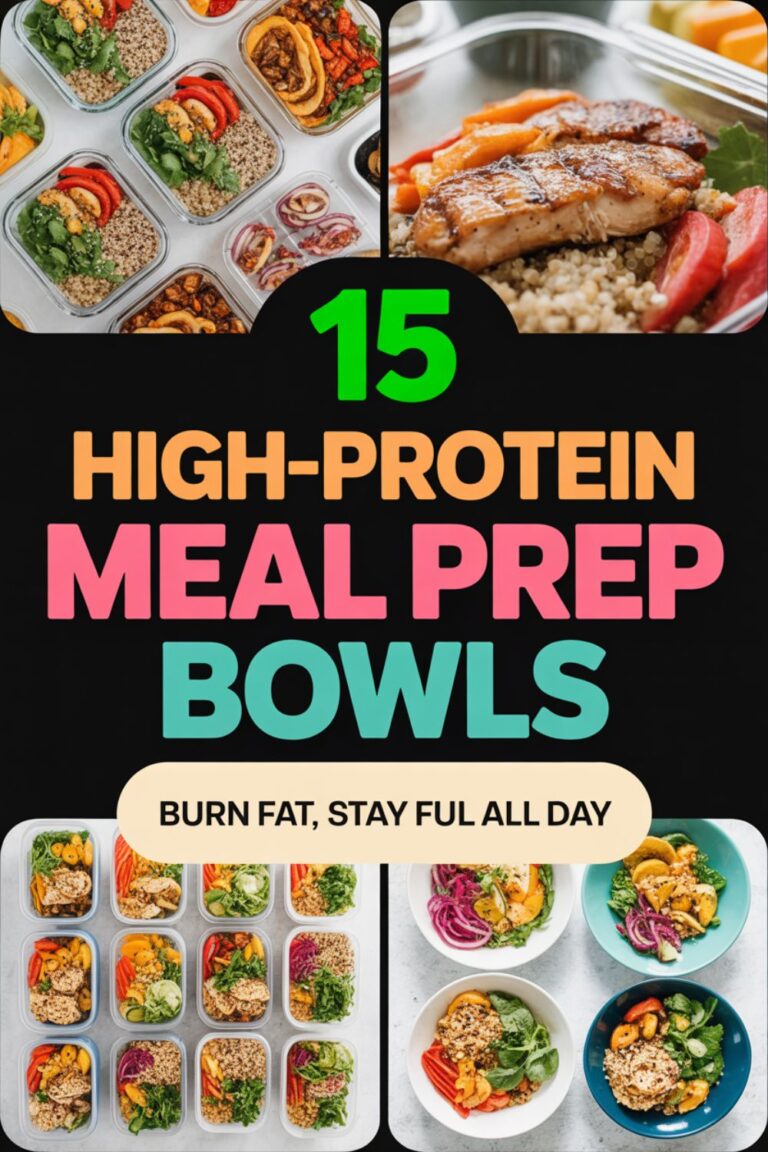
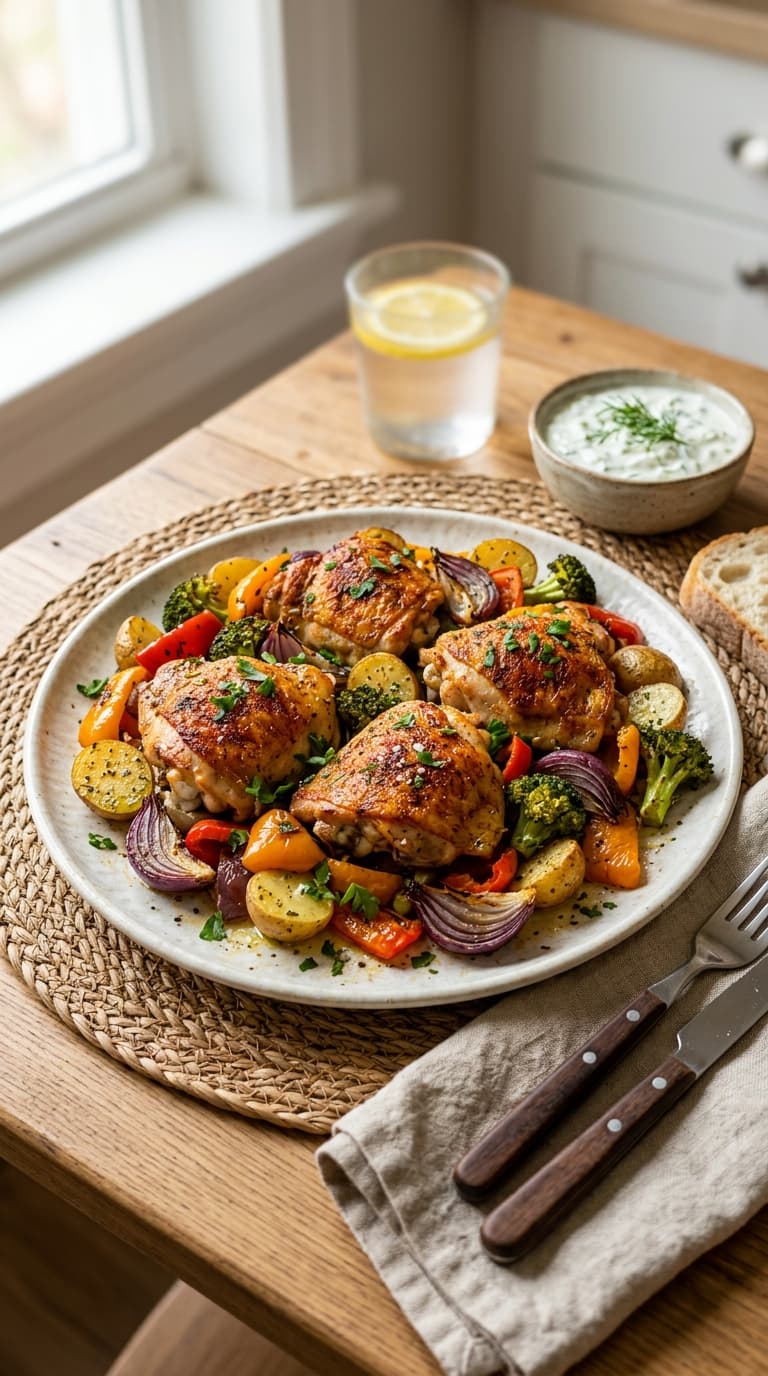
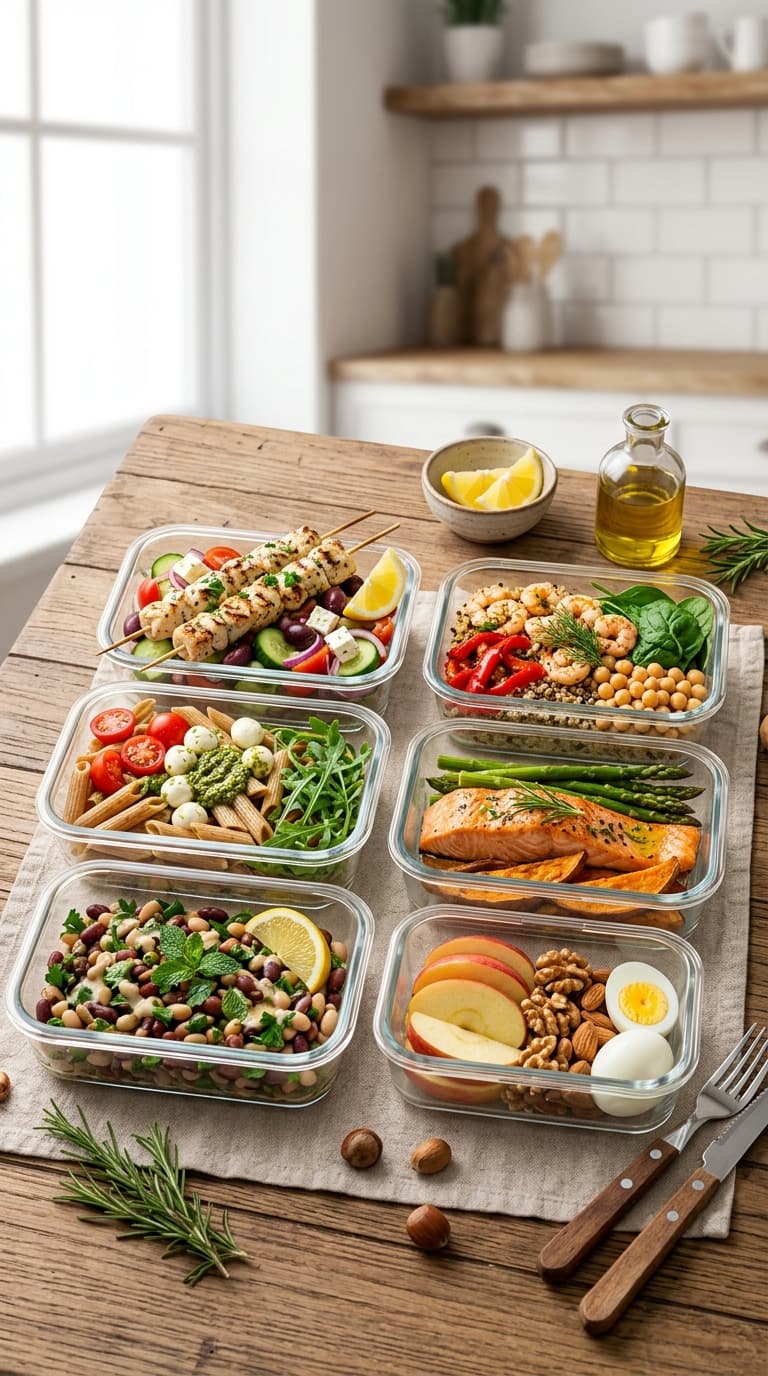
Create a warm, overhead shot of a family-style meal prep spread on a light wooden table. Feature colorful glass containers filled with vibrant meals: golden roasted chicken thighs, bright green broccoli florets, fluffy rice, and fresh salad greens. Include a few scattered fresh herbs, a white linen napkin, and natural sunlight streaming from the left side. The composition should feel organized but not sterile, with cozy kitchen lighting that makes the food look appetizing and achievable. Vertical orientation optimized for Pinterest, showing the variety and abundance of a week’s worth of family meals.
How This Family Meal Prep Plan Works
Here’s the thing about meal prepping for a family: one-size-fits-all doesn’t work. Your seven-year-old won’t touch mushrooms, your partner needs extra protein, and you’re trying to eat more vegetables. This plan solves that problem with what I call the “build-your-own-plate” approach.
Instead of prepping complete meals that everyone has to eat exactly as served, you’re preparing versatile components that family members can customize. Think taco bars, bowl stations, and mix-and-match proteins with sides. It’s the same concept restaurants use, just scaled down for your kitchen.
The plan follows basic MyPlate guidelines from the USDA, which recommend filling half your plate with fruits and vegetables, a quarter with lean protein, and a quarter with whole grains. But we’re keeping it flexible enough that your kids won’t stage a dinner revolt.
The Three-Hour Prep Strategy
You’ll spend about three hours on Sunday getting ahead for the week. That might sound like a lot, but compare it to the 30-45 minutes you’d spend each night scrambling to make dinner. You’re saving yourself at least two hours across the week, plus all the mental energy of deciding what’s for dinner.
The Harvard School of Public Health emphasizes starting small with meal prep, aiming to create enough dinners for just two to three days of the week initially. That’s exactly what we’re doing here, with a gradual build-up to a full seven days.
During your prep session, you’ll focus on proteins that take the longest to cook, batch-cook your grains, chop vegetables, and prepare a few sauces. Everything gets stored in the fridge or freezer, ready to heat and serve throughout the week.
Your Complete 7-Day Meal Plan
Day 1
Light, fluffy pancakes made with mashed banana and protein powder. The whole family loves these, and they freeze beautifully for quick weekday breakfasts.
Simple, no-cook lunch that kids can assemble themselves. Use whole wheat tortillas rolled with deli turkey, cheese, and a spread of cream cheese.
Everyone builds their own fajita with seasoned chicken strips and roasted vegetables. Set out toppings like cheese, sour cream, and salsa.
Day 2
Classic, reliable breakfast that takes just minutes. Add shredded cheese for picky eaters.
Cold pasta salad loaded with rotini, diced grilled chicken, cucumbers, and mozzarella pearls. Make a big batch on Sunday.
Set up a taco bar station. Each person fills their bowl with what they like: lettuce, rice, beans, meat, cheese, salsa, and avocado.
Day 3
Layer yogurt with crunchy granola and fresh fruit. Prep the containers ahead, but add granola right before eating to keep it crispy.
Use leftover taco chicken from Day 2. Quick to make fresh or reheat from prep.
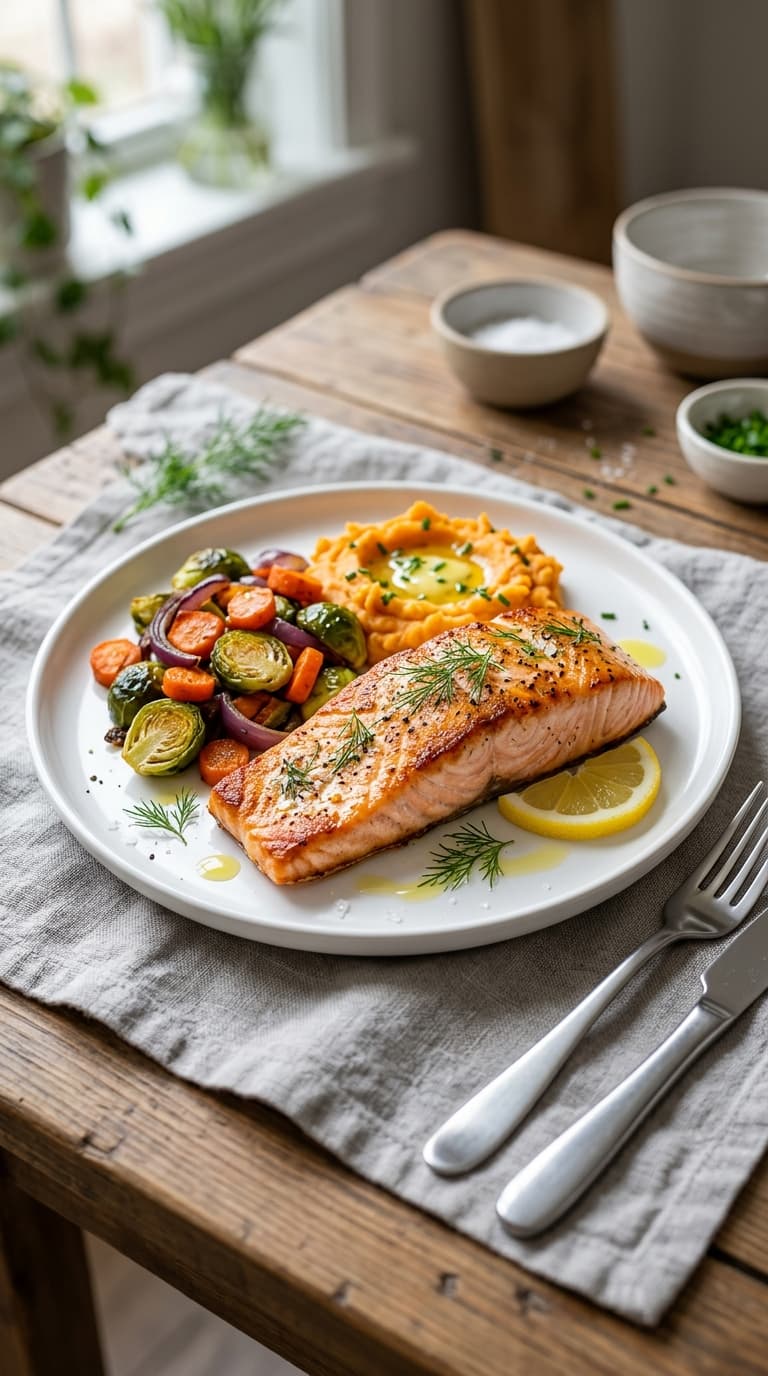
Simple oven dinner that cooks on two sheet pans. Season salmon with lemon and herbs, toss vegetables with olive oil.
Quick Swap Options
Not a fan of salmon? Swap it for baked chicken thighs or pork chops seasoned the same way. Vegetarian? Use chickpeas or tofu in the taco bowls instead of beef. Kids refusing green beans? Try roasted broccoli or corn on the cob instead.
Day 4
Mix in a jar the night before. In the morning, just grab and go. Add protein powder for an extra boost.
Flake leftover salmon over a big salad with your favorite dressing. Add some quinoa for extra staying power.
Set the slow cooker in the morning with chicken breasts, BBQ sauce, and spices. Dinner cooks itself while you’re at work.
Day 5
Baked egg cups you can make on Sunday. Reheat in 30 seconds for a hot, protein-packed breakfast.
Use rotisserie chicken or leftover grilled chicken. Add croutons for crunch if your kids like them.
Everything cooks in one pot: pasta, chicken sausage, zucchini, tomatoes, and spinach in a light garlic sauce.
Day 6
Make waffles from scratch or use whole grain frozen ones. The turkey sausage adds protein without being heavy.
Kids love these. Use whole wheat bagels and let them add their own toppings before you toast them.
Quick weeknight stir-fry that comes together in one pan. The sauce is just soy sauce, honey, garlic, and ginger.
Quick Swap Options
Beef and broccoli not your thing? Make it chicken and broccoli or go vegetarian with tofu and mixed vegetables. Swap brown rice for cauliflower rice if you’re cutting carbs, or use rice noodles for a different texture.
Day 7
Wrap everything in a large whole wheat tortilla. Make these ahead and freeze them for grab-and-go mornings.
Comfort food that everyone loves. Use whole grain bread and add extra cheese for protein.
Simple Sunday dinner that feels special. The chicken thighs stay juicy, and the mashed potatoes are always a hit.
Week 1 Prep Checklist
- Cook 3 pounds of chicken (mix of breasts and thighs)
- Brown 2 pounds of ground beef and season for tacos
- Boil 2 dozen eggs
- Cook 4 cups of brown rice
- Prep vegetables: wash, chop, and store peppers, onions, carrots, broccoli
- Make overnight oats for 3 days
- Bake egg muffins (12 count)
- Prep pasta salad
What You’ll Eat (High-Level Overview)
This week is built around versatile proteins that work for multiple meals. You’re cooking chicken once but using it in fajitas, quesadillas, wraps, and salads. Same with the ground beef: it goes into tacos one night and could easily become spaghetti sauce or stuffed peppers another night.
The meals follow a simple formula: protein plus vegetable plus grain or starch. Nothing complicated. No weird ingredients your kids won’t recognize. Just real food that tastes good and happens to be nutritious.
Protein Variety Keeps Everyone Happy
You’ll notice we’re mixing up proteins throughout the week: chicken, beef, salmon, eggs, and beans. This isn’t just for variety. According to USDA Dietary Guidelines, eating diverse protein sources ensures you’re getting a complete range of amino acids and nutrients.
The plan averages 25-35 grams of protein per meal for adults, which aligns with recommendations for muscle maintenance and satiety. Kids will need less, which is why the build-your-own approach works so well. They take smaller portions while adults can load up.
If you’re looking for more structured guidance on portions and calories, check out this 7-day 1200-calorie meal plan for weight loss that breaks down exact serving sizes.
Vegetables Without the Negotiations
Getting kids to eat vegetables doesn’t have to be a battle. This plan uses strategies that actually work: roasting vegetables until they’re caramelized and sweet, hiding them in pasta sauce, and offering them with dips kids love like hummus or ranch.
We’re also keeping vegetable options simple and familiar. No exotic vegetables that will sit untouched on plates. Just classics like broccoli, carrots, bell peppers, and green beans prepared in ways that make them taste good.
Pro Tip: Let kids pick one vegetable each week that they want to try. Even if they don’t love it, involving them in the choice makes them more likely to at least taste it. And if they hate it? That’s fine. Cross it off the list and try something else next week.
Meal Prep & Kitchen Setup That Makes Life Easy
You don’t need a professional kitchen to make this work. You don’t even need a lot of fancy equipment. What you need is a system that makes the actual cooking and storing part as painless as possible.
Start with good food storage containers. I’m talking about the kind that seal properly, stack neatly, and won’t leak all over your fridge. Glass containers are great because you can see what’s inside, they’re microwave-safe, and they don’t stain. But honestly, whatever containers you’ll actually use are the right ones.
The Essential Equipment List
Here’s what makes meal prep genuinely easier. You probably already own most of this stuff. A couple of large sheet pans for roasting everything from chicken to vegetables. One good sharp chef’s knife that makes chopping vegetables quick instead of dangerous. A slow cooker or Instant Pot for those days when you want dinner to cook itself.
The Workweek Lunch blog suggests utilizing appliances you already own, like bread makers and pressure cookers, rather than buying new gadgets. Your crock pot is sitting in the cabinet for a reason. This is the week to use it.
A quality cutting board makes prep work safer and faster. Get one that’s big enough to actually chop on without vegetables rolling onto the counter. And a set of measuring cups and spoons keeps portions consistent, especially if you’re tracking nutrition.
Your Sunday Prep Strategy
Sunday afternoon is prime meal prep time for most families. Put on some music or a podcast, pour yourself a coffee, and spend a couple of hours setting yourself up for success.
Start with proteins because they take the longest. While chicken is roasting or beef is browning, you can chop vegetables. While rice is cooking, you can prep overnight oats or make egg muffins. Everything overlaps, so you’re maximizing your time.
Research from nutrition experts shows that batch cooking proteins, grains, and vegetables separately gives you maximum flexibility throughout the week. You’re not locked into one specific meal. You can mix and match based on what your family feels like eating.
Pro Tip: Get your family involved in meal prep. Even young kids can wash vegetables, stir ingredients, or measure rice. Teens can chop vegetables or cook proteins. When everyone pitches in, the work goes faster and kids are more invested in actually eating what they helped make.
Speaking of getting organized, you might find inspiration in this 7-day meal prep plan for busy women that shares practical time-saving strategies.
Meal Prep Essentials Used in This Plan
These are the tools and containers that make family meal prep actually manageable. No fancy gadgets, just the stuff that works.
Glass Meal Prep Containers Set
Leak-proof, microwave-safe, and you can see what’s inside. The ones with compartments are perfect for kids’ lunches.
Stainless Steel Sheet Pans
Heavy-duty pans that won’t warp in high heat. You’ll use these for everything from roasting chicken to baking cookies.
6-Quart Slow Cooker
Set it in the morning, come home to dinner. The programmable timer means you won’t overcook anything.
Digital Meal Planner & Shopping List
Downloadable template that helps you organize your weekly meals and automatically generates your shopping list.
Family Meal Prep Guide eBook
Complete guide with 50+ family-friendly recipes, prep schedules, and lunch box ideas your kids will actually eat.
Printable Recipe Cards Bundle
Beautiful printable cards for all your favorite recipes. Keep them organized in a binder for easy meal planning.
Common Mistakes That Kill Results
I’ve made every meal prep mistake in the book, so let me save you some frustration. The biggest mistake is trying to prep everything all at once on your first attempt. You’ll burn out before you even make it to Wednesday.
Start small. Prep just dinners for three days. Once that feels manageable, add breakfast. Then add lunches. Building the habit gradually means you’ll actually stick with it instead of abandoning the whole system after one overwhelming Sunday.
Don’t Prep Meals Nobody Wants
This sounds obvious, but people do this all the time. They find a meal prep plan online and make everything exactly as written, even if their family hates half the ingredients. Your eight-year-old isn’t suddenly going to love quinoa just because it’s in a meal prep container.
Customize based on what your family actually eats. If your kids live on pasta and chicken nuggets, start there. Make homemade chicken nuggets and pair them with pasta and hidden vegetable sauce. You’re still meal prepping. You’re just being realistic about it.
For more ideas on meals that work for picky eaters while supporting weight loss goals, this collection of 21 low-calorie meals that keep you full has options that taste indulgent but fit nutrition goals.
Storage Mistakes That Waste Food
Prepping food that goes bad before you eat it is just expensive garbage. Knowing what to freeze versus what to refrigerate makes a huge difference. Cooked rice and grains last 4-5 days in the fridge but freeze beautifully for up to three months. Most proteins are good for 3-4 days refrigerated but can be frozen for several weeks.
Don’t store everything in giant containers. Portion things out into individual servings or family-size portions for specific meals. That way you’re only reheating what you need, and everything else stays fresh longer.
Vegetables are tricky. Leafy greens get soggy if you prep them too far ahead. Hearty vegetables like broccoli and carrots hold up much better. Store washed and chopped vegetables in containers lined with paper towels to absorb excess moisture.
Pro Tip: Label everything with the date you prepped it and what meal it’s for. Use a dry erase marker on containers or stick removable labels on everything. Future you will thank present you when you’re not sniffing containers trying to figure out if they’re still good.
Ignoring Your Family’s Schedule
Tuesday night soccer practice that goes until 7 PM? That’s not the night to plan a dinner that needs 20 minutes of assembly. Save the build-your-own taco bar for a night when you’re actually home with time to set it up.
Look at your calendar before you plan the week. Schedule the simplest meals on your busiest nights. Save anything that requires fresh cooking or more prep for nights when you have breathing room.
The 21 grab-and-go weight loss meals guide has excellent suggestions for those nights when you literally just need to grab something from the fridge and go.
Customizing This Plan for Your Lifestyle
This plan is a starting point, not a rigid rulebook. You know your family better than anyone. Use what works, change what doesn’t, and don’t feel guilty about it.
Adjusting for Dietary Restrictions
Got a vegetarian in the family? Swap proteins for beans, lentils, tofu, or tempeh. The structure of the meals stays the same. Someone avoiding gluten? Use gluten-free pasta, rice instead of wheat products, and corn tortillas. The principles don’t change.
If you’re managing multiple dietary needs in one household, the component-style meal prep works perfectly. Make the base ingredients neutral, then let everyone customize with their own toppings and additions.
Scaling for Different Family Sizes
This plan is designed for a family of four with two adults and two kids. Got more people? Just multiply the protein quantities and cook extra grains. The prep time doesn’t increase that much when you’re just making bigger batches.
Cooking for fewer people? Cut the recipes in half, or make the full amount and freeze half for later. Having backup meals in the freezer is never a bad thing.
Budget-Friendly Swaps
Salmon and beef can get expensive, especially if you’re feeding a crowd. Swap salmon for canned tuna or frozen fish fillets. Replace beef with ground turkey or dried beans. Buy chicken when it’s on sale and freeze it in portions.
According to nutrition education experts, planning meals around what’s on sale that week can cut your grocery bill by 25-30% without sacrificing nutrition.
Buy generic brands for basics like rice, pasta, canned beans, and frozen vegetables. The quality difference is negligible, but the price difference is significant. Save your money for fresh proteins and produce where quality matters more.
For more budget-conscious meal planning strategies, the 30-day weight loss meal plan includes cost-saving tips for long-term meal prep.
Tools & Resources That Make Cooking Easier
These aren’t must-haves, but they genuinely make family meal prep less stressful and more enjoyable.
Instant Pot Duo
Pressure cooker, slow cooker, rice cooker, and steamer in one. Makes chicken from frozen to table-ready in 30 minutes.
Food Scale
Helpful for portion control and following recipes accurately. The digital ones are easy to read and super precise.
Vegetable Chopper Set
Cuts your veggie prep time in half. Especially great if you’re chopping onions and peppers for multiple meals.
Weekly Meal Planning Journal
Physical planner with space for meals, grocery lists, and prep notes. Some people prefer writing things down rather than digital planning.
Kids’ Lunch Box Ideas eBook
50 school lunch ideas that kids actually eat, with photos and step-by-step assembly instructions.
Macro-Friendly Recipe Collection
100+ recipes with complete nutrition info and macro breakdowns. Great if you’re tracking protein, carbs, and fats.
Making Meal Prep a Family Habit
The first couple of weeks feel like work. You’re learning a new system, figuring out timing, and probably making a few mistakes. That’s completely normal. By week three or four, it starts feeling automatic.
What helped me most was involving the whole family from the start. My kids pick one meal each week. My partner handles the grocery shopping with the list I make. Everyone has a role, which means everyone’s invested in making it work.
Teaching Kids Kitchen Skills
Meal prep is the perfect opportunity to teach kids basic cooking skills. Young kids can wash vegetables, mix ingredients, and measure portions. Older kids can safely use knives with supervision, operate the microwave, and even cook simple meals themselves.
Research shows that kids who help prepare meals are more likely to try new foods and develop healthier eating habits long-term. Plus, these are life skills they’ll use forever.
Reader Feedback: “We started doing family meal prep when my daughter was six. Now at nine, she can make scrambled eggs, heat up leftovers, and pack her own lunch. The independence it’s given her has been amazing, and our weekday mornings are so much calmer.” – Jennifer M.
Looking for more hands-on meal prep options that work great for teaching kids? Check out these 14 meal prep bowls for easy weight loss that kids can assemble themselves.
Building Flexibility Into Your System
Some weeks you’ll nail the meal prep and cruise through dinnertime with zero stress. Other weeks life happens, you skip the prep, and you’re back to scrambling. That’s fine. This isn’t an all-or-nothing situation.
Have a backup plan for those weeks. Keep frozen pizza in the freezer. Stock your pantry with pasta and jarred sauce. Know which takeout places have healthier options. The goal is progress, not perfection.
If you need truly zero-effort options for chaotic weeks, browse these 30 no-reheat weight loss lunches that require literally zero cooking.
Frequently Asked Questions
How long does meal-prepped food actually stay fresh?
Most cooked proteins and grains stay fresh in the fridge for 3-4 days, which is why this seven-day plan includes a mid-week prep session on Wednesday for the last few days. You can extend freshness by freezing portions you won’t eat within three days. Vegetables last longer when stored properly with paper towels to absorb moisture.
What if my kids refuse to eat what I prepped?
This is why the build-your-own approach works so well. Kids can customize their plates with the components they like. Always include at least one familiar food at each meal. If they won’t eat the salmon, they can have extra rice and vegetables. The goal is balanced nutrition over the week, not perfection at every single meal.
Can I meal prep if I have limited fridge space?
Absolutely. Focus on prepping just proteins and one or two sides rather than complete meals. Cook grains fresh each night since they only take 15-20 minutes. Use your freezer for backup meals and proteins you won’t eat within three days. Stackable containers maximize fridge space significantly.
Is it cheaper to meal prep or just cook fresh every night?
Meal prepping typically saves money because you’re buying ingredients with a plan, using up everything you purchase, and avoiding last-minute takeout. You’re also less likely to waste food since you’re using ingredients across multiple meals. The savings come from reducing food waste and impulse purchases.
How do I handle meal prep with multiple dietary restrictions in one family?
Prep components separately rather than complete meals. Make plain grilled chicken, seasoned ground beef, and beans as protein options. Cook rice, pasta, and roasted vegetables as sides. Everyone builds their own plate from the available components. It’s more work than making one meal for everyone, but it’s the most practical solution for mixed dietary needs.
Your Next Steps
Family meal prep doesn’t have to be complicated or time-consuming. Start with this seven-day plan, adjust it based on what your family actually eats, and give yourself permission to modify anything that doesn’t work for your lifestyle.
The goal isn’t to become a meal prep perfectionist. It’s to reduce dinnertime stress, save money on takeout, and feed your family nutritious meals they’ll actually enjoy. Even if you only prep three dinners instead of seven, that’s three nights you’re not scrambling to figure out what’s for dinner.
Pick a Sunday afternoon, set aside a couple of hours, and give it a try. You might be surprised at how much calmer your weeknights feel when dinner is already handled. And when you inevitably have a week where meal prep doesn’t happen? That’s completely fine. Just start again next week.