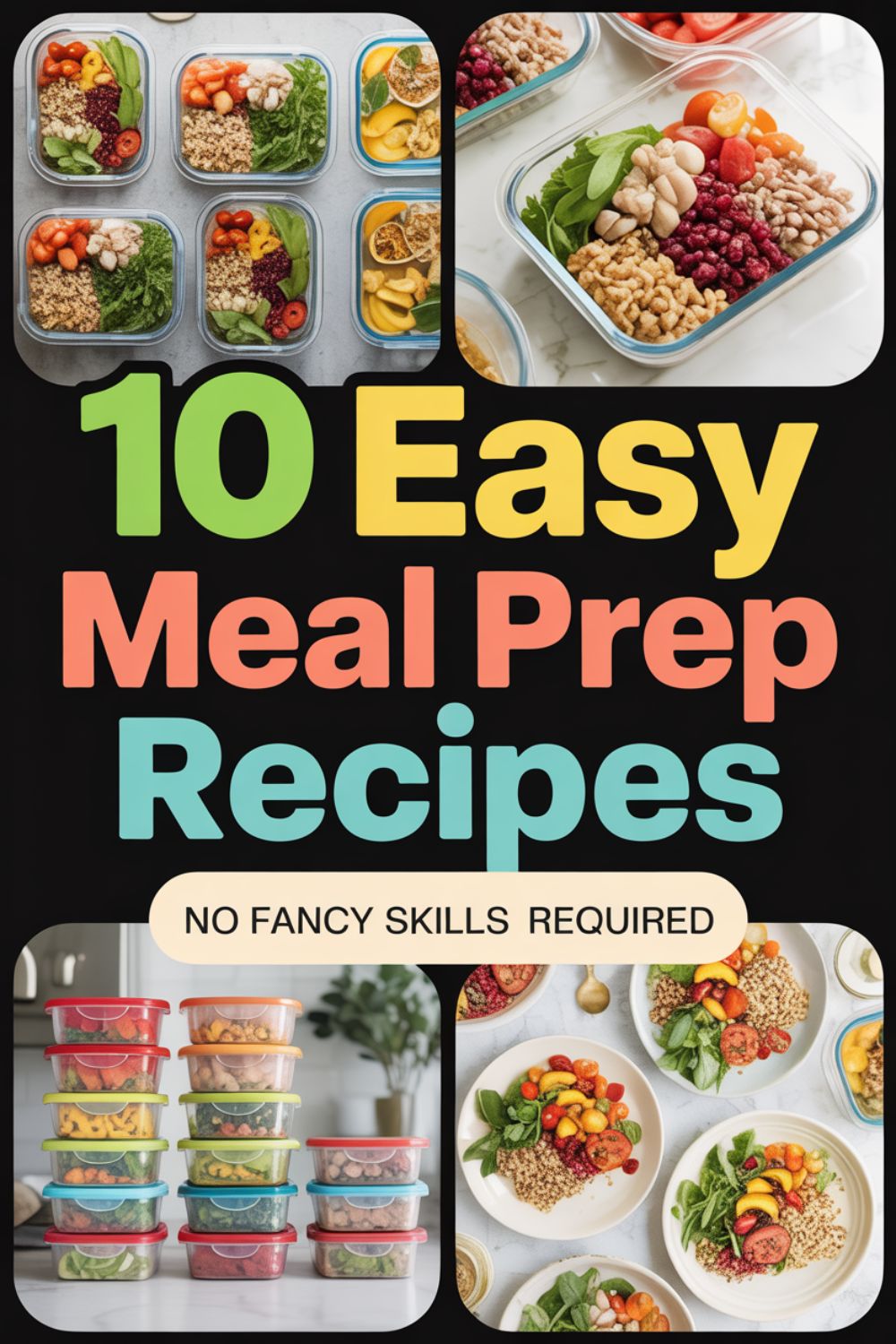
10 Easy Meal Prep Recipes for Total Beginners
You know that Sunday evening panic when you realize you haven’t planned a single meal for the week? Yeah, we’ve all been there. Standing in front of an open fridge at 7 PM on a Tuesday, ordering takeout for the third time this week, promising yourself you’ll meal prep “next Sunday for sure.”
Here’s the thing—meal prep doesn’t have to be complicated. You don’t need to transform your kitchen into a restaurant or spend your entire weekend cooking. I’m talking simple, foolproof recipes that actually taste good on day four.
I started meal prepping out of pure desperation. Between work deadlines and trying to maintain some semblance of a social life, cooking dinner every night felt impossible. But after a few trial-and-error Sundays (and one unfortunate incident involving overcooked chicken breast that could double as a frisbee), I figured out what actually works.
Why Meal Prep Actually Works (And Why You Keep Failing At It)
Let me guess—you’ve tried meal prepping before. You bought all those matching containers, watched a few Instagram reels, cooked for three hours straight, and by Wednesday you were back to ordering pizza because everything tasted like sadness.
The problem isn’t you. The problem is that most meal prep advice is created by people who genuinely enjoy spending entire Sundays in the kitchen. For the rest of us? We need a different approach.
According to research on meal planning behaviors, people who prep their meals tend to eat more vegetables, maintain healthier weights, and spend less money on food. But here’s what the research doesn’t tell you: it only works if you actually eat what you prepped.
Pro Tip: Start with prepping just lunch for three days. Seriously, that’s it. Once that feels easy, add breakfast or dinner. Going all-in on day one is how you end up with 20 containers of food you’ll never eat.
The secret is choosing recipes that improve with time. Some foods taste better on day three than day one—we’re talking marinated proteins, grain bowls that soak up all those delicious dressings, and soups that develop more flavor as they sit.
What You Actually Need (Spoiler: Not Much)
Before we dive into the recipes, let’s talk gear. You don’t need to mortgage your house for this.
The Non-Negotiables
A decent set of glass meal prep containers makes all the difference. I learned this the hard way after discovering that plastic containers turn everything orange and develop a weird smell after the third use. These glass containers with snap-lock lids have survived countless trips through my dishwasher without warping.
For actually cooking everything, I swear by my large sheet pan. You can roast an entire week’s worth of vegetables in one go. Throw in a good chef’s knife and you’re basically set. Everything else is just nice to have.
One tool that genuinely changed my meal prep game is a rice cooker that doubles as a steamer. Set it and forget it while you’re chopping vegetables. No babysitting required, no burnt pots.
Meal Prep Essentials Used in This Plan
- 5-piece glass container set – Microwave and dishwasher safe, no weird smells
- Heavy-duty sheet pan – For roasting everything at once without sticking
- 8-inch chef’s knife – Makes chopping actually enjoyable (or at least tolerable)
- 21-Day Clean Eating Meal Prep Digital Guide – Complete shopping lists and prep schedules
- Budget Meal Prep Cookbook (PDF) – 100+ recipes under $3 per serving
- Meal Prep Mastery Video Course – Step-by-step tutorials for beginners
Recipe #1: Sheet Pan Chicken and Vegetables
This is where everyone should start. One pan, minimal cleanup, and it actually tastes good reheated.
Cut chicken breasts into even pieces (this matters more than you think—uneven pieces mean some parts are dry while others are undercooked). Toss with olive oil, salt, pepper, and whatever spices you like. I usually go with garlic powder and paprika because I’m basic like that.
Throw your vegetables on the same pan. Brussels sprouts, bell peppers, and red onions work great. Everything roasts at 425°F for about 25 minutes. That’s it. Get Full Recipe.
The chicken stays moist because you’re not overcooking it to oblivion (use a meat thermometer—165°F is your target). The vegetables get those crispy, caramelized edges that make them actually enjoyable to eat on day four.
Quick Win: Line your sheet pan with parchment paper. Your future self will thank you when cleanup takes 30 seconds instead of 10 minutes of scrubbing.
Recipe #2: Mason Jar Salads That Don’t Get Soggy
The trick is all about layering. Dressing goes in first, then hard vegetables like cucumbers and carrots, then proteins, then leafy greens on top. When you’re ready to eat, flip it into a bowl.
I use wide-mouth quart mason jars because regular jars make it impossible to actually get the salad out. This seems obvious in hindsight but trust me, learn from my mistakes.
For proteins, rotisserie chicken is your friend. Yeah, it’s technically cheating, but we’re optimizing for actually doing this consistently, not winning some imaginary meal prep Olympics. Get Full Recipe.
The Assembly Line Method
Set out all your jars. Make all your dressing first. Then add your hard veggies to all jars. Then proteins. Then greens. Moving in batches like this is way faster than making one jar at a time.
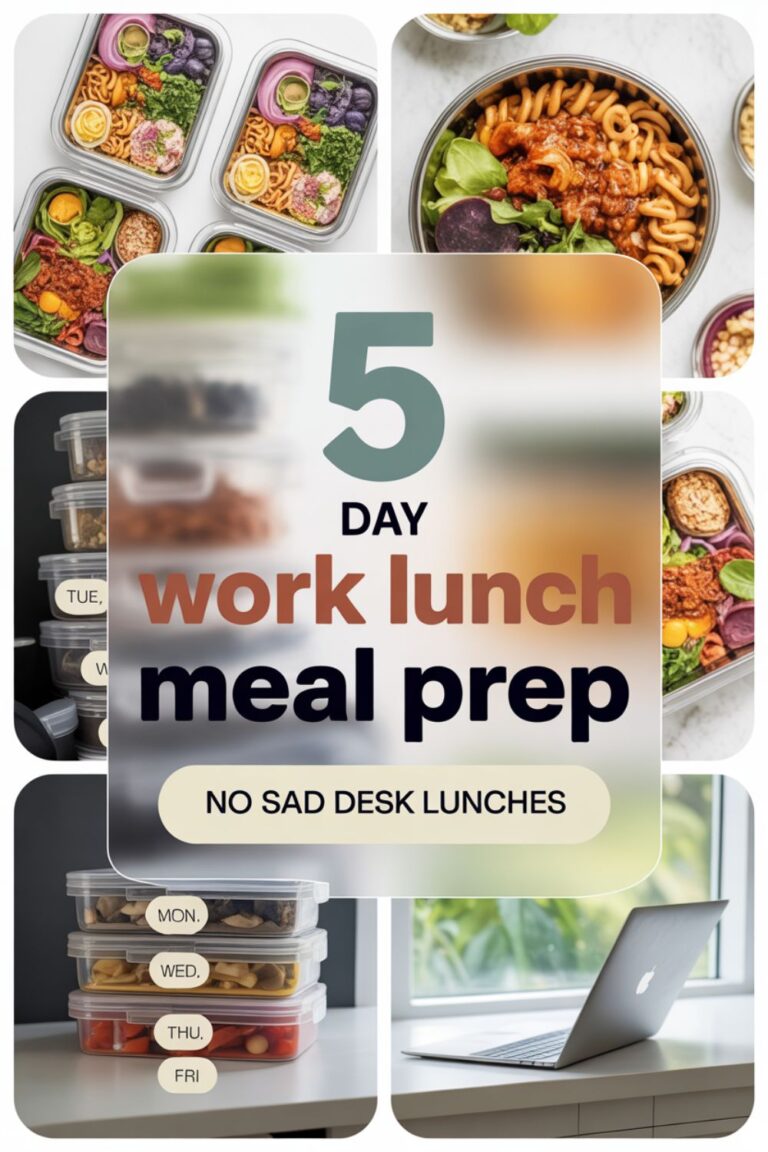
Looking for more lunch ideas that travel well? Check out these work lunch meal preps or try this healthy lunch plan for busy workdays. Both keep you full without requiring a microwave.
Recipe #3: Overnight Oats (Five Ways)
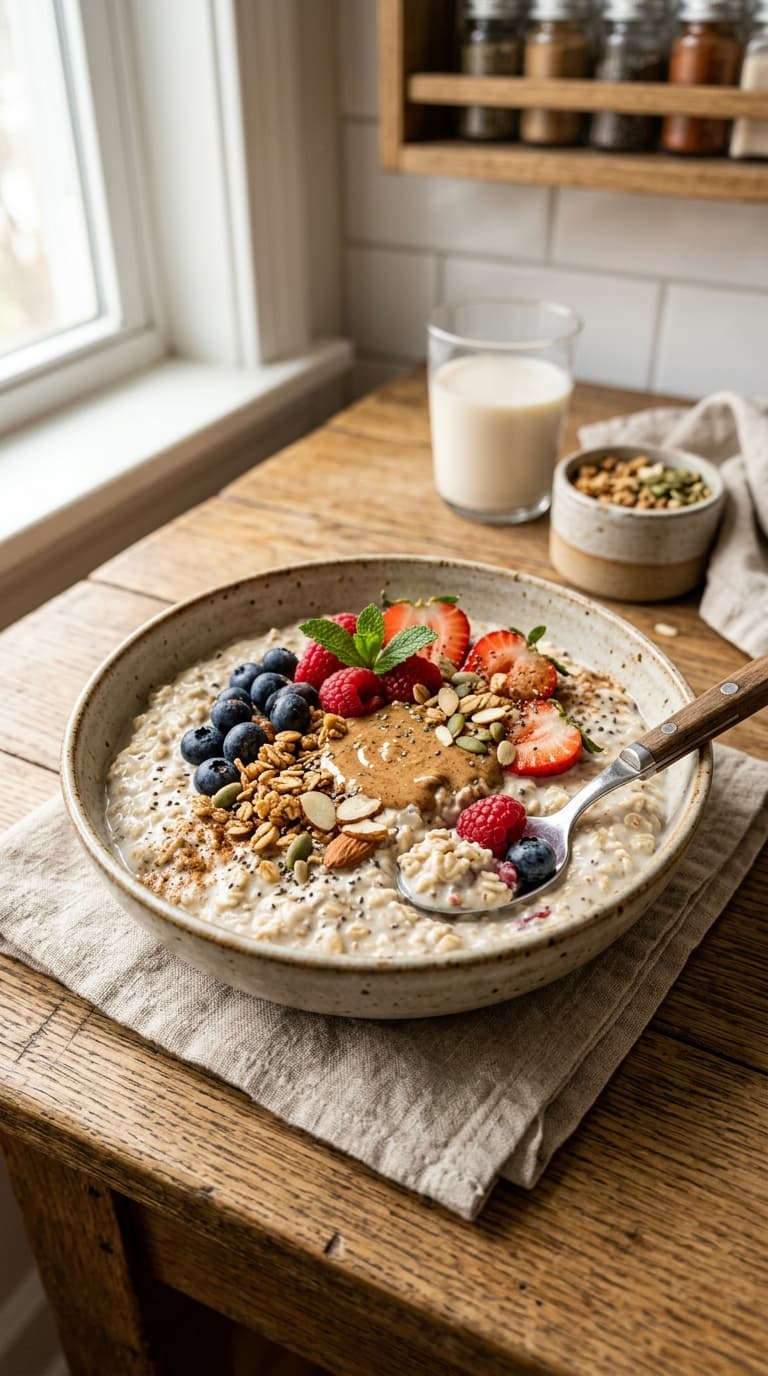
This recipe single-handedly solved my “I don’t have time for breakfast” problem. Mix oats, milk, and whatever add-ins you want in a jar. Put it in the fridge. Wake up to breakfast.
The base ratio is simple: 1/2 cup oats, 1/2 cup milk (dairy or whatever plant-based milk you prefer), and a sweetener if you want. From there, you can go wild. Get Full Recipe.
My favorite combinations: peanut butter and banana, apple cinnamon, chocolate and cherry, mango coconut, and blueberry almond. Make five jars on Sunday and you’re set for the week. Each one takes about two minutes to assemble.
According to Harvard’s nutrition guidelines, starting your day with whole grains and protein sets you up for better food choices throughout the day. Overnight oats check both boxes without requiring you to function at full capacity at 6 AM.
Recipe #4: Simple Burrito Bowls
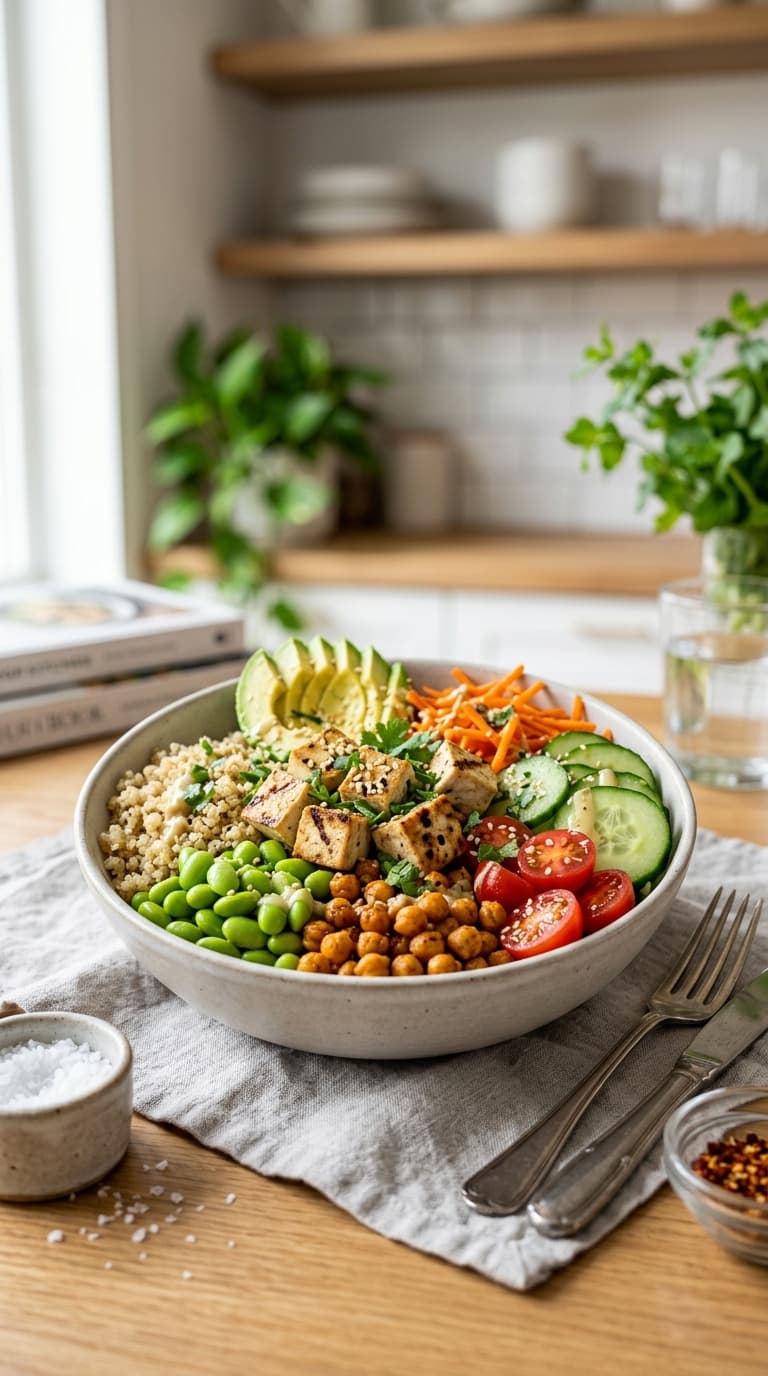
This is the meal prep recipe that convinced me I could actually do this long-term. Everything stores separately, so nothing gets soggy, and you can mix and match throughout the week.
Cook a big batch of rice (or buy the microwaveable pouches, no judgment here). Season some ground turkey or black beans. Prep your toppings: shredded cheese, salsa, corn, avocado, whatever you’re into.
Store everything in separate containers. When you’re ready to eat, throw together whatever combination sounds good that day. Some days I want all the toppings. Other days it’s just rice, beans, and cheese because I’m tired and that’s fine. Get Full Recipe.
I use a divided lunch container for this because keeping components separate until you’re ready to eat makes a huge difference in texture and flavor.
Tools & Resources That Make Cooking Easier
- Instant-read meat thermometer – No more guessing if chicken is done
- Silicone baking mats – Reusable, nothing sticks, way better than foil
- Portion control containers – Takes the guesswork out of servings
- Weekly Meal Planner Template (Printable PDF) – Drag-and-drop meal planning made simple
- Freezer Meal Prep Masterclass – Learn to prep a month’s worth of dinners
- Meal Prep WhatsApp Community – Daily tips, recipe swaps, and accountability
Recipe #5: Slow Cooker Pulled Chicken
If you have a slow cooker or Instant Pot, this recipe is almost criminally easy. Chicken breasts, jar of salsa, packet of taco seasoning. Cook on low for 6 hours. Shred with two forks.
That’s it. That’s the entire recipe. Get Full Recipe.
You now have shredded chicken for tacos, salads, quesadillas, rice bowls, or just eating straight from the container at midnight because you made good life choices.
The slow cooker does all the work while you’re doing literally anything else. I usually start this before I do my other meal prep so it’s ready by the time I’m done with everything else. A programmable slow cooker with a timer function means you can set it and actually leave the house without worrying.
Flavor Variations
BBQ pulled chicken: swap salsa for BBQ sauce. Asian-inspired: use soy sauce, ginger, and a touch of honey. Italian: marinara sauce and Italian seasoning. The base method stays the same.
Recipe #6: Protein-Packed Egg Muffins
These things are like portable omelets. Beat eggs, add whatever vegetables and cheese you have, pour into a muffin tin, bake at 350°F for 20 minutes.
I make these in batches of 12 and they last all week in the fridge. Pop two in the microwave for 45 seconds and you have breakfast. Or a snack. Or honestly, I’ve eaten them for lunch too. Get Full Recipe.
The key is using vegetables that don’t release a ton of water when cooked. Bell peppers, spinach, and mushrooms work great. Zucchini and tomatoes? Not so much—you’ll end up with soggy muffins.
If you’re focusing on morning routines, you might also love these breakfast meal prep ideas or this high-protein breakfast plan. Both pair perfectly with these egg muffins for variety throughout the week.
Recipe #7: One-Pot Pasta (That Actually Works)
I was skeptical about one-pot pasta recipes until I tried this. Everything cooks in the same pot—pasta, vegetables, protein, sauce. The starch from the pasta creates a creamy sauce without adding cream.
Use short pasta shapes like penne or rigatoni. Add your vegetables (cherry tomatoes, spinach, and garlic are my go-to), some chicken or sausage if you want protein, and enough broth to cover everything. Simmer until the pasta is cooked and most of the liquid is absorbed. Get Full Recipe.
The best part? One pot means one thing to clean. In meal prep terms, that’s basically winning the lottery.
For this, I love using a large Dutch oven because it distributes heat evenly and you can make enough for 4-5 servings at once.
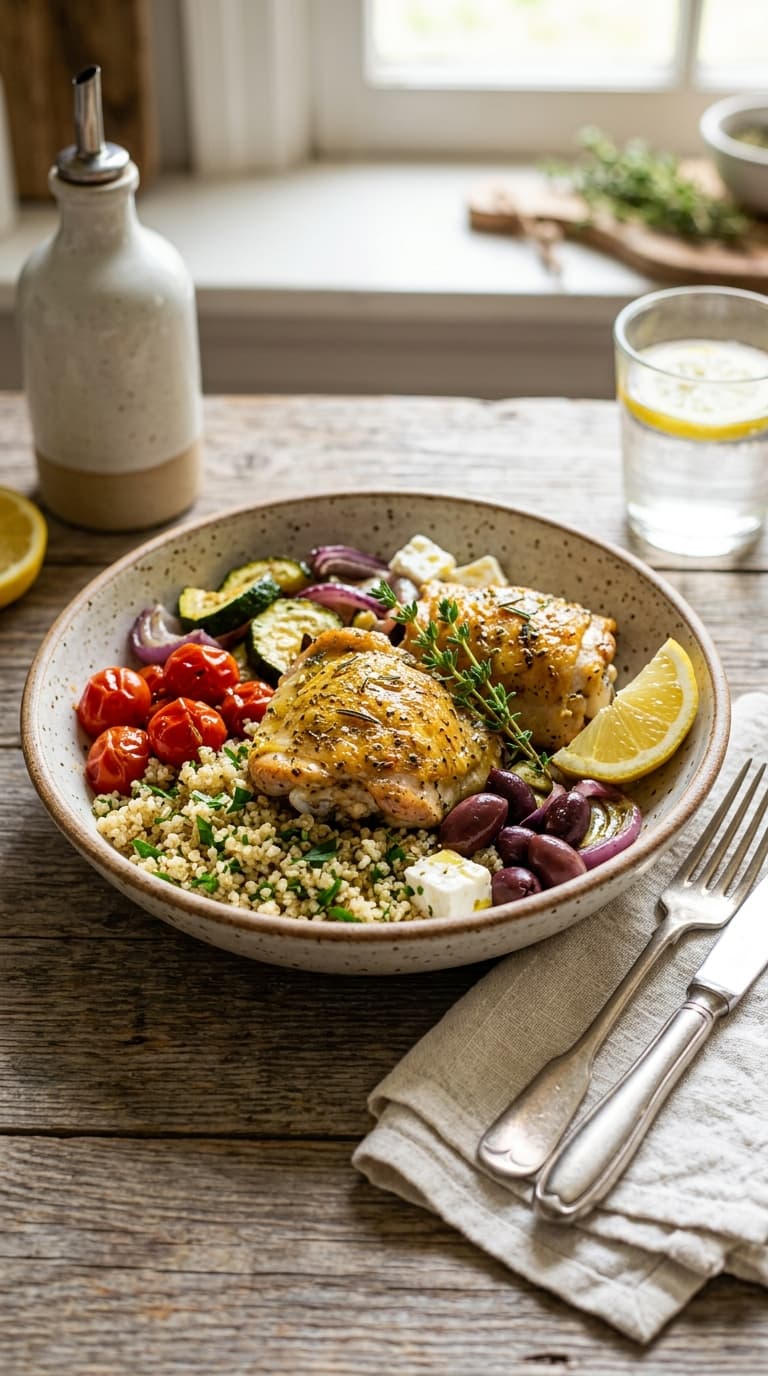
Recipe #8: Greek Chicken Bowls
These bowls make you feel like you have your life together, even when you absolutely don’t. The components are simple but somehow taste fancy.
Marinate chicken in lemon juice, olive oil, garlic, and oregano for at least 30 minutes (or overnight if you remember). Grill or bake it. Make some tzatziki (or buy it—again, no shame). Prep your toppings: cucumbers, tomatoes, red onion, olives, feta cheese. Get Full Recipe.
Serve over rice, quinoa, or in a pita. The chicken actually gets better after a day or two in the marinade, and everything else stays fresh all week.
Pro Tip: Store tomatoes and cucumbers separately from everything else. Add them when you’re ready to eat. This prevents everything from getting watery and sad.
The Mediterranean dietary pattern has been shown to reduce risk of chronic diseases, and these bowls deliver all those benefits without requiring you to actually live in Greece.
Recipe #9: Veggie-Loaded Fried Rice
This is what I make when I need to use up random vegetables before they go bad. The beauty of fried rice is that it’s incredibly forgiving.
Use day-old rice (freshly cooked rice gets mushy). Add whatever vegetables you have—frozen mixed vegetables work perfectly here. Scramble some eggs in the pan, add your rice and veggies, season with soy sauce and sesame oil. Get Full Recipe.
The whole thing takes maybe 15 minutes and makes enough for four lunches. You can add shrimp, chicken, or tofu, or keep it vegetarian. It reheats better than most fried rice you’d get from takeout.
A large non-stick wok makes this easier, but honestly, any large pan works fine.
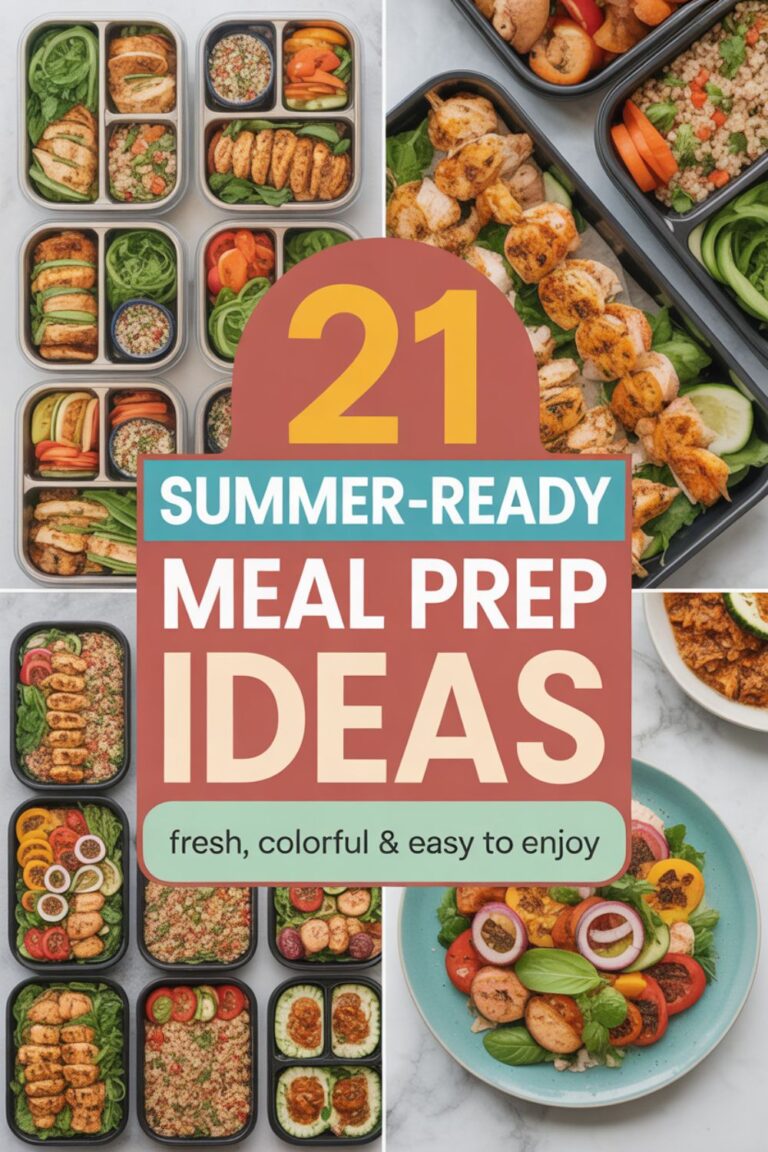
For more complete weekly plans that take the guesswork out entirely, check out this 21-day weight loss meal prep or this budget-friendly meal prep plan. Both include shopping lists and timing guides.
Recipe #10: Simple Soup (Three Base Formulas)
Once you understand the basic formula for soup, you can make endless variations without needing a recipe.
The formula: Sauté aromatics (onions, garlic, celery, carrots), add your protein and vegetables, add liquid (broth or water), simmer until everything is cooked, season to taste. That’s it. Get Full Recipe.
Three winning combinations: chicken noodle (classic for a reason), white bean and kale (surprisingly filling), and sweet potato and black bean (naturally creamy without adding cream).
Soup actually improves after a day or two in the fridge as the flavors meld together. Store it in individual portions and you have grab-and-go lunches that heat up perfectly in the microwave.
Making It Actually Happen (The Part Everyone Skips)
Here’s where most meal prep advice falls apart. They give you the recipes but not the actual system for making this a sustainable habit.
Your Sunday Gameplan
Pick three recipes max for your first week. Trying to make ten different things guarantees you’ll burn out and order pizza by 2 PM.
Write your grocery list organized by store section. Produce, proteins, pantry items, dairy. This cuts shopping time in half and prevents those “oh crap, I forgot eggs” moments.
When you get home, start with anything that requires long cooking time (slow cooker meals, rice, roasted vegetables). While those cook, prep your quick recipes.
FYI, this doesn’t mean you have to spend all day Sunday cooking. I usually spend 2-3 hours total including cleanup. Put on a podcast, pour yourself a drink, and make it enjoyable rather than a chore.
The Container Strategy
Label everything with masking tape and a sharpie. Date it. Trust me on this one—you will not remember on Wednesday whether that chicken was from last Sunday or two Sundays ago.
Stack containers in the fridge in the order you’ll eat them. Monday’s lunch goes in front. This sounds ridiculously obvious but it makes a massive difference in actually eating what you prepped.
Quick Win: Keep one shelf in your fridge dedicated to prepped meals only. This creates a visual reminder and makes grabbing lunch as easy as grabbing takeout used to be.
When It Goes Wrong (And How To Save It)
Let’s talk about the reality of meal prep. Some weeks it goes perfectly. Other weeks you end up with containers of food you don’t want to eat and end up ordering delivery anyway.
Sarah from our meal prep community tried this system and lost 15 pounds in three months without feeling like she was restricting anything. Her secret? She gave herself permission to not be perfect. If she only prepped breakfast instead of all three meals, that still counted as a win.
Common Problems (And Actual Solutions)
Everything tastes bland by day three? Your seasonings are too timid. Double what you think you need. Seriously. Food loses flavor in the fridge and needs more seasoning than you’d use for immediate eating.
You’re bored of eating the same thing? Prep components, not complete meals. Cook chicken three ways instead of all the same. Make two different grain bases. This gives you mix-and-match options throughout the week.
No time on Sunday? Prep Friday night or Saturday morning instead. Or split it up—proteins on Sunday, vegetables on Wednesday. The meal prep police won’t arrest you for doing it differently.
The Rescue Options
Keep frozen vegetables, canned beans, and rice pouches in your pantry. If your meal prep fails, you can still throw together something decent in 10 minutes.
A quality blender is also clutch for turning mediocre leftovers into smoothies or soups. That container of sad vegetables? Blend with some broth and call it soup. Problem solved.
The Money Talk (Because Let’s Be Real)
Meal prep saves money, but let’s quantify that because vague claims about “saving hundreds” don’t help anyone plan a budget.
According to research from Ohio State University, people who meal prep typically spend 25-40% less on food compared to frequent restaurant and takeout purchases. That’s real money that adds up fast.
My average meal prep week costs about $50-60 in groceries for five lunches and five dinners. That’s roughly $5-6 per meal. Compare that to $12-15 for takeout lunch and $15-20 for delivery dinner.
The initial investment in containers and maybe a few tools costs maybe $100 total if you go for quality stuff. That pays for itself in about two weeks of not ordering delivery.
If budget is your main concern, definitely check out these budget meal prep recipes or this plan that stretches your groceries even further.
Beyond Chicken and Rice (Adding Variety Without Adding Stress)
You don’t need 47 different recipes to avoid meal prep burnout. You need maybe 10-15 reliable recipes that you actually like and can rotate.
The trick is varying your flavor profiles, not reinventing the wheel every week. This week Mexican-inspired bowls, next week Asian stir-fry, the week after Italian pasta. Same basic technique, different seasonings.
IMO, this is where most meal prep content fails people. They show you elaborate recipes that require specialty ingredients you’ll use once. Stick with recipes that use versatile ingredients that overlap. Chicken works in Mexican, Asian, Mediterranean, and Italian dishes. Rice does too. Build your rotation around flexible ingredients.
The Seasoning Shortcut
Get yourself three or four different spice blends: Italian seasoning, taco seasoning, Chinese five-spice, and curry powder. These four blends can transform the same base ingredients into completely different meals.
A magnetic spice rack keeps everything visible and accessible. You’re way more likely to actually season your food properly when you can see all your options.
Protein Beyond Chicken (Because There’s Only So Much Chicken One Person Can Eat)
While chicken appears in half these recipes because it’s cheap and versatile, you have other options that meal prep just as well.
Ground turkey or beef stores great and works in multiple dishes. A big batch of seasoned ground meat can become taco filling, pasta sauce, or fried rice mix throughout the week.
Hard-boiled eggs keep for a week and add protein to salads, grain bowls, or snack plates. A egg cooker makes perfect hard-boiled eggs every time without the whole “is it done yet?” guessing game.
For plant-based options, a big batch of seasoned lentils or chickpeas works in tons of dishes. They’re cheaper than meat, last forever in the pantry, and pack serious protein and fiber.
According to research linking meal preparation to health outcomes, spending more time on meal prep is associated with improved mental health and lower stress levels. The key is building sustainable habits, not perfect execution.
Vegetables That Actually Taste Good After Five Days
Not all vegetables are created equal when it comes to meal prep. Some turn to mush. Others somehow get better.
The winners: roasted Brussels sprouts, bell peppers, broccoli, cauliflower, green beans, and sweet potatoes. These all maintain texture and flavor throughout the week.
The losers: zucchini gets watery, regular lettuce wilts into sad green slime (use heartier greens like kale or cabbage), and cucumber releases water and makes everything else soggy unless stored separately.
The genius move is roasting your vegetables with a little oil and salt at high heat (425°F). This caramelizes the natural sugars, creates crispy edges, and makes vegetables that are actually craveable on day four. Steamed vegetables in meal prep are sad. Don’t do that to yourself.
Frequently Asked Questions
How long do meal prepped foods actually stay fresh in the fridge?
Most cooked proteins and vegetables stay good for 4-5 days when stored properly in airtight containers. Leafy greens and delicate vegetables are more like 2-3 days. If you’re prepping for longer than that, freeze half your portions and move them to the fridge midweek. When in doubt, use your nose—if it smells off, it probably is.
Can I freeze these meal prep recipes?
Most of them, yes. Soups, burrito bowl components (except lettuce and tomatoes), cooked proteins, and grain-based dishes all freeze beautifully. The exceptions are anything with mayo-based dressings, fresh vegetables, and hard-boiled eggs (they get rubbery). Mark frozen meals with dates and use within 2-3 months for best quality.
What if I don’t have time to meal prep every week?
Then don’t. Seriously. Even prepping one or two recipes is better than nothing. Start with just breakfast or just lunch. Or do a partial prep where you just chop vegetables and cook proteins, then assemble meals daily. The goal is sustainability, not perfection.
How do I reheat meal prep without making everything gross?
Add a tiny bit of water or broth before microwaving to prevent drying out. Cover your container with a damp paper towel. For crispy foods, use a toaster oven instead of the microwave. Better yet, eat some meals cold—grain bowls and salads often taste better without reheating.
Is meal prep worth it if I live alone?
Absolutely. Actually, it’s often easier for one person because you’re not trying to accommodate different taste preferences. Scale recipes to make 3-4 servings instead of 6-8. The time and money savings are the same, and you’ll waste less food than trying to cook single portions every night.
Making Peace With Imperfect Meal Prep
Here’s the truth about meal prep that nobody tells you: some weeks it’ll work perfectly, and some weeks you’ll still order pizza on Wednesday. Both of those outcomes are completely fine.
The goal isn’t to become some meal prep robot who never eats out or enjoys spontaneous plans. The goal is to make your default options healthier and easier so that when you do order takeout, it’s because you want to, not because you have no other choice.
These ten recipes aren’t going to transform your life overnight. But they will make next Tuesday a little easier. They’ll save you money. They’ll give you more time. And eventually, you might actually start looking forward to eating what you prepped instead of just tolerating it.
Start with one or two recipes this weekend. Give yourself permission to mess up. Remember that even partial meal prep beats no meal prep every single time.
And if all else fails? There’s always next Sunday.