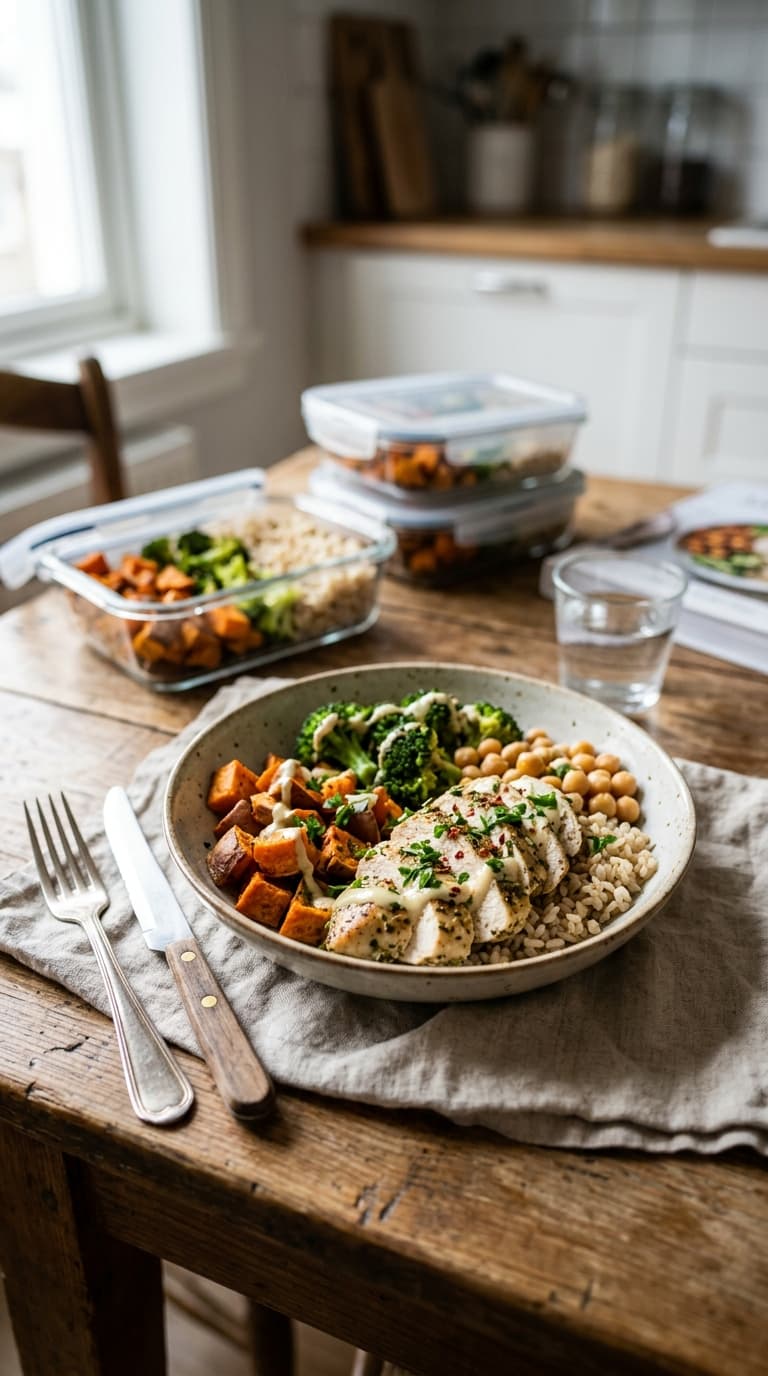
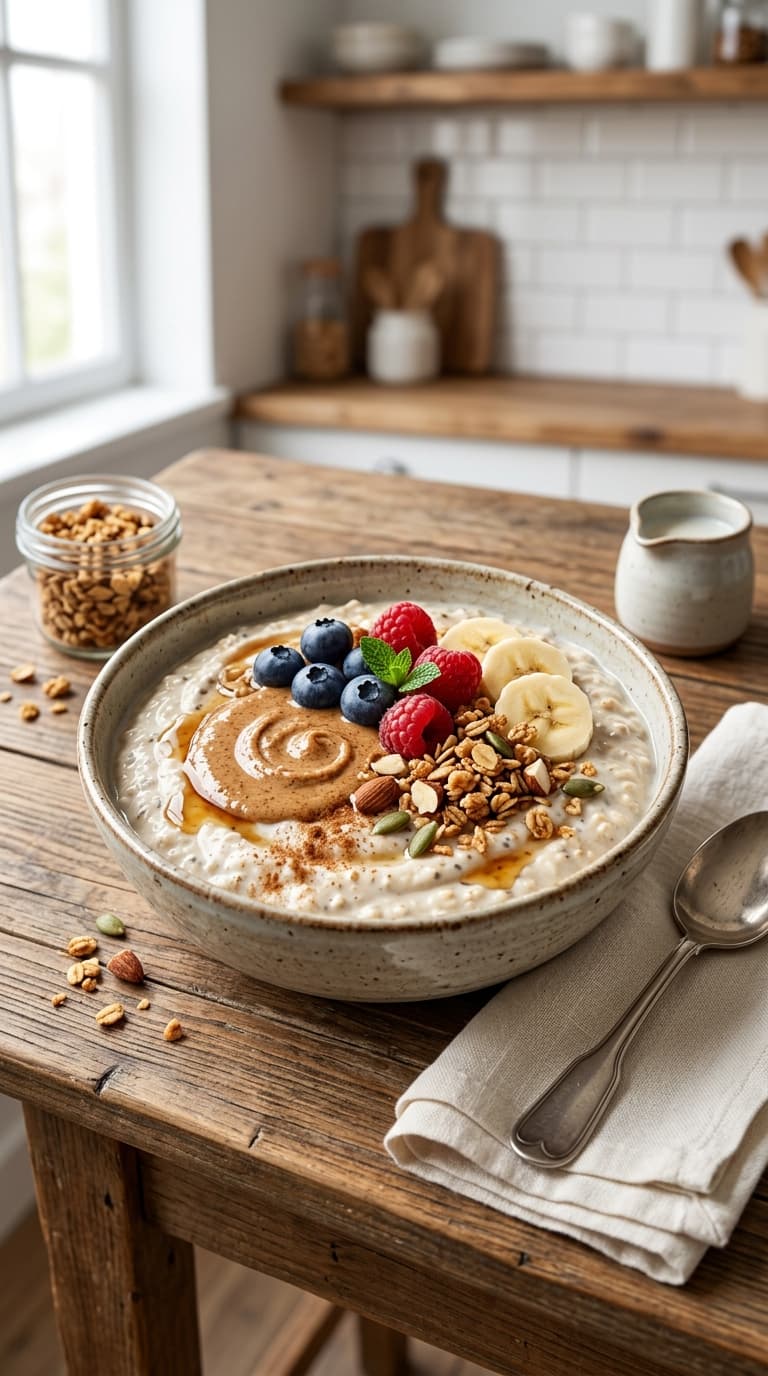
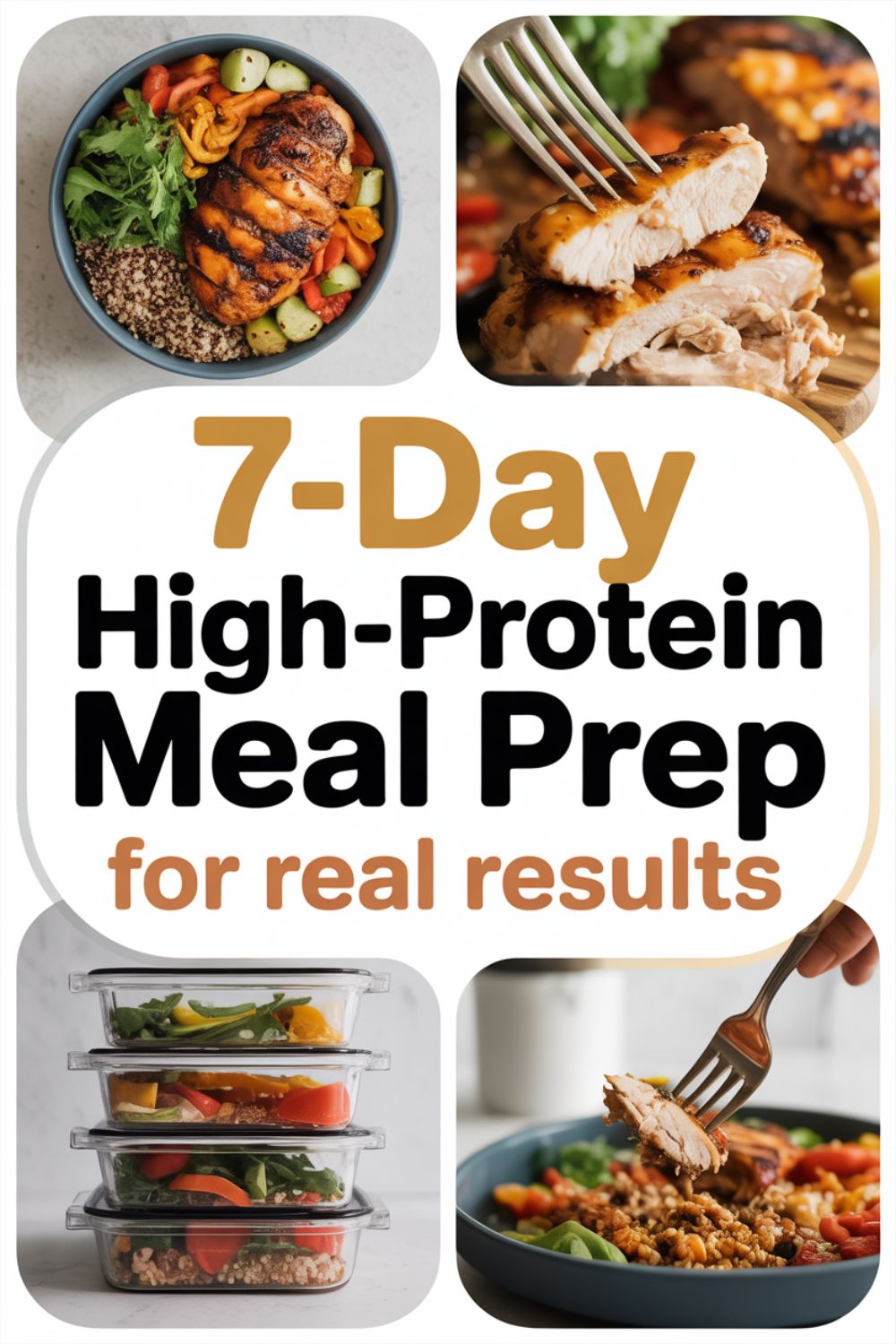
7-Day High-Protein Meal Prep for Real Results
Build Your Perfect High-Protein Meal
You know what nobody tells you about high-protein meal prep? It’s not about eating chicken breast seven days straight until you lose your mind. It’s about actually enjoying your food while watching your body transform.
I spent years thinking meal prep meant bland, boring, and repetitive. Then I figured out the real secret. When you focus on protein and build meals that actually taste good, everything changes. You stop fighting cravings at three in the afternoon. You stop ordering takeout because nothing in your fridge sounds appealing. You start seeing real results.
This seven-day plan isn’t some cookie-cutter template pulled from thin air. It’s built on the newest U.S. dietary guidelines that recommend substantially higher protein intake than ever before. We’re talking about 1.2 to 1.6 grams of protein per kilogram of body weight. That’s nearly double what previous recommendations suggested.
Here’s what you’re getting: a complete week of meals that actually work in real life. No exotic ingredients you’ll use once and throw away. No three-hour Sunday cooking marathons that leave you exhausted before the week even starts. Just straightforward, delicious meals that keep you full, energized, and moving toward whatever goal brought you here.
How This High-Protein Plan Works
Let’s get one thing straight right away. This isn’t about obsessing over macros or weighing every morsel of food. It’s about understanding a simple principle that changes everything: when you prioritize protein at every meal, your body responds.
Most people eat their protein backwards. They grab a piece of toast for breakfast, maybe some pasta for lunch, and finally load up on protein at dinner. According to research from the USDA, women typically consume about 42 percent of their daily protein at dinner and just 17 percent at breakfast. That’s a problem.
Your body processes protein differently than carbs or fats. It uses amino acids throughout the day to build and repair muscle, produce hormones, support your immune system, and keep you feeling satisfied. When you backload all your protein into one meal, you’re missing opportunities all day long.
The Real Benefits You’ll Notice
Within the first few days of following this plan, most people notice they’re not constantly thinking about food. That mid-afternoon sugar crash? Gone. The evening snack attack that derails your progress? Significantly reduced. Protein keeps you full in a way that carbs and fats simply don’t match.
But the benefits go deeper. Adequate protein intake supports your metabolism, helps preserve muscle mass during weight loss, improves recovery if you’re working out, and even supports better sleep quality. The new federal dietary guidelines emphasize these benefits specifically because the research has become so compelling.
This plan spreads your protein intake across breakfast, lunch, dinner, and snacks. You’re aiming for roughly 30-40 grams per main meal, with smaller amounts from snacks. That consistent protein timing keeps your energy stable and your hunger in check.
What Makes This Plan Different
First, every meal is designed to be actually enjoyable. You won’t find plain grilled chicken and steamed broccoli here. These are meals with flavor, variety, and enough satisfaction that you’re not white-knuckling your way through the week.
Second, the prep work is strategic, not overwhelming. Some meals you’ll batch cook on Sunday. Others you’ll assemble fresh. A few require almost no cooking at all. This variety keeps things interesting and prevents that burnout that kills most meal prep attempts.
Third, flexibility is built into the foundation. Don’t like salmon? Swap it for chicken or tofu. Need vegetarian options? We’ve got those too. This plan is a framework, not a prison sentence.
Your Complete 7-Day Meal Plan
Here’s where theory becomes practice. Each day is designed to deliver approximately 100-130 grams of protein, depending on your specific needs and portion sizes. Remember, protein requirements vary based on your weight, activity level, and goals.
All meals are designed to be prepped in advance or assembled quickly. Protein amounts are listed per serving to help you track your intake without obsessing over it.
Day 1
Day 2
Day 3
Quick Swap Options
Not a fan of fish? Swap salmon for grilled chicken breast or baked tofu. Both work beautifully with the same sides.
Prefer plant-based? Replace any meat with tempeh, extra-firm tofu, or legumes. Add nutritional yeast for extra protein and B vitamins.
Short on time? Use rotisserie chicken, pre-cooked quinoa from the freezer section, or canned beans to cut prep time in half.
Day 4
Day 5
Day 6
Day 7
Week 1 Prep Checklist
Sunday Batch Cooking:
- Cook quinoa and rice for the week (4-5 cups total)
- Grill or bake 3-4 chicken breasts
- Hard boil a dozen eggs
- Chop vegetables for the week (bell peppers, cucumbers, tomatoes)
- Make overnight oats for Days 4 and beyond
- Prep egg muffins for Day 5
Midweek Refresh (Wednesday):
- Prepare turkey meatballs for Day 4 dinner
- Marinate chicken for Day 6
- Wash and prep fresh greens for salads
Speaking of meal prep efficiency, if you’re looking for more grab-and-go options that fit perfectly into a high-protein routine, check out these 21 grab-and-go weight loss meals that require minimal preparation time.
What You’ll Eat (High-Level Overview)
One question I get constantly: what does a high-protein diet actually look like on your plate? Let’s break down the foundation of this plan without getting lost in the weeds.
Your Protein Powerhouses
Each day of this plan features a rotating cast of protein sources. You’re getting lean meats like chicken, turkey, and lean beef. Fish and seafood appear several times because they’re incredibly nutrient-dense and often overlooked. Eggs show up in various forms because they’re versatile, affordable, and packed with complete protein.
But here’s what makes this plan work in real life: dairy plays a supporting role. Greek yogurt appears frequently because it delivers serious protein while feeling like a treat. Cottage cheese makes occasional appearances for the same reason. These aren’t afterthoughts; they’re strategic choices that make hitting your protein targets feel effortless.
Plant-based proteins also have their moment. Legumes, quinoa, and even protein-enriched pasta help round out your intake while adding fiber and variety. You’re not eating like a bodybuilder from the 1980s. You’re eating like a normal person who happens to prioritize protein.
The Carbs and Fats That Support Your Goals
Here’s where a lot of high-protein plans go wrong: they treat carbs like the enemy. That’s nonsense. This plan includes strategic carbohydrates that fuel your workouts, support your energy levels, and keep you mentally sharp.
You’re getting complex carbs from sources like quinoa, sweet potatoes, brown rice, and whole grain bread. These digest slowly, keep your blood sugar stable, and provide lasting energy. The portions are reasonable, not restrictive.
Fats come from whole food sources: avocados, nuts, olive oil, and fatty fish. These aren’t just included for calories. They help you absorb vitamins, support hormone production, and make your meals actually satisfying.
Vegetables Get Their Due
Every single day includes multiple servings of vegetables. Not because you have to, but because they make everything better. They add volume to your meals without adding many calories. They provide fiber that keeps your digestion happy. They deliver micronutrients that support every system in your body.
The vegetable selection changes daily to prevent boredom. Roasted Brussels sprouts one day, sautéed spinach the next, crisp bell peppers for lunch. Variety keeps things interesting and ensures you’re getting a wide range of nutrients.
Pro Tip: Buy pre-washed, pre-cut vegetables when your budget allows. Yes, they cost more. But if that extra expense means you actually eat vegetables instead of letting them rot in your crisper drawer, it’s worth every penny. Convenience is an investment in success.
Meal Prep & Kitchen Setup That Makes Life Easy
Let’s talk about the practical side that most meal prep articles completely gloss over. You need the right tools and a smart strategy, or you’ll burn out before Wednesday.
Essential Containers That Actually Work
Forget those flimsy takeout containers that leak in your bag and stain after one use. You need quality glass meal prep containers with tight-sealing lids. Glass doesn’t absorb odors, goes from fridge to microwave safely, and lasts for years.
I recommend having at least eight containers: seven for your main meals and one extra for batch-cooked proteins or sides. Get a variety of sizes. Some meals need compartments to keep components separate. Others work fine in a single compartment.
For snacks and smaller portions, invest in a set of BPA-free plastic containers with portion control markings. These are perfect for Greek yogurt parfaits, chopped vegetables, or pre-portioned nuts.
Kitchen Tools That Earn Their Counter Space
You don’t need a kitchen full of gadgets, but a few key tools make the difference between struggling through meal prep and actually enjoying it. A quality instant-read meat thermometer takes the guesswork out of cooking proteins perfectly every time.
A good food scale helps if you want to be precise about portions, especially when you’re first learning what appropriate serving sizes look like. After a few weeks, you’ll probably eyeball most things, but having that reference point builds confidence.
Consider getting a slow cooker or Instant Pot if you don’t already own one. These appliances let you walk away while dinner cooks itself. The beef chili from Day 2? Dump everything in the slow cooker before work and come home to a house that smells amazing.
The Sunday Strategy
Most successful meal preppers don’t cook seven complete meals on Sunday. That’s exhausting and often leads to food that tastes tired by Thursday. Instead, they prep strategically.
Spend 90 minutes on Sunday doing the heavy lifting: cooking your grains, grilling several chicken breasts, hard-boiling eggs, and chopping vegetables. These components become building blocks for multiple meals throughout the week.
Then, you assemble fresh. Monday’s lunch might use the grilled chicken you cooked Sunday, but you add it to fresh greens and just-made dressing. Tuesday’s dinner starts with pre-cooked quinoa but gets topped with freshly cooked salmon.
This approach gives you the efficiency of meal prep with the satisfaction of meals that taste fresh. It’s the sweet spot that keeps people consistent week after week.
Pro Tip: Label everything with the date you prepped it. Use removable labels or washable markers directly on glass containers. This simple habit prevents the mystery containers that lurk in the back of your fridge.
Storage Tips That Prevent Food Waste
Cooked chicken and turkey last three to four days in the refrigerator. Fish is more delicate: two days maximum. Cooked grains and legumes last four to five days. Hard-boiled eggs keep for a week in their shells.
If you’re prepping meals for the full week ahead, consider freezing portions for days five through seven. Most of these meals freeze beautifully. Just move them from freezer to fridge the night before you need them.
Keep your refrigerator organized. Put meals for the first half of the week at the front, easily accessible. Store backup ingredients and later-week meals toward the back. This visual system helps you stay on track.
If you find meal prep overwhelming, you might benefit from a more structured approach. Check out this 7-day meal prep plan designed specifically for busy women that breaks down the process into manageable steps.
Meal Prep Essentials Used in This Plan
Glass Meal Prep Containers Set
These leak-proof glass containers with snap-lock lids keep your meals fresh and safe. The set includes three sizes for different meal types. Microwave, dishwasher, and freezer safe.
Digital Kitchen Scale
Accurate to the gram, this compact kitchen scale helps you nail portion sizes without guesswork. Features a tare function and converts between units effortlessly.
Instant-Read Thermometer
Never overcook or undercook protein again. This fast-reading thermometer gives accurate temperatures in three seconds, ensuring food safety and perfect texture.
Programmable Slow Cooker
Set it and forget it with this 6-quart slow cooker. Perfect for batch cooking proteins, soups, and chilis. Programmable timer shifts to warm mode automatically.
Produce Keeper Containers
Extend the life of chopped vegetables with these ventilated storage containers. They regulate airflow and moisture to keep produce crisp for over a week.
Silicone Baking Mats
Ditch the aluminum foil and parchment paper. These reusable baking mats create perfectly non-stick surfaces for roasting vegetables and proteins. Easy cleanup guaranteed.
Common Mistakes That Kill Results
I’ve watched countless people start meal prep with enthusiasm only to abandon it within two weeks. The problem isn’t usually lack of willpower. It’s making predictable mistakes that sabotage the whole process.
Treating Every Meal Like a Recipe
Here’s a secret: most of these meals aren’t really recipes. They’re formulas. Protein plus vegetable plus starch plus sauce. Once you understand the formula, you can improvise endlessly.
New meal preppers often get paralyzed trying to follow recipes exactly. They abandon the entire week’s plan if they can’t find one specific ingredient. But this plan works because it’s flexible. No tahini for the Buddha bowl dressing? Use peanut butter or skip the sauce entirely and use olive oil and lemon juice.
The meals that work best are the ones you can execute without constant recipe consultation. Build your skill with simple techniques: grilling chicken, roasting vegetables, cooking grains. Master those and you can create hundreds of meal combinations.
Going Zero to Hero on Week One
If you’ve never meal prepped before, starting with a full week of three meals per day is ambitious. There’s no shame in starting smaller. Try prepping just lunches for the first week. Or do dinners only. Get comfortable with the rhythm before expanding.
The people who succeed long-term usually build up gradually. Week one might be lunches only. Week two adds breakfasts. By week three or four, they’re handling the full plan because they’ve developed systems and confidence.
Starting too aggressive leads to overwhelm, which leads to quitting. Better to nail three lunches than to attempt seven full days and burn out by Wednesday.
Ignoring Your Actual Schedule
This plan assumes a relatively standard schedule, but your life might not fit that mold. Maybe you work nights. Maybe you travel three days a week. Maybe you have standing dinner plans on Thursdays.
Successful meal prep means adapting the framework to your reality. If you know Thursday dinner is always your date night, don’t prep Thursday dinner. If you’re traveling Monday through Wednesday, focus your prep on Thursday through Sunday.
The plan serves you, not the other way around. Rigid adherence to someone else’s schedule is a recipe for failure. Build flexibility into your approach from day one.
Forgetting to Eat What You Prep
This sounds obvious, but it happens constantly. You spend Sunday prepping beautiful meals. Monday morning, you grab a bagel on the way to work instead of your prepared breakfast. By Tuesday, you’ve ordered lunch twice. Wednesday, you’re eating takeout for dinner.
The container of food sitting in your fridge doesn’t help you if you don’t actually eat it. Success requires building the habit of reaching for your prepped meals first. Set reminders if you need to. Put a note on your car keys. Create whatever system helps you remember that you’ve already done the work.
Pro Tip: Pack your lunch and snacks the night before. Put them in a insulated bag and stick it right by your keys or in the car. Remove the morning decision entirely. When food is already packed and ready, you’ll actually eat it.
Making Everything Complicated
Simple meals get eaten. Complicated meals get admired and then abandoned. Your Tuesday lunch doesn’t need to be a culinary masterpiece. It needs to taste good and fuel your body.
The best meal preppers I know have a rotation of maybe ten to twelve meals they make repeatedly. They’re not trying new recipes every week. They’ve found what works and they stick with it most of the time, adding variety occasionally when they feel like it.
This plan gives you variety, but don’t feel obligated to make every single meal exactly as written. If you find three or four meals you love, repeat them. Simplicity beats novelty when it comes to sustainable habits.
For more perspective on creating meals that actually fit into busy schedules, these no-reheat lunch options show you how to keep things simple while still hitting your protein targets.
Customizing This Plan for Your Lifestyle
One size fits nobody when it comes to meal planning. This seven-day framework gives you structure, but the real magic happens when you adapt it to your specific situation.
If You’re Vegetarian or Vegan
Every animal protein in this plan has a plant-based equivalent that works. Swap chicken for tempeh or extra-firm tofu. Replace fish with seasoned white beans or chickpeas. Substitute Greek yogurt with high-protein plant-based alternatives.
You’ll need to be slightly more strategic about combining proteins to get complete amino acid profiles. Pair legumes with grains, add hemp seeds to smoothies, incorporate nutritional yeast for B vitamins and protein boost.
The meal structures remain the same. A Buddha bowl with tofu instead of chicken delivers similar satiety. Scrambled tofu with vegetables replaces the egg scrambles perfectly. The principles don’t change, just the protein sources.
If You’re on a Tight Budget
High-protein eating doesn’t require expensive cuts of meat and exotic ingredients. Focus on budget-friendly proteins: eggs, canned tuna, dried beans and lentils, frozen chicken thighs, and store-brand Greek yogurt.
Buy whatever protein is on sale each week and adjust your meal plan accordingly. Stock up on shelf-stable proteins when prices drop. A well-stocked pantry with beans, lentils, and canned fish provides backup options when fresh protein gets expensive.
Frozen vegetables often cost less than fresh and they’re already prepped. They’re picked at peak ripeness and flash-frozen, so nutrition is excellent. Use them liberally throughout the week.
Consider checking out bulk meal prep approaches that maximize your budget. These meal prep bowl ideas show you how to create complete meals using affordable ingredients.
If You’re Training Hard
Athletes and people with intense training schedules need more calories and possibly more protein than this plan provides by default. The solution is simple: increase portion sizes and add strategic carbohydrates around workouts.
Double the grain portions if you’re training hard. Add an extra snack post-workout focusing on protein and fast-digesting carbs. Consider a protein shake immediately after training in addition to your regular meals.
Timing becomes more important with intense training. Try to eat protein within an hour of your workout. Space your meals evenly throughout the day to support recovery and muscle protein synthesis.
If You Have Dietary Restrictions
Gluten-free, dairy-free, low-FODMAP, or other restrictions just require ingredient swaps. Replace regular pasta with gluten-free versions or spiralized vegetables. Swap dairy for non-dairy alternatives.
The meal structure remains sound regardless of restrictions. Focus on whole foods naturally free from your trigger ingredients. Build meals around quality proteins, vegetables, and whatever carb sources work for your body.
Most restrictions become easier to manage when you’re cooking for yourself anyway. Meal prep gives you complete control over ingredients, eliminating the guesswork of restaurant eating.
If You’re Feeding a Family
Batch cook the main proteins and carbs, then let family members customize their own plates. Kids can add more carbs, less vegetables. Your partner might want different portions. You stick to the high-protein ratios.
Make the base components neutral and family-friendly. Season individual portions differently if needed. A plain grilled chicken breast becomes a vehicle for buffalo sauce for one person, teriyaki for another, simple salt and pepper for a third.
This approach teaches everyone to build balanced plates without forcing everyone to eat identically. It’s meal prep that scales to household needs without requiring you to cook multiple separate meals.
Tools & Resources That Make Cooking Easier
Adjustable Measuring Spoons
These sliding measuring spoons replace an entire drawer of individual spoons. Adjust to any measurement from one teaspoon to one tablespoon with a simple slide.
Herb Scissors
Speed up herb chopping with these five-blade kitchen scissors. They cut prep time dramatically and come with a cleaning comb to remove stuck herbs.
Stackable Cooling Racks
Maximize oven space with these stackable wire racks. Cook multiple sheet pans at once and let them cool efficiently. Perfect for big batch cooking sessions.
Silicone Stretch Lids
Replace plastic wrap forever with these reusable silicone lids. They stretch to fit any bowl or container and create an airtight seal. Dishwasher safe.
Magnetic Knife Strip
Free up counter space and keep knives accessible with this stainless steel magnetic strip. Holds knives securely and makes them easy to grab while cooking.
Bench Scraper
This stainless steel bench scraper makes transferring chopped vegetables a breeze. Also perfect for portioning dough and keeping cutting boards clean.
Making This Work Long-Term
Week one is easy. You’re motivated, energized, ready to conquer your goals. Week eight is where the rubber meets the road. Here’s how to stay consistent when the novelty wears off.
Build in Flexibility Days
Plan one or two meals per week where you don’t meal prep. Maybe Friday dinner is always pizza night or Sunday brunch means going out. Having these breaks built into your system prevents the feeling of deprivation that derails long-term consistency.
Flexibility days aren’t cheat days or failures. They’re strategic pressure release valves that make the other days sustainable. The people who succeed with meal prep long-term all have some version of this built in.
Rotate Your Recipes
Every four to six weeks, swap out two or three meals for new options. This keeps things interesting without overwhelming you with constant variety. You maintain the efficiency of familiar meals while preventing total boredom.
Keep a running list of meals you want to try. When you’re ready to rotate something out, you’ve already got options waiting. This prevents the paralysis of too many choices when you’re trying to plan.
Track What’s Working
Pay attention to which meals you actually look forward to eating and which ones feel like a chore. Double down on the winners. Drop or modify the losers. Your meal prep should evolve based on your real feedback.
Maybe you discover you love egg-based breakfasts but protein smoothies leave you hungry by mid-morning. Great. More eggs, fewer smoothies. The plan works when it matches your actual preferences and hunger patterns.
Prep Your Prep
Sunday morning meal prep goes smoother when you’ve already decided what you’re making and verified you have ingredients. Spend fifteen minutes on Saturday reviewing next week’s plan and making a detailed grocery list.
This tiny investment prevents the Sunday morning panic of realizing you’re missing key ingredients or the decision fatigue of figuring out what to cook while you’re already exhausted.
Shopping with a detailed list also prevents impulse purchases that blow your budget and clutter your fridge with ingredients you’ll never use.
Frequently Asked Questions
How much protein do I really need per day?
Most active adults benefit from 0.7 to 1 gram of protein per pound of body weight. If you weigh 150 pounds, that’s roughly 105 to 150 grams daily. The new dietary guidelines suggest even higher amounts, especially for older adults and people training intensely. This plan delivers 100-130 grams, which fits most people’s needs perfectly.
Can I lose weight on this plan?
High-protein eating supports weight loss by increasing satiety, preserving muscle mass during calorie deficits, and slightly boosting metabolism through the thermic effect of food. However, weight loss still requires a calorie deficit. This plan provides the protein framework, but you’ll need to adjust portion sizes based on your specific calorie needs.
What if I don’t like one of the meals?
Swap it out immediately. Life’s too short to eat food you don’t enjoy. The beauty of this plan is its flexibility. Don’t like salmon? Use chicken or tofu. Hate quinoa? Substitute brown rice or cauliflower rice. The protein amounts matter more than the specific ingredients.
How long will prepped meals stay fresh?
Most cooked proteins last three to four days refrigerated. Fish is the exception at two days maximum. Cooked grains and vegetables typically last four to five days. If you’re prepping for a full week, freeze portions for days five through seven and thaw them the night before eating.
Is it safe to eat this much protein?
For healthy adults with normal kidney function, high-protein diets are safe and well-tolerated. Research consistently shows that protein intakes up to 2 grams per kilogram of body weight pose no health risks. If you have existing kidney disease or other medical conditions, consult your healthcare provider before making significant dietary changes.
Your Next Seven Days Start Now
You’ve got the complete plan. You understand the principles. You know the common pitfalls to avoid. The only thing left is starting.
Don’t wait for the perfect Monday or the first of the month. Start with your next meal. Pick one breakfast, one lunch, and one dinner from this plan and prep them for tomorrow. That’s it. Just one day to prove to yourself that this is doable.
Most people who succeed with high-protein meal prep don’t do it perfectly from day one. They stumble through the first week, figure out what works for their kitchen and schedule, and gradually build consistency. By week three or four, it feels natural. By week eight, it’s just how they eat.
The meals are mapped out. The shopping lists are ready. The prep strategies are tested. Everything you need is here. Now it’s about taking that first step and showing up for yourself tomorrow morning.
Your body is going to thank you for this. The energy, the reduced cravings, the visible results—they’re all waiting on the other side of consistent action. Seven days from now, you’ll be glad you started today.