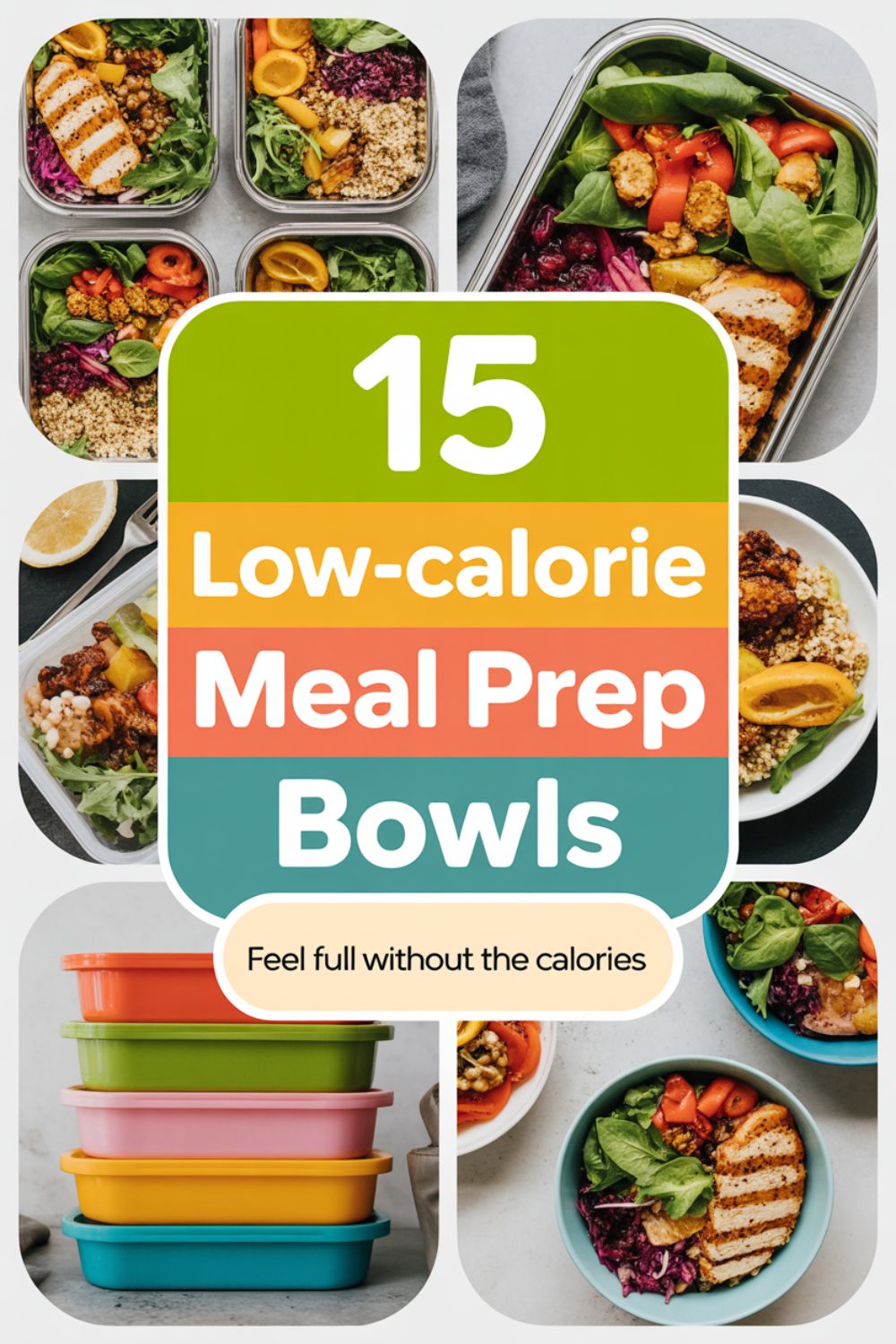
15 Low-Calorie Meal Prep Bowls That Actually Fill You Up
Look, I’m tired of pretending that eating 400 calories of plain grilled chicken with steamed broccoli is going to satisfy anyone past 2 PM. You know what I’m talking about—those sad little containers that leave you raiding the office vending machine by 3 o’clock, wondering why you even bothered meal prepping in the first place.
Here’s the thing about low-calorie meal prep bowls that actually work: they need volume, they need protein, and they absolutely need flavor. I’ve spent way too many Sundays batch-cooking meals that looked Instagram-worthy but tasted like cardboard. Not anymore.
These 15 bowls clock in between 300-450 calories, pack at least 25 grams of protein, and—this is the important part—they’ll keep you full for hours. No weird ingredients, no cooking techniques that require a culinary degree, just real food that tastes good reheated.
Why Most Low-Calorie Meal Prep Fails
Before we get into the good stuff, let’s talk about why your previous attempts probably didn’t work. Most people make one of three mistakes: they cut calories too aggressively and end up starving, they prep the same boring meals five times over, or they choose foods that don’t reheat well.
According to Harvard School of Public Health, protein and fiber are the two key nutrients that promote satiety. That’s why these bowls focus on lean proteins, whole grains, and vegetables that add volume without piling on calories.
The secret? Building meals with high water content vegetables, complex carbs that digest slowly, and enough healthy fats to keep your brain from staging a mutiny. When you balance these three elements, you can eat surprisingly large portions while staying in a calorie deficit.
The Formula for Bowls That Actually Work
Every bowl in this list follows a simple framework: protein base plus complex carb plus two vegetables plus flavor component. It sounds basic because it is—but that’s exactly why it works.
Your protein should take up about a third of the bowl. I’m talking 4-5 ounces of chicken, fish, tofu, or lean beef. Then add a half cup of quinoa, brown rice, or sweet potato. Fill the rest with vegetables, and here’s where people usually mess up—don’t just throw in steamed broccoli and call it a day.
Mix textures. Roasted Brussels sprouts with raw shredded cabbage. Sautéed mushrooms with crisp cucumber. The variety keeps your taste buds interested, which means you’re less likely to abandon ship halfway through the week.
Chicken Teriyaki Power Bowl
This one’s a crowd favorite for a reason. Marinate chicken thighs (yes, thighs—they stay moist) in low-sodium soy sauce, ginger, and a touch of honey. Pair with cauliflower rice to save calories, edamame for extra protein, and throw in some pickled red cabbage for crunch.
The whole thing comes in around 380 calories with 32 grams of protein. I use this silicone brush for the marinade—it’s weirdly satisfying and doesn’t waste half the sauce like paper towels do. Get Full Recipe.
Mediterranean Chickpea Bowl
If you’re vegetarian or just sick of chicken, this bowl delivers serious flavor. Roasted chickpeas get crispy in the oven (toss them with smoked paprika and cumin), cherry tomatoes burst with sweetness, and cucumber adds that fresh element.
Top everything with a lemon-tahini dressing that’s basically liquid gold. The chickpeas provide plant-based protein while the tahini adds healthy fats that keep you satisfied. Around 350 calories, 18 grams of protein, and it actually tastes better on day three.
Speaking of plant-based options, if you’re trying to add more vegetarian meals to your rotation, check out this 21-day vegetarian meal prep plan that takes the guesswork out of what to make next.
Spicy Shrimp and Zoodle Bowl
Shrimp is criminally underrated for meal prep. It cooks in literally three minutes, packs 20 grams of protein per serving, and reheats without getting rubbery if you do it right (low heat, people).
Spiralize some zucchini—I finally broke down and bought one of those handheld spiralizers and it’s actually useful. Toss the zoodles with cherry tomatoes, a sprinkle of red pepper flakes, and fresh basil. The shrimp goes on top with a squeeze of lemon.
This bowl sits at about 280 calories, which leaves room for a side of roasted sweet potato if you need more carbs. It’s light but filling, and the vegetables add so much volume you’ll be surprised how little you’re actually eating calorie-wise.
Bowls That Travel Well
Not all meal prep bowls survive the commute to work. Some get soggy, some separate weirdly, and some just smell terrible when you heat them in the office microwave. These next few are commuter-approved.
Korean Beef Bulgogi Bowl
Thin-sliced beef (I use sirloin) marinates in a mixture of soy sauce, sesame oil, and pear juice. Yeah, pear juice—it’s a Korean trick that tenderizes the meat and adds subtle sweetness without sugar.
Layer it over brown rice, add kimchi for probiotics and serious flavor, top with a soft-boiled egg, and throw in some sautéed spinach. The egg yolk mixes with everything when you reheat it, creating this silky sauce situation. Store the egg separately if you’re meal prepping more than two days out.
Around 420 calories, 35 grams of protein, and according to research on fermented foods from the National Institutes of Health, that kimchi is doing good things for your gut health too.
Meal Prep Essentials Used in This Plan
After years of testing, these are the products that actually make meal prep easier (not just prettier for Instagram):
Physical Products:
- Glass meal prep containers with snap lids – I’ve tried every container on the market and these are the only ones that don’t stain, don’t smell, and actually seal properly.
- Digital kitchen scale – You don’t need to weigh everything forever, but it’s eye-opening to see what 4 ounces of protein actually looks like.
- Sheet pan set – Half the bowls on this list involve roasting something. Get pans that don’t warp in high heat.
Digital Resources:
- Meal Prep Mastery Course – Covers the psychology of why we quit meal prepping and how to actually stick with it.
- Low-Calorie Bowl Builder Template – A spreadsheet that calculates macros as you swap ingredients.
- Weekly Prep Planner PDF – Lists what to prep when, so you’re not doing everything Sunday at 9 PM.
Community Support:
Join our WhatsApp Meal Prep Community where people share what actually worked (and what flopped) each week. Real feedback from real people, not influencers pretending everything’s perfect.
Cajun Chicken and Cauliflower Rice Bowl
Cauliflower rice is having a moment, and unlike most trends, this one deserves the hype. It cuts the calorie count dramatically while adding fiber and volume.
Season chicken breast with Cajun spices (make your own or grab this blend that doesn’t have added sugar), dice it into bite-sized pieces, and sauté until it has that beautiful crust. Mix the cauliflower rice with black beans, corn, and diced bell peppers.
Top with a dollop of Greek yogurt instead of sour cream—same creamy texture, way more protein. This bowl clocks in at 340 calories with 38 grams of protein. It reheats perfectly and doesn’t get that weird congealed texture some bowls develop.
“I’ve been making these Cajun bowls for three months now and I’m down 12 pounds without feeling like I’m dieting. The black beans were a game-changer for keeping me full between meals.” – Maria from our community
Thai Peanut Tofu Bowl
Press your tofu (seriously, don’t skip this), cube it, and toss with cornstarch before pan-frying. This creates a crispy exterior that holds up to the peanut sauce. The sauce itself is just peanut butter, lime juice, soy sauce, and sriracha blended with a splash of water.
Add shredded cabbage, julienned carrots, edamame, and fresh cilantro. The vegetables stay crunchy, the tofu stays crispy (mostly), and the whole thing tastes like takeout but costs about three dollars per serving.
Nutritionally, you’re looking at 390 calories and 22 grams of protein. The peanut butter provides healthy fats, and research shows that adequate protein intake helps maintain muscle mass during weight loss, which is exactly what we’re going for.
For more high-protein options that won’t bore you to tears, try these high-protein breakfast ideas or this energy-boosting lunch plan that pairs perfectly with these dinner bowls.
The Sweet Spot Between Low-Calorie and Actually Filling
Here’s what nobody tells you about low-calorie eating: you need enough food volume to trigger satiety signals. Your stomach has stretch receptors that tell your brain you’re full, and 300 calories of nuts doesn’t hit those receptors the same way 300 calories of vegetables and lean protein does.
That’s why these bowls prioritize high-volume, low-calorie-density foods. You’re eating physically more food while consuming fewer calories. It’s not magic, it’s just food science.
Lemon Herb Salmon Bowl
Salmon gets a bad rap for being high-calorie, but 4 ounces is only about 200 calories and provides omega-3s that most of us desperately need. Bake it with lemon slices and fresh dill—don’t overthink this.
Pair with quinoa (it has more protein than rice), roasted asparagus, cherry tomatoes, and a handful of arugula that wilts slightly when you add the warm salmon. Drizzle with a lemon vinaigrette made from olive oil, lemon juice, and Dijon mustard.
This bowl hits around 420 calories with 32 grams of protein. The healthy fats from the salmon and olive oil help absorb fat-soluble vitamins from the vegetables. Plus, it looks fancy enough that your coworkers will think you have your life together.
Turkey Taco Bowl
Ground turkey is leaner than beef but can taste like sad cardboard if you don’t season it right. The fix? Cook it with taco seasoning (make your own to control sodium), tomato paste for depth, and a splash of lime juice at the end.
Layer over cauliflower rice or regular rice depending on your calorie budget. Add black beans, corn, diced tomatoes, shredded lettuce, and a spoonful of salsa. I keep these small sauce containers for separating the salsa and Greek yogurt until I’m ready to eat.
The whole bowl comes to about 350 calories with 30 grams of protein. It’s basically a burrito bowl without the tortilla, and honestly, you won’t miss it.
Greek Chicken Bowl
Marinate chicken in Greek yogurt mixed with lemon juice, garlic, and oregano overnight. The yogurt tenderizes the chicken while adding flavor. Grill or bake it, then dice into cubes.
Build your bowl with cucumber, tomatoes, red onion, Kalamata olives, and a sprinkle of feta cheese. Add a side of hummus and some whole wheat pita if you’ve got calories to spare. The vegetables are mostly water, which means huge volume for minimal calories.
This one sits at 380 calories and delivers 34 grams of protein. The olives and feta provide healthy fats, while the vegetables keep everything light and fresh. It tastes even better on day two when the flavors have melded together.
Bowls for When You’re Really Hungry
Sometimes you need maximum volume. Maybe you had a killer workout, maybe you skipped breakfast, or maybe you’re just really hungry. These bowls prioritize satiety above all else.
Loaded Veggie and Chicken Bowl
This is basically everything but the kitchen sink. Start with a base of mixed greens (the pre-washed kind saves time and sanity), add grilled chicken, roasted sweet potato, steamed broccoli, shredded carrots, and a handful of chickpeas for extra fiber.
The dressing is simple—balsamic vinegar, olive oil, and a touch of honey. The sweet potato provides slow-burning carbs, while the chickpeas add plant-based protein on top of the chicken. You’re looking at a massive bowl for about 400 calories with 35 grams of protein.
IMO, this is the ultimate “I need to eat clean but I’m starving” bowl. It’s impossible to finish and still feel deprived.
Tools and Resources That Make Cooking Easier
You don’t need fancy equipment, but these actually save time:
Kitchen Essentials:
- Instant-read thermometer – Stop overcooking chicken. This tells you exactly when it’s done.
- Vegetable chopper – Sounds gimmicky but it cuts prep time in half. Literally.
- Meal prep bags – These insulated bags keep everything cold if you’re commuting. No more sketchy room-temperature chicken.
Digital Helpers:
- Macro Tracking Simplified Guide – Learn to track without obsessing. Helpful for the first few weeks.
- Batch Cooking Blueprint – Step-by-step instructions for cooking multiple proteins at once without losing your mind.
- Flavor Formula Cheat Sheet – Never make bland food again. Lists spice combinations that work for different cuisines.
Steak and Veggie Bowl
Yes, you can eat steak while trying to lose weight. Choose a lean cut like sirloin, season generously with salt and pepper, and sear it hard in a cast iron skillet that’s smoking hot. Let it rest, slice it thin.
Pair with roasted Brussels sprouts (halve them and roast cut-side down for maximum caramelization), sautéed mushrooms, and a small portion of mashed cauliflower instead of potatoes. Add a few crispy shallots on top for crunch.
The entire bowl is around 430 calories with 40 grams of protein. It’s rich, satisfying, and feels like a cheat meal even though it fits perfectly into your calorie goals.
Asian-Inspired Egg Roll Bowl
Deconstructed egg rolls without the deep-fried wrapper. Brown some ground pork (or turkey if you want it leaner) with ginger, garlic, and a splash of sesame oil. Add a massive amount of shredded cabbage and let it wilt down—it reduces to nothing, which means you can eat a ton of it.
Throw in shredded carrots, sliced mushrooms, and green onions. The sauce is just soy sauce, rice vinegar, and a tiny bit of honey. Top with sesame seeds and sriracha if you like heat.
This bowl is about 320 calories with 28 grams of protein, and the cabbage adds so much fiber you’ll stay full for hours. Plus, it reheats beautifully and tastes exactly like the filling of those greasy egg rolls you’re craving.
If you’re enjoying these Asian-flavored options, you might also like this clean eating meal prep guide that includes more international recipes without the guilt.
Southwest Quinoa Bowl
Quinoa is one of those ingredients that people either love or think tastes like dirt. The trick is cooking it in vegetable broth instead of water and adding a squeeze of lime at the end. Game changer.
Mix the quinoa with black beans, roasted corn (frozen corn roasted in the oven gets sweet and slightly charred), diced bell peppers, and cilantro. Add grilled chicken or keep it vegetarian—both work.
Top with a lime-cilantro dressing and a spoonful of Greek yogurt. The whole thing is around 370 calories with 26 grams of protein if you include chicken, or about 18 grams if you go the vegetarian route. Either way, it’s filling and flavorful.
Italian Sausage and Peppers Bowl
Use chicken sausage instead of pork to save calories, but make sure it’s the kind with actual flavor—not those sad turkey sausages that taste like regret. Slice it up and brown it with bell peppers and onions until everything’s caramelized.
Serve over zucchini noodles or a small portion of whole wheat pasta if you need the carbs. Add marinara sauce (watch for added sugar in store-bought versions) and a sprinkle of Parmesan cheese.
This comes in around 350 calories with 30 grams of protein. It’s comfort food that doesn’t wreck your calorie budget, and it reheats like a dream. FYI, this is probably the most popular bowl in our community based on feedback.
Moroccan Chickpea and Couscous Bowl
Whole wheat couscous cooks in five minutes, which makes it perfect for lazy meal preppers (hi, that’s me). While it cooks, sauté chickpeas with cumin, coriander, cinnamon, and a pinch of cayenne.
Add diced zucchini, cherry tomatoes, and golden raisins for a touch of sweetness. Top with fresh mint and a lemon-yogurt sauce. The spices make this bowl incredibly flavorful, and the combination of protein from chickpeas plus fiber from whole wheat couscous keeps you satisfied.
Around 360 calories with 16 grams of protein. It’s lower in protein than the meat-based bowls, but the fiber content is through the roof, which helps with satiety.
Making It Work Long-Term
Here’s the reality check: meal prepping five identical bowls on Sunday works for approximately one week before you start “forgetting” your lunch at home and hitting the drive-through instead.
The solution isn’t willpower, it’s variety. Prep two different bowl types each week. Make enough for two or three days of each. By the time you’re sick of one, you’re switching to the other. Then next week, try two completely different combinations.
Also, don’t prep more than three days in advance unless you’re freezing portions. Most of these bowls stay good for 3-4 days in the fridge, but after that, you’re playing with food safety and everything starts tasting like the inside of your refrigerator.
“I started with just the chicken teriyaki bowl because I was intimidated by trying new things. Three months later, I rotate through six different bowls and I’ve lost 18 pounds without counting calories obsessively. The variety is what made it sustainable.” – David, community member
The Reheating Rules Nobody Talks About
You can have the perfect bowl prepped, but if you nuke it for three minutes on high power, it’s going to taste like rubber. Different components need different reheat times.
Proteins reheat best at 50-70% power for longer periods. Grains can handle higher heat. Raw vegetables should be added after reheating. Sauces and dressings always stay separate until the last minute.
If you have access to a toaster oven at work, use it instead of the microwave for anything with chicken or beef. It takes longer but the texture is infinitely better. Store crispy elements (like roasted chickpeas or nuts) in a separate container and add them after heating.
Frequently Asked Questions
How long do these meal prep bowls stay fresh in the fridge?
Most of these bowls stay good for 3-4 days when stored properly in airtight containers. Keep dressings and sauces separate and add them right before eating. If you want to prep for the full week, freeze half your portions and thaw them the night before you need them. Bowls with fish should be eaten within 2 days for best quality.
Can I freeze these bowls for longer storage?
Yes, but not all components freeze well. Proteins, grains, and cooked vegetables freeze beautifully for up to three months. Raw vegetables, Greek yogurt-based sauces, and anything with high water content (like cucumber) get mushy when frozen. Freeze the base components separately and add fresh vegetables when you’re ready to eat.
What if I need more calories than 300-450 per meal?
Easy fix—add an extra ounce of protein, double the grain portion, or include a serving of healthy fats like avocado or nuts. You can also pair these bowls with a piece of fruit or a small side salad. The beauty of bowls is they’re infinitely customizable to your specific calorie needs.
Do I really need to buy special containers?
Not necessarily, but good containers make a huge difference in food quality and how long things stay fresh. Glass containers don’t stain or retain odors like plastic, and they’re microwave-safe without weird chemicals leaching into your food. That said, if you’re just starting out, use whatever containers you have and upgrade later if meal prep sticks.
How do I prevent my meal prep from getting boring?
Rotate your bowl choices every week and change up your sauces and seasonings. The same grilled chicken tastes completely different with teriyaki sauce versus Greek yogurt marinade versus Cajun spices. Also, don’t prep more than 2-3 days of the same bowl at a time. Variety is what makes meal prep sustainable long-term.
The Bottom Line
Low-calorie meal prep doesn’t have to mean suffering through bland, unsatisfying meals. The bowls on this list prove you can eat well, stay full, and actually enjoy your food while working toward your goals.
Start with one or two bowls that sound appealing. Don’t try to prep everything at once or you’ll burn out before Wednesday. The goal is building a sustainable routine, not impressing people on Instagram with your perfect meal prep Sunday.
Mix and match the components, adjust the portions to fit your needs, and remember that meal prep is supposed to make your life easier—not become another source of stress. These bowls are templates, not rigid rules. Make them work for you.
And if you mess up a batch or realize you hate quinoa after prepping five servings of it? That’s not failure, that’s data. Now you know, and next week you’ll make something better. That’s how this works.
Similar Posts
30 Budget Dinners For A Family Of 4 Under $5 Each
30 Budget Dinners For A Family Of 4 Under $5 Each Feeding a family of four without draining your bank account feels like solving a puzzle with half the pieces missing — trust me, I’ve been there. Grocery bills creep up, kids get picky, and suddenly you’re staring at a $200 receipt wondering what happened….
7-Day Keto Meal Plan On A Budget (Under $50)
7-Day Keto Meal Plan On A Budget (Under $50) Let’s be real — keto gets a bad reputation for being expensive. Fancy avocado toasts, $15 almond flour bags, and grass-fed everything… yeah, no thank you. But here’s the thing: you absolutely can do keto on a tight budget, and I’m going to prove it with…
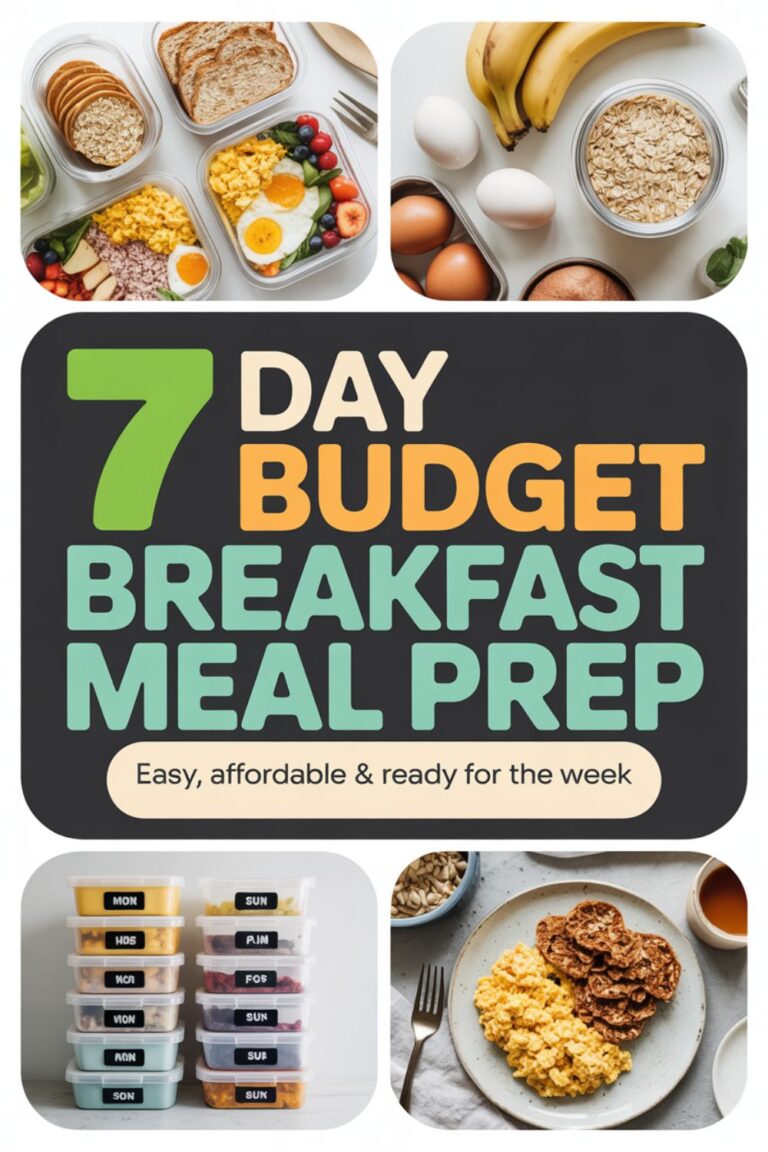
7-Day Budget Breakfast Meal Prep Anyone Can Afford
7-Day Budget Breakfast Meal Prep Anyone Can Afford 7-Day Budget Breakfast Meal Prep Anyone Can Afford Let’s be real—mornings are chaos. You’re hitting snooze three times, scrambling to find matching socks, and suddenly breakfast becomes whatever sad granola bar you can grab on your way out. But here’s the thing: eating a decent breakfast shouldn’t…
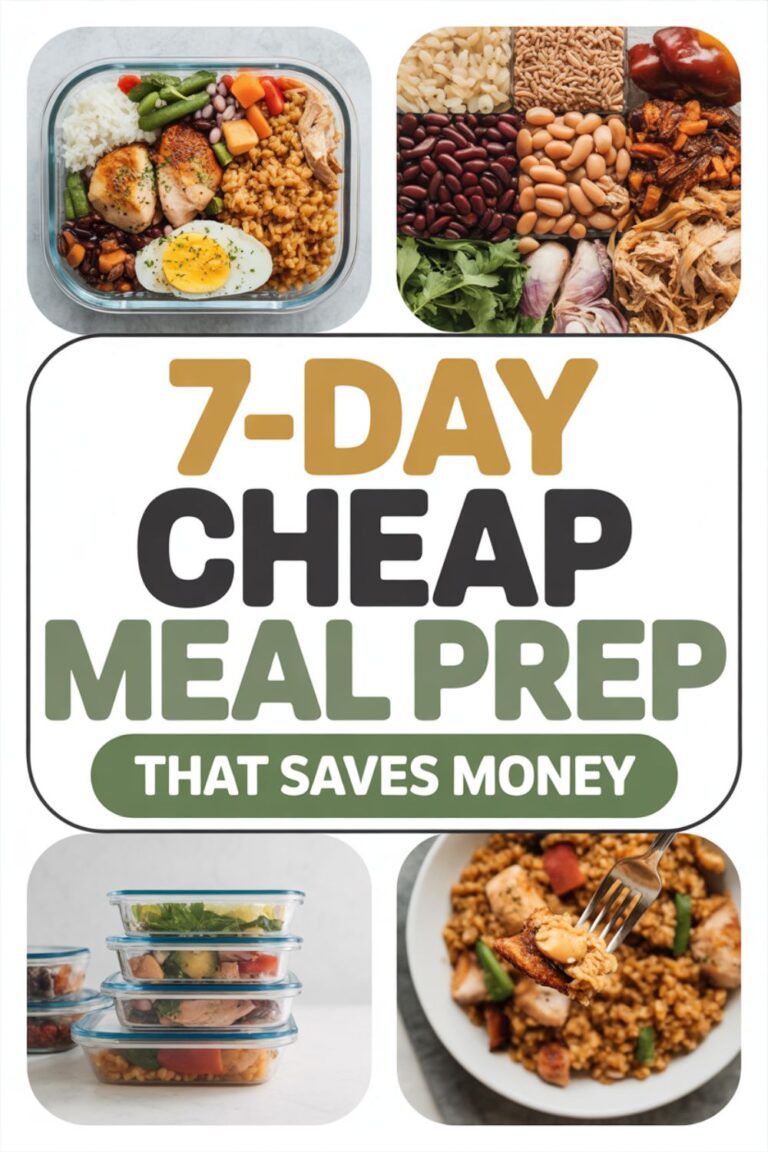
7-Day Cheap Meal Prep That Saves Money
7-Day Cheap Meal Prep That Saves Money Build Your Perfect Meal Prep Plan Your Goal Save MoneyWeight LossMuscle GainBalanced Nutrition Calorie Range Low (1200-1500)Medium (1500-1800)High (1800-2200) Diet Style Budget-FriendlyHigh ProteinVegetarianBalanced Prep Style Batch CookingQuick & EasyFresh Daily Generate Your Plan 7-Day Cheap Meal Prep That Saves Money Let’s be real—grocery bills are no joke right…
7-Day Meal Prep Plan That Actually Works
7-Day Meal Prep Plan That Actually Works – The Meal Edit Build Your Perfect 7-Day Meal Prep Plan Goal Weight LossMuscle GainBalanced NutritionMaintenance Calories Low (1200-1500)Medium (1500-2000)High (2000-2500) Diet Style BalancedHigh ProteinLow CarbVegetarian Prep Style Quick MealsBatch CookingFresh Daily Generate Your Plan 7-Day Meal Prep Plan That Actually Works You know that Sunday feeling when…
23 Spring Salads That Last All Week
23 Spring Salads That Last All Week 23 Spring Salads That Last All Week You know that Sunday evening dread when you realize you have zero lunch options lined up for the week? Yeah, I’ve been there too many times. But here’s the thing about spring salads—they’re not just rabbit food in a bowl. When…