7-Day Freezer Meal Prep You’ll Thank Yourself For
Look, I’m going to level with you right from the start. That 4 PM panic when you realize you have no clue what’s for dinner? The one where you’re staring into your fridge like it’s going to magically produce a fully cooked meal? Yeah, we’ve all been there. And honestly, the whole “just meal prep on Sunday” advice sounds great until Sunday rolls around and you’d rather watch paint dry than chop vegetables for three hours straight.
That’s exactly why freezer meal prep changed my entire relationship with weeknight cooking. I’m talking about actually having your future self covered for a full week without spending your entire weekend playing kitchen Tetris. No more emergency pizza orders. No more sad desk lunches. Just real food that you actually want to eat, ready when you need it.
Here’s the thing most people get wrong about freezer meals: they think it’s all about those casseroles your grandmother made in the 1970s. But modern freezer meal prep? It’s completely different. We’re talking about meals that taste fresh, look appetizing, and don’t require you to sacrifice flavor for convenience.
Why Your Freezer Is Actually Your Best Friend
Before we dive into the actual meal prep strategy, let’s talk about why freezing works so damn well. Contrary to what you might think, freezing doesn’t destroy nutrients in your food. In fact, the USDA confirms that there’s minimal nutrient loss in properly frozen meals. Your protein stays protein, your vitamins hang around, and your food stays safe indefinitely at 0°F.
The real magic happens when you nail the prep and storage part. We’re not just tossing food into random containers and calling it a day. This is strategic. This is about setting up your week so that cooking dinner takes less time than scrolling through your food delivery app trying to find something that doesn’t cost $30.
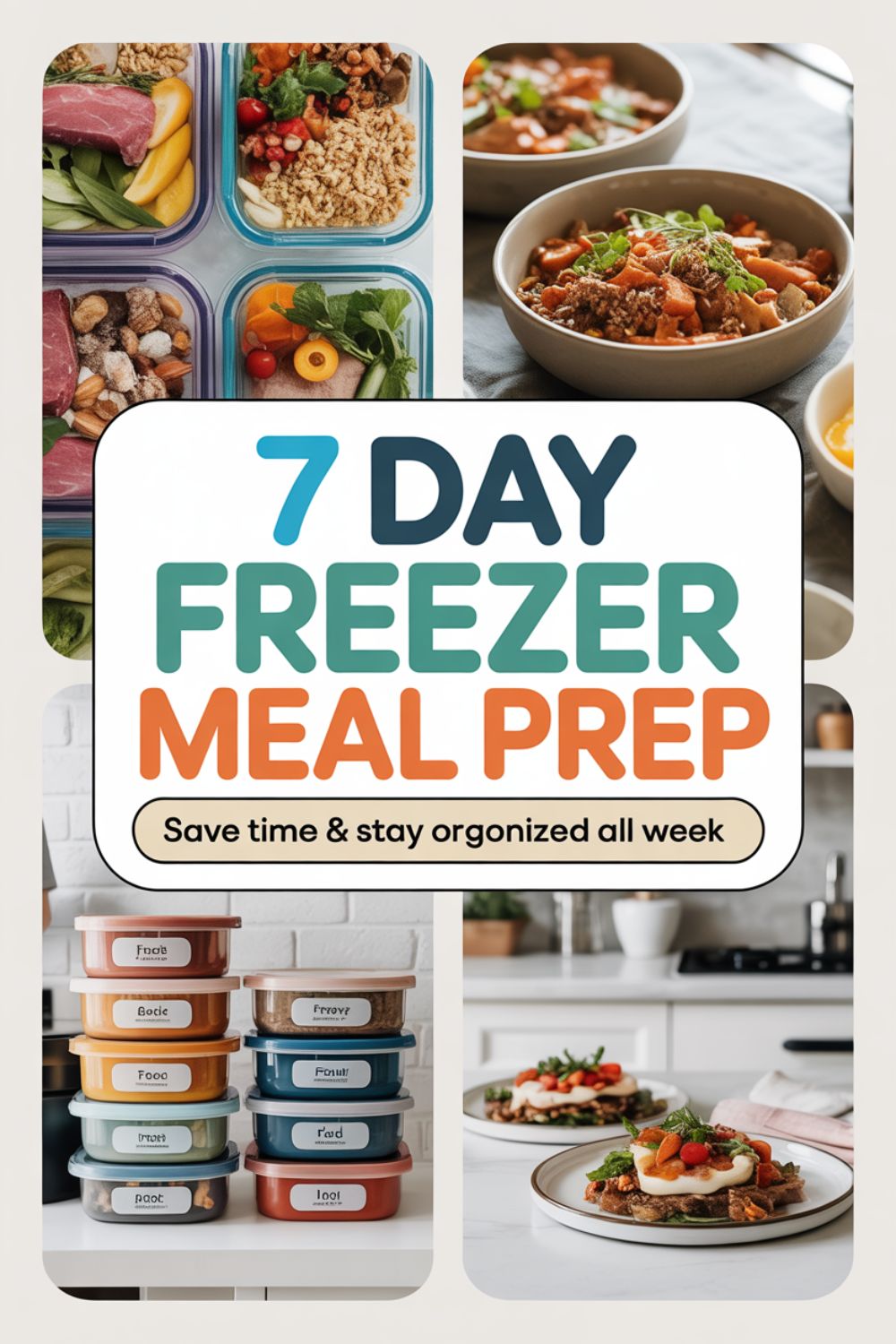
I use these airtight glass meal prep containers because they go from freezer to microwave without any drama, and honestly, being able to see what’s inside each container saves me from playing freezer roulette. Plus, they stack beautifully, which matters when you’re trying to fit a week’s worth of meals into a standard freezer.
The Science Bit Nobody Tells You
Quick science lesson: when food freezes slowly, big ice crystals form and basically puncture cell walls, which is why you sometimes get mushy vegetables. But when you freeze things fast, you get tiny ice crystals that don’t wreck the texture. That’s why we always cool our meals completely before freezing and why I’m obsessed with this digital freezer thermometer that alerts me if the temperature rises above 0°F.
Pro Tip: Always label your meals with the date AND reheating instructions. Trust me, Future You will have no idea whether that container needs 3 minutes or 8 minutes in the microwave.
The 7-Day Freezer Meal Prep System That Actually Works
Alright, here’s where we get into the real strategy. This isn’t about cooking seven completely different meals. That’s exhausting and inefficient. Instead, we’re working smarter by using component-based meal prep. Think of it like building blocks: you prep a few key components that can mix and match throughout the week.
Day 1-2: Protein Power Base
Start with batch cooking proteins because they’re typically the most time-consuming part of any meal. I usually tackle chicken thighs, ground turkey, and if I’m feeling ambitious, a batch of shredded beef. These are incredibly versatile for those high-protein dinner options everyone keeps asking about.
Season three pounds of chicken thighs with whatever spice blend makes you happy. I rotate between Italian herbs, taco seasoning, and a simple lemon-pepper situation. Roast them at 400°F until they hit 165°F internal temp. Let them cool completely, then portion into individual servings. Each portion gets wrapped in plastic wrap first, then goes into a freezer bag. The double wrap prevents freezer burn better than anything else I’ve tried.
For the ground turkey, I brown it in batches using my favorite cast iron skillet because it handles high heat without complaining and gives you that nice caramelization. Don’t crowd the pan, or you’ll end up steaming the meat instead of browning it. Once cooked, portion it out while it’s still slightly warm so it doesn’t clump into one giant frozen mass.
Day 3-4: Carb Components and Veggie Prep
Here’s where things get interesting. Most people think you can’t freeze cooked vegetables, but that’s not true. You just need to choose the right ones. Roasted bell peppers, sautéed mushrooms, caramelized onions, and roasted Brussels sprouts all freeze beautifully.
I prep about two sheet pans of mixed vegetables: cherry tomatoes, zucchini chunks, bell pepper strips, and red onion wedges. Toss with olive oil, salt, and pepper. Roast at 425°F until everything has some nice color on it. These become the backbone of so many meals throughout the week.
For carbs, I usually cook a big batch of quinoa and brown rice. Both freeze incredibly well. Spread the cooked grains on a silicone baking mat to cool, then break them up and portion into freezer bags. This prevents them from freezing into one solid block that’s impossible to separate later.
Quick Win: Freeze rice and quinoa flat in quart-sized bags. They thaw in literally 90 seconds in the microwave and take up way less freezer space.
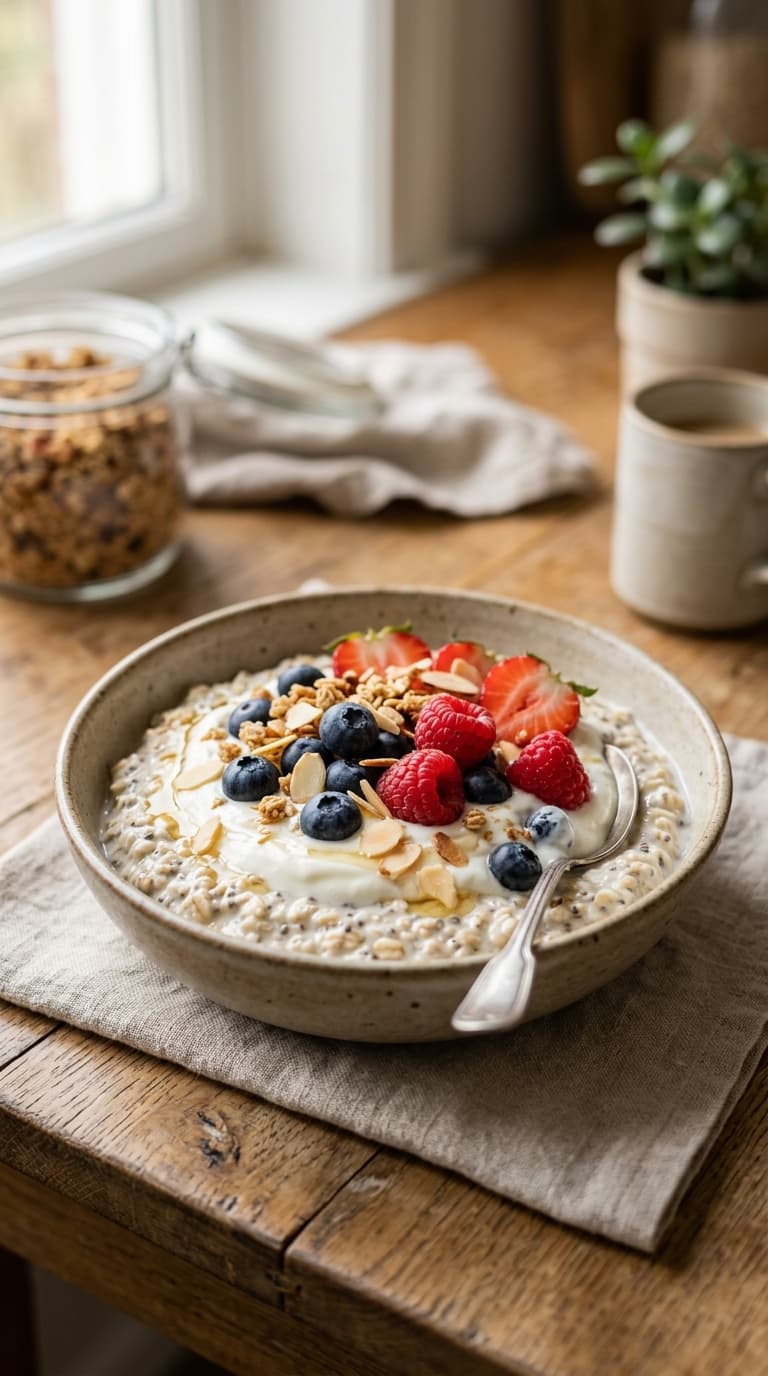
Speaking of grains and smart planning, if you’re looking to expand your repertoire beyond just dinner prep, those morning meal prep strategies can use the same component-based approach. It’s all about building a system that works across different meals.
Day 5-6: Soup and Sauce Marathon
Soups and stews are freezer meal prep MVPs. They actually taste better after freezing because the flavors have time to meld together. I typically make a big pot of chicken chili, a vegetable soup situation, and a hearty lentil stew.
The trick with freezing soups is leaving about an inch of headspace in your containers because liquids expand when frozen. Learned that one the hard way when I had tomato soup explode all over my freezer. Not my finest moment.
I also batch-make sauces: marinara, pesto (yes, it freezes beautifully in ice cube trays), and a creamy cashew sauce for those plant-based meal prep situations. Having these on hand means I can throw together a completely different meal in minutes.
For portion control, I use these 2-cup silicone freezer containers that are basically indestructible and make it super easy to pop out frozen portions. Plus, they’re actually cute, which matters when you’re staring into your freezer every day.
Day 7: Assembly and Organization
This is where everything comes together. I spend maybe 90 minutes assembling complete meals using all the components I’ve prepped. This is when I build burrito bowls, pasta bakes, and stir-fry kits.
For burrito bowls, I layer rice, black beans, the pre-cooked protein, roasted veggies, and a portion of salsa in containers. Everything’s already cooked, so I’m just playing meal Tetris. Each container gets labeled with the contents and date using these waterproof freezer labels because regular tape just peels off when things get cold.
Pasta bakes are ridiculously freezer-friendly. I assemble them in disposable aluminum pans, wrap them twice (plastic wrap first, then foil), and they go straight from freezer to oven. No thawing required, just add 15 minutes to the baking time.
Meal Prep Essentials Used in This Plan
Listen, you don’t need a million gadgets, but these are the things that genuinely make freezer meal prep less annoying:
- Glass meal prep containers with snap-lock lids – Seriously worth every penny. Mine have survived two years of daily use.
- Heavy-duty freezer bags – The cheap ones leak and get freezer burn. Don’t do that to yourself.
- Digital kitchen scale – For consistent portions and hitting those macro targets if that’s your thing.
Digital Resources That Actually Help:
- Meal Prep Mastery eBook – Complete guide with shopping lists and printable labels
- Freezer Meal Inventory Tracker – Spreadsheet that helps you track what’s in your freezer and when you made it
- Weekly Meal Planning Template – Customizable planner that syncs with your prep schedule
Join Our Community: We have a WhatsApp group where people share their freezer meal wins (and occasional disasters). It’s genuinely helpful when you’re stuck for ideas or need to know if something freezes well.
The Mix-and-Match Formula
This is where component-based meal prep really shines. Once you have your proteins, carbs, vegetables, and sauces prepped and frozen, you can create entirely different meals just by combining them differently.
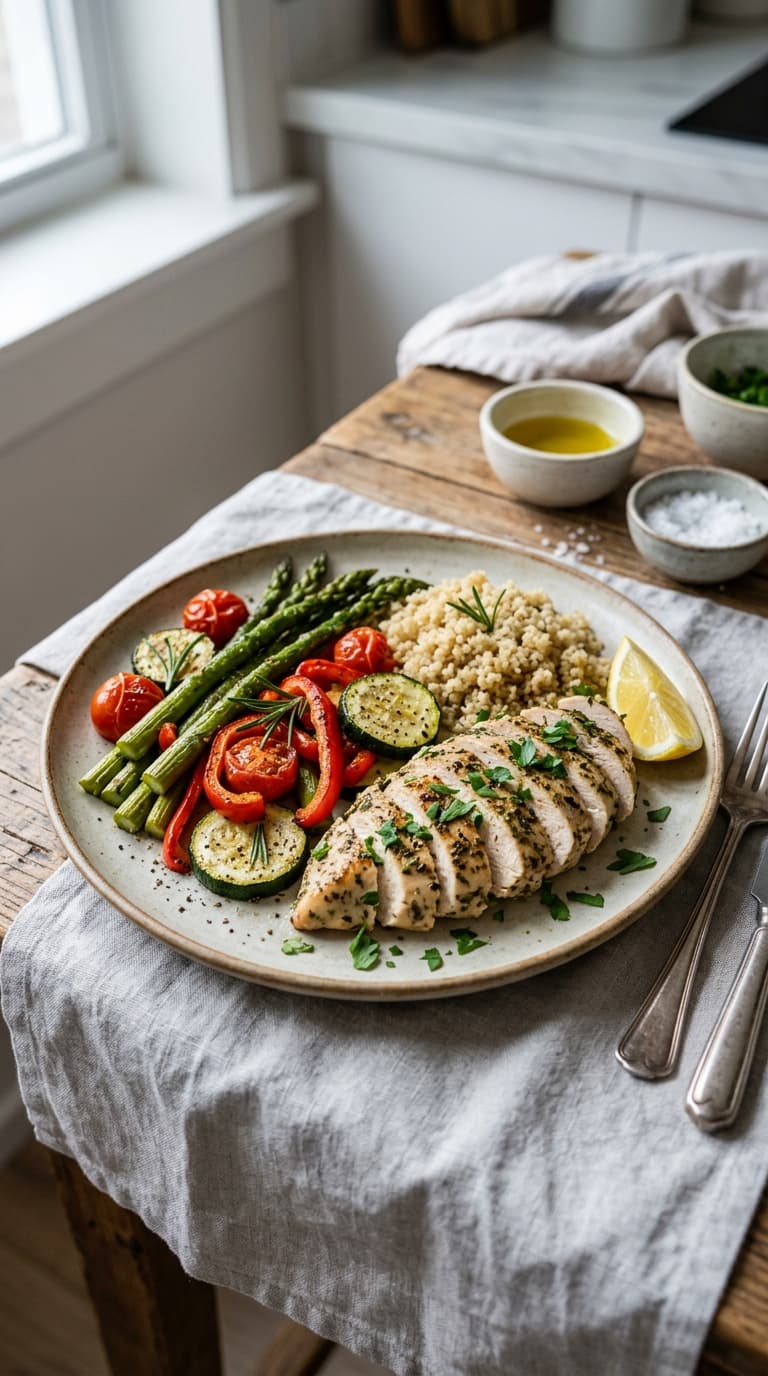
Monday might be chicken thighs with quinoa and roasted vegetables. Tuesday, that same chicken gets shredded into tacos with some of your frozen salsa. Wednesday, the ground turkey becomes a pasta situation with marinara. Thursday, you’re having a burrito bowl. Friday calls for that stir-fry kit you assembled.
See the pattern? You did the hard work once, but you’re getting seven completely different eating experiences. This is exactly why I never get bored with meal prep anymore. The variety is built into the system.
Making It Work for Different Dietary Approaches
The beauty of this component-based system is how easily it adapts. Doing low-carb? Just skip the grain portions and double up on vegetables. Those low-carb meal prep approaches use the exact same protein and vegetable prep methods, just with different combinations.
Need budget-friendly options? Focus on dried beans, lentils, and cheaper protein cuts like chicken thighs or ground turkey instead of pricier options. The method stays the same whether you’re spending $50 or $150 on your prep.
For more weeknight-friendly approaches that complement this freezer system, check out these stress-free dinner strategies that work alongside frozen components.
Thawing and Reheating Without Ruining Everything
Real talk: you can totally ruin a perfectly good freezer meal by reheating it wrong. The best method is always thawing in the refrigerator overnight, according to USDA guidelines. This gives you the most even thaw and preserves texture better than any other method.
That said, life happens. When you need food now, you have options. For most meals, the microwave works fine. Use 50% power and stop every 2 minutes to stir things around. This prevents those weird cold spots in the middle while the edges are lava-hot.
For soups and stews, I actually prefer reheating them on the stovetop. Put the frozen block in a pot on low heat and let it slowly come up to temperature. Stir occasionally. Takes maybe 15 minutes total, and the texture is way better than microwaving.
Pasta bakes and casseroles can go straight from freezer to oven. Cover with foil for the first 30 minutes, then remove it for the last 15 to get that crispy top. The key is adding extra time to account for the frozen state – usually an additional 15-20 minutes beyond the original recipe timing.
Pro Tip: Keep a running list on your fridge of what’s in your freezer and when you made it. I use these magnetic dry-erase boards that stick right to the freezer door. Game changer for meal planning.
If you’re meal prepping lunches for work, those work-friendly lunch options reheat perfectly using these same methods. Just portion them into single-serving containers before freezing.
Common Freezer Meal Prep Mistakes (And How to Fix Them)
Let’s address the elephant in the room: freezer meals sometimes fail spectacularly. Usually, it’s because of one of these totally preventable mistakes.
Mistake #1: Freezing Foods That Don’t Freeze Well
Some foods are just not meant for the freezer. Raw lettuce, raw potatoes, cream-based sauces (unless you know the trick), and cooked egg whites all turn into sad, watery messes. Mayo-based dressings separate. Fresh herbs lose all their vibrant flavor and turn into green mush.
The fix? Know your limitations. Save the fresh salad greens for serving day. Use sour cream or Greek yogurt instead of heavy cream in sauces – they hold up way better. For herbs, freeze them in oil using ice cube trays. One cube equals about a tablespoon of fresh herbs.
Mistake #2: Not Cooling Food Completely
If you put hot food directly into the freezer, you’re creating condensation which leads to freezer burn and ice crystals. Plus, it raises the temperature of your entire freezer, which can affect everything else in there.
The fix is simple but requires patience: let everything cool to room temperature first. Spread hot food in shallow pans to speed up cooling. I use these wide, shallow cooling racks that sit over sheet pans and let air circulate all around the food. Cuts cooling time in half.
Mistake #3: Terrible Labeling (Or No Labeling)
Future You will not remember if that brown stuff is beef stew or chocolate chili. You will not remember when you made it. You will stand in front of your freezer, confused and hungry, cursing Past You for being so disorganized.
Fix this by labeling everything immediately. Date, contents, and reheating instructions. Every single container. No exceptions. Make it a non-negotiable part of your meal prep routine.
Tools & Resources That Make Cooking Easier
These aren’t strictly necessary, but they’ve genuinely made my freezer meal prep less of a chore and more enjoyable:
- Vacuum sealer system – If you’re serious about freezer meal prep, this prevents freezer burn like nothing else. Totally transformed how long my meals stay fresh.
- Portion control containers – Color-coded for different macros if you’re tracking, but honestly just helpful for consistent portions.
- Instant-read thermometer – For checking that everything’s actually cooked before you freeze it. Food safety isn’t negotiable.
Digital Tools Worth Checking Out:
- Complete Freezer Meal Cookbook (Digital) – 100+ recipes specifically designed for freezing, with proper instructions
- Macro-Friendly Meal Planner – If you’re tracking nutrition, this syncs with most meal prep approaches
- Printable Freezer Labels & Inventory Sheets – Comes with pre-formatted labels and tracking sheets
Meal Ideas That Freeze Like Champions
Not all meals are created equal when it comes to freezing. Some are absolute rockstars that taste just as good (or better) after freezing. Here are the ones that have never let me down.
Breakfast Options
Breakfast burritos are freezer meal prep royalty. Scramble eggs, add cooked breakfast sausage or turkey bacon, some cheese, and roasted peppers. Wrap them individually in foil. They reheat perfectly in the microwave (remove foil first, obviously) in about 2 minutes.
Pancakes and waffles freeze brilliantly. Make a double or triple batch, let them cool completely, then stack them with parchment paper between each one. Freeze in gallon bags. Pop them in the toaster straight from frozen. For more morning strategies, those no-cook breakfast ideas complement frozen options perfectly when you need variety.
Egg muffins are clutch. Whisk eggs with vegetables, cheese, and cooked meat. Pour into silicone muffin cups and bake. Once cooled, pop them out and store in freezer bags. Grab two or three in the morning, microwave for 90 seconds, and you’ve got a complete breakfast.
Lunch Champions
Soups and chilis are obvious winners. Pretty much any soup that doesn’t have cream or pasta will freeze beautifully. Lentil soup, chicken tortilla soup, vegetable minestrone, white chicken chili – they all work.
Grain bowls are incredibly versatile. Layer your base grain, add protein, roasted vegetables, and a separate container of sauce. Everything reheats well, and you can mix up the combinations throughout the week. If you’re focusing on higher protein options, check out these energy-boosting lunch approaches.
DIY frozen burritos beat store-bought versions every single time. Use better ingredients, control the sodium, and customize the filling combinations. Plus, they’re stupid easy to make in bulk.
Dinner Winners
Casseroles are freezer staples for good reason. Lasagna, enchiladas, shepherd’s pie, baked ziti – they all freeze and reheat like champions. Assemble them in disposable aluminum pans if you don’t want to tie up your good bakeware in the freezer.
Meatballs are ridiculously versatile. Make a huge batch, freeze them on a sheet pan first, then transfer to bags. Use them for spaghetti, meatball subs, Swedish meatballs, or toss them into soups. One prep, multiple meals. Get Full Recipe for my favorite freezer-friendly meatball formula.
Stir-fry kits work great if you prep them right. Keep the sauce separate, and don’t include any vegetables with high water content like bean sprouts or lettuce. Stick to bell peppers, broccoli, snap peas, and carrots. Add your favorite wok to your cooking arsenal, and you’re five minutes away from dinner.
Looking to mix things up? Those family-friendly dinner options work with the same freezing techniques and help when you need to please multiple people with different preferences.
Budget-Friendly Freezer Meal Prep Tips
Let’s be real: the reason most people start meal prepping is to save money. Eating out constantly destroys your budget. But freezer meal prep can get expensive too if you’re not strategic about it.
Buy proteins in bulk when they’re on sale. I’m talking the family packs, not the tiny portion sizes. Chicken thighs are almost always cheaper than breasts. Ground turkey and ground beef go on sale regularly. Buy them when they’re cheap, portion them immediately, and freeze them raw if you’re not prepping that week.
Frozen vegetables are your friend and they’re often just as nutritious as fresh, according to research from the American Frozen Food Institute. They’re pre-washed, pre-cut, and often cheaper per serving than fresh produce. The texture difference is negligible once they’re cooked into a dish.
Dried beans and lentils are stupid cheap and freeze perfectly once cooked. One pound of dried beans gives you about six cups cooked, which costs maybe $1.50 versus $6 for the same amount in canned beans. Cook a huge batch in your favorite slow cooker, portion them out, and you’ve got protein for weeks.
Shop your own freezer first before buying new groceries. I’m serious about keeping that inventory list updated. How many times have you bought ingredients you already had buried in the back of the freezer? That’s just wasted money.
For more budget-conscious approaches to your weekly planning, these budget-focused strategies extend the same cost-saving principles across different meal types.
Making Clean Eating Work With Freezer Meals
IMO, the biggest myth about freezer meals is that they have to be heavily processed or unhealthy. That’s complete nonsense. You control every single ingredient that goes into your freezer meals, which means you can make them as clean as you want.
Focus on whole ingredients: actual vegetables, quality proteins, whole grains. Skip the processed sauces and make your own. It’s not that much harder. A basic tomato sauce is literally tomatoes, garlic, herbs, and olive oil. Blend it smooth or leave it chunky. Done.
Batch-cook your proteins without adding a bunch of junk. Season with herbs and spices, not those seasoning packets loaded with sodium and weird fillers. Fresh herbs freeze beautifully in oil, and these herb keeper containers keep fresh herbs alive way longer if you’re buying them fresh.
Read labels on anything you do buy pre-made. Even things that seem healthy often have added sugars, preservatives, or way more sodium than necessary. When possible, make it yourself and freeze it. You’ll know exactly what’s in there.
For a comprehensive approach to cleaner eating with meal prep, check out this clean eating guide that breaks down ingredient choices and prep strategies without getting preachy about it.
Troubleshooting Common Issues
Even with the best planning, stuff goes wrong sometimes. Here’s how to fix the most common problems.
Freezer Burn City
If your meals are getting freezer burn within a few weeks, you’ve got an air exposure problem. Make sure you’re squeezing out all the air from freezer bags before sealing. For containers, fill them as full as possible to minimize air space. Consider investing in that vacuum sealer system I mentioned earlier if freezer burn is a recurring issue.
Everything Tastes the Same
This happens when you’re not varying your seasoning profiles enough. Don’t just salt and pepper everything. Have a Mexican-spiced batch, an Italian-herbed batch, an Asian-inspired batch. Different flavor profiles mean you won’t get bored three days in.
Mushy Vegetables
You’re either overcooking them before freezing or choosing the wrong vegetables. Roast vegetables until they’re just done, not until they’re falling apart. And stick to heartier vegetables that hold up better: bell peppers, onions, carrots, broccoli, Brussels sprouts. Skip the zucchini and eggplant unless you’re putting them in a sauce-heavy dish where texture matters less.
Weird Textures After Reheating
Often this is because you’re reheating too fast at too high a temperature. Low and slow wins the race. Use 50% power in the microwave and give it time. Add a splash of water or broth when reheating to restore moisture that was lost in the freezing process.
Frequently Asked Questions
How long can I keep freezer meals?
According to FDA guidelines on food storage, food stored at 0°F is technically safe indefinitely. However, for optimal quality, I recommend using most meals within 2-3 months. Soups and stews hold up longer than dishes with delicate ingredients. Always label with dates so you know what to use first.
Can I freeze meals in glass containers?
Yes, but make sure they’re specifically labeled as freezer-safe. Regular glass can crack when frozen. Leave about an inch of headspace at the top because food expands as it freezes. I’ve been using the same tempered glass containers for two years with zero breakage, but I learned to check that “freezer-safe” label the hard way.
What’s the best way to thaw freezer meals?
The safest method is always overnight in the refrigerator. This gives you the most even thaw and maintains food safety standards. For quicker thawing, you can use the defrost setting on your microwave or submerge the sealed container in cold water, changing the water every 30 minutes. Never thaw on the counter at room temperature – that’s a bacteria playground.
Should I freeze meals cooked or uncooked?
It depends on the meal. For most situations, I prefer cooking first because reheating is faster than cooking from frozen. However, some things like casseroles and certain pasta bakes actually work better assembled raw and frozen, then baked from frozen. You’ll add about 50% more cooking time, but the texture often comes out better.
Can I use regular plastic bags instead of freezer bags?
Please don’t. Regular storage bags aren’t thick enough to prevent freezer burn, and they’re not designed to withstand freezer temperatures long-term. They’ll get brittle and crack. Freezer bags are specifically made with thicker plastic and better seals. The extra dollar or two per box is worth it when you’re not throwing away freezer-burned food.
Making It a Sustainable Habit
Here’s the thing about freezer meal prep that nobody talks about: consistency matters way more than perfection. You don’t need to prep seven elaborate meals every single week. Some weeks, maybe you just prep three meals and buy rotisserie chicken for the other nights. That’s still better than no planning at all.
Start small if this is new to you. Maybe just prep three lunches for the week. Get comfortable with that rhythm. Then add breakfast. Then add dinners. Building the habit gradually makes it stick rather than burning yourself out trying to do everything at once.
FYI, the best meal preppers I know have a rotating menu of about 15-20 go-to meals they cycle through. They’re not reinventing the wheel every week. Find what works, what your family actually eats, and what stores well. Make those recipes your standards.
Keep notes on what worked and what didn’t. I have a simple notebook where I jot down which meals froze well, which seasonings worked best, and which containers were the right size for different recipes. It sounds nerdy, but it saves so much time and reduces waste.
For a more structured approach to building these habits, the one-hour lunch prep system teaches you the fundamentals of quick, efficient prep sessions that you can scale up over time.
Pro Tip: Schedule your meal prep session like any other appointment. Block off the time on your calendar. Protect that time. It’s way too easy to let other stuff take priority if you’re not intentional about it.
Final Thoughts
Look, freezer meal prep isn’t going to solve all your life problems. Your kitchen won’t magically clean itself. You’ll still have days when cooking is the last thing you want to do. But having that freezer stocked with actual food that you made? That’s a game changer.
You’re basically giving yourself the gift of convenience without the takeout prices or questionable ingredients. Future You is going to be so grateful to Past You for putting in this work. And honestly, once you get the system down, it stops feeling like work and starts feeling like just part of your routine.
Start with one protein, one grain, and one batch of vegetables this weekend. See how it goes. Adjust based on what works for your schedule, your family’s preferences, and your freezer space. There’s no single right way to do this – only what works for you.
The beauty of this system is its flexibility. Whether you’re focused on high-protein breakfasts, trying to eat more budget-friendly options, or just trying to get something healthy on the table, the core principles stay the same. Prep components. Store properly. Reheat correctly. Eat well.
Stop letting dinner time stress you out. Your freezer is about to become your new best friend, and honestly, you deserve that peace of mind. Now go forth and freeze some meals. Your future self will thank you.