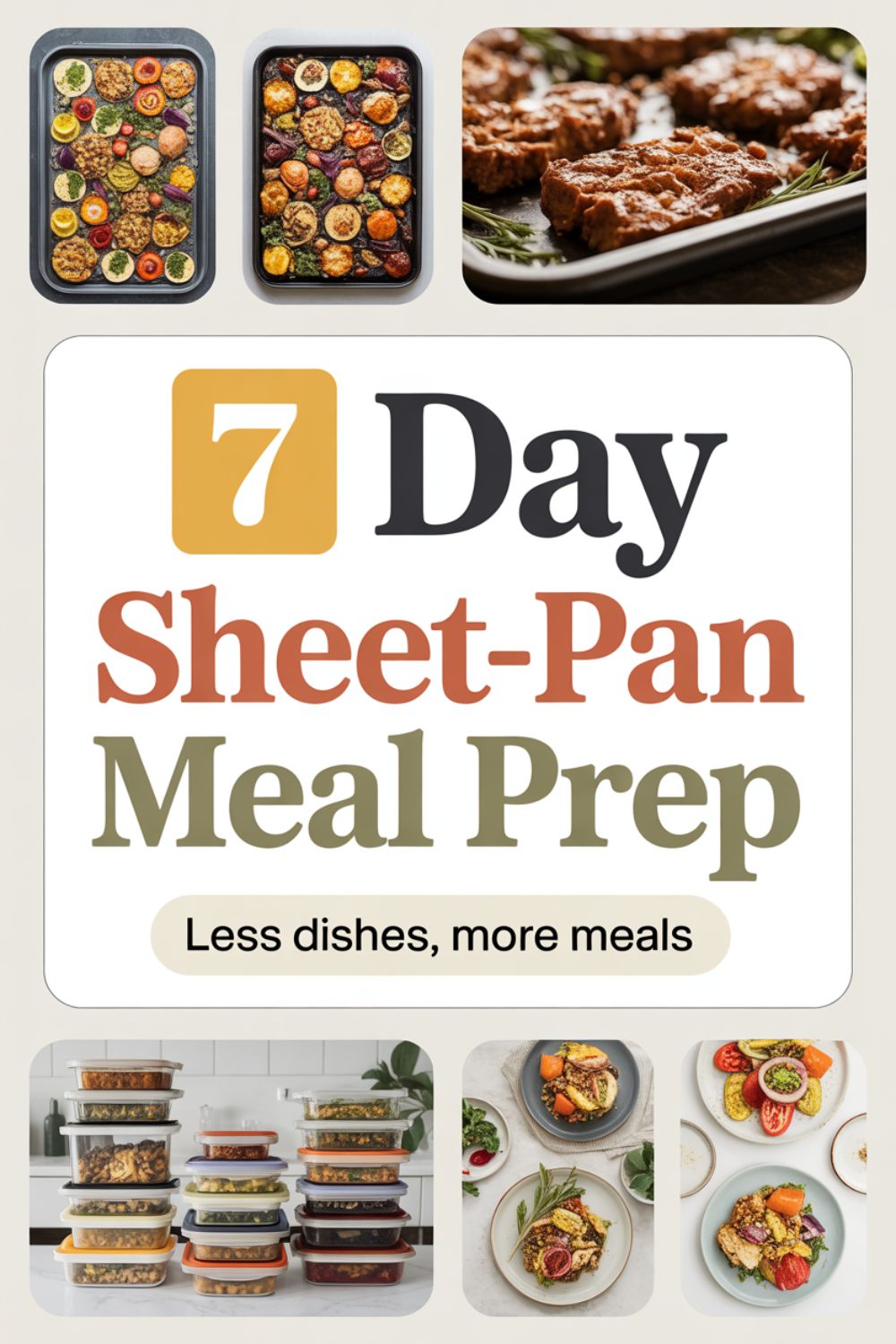
7-Day Sheet-Pan Meal Prep for Easy Cleanup
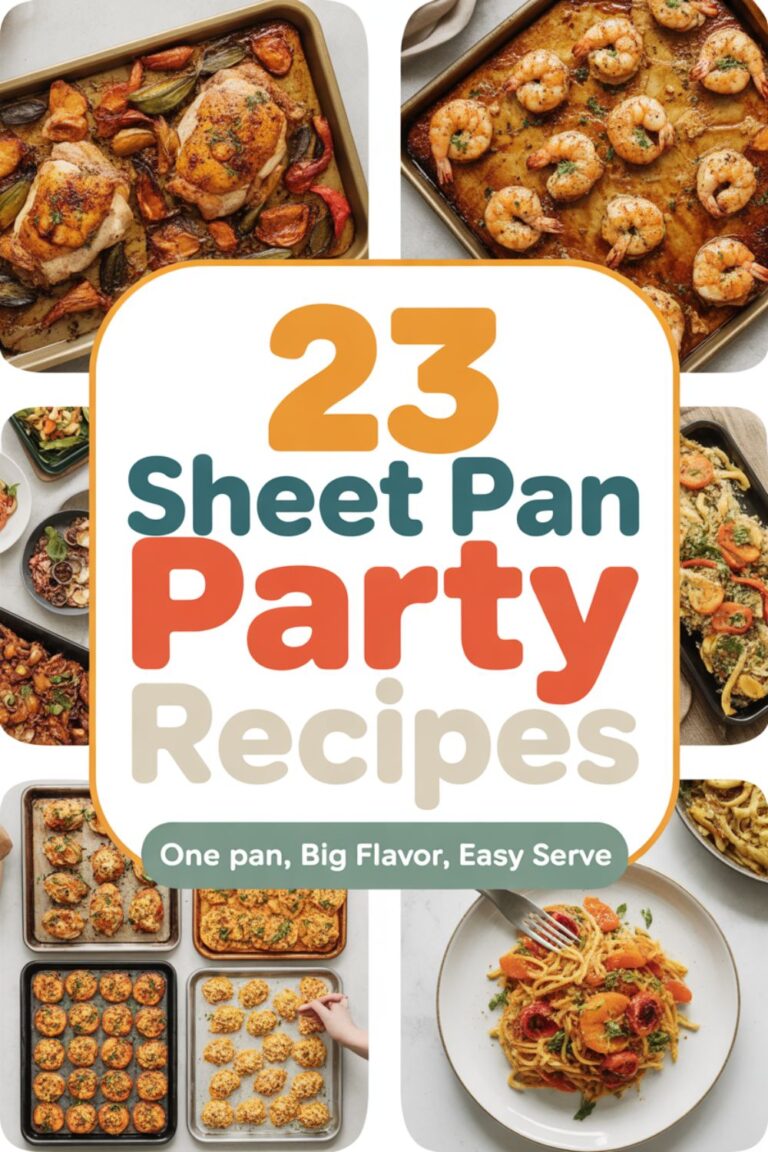
Let’s be real—most of us start the week with big meal prep energy, only to find ourselves elbow-deep in a sink full of pots, pans, cutting boards, and mystery spatulas by Tuesday. The dishes pile up faster than motivation to actually cook. What if I told you there’s a way to prep an entire week’s worth of meals using basically one pan per recipe? Yeah, that’s the magic of sheet-pan cooking, and it’s about to become your new best friend.
I stumbled into sheet-pan meal prep out of pure laziness, honestly. I got tired of playing Tetris with my dishwasher and spending half my Sunday scrubbing burnt cheese off skillets. Turns out, throwing everything onto a sheet pan, letting the oven do its thing, and walking away with minimal cleanup is not just a fantasy—it’s totally doable. And the food? Actually good. Not “I’m eating healthy so it tastes like cardboard” good, but genuinely tasty.
This 7-day plan is designed for people who want real meals without the chaos. We’re talking proteins, veggies, and carbs all roasted together with minimal fuss. You’ll prep smarter, clean less, and actually look forward to eating what you made. No complicated techniques, no chef skills required, just practical meals that fit into your life.
Why Sheet-Pan Cooking Changes Everything
Here’s the thing about traditional meal prep: it usually involves cooking three different components in three different ways. Protein in one pan, veggies in another, maybe rice in a pot. By the time you’re done, your kitchen looks like a disaster zone and you’ve lost the will to eat anything you just made. Sheet-pan cooking flips that script completely.
Everything goes on one pan. You season it, pop it in the oven, and walk away. No stirring, no flipping halfway through (okay, sometimes you flip, but it’s rare), and most importantly, no babysitting. The oven does the heavy lifting while you catch up on that show everyone’s been talking about or, I don’t know, actually relax for a second.
The cleanup? Literally one pan. Sometimes I don’t even scrub mine—I just line it with parchment paper or foil, toss the liner, and call it a day. If you’re someone who’s been avoiding meal prep because of the cleanup nightmare, this method will convert you. I’ve seen it happen. According to Healthline’s research on meal prep efficiency, streamlined cooking methods significantly increase adherence to healthy eating habits, mostly because people don’t burn out on the process.
Pro Tip: Invest in a couple of heavy-duty sheet pans. The flimsy ones warp in high heat and cook unevenly. Trust me, I learned this the hard way when my chicken came out raw in the center and crispy on the edges—not in a good way. A good half-sheet pan like this will last you years and actually distributes heat properly.
Another massive perk? The flavor. When everything roasts together, the juices from your protein mingle with the veggies, creating this naturally delicious sauce situation. You’re not just eating steamed broccoli and plain chicken breast—you’re getting caramelized edges, crispy bits, and actual depth of flavor. It’s the difference between eating to survive and eating because it actually tastes good.
The 7-Day Sheet-Pan Blueprint
Alright, let’s break down the week. This isn’t a rigid “you must eat this on Tuesday at 12:47 PM” kind of plan. Think of it more like a menu you prep once and mix-and-match throughout the week. Some days you might want the chicken, other days you’ll crave the salmon. The beauty of sheet-pan cooking is that everything stores well and reheats like a champ.
Day 1: Herb-Roasted Chicken Thighs with Rainbow Veggies
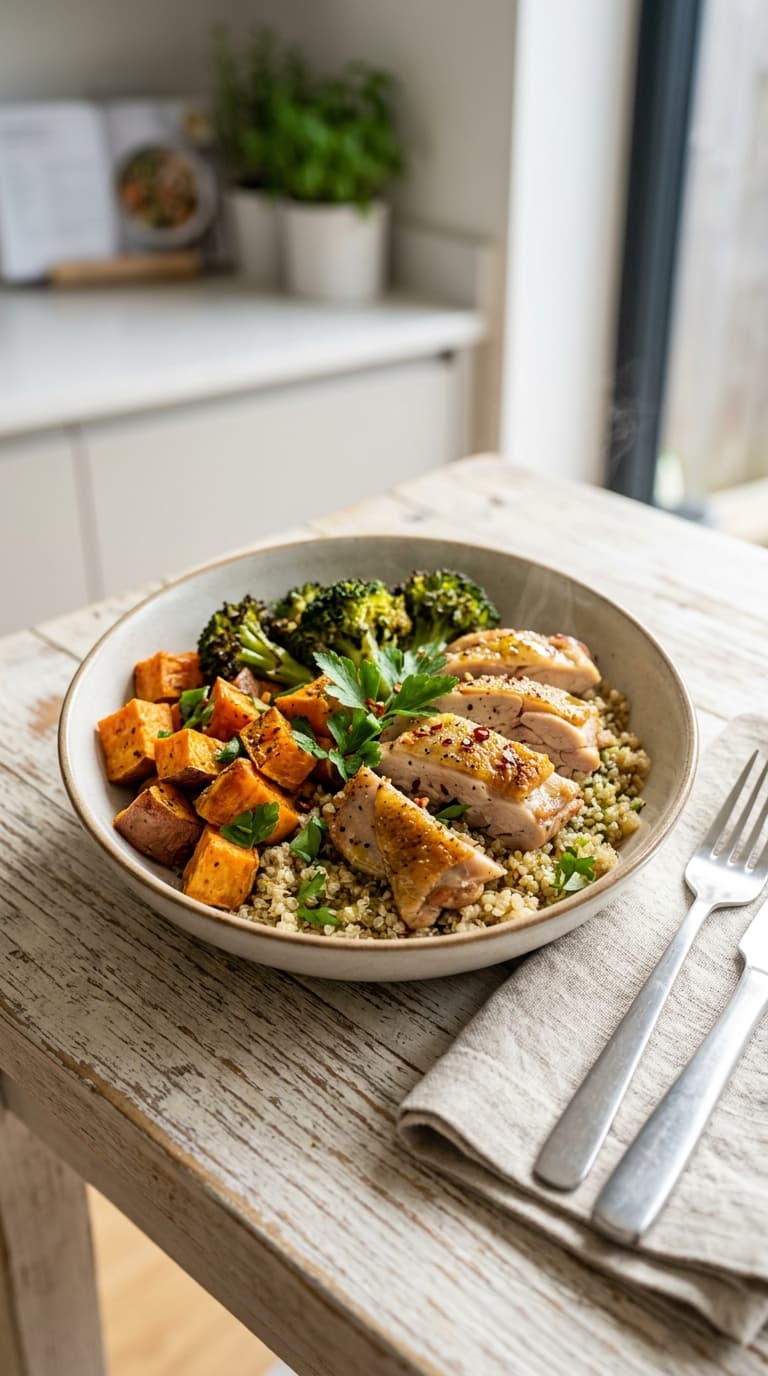
We’re starting strong with chicken thighs because they’re impossible to dry out (unlike their tragic cousin, the chicken breast). Toss them with olive oil, garlic, thyme, and a squeeze of lemon. Surround them with bell peppers, zucchini, red onion, and cherry tomatoes. Everything goes in at 425°F for about 35 minutes.
The chicken gets crispy skin, the veggies get those gorgeous char marks, and you’ve got yourself four solid servings with maybe ten minutes of actual hands-on work. I usually pair this with some quinoa or rice that I’ve cooked separately, but honestly, the veggie-to-protein ratio is so good that you might not even need it.
Speaking of chicken dishes, if you’re into poultry-based meal prep, you’ll want to check out this 7-day high-protein dinner meal prep that includes several chicken variations that work beautifully with the sheet-pan method.
Day 2: Honey-Garlic Salmon with Asparagus and Potatoes
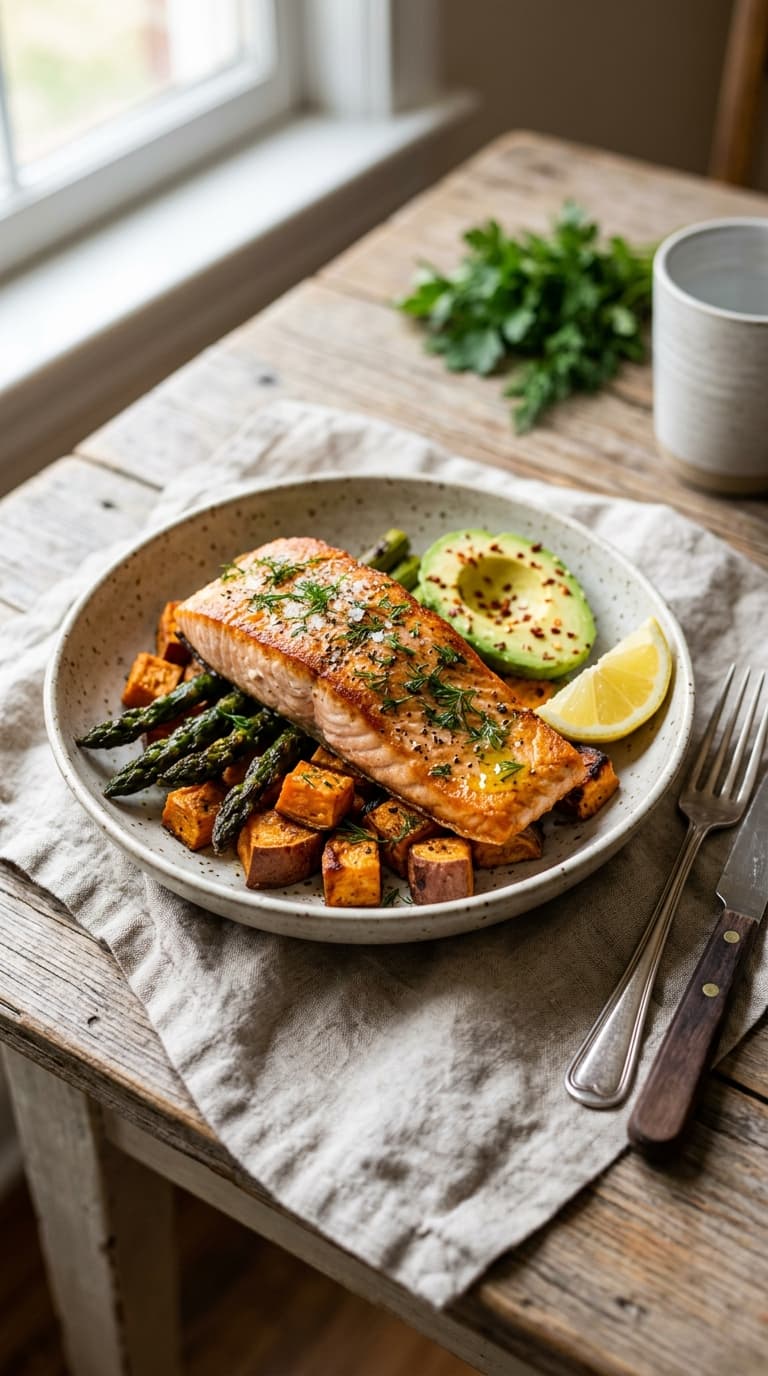
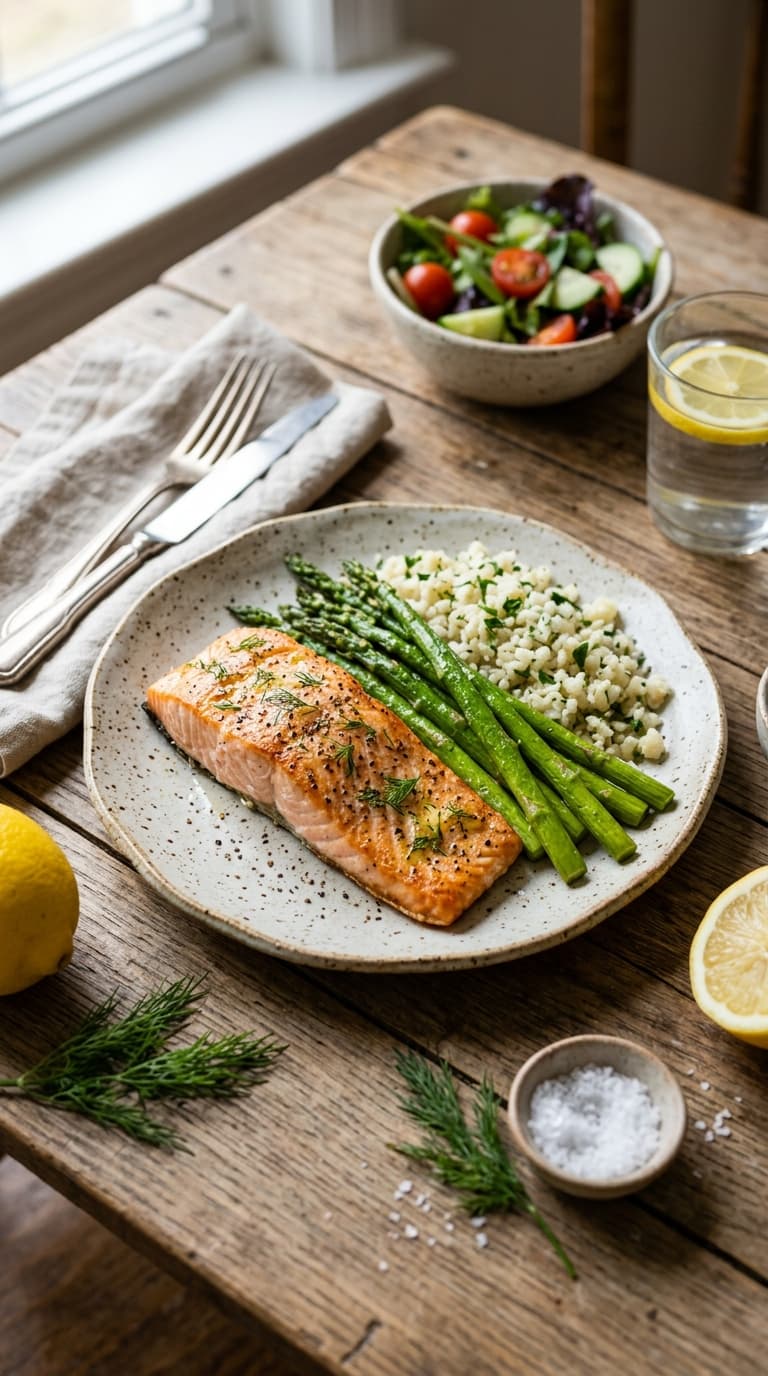
Salmon is one of those proteins that sounds fancy but is ridiculously easy to execute. You’re making a simple glaze with honey, soy sauce, garlic, and a bit of ginger. Brush it on the salmon, arrange asparagus spears and baby potatoes around it, and roast at 400°F for about 20 minutes.
The potatoes take the longest, so you might want to microwave them for a few minutes first to speed things up. Or just cut them smaller—your call. The asparagus gets tender with crispy tips, and the salmon stays moist and flaky. This is the kind of meal that makes you feel like you have your life together, even if you definitely don’t.
“I tried this salmon recipe after avoiding fish for years because I always overcooked it. The sheet-pan method is foolproof—I’ve made it six times now and it’s perfect every single time. My kids actually eat it, which is basically a miracle.” — Rachel M., community member
Day 3: Italian Sausage with Peppers and Onions
This one’s a throwback to those street fair sausage sandwiches, except way healthier and infinitely cheaper. Grab some Italian sausages (I prefer the chicken or turkey ones, but pork works too), slice up a bunch of bell peppers and onions, season everything with Italian herbs, and let it roast at 425°F for about 30 minutes.
You can eat this over pasta, stuff it into a whole-grain bun, or just eat it straight with a fork like a normal person. The sausages get crispy on the outside, the peppers caramelize into sweet, tangy perfection, and the whole thing is just comforting. If you’re feeling extra, throw some cherry tomatoes in there for the last ten minutes.
FYI, this pairs incredibly well with a simple side salad or some crusty bread. For more complete dinner ideas that follow this same easy-prep philosophy, check out this 7-day dinner meal prep plan that takes the guesswork out of weeknight cooking.
Quick Win: Use parchment paper sheets pre-cut to fit your pan instead of wrestling with a roll every time. Game changer. No more uneven tears or parchment curling up mid-bake.
Day 4: Moroccan-Spiced Chickpeas with Cauliflower and Sweet Potato
Welcome to plant-based heaven. This is the recipe that converted several of my meat-loving friends into occasionally eating vegetables voluntarily. You’re coating chickpeas, cauliflower florets, and sweet potato cubes with olive oil, cumin, paprika, turmeric, and cinnamon. Roast at 400°F for about 40 minutes, stirring halfway through.
The chickpeas get crispy on the outside but stay creamy inside. The sweet potato caramelizes. The cauliflower develops these nutty, brown edges. It’s texturally interesting, flavor-packed, and surprisingly filling. I usually add a dollop of Greek yogurt or tahini when serving because everything is better with a creamy element.
Research from the National Institutes of Health shows that roasting vegetables at high temperatures preserves more nutrients compared to boiling, plus it enhances flavor compounds that make vegetables more palatable. Basically, you’re not just eating healthy—you’re eating smart.
Looking for more vegetarian options that actually satisfy? The 21-day vegetarian meal prep has some seriously creative sheet-pan combinations you won’t find anywhere else.
Day 5: Teriyaki Meatballs with Broccoli and Carrots
Meatballs on a sheet pan sound wrong until you try it, and then you’ll never go back to the stovetop method. You can use store-bought frozen meatballs (no shame), or make your own with ground turkey, breadcrumbs, egg, and some garlic. Arrange them on the pan with broccoli florets and sliced carrots, drizzle everything with teriyaki sauce, and bake at 400°F for about 25 minutes.
The meatballs get this slightly crispy exterior while staying juicy inside. The broccoli absorbs the teriyaki flavor and gets those crispy edges we’re all obsessed with. The carrots caramelize into sweet little bites. Serve over rice or noodles, or just eat it as-is if you’re watching carbs.
I use this mini cookie scoop to portion out meatballs when I’m making them from scratch. Every meatball comes out the same size, which means they all cook evenly. No more giant raw ones mixed with tiny burnt ones.
Day 6: Lemon-Herb Pork Chops with Green Beans and Cherry Tomatoes
Pork chops got a bad rap in the 90s because everyone’s parents overcooked them into shoe leather. Done right, they’re juicy, flavorful, and stupid easy. You’re using boneless pork chops (about 1-inch thick), seasoning them with lemon zest, garlic, rosemary, and thyme, then surrounding them with green beans and cherry tomatoes.
Bake at 425°F for about 20 minutes. The key is not overcooking them—pull them out when they hit 145°F internal temperature and let them rest for a few minutes. The green beans get tender-crisp, the tomatoes burst into this sweet-tart situation, and the whole thing comes together in under 30 minutes.
This is one of those meals that feels elevated enough for company but is secretly so easy you could make it half-asleep. Pair it with mashed potatoes or a simple grain, and you’ve got yourself a proper dinner that required minimal effort.
Day 7: Mediterranean Shrimp with Zucchini, Tomatoes, and Feta
We’re ending the week with something that feels a little fancy but comes together in literally 15 minutes. Large shrimp get tossed with olive oil, lemon juice, garlic, and oregano. Add halved cherry tomatoes, sliced zucchini, and crumbled feta cheese on top. Roast at 400°F for about 12 minutes.
That’s it. Seriously. The shrimp cook fast, the zucchini stays tender but not mushy, the tomatoes create this natural sauce, and the feta gets all melty and tangy. Serve over orzo, with crusty bread, or over a simple arugula salad. It’s the kind of meal that makes you feel like you’re dining at a coastal restaurant instead of eating meal prep in your kitchen.
For more quick and impressive dinner options, check out this 7-day healthy dinner plan that includes several seafood options that work perfectly with the sheet-pan method.
Meal Prep Essentials Used in This Plan
Look, you don’t need a million gadgets to make sheet-pan cooking work, but a few key items will make your life exponentially easier. Here’s what I actually use every single week:
- Heavy-Duty Half Sheet Pans (Set of 2): Get the commercial-grade aluminum ones that won’t warp. I have three and rotate them constantly. They’re indestructible and cook everything evenly.
- Silicone Baking Mats: These are optional but holy hell do they make cleanup even easier. Nothing sticks, they’re reusable for years, and you’re not going through rolls of parchment paper.
- Glass Meal Prep Containers with Locking Lids: Forget plastic. Glass doesn’t stain, doesn’t hold smells, and microwaves like a dream. I have about 15 of these and they’re worth every penny.
- The Ultimate Meal Prep Starter Guide (Digital): If you’re new to this whole thing, grab this digital guide that breaks down timing, portions, and storage strategies. Takes the guesswork out completely.
- Sheet-Pan Recipe Collection (Digital): A downloadable PDF with 50+ sheet-pan recipes categorized by protein type, dietary preference, and cook time. It’s basically this article times ten.
- Meal Prep Template Pack (Digital): Includes printable shopping lists, prep schedules, and portion calculators. Sounds nerdy, but it legitimately saves hours of planning time.
- Join Our Meal Prep Community: We’ve got a WhatsApp group where people share their sheet-pan wins, swap recipes, and troubleshoot disasters in real time. It’s free and surprisingly helpful when you need quick advice.
The Actual Meal Prep Process
Okay, so you’ve got your recipes, you’ve got your pans, now what? Here’s how I actually execute this in about two hours on a Sunday afternoon without losing my mind.
Step 1: Shop Smart
Make a consolidated grocery list organized by store section. Group all your proteins together, all your produce together, all your seasonings. This alone will cut your shopping time in half because you’re not zigzagging around like a maniac. I use this magnetic notepad on my fridge all week to jot down what I need as I run out.
Buy pre-cut vegetables when your budget allows. Yeah, they cost more, but if it’s the difference between actually doing meal prep or ordering takeout for the third night in a row, it’s worth it. Pre-cut butternut squash, pre-spiralized zucchini, and pre-riced cauliflower are all fair game in my book.
Step 2: Prep Your Ingredients
Set up an assembly line situation. Wash and chop all your veggies first, then move on to portioning proteins. I keep these small prep bowls on hand for holding everything until it’s time to assemble. It sounds extra, but it makes the actual cooking part so much faster.
Season your proteins ahead of time if possible. The longer they marinate, the better they taste. I’ll often season the chicken or salmon in the morning, stick it back in the fridge, then just pull it out and throw it on the pan when I’m ready to cook. According to the Academy of Nutrition and Dietetics, proper meal planning and prep significantly improves diet quality and reduces food waste.
Pro Tip: Chop your veggies into similar-sized pieces so they cook at the same rate. Nothing worse than burnt zucchini next to raw carrots because you weren’t paying attention to size consistency.
Step 3: Cook in Batches
Most home ovens can fit two sheet pans at once, one on the upper rack and one on the lower. Rotate them halfway through cooking for even results. I usually start with the recipes that take the longest (looking at you, sweet potatoes) and work my way down to the quickest ones.
Don’t overcrowd your pans. Air circulation is what creates those crispy, caramelized edges everyone loves. If everything’s piled on top of each other, you’ll just end up steaming your food, which is fine but not the vibe we’re going for here. Leave some space between items, even if it means using an extra pan.
Step 4: Cool, Portion, and Store
Let everything cool for about 15 minutes before portioning it into containers. Hot food creates condensation, which leads to soggy meals by Wednesday. Nobody wants that. I portion everything into individual servings so I can just grab one container and go.
Label your containers with the date and what’s inside. Future you will thank present you when you’re staring into the fridge at 7 AM trying to figure out which mystery container is safe to eat. I use these erasable labels that stick to the glass and come off easily when you’re done.
For those of you trying to balance healthy eating with a chaotic schedule, this 21-day no-stress meal prep plan expands on these principles and includes even more sheet-pan friendly recipes.
Troubleshooting Common Sheet-Pan Issues
Even with the simplest cooking method, things can go sideways. Here are the most common problems I see and how to fix them.
Everything’s Cooking Unevenly
This usually means your oven has hot spots or you’re overcrowding the pan. First, get an oven thermometer to make sure your oven is actually hitting the temperature you set—mine runs 25 degrees cool, which explained a lot of undercooked chicken situations. Second, give your food some breathing room. Third, rotate the pan halfway through cooking.
Vegetables Are Burning But Protein Is Raw
Cut your veggies bigger or add them later in the cooking process. Delicate vegetables like zucchini and asparagus don’t need as much time as chicken thighs. You can absolutely pull the pan out, add more ingredients, and stick it back in. It’s not cheating—it’s strategic cooking.
Everything’s Sticking to the Pan
Use more oil than you think you need, or line the pan with parchment paper or a silicone mat. I’m not saying drown everything in oil, but a decent coating prevents sticking and actually helps with browning. Don’t be shy about it.
Food Is Bland
Season aggressively. Salt, pepper, garlic powder, onion powder, herbs—go wild. You can always add more acid (lemon juice, vinegar) or heat (red pepper flakes) when serving, but under-seasoning from the start is hard to fix. Taste as you go and adjust.
Tools & Resources That Make Cooking Easier
Beyond the basics, these are the things that actually move the needle from “I meal prep sometimes” to “I meal prep consistently without wanting to quit”:
- Digital Kitchen Scale: If you’re tracking macros or just want consistent portions, this is non-negotiable. Eyeballing works until it doesn’t, and then you’re wondering why you’re not seeing results.
- Instant-Read Thermometer: Takes the guesswork out of “is this chicken done?” No more cutting into everything to check, no more dry, overcooked meat. Just stick it in, hit temp, done.
- Silicone Oven Mitts: The fabric ones are cute but these actually grip hot pans without slipping. I’ve dropped fewer sheet pans since switching and my forearms have fewer burns.
- Macro-Friendly Meal Prep Guide (Digital): A downloadable resource that includes macro breakdowns for every meal, making it stupid easy to hit your protein, carb, and fat targets without doing mental math.
- Batch Cooking Masterclass (Digital): A video course that walks you through advanced batch cooking techniques, including how to repurpose one protein five different ways throughout the week.
- Customizable Meal Plan Templates (Digital): Editable PDFs that let you plug in your own recipes, dietary restrictions, and schedule. Way more flexible than following someone else’s rigid plan.
- Private Meal Prep Coaching Group: For those who want more hands-on support, our WhatsApp coaching community includes weekly meal plan suggestions, shopping lists, and access to a certified nutritionist for questions.
Customizing the Plan for Your Goals
This base plan is versatile, but you might need to tweak it based on what you’re trying to accomplish. Here’s how to adjust.
For Weight Loss
Focus on leaner proteins like chicken breast, white fish, and shrimp. Load up on non-starchy vegetables and go easy on the potatoes and other carb-heavy additions. You’re not eliminating carbs—that’s miserable and unnecessary—but you’re being mindful about portions. Increase your protein at each meal to stay fuller longer.
The 21-day weight loss meal prep plan goes deeper into calorie targets and portion sizes if you need more structure around this.
For Muscle Building
Bump up the protein portions significantly. Instead of 4 ounces of chicken per serving, go for 6-8 ounces. Add more complex carbs like sweet potatoes, quinoa, or brown rice to fuel workouts and recovery. Don’t be afraid of healthy fats from olive oil, avocado, or nuts—they’re calorie-dense but necessary for hormone production.
Check out this 7-day high-protein breakfast plan to pair with these dinners for consistent protein intake throughout the day.
For Budget-Conscious Cooking
Stick to cheaper proteins like chicken thighs, ground turkey, canned beans, and eggs. Buy whatever vegetables are on sale that week instead of following a rigid recipe. Frozen vegetables work just as well as fresh and are often cheaper and more nutritious since they’re frozen at peak ripeness.
The 21-day budget meal prep has a ton of cost-saving strategies that work perfectly with sheet-pan cooking.
For Low-Carb Diets
Skip the potatoes, sweet potatoes, and any grain-based sides. Double down on low-carb vegetables like broccoli, cauliflower, zucchini, asparagus, and leafy greens. Increase your fat intake through olive oil, butter, cheese, and fatty cuts of meat to stay satiated.
The 21-day low-carb meal prep plan is specifically designed for this and includes dozens of sheet-pan compatible recipes.
“I was meal prepping for years but always dreaded cleanup. Since switching to sheet-pan cooking, I’ve actually stuck with it. I’m down 12 pounds in two months just from being more consistent because the process doesn’t feel like a chore anymore.” — Marcus T., community member
Making It Work for Families
Sheet-pan cooking scales beautifully, which makes it perfect for feeding multiple people without cooking multiple meals. Here’s how I adapt this for families.
Use larger pans or multiple pans simultaneously. A full sheet pan can easily feed 4-6 people depending on portions. If you’ve got picky eaters, you can separate ingredients on different parts of the pan—proteins on one side, veggies on another—so people can pick what they actually want.
Let kids help with prep when possible. Even young kids can toss vegetables in oil and seasonings, arrange things on pans, or help with portioning. It gets them involved and makes them more likely to actually eat what you’ve made. Plus, it teaches basic cooking skills early on.
The 21-day family meal prep plan has specific strategies for dealing with different preferences and dietary restrictions within one household.
Lunch Prep with Sheet Pans
Everything we’ve discussed works equally well for lunch. I actually prefer making my lunches this way because I can prep five servings at once and forget about it until Friday. The key is choosing meals that travel well and taste good cold or reheated.
Grain bowls are perfect for this. Roast your protein and vegetables, pack them with quinoa or brown rice, and add a simple vinaigrette or tahini sauce. Everything sits separately in the container until you’re ready to eat, which prevents sogginess. For busy weekdays, check out these work-friendly options: 5-day work lunch meal prep or this 5-day healthy lunch plan.
Wraps and sandwiches also work great. Roast your fillings on a sheet pan, let them cool, then assemble your wraps the night before. Store the wraps wrapped in foil or parchment paper individually so you can just grab and go. The 5-day high-protein lunch prep has several sheet-pan friendly wrap variations.
Frequently Asked Questions
Can I use aluminum foil instead of parchment paper on sheet pans?
Yeah, totally. Foil works great and actually conducts heat better than parchment, which means you’ll get crispier results on the bottom. Just be aware that acidic ingredients like tomatoes or lemon juice can react with aluminum, so if your recipe is super acidic, stick with parchment. I switch between both depending on what I’m cooking.
How long do sheet-pan meals last in the fridge?
Most cooked proteins and vegetables will last 4-5 days when stored properly in airtight containers. Seafood is the exception—eat that within 2-3 days max. If you’re meal prepping for the full week, consider freezing half your portions and thawing them midweek. Everything reheats surprisingly well from frozen.
Do I need to flip or stir food halfway through cooking?
It depends on what you’re cooking. Dense vegetables like potatoes and carrots benefit from a flip halfway through to get even browning. Proteins like chicken thighs or salmon don’t really need it. I usually set a timer for the halfway point just to check on things and rotate the pan if my oven has hot spots.
What’s the best way to reheat sheet-pan meals?
IMO, the oven or toaster oven gives you the best results because it re-crisps everything. But realistically, most people microwave it because it’s faster. If you’re microwaving, add a splash of water or broth to keep things from drying out, and reheat on 70% power for longer rather than full blast for a short time. Prevents rubber chicken syndrome.
Can I double recipes on one pan?
Not really. Overcrowding is the enemy of good sheet-pan cooking. If you need to double a recipe, use two pans. Yes, it means one more pan to wash, but it’s still way less cleanup than traditional cooking methods, and your food will actually cook properly instead of steaming into a soggy mess.
Final Thoughts
Sheet-pan meal prep isn’t revolutionary or complicated—it’s just smart. You’re using one cooking method, one pan, and minimal cleanup to create a week’s worth of meals that actually taste good. No special equipment, no culinary degree required, just practical cooking that fits into real life.
The biggest hurdle is getting started. Once you do it once and realize how much time and stress it saves, you’ll wonder why you were scrubbing five pots every Sunday like some kind of masochist. Start with one or two recipes from this plan, see how it goes, then expand from there.
Your future self—the one staring into the fridge on a Wednesday night too tired to cook—will thank you. And honestly, that’s what meal prep is really about: being nice to your future self by doing a little work now. Sheet-pan cooking just makes that work significantly less painful.