7-Day Budget Dinner Meal Prep That Actually Fills You Up
Here’s the thing about budget meal prep that nobody tells you: it’s not about buying the cheapest ingredients—it’s about buying the right ingredients that stretch further without leaving you unsatisfied. We’re talking about dinners that actually stick to your ribs, keep you full until morning, and don’t require a second mortgage.
This 7-day plan is built around simple, filling ingredients that won’t break the bank. No fancy superfoods, no obscure spices you’ll use once and forget about. Just real food that tastes good, keeps you satisfied, and costs less than those daily takeout runs you’ve been justifying as “too tired to cook” expenses.
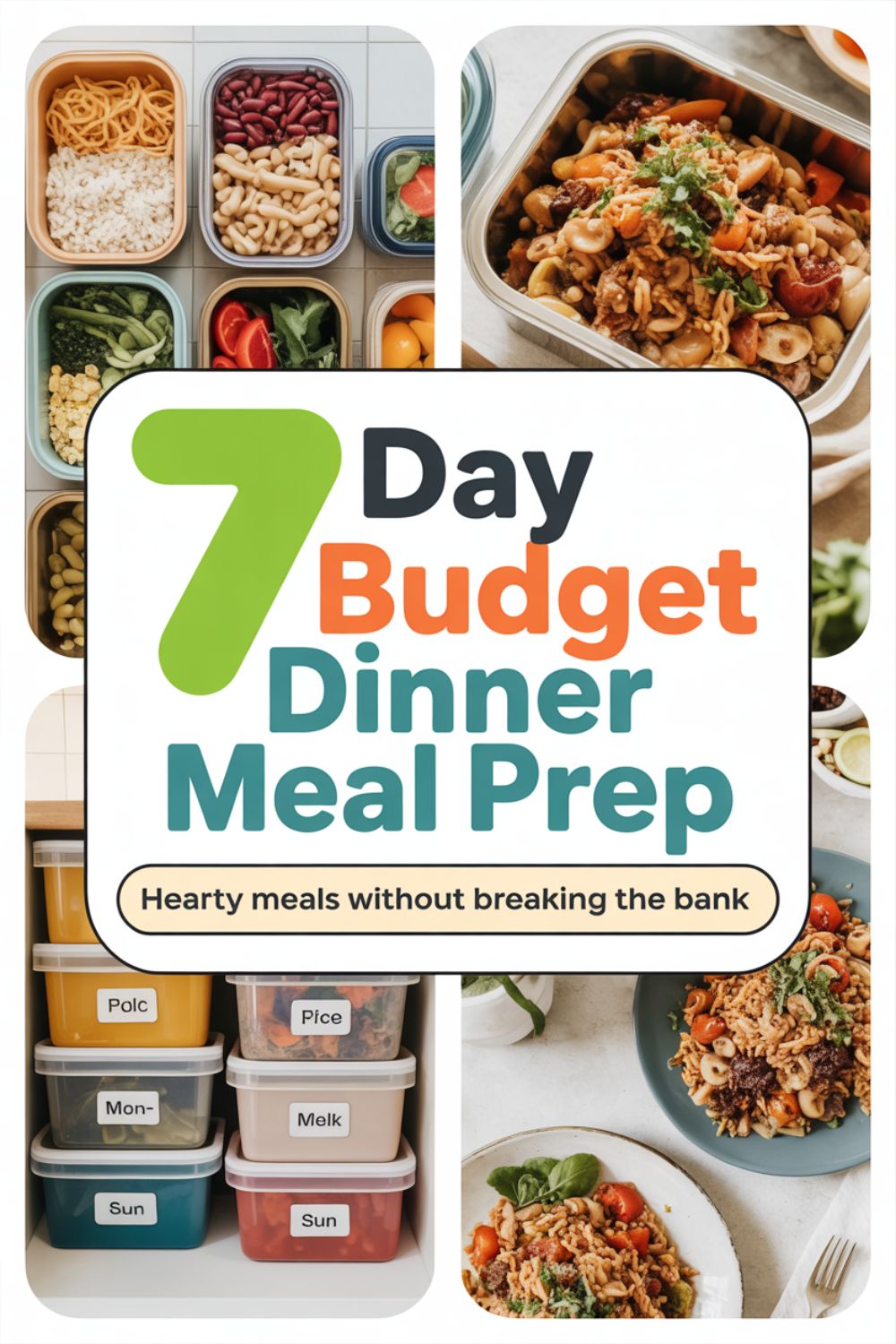
Why Budget Meal Prep Fails (And How This Plan Fixes It)
Most budget meal prep guides treat you like you’re preparing for a famine. They’ll tell you to eat plain rice and beans for a week straight, as if variety is a luxury only the rich deserve. That approach lasts about three days before you’re ordering pizza out of sheer boredom.
The real problem isn’t your budget—it’s the assumption that cheap food has to be boring food. I learned this the hard way after a month of eating the same three meals on repeat. My grocery bill was low, sure, but my will to live was lower. Turns out, sustainable meal prep needs flavor, variety, and actual satisfaction.
This plan solves that by focusing on ingredients that multitask. One pound of ground beef becomes three different dinners. A bag of rice transforms into fried rice one night and stuffed peppers the next. According to research on meal planning, people who prep with variety in mind stick to their plans 73% longer than those who eat repetitive meals.
Pro Tip: Buy proteins on sale and freeze them immediately. That family pack of chicken thighs marked down 30%? Grab it, portion it, and you’ve just secured three weeks of dinners for the price of one week.
Another secret weapon? Carbs and legumes aren’t the enemy—they’re your budget’s best friend. A can of beans costs less than a dollar and packs 15 grams of protein plus fiber that keeps you full for hours. Pair that with some affordable rice cooker action, and you’ve got the foundation for countless satisfying meals.
The Budget Breakdown: How Much You’ll Actually Spend
Let’s talk numbers, because “budget-friendly” means different things to different people. For this 7-day plan, you’re looking at roughly $35-$45 total for all dinners, assuming you already have basics like oil, salt, and pepper. That breaks down to about $5-$6.50 per dinner.
Compare that to the average restaurant meal ($15-$20) or even a frozen dinner ($4-$7 for a tiny portion), and you’re saving serious cash. But here’s what makes this actually sustainable: you’re not sacrificing quality or portion size. Each meal in this plan serves 4-6 portions, meaning leftovers for lunch or extra dinners.
Your Shopping Strategy
Before you even step foot in a store, check what you already have. That half-empty bag of rice? The random can of tomatoes? They’re going in this plan. Then hit up your store’s weekly circular—seriously, those flyers exist for a reason.
- Proteins: Ground beef, chicken thighs, eggs, canned tuna ($12-$15)
- Starches: Rice, pasta, potatoes ($5-$7)
- Vegetables: Frozen mixed veggies, onions, bell peppers, canned tomatoes ($8-$10)
- Pantry staples: Beans, pasta sauce, soy sauce, bouillon cubes ($5-$8)
- Extras: Cheese, tortillas, frozen peas ($5-$7)
Notice what’s missing? Expensive “health food” items that cost $8 per tiny package. You don’t need them. Your body doesn’t care if your protein comes from organic free-range chicken or regular chicken thighs that cost half as much.
The 7-Day Dinner Plan: What You’re Actually Making
Alright, let’s get into the actual food. Each dinner is designed to use overlapping ingredients, minimize waste, and maximize that full-belly feeling. No sad desk lunches here—just real, satisfying meals.
Day 1: Beef and Bean Burrito Bowls
Start strong with a crowd-pleaser. Brown one pound of ground beef with taco seasoning (or just cumin, chili powder, and garlic powder—don’t overthink it). Cook up some rice using your trusty rice cooker, then assemble bowls with black beans, corn, shredded cheese, and whatever veggies you grabbed.
The beauty of burrito bowls? They’re basically deconstructed tacos without the shell upcharge. Each bowl costs about $2 to make and keeps you satisfied for hours. Get Full Recipe
Day 2: One-Pot Chicken and Rice
Here’s where those chicken thighs shine. Season them (salt, pepper, paprika), sear them in a large oven-safe skillet, then nestle them in rice with chicken broth and frozen mixed vegetables. Stick the whole thing in the oven for 45 minutes and walk away.
You’ll come back to tender chicken, perfectly cooked rice, and vegetables that actually taste like something. The Mayo Clinic notes that one-pot meals like this retain more nutrients since nothing gets drained away. Bonus: only one pan to wash. Get Full Recipe
Quick Win: Double the rice portion and use leftovers for fried rice later in the week. Future you will be grateful.
Day 3: Spaghetti with Meat Sauce (That Doesn’t Suck)
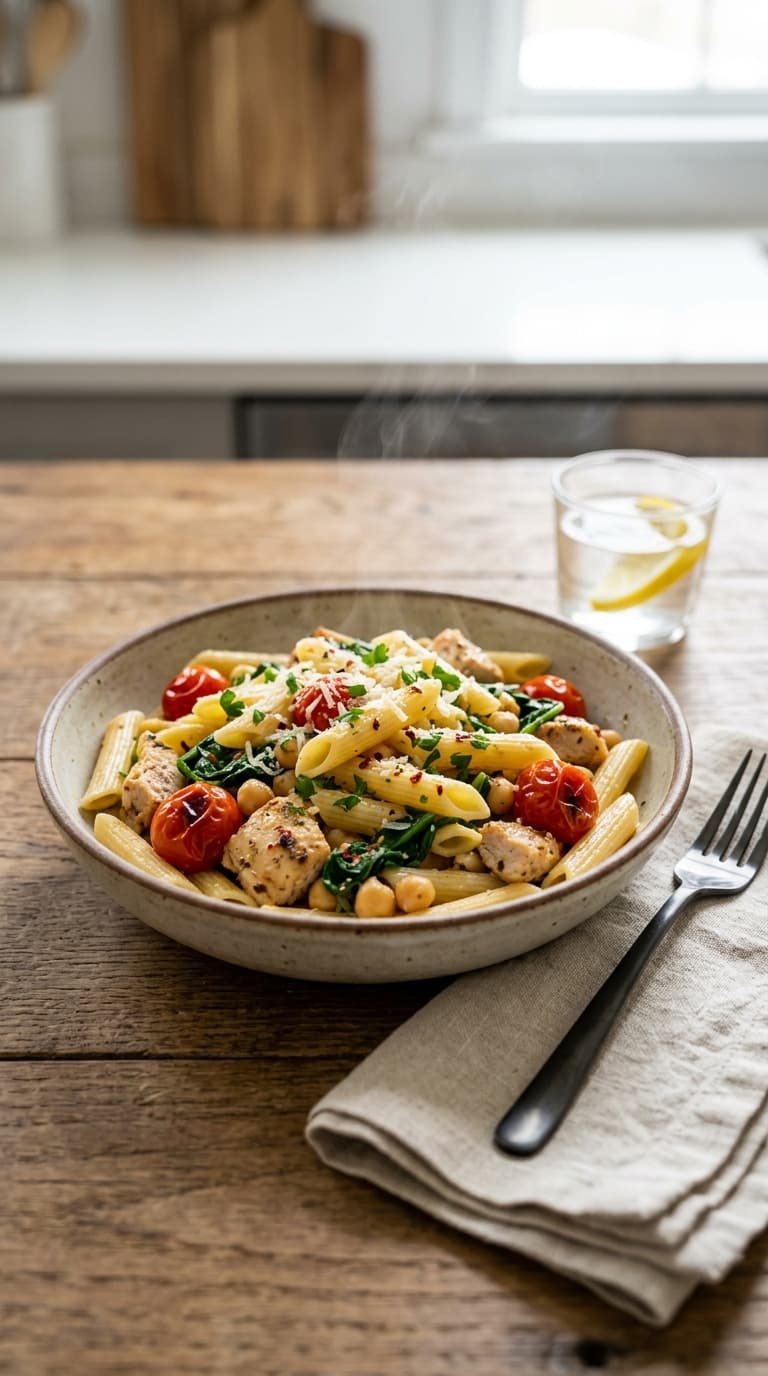
Pasta gets a bad rap in meal prep because it can turn mushy, but here’s the trick: slightly undercook it. We’re talking one minute less than the package directions. When you reheat it, it’ll finish cooking and come out perfect instead of gummy.
For the sauce, brown the rest of your ground beef, add a jar of pasta sauce (the $2 kind works fine), dump in some Italian seasoning, and let it simmer while your pasta cooks. Serve over spaghetti with a sprinkle of parmesan. Each serving costs maybe $1.50 and tastes like you tried way harder than you did. If you’re looking to pack more protein into your dinners, the high-protein dinner meal prep guide has some killer variations on this concept.
Day 4: Egg Fried Rice (Using Those Leftovers)
Remember that extra rice from Day 2? Today it becomes fried rice. Scramble a few eggs in your reliable wok or large skillet, set them aside, then stir-fry the cold rice (it has to be cold—fresh rice turns to mush) with frozen peas, carrots, and soy sauce.
Toss the eggs back in, and you’ve got a complete meal that rivals any takeout spot. FYI, day-old rice is actually better for fried rice because it’s drier and separates easier. This is one of those rare times when “leftovers” actually improve the dish. Get Full Recipe
“I was skeptical about meal prepping dinners, but this egg fried rice changed my mind. Made it Sunday night and had it three times during the week—still tasted amazing and kept me full. Plus I spent maybe $8 total on ingredients.” — Jessica M., Community Member
Day 5: Loaded Baked Potatoes with Tuna
Okay, hear me out on this one. Baked potatoes are criminally underrated in the meal prep world. Scrub some russet potatoes, poke them with a fork, and bake at 400°F for about an hour while you do literally anything else.
When they’re done, split them open and load them up with canned tuna mixed with a little mayo, shredded cheese, and frozen broccoli that you’ve microwaved. Sounds weird? Maybe. Tastes amazing and fills you up for under $2 per serving? Absolutely. The combination of potato starch and protein keeps your blood sugar stable for hours—no 10 PM snack attacks here.
Day 6: Vegetable and Bean Chili
Time to give your wallet a complete break. This dinner costs about $5 total and makes enough to feed a small army. Dice up an onion and bell pepper, sauté them in a Dutch oven or large pot, then dump in canned beans (kidney, black, pinto—whatever’s on sale), canned diced tomatoes, and chili powder.
Let it simmer for 30 minutes and you’ve got a thick, hearty chili that tastes better the next day. Serve it over rice, with tortilla chips, or straight from the bowl like the budget champion you are. The fiber and protein combo in beans makes this surprisingly filling—you won’t miss the meat, I promise. Get Full Recipe
Day 7: Sheet Pan Chicken and Vegetables
End the week strong with minimal effort. Toss chicken thighs and whatever vegetables you have left (potatoes, carrots, onions, bell peppers) with oil and seasonings on a sheet pan. Roast everything at 425°F for 35-40 minutes.
The chicken gets crispy, the vegetables caramelize, and you use every last scrap from your shopping trip. Nothing goes to waste, and you’ve got a complete meal that looks fancy enough to photograph but costs less than $6 for multiple servings. This is also perfect for anyone following clean eating meal prep plans—it’s whole foods without the pretention.
Meal Prep Essentials Used in This Plan
Look, you don’t need a kitchen full of gadgets to make this work, but a few key items make budget meal prep exponentially easier. Here’s what actually gets used in this plan:
Physical Products:
- Glass meal prep containers (set of 10) — These pay for themselves after two weeks of not buying takeout. Get the kind with separate compartments if you’re fancy, or just regular rectangles if you’re practical.
- Rice cooker — Seriously, this thing changed my meal prep game. Set it and forget it while you do literally anything else. No more burned pot bottoms.
- Sheet pans (set of 2) — Heavy-duty ones that won’t warp in the oven. You’ll use these for at least three dinners in this plan, plus breakfast and lunch prep.
Digital Resources:
- Budget Meal Prep Masterclass — Video course walking you through shopping strategies, batch cooking techniques, and how to stretch ingredients without sacrificing flavor.
- Printable Meal Prep Planner — Weekly template with shopping lists, prep schedules, and portion calculators. Makes planning subsequent weeks way easier.
- Freezer-Friendly Recipes eBook — 50+ recipes designed specifically for make-ahead freezing, because sometimes life happens and you need backup dinners.
Community Support:
- Join our WhatsApp meal prep community — Share wins, swap recipes, and get real-time help when your rice cooker rebels or you can’t figure out why your chicken turned out dry.
Prep Day Strategy: Getting It All Done
Here’s where people usually panic. “Do I really have to spend my entire Sunday cooking?” Short answer: no. Longer answer: you’ll spend about 2-3 hours prepping, but most of that is hands-off oven or stove time.
The smartest approach? Prep in stages throughout the week. Do your proteins and starches on Sunday (the things that take longest), then assemble meals as you go. Or batch everything on one day if you’re into that productivity high.
Sunday Prep Timeline
Start with the oven stuff since it takes longest but requires zero babysitting. Get those chicken thighs and potatoes roasting while you handle stovetop tasks. Here’s a realistic timeline:
- Hour 1: Preheat oven, season and start roasting chicken and potatoes. While they cook, brown ground beef and start rice cooker.
- Hour 2: Boil pasta, make meat sauce, chop vegetables for the week. Check on oven items.
- Hour 3: Assemble burrito bowls, portion everything into containers, make chili base. Clean as you go to avoid end-of-prep disaster kitchen.
By hour three, you’re basically done. Everything’s in containers, labeled with dates (yes, do this—you’ll thank me when you can’t remember which mystery container is from Tuesday), and your week is handled.
Pro Tip: Label containers with the day you’re supposed to eat them, not the day you made them. Turns meal prep into a no-brainer “grab Tuesday’s container” situation instead of mental math about when you cooked what.
Some people swear by using a label maker for this, but honestly? Masking tape and a Sharpie work just fine and don’t require buying another gadget.
Storage and Reheating: Making It Actually Taste Good
The difference between meal prep that works and meal prep that ends up in the trash? Proper storage and reheating technique. Revolutionary concept, I know, but most people skip this part and wonder why everything tastes like cardboard by Wednesday.
First rule: let food cool completely before sealing containers. I know you’re in a hurry, but trapped steam makes everything soggy. Give it 20-30 minutes to cool down to room temp, then seal and refrigerate.
Container Strategy
Glass containers are worth it. They don’t stain, don’t hold smells, and can go from fridge to oven if needed. But if you’re on a tight budget, even reused takeout containers work—just don’t microwave the plastic ones.
For meals with separate components (like burrito bowls), use divided containers to keep things from getting soggy. Store wet ingredients separately from crispy ones when possible. Your future self deserves a crispy tortilla chip, not a sad, limp disaster.
Reheating Without Ruining Everything
Microwave reheating gets a bad rap because people do it wrong. Cover your food with a damp paper towel to trap moisture—it makes a massive difference. Heat on 70% power for longer instead of 100% power for less time. The slower reheat distributes heat evenly and doesn’t create those weird cold spots in the middle.
For pasta and rice dishes, add a splash of water before reheating. For anything with cheese, remove the cheese, heat the food, then add cheese on top so it melts fresh instead of turning into rubber.
IMO, some meals actually reheat better in a skillet. Fried rice? Way better crisped up in a pan for 3-4 minutes than microwaved. Takes a bit longer but tastes restaurant-quality instead of cafeteria-quality.
Tools & Resources That Make Cooking Easier
Real talk—the right tools don’t make you a better cook, but they sure make cooking less of a pain. Here’s what makes budget meal prep actually doable instead of theoretical:
Kitchen Game-Changers:
- Sharp chef’s knife — Cannot stress this enough. A $30 sharp knife beats a $200 dull knife every single time. Your onions should cry, not you.
- Instant-read thermometer — Stops you from overcooking chicken into rubber or undercooking it into salmonella city. Worth every penny of its $15 price tag.
- Slow cooker or Instant Pot — For weeks when you absolutely cannot deal with active cooking. Dump ingredients, walk away, come back to dinner. Magic.
Digital Help:
- Meal Prep for Beginners Video Series — Twelve videos covering everything from knife skills to storage strategies. Watch while you prep—it’s like having a friend in the kitchen.
- Budget Grocery Shopping Guide PDF — Store-by-store breakdown of where to find the best deals, what to buy generic vs name brand, and seasonal shopping tips.
- Quick Fixes Recipe Collection — Emergency meals you can pull together in 15 minutes when meal prep falls apart. Because life happens.
Stay Connected:
- WhatsApp Budget Meal Prep Group — Real people sharing what actually worked, what flopped, and creative ways to use up random ingredients. Less Pinterest-perfect, more real-life-useful.
Making It Work for Your Actual Life
Let’s address the elephant in the room: life doesn’t always cooperate with meal prep plans. You get invited out to dinner. Your kid gets sick. Work explodes and suddenly cooking anything feels impossible. That’s normal—don’t let perfect be the enemy of good enough.
The goal isn’t to meal prep every single dinner for the rest of your life. The goal is to reduce decision fatigue and food costs while still eating decent meals. If you prep five dinners and end up eating out twice, that’s still five fewer decisions you had to make and five fewer expensive restaurant bills.
When Meal Prep Doesn’t Happen
Some weeks just won’t work out. Maybe you got busy, maybe you’re traveling, maybe you just really don’t feel like it. Keep a few emergency backup options in your freezer—things like frozen pizzas or quality frozen meals that you actually like.
The difference between someone who sticks with meal prep and someone who doesn’t? The person who sticks with it doesn’t treat missed weeks as failure. They just start again next week without the guilt spiral.
Adjusting for Family Size
This plan assumes you’re feeding 1-2 people or making extras for leftovers. Got a bigger family? Double everything and adjust your budget accordingly. The cost-per-serving stays roughly the same, you’re just buying bigger quantities.
For families, the family meal prep plan might be more your speed—it’s designed around kid-friendly meals that adults don’t hate eating.
“I started this plan thinking I’d save maybe $20 a week. Three months in and I’m saving closer to $150 monthly just on dinners. Plus I’ve lost 12 pounds without even trying because I’m eating actual meals instead of snacking all night.” — Marcus R., Community Member
Scaling Up and Switching It Up
Once you’ve got this 7-day plan down, you’ll probably want to branch out. Good news: the formula stays the same even when the recipes change. Pick a protein, pick a starch, add vegetables, season it properly, and you’ve got a meal.
The biggest mistake people make after their first successful meal prep week? Getting too ambitious too fast. Don’t suddenly try to prep 14 different elaborate meals because you’re feeling confident. Stick with the simple stuff that works, then gradually add complexity as you figure out your rhythm.
Budget-Friendly Protein Swaps
Ground beef and chicken thighs are the MVPs here, but don’t sleep on other affordable proteins. Eggs are stupid cheap and incredibly versatile. Canned tuna gets a bad rap but works great in casseroles, patties, or over salads. Dried beans cost pennies per serving and pack serious protein.
Even tofu, which people assume is expensive, costs less than chicken when you compare protein per dollar. It takes on whatever flavors you give it, making it perfect for budget-conscious meal prep. If you’re interested in plant-based options, the vegetarian meal prep guide has tons of filling, affordable options.
Seasonal Shopping Advantages
Here’s a free money hack: buy produce that’s in season. It’s not just cheaper—it actually tastes better because it hasn’t traveled 3,000 miles to reach your store. Summer means cheap zucchini and tomatoes. Fall brings affordable squash and root vegetables. Winter is prime time for cabbage and citrus.
Frozen vegetables are also your friend year-round. They’re picked at peak ripeness and flash-frozen, meaning they’re often more nutritious than “fresh” produce that’s been sitting in storage. Plus they never go bad before you use them, eliminating that $4 worth of wilted spinach you throw away every week.
The Real Cost Comparison
Let’s do some actual math because seeing the numbers spelled out makes a difference. Say you typically spend $12-$15 per dinner on takeout or restaurants (being conservative here). That’s $84-$105 per week just on dinners.
With this meal prep plan, you’re spending $35-$45 per week for the same number of dinners. That’s a savings of $49-$70 per week, or roughly $200-$280 per month. Over a year? We’re talking $2,400-$3,360 back in your pocket.
But here’s what really sold me on budget meal prep: it’s not just about the money you save on food. It’s the money you don’t spend on last-minute convenience purchases, the gas you don’t burn driving to restaurants, the tips you don’t leave, and the delivery fees you don’t pay.
Hidden Savings Nobody Talks About
When you meal prep, you also stop making those random grocery store runs where you go in for milk and leave with $40 worth of stuff you didn’t plan on buying. You reduce food waste because everything gets used according to plan. You eat out less, which means less spent on drinks, appetizers, and desserts.
Plus there’s the less tangible stuff: less stress about what’s for dinner, better portion control (restaurants serve way more than necessary), and the satisfaction of actually using ingredients before they expire. According to USDA data, the average family wastes $1,500 worth of food annually. Meal prepping dramatically cuts that number.
Frequently Asked Questions
How long do these meals actually stay good in the fridge?
Most of these dinners last 4-5 days refrigerated in properly sealed containers. If you’re prepping for the full 7 days, freeze half and thaw as needed. Anything with rice should be eaten within 4 days max—rice develops bacteria faster than most people realize. When in doubt, smell it before eating it. Your nose knows.
Can I prep these if I don’t have much cooking experience?
Absolutely. These recipes are deliberately simple—if you can boil water and turn on an oven, you can handle this plan. The most “advanced” technique is browning ground beef, and that’s basically just stirring meat in a pan until it’s not pink anymore. Start with the one-pot chicken rice if you’re nervous; it’s nearly impossible to mess up.
What if I’m cooking for just myself? Is this still worth it?
Even more so, honestly. The per-serving cost stays the same, but single-person households waste the most food and spend the most on convenience meals. Just freeze what you won’t eat within 4 days. Or embrace leftovers for lunch—instant meal prep two-fer.
Do I really need to buy all these ingredients at once?
Not necessarily. If $45 upfront feels like too much, start with 3-4 dinners instead of the full seven. Get comfortable with the rhythm before scaling up. Or check what you already have at home—most people have some of these basics hanging around.
How do I make this work if I’m trying to lose weight?
These meals are already portion-controlled and balanced, which naturally supports weight management. If you want to cut calories further, reduce the amount of cheese and oil, load up on extra vegetables, and skip any additional toppings. The high-protein, high-fiber nature of these meals keeps you satisfied while naturally reducing overall calorie intake. For more targeted options, the weight loss meal prep plan might be helpful.
Final Thoughts: Making Budget Meal Prep Stick
Here’s the truth about budget meal prep: the first week is the hardest. You’re figuring out timing, learning what containers work, adjusting portion sizes. By week three, you’ve got a rhythm. By week six, it’s just what you do.
The people who succeed with this aren’t the ones who do everything perfectly from day one. They’re the ones who accept that some weeks will be better than others, some meals will turn out amazing while others are just okay, and that’s fine. Consistency beats perfection every single time.
Start with this 7-day plan as written. Get comfortable with the basics. Then adapt it to your preferences, swap ingredients based on what’s on sale, and make it your own. The framework works—you just need to give it a few tries before judging whether it fits your life.
And look, if you try this and hate it, that’s valuable information too. Maybe you’re someone who needs more variety, or maybe you genuinely enjoy cooking fresh every night. But if you’re spending too much money on food and feeling stressed about dinners, this plan is worth trying for at least two weeks.
Your wallet will thank you. Your future self will thank you. And honestly? You might discover you’re actually decent at this whole meal prep thing. Just don’t forget to label your containers—trust me on that one.