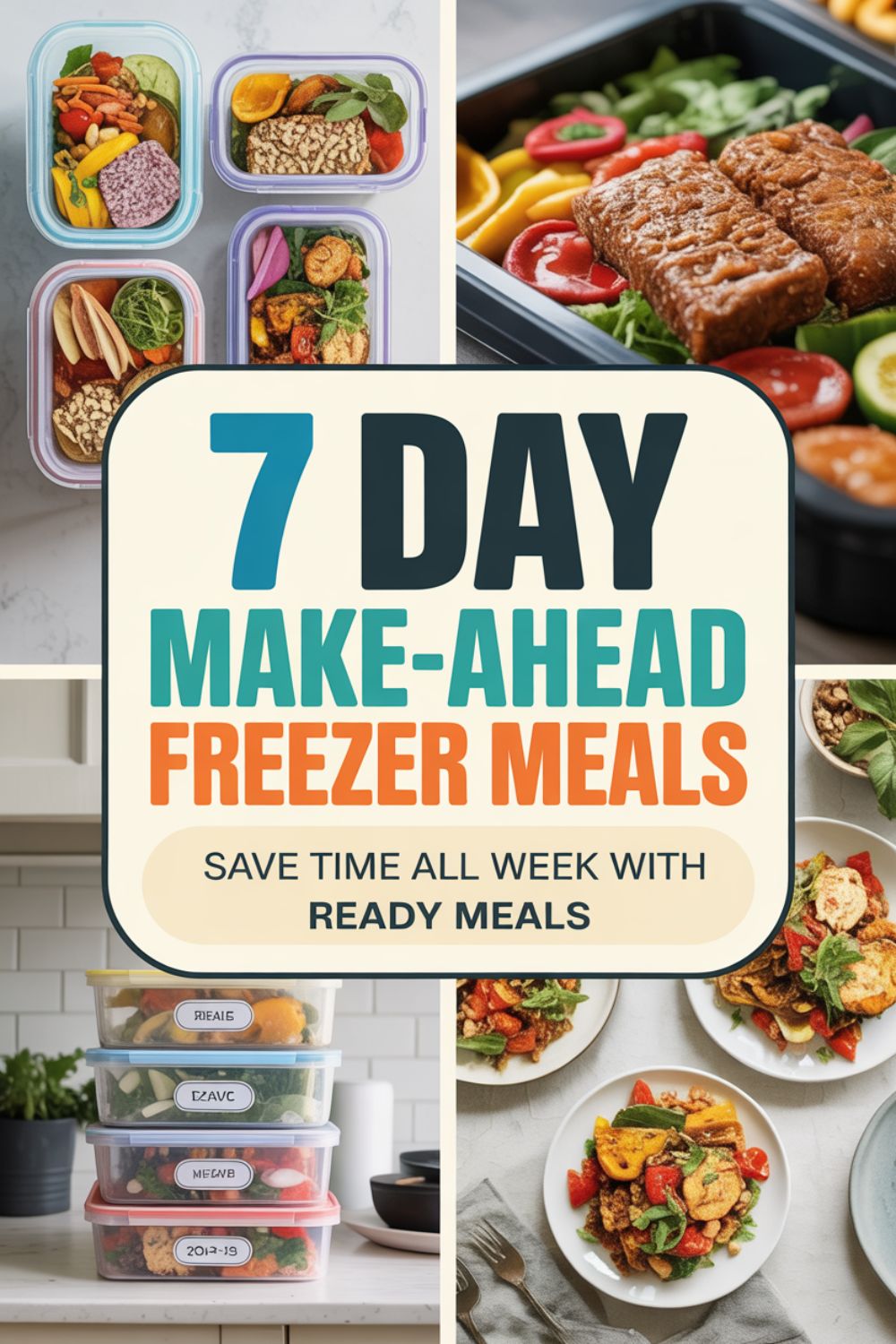
7-Day Make-Ahead Freezer Meals for Busy Weeks
Look, I’m not going to pretend that staring into an empty fridge at 7 PM on a Wednesday is some sort of culinary adventure. It’s exhausting. And the siren song of takeout menus gets louder every time you realize you forgot to defrost the chicken. Again.
That’s where freezer meals swoop in like the hero you didn’t know you needed. Spend a few hours on Sunday, and suddenly the rest of your week looks manageable. No more decision fatigue, no more emergency pizza orders, and definitely no more eating cereal for dinner while pretending it’s a balanced meal.
This isn’t about becoming a meal prep influencer with matching containers and color-coded labels. This is about getting real food on the table without losing your mind in the process.
Why Freezer Meals Actually Work
Here’s the thing about freezer meals—they’re not just convenient. They’re a legitimate strategy for eating better. When you’re staring down a long week of meetings, errands, and whatever else life throws at you, having a stash of homemade meals in the freezer means you’re way less likely to default to fast food or heavily processed options.
Research shows that people who plan their meals ahead of time tend to eat more vegetables and maintain healthier eating patterns overall. It’s not rocket science—when healthy food is readily available and requires minimal effort, you’re more likely to choose it.
Plus, freezing food properly keeps it safe and maintains its nutritional value. According to the USDA’s food safety guidelines, freezing to 0°F keeps food safe indefinitely, though quality is best within three to six months for most cooked dishes. The freezing process itself doesn’t destroy nutrients in properly stored foods.
The Game Plan: Your 7-Day Freezer Meal Strategy
The beauty of a 7-day plan is that it covers your bases without requiring you to cook enough food to feed a small army. You’re making just enough to get through the week, with maybe one or two extras for those inevitable “I can’t even” nights.
Monday: Breakfast Prep That Doesn’t Suck
Mornings are hard enough without having to actually think. That’s why freezer-friendly breakfast options are absolute lifesavers. Think make-ahead egg muffins, breakfast burritos, or even pancake stacks that you can reheat in minutes.
I’m a big fan of batch-making breakfast sandwiches with eggs, cheese, and whatever protein you prefer. Wrap them individually in parchment paper, toss them in gallon freezer bags, and you’ve got grab-and-go breakfast for weeks. Pop one in the microwave for 90 seconds, and you’re out the door.
If you’re more into sweet breakfast options, Get Full Recipe for complete morning meal prep that actually works. The key is choosing recipes that reheat well and don’t turn into soggy messes in the freezer.
Need more morning inspiration? The high-protein breakfast meal prep has some solid options, and the low-calorie breakfast ideas prove you don’t have to sacrifice flavor for nutrition.
Tuesday Through Thursday: The Dinner Trinity
These three days are your workhorses. You want meals that freeze beautifully, reheat without drama, and actually taste good after being frozen. Casseroles, slow cooker dumps, and soup-based dishes are your friends here.
One of my go-to strategies is making a big batch of something like chicken enchiladas, portioning them into individual freezer-safe containers, and stacking them in the freezer. Same goes for lasagna—make two, freeze one. Or better yet, make three and freeze two. The marginal effort of making multiples is minimal compared to the payoff.
Soup is another winner. A huge pot of chicken tortilla soup or minestrone can be portioned into wide-mouth mason jars and frozen. Just leave about an inch of headspace at the top because liquids expand when frozen, and nobody wants exploding soup jars.
For complete dinner planning strategies, check out the 7-day dinner meal prep guide. It’s designed specifically for people who need dinner solutions that don’t require a culinary degree.
What Actually Freezes Well (And What Doesn’t)
Not all foods are created equal when it comes to freezing. Some things come out of the freezer tasting just as good as the day you made them. Others turn into weird, watery disappointments that make you question your life choices.
The Winners
- Cooked proteins: Chicken, beef, pork, and turkey all freeze beautifully when properly stored
- Soups and stews: These actually sometimes taste better after freezing as the flavors meld
- Casseroles: Anything with a sauce-based component typically does great
- Cooked grains: Rice, quinoa, and pasta freeze well and reheat quickly
- Baked goods: Muffins, quick breads, and even cookie dough are freezer-friendly
The Losers
- Fresh vegetables with high water content: Lettuce, cucumbers, and celery turn into sad, limp versions of themselves
- Cream-based sauces: They can separate and get grainy (though there are workarounds)
- Fried foods: They lose their crispiness and get soggy
- Hard-boiled eggs: The texture gets rubbery and weird
The Lunch Situation
Let’s be real—lunch is often the most neglected meal of the day. Either you’re eating sad desk salads or spending way too much money on takeout. Freezer meals can solve this problem too.
The trick with freezer lunches is making them office-friendly. You need something that reheats well in a microwave and doesn’t smell like it’s been dead for three days when you heat it up. Your coworkers will thank you.
Grain bowls are clutch here. Cook a big batch of your grain of choice, portion it with different proteins and roasted veggies, and freeze them in single servings. When you’re ready to eat, add a fresh element like avocado or a squeeze of lime, and suddenly you’ve got a restaurant-quality lunch for a fraction of the cost.
The 5-day work lunch meal prep has some excellent formulas for this. And if you need extra protein to stay full, the high-protein lunch options are solid.
Running on a tight budget? The budget lunch meal prep shows you how to do this without breaking the bank. And vegetarians, don’t think I forgot about you—there’s a whole vegetarian lunch plan that actually keeps you satisfied.
Storage and Safety: The Boring But Important Stuff
I know, I know—food safety isn’t exactly thrilling dinner conversation. But getting sick from improperly stored food is even less fun, so let’s cover the basics.
According to the USDA’s guidelines on leftovers and food safety, you should refrigerate or freeze leftovers within two hours of cooking. In hot weather (above 90°F), that window shrinks to just one hour. Bacteria multiply rapidly between 40°F and 140°F, so getting food out of that danger zone quickly is crucial.
Use freezer-safe containers or heavy-duty freezer bags to prevent freezer burn. Regular plastic bags or containers aren’t designed to keep moisture out, which is what causes that weird, dried-out texture on frozen food. Invest in proper storage containers—it makes a massive difference.
Label everything with the date and contents. Trust me on this. A month from now, you won’t remember if that frozen blob is chili or spaghetti sauce. Freezer tape and a permanent marker are your best friends here.
Meal Prep Essentials Used in This Plan
These are the tools and products that make freezer meal prep actually manageable instead of a giant headache:
- Glass Meal Prep Containers (Set of 10) – Worth every penny. They don’t stain, they’re microwave-safe, and they last forever.
- Heavy-Duty Freezer Bags (Gallon Size) – For soups, sauces, and anything you want to stack flat in the freezer.
- Digital Kitchen Scale – Takes the guesswork out of portioning. Super helpful if you’re tracking macros or calories.
- 21-Day Weight Loss Meal Prep Digital Plan – Complete shopping lists, recipes, and prep schedules all mapped out for you.
- 21-Day Budget Meal Prep Guide (PDF) – Shows you how to meal prep without spending a fortune. Includes cost breakdowns per meal.
- Clean Eating Meal Prep Workbook – Focuses on whole foods and minimally processed ingredients. Great if you’re trying to eat healthier.
Want to connect with other meal preppers? Join our WhatsApp Meal Prep Community where we share recipes, troubleshooting tips, and moral support for those Sunday prep sessions.
Friday Through Sunday: Mix It Up
By Friday, you’re probably ready for something different. This is where having a variety of frozen options pays off. Maybe it’s fish tacos on Friday, a hearty stew on Saturday, and Sunday you’re back to prepping for the next week.
One thing I’ve learned is that having a rotating cast of about 10-15 freezer-friendly recipes means you never get bored. You’re not eating the same chicken casserole every week until you want to scream. You’ve got options.
The family-friendly dinner meal prep has some great variety if you’re cooking for multiple people with different preferences. And the low-carb dinner options prove you don’t need pasta or rice to feel satisfied.
Weekend Prep Sessions: Making It Less Terrible
Let’s not sugarcoat it—spending three hours in the kitchen on a Sunday afternoon isn’t everyone’s idea of a good time. But it’s a lot more bearable than cooking from scratch every single night when you’re already exhausted.
I like to make it easier by putting on a podcast or audiobook. Get some quality chef’s knives that make chopping less of a chore. Use a food processor for anything that needs to be diced or shredded—your hands will thank you.
And honestly? Sometimes I’ll cook two or three recipes simultaneously. Chicken in the oven, soup on the stovetop, and vegetables roasting on another pan. It’s organized chaos, but you end up with a freezer full of options in half the time.
Reheating Without Ruining Everything
The USDA recommends reheating all leftovers to 165°F measured with a food thermometer. Most people don’t bother with the thermometer (guilty), but at minimum, make sure it’s steaming hot all the way through.
Some things can go straight from freezer to oven or microwave. Others need to thaw overnight in the fridge first. Generally, denser items like casseroles benefit from thawing, while soups and sauces can go straight to the stovetop from frozen.
Microwaving from frozen? Use 50% power for longer rather than full power for a shorter time. This prevents the edges from turning into rubber while the center stays frozen. Nobody wants hockey puck chicken.
Tools & Resources That Make Cooking Easier
Beyond the basics, these are the things that actually improve the quality of your meals and make prep less tedious:
- Instant-Read Thermometer – Takes the guesswork out of knowing when meat is done. Essential for food safety.
- Silicone Baking Mats – Reusable, non-stick, and you never have to buy parchment paper again.
- 8-Quart Dutch Oven – Perfect for batch cooking soups, stews, and braises. This thing will outlive us all.
- 21-Day Low-Carb Meal Prep Guide (Digital) – Carb-conscious recipes that don’t sacrifice flavor or satisfaction.
- 21-Day Vegetarian Meal Prep Playbook – Plant-based plans that are actually filling and delicious.
- No-Stress Meal Prep System (PDF) – Step-by-step system for people who find meal prep overwhelming or confusing.
Join our WhatsApp Cooking Tips Community for real-time advice, recipe swaps, and commiseration when things go sideways in the kitchen.
The Budget Reality Check
One of the biggest myths about meal prep is that it’s expensive. Yeah, there’s an upfront cost when you’re buying containers and ingredients for multiple meals at once. But when you break it down per serving, it’s usually cheaper than eating out or even buying those “healthy” frozen dinners from the grocery store.
Buying in bulk helps. So does shopping sales and planning your meals around what’s on special that week. If chicken thighs are $1.99 a pound, that’s the week to make a double batch of chicken-based freezer meals. Ground beef on sale? Time for chili, meatballs, and taco meat.
The 21-day budget meal prep plan breaks down exactly how to do this without feeling like you’re eating poverty meals. And the budget breakfast ideas prove you don’t need fancy ingredients to eat well.
What About Picky Eaters and Dietary Restrictions?
This is where freezer meals really shine. You can make multiple variations of the same base recipe to accommodate different preferences and restrictions. Make a big pot of chili, portion it into smaller containers, and customize from there—one with beans, one without, one vegetarian, one spicy.
For low-carb folks, there’s an entire low-carb meal prep plan that doesn’t rely on complicated recipes or weird substitutions. And if you’re trying to eat cleaner overall, the clean eating guide focuses on whole foods without the preachy wellness-culture nonsense.
Vegetarians have options too. The vegetarian meal prep plan proves you don’t need meat to have satisfying, protein-rich meals that actually keep you full.
Looking for something comprehensive that covers all your meals? The 21-day weight loss plan is surprisingly flexible, and the family meal prep guide handles multiple dietary preferences in one household.
The Mental Health Angle
Can we talk about decision fatigue for a second? By the time you get home after work, you’ve already made about a million decisions that day. The last thing you want to do is figure out what’s for dinner, whether you have the ingredients, and how long it’s going to take.
Having freezer meals ready eliminates that entire mental load. You open the freezer, grab something that sounds good, reheat it, and you’re done. Studies from Harvard’s Nutrition Source show that meal planning and preparation can significantly reduce daily stress and improve eating patterns.
It sounds dramatic, but it’s genuinely liberating to not have to think about food all the time. You’ve already decided. You’ve already done the work. Now you just get to eat.
When Things Don’t Go According to Plan
Some weeks, life happens and you don’t get your prep session in. Or you discover that recipe you froze tastes terrible reheated. Or the power goes out and you’re worried about everything in your freezer.
It’s fine. This isn’t about being perfect. Even if you only manage to prep three meals instead of seven, that’s still three fewer nights you have to scramble. The no-stress meal prep approach is built around the idea that something is better than nothing.
And about that power outage—if your freezer stays closed, food will stay frozen for about 48 hours in a full freezer, 24 hours in a half-full one. If power’s going to be out longer, you can add bags of ice or dry ice to keep things cold.
Frequently Asked Questions
How long do freezer meals actually last?
Most cooked meals are best within three to four months in the freezer, though they’re safe indefinitely at 0°F. The quality starts to decline after that point—you’ll notice texture changes and some flavor loss, but they won’t make you sick. I try to use everything within three months for optimal taste.
Can you freeze meals in glass containers?
Absolutely, and I actually prefer it. Just make sure they’re labeled freezer-safe and leave about an inch of headspace for liquids to expand. Regular glass containers might crack from temperature changes, so stick with ones specifically designed for freezing. Let hot food cool to room temperature before putting it in glass, then into the fridge, then the freezer.
What’s the best way to prevent freezer burn?
Remove as much air as possible from your storage containers or bags. For bags, I use the water displacement method—seal the bag almost completely, then submerge it in water up to the seal, which pushes out the air. Wrap items tightly in plastic wrap before putting them in containers. And don’t leave food in the freezer forever—use it within the recommended time frames.
Is it safe to freeze food twice?
If you thawed something in the refrigerator (not on the counter or in warm water), you can refreeze it as long as it stayed below 40°F. The quality might suffer a bit, but it’s safe. If you thawed it using other methods, the USDA says you should cook it first before refreezing. IMO, it’s easier to just portion things correctly the first time.
Do I need special equipment to start freezer meal prep?
Not really. You can start with heavy-duty freezer bags and use what you already have in your kitchen. That said, having good freezer-safe containers, a permanent marker for labeling, and maybe a vacuum sealer if you get serious about it will make your life easier. But don’t let lack of fancy equipment stop you from starting.
Final Thoughts
Freezer meal prep isn’t glamorous. It’s not going to win you any Instagrammable food photography awards. But you know what? It works. It saves time, saves money, and saves your sanity when life gets hectic.
Start small if you need to. Make a double batch of one thing this week. Next week, add another meal to your rotation. Before you know it, you’ll have a system that actually fits into your life instead of feeling like another chore you’re failing at.
The goal isn’t perfection. The goal is having something decent to eat when you’re too tired to think, without having to resort to drive-thrus or delivery apps. If you can nail that, you’re winning.
Similar Posts
7-Day High-Protein Vegetarian Meal Plan (No Meat Needed)
7-Day High-Protein Vegetarian Meal Plan (No Meat Needed) Let’s get one thing straight — skipping meat doesn’t mean skipping protein. I know, I know, your gym buddy probably told you that you need chicken breast to build muscle or stay full. Spoiler alert: he’s wrong. I’ve been eating a high-protein vegetarian diet for years, and…
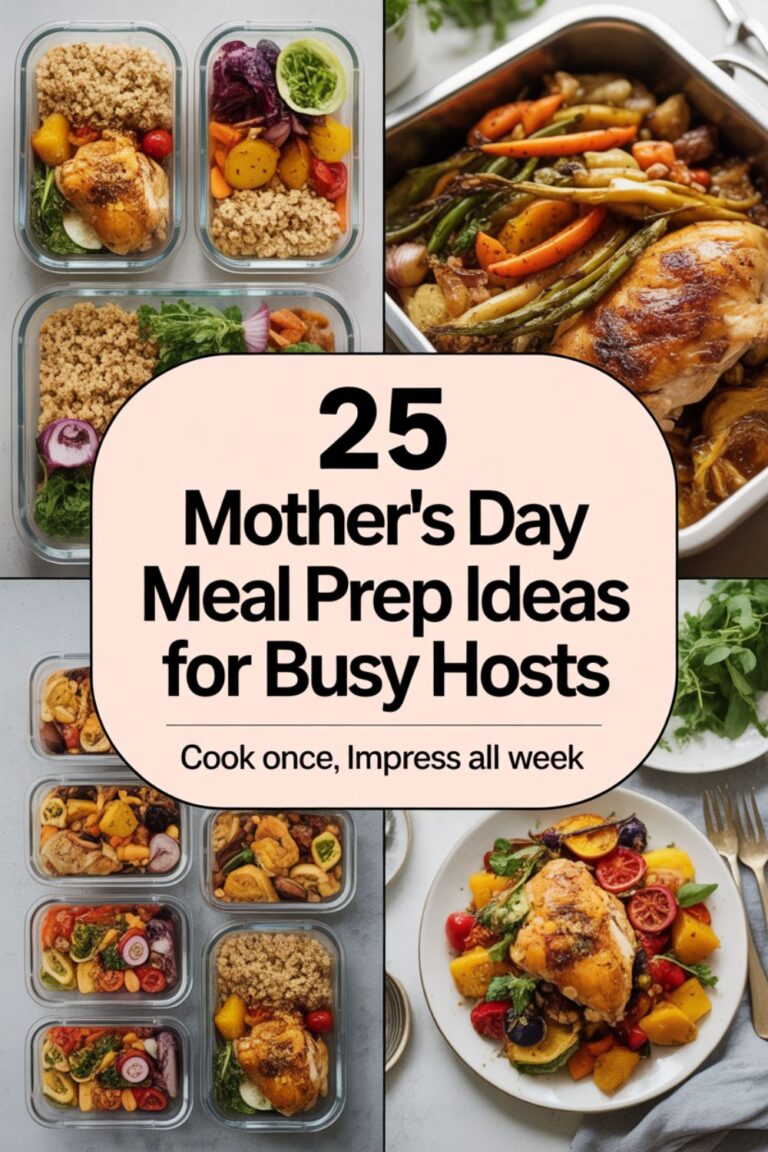
25 Mother’s Day Meal Prep Ideas for Busy Hosts
25 Mother’s Day Meal Prep Ideas for Busy Hosts The Meal Edit Mother’s Day — Meal Prep 25 Mother’s Day Meal Prep Ideas for Busy Hosts Make-ahead dishes that let you celebrate without living in the kitchen all morning By The Meal Edit Team • May 2025 • 12 min read Let’s be real for…
7-Day High-Protein Budget Meal Plan (Under $50 For The Week)
7-Day High-Protein Budget Meal Plan (Under $50 For The Week) Let’s be honest — eating high-protein on a budget sounds like a contradiction. Like, sure, I’ll just stock up on chicken breast and Greek yogurt while my wallet cries in the corner. But here’s the thing: you absolutely can hit 100-150g of protein per day…
25 Clean Eating Brunch Recipes That Actually Taste Like the Weekend
25 Clean Eating Brunch Recipes That Actually Taste Like the Weekend The Meal Edit — Real Food, Real Life Clean Eating · Brunch Recipes 25 Clean Eating Brunch Recipes That Actually Taste Like the Weekend Fresh, satisfying, and genuinely delicious — no sad substitutions required. By The Meal Edit Team Updated: March 2026 25 Recipes…
14-Day Mediterranean Diet Plan For Diabetics (Blood Sugar Friendly)
14-Day Mediterranean Diet Plan For Diabetics (Blood Sugar Friendly) Managing blood sugar while actually enjoying your food — sounds like a fantasy, right? Here’s the thing: the Mediterranean diet makes it completely possible, and the research backs it up hard. This 14-day Mediterranean diet plan for diabetics isn’t about suffering through bland meals or counting…
14-Day Weight Loss Meal Prep That Feels Sustainable
14-Day Weight Loss Meal Prep That Feels Sustainable 14-Day Weight Loss Meal Prep That Feels Sustainable Look, I’m not going to tell you that meal prepping will magically transform your life overnight. But here’s what I will say: two weeks of intentional meal prep can absolutely shift how you think about food, portion control, and—yeah—weight…