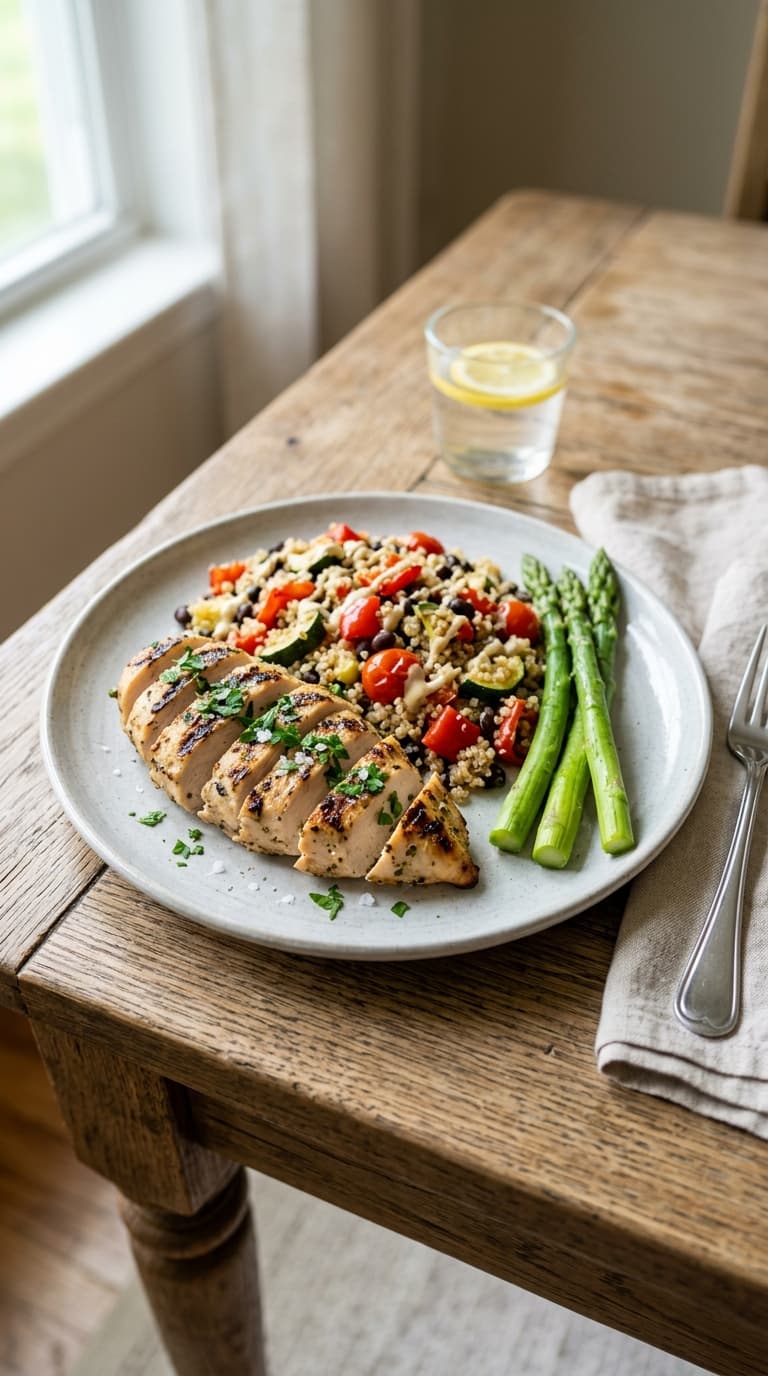
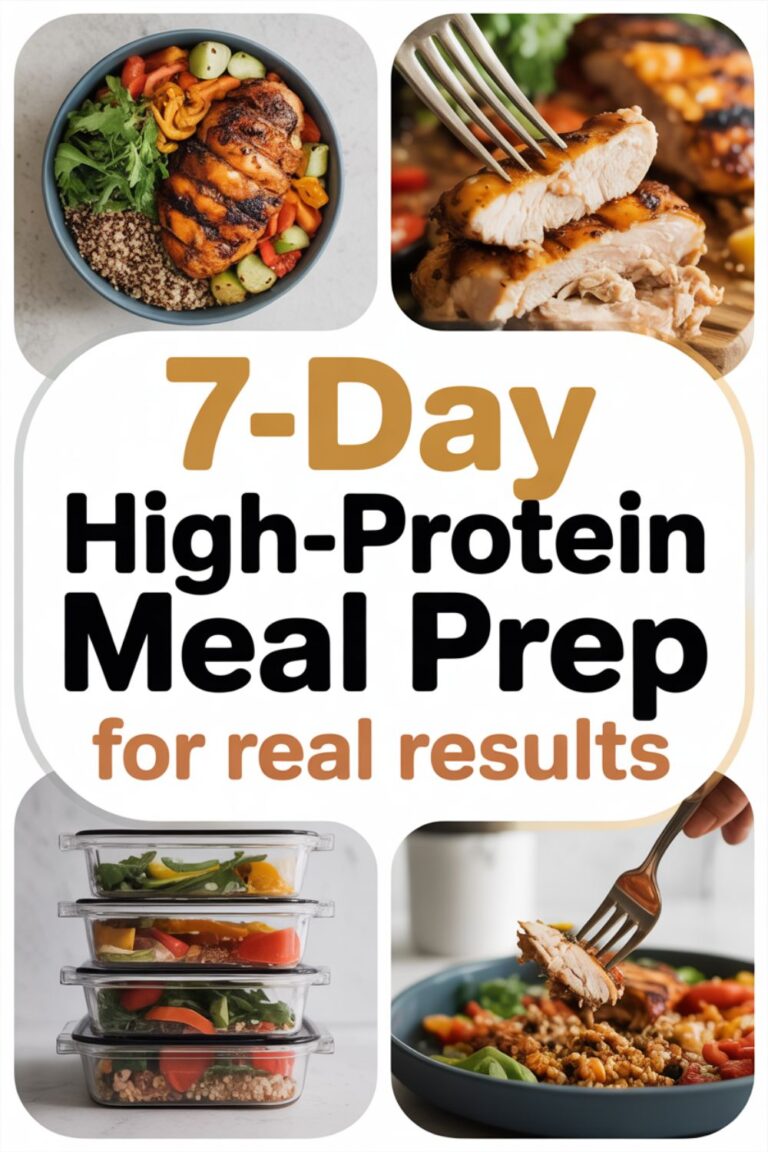
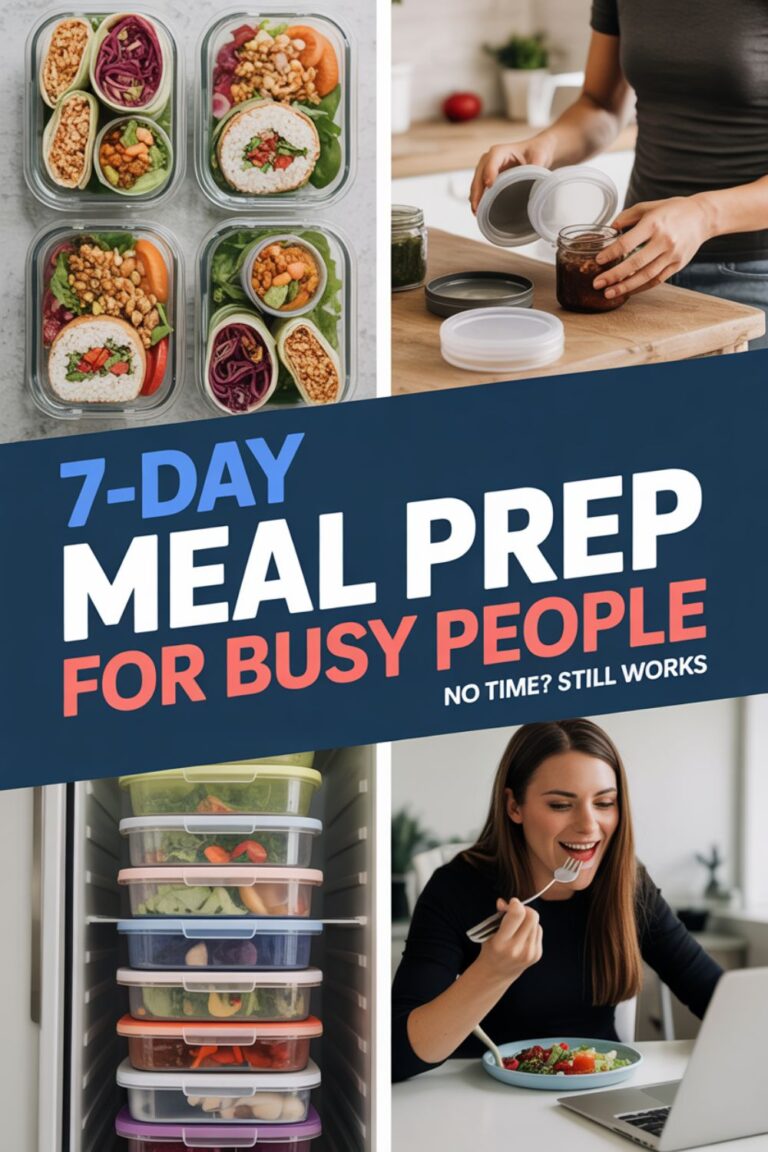
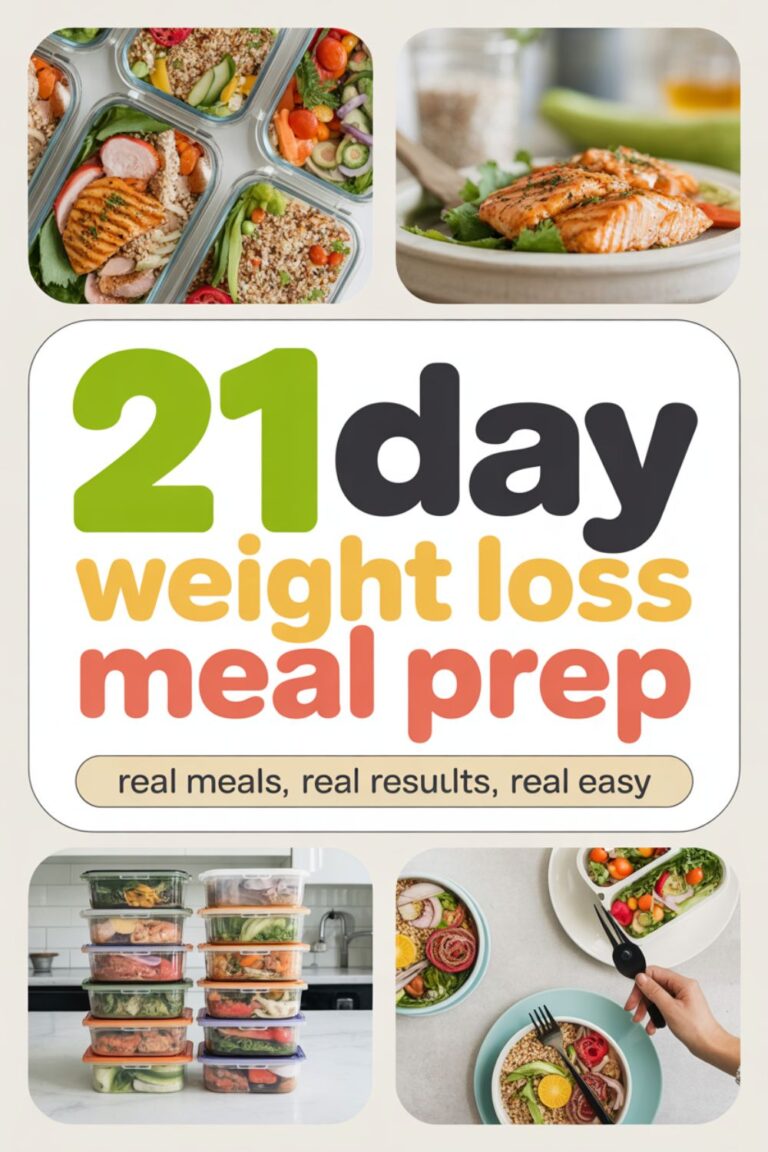
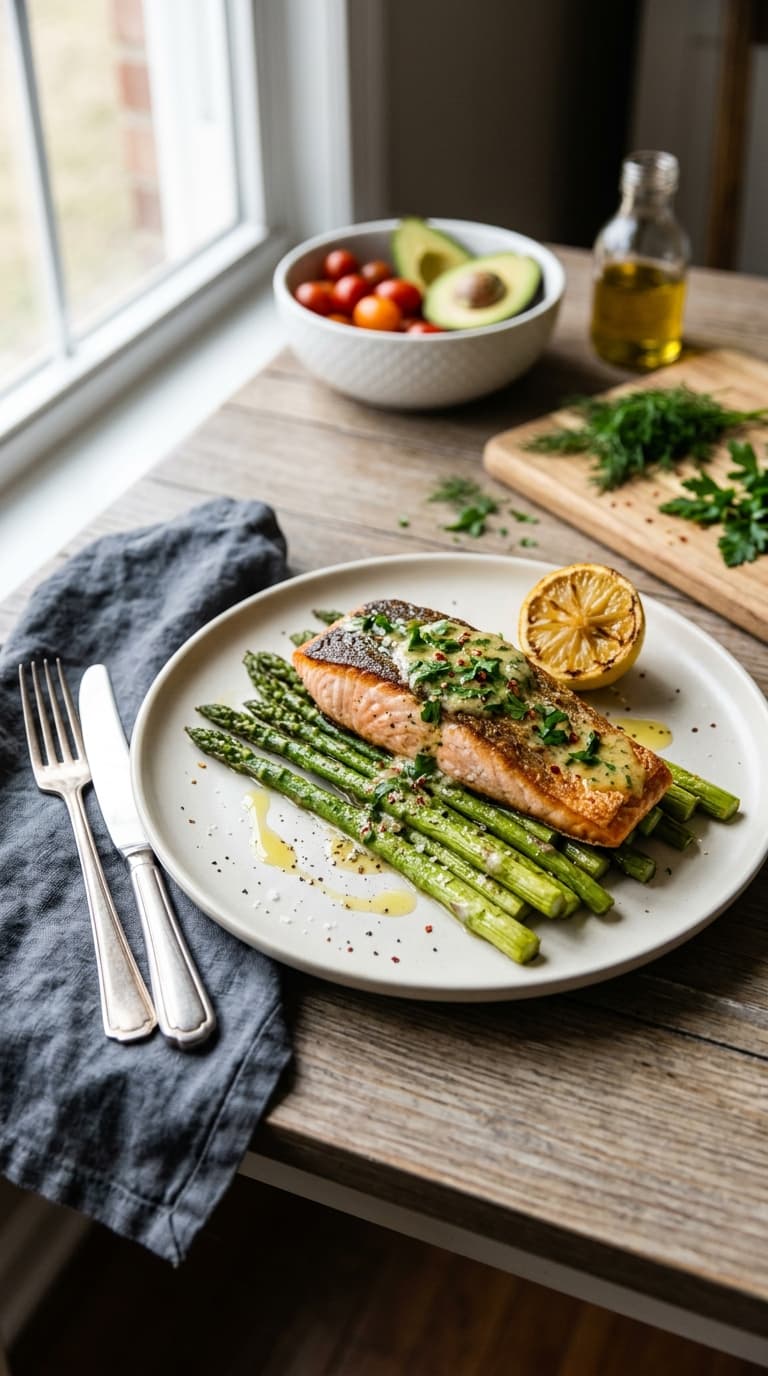
7-Day Low-Carb Dinner Meal Prep That Feels Comforting
Look, I’m not going to tell you that ditching carbs at dinner is some kind of miracle cure, but here’s what I will say: after years of feeling bloated and sluggish after evening meals, cutting back on the pasta and bread transformed my nights. And the best part? I’m still eating food that makes me want to curl up on the couch with a blanket and feel genuinely satisfied.
The problem with most low-carb meal prep advice is that it reads like punishment. Grilled chicken and steamed broccoli for seven days straight? Hard pass. What I’ve figured out is that comfort food doesn’t actually need a mountain of mashed potatoes to hit the spot. Sometimes it’s about the butter, the spices, the way everything comes together in one pot that makes you feel like you’re being hugged from the inside.
Why Low-Carb Dinners Actually Make Sense
Here’s the thing about carbs at dinner that nobody really talks about: you don’t need them as much as you think. During the day? Sure, load up. You’re moving around, burning energy, doing your thing. But at night, when you’re winding down and getting ready for sleep, research suggests that reducing carbohydrate intake can support better blood sugar management and weight maintenance.
I used to be that person who couldn’t imagine dinner without rice or pasta on the side. Then I started noticing how heavy I felt afterward, how my sleep was restless, how I’d wake up feeling puffy. When I finally committed to a week of low-carb dinners, the difference was noticeable by day three. Better sleep, less bloating, and weirdly, I wasn’t waking up ravenous at 3 AM anymore.
The science backs this up too. Clinical research on low-carbohydrate diets shows they can effectively support weight management and improve markers of metabolic health when done thoughtfully. The key word here is “thoughtfully”—we’re not talking about bacon-wrapped-everything and calling it health food.
Prep your proteins on Sunday, but save vegetable prep for mid-week Wednesday. You’ll avoid that sad, wilted broccoli situation and your meals will taste fresher on days 5-7.
The Psychology of Comfort Without the Carbs
Let’s be real—comfort food is emotional. It’s not just about the nutrients; it’s about how eating makes you feel. And honestly, the reason why low-carb gets a bad rap is because people think it means deprivation. Nope. What it actually means is getting smarter about where your satisfaction comes from.
Instead of relying on that dopamine hit from simple carbs (which crashes hard, by the way), you’re building satisfaction from fats and proteins that actually sustain you. Think about slow-cooked beef that falls apart on your fork. Chicken thighs roasted until the skin is crispy and golden. Salmon with a pat of herb butter melting on top. These aren’t sad diet foods—these are the foods that make you close your eyes and sigh with contentment.
The trick is nailing your fat sources. That’s where the comfort actually lives. A quality cast iron skillet becomes your best friend here because it distributes heat evenly and creates that beautiful crust on proteins without needing a ton of oil. I picked up this 12-inch Lodge cast iron a few years back and it’s honestly done more for my cooking game than any expensive knife set ever could.
Building Your 7-Day Comfort-Food Low-Carb Plan
Day 1: Creamy Tuscan Chicken
Starting strong with something that feels indulgent but clocks in at around 8g net carbs per serving. The trick here is the cream sauce loaded with sun-dried tomatoes, spinach, and garlic. You’re not missing pasta when the sauce is this good. Serve it over cauliflower rice or spiralized zucchini—or honestly, just eat it with a spoon straight from the container. No judgment.
The secret to keeping this dish from turning into a soggy mess by day three is slightly undercooking your chicken during prep. I know that sounds counterintuitive, but stick with me. When you reheat, it finishes cooking and stays juicy instead of turning into leather. Get Full Recipe for the complete breakdown with timing notes.
Day 2: Sheet Pan Fajita Bowls
This is where meal prep gets stupid easy. Everything goes on one sheet pan: bell peppers, onions, seasoned chicken or steak strips, and you’re done. The beauty is in the seasoning—cumin, chili powder, smoked paprika, lime juice. Those flavors do heavy lifting, and suddenly you’re not mourning the absence of tortillas.
I use these rimmed baking sheets that are basically indestructible and clean up like a dream. Pro move: line them with parchment paper before roasting, and cleanup takes approximately 30 seconds. Top your bowls with avocado, salsa, and maybe some cilantro lime cauliflower rice. You won’t even realize you’re eating “healthy.”
Looking for more tex-mex inspiration? You’ll definitely want to check out some [taco-style dinner recipes] and [Mexican-inspired low-carb meals] that keep that same bold flavor profile.
Store your fajita proteins separately from vegetables until the day you eat them. Keeps everything from getting soggy and makes reheating way better.
Day 3: Garlic Butter Salmon with Roasted Brussels Sprouts
This is my Wednesday vibe—something that feels fancy but takes maybe 20 minutes of actual work. Salmon is one of those proteins that people are weirdly scared of prepping ahead, but here’s the secret: slightly under-bake it. When you reheat it gently, it finishes perfectly and stays moist.
The Brussels sprouts situation is non-negotiable. You need them crispy, borderline burnt on the edges, tossed with olive oil, salt, and maybe some balsamic at the end. For this, I swear by a proper olive oil dispenser instead of pouring straight from the bottle—you’ll use less oil and get better coverage.
If salmon is your jam, definitely explore more [omega-3 rich dinner options] and [seafood meal prep ideas] that won’t leave you smelling like fish for three days.
Day 4: Slow Cooker Beef Chili (Hold the Beans)
Thursday comfort food that basically makes itself. Toss everything in the slow cooker in the morning, come home to a house that smells incredible. This chili is loaded with ground beef, tomatoes, peppers, and spices that make you forget beans ever existed.
Here’s where having a decent programmable slow cooker changes the game. Set it and genuinely forget it. No babysitting required. Top with shredded cheese, sour cream, and sliced jalapeños. It freezes beautifully too, so consider making a double batch. Get Full Recipe with all the spice ratios.
Day 5: Lemon Herb Pork Chops with Roasted Vegetables
By Friday, you want something that feels special but doesn’t require brain cells you no longer have. Enter: pork chops. They get a bad rap for being dry, but the trick is brining them for just 30 minutes before cooking. Game changer. Research from Harvard’s nutrition department notes that incorporating quality proteins and healthy fats supports sustainable eating patterns.
Pair with whatever vegetables you have lying around—I usually go with zucchini, bell peppers, and red onion. Everything gets tossed in olive oil, lemon juice, and herbs. It’s the kind of meal that makes you feel like you have your life together even if you absolutely don’t.
Want more pork ideas? Check out [herb-crusted protein recipes] and [Mediterranean low-carb dinners] that use similar flavor profiles.
Day 6: Chicken Thighs with Creamy Mushroom Sauce
Saturday deserves something rich. Chicken thighs (not breasts—thighs have flavor and don’t dry out) seared until golden, then finished in a cream sauce with mushrooms, garlic, and thyme. This is the dinner that makes people question whether you’re actually “dieting.”
The mushroom situation is crucial. Don’t crowd the pan when you’re cooking them, or they’ll steam instead of getting that beautiful golden-brown color. I use a stainless steel sauté pan for this because it creates the best fond (those brown bits on the bottom that become flavor gold).
Day 7: Mediterranean Baked Cod with Olives and Tomatoes
Ending the week light but flavorful. This dish is all about the Mediterranean trifecta: tomatoes, olives, and lemon. The cod cooks in under 15 minutes, making it perfect for Sunday when you’re already thinking about next week’s prep. Get Full Recipe for complete instructions.
Serve this over cauliflower rice or with a side of roasted broccoli. Simple, clean, satisfying. It’s the meal that reminds you that eating well doesn’t have to be complicated or time-consuming.
Meal Prep Essentials Used in This Plan
Glass Meal Prep Containers (5-pack) – Leak-proof, microwave-safe, and they won’t stain or hold odors like plastic. Worth every penny.
Digital Food Scale – For portion control without obsessing. Just helps you stay consistent across the week.
Vacuum Sealer System – If you’re serious about keeping proteins fresh and freezer burn-free. Complete game changer for bulk prep.
[Low-Carb Meal Prep Master Guide (eBook)] – 50+ recipes with macros calculated, shopping lists included, and substitution options for every dietary need.
[Weekly Meal Planning Template (Printable)] – Makes planning your weeks so much easier. Print it, fill it in, stick it on the fridge.
[Macro Tracking Spreadsheet] – If you want to get precise about your numbers without paying for an app subscription. Simple Excel/Google Sheets format.
[Join our Low-Carb Meal Prep WhatsApp Group] – Share your wins, ask questions, get real-time support from people who get it.
The Real Talk About Meal Prepping Low-Carb
Nobody’s going to pretend this is always easy. Some weeks you’ll nail it—containers perfectly portioned, everything labeled, feeling like a functional adult. Other weeks you’ll eat takeout four nights because life happened. That’s fine. The goal isn’t perfection; it’s having a system that works more often than it doesn’t.
What makes low-carb dinner prep sustainable is keeping it flexible. Maybe you prep all seven dinners on Sunday. Maybe you prep three and wing the rest. Maybe you prep components—proteins on Sunday, vegetables on Wednesday—and assemble as you go. Find what doesn’t make you want to quit by Tuesday.
The beauty of sticking with this approach is how quickly your body adapts. By week two, you stop craving heavy carbs at dinner. By week three, you start noticing the energy difference. By week four, it’s just how you eat, not something you’re white-knuckling through.
If you’re looking for additional support and research-backed guidance on sustainable low-carb eating, this comprehensive review from nutrition experts offers valuable insights into evidence-based approaches.
Avoiding the Biggest Meal Prep Mistakes
Don’t Overcomplicate It
Your first week shouldn’t involve seventeen ingredients per meal and techniques you need to YouTube. Start simple. Master three reliable recipes that you genuinely enjoy eating, then expand from there. The fancy stuff can wait until you’ve got the basics down.
Invest in Decent Storage
Cheap containers will betray you. Lids that don’t seal properly, plastic that stains, weird smells that won’t go away—it’s not worth saving a few dollars. Get good glass containers with snap-lock lids. These compartment containers are clutch for keeping different components separate until you’re ready to eat.
According to USDA food safety guidelines, proper storage and temperature control are essential for preventing foodborne illness, especially when prepping meals several days in advance.
Label Everything
I know it feels unnecessary, but future you will thank present you. What day you made it, what meal it’s supposed to be, any reheating instructions that aren’t obvious. Reusable silicone labels work great if you don’t want to waste tape every week.
Store proteins in the bottom of your fridge where it’s coldest. Keep vegetables and sauces on higher shelves. This simple organization trick extends freshness by days.
Don’t Skip the Seasoning
This is where people lose the plot with meal prep. Underseasoned chicken breast with steamed vegetables tastes like punishment, and you’ll quit by Wednesday. Be generous with herbs, spices, acids (lemon, vinegar), and healthy fats. That’s what makes food worth eating seven days later.
For inspiration on how to keep flavors exciting, explore [Asian-inspired low-carb recipes] and [spicy dinner meal prep ideas] that bring serious flavor without the carbs.
Grocery Shopping Strategy That Doesn’t Suck
The meal prep process actually starts at the store, and if you screw this up, everything downstream gets harder. Here’s what I’ve learned works: shop the perimeter first. That’s where all the real food lives—meat, fish, vegetables, dairy. The middle aisles are mostly carb traps anyway.
Buy proteins on sale and freeze what you won’t use this week. Chicken thighs, ground beef, pork shoulder—these all freeze beautifully and save you money. Just make sure you’re using proper freezer bags or a vacuum sealer to avoid freezer burn.
Vegetables are trickier because they have different lifespans. Heartier options like Brussels sprouts, cauliflower, and broccoli last the full week. Delicate greens and zucchini? Buy those mid-week or you’ll be composting them by Friday.
Tools & Resources That Make Cooking Easier
Chef’s Knife (8-inch) – Stop fighting with dull knives. One good knife is worth ten mediocre ones.
Instant-Read Thermometer – Takes the guesswork out of cooking proteins perfectly every time. No more dry chicken, ever.
Silicone Baking Mats (Set of 3) – Say goodbye to scrubbing sheet pans. These are legitimately life-changing.
[Complete Low-Carb Dinner Collection (Digital Bundle)] – 100+ dinner recipes organized by protein type, prep time, and difficulty level. Comes with printable grocery lists.
[Flavor Pairing Guide for Low-Carb Cooking] – Takes the guesswork out of seasoning. Learn which herbs, spices, and acids work best with each protein.
[Freezer Meal Prep Video Course] – Step-by-step tutorials showing exactly how to prep, store, and reheat for maximum quality. Perfect for beginners.
[Weekly Meal Prep Challenge WhatsApp Group] – Join others doing the same thing. Share recipes, troubleshoot problems, celebrate wins. Accountability makes everything easier.
Reheating Without Ruining Everything
This is honestly where most meal prep fails. You spend hours cooking, everything looks great, then you nuke it in the microwave on high for five minutes and wonder why it tastes like sadness. Don’t do that.
Different proteins need different approaches. Chicken and pork reheat best with a splash of water or broth to add moisture back. Cover them loosely so they steam slightly while heating. Fish is trickier—low power, short bursts, check frequently. Nobody wants rubber salmon.
Vegetables can go one of two ways: either reheat them with your protein (if they’re sturdy like Brussels sprouts), or eat them cold/room temp (if they’re delicate like spinach). Some vegetables, honestly, taste better at room temperature anyway. Roasted peppers, for instance, are perfectly fine not reheated.
IMO, investing in a small countertop oven changes the reheating game completely. Things stay crispy, proteins don’t dry out, and everything tastes way closer to freshly cooked. It’s not essential, but if you meal prep regularly, it pays for itself in meals you’ll actually want to eat.
For more guidance on keeping your prepped meals fresh and safe throughout the week, check out [food storage and safety guides] and [meal prep container recommendations].
Making It Work for Real Life
The Instagram version of meal prep shows perfect rows of identical containers with everything portioned to the gram. That’s great if you’re a robot, but most of us need more flexibility. Some days you’re hungrier. Some days you’re eating out. Some days you just want a giant salad instead of what you planned.
The system I use now is batch-prepping proteins and a couple of vegetable sides, then mixing and matching throughout the week. Monday might be chicken with roasted broccoli. Tuesday, same chicken but with a big salad and avocado. Wednesday, chicken chopped into cauliflower rice with soy sauce and sesame oil, suddenly it’s fried rice.
This approach gives you variety without cooking seven completely different meals. It’s the difference between meal prep feeling like homework versus actually making your life easier.
And look, some nights you’re going to order pizza or grab Thai food. That’s not failure—that’s being human. The goal is having good food ready more often than not, not achieving some impossible standard of perfection.
Speaking of variety, definitely explore [one-pot low-carb dinners] and [15-minute meal prep recipes] for those weeks when time is extra tight.
Frequently Asked Questions
How long do these meal-prepped dinners actually stay fresh?
Most cooked proteins and vegetables stay good for 3-4 days in the fridge when stored properly in airtight containers. For days 5-7, I usually prep those meals mid-week or freeze them immediately after cooking. Seafood is the exception—eat that within 2-3 days max. If something smells off or looks questionable, trust your gut and toss it.
Can I freeze all of these meals?
Most of them, yes. The creamy sauces might separate slightly when thawed but a quick stir usually fixes it. The Mediterranean cod and salmon dishes are best enjoyed fresh, but everything else freezes well for up to 2-3 months. Just make sure you’re using freezer-safe containers and labeling everything with the date.
What if I get bored eating the same things?
That’s where smart seasoning comes in. Same base protein, different flavor profiles throughout the week. Chicken with Italian herbs Monday, same chicken with taco seasoning Wednesday, Asian-inspired with ginger and soy Friday. You’re not actually eating the same meal—you’re just working smarter, not harder.
Do I need to count macros or can I just wing it?
Depends on your goals. If you’re just trying to reduce carbs and feel better, winging it based on the recipes here will get you there. If you’re tracking weight loss or have specific fitness goals, then yeah, weighing portions and tracking macros helps. But start simple—nail the habit first, optimize later.
What about vegetables? Won’t they get gross after a few days?
Some will, some won’t. Cruciferous vegetables (broccoli, cauliflower, Brussels sprouts) hold up great all week. Leafy greens and zucchini get sad quickly, so either eat those first or prep them fresh mid-week. Honestly, I’ve started keeping raw veggies prepped separately and roasting them fresh the night I eat them—adds maybe 10 minutes but makes a huge difference in quality.
Final Thoughts
Here’s what I wish someone had told me before I started meal prepping low-carb dinners: it doesn’t have to be complicated, expensive, or time-consuming to work. The fancy Instagram versions with seven different components and garnishes? Cool for them. But most of us just need simple, tasty food ready to go when we’re tired and hungry.
Start with three dinners. Get comfortable with those. Then add one or two more. Before you know it, you’ve got a rotation of ten reliable meals you can prep without thinking, and weeknight dinners stop being a source of stress.
The comfort isn’t just in the food—it’s in knowing that at the end of a long day, you don’t have to figure anything out. You just heat and eat something that tastes good, makes you feel good, and doesn’t involve carb crashes or regret. That peace of mind? That’s the real meal prep magic right there.