7-Day Healthy Dinner Meal Prep the Whole Family Loves
Let me guess—you’re standing in your kitchen at 6 PM, staring into the fridge like it holds the secrets of the universe, while your kids are melting down and your stomach is basically eating itself. Been there, done that, got the hangry t-shirt. The chaos of weeknight dinners can turn even the most zen parent into a frazzled mess.
But here’s the thing: meal prep doesn’t have to mean bland chicken and sad broccoli in identical containers. I’m talking about actual delicious dinners that your family will genuinely be excited to eat—not just tolerate. This isn’t some Pinterest-perfect fantasy; it’s a realistic, flexible system that saved my sanity and transformed our family dinners from stressful scrambles into enjoyable meals we actually look forward to.
Over the next 2,500 words or so, I’m walking you through my tried-and-tested 7-day dinner meal prep plan. We’ll cover everything from smart grocery shopping to batch cooking techniques that’ll make you feel like a kitchen wizard. And yeah, your picky eater might actually clean their plate. Ready to reclaim your evenings?
Why Meal Prep Actually Works for Real Families
Look, I used to think meal prep was just for fitness influencers and people with way more free time than me. Then I discovered that research shows spending more time on meal preparation is linked to improved mental health and lower stress levels. Turns out, having a plan beats the daily “what’s for dinner?” panic every single time.
The beauty of meal prepping isn’t just about saving time—though you’ll reclaim hours every week. It’s about reducing decision fatigue when you’re already exhausted from work, helping kids with homework, and trying to remember if you fed the dog. When dinner’s basically done, you can actually enjoy your evening instead of treating it like a race against hunger.
Studies confirm that people who plan their meals tend to eat more fruits and vegetables, stick to healthier choices, and—this is the kicker—they’re less likely to order expensive takeout when stress hits. One study found that participants who meal prepped lost an average of 3 pounds over six weeks, just from having healthy meals ready to go. Not because they were dieting, but because they weren’t making decisions while hangry.
Start with just 3-4 dinners your first week. You don’t have to go full-on meal prep warrior overnight. Build confidence, then scale up.
The Smart Sunday Strategy: Your 2-Hour Prep Session
Here’s where the magic happens. Sunday afternoon—or whatever day works for your schedule—becomes your meal prep power hour. I’m not talking about cooking seven complete dinners; I’m talking about strategic preparation that makes weeknight cooking stupidly easy.
Step 1: Batch Cook Your Proteins
This is the game-changer, folks. Pick 2-3 proteins and cook them all at once. I usually do a whole chicken in my trusty Dutch oven, some ground turkey with taco seasoning, and maybe grill up some salmon if I’m feeling fancy. The chicken gets shredded and divided for multiple meals. The turkey goes into portion-sized containers. Boom—protein sorted for most of the week.
Want to speed things up? I swear by my instant pot for cooking proteins while I’m chopping vegetables. You can cook chicken breasts from frozen in like 12 minutes. It’s borderline witchcraft.
Step 2: Veggie Prep Like a Pro
Wash, chop, and store your vegetables so they’re grab-and-go ready. I’m talking bell peppers in strips, onions diced, broccoli floored, sweet potatoes cubed. Everything goes into glass containers with airtight lids because they keep vegetables fresher longer than you’d believe.
Here’s a trick I learned the hard way: don’t pre-chop everything. Heartier vegetables like carrots, bell peppers, and onions do great prepped. But save delicate stuff like spinach and mushrooms for day-of prep. They get slimy if you cut them too far in advance.
Step 3: Carbs and Grains in Bulk
Cook a big batch of your family’s favorite grains—brown rice, quinoa, pasta, whatever. I use a rice cooker with a timer function so I can literally set it and forget it. These carbs reheat beautifully and form the base of multiple meals throughout the week.
For pasta lovers, I actually undercook pasta by about 2 minutes, rinse it in cold water, and toss it with a tiny bit of olive oil. When you reheat it with sauce later, it finishes cooking and tastes fresh-made. This tip alone makes meal-prepped pasta nights actually good.
Speaking of pasta inspiration, if your family loves Italian flavors, you’ll want to check out some amazing Get Full Recipe options that work perfectly with prepped ingredients.
The 7-Day Dinner Plan That Actually Tastes Good
Alright, let’s get into the actual plan. These aren’t fancy restaurant meals—they’re real food that real families will actually eat. Each dinner takes 15-20 minutes of active cooking time because you’ve already done the hard work on Sunday.
Monday: Shredded Chicken Burrito Bowls
Use that Sunday-prepped shredded chicken, add your pre-cooked rice, black beans (canned is totally fine), pre-chopped peppers and onions, and boom—burrito bowls. Top with cheese, sour cream, salsa, whatever makes your family happy. My kids like to build their own bowls, which means they actually eat their vegetables without the usual negotiations.
The secret weapon here? Homemade burrito bowl seasoning. Mix chili powder, cumin, garlic powder, and a pinch of cayenne. Store it in a small glass spice jar and it lasts for months.
Tuesday: One-Pan Salmon with Roasted Vegetables
Grab your prepped salmon, arrange those pre-cut sweet potatoes and broccoli on a sheet pan, drizzle with olive oil, season, and roast. Twenty minutes at 400°F and you’ve got a dinner that looks like you tried way harder than you actually did.
Pro move: line your sheet pan with parchment paper. The cleanup is literally throwing away a piece of paper. You’re welcome.
Prep veggies Sunday night, thank yourself all week. Seriously—this one habit changes everything.
Wednesday: Turkey Taco Night
Remember that pre-seasoned ground turkey? Heat it up, warm some tortillas, and set out bowls of toppings. Lettuce, tomatoes, cheese, whatever. This is the ultimate no-stress dinner because everyone builds their own tacos exactly how they like them. Zero complaints, maximum happiness.
Want to level up? Make a quick pico de gallo with your prepped tomatoes and onions. Takes 3 minutes, tastes restaurant-quality.
Thursday: Chicken Fried Rice
This is where that pre-cooked rice shines. Heat up a large wok or skillet, scramble some eggs, toss in your rice, add frozen mixed veggies (I’m not judging—frozen is great), and mix in leftover shredded chicken. Drizzle with soy sauce and sesame oil. My kids think this is takeout-level good.
The key to good fried rice is using day-old rice that’s been refrigerated. Fresh rice gets mushy. This is literally one of the only times in cooking where leftovers are actually better than fresh.
For more quick dinner inspiration that kids love, these Get Full Recipe ideas work wonderfully with prepped ingredients.
Friday: Build-Your-Own Pizza Night
I use store-bought pizza dough—life’s too short to make dough from scratch on a Friday. Stretch it out, let everyone add their own toppings from prepped vegetables and leftover proteins, and bake. It’s interactive, fun, and uses up whatever’s left in your prep containers. Win-win-win.
For an even faster route, use naan bread or pita as personal pizza bases. They cook in about 8 minutes and kids love having their own individual pizzas.
Saturday: Slow Cooker Pulled Chicken Sandwiches
Throw chicken breasts (fresh or frozen), BBQ sauce, and maybe some onions into your slow cooker in the morning. By dinner, you’ve got tender pulled chicken for sandwiches, served with whatever sides you have—maybe a quick coleslaw from pre-shredded cabbage, or some oven-baked sweet potato fries.
Saturday is also great for letting your partner or older kids take the lead. The slow cooker did most of the work anyway.
Sunday: Leftover Remix or Prep Day Round 2
Sunday is flexible. Either use up the week’s leftovers in creative ways—like turning leftover pulled chicken into quesadillas—or start your next week’s prep. Sometimes we do breakfast-for-dinner because it’s quick and everyone loves pancakes.
If you’re looking for more breakfast inspiration, there are some incredible high-protein breakfast options that meal prep beautifully too.
Meal Prep Essentials Used in This Plan
Here’s what’s actually in my kitchen making this meal prep life work. No fluff, just stuff I use constantly:
- Glass Meal Prep Containers Set (10-pack) – Game-changer for keeping food fresh and organized. Microwave-safe, dishwasher-safe, and they don’t stain like plastic.
- Quality Chef’s Knife with Comfortable Grip – Chopping vegetables stops being a chore when you have a sharp, comfortable knife. This is the upgrade that matters.
- Heavy-Duty Sheet Pans (Set of 2) – For roasting everything simultaneously. I line mine with parchment for zero cleanup.
- Ultimate Meal Prep Guide eBook – Comprehensive digital guide with 50+ family-friendly recipes, grocery lists, and time-saving strategies.
- Weekly Meal Planning Template (Printable) – Simple, customizable PDF template that makes planning your week actually easy.
- Batch Cooking Blueprint – Digital course teaching efficient batch cooking techniques that save hours every week.
- Join Our Meal Prep Community on WhatsApp – Connect with other families sharing recipes, tips, and weekly meal ideas. Real support from real people.
Smart Grocery Shopping for Meal Prep Success
Your meal prep is only as good as your grocery haul. I learned this after a few failed weeks where I forgot key ingredients and had to make emergency store runs. Now I’m religious about my shopping list.
First, shop the perimeter of the store—that’s where the fresh stuff lives. Produce, meat, dairy. Then hit the middle aisles for pantry staples. According to nutrition experts at Harvard, planning your grocery trips before shopping is one of the most effective strategies for maintaining a healthy diet on a budget.
The Master Grocery List
Here’s what I buy every single week without fail:
- Proteins: Whole chicken, ground turkey, salmon fillets, eggs
- Vegetables: Bell peppers (multiple colors), broccoli, sweet potatoes, onions, cherry tomatoes, mixed greens
- Carbs: Brown rice, whole wheat pasta, tortillas, pizza dough
- Dairy: Cheese (shredded and block), Greek yogurt, butter
- Pantry: Olive oil, soy sauce, canned black beans, canned tomatoes, chicken broth
- Seasonings: Garlic powder, chili powder, cumin, Italian seasoning, salt, pepper
I keep this list on my phone using a simple notes app with checkboxes. Nothing fancy, just functional.
Shopping on a Budget
Real talk: meal prepping saves money, but only if you’re smart about it. Buy proteins when they’re on sale and freeze what you’re not using that week. Generic brands for pantry staples are usually identical to name brands. And those bags of frozen vegetables? Nutritionally equivalent to fresh, costs way less, and never goes bad.
I typically spend between $150-200 for a family of four for the entire week’s dinners. That’s less than two takeout nights, and we’re eating way better food.
Looking for more ways to stretch your grocery budget? These budget-friendly family meals use similar ingredients in different combinations to maximize your shopping dollars.
Storage Solutions That Actually Keep Food Fresh
Let’s talk about the unsexy but crucial part—storage. Bad storage equals wasted food and wasted effort. Research on home meal preparation practices emphasizes that proper storage is critical for maintaining food quality and safety throughout the week.
Glass containers are superior to plastic for several reasons. They don’t absorb odors, don’t stain from tomato sauce, and you can see what’s inside without opening them. I use different sizes—small ones for sauces and seasonings, medium for vegetables, large for proteins and grains.
Storage Best Practices
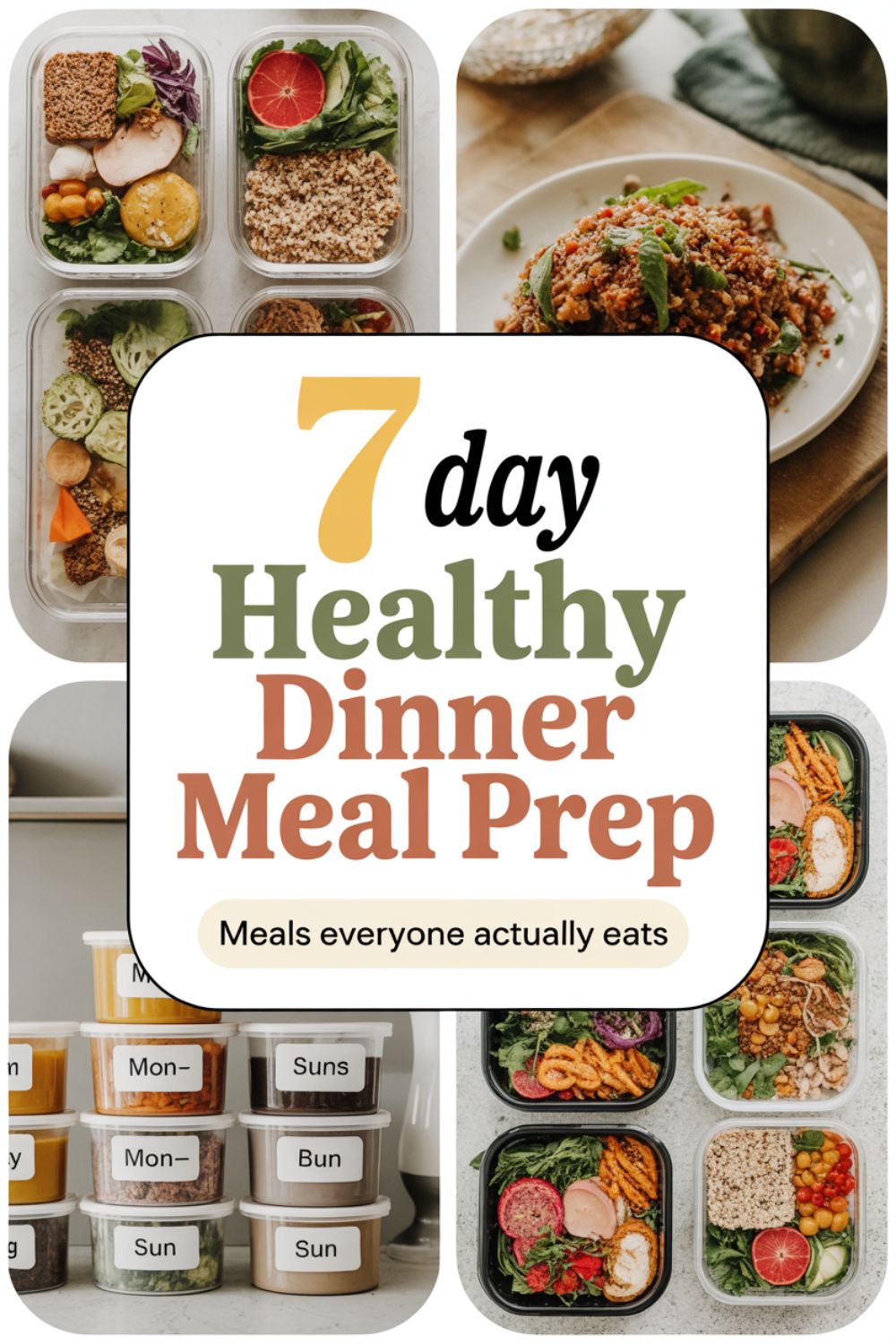
Keep cooked proteins separate from raw ingredients. Store vegetables in containers with paper towels to absorb excess moisture. Label everything with masking tape and a marker—include the date and contents. Trust me, you’ll forget what that mystery container is by Thursday.
Most prepared meals last 3-4 days in the fridge, so I prep differently for early-week versus late-week meals. Monday through Wednesday get fully assembled. Thursday through Saturday might just have components prepped, and I do final cooking those days.
For longer storage, freeze individual portions in freezer-safe containers. Soups, stews, and sauces freeze beautifully. Cooked rice and most proteins freeze well too. Just thaw overnight in the fridge before reheating.
Invest in a label maker or quality masking tape. Knowing exactly what’s in each container and when you prepped it prevents mystery meals and food waste.
Getting Kids Involved (And Actually Eating the Food)
Here’s the secret weapon parents don’t talk about enough—get your kids involved in meal prep. Studies actually show that children who help with meal preparation are more likely to try new foods and eat more vegetables. Wild, right?
Even young kids can wash vegetables, tear lettuce, or mix ingredients in a bowl. Older kids can handle chopping (with supervision), measuring ingredients, or assembling meals. My 7-year-old is weirdly proud of his vegetable chopping skills now.
The Build-Your-Own Strategy
This is clutch for picky eaters. Instead of serving a completed meal, put out all the components and let everyone build their own. Taco bar, burrito bowl bar, pizza making, pasta with various toppings—kids eat way better when they feel like they have control.
Plus, involving kids teaches them actual life skills. My daughter can now make herself a healthy lunch, which is one less thing I have to do. Parenting win.
For kid-friendly meal ideas that you can customize per child, check out these customizable family dinners that work for multiple palates.
Tools & Resources That Make Cooking Easier
These are the items that genuinely make meal prep less of a hassle and more of a smooth routine:
- Instant Pot Multi-Cooker – Pressure cook, slow cook, sauté—all in one pot. Cooks chicken from frozen in 12 minutes. Life-changing.
- Quality Vegetable Peeler with Comfortable Handle – Sounds basic, but a good peeler makes veggie prep so much faster and less annoying.
- Silicone Baking Mat Set – Reusable, non-stick, dishwasher safe. Zero cleanup on roasted veggie nights.
- 52-Week Meal Prep Planner (Digital) – Full year of meal ideas, grocery lists, and prep schedules. Takes the guesswork out completely.
- Quick Weeknight Dinners Video Course – Step-by-step video tutorials showing efficient techniques for getting dinner on the table in 20 minutes or less.
- Healthy Swaps Cheat Sheet (PDF) – Printable guide for making recipes healthier without sacrificing taste. Great for picky eaters.
- WhatsApp Meal Prep Support Group – Weekly check-ins, shared recipes, and accountability partners. Real community support.
Meal Prep Mistakes I Made So You Don’t Have To
Let’s keep it real—I messed up plenty of times before figuring this out. Here are the biggest mistakes and how to avoid them.
Mistake #1: Prepping Too Much Food
I once made seven identical chicken and rice meals. By day four, my family staged a mini-revolt. Variety matters, folks. Stick to 3-4 different meals per week max. Your taste buds will thank you.
Mistake #2: Not Considering Texture
Some foods don’t reheat well. Fried foods get soggy. Pasta can turn mushy if overcooked initially. Leafy greens wilt. Learn which foods are meal-prep-friendly and which are better cooked fresh. IMO, this knowledge alone levels up your meal prep game.
Mistake #3: Forgetting About Sauces and Seasonings
Plain chicken and broccoli is sad, even if it’s “healthy.” Keep your meals interesting with different sauces, seasonings, and flavor profiles. A simple teriyaki sauce, peanut sauce, or lemon herb dressing transforms the same ingredients into completely different meals.
Mistake #4: Not Having a Backup Plan
Life happens. Kids get sick, meetings run late, plans change. Always have a couple of frozen pizzas or a package of pasta in the pantry for true emergency nights. Meal prep reduces stress, but it shouldn’t create new stress when things don’t go perfectly.
For those emergency nights, having some 15-minute backup dinner recipes in your arsenal is a lifesaver.
Adapting for Dietary Restrictions and Preferences
The beauty of this meal prep system is how easily it adapts. Got a vegetarian kid? Swap proteins for beans, tofu, or tempeh. Dairy-free? Use nutritional yeast instead of cheese and coconut yogurt for sour cream. Gluten-free? Swap regular pasta for rice noodles or use lettuce wraps instead of tortillas.
Plant-Based Swaps That Actually Work
If you’re trying to eat more plant-based meals—which research suggests can reduce risk of chronic diseases—try black bean burgers instead of beef, lentils instead of ground meat, or chickpeas in place of chicken. These aren’t just “substitutes”—they’re legitimately delicious when seasoned properly.
For dairy alternatives, cashew cream works amazingly in pasta dishes, and coconut milk makes great curry bases. Almond butter versus peanut butter is basically the same nutritionally, so use whatever your family tolerates.
Looking for more plant-based family meal ideas? These vegetarian meal prep recipes are kid-tested and approved.
Batch cook one completely vegetarian meal each week. It saves money, adds variety, and most families don’t even notice they’re eating plant-based when it tastes good.
The Mental Game of Meal Prep
Here’s something nobody warns you about—meal prep is part logistics, part mindset. The first few weeks feel like extra work because you’re learning a new system. Your brain resists change, even positive change. That’s normal.
What helped me was reframing it. Instead of “I have to meal prep,” it became “I’m investing two hours on Sunday so I can be present with my family on Tuesday evening instead of stressed in the kitchen.” That perspective shift matters.
Also, give yourself grace. Some weeks you’ll crush it. Some weeks you’ll order pizza three times. Both are fine. Meal prep is a tool, not a religion. Use it when it serves you, adapt when it doesn’t.
Frequently Asked Questions
How long does meal-prepped food actually stay fresh?
Most cooked meals stay fresh in the fridge for 3-4 days when stored properly in airtight containers. Proteins like chicken and fish are best eaten within 3 days, while hardier items like soups, stews, and grain-based dishes can last up to 5 days. For longer storage, freeze individual portions—most meals keep well for 2-3 months in the freezer.
Do I need to meal prep all seven days at once?
Absolutely not! Many people do a 3-4 day prep, then do a mid-week mini-prep for the remaining days. This keeps food fresher and prevents flavor fatigue. Start with whatever feels manageable—even prepping just Monday through Wednesday makes a huge difference.
What if my family doesn’t like “leftovers”?
Here’s the trick: don’t call them leftovers, and don’t serve the exact same meal twice. Instead, prep components—like cooked chicken, chopped vegetables, and cooked grains—then assemble them into different meals throughout the week. Monday’s burrito bowl chicken becomes Wednesday’s fried rice. It’s the same ingredients, but feels like completely different dinners.
Can I meal prep if I have dietary restrictions?
Yes! Meal prep actually makes managing dietary restrictions easier because you control all ingredients. Whether you’re gluten-free, dairy-free, vegetarian, or managing allergies, you can adapt any meal plan to fit your needs. Focus on whole foods and simple swaps—rice noodles instead of regular pasta, coconut milk instead of dairy, beans instead of meat.
How much money does meal prep actually save?
The average family saves $200-300 per month by meal prepping instead of eating out or ordering takeout regularly. You’re buying ingredients in bulk, using everything you purchase, and eliminating those emergency restaurant runs. Plus, you waste less food because everything has a plan.
Your Next Steps to Meal Prep Success
Alright, we’ve covered a lot of ground here—from the psychology of why meal prep works to specific recipes and storage strategies. The information is great, but it doesn’t mean anything unless you actually implement it.
Start this Sunday. Block out two hours on your calendar. Make your grocery list based on the 7-day plan we outlined. Shop Saturday or early Sunday. Then spend those two hours doing your first meal prep session.
Will it be perfect? Probably not. Will it be faster and smoother next time? Absolutely. The skill builds on itself. After a month, you’ll wonder how you ever lived without this system.
Remember, this isn’t about perfection or Instagram-worthy meal prep photos. It’s about having dinner figured out so you can spend your energy on things that actually matter—like playing board games with your kids instead of arguing about vegetables.
The goal isn’t to meal prep forever. It’s to meal prep until the habit becomes second nature, and weeknight dinners stop being a source of stress. Some families do this long-term. Others use it during busy seasons and then ease up. Both approaches work.
What matters is that you’re taking control of your family’s nutrition and your own sanity. You’re creating a sustainable system that fits your actual life, not some idealized version of life. And honestly? That’s the whole point.
So grab those containers, make that grocery list, and reclaim your weeknight dinners. Your future self—standing in the kitchen at 6 PM with a ready-to-heat meal instead of mounting panic—will thank you profusely.
Welcome to the meal prep life. It’s chaotic, imperfect, and absolutely worth it.