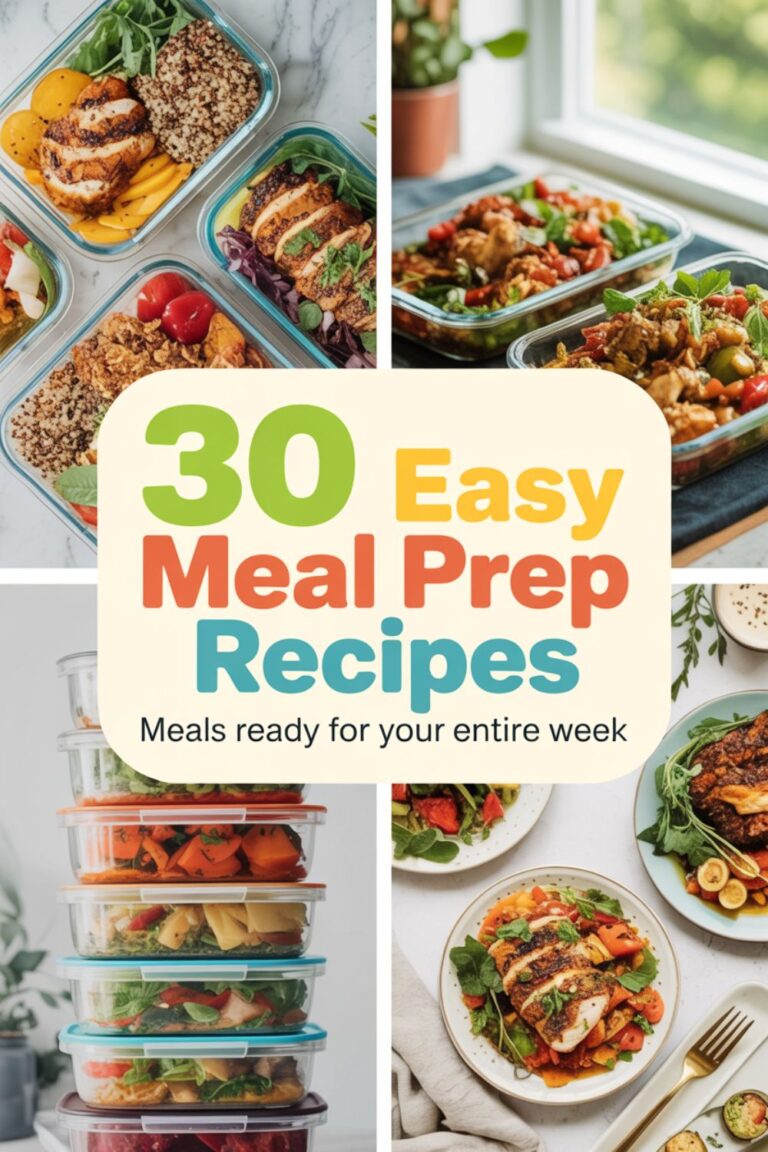
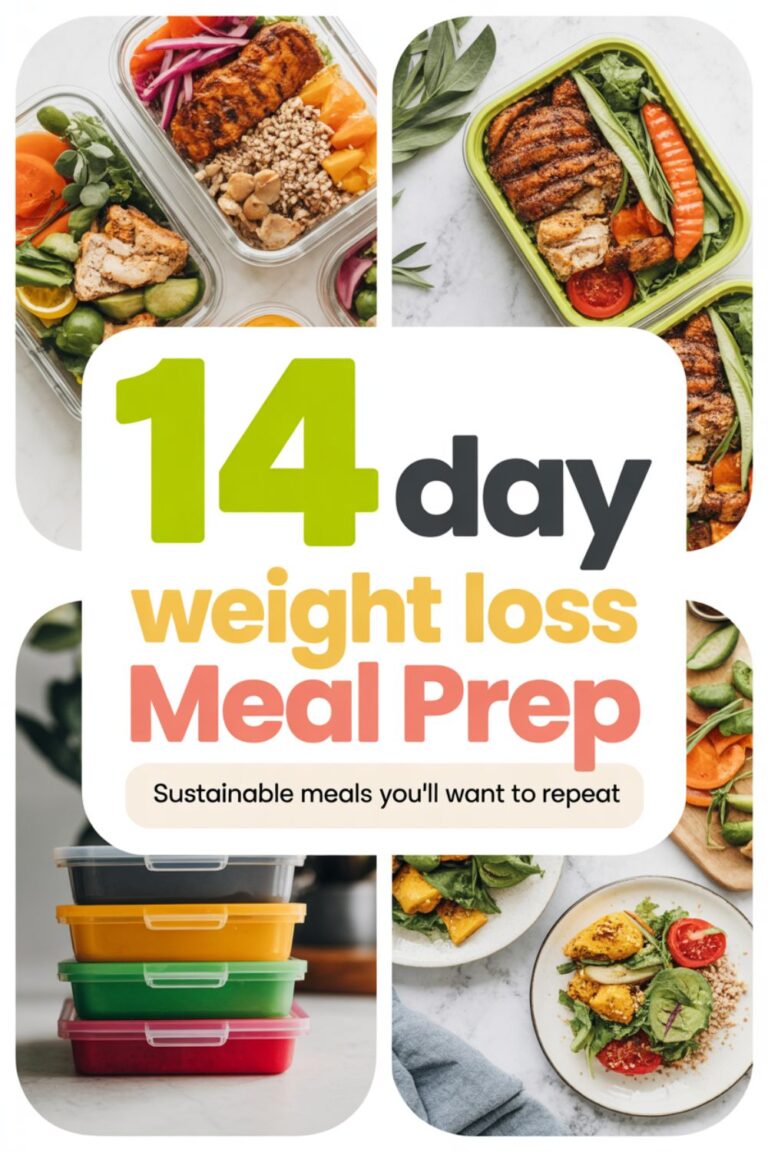
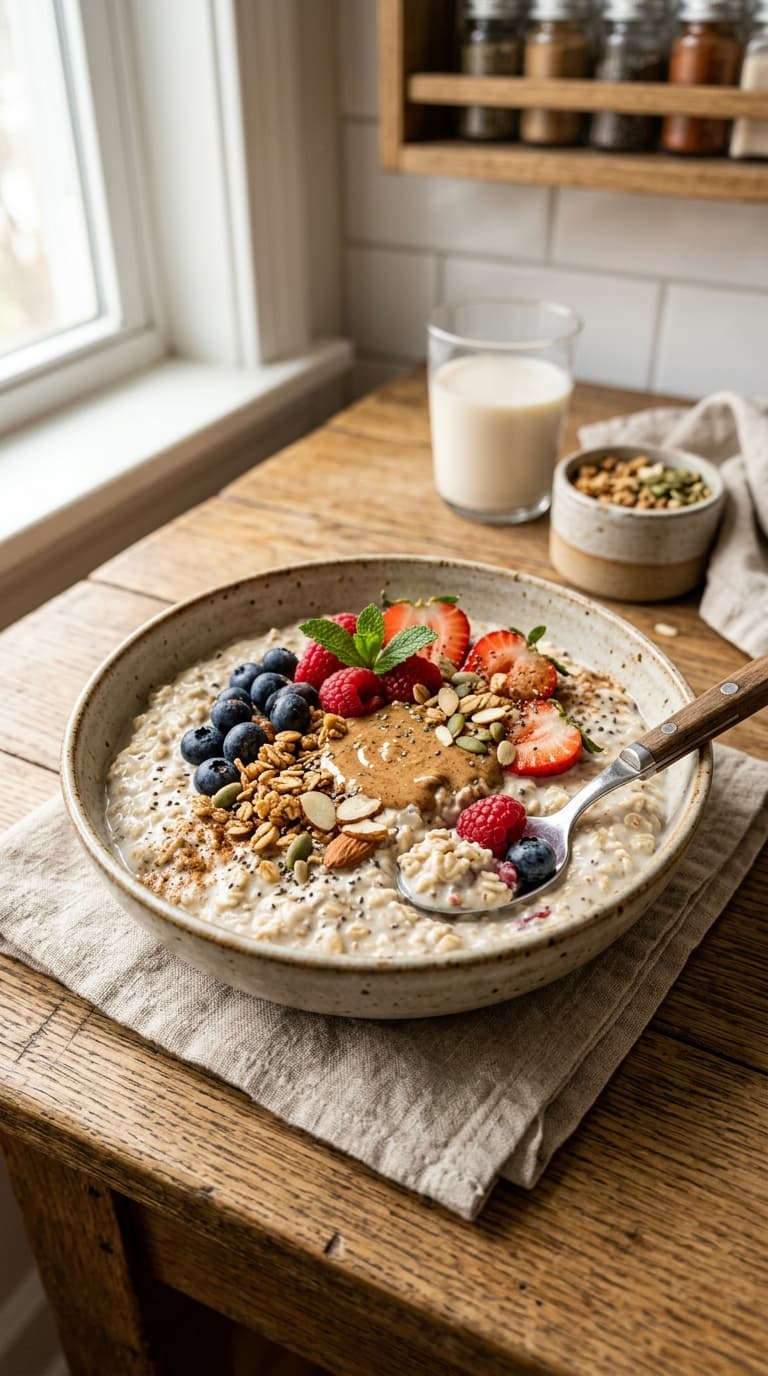
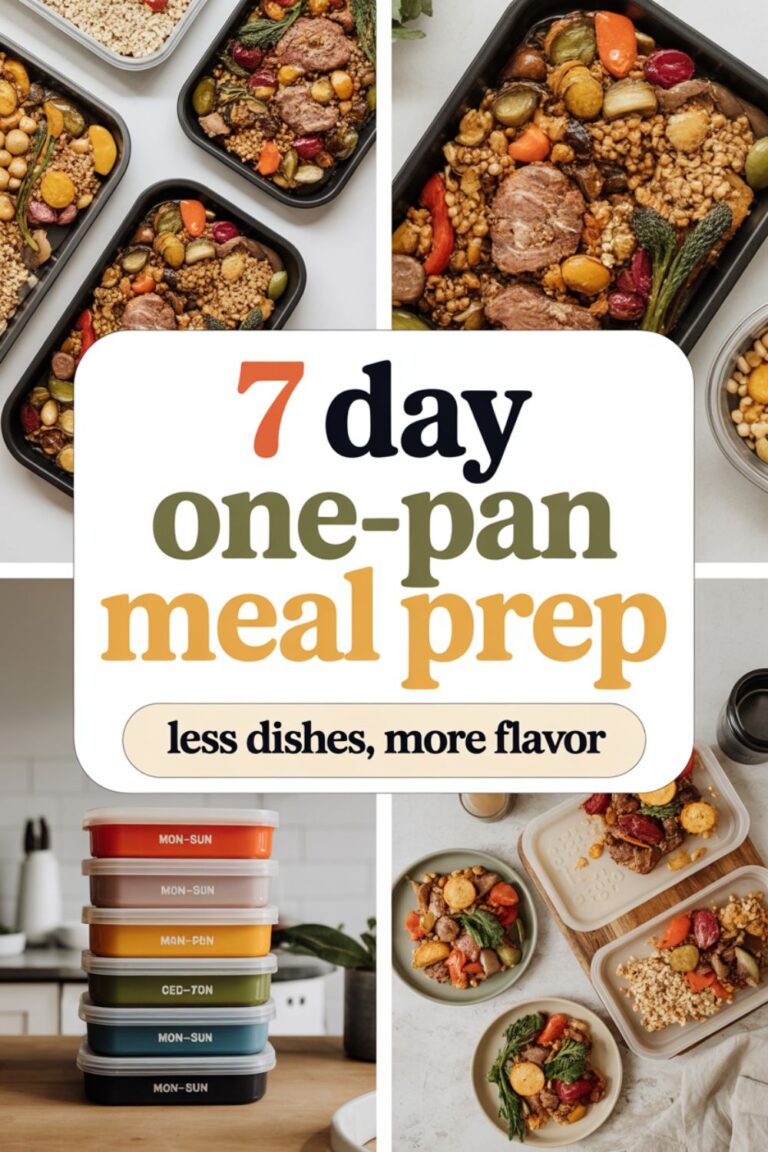
7-Day Dinner Meal Prep for Stress-Free Nights
You know that feeling when 6 PM rolls around and you’re staring into your fridge like it’s going to magically serve up dinner? Yeah, we’ve all been there. The truth is, most of us aren’t failing at cooking—we’re failing at planning. And honestly, that’s the easier problem to fix.
I used to be the queen of ordering takeout on Tuesday nights. Not because I couldn’t cook, but because deciding what to make after a long day felt like climbing Everest in flip-flops. Then I discovered something that actually changed my weeknight routine: proper dinner meal prep. Not the Instagram-perfect kind with 47 matching containers, but the real, practical version that actually works when you have a life.
Here’s what nobody tells you about meal prep—it’s not about cooking everything on Sunday and eating sad, reheated chicken for seven days. It’s about being strategic. Research from Harvard’s Nutrition Source shows that people who plan their meals are more likely to consume nutritious home-cooked food and maintain healthier eating patterns. The difference between thriving and surviving during the week often comes down to spending two hours on Sunday doing the thinking for your future self.
Why Traditional Meal Prep Advice Misses the Mark
Most meal prep guides will tell you to cook 21 identical meals and call it a day. That’s not meal prep—that’s culinary prison. I tried that approach once and by Wednesday, I would’ve traded my left shoe for a slice of pizza that wasn’t from my Tupperware collection.
The real secret? Meal prep should be about flexibility, not rigidity. You’re not cooking complete meals—you’re preparing components. Think of it like building blocks. You roast a bunch of vegetables, cook some grains, prep a few proteins, and suddenly you have endless combination possibilities throughout the week. Studies have found that individuals who plan their meals show better adherence to nutritional guidelines and maintain healthier body weights compared to those who don’t plan ahead.
The beauty of component cooking is that you won’t get bored. Monday night’s roasted chicken becomes Tuesday’s chicken tacos, Wednesday’s chicken salad, and Thursday’s chicken stir-fry. Same protein, completely different meals. Your taste buds stay interested, and you stay out of the drive-thru line.
The Foundation: Your 7-Day Dinner Blueprint
Let’s talk strategy before we get into the nitty-gritty. A successful week of dinners needs three things: proteins you can use multiple ways, vegetables that don’t turn to mush, and grains or starches that reheat well. That’s it. Everything else is just details.
Monday & Tuesday: The Heavy Lifting Days
These are your “I actually have energy” days. Use them wisely. Monday is perfect for **slow cooker or sheet pan meals**—things that cook while you’re doing other stuff. Tuesday, you can handle something slightly more involved because you’re still riding that weekend energy.
I usually do a big sheet pan situation on Monday. Chicken thighs, sweet potatoes, Brussels sprouts, everything roasted together. Takes 40 minutes, most of which you’re not actively doing anything. While that’s cooking, I’ll get a pot of quinoa or rice going. There’s your base for at least three different meals right there.
The chicken and roasted veggies become dinner Monday night. But here’s the clever part—you’re making double or triple what you need. Those extra chicken thighs? They’re going to save you on Thursday. Those vegetables? Wednesday lunch sorted.
For anyone looking for more protein-packed options that meal prep beautifully, **check out these high-protein dinner recipes** that work perfectly for the first half of your week.
Wednesday: The Midweek Crisis Point
Wednesday is where meal prep either saves you or you abandon ship for takeout. This is why you prepped those components on Sunday and Monday. Wednesday night should be an assembly night, not a cooking night.
This is when I pull out whatever protein I prepped earlier in the week. Maybe it’s leftover chicken, maybe it’s the ground beef I browned on Sunday. I heat it up, throw it over some of that pre-cooked quinoa, add fresh or prepped vegetables, and boom—dinner in 10 minutes. **Get Full Recipe** for my go-to Wednesday night rescue bowl that uses whatever you’ve got on hand.
The instant pot is my secret weapon here. If you don’t have one, honestly, it might be worth considering. I use this 6-quart model that’s basically become my weeknight MVP. Rice in 12 minutes, shredded chicken in 20, beans in 30—all while you’re doing something else entirely.
Thursday & Friday: Coast to the Finish Line
By Thursday, you’re tired. I’m tired. We’re all tired. This is not the time to get ambitious. Thursday and Friday should be your easiest nights, using up everything you prepped earlier in the week.
Thursday, I usually do some version of tacos or stir-fry—anything where you can use up random vegetables and protein. Friday is often leftovers night disguised as something new. That Monday chicken? Now it’s chicken quesadillas. Those roasted vegetables? Thrown into scrambled eggs for a dinner-for-breakfast situation.
Speaking of which, if you’re into the whole breakfast-for-dinner thing (and who isn’t?), you’ve got to try **these protein-packed breakfast recipes** that work surprisingly well as quick dinner options.
The Actual Prep Day: What You’re Really Doing on Sunday
Okay, so Sunday meal prep. Let me tell you what actually happens in my kitchen, not the sanitized Instagram version. I usually start around 2 PM, and I’m done by 4:30. That’s including cleaning up, which is half the battle.
The Shopping List That Actually Works
Before Sunday, obviously, comes Saturday shopping. Or Friday. Or whenever you can drag yourself to the store. I keep a running list on my phone all week—nothing fancy, just notes app material.
For a typical week, I’m buying:
- Three proteins—usually chicken thighs, ground turkey, and salmon or another fish
- Seven to eight vegetables—mix of things that roast well and things you can eat raw
- Two to three grains/starches—quinoa, sweet potatoes, maybe pasta
- Basics—olive oil, garlic, whatever spices I’m running low on
The key is variety without going overboard. You don’t need 15 different ingredients. You need ingredients that can be used in multiple ways. According to FDA food storage guidelines, proper storage of prepared ingredients can keep them fresh for 3-4 days, which is perfect for this system.
Meal Prep Essentials Used in This Plan
After years of trying different tools and systems, here’s what actually makes meal prep easier in my kitchen:
- Glass meal prep containers with snap lids – I went through so many plastic sets before investing in these. They don’t stain, they heat evenly, and they actually last.
- Heavy-duty sheet pans – Cheap ones warp in the oven. Get good ones once, use them forever. Mine are from a restaurant supply store and they’re tanks.
- Sharp chef’s knife – This isn’t fancy; it’s just practical. Dull knives make prep work miserable. A decent 8-inch chef’s knife changes everything.
- **7-Day Meal Prep Planning Template** (Digital Download) – Honestly, having a template where you can map out your week prevents that Sunday “what am I even making” panic. Worth the few dollars.
- **Bulk Meal Prep Recipe Collection** (Digital Product) – 50+ recipes specifically designed for component cooking. Saves me from the endless recipe searching.
- **Meal Prep Mastery Course** (Online) – If you’re serious about this, the course covers everything from shopping strategies to storage hacks. Changed my whole approach.
Also, I’m part of a pretty active WhatsApp group where people share what they’re prepping each week. It’s motivating and you pick up good ideas. Not selling anything there—just real people trying to feed themselves well.
The Two-Hour Prep Session, Step by Step
Here’s how I actually use those two hours. First 20 minutes: washing and chopping vegetables. This is the least fun part, but it’s also the most impactful. I throw on a podcast and just power through. Everything gets washed, dried, and chopped—bell peppers, onions, whatever needs it.
While I’m chopping, the oven preheats to 425°F. Around minute 25, I get my first sheet pan in—usually whatever takes longest. Sweet potatoes, cauliflower, those guys. They need a solid 30-40 minutes. I use parchment paper sheets on everything because cleanup is already enough of a chore without scrubbing pans.
Next 30 minutes: proteins. If I’m roasting chicken, that goes in alongside the vegetables on a separate pan. If I’m doing ground meat for tacos or pasta later in the week, I brown it on the stovetop. While those are cooking, I get grains started. Quinoa in the rice cooker, rice in a pot, whatever’s needed.
Around the 90-minute mark, stuff starts coming out of the oven. This is when I portion everything into those glass containers. Some people wait for everything to cool completely, but honestly, I just let it cool for 10 minutes and then pop it in the fridge. The USDA recommends refrigerating cooked food within two hours, and dividing large amounts into shallow containers helps it cool faster and more safely.
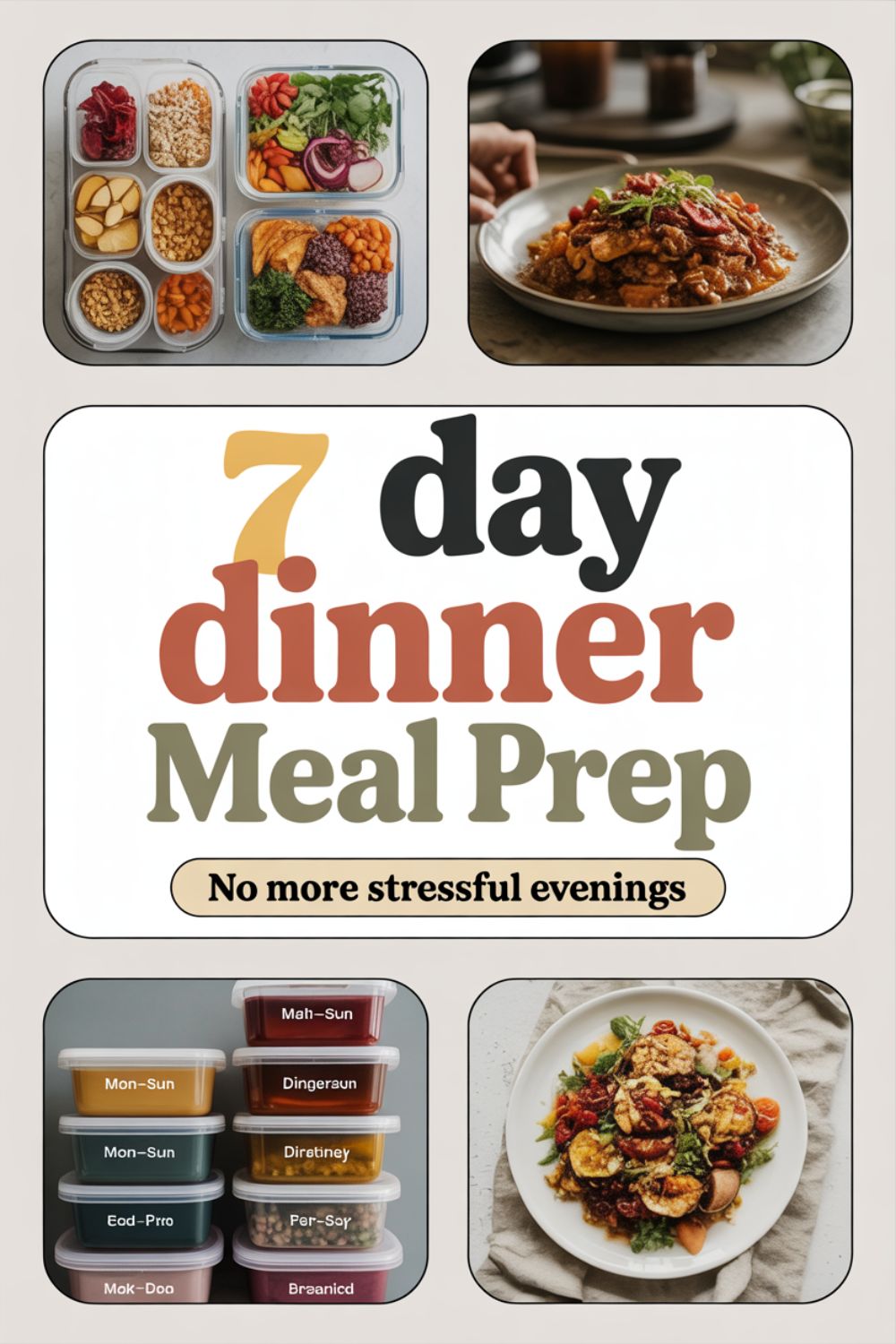
Final 20-30 minutes: cleanup and organizing the fridge. I label containers with masking tape and a marker—nothing fancy. “Chicken – 1/26” or “Roasted veg – 1/26.” Future me needs to know what’s what and when it was made.
If you’re looking for specific recipes that work brilliantly with this prep method, **these Mediterranean-inspired dishes** and **these Asian-style bowls** have become my weekly rotation standbys.
Making It Work When Life Gets Messy
Let’s be real—some weeks you’re not going to meal prep. You’re going to get home late Friday, and Sunday is going to evaporate in a Netflix haze. That’s fine. The goal isn’t perfection; it’s having a system for the weeks when you have the bandwidth to use it.
The Bare Minimum Version
Can’t do the full two-hour thing? Here’s the stripped-down version that still helps: chop your vegetables and cook a big batch of grains. That’s it. Even if you’re cooking proteins fresh each night, having vegetables ready to go and grains you can reheat cuts dinner prep time in half.
I’ve done bare minimum weeks where all I prepped was a huge container of mixed salad greens and a pot of rice. Still better than nothing. Still saved me from the pizza delivery app.
When You Need to Pivot
Here’s what happens in real life: Wednesday rolls around and you’re absolutely not feeling that chicken situation you prepped. This is where component prep saves you. You’re not locked into specific meals—you’ve got ingredients you can mix and match.
Don’t want the chicken bowl? Turn that chicken into a wrap. Add different sauce. Throw it in a salad. The flexibility is the whole point. You prepped ingredients, not a menu you’re married to for the week.
For more flexible meal prep ideas that you can customize based on your mood, check out **these customizable Buddha bowl recipes** that use the same prep method but feel completely different depending on what you’re craving.
Tools & Resources That Make Cooking Easier
Beyond the basics, here are some things that have genuinely made my meal prep less painful:
- Mandoline slicer – For those weeks when I’m doing salads or need uniformly thin vegetables. Use the guard or you will slice your hand. Ask me how I know.
- Salad spinner – Sounds unnecessary until you realize wet lettuce makes everything soggy. This is life-changing for prepping greens.
- Kitchen scale – If you’re watching portions or trying to meal prep specific amounts, weighing ingredients is way easier than eyeballing.
- **Freezer Meal Prep Guide** (Digital Download) – Because sometimes you want to prep more than a week ahead. Shows you what actually freezes well and how to do it right.
- **Budget Meal Prep Cookbook** (Digital Product) – For when you need to meal prep but money’s tight. The recipes in here max out at $30 for a week of dinners.
- **Time-Saving Kitchen Hacks Video Course** (Online) – Short videos showing specific techniques that shave minutes off prep time. The knife skills section alone was worth it.
The Protein Problem (And How to Solve It)
Protein is where most people get stuck with meal prep. Chicken gets dry, fish doesn’t reheat well, red meat is expensive. All valid concerns. Here’s what actually works.
Chicken That Doesn’t Suck
The secret to chicken that reheats well? Dark meat and moisture. Chicken breasts are a meal prep disaster—they’re dry within hours. Chicken thighs, though? They have enough fat to stay moist even after reheating. Plus they’re cheaper, which is a bonus.
I either roast them with the skin on (crispy skin is worth the extra calories, fight me) or I’ll do shredded chicken in the slow cooker. For the shredded version, I throw in chicken thighs, a cup of chicken broth, some spices, and let it go for 4 hours. **Get Full Recipe** for the specific spice blend that makes this anything but boring.
The shredded chicken is incredibly versatile. Use it in tacos, throw it over rice, mix it into pasta, add it to soup. One 4-hour cook session gives you protein for at least four dinners.
Fish and Seafood Reality Check
Let’s address this: most fish doesn’t meal prep well. Salmon gets fishy-smelling. Shrimp gets rubbery. If you love fish, I’d recommend cooking it fresh on the nights you eat it rather than prepping it days ahead.
The exception? Canned fish. I know, I know—but hear me out. Good quality canned tuna, salmon, or sardines are nutritionally solid and they’re perfect for quick assembly dinners. Tuna over salad greens, salmon mixed into pasta, sardines on toast with hot sauce. These are all 10-minute dinners that require no advance prep.
Plant-Based Options
If you’re vegetarian or just trying to eat less meat, the protein prep is actually easier. Beans and lentils are ridiculously cheap and they reheat perfectly. A big pot of black beans or chickpeas made on Sunday becomes the protein for multiple meals.
I’ll often do a batch of spiced chickpeas—drain and rinse two cans, toss with olive oil and spices, roast at 400°F for 25 minutes. They’re crunchy, flavorful, and you can throw them on literally anything. Salads, grain bowls, or just eaten as a snack when you’re standing in front of the fridge at 10 PM.
For anyone exploring more plant-based options, **these high-protein vegan dinners** all meal prep beautifully and actually keep you full.
Storage and Food Safety: The Unglamorous Essentials
Okay, quick interlude for the boring but crucial stuff. Meal prep only works if your food is safe to eat by Thursday. Some basics: cooked food lasts 3-4 days in the fridge, according to USDA food safety guidelines. That means Sunday prep gets you through Wednesday, maybe Thursday if you’re pushing it.
Everything should be refrigerated within two hours of cooking. Your fridge should be at 40°F or below. Use airtight containers to keep food fresh longer and prevent cross-contamination. Label everything with dates because your memory is not as good as you think it is.
If you’re prepping for longer than 4 days, freeze half of it. Cooked grains freeze beautifully. Most proteins freeze well. Soups and stews are made for freezing. Just thaw in the fridge the night before you want to eat them.
One more thing—if something smells off or looks questionable, throw it out. The $3 of chicken is not worth food poisoning. Trust your instincts here.
Dealing with Meal Prep Fatigue
Here’s something nobody talks about: you will eventually get sick of your meal prep routine. It happens to everyone. You make the same chicken and rice situation for three weeks and suddenly you’d rather eat cardboard.
The fix isn’t to abandon meal prep—it’s to rotate your staples. Every few weeks, I’ll swap out proteins. Instead of chicken thighs, I’ll do ground turkey or pork chops. Instead of quinoa, I’ll do farro or pasta. Same prep method, completely different flavors.
Sauces and seasonings are your best friends here. The difference between boring grilled chicken and interesting grilled chicken is the sauce you put on it. I keep a rotation of jarred sauces—pesto, teriyaki, curry paste, good quality marinara. They’re the cheat code for variety without extra work.
Looking for more variety in your rotation? Try **these globally-inspired dinner recipes** and **these one-pan wonders** that bring completely different flavors to your meal prep system.
The Weekend Wild Card: Friday and Saturday
Most 7-day meal prep guides focus on Monday through Friday and pretend weekends don’t exist. But they do, and they’re their own situation. By Friday night, I’m usually done with structure. Saturday I want to order in or try a new restaurant. And that’s totally fine.
The meal prep system covers weeknights when you need it most. Weekends are for whatever you want—experimenting with new recipes, eating out, or yes, finishing up leftovers. There’s no rule that says you have to eat meal-prepped food seven days a week. Five days is solid. Four days is still winning.
Sometimes I’ll use Sunday to prep for the week and then spend Saturday morning making a big breakfast or brunch situation as a break from the routine. **These weekend brunch recipes** are my go-to when I want to cook something just for fun, not efficiency.
Common Meal Prep Mistakes (That I’ve Made So You Don’t Have To)
Let’s talk about what doesn’t work, because I’ve tried it all. Mistake number one: trying to prep 21 different meals. You will burn out, your fridge will be chaos, and you’ll end up ordering pizza anyway. Start small. Three to five dinners is realistic.
Mistake number two: buying ingredients you don’t actually like just because they’re “healthy.” I tried to make myself like kale for weeks. Spoiler: I still don’t like kale. Life’s too short. Meal prep with foods you actually enjoy eating.
Mistake number three: not having a backup plan. Some weeks life explodes and you don’t meal prep. Have a mental list of 2-3 emergency meals you can make from pantry staples. Mine are pasta with jarred sauce, fried rice from frozen vegetables, or breakfast for dinner. All require minimal ingredients and zero prep.
And the biggest mistake? Thinking meal prep has to be perfect to be useful. It doesn’t. A partially prepped week is better than no prep at all. Some vegetables chopped is better than no vegetables chopped. Progress over perfection, every single time.
Making It Actually Sustainable
The test of any system is whether you’re still doing it six months from now. Here’s what makes meal prep stick: it has to be easier than the alternative. The moment meal prep becomes more work than just winging it every night, you’ll stop doing it.
This is why I don’t meal prep breakfast and lunch with the same intensity as dinner. Breakfast is quick anyway—I can handle that in the morning. Lunch is often leftovers from dinner. But dinner? Dinner is when I’m tired, hungry, and my decision-making skills are shot. That’s where the prep pays off.
The other sustainability factor is not making it all-or-nothing. Some weeks I prep everything. Some weeks I just cook a big batch of grains and call it good. Both are valid. The goal is to have a system you can scale up or down based on your week, not a rigid requirement that stresses you out.
Frequently Asked Questions
How long does meal prepped food actually stay fresh?
Cooked food stored properly in airtight containers lasts 3-4 days in the fridge. If you need food to last longer than that, freeze half of your prep. Most cooked proteins, grains, and cooked vegetables freeze beautifully for up to 3 months. Just thaw in the fridge overnight before reheating.
Do I have to eat the same thing every day with meal prep?
Absolutely not. That’s the old meal prep way. The component method means you prep ingredients—proteins, vegetables, grains—that you can mix and match throughout the week. Same ingredients, different combinations. Monday’s chicken and rice becomes Tuesday’s chicken tacos and Wednesday’s chicken stir-fry.
What if I don’t have two hours on Sunday for prep?
Then do less. Even 30 minutes of chopping vegetables and cooking grains will make your weeknights easier. Meal prep scales up or down based on your available time. Something is always better than nothing, and you can start with just prepping for 3 days instead of 7.
Can I meal prep if I live alone?
Yes, and honestly, it’s easier. Scale the recipes down, or freeze half of what you make. Living alone often means groceries go bad before you can use them, which makes meal prep even more valuable. You’re using everything you buy, wasting less money and less food.
Is meal prep worth it if I actually like cooking?
If you enjoy cooking, use meal prep for the boring parts—washing, chopping, the basic stuff. Then you have the ingredients ready to actually cook creatively during the week without the tedious prep work. It’s not about eliminating cooking; it’s about eliminating the barriers that make weeknight cooking feel impossible.
The Bottom Line on Meal Prep
Look, meal prep isn’t magic. It’s not going to solve all your dinner problems or transform you into someone who suddenly loves spending Sunday in the kitchen. What it does is create a system that makes healthy, home-cooked dinners the easier choice more often than not.
The version of meal prep that works is the one you’ll actually do. Maybe that’s the full two-hour Sunday session with seven days of dinners perfectly portioned. Maybe it’s 30 minutes of vegetable chopping and a pot of rice. Both are legitimate. Both beat staring into your fridge at 7 PM wondering how you’re going to feed yourself.
Start somewhere. Pick one Sunday. Prep for three days instead of seven. Make more than you need of whatever you’re cooking tonight and pack the leftovers for later. These small shifts add up to real change in how you eat, how you feel, and how much money you’re not spending on takeout.
Meal prep isn’t about being perfect or Instagram-worthy. It’s about giving yourself permission to make weeknight dinners easier. And honestly? That’s the kind of Sunday afternoon project that actually improves your entire week.