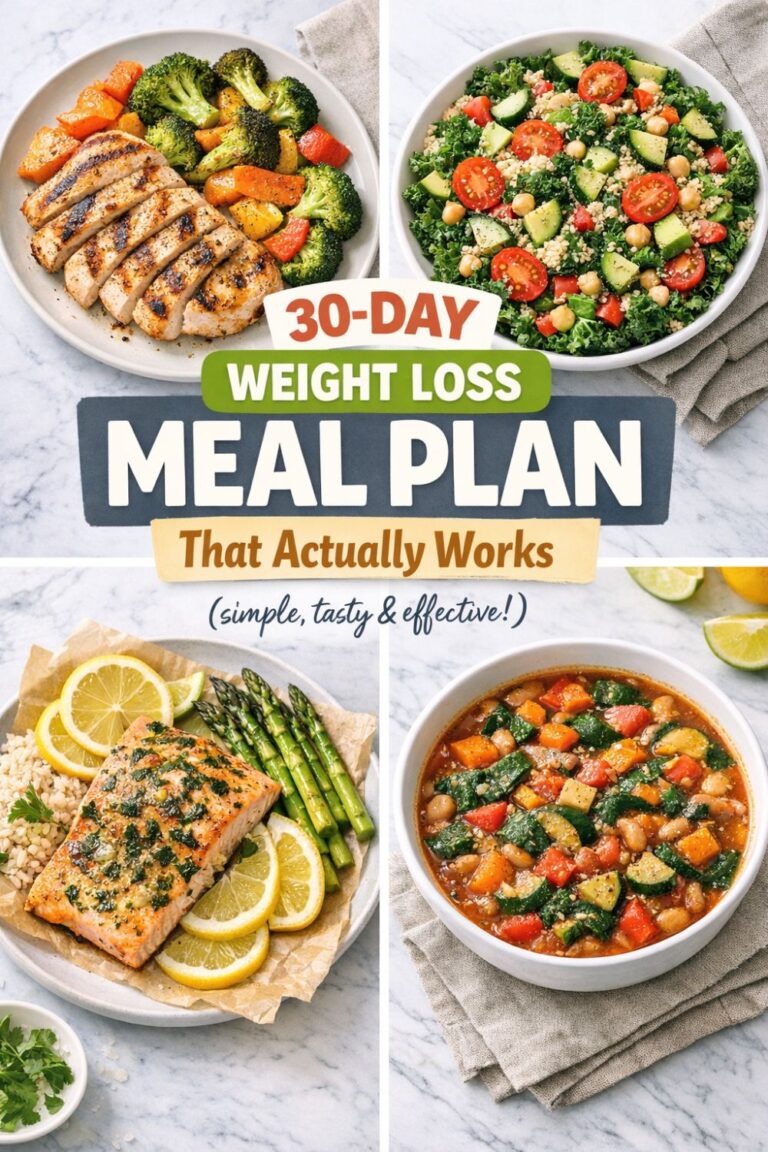
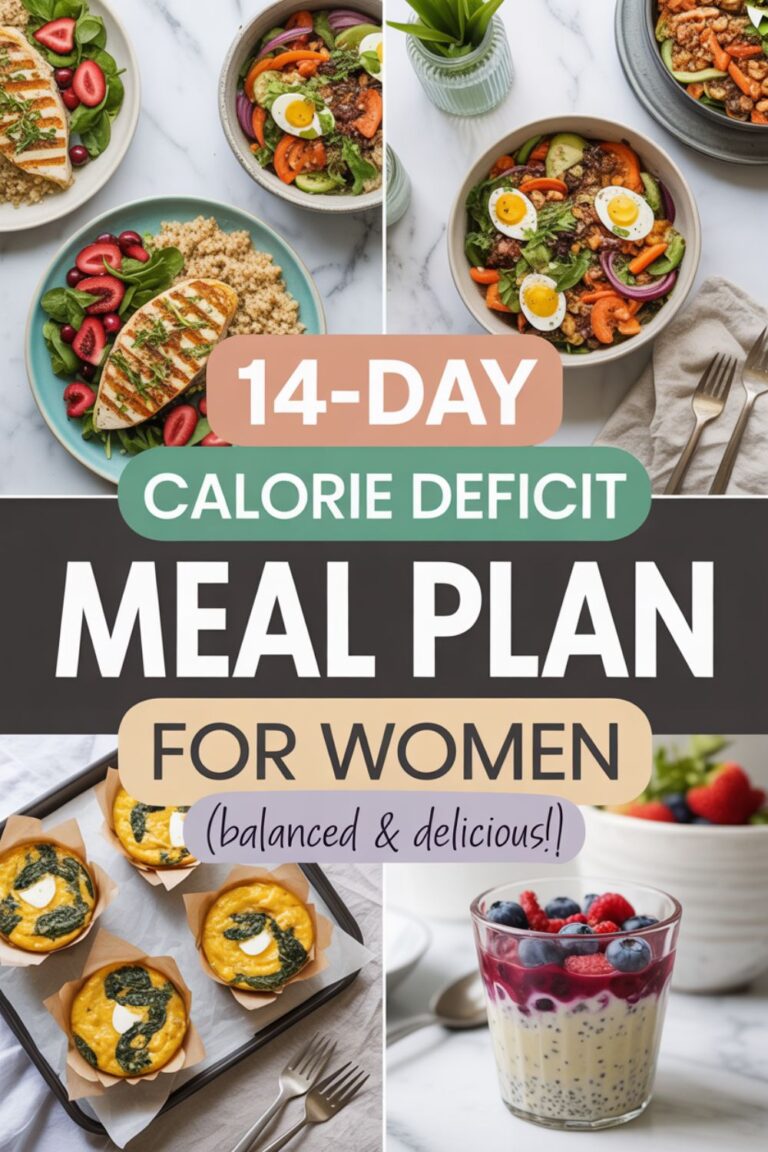
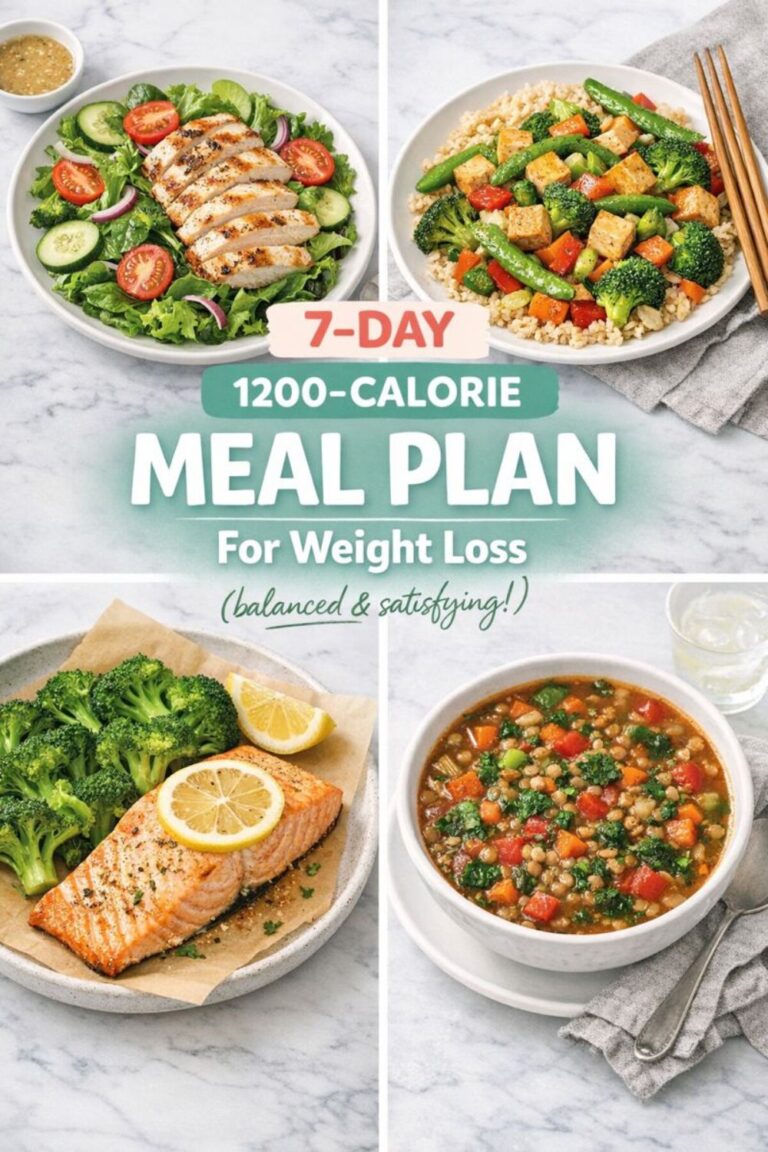
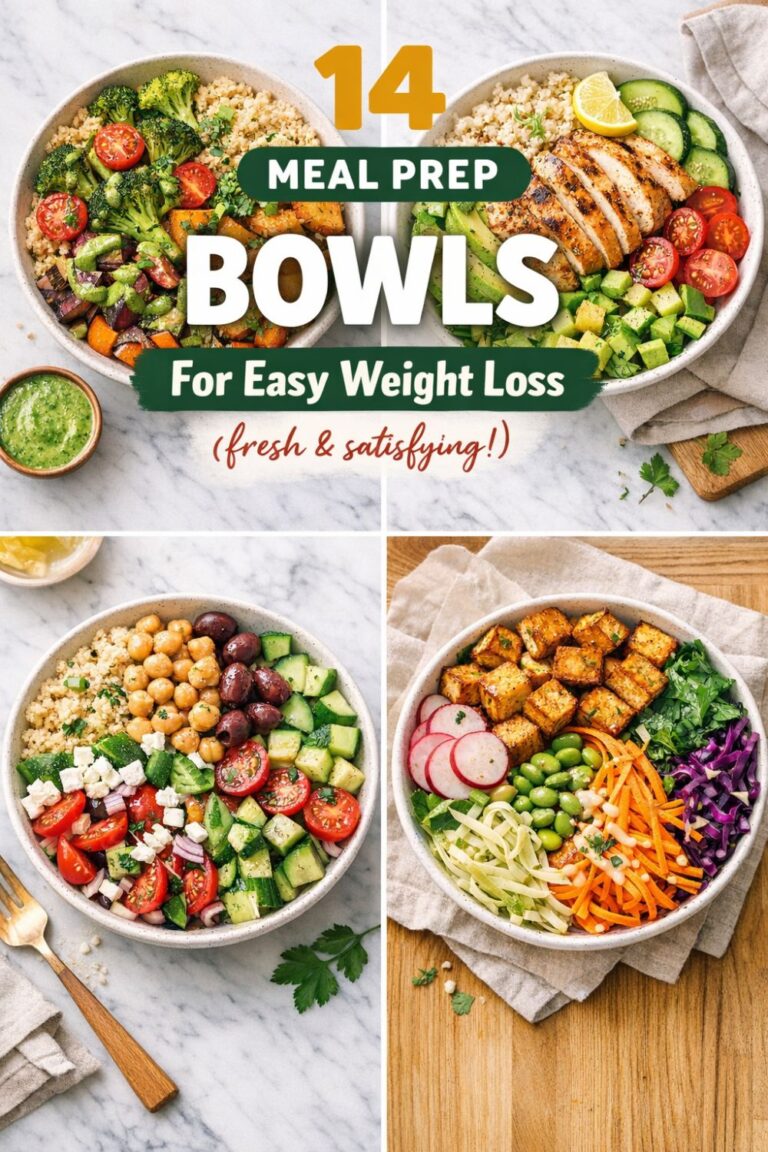
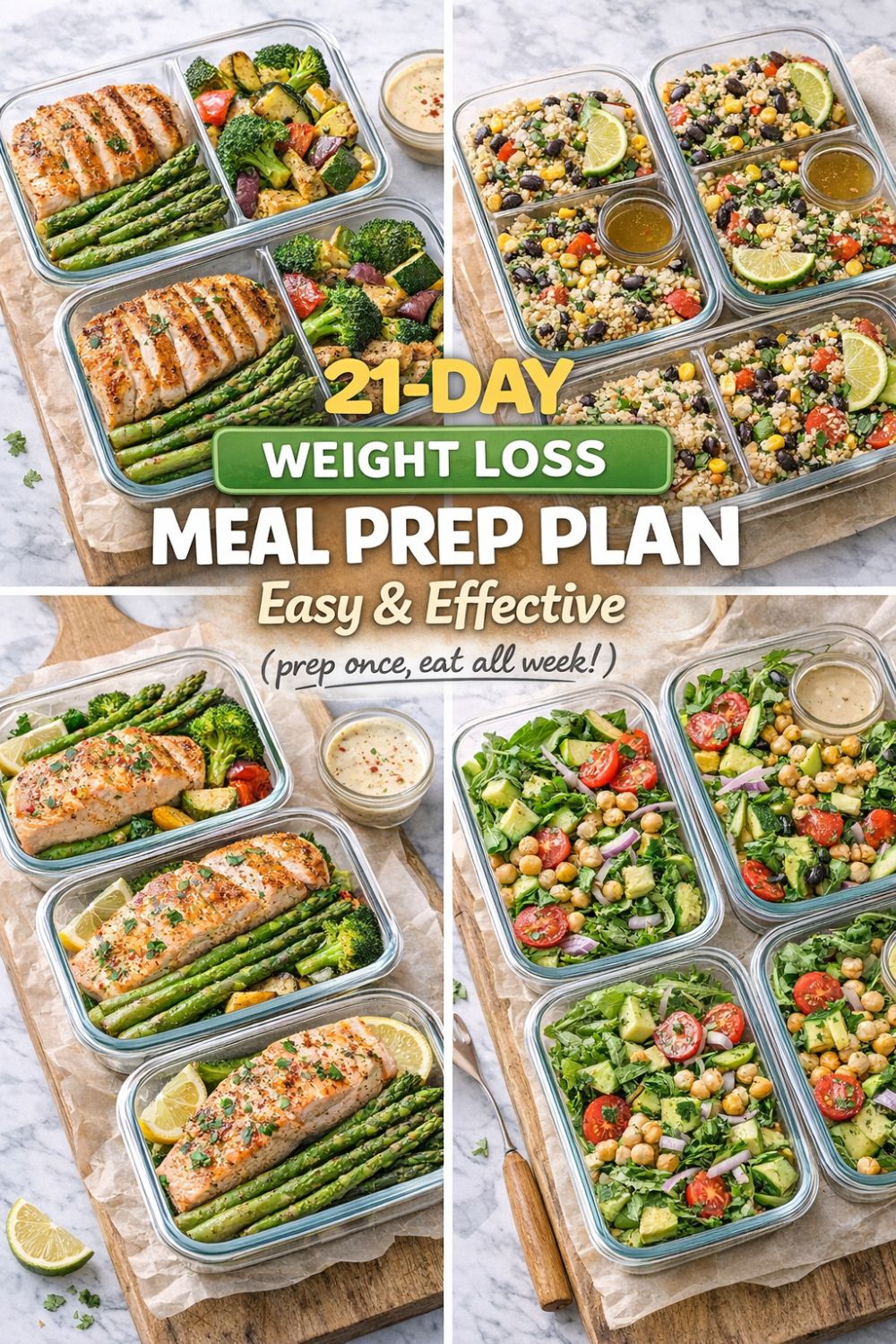
21-Day Weight Loss Meal Prep Plan: Your Ultimate Guide to Effortless Healthy Eating
Look, I get it. You’ve probably searched “meal prep for weight loss” about seventeen times this month, bookmarked fifteen different blog posts, and still haven’t actually prepped a single meal. Here’s the thing: most meal prep advice out there is either ridiculously complicated or boring enough to make you want to order takeout forever.
But what if I told you that meal prepping doesn’t have to be a military operation? What if you could actually enjoy the food you’re prepping, lose weight without feeling like you’re on some medieval punishment diet, and reclaim those weeknight hours you usually spend staring into your fridge like it holds the secrets of the universe?
That’s exactly what this 21-day meal prep plan is about. No bland chicken breast swimming in sadness. No eating the same boring salad for seven days straight. Just real food, real results, and a realistic approach that actually fits into your life.
Why 21 Days? The Science Behind the Timeline
Ever wonder why everyone talks about 21 days like it’s some magic number? Turns out, there’s actually some solid reasoning behind it. Research suggests it takes about three weeks to start forming a new habit, though I’ll be honest—some habits stick faster than others.
The beauty of a 21-day meal prep plan is that it’s long enough to see real results but short enough that you’re not committing to some lifetime sentence of meal prep slavery. You’ll have time to figure out what works for your schedule, what meals you actually enjoy eating, and which prep strategies save you the most sanity.
According to nutritional guidelines from Healthline, consistent meal preparation helps maintain better portion control and ensures you’re prioritizing nutrient-dense foods over convenience options. Plus, when you prep meals in advance, you’re way less likely to make impulsive food choices when you’re starving at 7 PM on a Tuesday.
The Real Benefits of Meal Prepping (Beyond Just Weight Loss)
Sure, we’re focusing on weight loss here, but let’s talk about all the other ways meal prep is about to change your life. First off, the time savings are insane. Instead of cooking every single night, you’re knocking out multiple meals in one session. That’s more time for Netflix, your hobbies, or literally anything that isn’t standing over a stove.
Then there’s the money aspect. When you meal prep, you’re shopping with a plan, which means you’re not wandering the grocery store aisles throwing random stuff in your cart. And you’re definitely not spending $15 on a mediocre salad from that place down the street.
But here’s what I think is the biggest benefit: decision fatigue elimination. You know that 6 PM feeling when your brain is fried and you can’t decide what to eat, so you just order pizza? Yeah, meal prep kills that problem dead. Your food is already there, already portioned, already delicious.
The Cleveland Clinic notes that meal prepping reduces decision fatigue and helps maintain more consistent eating patterns throughout the day, which can prevent overeating and support weight management goals.
“I started meal prepping three months ago and honestly didn’t expect much. But Sarah from our community was right—once you get into the rhythm, it becomes second nature. I’ve lost 15 pounds without feeling like I’m even trying, and my grocery bill dropped by almost $100 a month.” — Rachel M.
Setting Up Your Meal Prep Foundation
The Containers Situation
Let’s talk containers, because this matters more than you think. You need good quality, leak-proof containers that can go from fridge to microwave without melting into a toxic puddle. I’m partial to glass containers myself—they don’t stain, they don’t hold onto weird smells, and they make your meal prep look way fancier than it actually is.
You’ll want a mix of sizes. Get some three-compartment containers for full meals where you want to keep things separate, and some smaller round containers for sauces, dressings, and snacks. FYI, having about 10-15 containers total is a good starting point for a week’s worth of lunches and dinners.
The Complete Meal Prep Container Set
After testing literally dozens of containers, this set has become my ride-or-die. They’re the perfect balance of quality and price, and honestly make meal prep look way more Instagram-worthy than it has any right to.
- BPA-free, microwave & dishwasher safe
- Leak-proof lids that actually work (no lunch bag disasters)
- Three compartments keep foods separate
- Stackable design saves fridge space
Kitchen Tools That Actually Matter
You don’t need a $300 knife set or some fancy sous vide machine, but there are a few tools that’ll make your life significantly easier. A decent chef’s knife is non-negotiable—trying to prep vegetables with a dull knife is both dangerous and infuriating.
I also swear by a sheet pan or two for roasting. You can throw a bunch of vegetables and protein on there, season everything, and let the oven do the work. Speaking of ovens, if you’ve got counter space, a small toaster oven is clutch for reheating individual portions without firing up your whole oven.
And here’s a game-changer: get yourself a food scale. I know, I know, weighing food sounds tedious. But when you’re trying to lose weight, portion awareness is huge, and a scale takes the guesswork out of it completely.
Digital Kitchen Scale That Changed My Meal Prep Game
This little gadget sits on my counter permanently now. Turns out knowing actual portion sizes (instead of guessing) makes a massive difference in weight loss results. Plus it’s weirdly satisfying to measure things precisely.
- Measures in grams, ounces, and pounds
- Tare function for easy container weighing
- Slim design stores anywhere
- Accurate to 1 gram (perfect for tracking macros)
Week 1: Getting Your Feet Wet
Week one is all about keeping things stupidly simple. You’re building a habit here, not training for some meal prep Olympics. Pick three to four recipes max, and choose things you already know you like. This is not the time to experiment with weird ingredients or complicated techniques.
Your Week 1 Game Plan
Start with basic protein sources: chicken breast, ground turkey, or if you’re plant-based, some solid bean-based recipes. Pair them with simple roasted vegetables and a grain like brown rice or quinoa. I know it sounds basic, but there’s a reason these combinations are meal prep classics—they reheat well and taste good for days.
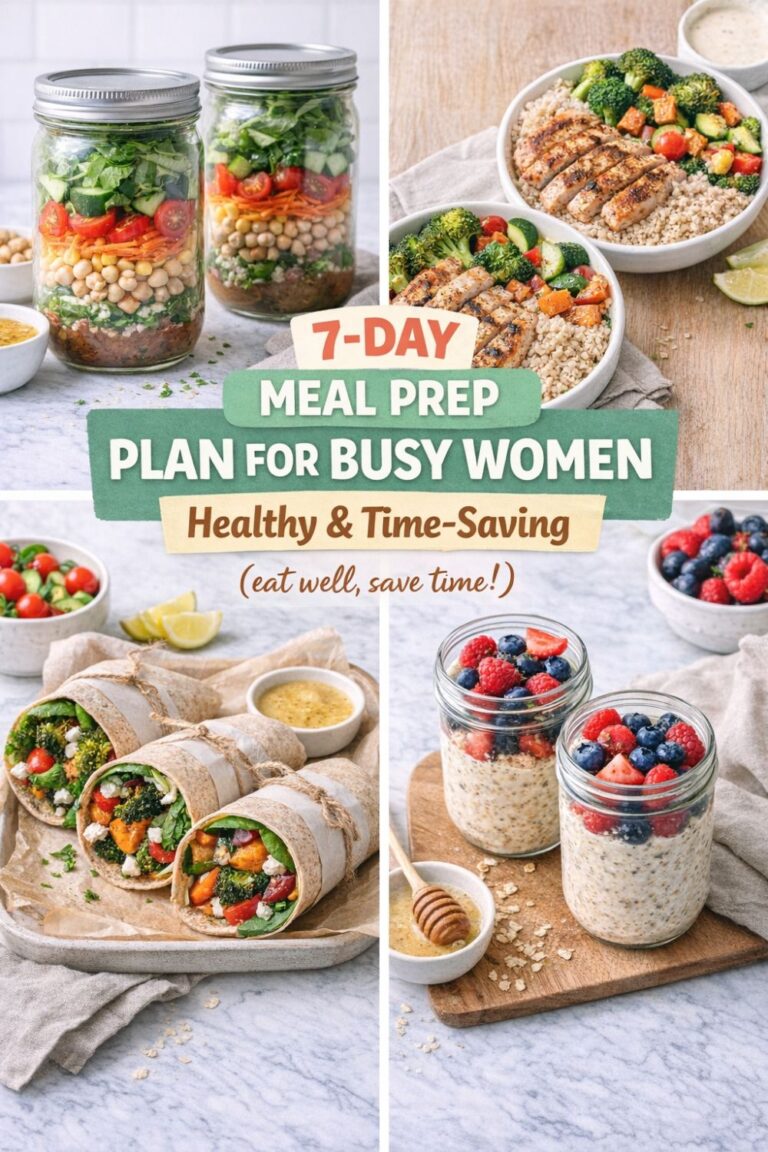
For breakfast, overnight oats are your best friend. You can make five jars on Sunday night, stick them in the fridge, and grab one each morning. Mix up the toppings—one day add berries, another day go for banana and almond butter, maybe throw in some chia seeds for extra protein. Get Full Recipe
Glass Meal Prep Jars – Perfect for Overnight Oats
Listen, I’ve tried every jar situation imaginable, and these are hands-down the best for overnight oats and meal prep. The wide mouth makes them stupidly easy to clean, and the measurements on the side mean you can actually track portions without playing guessing games.
Why These Jars Are Worth It:
- 16oz size – perfect portion for breakfast
- Measurement markings built right in
- Dishwasher and microwave safe
- Airtight lids keep everything fresh for 5+ days
- Set of 6 covers your whole work week
Lunch might look like a simple grain bowl: quinoa base, roasted chicken or chickpeas, whatever vegetables you prepped, and a simple dressing you made in bulk. These bowls are endlessly customizable and honestly never get boring if you switch up your seasonings. Get Full Recipe
Speaking of protein-packed breakfasts that keep you full until lunch, you might also love high-protein breakfast bowls or try a Mediterranean-style egg bake that portions out perfectly for the week.
Week 2: Building Momentum and Variety
By week two, you’re getting the hang of this. Your containers are clean, you know how long things take to prep, and you’ve figured out that yes, you really do need to set a timer or you’ll burn the chicken. Now’s the time to add some variety without overwhelming yourself.
Flavor Is Your Secret Weapon
This is where a lot of people go wrong with meal prep—they make everything bland and call it “clean eating.” News flash: healthy food can taste amazing. Stock up on different spice blends, keep a variety of vinegars and hot sauces around, and don’t be scared of fat sources like olive oil or avocado.
Try marinating your proteins overnight before you cook them. A simple marinade of olive oil, lemon juice, garlic, and herbs takes five minutes to throw together and makes your chicken actually taste like something. You could also experiment with different low-sodium seasoning mixes—everything from Italian herbs to smoky barbecue flavors.
Premium Spice & Seasoning Collection
This is the seasoning set that finally made me stop ordering bland meal prep. Twelve different blends that actually have flavor, zero weird chemicals, and low sodium so you’re not retaining water like a camel. Game. Changer.
What Makes This Set Special:
- 12 versatile blends for every cuisine style
- All-natural ingredients, no MSG or fillers
- Low-sodium formulations perfect for meal prep
- Includes recipe cards for each blend
- Comes in magnetic tins that stick to your fridge
For week two, consider adding in some new recipes like sheet pan fajitas that come together in under 30 minutes, or a big batch of turkey chili that tastes even better on day three. Get Full Recipe
“I was so skeptical about meal prep tasting good after sitting in the fridge for days. But once I learned the marinade trick and started using better seasonings, it completely changed the game. My coworkers actually ask for my recipes now.” — Mike T.
Don’t Forget About Snacks
Weight loss doesn’t mean starving between meals. In fact, having healthy snacks prepped and ready can prevent those 4 PM vending machine raids. Cut up vegetables and portion out some hummus into small containers. Make a batch of hard-boiled eggs for easy protein. Portion out some nuts or trail mix so you’re not eating straight from the bag.
I like keeping individual nut butter packets in my desk drawer paired with an apple for emergency hunger situations. Also, protein balls are clutch—you can make a dozen in ten minutes, they’re portable, and they actually satisfy sweet cravings. Get Full Recipe
For more snack inspiration beyond the basics, check out these high-protein energy bites and veggie-packed mini frittatas that are perfect for midday hunger.
Week 3: You’re Officially a Meal Prep Person Now
Week three is where it all clicks. You’ve got your routine down, you know which recipes work best for your lifestyle, and you’re starting to get creative with leftovers. This is when meal prep stops feeling like a chore and starts feeling like just another part of your week.
Mix and Match Strategy
Instead of prepping complete meals, try the component cooking method. Cook a bunch of proteins (grilled chicken, baked salmon, roasted chickpeas), a variety of vegetables, and a couple grain options. Then throughout the week, you can mix and match components to create different meals.
Monday might be chicken with roasted sweet potatoes and broccoli. Tuesday, take that same chicken, shred it, and throw it over a salad with some quinoa. Wednesday, use the salmon with some of those vegetables in a grain bowl. You’re eating different meals, but you only did the heavy lifting once.
The Mayo Clinic’s meal planning experts emphasize that sustainable weight loss plans should include variety and foods you actually enjoy eating, which helps maintain long-term adherence to healthy eating patterns.
The Set-It-and-Forget-It Slow Cooker
This thing has saved my meal prep routine more times than I can count. Seriously, just dump ingredients in before work and come home to perfectly cooked proteins. It’s like having a personal chef who doesn’t judge your Netflix choices.
- Programmable timer with auto-warm function
- 6-quart capacity (meal prep for days)
- Removable ceramic pot for easy cleaning
- Cooks proteins tender and juicy every time
The Freezer Is Your Friend
By week three, you should start utilizing your freezer more strategically. Make double batches of things like soup, chili, or casseroles and freeze half. That way, on weeks when life gets crazy and you can’t meal prep, you’ve got backup meals ready to go.
Most cooked foods freeze beautifully for up to three months. Just make sure you’re using freezer-safe containers and labeling everything with dates. Nobody wants to play “what’s in this mystery container” six weeks from now.
Freezer-Safe Meal Prep Container System
Real talk: cheap containers crack in the freezer and give you freezer burn. These don’t. I’ve been using the same set for over a year, freezing and reheating like crazy, and they still look brand new. Worth every penny.
Why Invest in Quality Freezer Containers:
- Thick walls prevent freezer burn completely
- Expand-contract design handles temp changes
- Clearly labeled with date spaces
- Stackable to maximize freezer space
- Lifetime replacement guarantee (seriously)
When it comes to freezer-friendly options, try these make-ahead breakfast burritos, portion-sized lasagnas, or Asian-style lettuce wrap filling that defrosts perfectly.
Navigating Common Meal Prep Challenges
When You Get Bored of Your Food
This happens to everyone. You eat the same thing three days in a row and suddenly the thought of that chicken bowl makes you want to cry. Here’s the fix: always prep at least two different lunch options and two different dinner options. That way you can alternate and aren’t locked into the same meal every day.
Also, sauces and dressings are game-changers. Store them separately and add them right before eating. A meal can taste completely different with different sauces—Asian-style with some sesame ginger dressing, Mexican-inspired with salsa and lime, Mediterranean with tzatziki.
When You Don’t Have Time
Some weeks are just insane. I get it. This is where having some backup strategies saves you. Keep some healthy frozen meals on hand for emergencies. Rotisserie chickens from the grocery store are perfectly acceptable—shred one of those bad boys up and you’ve got protein sorted for half the week.
You can also do “semi-homemade” meal prep. Buy pre-cut vegetables, pre-cooked grains, or pre-marinated proteins. Yeah, they cost more, but they’re still cheaper and healthier than ordering takeout every night.
The Nutrition Side of Things
Macros Without the Madness
You’ve probably heard about macros—protein, carbs, and fats. While you don’t need to track every single gram obsessively, having a general awareness helps. For weight loss, protein is your MVP because it keeps you full and helps maintain muscle mass while you’re dropping fat.
Aim for about a palm-sized portion of protein at each meal. Carbs should come mostly from whole grains, vegetables, and fruits—think about a fist-sized portion. Fats are important too (your brain needs them), but they’re calorie-dense, so a thumb-sized portion of things like nuts, avocado, or olive oil is plenty.
Research indicates that balanced, nutrient-dense meals with adequate protein can support sustainable weight loss while keeping you satisfied and energized throughout the day.
Portions That Make Sense
Here’s where that food scale I mentioned earlier comes in handy. When you’re first starting out, weigh your portions so you can see what appropriate serving sizes actually look like. After a few weeks, you’ll be able to eyeball it pretty accurately.
Remember, just because something is healthy doesn’t mean you can eat unlimited amounts. I learned this the hard way with almond butter—yes, it’s nutritious, but it’s also like 200 calories per serving, and my “servings” were more like triple servings.
Smart Shopping for Meal Prep Success
Your meal prep success starts at the grocery store. Make a detailed shopping list based on your meal plan and stick to it. Shopping hungry is a terrible idea—you’ll end up with random junk that doesn’t fit into any meal.
Buy proteins when they’re on sale and freeze what you don’t need immediately. Stock up on staples like canned beans, frozen vegetables, and whole grains when they’re discounted. These items have long shelf lives, so buying in bulk saves money.
The Power of Theme Shopping
Instead of planning around specific recipes, try theme shopping. For example, buy ingredients for Mexican-themed meals one week (beans, peppers, tortillas, salsa), then Asian-themed the next (rice, soy sauce, ginger, vegetables). This approach adds variety while still keeping your shopping organized.
Also, don’t sleep on frozen fruits and vegetables. They’re picked at peak ripeness, often more affordable than fresh, and they don’t go bad in three days. Your freezer should have frozen berries for smoothies, frozen broccoli for easy sides, and whatever else you use regularly.
Meal Prep Mistakes to Avoid
Let’s talk about what not to do, because I’ve made basically every meal prep mistake possible. First mistake: trying to prep too many new recipes at once. Stick to one or two new things per week max. The rest should be recipes you’ve made before and know work.
Second big mistake: not tasting as you go. Season your food properly while you’re cooking it. “Healthy” doesn’t mean “flavorless.” Use salt, pepper, herbs, and spices generously. You can’t fix bland food after it’s already in containers.
Third mistake: prepping things that don’t actually reheat well. Certain foods are just not meant for meal prep life—crispy things get soggy, leafy greens wilt, and some fish gets weird after a few days. If something doesn’t reheat well, either prep the components separately or just plan to cook it fresh.
“My first week of meal prep was a disaster. I made seven days of the same boring salad, everything got soggy, and I ended up ordering pizza by Wednesday. But I learned from it, adjusted my approach, and now I actually look forward to my prepped meals.” — Jordan L.
Beyond the Kitchen: Other Weight Loss Factors
Real talk: meal prep is powerful, but it’s not the only thing that matters for weight loss. You also need to think about sleep, stress, and movement. Getting enough quality sleep affects your hunger hormones—when you’re tired, your body cranks up ghrelin (the hunger hormone) and you end up wanting to eat everything in sight.
Stress is another huge factor. When you’re stressed, you’re more likely to reach for comfort foods and less likely to stick to your meal prep plan. Find ways to manage stress that don’t involve food—exercise, meditation, calling a friend, whatever works for you.
And IMO, you don’t need to kill yourself at the gym every day. Just move your body regularly in ways you actually enjoy. Walk more, take the stairs, do some yoga, dance around your kitchen while you’re meal prepping. It all counts.
Making It Sustainable Long-Term
The goal isn’t to meal prep perfectly every single week for the rest of your life. The goal is to build skills and habits that make healthy eating easier and more automatic. Some weeks you’ll prep everything. Some weeks you’ll prep a few meals. Some weeks life will be chaos and you’ll do the best you can.
That’s totally fine. This isn’t an all-or-nothing game. Even prepping just a few meals per week puts you miles ahead of where you’d be otherwise. Give yourself permission to be imperfect and adjust the system to fit your real life, not some idealized version of yourself.
Remember that successful meal planning approaches are flexible and sustainable, allowing for your favorite foods in moderation so you don’t feel deprived or end up abandoning the whole plan.
Get Daily Meal Prep Motivation
Stuck in a meal prep rut? Our WhatsApp community shares fresh recipe ideas daily, answers your questions in real-time, and keeps you accountable. It’s like having a meal prep buddy in your pocket.
Join Our Community NowFrequently Asked Questions
How long does meal prepped food actually stay fresh?
Most cooked meals stay good in the fridge for 3-4 days, which is why I typically prep twice a week rather than doing everything on Sunday. Meals with higher moisture content (like soups or stews) can last up to 5 days. If you’re worried about freshness, prep some meals to freeze and defrost them as needed throughout the week.
Do I really need to count calories for weight loss?
Not necessarily. While calorie awareness helps, you don’t need to obsessively track every single thing. Focus on portion control, eating mostly whole foods, and being consistent with your meal prep. Many people lose weight just by eliminating processed foods and restaurant meals, without ever counting a calorie.
What if I hate the taste of reheated food?
Some foods reheat better than others, which is why you should test recipes before committing to a whole week of them. Store sauces separately and add them when reheating. Use the oven or toaster oven instead of the microwave when possible—it makes a huge difference for things like roasted vegetables and proteins.
Can I meal prep if I’m vegetarian or vegan?
Absolutely. Plant-based meal prep is just as effective, and often easier since you don’t have to worry about meat going bad as quickly. Focus on protein sources like beans, lentils, tofu, and tempeh. Many grain bowls, soups, and curries are naturally plant-based and perfect for meal prep.
How do I avoid getting bored eating the same meals?
Prep at least two different options for lunch and dinner so you can alternate. Use different sauces and seasonings to change up flavors. Don’t prep more than 3-4 days of meals at once—that way you’re only eating the same thing for a few days before switching to something new.
Your 21-Day Journey Starts Now
Listen, I’m not going to lie to you and say meal prepping is always fun or that you’ll love every second of it. Some Sundays, you’ll be tempted to skip it and wing the week. Some meals won’t turn out as great as you hoped. You’ll probably forget to defrost something at least once.
But here’s what I know for sure: three weeks from now, you’ll be glad you started. You’ll have more time, more money, better control over your food choices, and probably some real progress toward your weight loss goals. Plus, you’ll have built a skill that’ll serve you for the rest of your life.
The key is starting simple, being consistent but flexible, and not expecting perfection. Pick a few recipes, get your containers sorted, and just do one week. Then do another. Before you know it, meal prep will be as routine as brushing your teeth—just another thing you do to take care of yourself.
So grab that grocery list pad, make a plan for this week, and get started. Your future self is already thanking you.