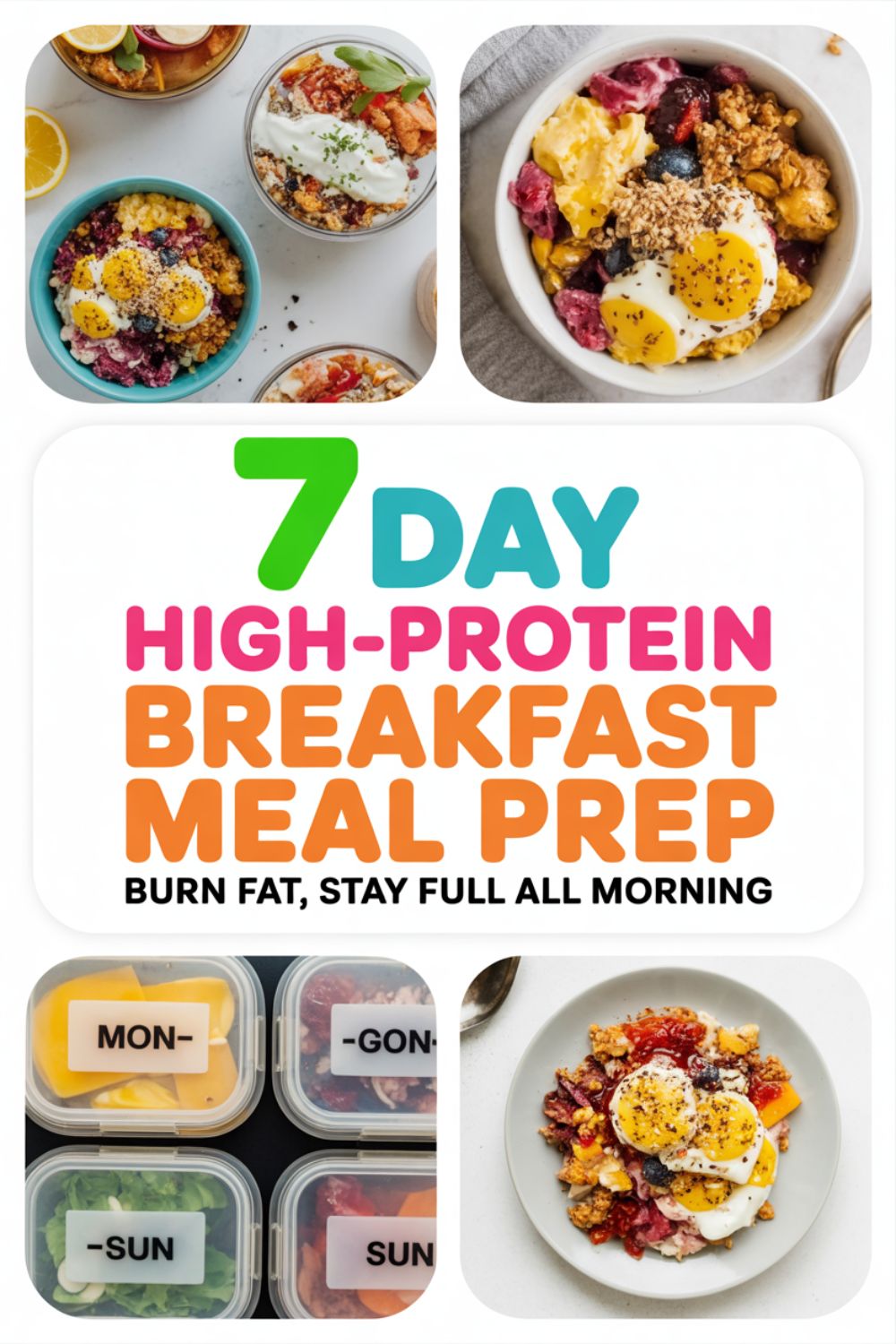
7-Day High-Protein Breakfast Meal Prep for Fat Loss
You know that sluggish feeling when you grab a bagel on your way out the door, only to find yourself raiding the office snack drawer two hours later? Yeah, we’ve all been there. The thing is, most traditional breakfasts are basically carb bombs wrapped in good intentions—and they’re setting you up for an energy crash before lunch even rolls around.
Here’s what actually works: front-loading your day with protein. Not just any protein, but strategic, well-planned high-protein breakfasts that keep you satisfied, preserve your muscle mass, and actually support fat loss. I’m talking 25-30 grams of quality protein per meal, prepared ahead so you’re not scrambling at 6 AM trying to figure out what to eat.
This isn’t about following some restrictive diet that makes you miserable. It’s about setting yourself up for success with a simple 7-day meal prep system that takes the guesswork out of your mornings. We’ll walk through exactly what to prep, when to prep it, and how to make it all taste good enough that you’ll actually stick with it.
Why High-Protein Breakfasts Actually Work for Fat Loss
Let’s cut through the noise and talk science for a second. Research from the National Institutes of Health shows that high-protein breakfasts significantly reduce levels of ghrelin—that’s your hunger hormone—while boosting PYY and GLP-1, the hormones that tell your brain you’re actually full. Translation? You stop thinking about food every five minutes.
But here’s where it gets interesting. When you eat protein first thing in the morning, your body has to work harder to digest it compared to carbs or fats. This process, called the thermic effect of food, means you’re burning more calories just by eating. According to studies on protein metabolism, a high-protein diet can boost your daily calorie burn by 80-100 calories without any extra effort on your part.
And no, you won’t lose muscle mass while cutting calories. In fact, adequate protein intake helps preserve lean muscle when you’re in a caloric deficit, which keeps your metabolism humming along instead of tanking into what people dramatically call “starvation mode.”
Pro Tip
Prep your breakfast proteins Sunday night, thank yourself all week. Seriously, batch-cooking eggs, grilling chicken, or portioning Greek yogurt takes 30 minutes and saves you from making terrible decisions when you’re half-asleep.
The sweet spot for breakfast protein? Aim for 25-30 grams per meal. That’s roughly what the American Society for Nutrition recommends for appetite regulation and weight management. You don’t need to go crazy with protein shakes and powders—though they work in a pinch—just focus on real, whole food sources.
The Meal Prep Strategy That Actually Saves Time
Here’s the truth about meal prep: most people overthink it. You don’t need twelve different containers and a color-coded spreadsheet. What you need is a simple system that takes advantage of batch cooking and smart ingredient overlap.
I spend about 90 minutes on Sunday prepping breakfast for the entire week. That breaks down to roughly 13 minutes per breakfast, which is less time than you’d spend waiting in line at a coffee shop every morning. The key is choosing recipes that either store well or come together quickly with pre-prepped components.
Your Prep Day Game Plan
Sunday afternoon is when the magic happens. Put on a podcast, pour yourself something to drink, and knock out these tasks in order:
- Hard boil a dozen eggs—these are your emergency protein and they last all week in the fridge
- Bake a batch of egg muffins—multiply your base recipe by 12 and you’ve got grab-and-go breakfasts ready
- Prep overnight oats—portion them into jars with protein powder mixed in, then just add your toppings in the morning
- Cook your protein sources—whether that’s turkey sausage, chicken breast, or salmon, cook it all at once
- Chop vegetables—dice bell peppers, onions, spinach, whatever you’re using, and store them in an airtight container
I use these glass meal prep containers for everything. They’re completely leak-proof, microwave-safe, and they don’t hold onto smells like plastic does. Worth every penny.
If you’re looking for more protein-packed breakfast ideas beyond this plan, check out these options: Get Full Recipe for Mediterranean egg white frittata, or try this Get Full Recipe for protein-packed breakfast burrito bowls that reheat beautifully.
Your 7-Day High-Protein Breakfast Blueprint
Alright, let’s get into the actual meal plan. Each breakfast clocks in at 25-35 grams of protein and around 350-450 calories. You’ll notice some repeats—that’s intentional. Variety is great, but simplicity keeps you consistent.
Day 1: Greek Yogurt Power Bowl
Start with one cup of full-fat Greek yogurt (20g protein right there), top with a quarter cup of granola, a handful of mixed berries, two tablespoons of almond butter, and a sprinkle of chia seeds. This one requires zero cooking and assembles in under three minutes.
The beauty of Greek yogurt is the protein-to-volume ratio. You’re getting a substantial amount of protein without feeling stuffed, and the fat content keeps you satisfied longer than those sad fat-free versions that taste like disappointment.
Day 2: Veggie-Packed Egg Muffins
These are your best friend for busy mornings. Whisk together eight eggs with a splash of milk, add diced bell peppers, onions, spinach, and a bit of cheese. Pour into a muffin tin and bake at 350°F for about 20 minutes. Get Full Recipe for the complete guide with exact measurements and variations.
Each muffin has roughly 6-7 grams of protein, so grab three of them for breakfast. They reheat perfectly in 30 seconds and taste just as good on day five as they do on day one. I make mine in this silicone muffin pan—nothing sticks, and cleanup takes about ten seconds.
Day 3: Protein Pancakes with Cottage Cheese
Mix half a cup of oats, half a cup of cottage cheese, two eggs, and a scoop of vanilla protein powder. Blend it smooth, then cook like regular pancakes. Top with a dollop of Greek yogurt and fresh berries.
The cottage cheese might sound weird, but it makes the pancakes incredibly fluffy and bumps the protein content way up. Each serving gives you about 35 grams of protein, and they freeze beautifully. Just pop them in a toaster straight from the freezer.
“I started this meal prep routine three months ago and honestly, it changed everything. I’m down 15 pounds and I don’t feel like I’m dieting at all. The protein pancakes are legitimately delicious—my kids steal them.”
— Sarah M., from our communityDay 4: Breakfast Burrito Bowl
Scramble three eggs with black beans, diced tomatoes, and a sprinkle of cheese. Serve over a small portion of brown rice or quinoa, top with avocado and salsa. This one’s also fantastic as a meal prep option because all the components store separately.
The combination of eggs and beans gives you complete protein with all essential amino acids, plus the fiber from the beans keeps your digestion happy and slows down the absorption of nutrients so you stay fuller longer.
For more Southwest-inspired breakfast ideas, you might also enjoy these Get Full Recipe for spicy breakfast tacos or this Get Full Recipe for chorizo and egg scramble.
Day 5: Overnight Protein Oats
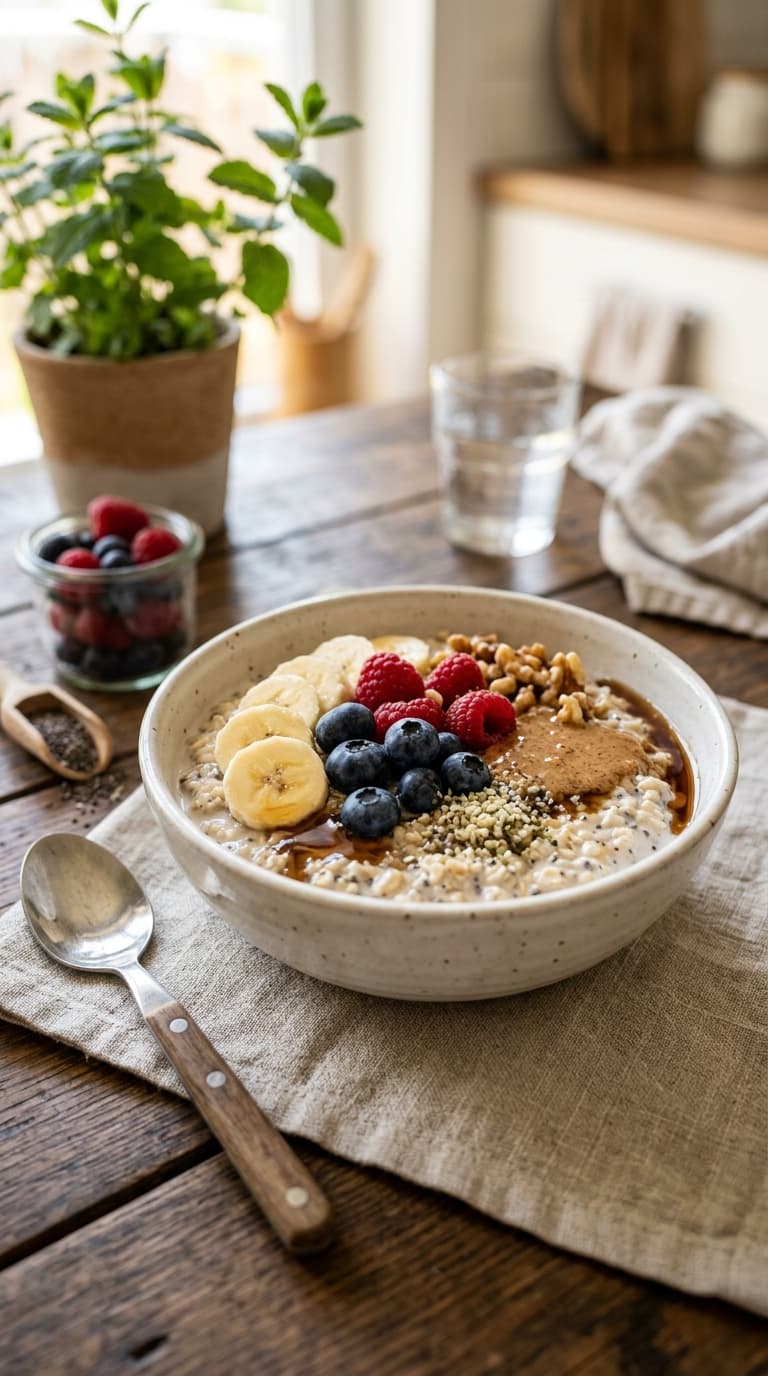
Combine half a cup of rolled oats, one scoop of protein powder, one cup of unsweetened almond milk, a tablespoon of chia seeds, and a drizzle of honey. Let it sit overnight, then top with sliced banana and a tablespoon of peanut butter in the morning.
The chia seeds are doing more work than you think. They’re packed with omega-3s and fiber, plus they absorb liquid and create this pudding-like texture that’s way more satisfying than regular oatmeal. I prep five jars of these at once using these mason jars with lids.
Quick Win
Keep a bag of frozen berries in your freezer. They’re cheaper than fresh, just as nutritious, and they naturally thaw overnight in your oats—no prep required.
Day 6: Smoked Salmon and Avocado Toast
Two slices of whole-grain toast topped with mashed avocado, three ounces of smoked salmon, and two poached eggs. Finish with everything bagel seasoning and a squeeze of lemon.
This breakfast hits different. The omega-3s from the salmon support brain function and reduce inflammation, while the combination of healthy fats and protein keeps you satisfied for hours. It’s also one of those meals that feels fancy but takes less than ten minutes to assemble.
If you’re using a quality egg poacher, you can make perfect poached eggs every single time without the circus act of swirling water and vinegar.
Day 7: Protein-Packed Smoothie Bowl
Blend one scoop of protein powder, one frozen banana, half a cup of frozen berries, one cup of unsweetened almond milk, and a handful of spinach (you won’t taste it, trust me). Pour into a bowl and top with granola, sliced almonds, coconut flakes, and fresh fruit.
The secret to a good smoothie bowl is getting it thick enough to eat with a spoon. Use frozen fruit, not fresh, and add just enough liquid to get it blending. If you need to thin it out, add one tablespoon of liquid at a time.
I swear by this high-speed blender for smoothie bowls. Cheaper blenders leave you with chunks, and nobody wants to chew their smoothie.
Meal Prep Essentials Used in This Plan
Glass Meal Prep Containers (Set of 10)
These are the backbone of my entire meal prep system. Leak-proof, dishwasher safe, and they don’t stain or hold smells. The ones with divided sections are perfect for breakfast bowls where you want to keep components separate until you’re ready to eat.
Silicone Baking Mat Set
I use these on everything short of cereal bowls. Zero sticking, zero scrubbing. Your egg muffins will slide right off, and cleanup becomes completely painless. They’re reusable for years, so they pay for themselves after a few uses.
Digital Kitchen Scale
If you’re serious about protein targets, this is non-negotiable. Eyeballing portions is how you end up under-eating protein and wondering why you’re always hungry. Measure your protein sources once and you’ll get a feel for what 4 ounces of chicken actually looks like.
High-Protein Meal Prep Master Guide
Comprehensive digital guide with 50+ breakfast recipes, macro calculations, shopping lists, and a prep timeline that walks you through everything step by step. It’s basically meal prep training wheels until you get comfortable creating your own rotations.
Macro Calculator Spreadsheet
Simple Excel template that calculates your protein, carbs, and fats based on your goals. Plug in your stats, get your targets, done. No complicated apps or subscriptions required.
Weekly Meal Prep Tracker
Printable PDF that keeps you organized. Check off what you’ve prepped, plan your week, track your grocery list. It sounds basic, but having everything in one place instead of scattered across seventeen apps makes a huge difference.
Making Your Protein Sources Work Harder
Not all protein is created equal, and honestly, the source matters less than hitting your target consistently. That said, some options give you more bang for your buck in terms of satiety and nutrient density.
Eggs are the obvious choice—cheap, versatile, and packed with essential amino acids. One large egg has about 6 grams of protein. Greek yogurt is another powerhouse at 15-20 grams per cup, and it’s incredibly convenient for those mornings when cooking feels like too much effort.
Cottage cheese gets overlooked, but it’s one of the best high-protein breakfast foods out there. A single cup has around 25 grams of protein, and the casein protein digests slowly, keeping you satisfied for hours. Mix it with some fruit and you’ve got an instant breakfast.
Plant-Based Protein Options
If you’re avoiding animal products, you’ll need to be more strategic. Tofu scrambles are legit good—press your tofu well, crumble it into a pan with some turmeric and nutritional yeast, and you’ve got something surprisingly similar to scrambled eggs with about 20 grams of protein per serving.
Protein powder becomes more essential on a plant-based diet. Look for blends that combine pea, rice, and hemp protein to get a complete amino acid profile. Mix it into oats, smoothies, or even pancake batter. One scoop typically gives you 20-25 grams.
Speaking of plant-based options, this Get Full Recipe for tofu breakfast scramble is incredible, and here’s a Get Full Recipe for vegan protein pancakes that actually taste good.
Looking to switch things up? Try these high-protein alternatives: Get Full Recipe for protein chia pudding or this Get Full Recipe for quinoa breakfast bowl with almond butter.
The Grocery List That Makes This All Possible
Shopping efficiently is half the battle. I hit the store once a week, and my cart looks basically the same every time. Here’s what you need to make this meal plan work without breaking the bank.
Protein Sources
- 2 dozen eggs (seriously, you’ll use them)
- 2 pounds Greek yogurt
- 1 pound cottage cheese
- 8 ounces smoked salmon
- 1 package turkey bacon or sausage
- 2 scoops quality protein powder
Complex Carbs
- Rolled oats (buy the big container)
- Whole-grain bread
- Quinoa or brown rice
- Sweet potatoes
Healthy Fats
- Avocados (buy them at different ripeness levels)
- Natural peanut or almond butter
- Chia seeds
- Mixed nuts and seeds
- Extra virgin olive oil
Fresh Produce
- Spinach
- Bell peppers (red, yellow, or green)
- Onions
- Tomatoes
- Mixed berries (frozen works great)
- Bananas
Pro tip for saving money: buy your protein powder online instead of at the grocery store. It’s usually 30-40% cheaper, and if you’re using it daily, that adds up fast. I get mine from this brand—solid macros, mixes well, doesn’t taste like chalk.
Tools & Resources That Make Cooking Easier
Instant-Read Thermometer
Takes the guesswork out of cooking proteins. Eggs, chicken, fish—you’ll never overcook anything again. Stick it in, wait two seconds, know exactly when things are done. Changed my cooking game completely.
Mini Food Processor
Perfect for making quick work of chopping vegetables, blending egg mixtures, or whipping up nut butters. The small size means it’s actually convenient enough to use on a random Tuesday morning instead of sitting in your cabinet collecting dust.
Egg Bite Mold (Silicone)
Makes perfect little egg portions for meal prep. They pop right out, stack beautifully in containers, and reheat evenly. Way more practical than trying to cut up a frittata into equal portions.
Breakfast Meal Prep Masterclass
Video course that walks through the entire prep process in real time. See exactly how to organize your time, which tasks to do simultaneously, and common mistakes to avoid. It’s like having someone in the kitchen showing you the ropes.
Protein-Packed Recipe Collection
Digital cookbook with 100+ high-protein breakfast recipes complete with photos, macros, and substitution suggestions. Sorted by prep time so you can find something whether you have 5 minutes or 50.
Join Our Meal Prep Community
Connect with other people doing the same thing. Share your wins, troubleshoot problems, swap recipes. Having a group keeps you accountable when motivation dips. Plus you get early access to new recipes and meal plans.
Storage and Reheating Without Ruining Everything
You can prep the best breakfast in the world, but if it turns into a soggy mess by Wednesday, you’re not going to eat it. Here’s how to keep things fresh and actually appetizing all week.
Egg-based dishes store beautifully for 4-5 days in airtight containers. Egg muffins, frittatas, scrambles—they all reheat well in the microwave for 30-45 seconds. Don’t overheat them or they’ll get rubbery and weird.
Overnight oats last the entire week, but add your wet toppings (like fresh fruit) the night before or morning of. Otherwise you end up with mushy bananas and sad berries floating in your oats.
Smoothie bowls are best made fresh, but you can prep smoothie packs. Portion all your frozen ingredients into bags, then just dump, blend, and go. Saves about five minutes and prevents you from creating a blender disaster when you’re half awake.
Pro Tip
Label everything with dates. Use these reusable labels and a dry-erase marker. Sounds extra, but you’ll never again play the game of “is this from last week or three weeks ago?”
Keep an eye on your protein sources. Cooked eggs and dairy-based dishes are good for about 5 days max. Cooked meat lasts a bit longer—6-7 days if stored properly. If something smells off or looks questionable, toss it. Food poisoning is not worth the $4 you’ll save.
When Life Gets in the Way of Meal Prep
Some weeks, Sunday meal prep just isn’t happening. Maybe you traveled, maybe you got slammed with work, maybe you just didn’t feel like cooking. It happens, and that’s fine. Having backup options prevents you from defaulting to a donut because there’s “nothing to eat.”
Keep these emergency high-protein breakfasts on hand:
- Protein bars—look for ones with at least 20g protein and under 250 calories. Read the ingredients; some are basically candy bars in disguise.
- Hard-boiled eggs plus fruit—three eggs and an apple is a complete breakfast that requires zero effort
- Greek yogurt cups—the individual servings cost more, but they’re worth it when you need convenience
- Frozen protein waffles—pop them in the toaster, spread with almond butter, done in three minutes
- Rotisserie chicken—cold chicken with avocado isn’t traditional breakfast, but who cares? Protein is protein.
I always keep a tub of protein powder and some frozen fruit stocked. Even on my most chaotic mornings, I can throw together a decent smoothie in under two minutes using this portable blender bottle that doesn’t require a full blender setup.
“The emergency backup list is what actually keeps me consistent. I used to think if I couldn’t meal prep perfectly, I might as well not bother. Now I know even the ‘lazy’ version is better than skipping breakfast entirely.”
— Mike R., lost 22 pounds in 4 monthsCustomizing for Your Specific Goals
Fat loss isn’t one-size-fits-all, and your breakfast strategy might need tweaking based on your starting point and activity level. A 130-pound woman looking to lose 10 pounds has different needs than a 200-pound guy trying to drop 40.
The general guideline is 0.8-1 gram of protein per pound of body weight when you’re trying to lose fat while preserving muscle. So if you weigh 150 pounds, you’re shooting for 120-150 grams of protein daily. Spreading that across three or four meals means 30-40 grams per meal.
If you’re highly active—lifting weights regularly or doing intense cardio—lean toward the higher end of that range. Your body needs more protein to repair and rebuild, and cutting calories while undereating protein is how you end up losing muscle mass along with fat.
Adjusting for Different Diet Styles
This meal plan is flexible enough to work with most eating styles. Keto folks can skip the oats and rice, bump up the fats, and focus on eggs, bacon, and avocado-heavy breakfasts. You’ll still hit your protein targets, just with different macros.
For intermittent fasting, you might be breaking your fast at noon instead of 7 AM. Same concept applies—make that first meal protein-dense to set yourself up for success the rest of the day. A lot of these recipes work just as well for lunch as they do for breakfast.
If you’re following a specific macro split, use the recipe framework here but adjust the portions. More carbs? Add extra oats or an extra slice of toast. More fats? Add an extra egg or more nut butter. The protein targets stay the same; everything else is negotiable.
Common Questions About High-Protein Breakfast Meal Prep
Can I Really Lose Fat Just by Changing My Breakfast?
Changing your breakfast alone won’t magically melt fat off your body, but it sets up a cascade of better choices throughout the day. High-protein breakfasts reduce cravings, prevent overeating at lunch and dinner, and help maintain muscle mass during a caloric deficit. Combined with consistent overall nutrition and movement, yes, it absolutely contributes to fat loss.
How Long Do These Meal-Prepped Breakfasts Stay Fresh?
Most egg-based dishes and cooked proteins stay good for 4-5 days when stored properly in airtight containers in the fridge. Overnight oats last about a week. Anything with fresh fruit should be consumed within 2-3 days or add the fruit fresh each morning. When in doubt, smell test it—your nose knows when something’s off.
What If I’m Not Hungry in the Morning?
Start small. Your body adapts to the patterns you create. If you normally skip breakfast, suddenly eating a full meal might feel uncomfortable at first. Begin with something lighter like a protein smoothie or Greek yogurt, then gradually increase the portion as your body adjusts. Within a week or two, you’ll likely find yourself naturally hungry in the morning.
Is This Plan Expensive Compared to Skipping Breakfast?
Compared to buying coffee shop breakfast sandwiches or drive-through meals, absolutely not. Compared to eating nothing, sure, there’s a cost. But eggs, oats, and yogurt are among the cheapest protein sources available. My weekly grocery bill for these ingredients runs about $35-40, which breaks down to roughly $5 per day for a complete, nutritious breakfast.
Can I Still Do This Plan If I Work Night Shifts?
Absolutely. Just shift the timing to whenever you’re breaking your sleep period. Your first meal after waking up gets the same benefits regardless of whether that’s 6 AM or 6 PM. The science behind protein’s effect on satiety and metabolism doesn’t care what time the clock says—it cares about meal composition and timing relative to your sleep-wake cycle.
Making This Work Long-Term
The secret to sustainable fat loss isn’t finding the perfect meal plan—it’s finding one you can actually stick with for months, not weeks. This breakfast system works because it’s simple enough to maintain without burning out, but flexible enough that you won’t get bored.
After a few weeks, you’ll start naturally knowing what portions work for your body and which recipes you actually enjoy making. Maybe you love the egg muffins but hate overnight oats. Cool, make more egg muffins and skip the oats. The framework here is a starting point, not a prison sentence.
Track how you feel throughout the morning. If you’re consistently hungry two hours after breakfast, you might need slightly larger portions or more fat to slow digestion. If you’re uncomfortably full, scale back a bit. Your body will give you feedback; you just need to pay attention to it.
The biggest mistake people make is treating meal prep like an all-or-nothing situation. Some weeks you’ll nail it and feel like a meal prep champion. Other weeks you’ll scrape by with hard-boiled eggs and protein shakes. Both scenarios are fine and normal. The goal is consistency over perfection, not perfection itself.
Six months from now, you won’t remember the weeks where everything went perfectly. You’ll remember that you showed up consistently, prioritized protein, and built a habit that actually stuck. That’s the win.
So grab your meal prep containers, block out 90 minutes this Sunday, and set yourself up for a week of mornings where you’re not scrambling to figure out what to eat. Future you will appreciate the effort, especially when you’re crushing your fat loss goals while actually enjoying your food.