5-Day Budget Lunch Meal Prep Under One Hour
Look, I get it. You’re staring at your empty fridge on Sunday afternoon, contemplating another week of expensive takeout or sad desk lunches. Been there, done that, got the collection of forgotten Tupperware to prove it. But what if I told you that one focused hour could set you up with five delicious lunches that won’t drain your bank account?
I’m not talking about eating the same boring chicken and rice for five days straight. I’m talking about variety, flavor, and meals that actually make you excited for lunch. The secret isn’t some complicated meal prep strategy—it’s working smarter, not harder. And trust me, after months of trial and error (and a few kitchen disasters), I’ve figured out exactly what works.
The game-changer? Focusing on ingredients that pull double duty and cooking methods that let you multitask like a pro. We’re going to knock out five lunches in under an hour, keep costs low, and actually enjoy what we’re eating. No flavorless meals, no food waste, no spending half your paycheck at the grocery store.
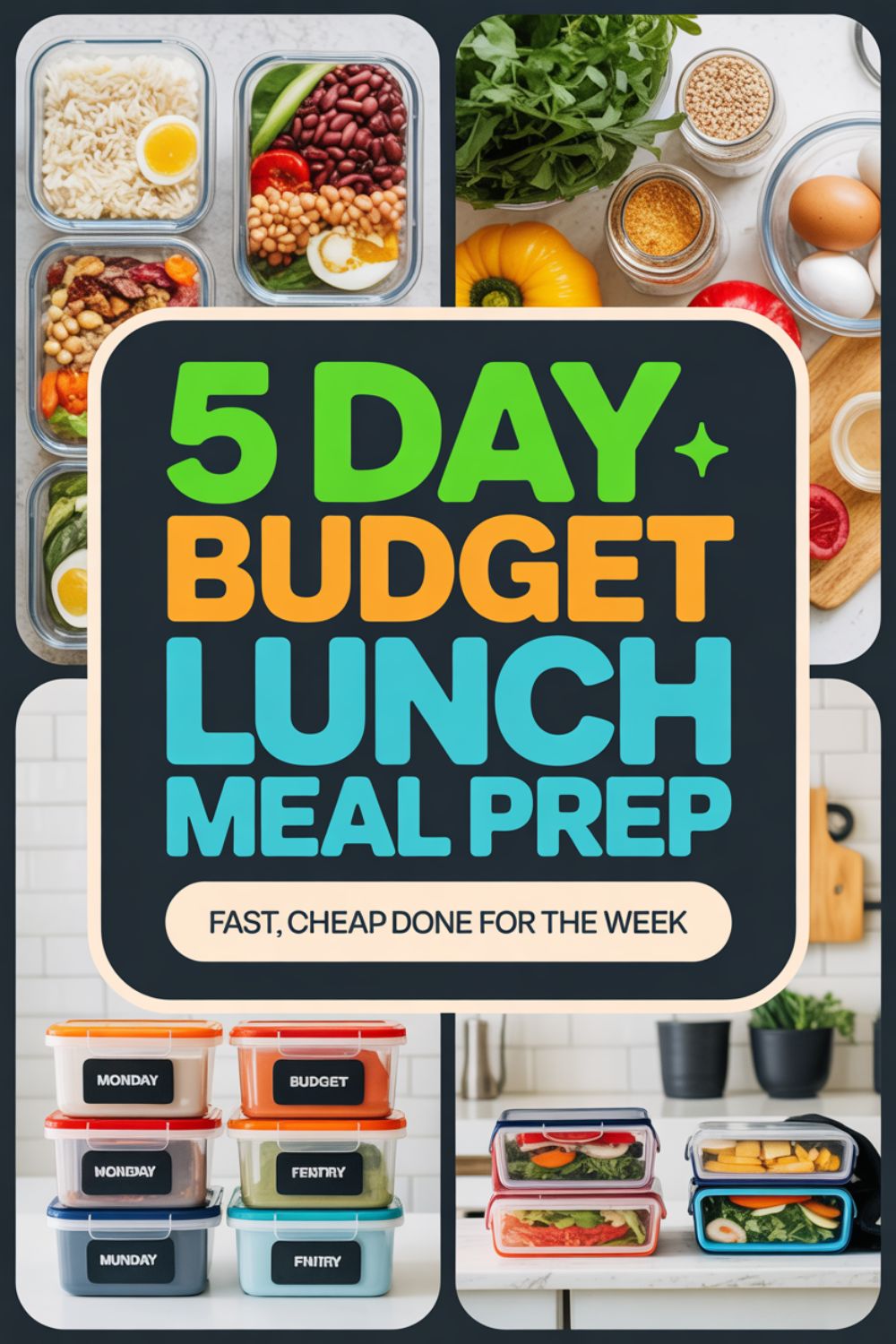
Why Budget Meal Prep Actually Works
Here’s the thing about meal prep that nobody tells you: it’s not really about spending hours in the kitchen. It’s about eliminating decision fatigue and impulse spending. When you’ve got lunch ready to go, you’re not standing in line at that overpriced salad bar or ordering delivery because you “deserve a treat.”
According to research from Harvard’s Nutrition Source, meal planning helps people stick to healthier eating patterns while reducing food costs. When you plan ahead, you buy only what you need, which means less waste and more money staying in your wallet. It’s pretty straightforward math, really.
But beyond the financial benefits, there’s something satisfying about opening your fridge and seeing a week’s worth of meals lined up and ready. It removes that 11:45 AM panic when you realize you forgot to pack lunch again. Plus, when you control what goes into your meals, you’re naturally eating better than most restaurant options—less sodium, more vegetables, and portions that actually make sense.
The CDC’s nutrition guidelines emphasize the importance of consistent, balanced meals throughout the week. Meal prepping makes this realistic instead of aspirational. You’re not trying to make healthy choices five times a week under stress—you’re making them once, when you actually have time to think.
Start your prep session by getting everything cooking that needs the most time. Put rice on to boil, toss veggies in the oven, and season your protein—then use the downtime to chop, portion, and clean as you go.
The Strategy: Building Your Budget Lunch Blueprint
The secret to budget meal prep isn’t buying the cheapest ingredients—it’s buying smart ingredients that work across multiple meals. I’m talking about versatile proteins, sturdy vegetables that won’t turn to mush by Thursday, and grains that reheat like a dream.
You want to aim for what I call the “mix-and-match method.” Cook three to four base components, then combine them differently throughout the week. Same ingredients, different flavors. Monday might be chicken with teriyaki sauce over rice, while Wednesday is the same chicken diced into a salad with a different dressing. Your taste buds stay interested, but your prep time stays minimal.
Your Core Shopping List
Here’s what you’re grabbing at the store, and I promise this won’t break twenty bucks if you shop smart:
- Protein: Chicken thighs (cheaper than breasts and more forgiving), a dozen eggs, or a large can of chickpeas if you’re going plant-based
- Grains: Brown rice or quinoa—buy the biggest bag you can find, it’ll last months
- Vegetables: Sweet potatoes, broccoli, bell peppers, and whatever leafy greens are on sale
- Flavor makers: One jar of salsa, soy sauce, olive oil, garlic, and basic spices you probably already have
The beauty of this list is flexibility. Sweet potatoes on sale? Great. Butternut squash instead? Perfect. Bell peppers looking sad? Grab zucchini. The formula matters more than the exact ingredients, and honestly, that’s where people overcomplicate meal prep. You don’t need seventeen specialty ingredients—you need solid foundations.
The 60-Minute Game Plan
Alright, let’s break down exactly how this hour unfolds. And yes, I’m including cleanup time in this estimate because pretending that doesn’t count is how you end up with a disaster kitchen at 8 PM.
Minutes 0-5: Mise en Place (Fancy Talk for Getting Your Act Together)
Clear your counter space and pull out everything you’ll need: cutting board, good knife, sheet pan, pot for rice, mixing bowls, and your meal prep containers. I’m a big fan of these glass ones that don’t stain or hold smells—worth every penny.
Preheat your oven to 425°F. Fill a medium pot with water for rice and get that heating up on high. Season your chicken thighs with salt, pepper, and whatever spices sound good (I usually go with garlic powder and paprika, but you do you). This is also when you want to rinse your rice if you’re particular about that sort of thing.
Minutes 5-15: Everything Starts Cooking
Toss your chicken thighs on a sheet pan lined with parchment paper. Add your water to the rice pot with a bit of salt, bring it to a boil, then reduce to low and cover. Chop your sweet potatoes into cubes—don’t stress about perfect uniformity, this isn’t culinary school. Toss them with olive oil, salt, and pepper on another sheet pan, or share the pan with your chicken if you’re short on space.
Get both sheet pans in the oven. The chicken will take about 25-30 minutes, sweet potatoes around 25. While those are doing their thing, start prepping your other vegetables. I like to use a vegetable chopper for the broccoli and peppers—makes the job ridiculously fast and all the pieces are roughly the same size.
Don’t waste time washing your cutting board between vegetables. Start with your cleanest items (like bell peppers) and save alliums and raw protein for last. Just scrape off the scraps and keep moving.
Minutes 15-35: Active Cooking and Assembly Prep
Your rice should be simmering away nicely. Check it around the 15-minute mark—if you’re using brown rice, it might need closer to 30 minutes, so adjust accordingly. White rice? You’re looking at 15-18 minutes.
While everything cooks, this is your window for quick-cooking vegetables. Heat a large skillet over medium-high heat with a bit of oil. Throw in your broccoli florets and peppers, season with salt and a splash of water to help them steam. Cover and let them cook for about 5-7 minutes, stirring once halfway through. They should be tender but still have some bite—nobody wants mushy vegetables on day four.
The chicken should be done around minute 30. Use a meat thermometer to check—165°F is your target. Pull everything from the oven and let it rest for a few minutes. This is also when your rice is probably done, so fluff it with a fork and move it off the heat.
Minutes 35-50: Assembly and Flavor Variations
Here’s where it gets fun. You’ve got all your components cooked, now you’re going to portion them out with different flavor profiles so you’re not eating the exact same lunch five times.
Grab your five containers and start building:
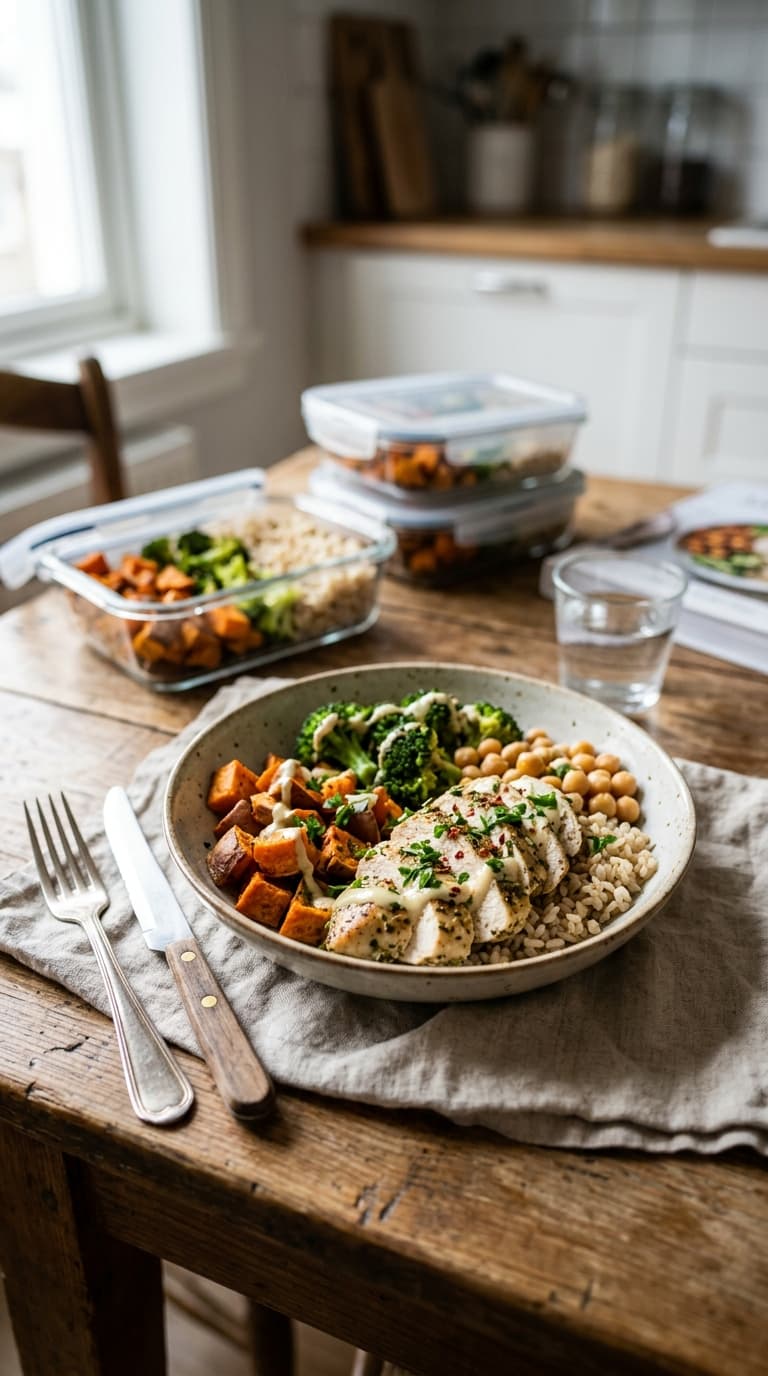
- Container 1: Rice base, sliced chicken, roasted sweet potatoes, drizzle of soy sauce and sriracha
- Container 2: Rice base, shredded chicken mixed with salsa, peppers, a handful of spinach
- Container 3: Mixed greens, diced chicken, roasted veggies, vinaigrette (pack separately if you’re picky about soggy salad)
- Container 4: Rice bowl with chicken, broccoli, and a different sauce—maybe teriyaki or peanut if you have it
- Container 5: Whatever combination you haven’t done yet, or double up on your favorite from the week
The key here is varying your sauces and how you combine ingredients. Same chicken, same rice, but one day it’s a burrito bowl and the next it’s an Asian-style rice bowl. Your brain registers these as different meals, which keeps you from getting bored.
Meal Prep Essentials Used in This Plan
After prepping hundreds of meals, these are the tools and resources that consistently make the process smoother:
- Glass Meal Prep Containers (5-Pack) – Microwave and dishwasher safe, no weird plastic taste
- Instant-Read Meat Thermometer – Takes the guesswork out of cooking chicken perfectly every time
- Silicone Baking Mats – Reusable, non-stick, and they make cleanup a breeze
- Budget Meal Planning Template (Digital Download) – Customizable weekly planner with shopping lists and cost tracking
- 50 Mix-and-Match Lunch Recipes Ebook – Expandable recipe collection using common ingredients
- Meal Prep Masterclass (Video Course) – Step-by-step video tutorials for time-saving techniques
Want to connect with others doing budget meal prep? Join our Meal Prep Community on WhatsApp where we share weekly shopping deals, recipe swaps, and troubleshooting tips.
Minutes 50-60: Clean Up and Storage
Your containers are packed, now tackle the cleanup while everything’s still manageable. Load the dishwasher, wipe down counters, and deal with any pots and pans that need hand washing. I find cleaning as I go keeps this part from feeling overwhelming—by now, you should mostly just have your main cooking vessels to deal with.
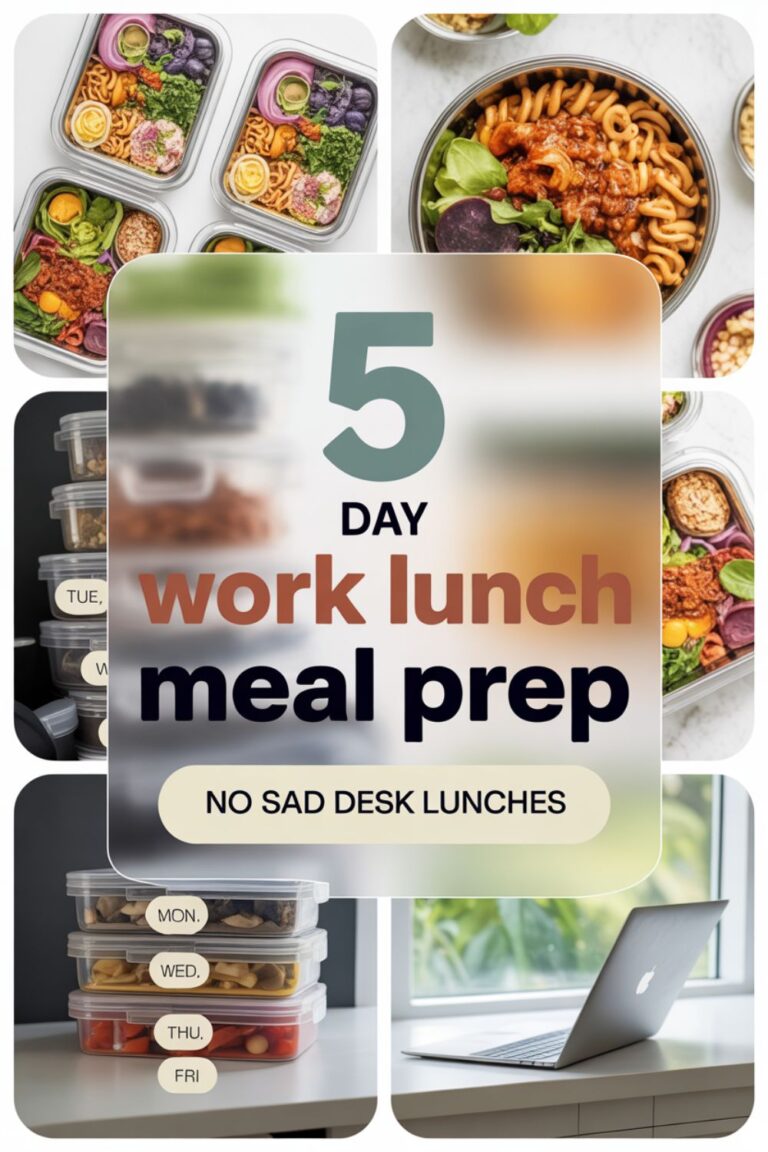
Label your containers with the day of the week if you’re organized like that, or just stack them in the fridge in order. The first two containers go toward the front since those are Monday and Tuesday. Containers three through five can hang out in the back.
If you made extra rice or roasted too many vegetables, store those separately in airtight containers. They’ll be great for quick dinners or you can fold them into next week’s meal prep to save even more time.
Making Your Budget Stretch Further
Here’s where we talk real numbers, because saying “budget meal prep” means nothing if we’re not actually saving money. My target for this week is under four dollars per lunch. That’s twenty bucks total for five solid meals—cheaper than one takeout burrito, let alone five days of eating out.
The economics work because we’re buying ingredients that cost less per serving when purchased in larger quantities. That bag of rice? It’ll last you weeks. The chicken thighs? About two dollars per serving when bought on sale. Sweet potatoes and seasonal vegetables are naturally inexpensive, especially if you’re flexible about varieties based on what’s on sale.
Strategic Shopping Tips Nobody Mentions
Shop the sales circulars before you finalize your meal plan. Chicken thighs on sale this week? Great, that’s your protein. Ground turkey marked down? Swap it in. The flexible framework I laid out earlier means you’re not married to specific ingredients—you’re married to the method.
Buy store brands for your pantry staples. That rice labeled with the fancy packaging costs the same as the store brand, and honestly, once it’s cooked and mixed with other ingredients, you won’t notice a difference. Same goes for canned goods, dried beans, and frozen vegetables.
Consider joining a wholesale club if you consistently meal prep. The upfront membership cost pays for itself quickly when you’re buying basics like olive oil, spices in bulk, and proteins in larger packages that you can divide and freeze. I grab a pack of chicken thighs, portion them into meal-sized amounts, and freeze what I’m not using that week.
Handling the Common Meal Prep Hurdles
Let’s address the elephant in the room: meal prep sounds great until Thursday rolls around and you’re staring at container number four wondering if it’s still good to eat. Or worse, you open Monday’s lunch and realize you made some critical error that’s rendered everything inedible.
The Texture Problem
Some foods just don’t hold up well over several days. Leafy greens get wilted. Crispy things get soggy. Bread-based items turn into sad, compressed versions of themselves. The solution is strategic separation and smart ingredient choices.
Keep your wet ingredients separate from your dry ones as much as possible. Dressings and sauces go in small condiment containers that you add right before eating. If you’re making salads, put the dressing in the bottom of the container, then add heartier vegetables, then greens on top—flip it over when you’re ready to eat.
Focus on vegetables that stay crisp: bell peppers, broccoli, carrots, snap peas. Skip the cucumbers and tomatoes for day-four lunches. Roasted vegetables hold up better than raw in most cases, plus they’re already seasoned and ready to go.
Fighting Flavor Fatigue
This is where people typically fall off the meal prep wagon. You made five identical meals, and by Wednesday, you’re so sick of them you’d rather skip lunch entirely. The mix-and-match approach I mentioned earlier helps, but so does keeping a sauce arsenal in your fridge.
I keep at least three different sauces or flavor boosters ready to go: a basic vinaigrette, something spicy like sriracha mayo, and usually a teriyaki or peanut sauce. Same base ingredients, completely different flavor profile depending on what you drizzle on top. Takes thirty seconds to transform your meal from boring to interesting.
Freeze half your batch if you’re meal prepping for just yourself. Two days of the same lunch feels like variety; five days feels like punishment. Freeze containers three through five and save them for a week when you’re too busy to prep.
The Reheating Reality
Not all foods reheat equally. Rice can dry out, chicken can get rubbery, and vegetables can turn to mush if you’re not careful. The fix is simple but makes a huge difference: add a tablespoon of water to your container before microwaving and don’t blast it on high heat for too long.
I usually microwave on 70% power for two minutes, stir, then another minute if needed. This gentle reheating keeps proteins from getting tough and helps everything heat evenly. If your workplace has an oven or toaster oven, even better—350°F for 15 minutes beats the microwave any day for texture.
Some meals are actually better cold or room temperature. That salad bowl you packed? Perfect as-is. The rice bowl with veggies? Try it cold with a squeeze of lime—it’s essentially a grain salad at that point and totally works.
Tools & Resources That Make Cooking Easier
These aren’t must-haves, but they’ve genuinely changed how smoothly my meal prep goes:
- Multi-Function Kitchen Timer – Track multiple cooking times simultaneously without stress
- Vegetable Chopper – Cuts vegetable prep time in half, uniform pieces cook evenly
- Meal Prep Backpack – Insulated bag that keeps lunches cold until you’re ready to refrigerate at work
- Freezer Meal Prep Guide (PDF) – Complete guide to freezing and thawing your prepped meals safely
- Budget Grocery Shopping Tracker (Spreadsheet) – Track spending patterns and find your best savings opportunities
- Kitchen Efficiency Checklist (Digital Download) – Streamline your prep process with tested workflow strategies
Connect with budget-conscious meal preppers in our Budget Cooking WhatsApp Group for weekly deals, money-saving swaps, and accountability partners.
Scaling This Plan for Different Needs
Maybe you’re prepping for just yourself, or maybe you’re feeding a family of four. The beautiful thing about this method is it scales in both directions without getting exponentially harder.
Solo Prepping
If you’re cooking for one, you’ve got options. Either prep five days of lunches like we’ve outlined, or do what I mentioned earlier and freeze half. Make a double batch of rice—it freezes beautifully—and you’ve got a head start on next week with zero extra effort.
You can also split your protein prep between lunch and dinner. That pound of chicken thighs? Use half for lunches, marinate the other half differently for quick weeknight dinners. Same shopping trip, same cooking session, double the meal coverage.
Family-Sized Prepping
Feeding multiple people just means multiplying ingredients and maybe using bigger pots. The method stays the same, the quantities just change. Instead of one sheet pan of chicken, you’re doing two. Instead of a medium pot of rice, you’re using your big one.
The time doesn’t double, though—that’s the magic of batch cooking. Going from one chicken thigh to eight doesn’t take eight times longer. They all fit on the same sheet pan and cook at the same time. You’re still looking at an hour, maybe seventy minutes if things take longer to come to temperature.
For families with picky eaters, the mix-and-match approach becomes even more valuable. Build each person’s container based on their preferences using the same base ingredients. One kid gets chicken and rice with plain vegetables, the other gets everything mixed together with sauce. Same prep work, customized results.
What About Protein Alternatives?
Not everyone eats chicken, and that’s fine—this whole system works just as well with other proteins. Let’s talk swaps that keep the timing and budget in check.
Plant-Based Options
Chickpeas are your best friend here. A large can costs about a dollar, maybe less on sale. Drain, rinse, toss with olive oil and your favorite spices, then roast them at 400°F for 25-30 minutes until crispy. They work in basically every application the chicken does—grain bowls, salads, or on their own as a crunchy snack.
Tofu is another solid choice if you handle it right. The key is pressing out the water (wrap it in paper towels, stick something heavy on top for 15 minutes) and then baking it with a little oil and seasoning. Firm or extra-firm tofu works best for meal prep since it holds its shape through the week.
Research from the Harvard School of Public Health shows that plant-based proteins can provide all the essential amino acids when you eat a variety throughout the day. The combination of chickpeas with rice, for example, gives you a complete protein profile without needing any animal products.
Other Meat Options
Ground turkey or ground beef work great if they’re on sale. Brown the meat, season it well, and portion it out just like you would the chicken. Ground meats are actually easier in some ways since there’s no chopping or slicing needed after cooking.
Pork tenderloin occasionally goes on sale and it’s criminally underrated for meal prep. Roast it whole, slice it up after cooking, and you’ve got a lean protein that reheats beautifully. Plus it pairs well with both Asian and Mexican flavor profiles, so your mix-and-match options stay wide open.
Whatever protein you choose, just make sure it’s something you genuinely like eating. The fanciest meal prep strategy in the world won’t help if you can’t stand the taste of what you made. Life’s too short for sad lunches.
Seasonal Swaps and Flexibility
The vegetables I’ve listed work year-round, but the reality is that produce prices fluctuate wildly based on season and region. In July, tomatoes and zucchini are dirt cheap. In December, root vegetables and winter squash are your bargain options. Building flexibility into your meal prep mindset saves money and keeps things interesting.
Summer Swaps
When it’s hot and everything’s in season, you can lean heavier on raw vegetables and lighter meals. Swap roasted sweet potatoes for fresh corn off the cob. Trade broccoli for crisp snap peas or cucumbers (add these to your containers day-of to avoid sogginess). Cherry tomatoes are dirt cheap in summer and add a burst of freshness to grain bowls.
Consider adding more cold grain salads to your rotation when temperatures spike. Cold quinoa with diced vegetables, feta cheese, and a lemon vinaigrette needs no reheating and tastes better after sitting for a day or two as flavors meld together.
Winter Swaps
Cold weather is when hearty, warming lunches shine. Swap bell peppers for roasted Brussels sprouts or cauliflower. Trade sweet potatoes for butternut squash or regular potatoes. Everything roasts beautifully and holds up well through the week.
Winter is also when soups and stews make sense for meal prep. While this guide focused on composed meals, a big batch of chicken and vegetable soup costs almost nothing to make, freezes perfectly, and checks every box for budget-friendly meal prep. Just portion it into individual servings and reheat as needed.
Handling Food Safety Like an Adult
Nobody wants to talk about food safety until they’ve experienced food poisoning, and trust me, you don’t want to learn this lesson the hard way. The CDC reports that proper food handling and storage prevents most foodborne illnesses, and meal prep requires just a few basic practices to stay safe.
Cooling and Storage Rules
Don’t put hot food directly into sealed containers and immediately into the fridge—this creates a warm, moist environment that bacteria love. Let your cooked food cool on the counter for about 20-30 minutes, then portion and refrigerate. If you’re in a hurry, spread hot food on a cooling rack to speed things up.
Once food hits the fridge, it needs to stay below 40°F. Most meals are good for 4-5 days in the fridge, which is why we’re doing a five-day prep. If your fridge runs warm or your workplace refrigerator is sketchy, consider freezing anything you won’t eat within three days and defrosting as needed.
Reheating Safely
Reheat food to 165°F, especially if it contains meat. Most microwaves won’t get things hot enough to kill bacteria if you’re just zapping it for sixty seconds. That’s why I recommended lower power for longer time—it heats things through properly instead of creating hot spots surrounded by lukewarm food.
If something smells off or looks questionable, throw it out. Your health isn’t worth the three dollars of ingredients you’ll lose. Trust your instincts—if you’re not sure, don’t eat it.
The Mental Game of Meal Prep
Here’s what nobody tells you about meal prep: the hardest part isn’t the cooking or the shopping or the cleanup. It’s the mental commitment to actually eating what you made instead of giving in to the siren song of convenience food.
You’ll have days when you don’t want to eat the lunch you packed. Maybe you’re craving something specific, or your coworkers are ordering takeout, or you just feel like you “deserve” something different. That’s normal. The trick is building in enough variety and quality that you genuinely look forward to your prepped meals most of the time.
Making Peace with Imperfection
Some weeks, you’ll nail it. Everything will taste great, your portions will be perfect, and you’ll feel like a meal prep genius. Other weeks, you’ll overcook the chicken, forget to pack a fork, or realize on Tuesday that you somehow made five versions of the same bland meal.
That’s fine. You’re still eating homemade food that cost a fraction of takeout. You’re still saving time and money. You’re still learning what works for your preferences and schedule. Perfect is the enemy of good, and good is more than enough when we’re talking about weekday lunches.
The goal isn’t to become some Instagram-worthy meal prep influencer with matching containers and color-coordinated vegetables. The goal is having reliable, decent food ready when you need it, without breaking the bank or losing your mind. That’s success.
Build in a “wild card” meal once a week where you either use up leftovers creatively or let yourself order something different. Having that pressure valve keeps meal prep from feeling like a prison sentence.
Beyond the Basic Five-Day Plan
Once you’ve nailed this basic framework, you can start expanding. Maybe you do a two-week rotation where you prep differently each Sunday to keep things fresh. Or you split your prep across two shorter sessions if one hour feels rushed.
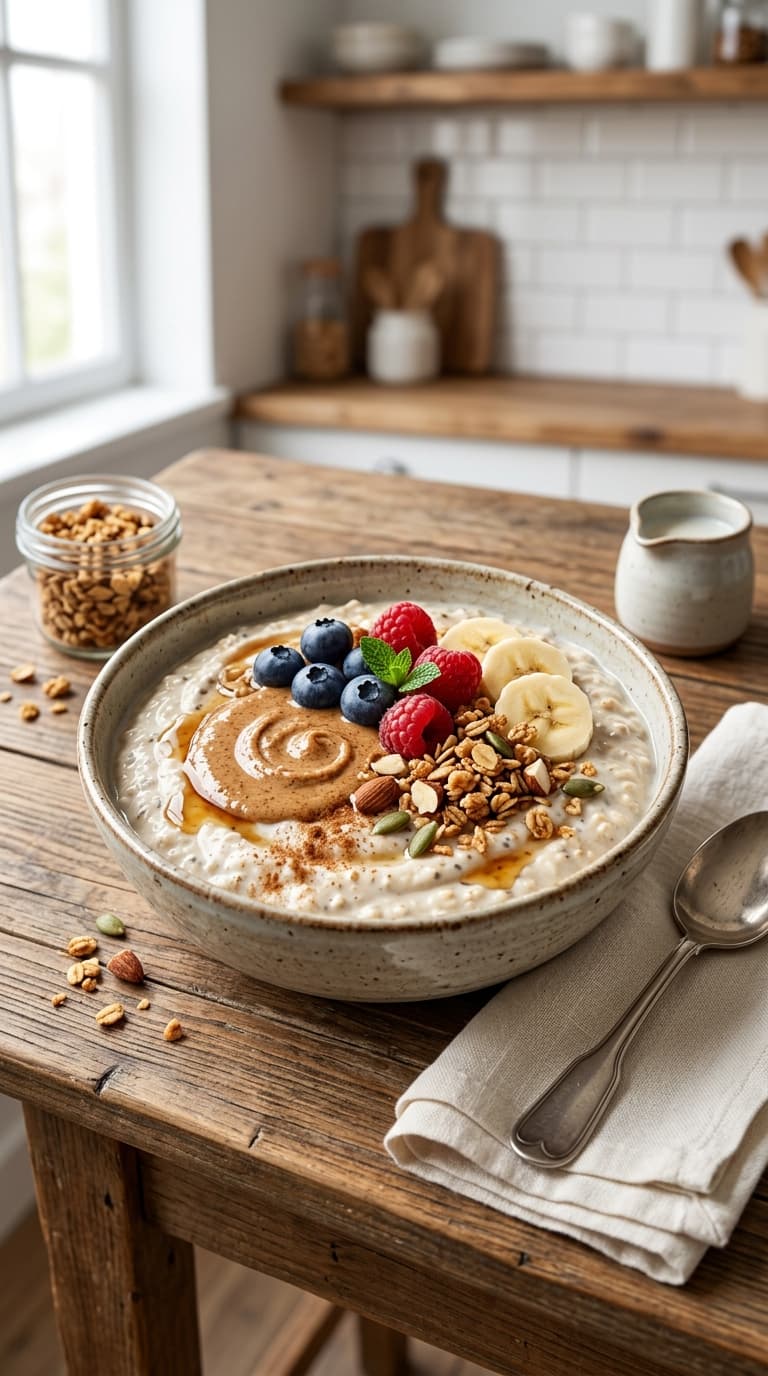
Some people love prepping breakfasts and lunches together. Overnight oats take about ten minutes to throw together for the whole week—just mix oats, milk, and toppings in jars and refrigerate. Get Full Recipe for our favorite overnight oats combinations. Add that to your Sunday session and suddenly you’ve got both breakfast and lunch handled.
Or scale up and make freezer meals for busy weeknight dinners alongside your lunch prep. Marinate extra chicken, portion it into freezer bags with vegetables, and you’ve got dump-and-bake meals ready to go when you don’t feel like cooking. The principles stay the same—batch cooking, strategic shopping, and smart storage.
Frequently Asked Questions
How long does meal-prepped food actually stay fresh?
Most cooked meals stay fresh in the fridge for 4-5 days when stored properly in airtight containers. If you’re worried about freshness, prep three days worth and freeze the other two—they’ll reheat just fine and you’ll have variety built in naturally. Always check for any off smells or changes in texture before eating.
Can I meal prep if I don’t have much fridge space?
Absolutely—just adjust your strategy. Prep three days at a time instead of five, or use your freezer more strategically for anything beyond day three. You can also focus on shelf-stable components like grains and canned proteins, then add fresh elements right before eating.
What if I get sick of eating the same thing by day three?
That’s where sauce variety saves you. Keep 3-4 different sauces or dressings on hand and change them up daily—same ingredients, completely different flavor profiles. You can also prep smaller quantities of two different meal types instead of one large batch.
Do I really need special meal prep containers?
Honestly? No. Any airtight container works fine—even cleaned-out takeout containers if that’s what you’ve got. That said, good glass containers last forever, don’t stain or smell weird, and make reheating easier since they’re microwave-safe. If you prep regularly, they’re worth the investment.
How much money does this actually save compared to buying lunch?
If you’re spending eight to twelve dollars on takeout lunch daily, that’s forty to sixty dollars per week. This meal prep costs around twenty dollars total for five lunches—you’re saving at least twenty to forty dollars weekly. That’s over a thousand dollars a year just on lunch. The math gets even better if you were buying breakfast out too.
Your Week Starts Sunday
Look, at this point you know everything you need to know. You’ve got the shopping list, the timeline, the strategies for dealing with common problems. The only thing standing between you and five decent lunches is actually doing it.
Will your first week be perfect? Probably not. Mine certainly wasn’t. I overcooked everything, underseasoned half of it, and learned the hard way that some containers leak when you pack them wrong. But I also saved probably thirty bucks that week and didn’t have to make a single lunch decision when I was already running late for work.
The second week was better. The third week, I started experimenting with different sauces. By week four, I wasn’t even thinking about it anymore—it just became part of the Sunday routine, like doing laundry or grocery shopping. One hour of focus, five days of payoff.
You don’t need fancy equipment or gourmet ingredients. You don’t need to be a great cook or have unlimited time. You just need to commit one hour on Sunday and see if this works for you. Maybe it will, maybe it won’t—but you won’t know until you actually try it instead of just reading about it.
So grab your shopping list, clear your counter space, and get after it. Your future self—the one staring into an empty fridge on Wednesday wondering what to eat—will thank you.