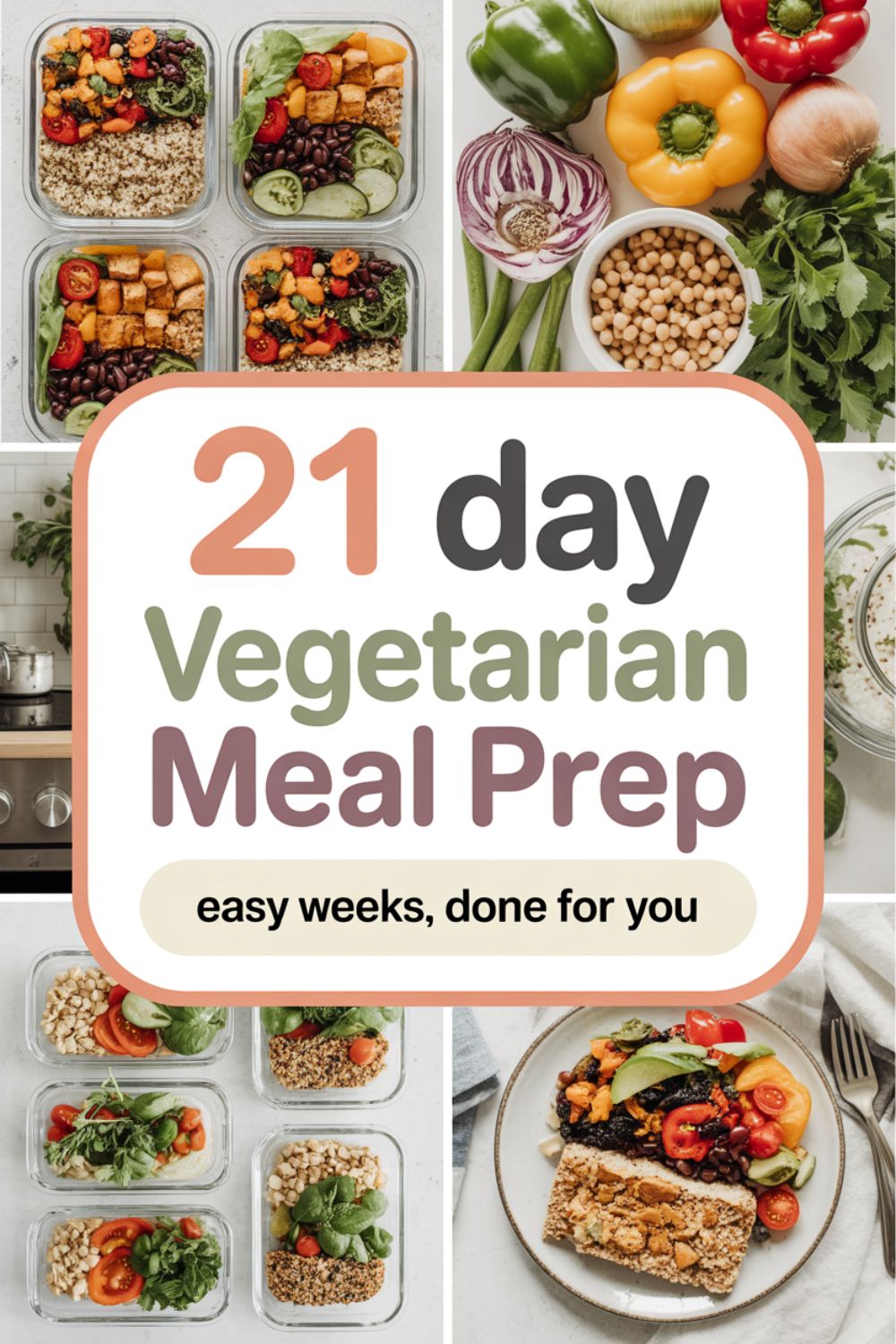
21-Day Vegetarian Meal Prep for Easy Weeks
Why Three Weeks Is the Sweet Spot
Twenty-one days isn’t random—it’s strategic. Most folks claim it takes 21 days to build a habit, though honestly, the science on that is shakier than my first attempt at homemade tofu. But what I’ve found is that three weeks gives you enough variety to avoid the dreaded “not this again” feeling while keeping things manageable.
You’re not committing to some militant meal plan that requires you to eat the exact same chickpea salad for six months straight. Instead, you’re rotating through different flavor profiles and ingredients, which keeps your taste buds interested and your grocery bill reasonable. Plus, according to Mayo Clinic research on vegetarian diets, eating a diverse range of plant-based foods ensures you’re hitting all your nutritional bases without overthinking it.
The beauty of the 21-day cycle is simple: Week one introduces you to the basics, week two builds on those skills, and week three lets you experiment without the pressure of being perfect. By the end, you’ll have a rotation of recipes you actually want to make again.
Prep your vegetables on Sunday night, and you’ll thank yourself all week. Seriously, future you is already grateful.
Week One: Building Your Foundation
First week is all about getting comfortable with the basics. We’re talking simple, foolproof recipes that won’t have you stress-sweating over whether you julienned your carrots correctly. Spoiler alert: nobody cares about your julienne technique when you’re just trying to eat lunch.
Monday Through Wednesday: The Grain Bowl Era
Start with grain bowls because they’re idiot-proof and infinitely customizable. Cook a massive batch of quinoa or brown rice—I’m talking like 4 cups of uncooked grains here. While that’s bubbling away, roast whatever vegetables looked good at the store. Broccoli, sweet potatoes, bell peppers, Brussels sprouts—just toss them with olive oil, salt, and pepper.
Here’s where people mess up: they overthink the sauce. A simple tahini dressing (tahini, lemon juice, garlic, water) takes about 90 seconds to make and works on literally everything. I keep mine in one of these squeeze bottles because pouring from a jar is for people with more patience than me.
For protein, chickpeas are your best friend. Drain, rinse, toss with cumin and paprika, roast until crispy. Done. Get Full Recipe if you want the exact temperatures and timing, but honestly, 425°F for 25 minutes works 90% of the time.
Speaking of grain bowls, if you’re looking for more inspiration, check out these variations: Mediterranean Quinoa Power Bowl or this Spicy Thai Peanut Bowl that’s been on repeat in my kitchen lately.
Thursday and Friday: Enter the Wrap
By Thursday, you’re probably side-eyeing those grain bowls. Time to switch it up with wraps. Same components, different delivery system. Whole wheat tortillas, hummus as your base layer, then pile on the roasted veggies and greens.
The secret to wraps that don’t fall apart? Less is more. I know it’s tempting to stuff them like you’re preparing for hibernation, but restraint is key. Also, these beeswax wraps keep everything fresh without the plastic waste guilt trip.
Week Two: Leveling Up Your Game
Congratulations, you survived week one without ordering takeout every night. Now we’re adding some complexity, but not the “you need culinary school” kind—just enough to keep things interesting.
The Sheet Pan Revolution
Sheet pan dinners are where meal prep gets legitimately exciting. One pan, minimal dishes, maximum flavor. My go-to combo: halved sweet potatoes, chickpeas, red onion, and whatever green vegetable is threatening to go bad in your crisper drawer.
Season everything with a mix of cumin, coriander, and smoked paprika—basically the holy trinity of making vegetables taste like you know what you’re doing. Roast at 425°F for about 35-40 minutes, and boom, you’ve got lunches for days.
I use this silicone baking mat on everything short of cereal bowls. Zero sticking, zero scrubbing, and it’s lasted me three years of aggressive meal prepping.
The sheet pan method works because it’s adaptable. Don’t like chickpeas? Use white beans. Sweet potatoes not your thing? Try butternut squash. The formula stays the same: starch + protein + veggies + bold seasoning. Get Full Recipe for my favorite combination that never gets old.
Double your sheet pan batches and freeze half. Your future self will worship you when Wednesday rolls around.
Soup Season Is Every Season
Here’s an unpopular opinion: soup is underrated in the meal prep world. Everyone’s out here making fancy Buddha bowls while soup quietly does all the heavy lifting. A big pot of lentil soup or vegetable minestrone gives you at least five servings, freezes beautifully, and actually tastes better after a day or two.
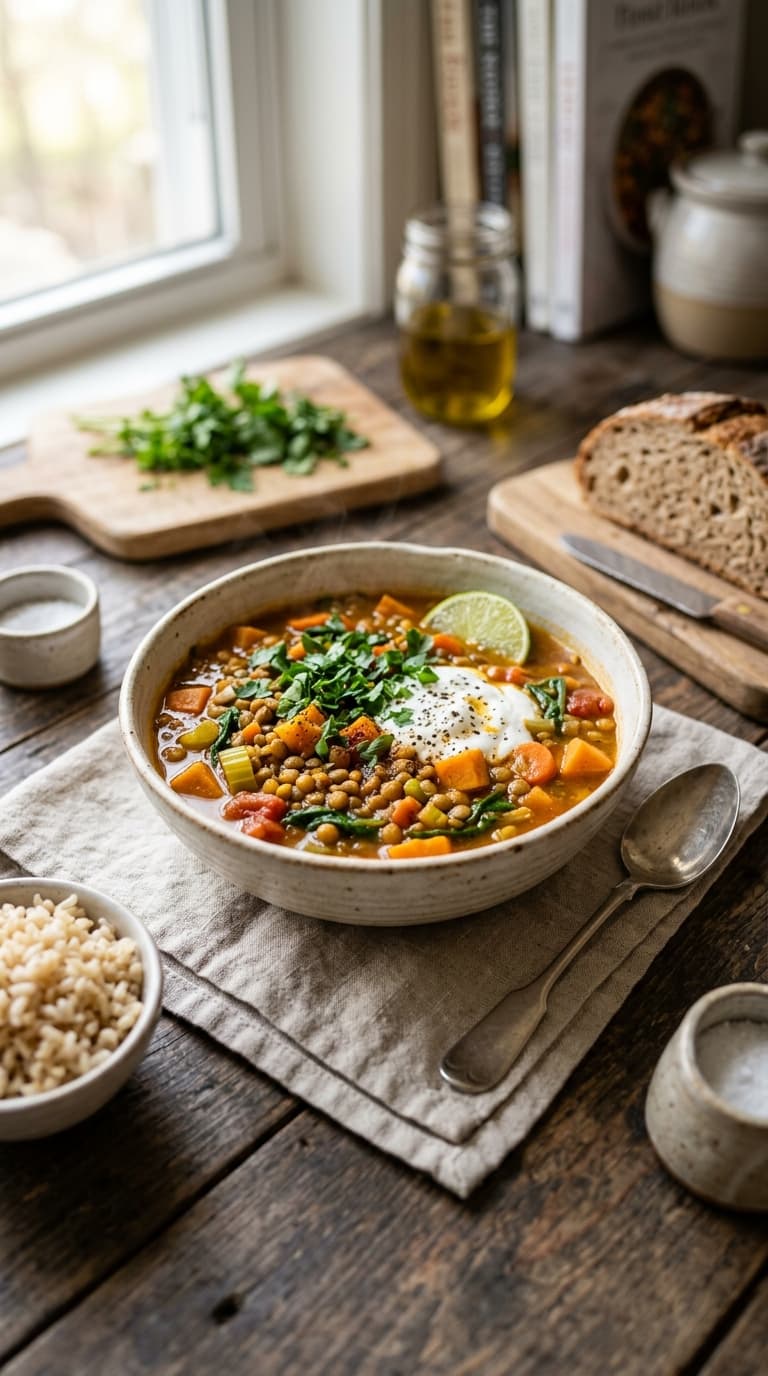
My favorite is a simple red lentil soup with coconut milk. Sauté onions and garlic, add curry powder, throw in red lentils, vegetable broth, and a can of coconut milk. Simmer for 25 minutes. That’s it. That’s the whole recipe. Store it in these wide-mouth mason jars and you can reheat directly from frozen.
Research from Mayo Clinic’s vegetarian meal planning resources shows that incorporating legume-based soups into your diet helps with satiety and provides that hunger-busting protein mix we’re all chasing.
If you’re into soups (and you should be), try these crowd-pleasers: Creamy Tomato Basil Soup, Loaded Minestrone, or this Thai Coconut Curry Soup that converted my soup-hating husband.
Week Three: Mix and Match Mastery
By week three, you’re not following a rigid plan anymore—you’re freestyling. You understand the building blocks, and now it’s about mixing them up to keep your meals interesting without starting from scratch every time.
The Modular Approach
Here’s where vegetarian meal prep gets genuinely smart. Instead of prepping complete meals, you prep components. Cook three different grains (quinoa, brown rice, farro), roast three types of vegetables with different seasonings, and prepare two protein sources (maybe baked tofu and marinated tempeh).
Throughout the week, you mix and match these components based on what sounds good. Monday might be farro with roasted Brussels sprouts and teriyaki tofu. Wednesday could be quinoa with curry-spiced vegetables and crispy chickpeas. Same effort, way more variety.
For the tofu skeptics out there, I get it. Tofu can be… problematic. But properly pressed tofu that’s been marinated and baked? Game changer. Get Full Recipe for my foolproof crispy tofu method that even tofu haters approve of.
The key to making tofu not taste like sadness is pressing out the water. You can use a fancy tofu press, or do what I did for years and just stack some heavy books on it. Works equally well, costs nothing.
Breakfast Prep That Doesn’t Suck
Let’s talk breakfast because meal prep can’t just be about lunch and dinner. Overnight oats are the obvious answer, but they’re obvious for a reason—they work. Make five jars on Sunday, grab one each morning, and you’ve eliminated the “I’ll just skip breakfast” excuse that leads to rage-eating vending machine snacks by 10 AM.
My base formula: rolled oats, chia seeds, plant milk, maple syrup, and whatever fruit won’t judge you for forgetting about it in the fridge. Top with nuts for crunch. Store in these mason jars with lids because regular containers leak and create chaos in your bag.
If oats aren’t your thing, try savory breakfast bowls. Quinoa with sautéed spinach, avocado, and a runny egg (if you’re lacto-ovo) is basically breakfast for people who think morning should taste like actual food, not dessert.
Meal Prep Essentials Used in This Plan
Glass Meal Prep Containers (Set of 10)
Microwave-safe, stackable, and actually seal properly. Game-changer for keeping roasted vegetables fresh without that weird plastic smell.
High-Speed Blender
For smoothies, soups, and sauces. The difference between a cheap blender and a good one is the difference between chunks and smooth.
Sheet Pan Set (3-Pack)
Heavy-duty, won’t warp in high heat. Essential for those bulk roasting sessions that make meal prep actually work.
21-Day Vegetarian Meal Plan PDF
Complete shopping lists, prep schedules, and recipes. No guesswork, just follow the plan.
Macro-Balanced Recipe Database
Over 200 vegetarian recipes with full nutritional breakdowns. Perfect for those tracking specific goals.
Meal Prep Mastery Course
Video tutorials on knife skills, batch cooking techniques, and storage hacks. Learn from someone who’s made all the mistakes already.
The Protein Question Nobody Asked But Everyone Wonders
Let’s address the elephant in the room—or rather, the lack of chicken in the meal prep container. “But where do you get your protein?” is the vegetarian battle cry we’ve all heard a thousand times.
Here’s the deal: if you’re eating a variety of whole foods, you’re probably fine. Lentils, chickpeas, black beans, quinoa, tofu, tempeh, nuts, seeds—they all pack protein. A cup of cooked lentils has about 18 grams of protein. That’s more than some chicken breasts I’ve seen.
According to Mayo Clinic’s plant-based diet experts, most people dramatically overestimate how much protein they actually need. Unless you’re training for a bodybuilding competition, your protein needs are probably lower than the internet has convinced you they are.
That said, if you’re worried about it, just be intentional. Add hemp seeds to your oatmeal (3 grams per tablespoon). Toss some pumpkin seeds on your salad. Make your grain bowls with quinoa instead of rice. Small tweaks, significant impact.
For protein-packed meal ideas, check out High-Protein Lentil Curry or Tempeh Teriyaki Bowls—both deliver over 20g protein per serving.
Storage and Reheating Without Creating Culinary Disasters
You can meal prep like a champion, but if your storage game is weak, you’ll end up with soggy sadness by Wednesday. Glass containers are non-negotiable for me after too many incidents with warped plastic and mysterious staining.
Keep wet ingredients separate from crispy ones until you’re ready to eat. That means dressings in small containers, greens in one section, warm grains in another. These compartmented containers make this stupidly easy and prevent the dreaded everything-tastes-the-same phenomenon.
The Freezer Is Your Friend
Seriously, use your freezer. Most soups, grain dishes, and even some roasted vegetables freeze beautifully. Label everything with the date because two months from now, you won’t remember if that’s marinara sauce or red curry, and the consequences of guessing wrong are real.
I use these freezer-safe silicone bags for everything. They’re reusable, dishwasher safe, and you can write on them with dry erase markers. Plus, they lie flat, which means you’re not playing freezer Tetris every time you add something new.
Freeze liquids (soups, sauces) in muffin tins first, then pop them into bags. Instant portion control without the guessing game.
Reheating 101
Microwave gets a bad rap, but it’s perfectly fine for most things. Add a splash of water or broth to grains before reheating to prevent them from turning into hockey pucks. For roasted vegetables, I actually prefer reheating them in a skillet for a few minutes to crisp them back up.
Soups and stews? Stovetop all the way. The microwave makes them weirdly volcanic, with that thing where the middle is still frozen but the edges are lava-hot. Nobody has time for that nonsense.
When Meal Prep Goes Wrong (And How to Salvage It)
Let’s be real—sometimes you prep a bunch of food that sounded amazing on Sunday but tastes like cardboard by Thursday. It happens. The difference between quitting and adapting is knowing a few rescue techniques.
The Sauce Saves Everything
Boring grain bowl? Drizzle some tahini dressing or peanut sauce on it. Bland soup? Finish it with a squeeze of lemon and fresh herbs. Meh roasted vegetables? Toss them with some balsamic glaze or hot sauce.
I keep what I call my “emergency flavor arsenal” in the fridge: tahini, miso paste, good hot sauce, fresh herbs, and lemons. These five things can rescue almost any mediocre meal. Mix tahini with miso and a little water—instant umami bomb. Lemon juice and fresh cilantro can make even the saddest chickpeas taste intentional.
The Pivot Strategy
Sometimes your meal prep just needs a complete makeover. That grain bowl that’s not hitting right? Stuff it into a whole wheat tortilla and call it a burrito. Leftover roasted vegetables? Blend them into a soup. Excess cooked quinoa? Mix with beaten eggs and pan-fry into quinoa patties.
The best meal preppers aren’t the ones who never have failures—they’re the ones who can improvise when something doesn’t go according to plan. Get Full Recipe for my famous “clean out the fridge” fried rice that uses literally whatever vegetables you have lying around.
Tools & Resources That Make Cooking Easier
Digital Kitchen Scale
For portion control and recipe scaling. Takes the guesswork out of “how much is a serving anyway?”
Instant Pot
Controversial take: it’s worth it. Beans from dried to cooked in 30 minutes. Brown rice in 22 minutes. It’s basically a time machine.
Good Chef’s Knife
Stop torturing yourself with dull knives. One quality knife will halve your prep time and make vegetables less of a chore.
Weekly Meal Planning Template
Printable PDF with space for meals, shopping lists, and prep schedules. Keeps everything organized without requiring a project management degree.
Seasonal Produce Guide
Know what’s actually in season and what’s been sitting in cold storage for six months. Better flavor, better price, better for everyone.
WhatsApp Meal Prep Community
Join our community of real people sharing their wins, failures, and recipe tweaks. Way more helpful than scrolling Instagram for “inspiration.”
Budget-Friendly Strategies (Because Organic Kale Isn’t Free)
Vegetarian eating gets marketed as this expensive, bougie lifestyle, but it doesn’t have to be. In fact, done right, it’s significantly cheaper than buying meat every week. The trick is knowing where to splurge and where to save.
Buy these things organic: leafy greens, berries, anything with a thin skin you eat. Save money on these: avocados, bananas, anything with a thick peel you don’t eat. The “Dirty Dozen” and “Clean Fifteen” lists exist for a reason—use them.
Bulk Buying Without Commitment Issues
Grains, legumes, nuts, and seeds are all cheaper in bulk. But here’s the catch—don’t buy 5 pounds of something you’ve never tried before. Buy small amounts first, and once you know you’ll actually eat it, then commit to the bulk size.
I store everything in these airtight containers because moths are real and they will absolutely take over your pantry given half a chance. Label everything with the purchase date because you will not remember when you bought that bag of millet.
Frozen vegetables are your secret weapon. They’re picked at peak ripeness, often more nutritious than “fresh” produce that’s been traveling for weeks, and they never go bad before you use them. No judgment here—frozen spinach, peas, and edamame are pantry staples in my house.
Making It Work With Real Life
The internet is full of meal prep influencers who seemingly have infinite time, pristine kitchens, and no other responsibilities. That’s not real life. Real life has meetings, kids, unexpected crises, and days where you can barely manage to brush your teeth, let alone chop vegetables.
The Flexible Framework
This 21-day plan isn’t a prison sentence. Some weeks you’ll nail every prep session. Other weeks you’ll do the bare minimum and supplement with store-bought hummus and pre-washed salad. Both are fine. The goal isn’t perfection; it’s consistency over time.
If Sunday doesn’t work for prep, pick another day. If you can only prep three days of meals instead of five, that’s still three days you’re not scrambling. Something is always better than nothing, and anyone who makes you feel otherwise is selling something.
The “Good Enough” Principle
Your meal prep doesn’t need to look Instagram-worthy. It doesn’t need to be organized by color. It doesn’t even need to taste amazing every single time. It just needs to be edible, relatively nutritious, and ready when you need it.
I’ve had weeks where my “meal prep” was literally just cooking a giant pot of beans and roasting whatever vegetables were on sale. Paired with store-bought tortillas and salsa, that’s still a solid meal that didn’t require me to order $30 worth of Thai food at 9 PM on a Tuesday.
For those crazy-busy weeks, these minimal-effort recipes are lifesavers: 5-Ingredient Buddha Bowl, 10-Minute Chickpea Wraps, and Dump-and-Go Slow Cooker Chili.
The Environmental Side Nobody Talks About
Here’s something that doesn’t get mentioned enough in meal prep circles: planning your meals and cooking at home dramatically reduces food waste. The average American throws away about 40% of the food they buy. That’s not just wasteful—it’s expensive and environmentally disastrous.
When you meal prep, you buy what you need, use what you buy, and waste significantly less. Plus, eating more plant-based meals has a lower environmental impact than meat-heavy diets. Not trying to preach here, but if you care about that sort of thing (and honestly, we all should), it’s worth mentioning.
Vegetarian diets have been linked to reduced environmental footprints, as noted in research on plant-based eating patterns. Whether that motivates you or not is your business, but it’s a nice side effect of trying to eat healthier.
Beyond Week Three: Building Long-Term Habits
So you’ve made it through 21 days. Now what? The goal isn’t to meal prep forever in this exact format—it’s to develop systems that work for your life long-term.
Maybe you realize you hate grain bowls but love soups. Cool, make that your thing. Maybe wraps are your jam and you want to meal prep five different wrap variations every week. Do it. The 21-day plan is training wheels, not the final destination.
Mix Commercial and Homemade
There’s no medal for making everything from scratch. Buy pre-chopped vegetables if it means you’ll actually cook. Use canned beans instead of dried if soaking overnight feels like too much commitment. Get pre-made sauces and dressings if that’s what keeps you from ordering takeout.
The “from scratch” police can take several seats. The best meal prep strategy is the one you’ll actually follow, not the one that looks most impressive on social media. FYI, even professional chefs use shortcuts at home.
Frequently Asked Questions
How long does meal-prepped food actually last in the fridge?
Most cooked vegetables and grains will stay fresh for 4-5 days when properly stored in airtight containers. Soups and stews often last even longer—up to a week. If you’re prepping for longer than that, freeze portions instead of refrigerating them. Trust your nose—if it smells off, it probably is.
Can I meal prep if I don’t have a lot of time on weekends?
Absolutely. Break it into smaller chunks throughout the week, or focus on just prepping components (cooked grains, chopped vegetables) rather than complete meals. Even 30 minutes of prep work will save you time during busy weeknights. The key is finding a rhythm that actually fits your schedule.
Won’t I get bored eating the same things all week?
Not if you prep components instead of complete meals. Cook different grains, roast vegetables with varying spices, and keep several sauces on hand. You can mix and match throughout the week to create different flavor combinations. Think of it like having a meal prep buffet in your fridge.
Is vegetarian meal prep cheaper than eating meat?
Generally, yes. Beans, lentils, and grains are significantly cheaper than meat, especially organic or quality meat. Where costs can creep up is if you’re buying lots of specialty vegan products or out-of-season produce. Stick to basics and seasonal vegetables, and your grocery bill will likely drop.
Do I need fancy equipment to meal prep successfully?
Not really. Good storage containers, a decent knife, and basic pots and pans will get you 90% of the way there. A food processor or blender makes some tasks easier, but they’re not essential. Start with what you have and upgrade as you figure out what you’ll actually use.
The Bottom Line on 21-Day Vegetarian Meal Prep
Look, meal prep isn’t going to solve all your problems. Your kitchen isn’t going to transform into a magazine spread, and you won’t suddenly become someone who wakes up at 5 AM excited to eat overnight oats. But it will make your life measurably easier.
After 21 days, you’ll have developed some muscle memory around cooking techniques, you’ll know which recipes you actually like versus which ones just looked good on Pinterest, and you’ll have a system that works for your specific life circumstances. That’s worth way more than any perfect Instagram grid.
The vegetarian meal prep journey isn’t about restriction or perfection—it’s about finding a sustainable way to feed yourself nutritious food without losing your mind in the process. Some weeks will be better than others. Some batches will be amazing, others will be merely edible. All of it counts.
Start small, be patient with yourself, and remember that literally everyone who’s good at meal prep started out burning quinoa and over-salting their roasted vegetables. You’re not behind; you’re just beginning. Now go forth and prep like the organized human you’re pretending to be.