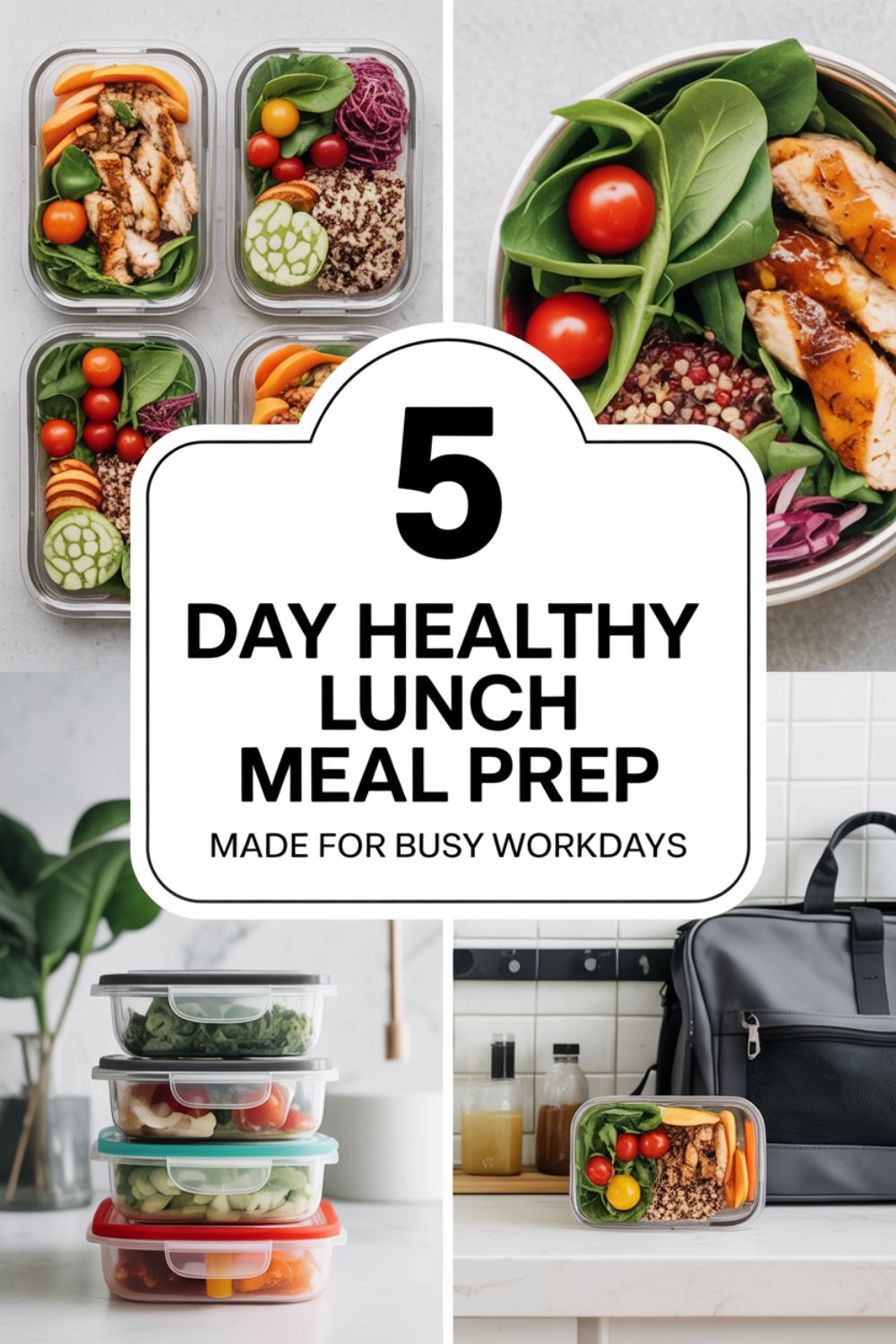
5-Day Healthy Lunch Meal Prep for Busy Workdays
Monday morning hits like a freight train. You’re already running late, and the last thing you want to think about is what you’ll eat for lunch. By noon, you’re standing in front of the vending machine or ordering another sad desk salad that costs more than your morning coffee. Sound familiar?
Look, I get it. Between back-to-back meetings, deadlines that seem to multiply overnight, and that coworker who insists on reheating fish in the microwave, planning healthy lunches feels like another impossible task on your never-ending to-do list. But here’s the thing: spending just a couple of hours on Sunday can completely transform your week.
I’m not talking about eating the same boring chicken and rice for five days straight. I’m talking about actual variety, real flavor, and meals that make your coworkers jealous when you pull them out of the fridge. This isn’t some Pinterest-perfect fantasy that requires a culinary degree. It’s practical, doable meal prep that fits into your actual life.
Image Prompt for Hero Shot:
Overhead shot of five glass meal prep containers arranged on a rustic wooden table with natural window lighting. Each container shows a different colorful lunch: vibrant greens, roasted vegetables in warm amber tones, grilled proteins with golden-brown edges, and pops of red from cherry tomatoes. Scattered around are fresh herbs (basil, cilantro), a linen napkin in soft cream, and a vintage wooden spoon. Warm, inviting atmosphere with soft shadows. Style: food blog aesthetic, cozy kitchen vibes, Pinterest-worthy composition.
Why Meal Prep Actually Works (When You Do It Right)
Here’s what nobody tells you about meal prep: it’s not about cooking everything at once and ending up with soggy, sad meals by Wednesday. The secret is understanding which foods hold up well and which ones need to be assembled fresh.
Research shows that people who plan their meals ahead make smarter food choices when they’re not starving. According to Harvard’s Nutrition Source, meal preparation helps you stick to healthy eating patterns throughout the week. When you’re assembling lunch on Sunday with a clear head, you’re way more likely to include actual vegetables than you are at 12:30 PM when your stomach is eating itself.
Plus, there’s solid science behind this. Studies published in the National Institutes of Health found that people who spend more time on meal preparation report better mental health and lower stress levels. Who knew that chopping vegetables could be therapeutic?
The Sunday Strategy That Actually Saves Time
Let’s talk about how to spend two hours on Sunday instead of scrambling every single day. I’m not suggesting you block off your entire afternoon. Find a two-hour window, put on a podcast or your favorite playlist, and treat it like the self-care it actually is.
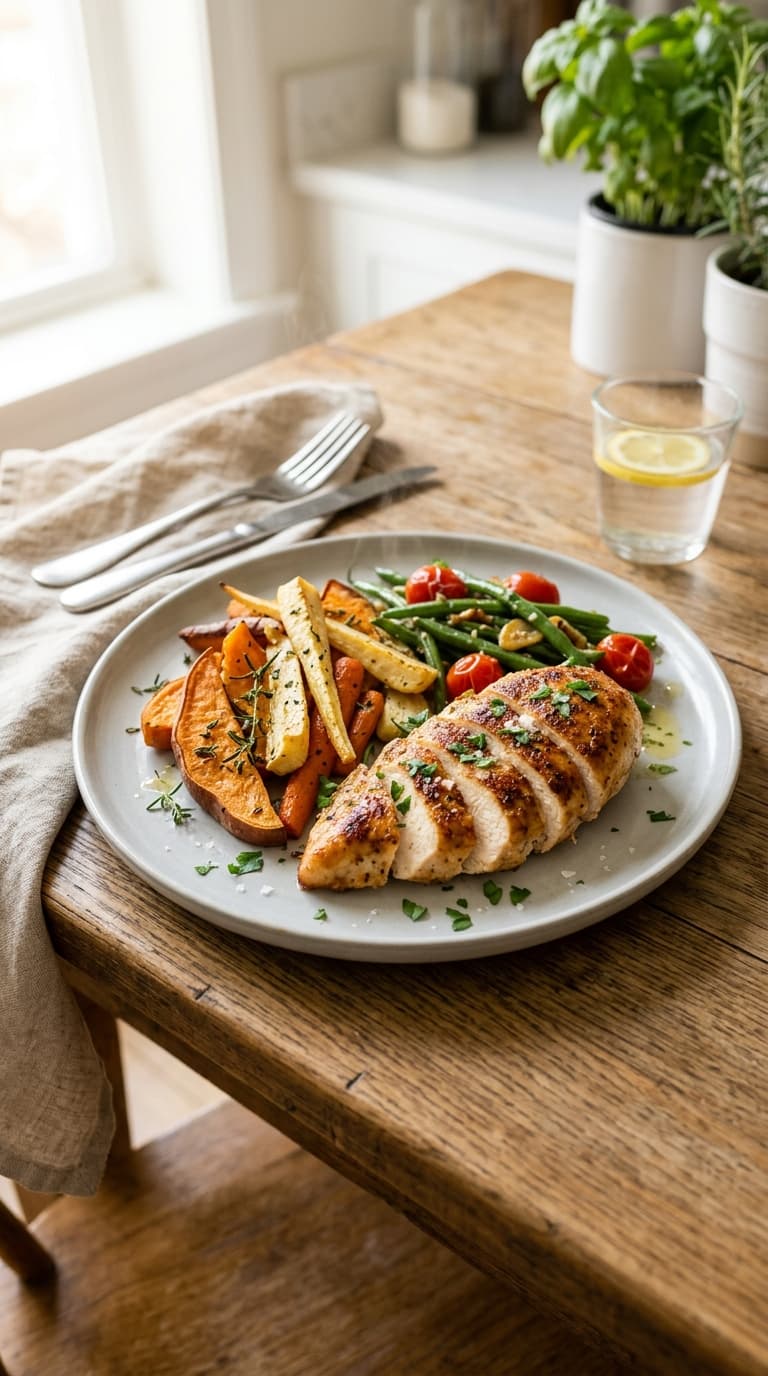
Start with proteins. I usually throw chicken breasts in the oven with some olive oil, salt, and pepper. Nothing fancy. While that’s cooking, I’ll get rice or quinoa going in my rice cooker because honestly, who has time to watch a pot? Then I’ll roast whatever vegetables looked good at the farmers market. Bell peppers, zucchini, sweet potatoes—they all get better with a little high-quality olive oil and some heat.
The key is to prep components, not complete meals. Cook your grains, proteins, and veggies separately, then mix and match throughout the week. This keeps things interesting and prevents that “ugh, this again?” feeling by Wednesday.
Your Shopping List for Success
Before you even think about cooking, you need the right ingredients. Here’s what I grab every week:
- Proteins: Chicken breast, salmon fillets, chickpeas, tofu, hard-boiled eggs
- Grains: Brown rice, quinoa, whole wheat pasta, farro
- Vegetables: Bell peppers, cherry tomatoes, cucumber, leafy greens, broccoli, sweet potatoes
- Flavor makers: Lemons, garlic, fresh herbs, your favorite hot sauce
- Healthy fats: Avocados, nuts, seeds, olive oil
I keep all my prepped ingredients in glass storage containers because they don’t stain, don’t smell weird, and I can see what’s inside without playing refrigerator roulette.
The 5-Day Lunch Lineup
Alright, let’s get into the actual meals. These aren’t revolutionary recipes—they’re simple, flexible, and designed to keep you from getting bored.
Monday: Mediterranean Quinoa Bowl
Start the week strong with something that feels fresh and energizing. Layer quinoa, cucumber, cherry tomatoes, chickpeas, and feta cheese. Drizzle with lemon juice and olive oil. The Mediterranean diet has been linked to numerous health benefits, and this bowl packs in the vegetables while keeping things interesting.
The beauty of this bowl is that it actually gets better as it sits in the fridge. The quinoa soaks up all those flavors, and by Monday afternoon, you’ve got a lunch that tastes like it came from that overpriced grain bowl place downtown. If you want more inspiration for Mediterranean-style meals, check out [Mediterranean Chickpea Bowl Recipe] or try a [Quinoa Power Bowl].
Tuesday: Asian-Inspired Chicken and Brown Rice
This is where meal prep shines. Take that boring baked chicken from Sunday, slice it up, and give it new life with some soy sauce, sesame oil, and a sprinkle of sesame seeds. Add some stir-fried vegetables and brown rice, and suddenly you’re eating takeout-quality food without the price tag or the MSG headache.
I like to pack the sauce separately in one of those tiny 2-ounce containers and add it right before eating. Keeps everything from getting soggy, and you maintain control over how much flavor you want.
Looking for more Asian-inspired options? You might love [Teriyaki Chicken Bowls] or these [Quick Veggie Stir-Fry Recipes] that work perfectly for meal prep.
Wednesday: Southwest Black Bean Bowl
Hump day calls for something with personality. Black beans, brown rice, roasted sweet potatoes, corn, and a handful of cilantro make this bowl sing. Top it with some Greek yogurt instead of sour cream if you’re trying to keep things lighter.
The combination of black beans and brown rice creates a complete protein, which is nutrition-speak for “this will actually keep you full until dinner.” Plus, the fiber content is no joke. According to nutritional research, high-fiber meals help stabilize blood sugar and prevent that 3 PM energy crash that has you eyeing the break room donuts.
Thursday: Italian Pasta Primavera
Yes, you can absolutely meal prep pasta. The trick is to slightly undercook it and toss it with a little olive oil to prevent sticking. Come Thursday, you’ve got whole wheat penne with roasted vegetables, cherry tomatoes, and a sprinkle of parmesan.
I know what you’re thinking: “Won’t the pasta get mushy?” Not if you cook it two minutes less than the package says. It’ll finish cooking when you reheat it, and you’ll end up with perfectly al dente pasta that hasn’t turned into mush. Trust me on this one.
For a complete Italian feast, pair this with [Caprese Salad Variations] or browse through [Healthy Pasta Recipes for Meal Prep].
Friday: Salmon and Roasted Veggie Power Bowl
End the week with something that feels a little fancy. Salmon is rich in omega-3 fatty acids, which are great for brain health and keeping inflammation in check. Pair it with roasted Brussels sprouts, sweet potatoes, and a bed of mixed greens.
Here’s a game-changer: I don’t actually prep the salmon on Sunday. I keep the fillet in the fridge and cook it Wednesday night. Takes maybe 15 minutes, and Friday’s lunch tastes fresh instead of like it’s been sitting around all week. Everything else gets prepped Sunday, but that salmon deserves special treatment. Get Full Recipe for perfectly cooked salmon every time.
If salmon’s your thing, you’ll definitely want to see [Baked Salmon Meal Prep Ideas] and [High-Protein Fish Bowls] for more weekly rotation options.
Meal Prep Essentials Used in This Plan
After years of trial and error, these are the tools and ingredients that actually make meal prep happen in my kitchen:
- Glass Meal Prep Containers (5-pack) – Seriously, ditch the plastic. These don’t stain, they’re microwave-safe, and you can actually see what’s inside. Game changer for keeping track of what you prepped.
- Quality Chef’s Knife – You’re going to be chopping a lot of vegetables. A sharp knife makes everything faster and safer. I finally invested in a decent one last year and wondered why I suffered with dull knives for so long.
- Programmable Rice Cooker – Set it and forget it. This thing cooks rice, quinoa, even steams vegetables while you’re doing other prep work. Worth every penny.
- Healthy Meal Prep Recipe eBook – A comprehensive digital guide with 50+ meal prep recipes, shopping lists, and prep schedules. Takes the guesswork out of planning.
- Weekly Meal Planning Template – Downloadable PDF template that helps you organize your meals, shopping list, and prep schedule. Makes Sunday prep so much smoother.
- Nutrition Tracking Spreadsheet – Simple Excel template for tracking macros and calories if that’s your thing. Not essential, but helpful if you have specific health goals.
Want more tips and meal prep hacks? Join our WhatsApp community where we share weekly meal ideas, answer questions, and keep each other motivated.
Making It Work for Your Actual Life
Let’s be real: some weeks, Sunday meal prep just isn’t happening. Maybe you have plans, maybe you’re exhausted, maybe life got in the way. That’s completely fine. The goal isn’t perfection—it’s having a system that works more often than it doesn’t.
On weeks when I can’t do the full prep, I at least wash and chop vegetables. Having grab-and-go veggies in the fridge means I can throw together a quick salad or stir-fry without the barrier of prep work. It’s not ideal, but it’s infinitely better than hitting the drive-through.
The Flexibility Factor
One of my favorite things about component meal prep is that you’re not locked into specific meals. Cooked chicken can become Mediterranean one day, Asian-inspired the next, and Southwest by Wednesday. Same protein, completely different vibe.
This is where meal prep beats those subscription meal kit services. You’re not eating predetermined meals, and you’re not generating mountains of packaging waste. You’re just setting yourself up for success with prepped ingredients that you can combine however you want.
Need more variety in your weekly rotation? Browse through [Budget-Friendly Lunch Ideas] or explore [Make-Ahead Office Lunches] for even more options.
Avoiding the Common Pitfalls
I’ve made every meal prep mistake in the book, so let me save you some trouble. The biggest one? Trying to prep seven different elaborate recipes in one day. That’s a recipe for burnout, not sustainable meal prep.
Start with three lunches. Just three. Once you’ve got that down and it feels manageable, then think about adding breakfast or snacks to your prep routine. Baby steps are still steps forward.
The Soggy Food Problem
Nothing kills meal prep enthusiasm faster than pulling out a soggy salad on Wednesday. Here’s the fix: pack wet ingredients separately. Dressings, sauces, and anything with high water content goes in its own container until you’re ready to eat.
For salads, I layer them strategically. Dressing on the bottom, then hardy vegetables like cucumbers and tomatoes, then proteins, and greens on top. When you’re ready to eat, shake it up. The greens stay crisp, and you’re not eating wilted leaves that have been marinating in vinaigrette since Sunday.
Mason jar salads are particularly great for this technique. Stack your ingredients, and everything stays fresh and separated until lunch time.
Tools & Resources That Make Cooking Easier
These are the things that transformed meal prep from a chore into something I actually don’t mind doing:
- Silicone Baking Mats – No more scrubbing baking sheets. Seriously, I use these for everything short of cereal bowls. Zero sticking, zero scrubbing.
- Mini Food Processor – Perfect for chopping herbs, making quick dressings, or whipping up hummus. Small enough that you’ll actually use it instead of letting it collect dust.
- Insulated Lunch Bag – Keeps your food at the right temperature until lunchtime. Mine has survived two years of daily commuting and still looks decent.
- Meal Prep Mastery Video Course – Step-by-step video tutorials showing exactly how to prep, store, and reheat different types of meals. Especially helpful if you’re a visual learner.
- Macro-Friendly Recipe Collection – Digital cookbook focused on balanced macros for different fitness goals. Each recipe includes full nutritional breakdown.
- Grocery Shopping Checklist App – Downloadable app template that organizes your shopping by store section. Saves so much time wandering around the supermarket.
The Money Talk
Let’s talk about the elephant in the room: yes, meal prep saves money, but you need to spend some money upfront. Those glass containers aren’t free, and buying groceries for a whole week can feel expensive when you’re standing at the checkout.
But here’s the math: if you’re spending $12-15 on lunch every day, that’s $60-75 a week. My typical meal prep grocery haul runs about $40-50 and feeds me lunch for five days. Even accounting for the occasional emergency lunch out, I’m saving at least $100 a month. Over a year? That’s over $1,200 that stays in my bank account.
And unlike comparing peanut butter versus almond butter (spoiler: almond butter has more vitamin E but peanut butter has more protein), the financial comparison between meal prep and buying lunch daily is pretty straightforward.
Smart Shopping Strategies
Buy what’s on sale and plan around it. If chicken breasts are expensive this week but thighs are on sale, switch it up. The meal prep method stays the same, just with different proteins.
Frozen vegetables are your friend. They’re picked at peak ripeness, they don’t go bad, and they’re usually cheaper than fresh. I keep frozen broccoli, mixed peppers, and edamame on hand for weeks when fresh produce prices are ridiculous.
Keeping It Interesting
The number one reason people quit meal prep? Boredom. Eating the same thing every week gets old fast. The solution isn’t complicated—rotate your proteins, switch up your grains, and experiment with different flavor profiles.
One week I’ll do Mediterranean flavors, the next week I’m all about Asian-inspired bowls, then maybe Mexican-style. Same basic meal prep process, completely different eating experience.
Spice Cabinet Game-Changer
Invest in quality spices and actually use them. The difference between bland baked chicken and flavorful baked chicken is literally just some garlic powder, paprika, and dried herbs. We’re talking pennies worth of ingredients that transform your meal.
I keep labeled spice jars with my go-to blends: Italian seasoning, taco seasoning, curry powder, and everything bagel seasoning. When you’re prepping, you can season different proteins in different ways, giving you built-in variety.
For more flavor inspiration, check out [10 Spice Blends for Meal Prep] and these [Low-Calorie Flavor Hacks].
The Plant-Based Question
You don’t need to eat meat with every meal. In fact, plant-based proteins like chickpeas, lentils, and tofu are cheaper, they prep well, and they’re packed with nutrients.
A can of chickpeas costs less than a dollar and can be the base for everything from curry to Mediterranean bowls to roasted crunchy snacks. Dried lentils are even cheaper and cook faster than any other legume. I’m not saying go full vegetarian, but adding more plant-based meals to your rotation is good for your health, your wallet, and honestly, it’s better for the planet too.
When it comes to dairy-free alternatives, there are tons of options now. Coconut yogurt, almond milk, cashew cheese—the plant-based world has come a long way from the sad tofu of the ’90s.
Try incorporating some [Vegetarian Meal Prep Bowls] or these [High-Protein Vegan Lunches] into your rotation.
Reheating Without Ruining Everything
There’s an art to reheating meal prep, and it’s not just nuking everything on high for three minutes. Different foods need different approaches.
Grains and proteins reheat well together. Remove any fresh greens first—they’ll wilt and get gross. Add them after reheating. Most meals need about 2-3 minutes on medium-high power, stirred halfway through.
If something seems dry when you’re reheating it, add a tablespoon of water before microwaving. The steam helps everything heat evenly and keeps rice from turning into pebbles.
Building the Habit
The first few weeks of meal prep feel like a lot of work. You’re figuring out timing, learning what stores well, and probably making a few mistakes along the way. That’s completely normal.
According to behavioral psychology research, it takes anywhere from 18 to 254 days to form a new habit, with the average being about 66 days. So give yourself at least two months before deciding if meal prep works for you. The first few Sundays are the hardest. By week six, you’ll be moving through your prep routine without even thinking about it.
The Sunday Ritual
I’ve turned Sunday meal prep into something I actually look forward to. I make a good cup of coffee, put on a podcast, and treat it like “me time” instead of a chore. It’s two hours where I’m not scrolling through my phone, not answering emails, just cooking and setting myself up for a good week.
Sometimes my partner joins in and we prep together. Other weeks it’s just me, my kitchen, and whatever true crime podcast I’m currently obsessed with. The point is, it doesn’t have to feel like punishment. Find what makes it enjoyable for you.
Frequently Asked Questions
How long does meal prepped food actually stay fresh?
Most cooked proteins and vegetables stay good for 3-4 days in the fridge when stored properly in airtight containers. This is why I recommend prepping for Monday through Thursday, then either eating out Friday or doing a quick fresh meal. If you want to prep for the full five days, consider freezing Thursday and Friday’s portions on Sunday, then moving them to the fridge Wednesday night to thaw.
Can I freeze my meal prep lunches?
Absolutely, but not everything freezes well. Cooked grains, proteins, and roasted vegetables freeze great. Leafy greens, cucumbers, and anything with high water content turn to mush when frozen. My strategy is to freeze the base components and add fresh elements when I’m ready to eat. Label everything with the date—frozen meal prep is good for up to 3 months.
What if I get sick of eating the same thing?
This is exactly why I prep components instead of complete meals. When you have cooked chicken, rice, and roasted veggies, you can make Mediterranean bowls, Asian-inspired lunches, or Southwest-style meals just by changing your seasonings and toppings. Keep different sauces and dressings on hand, and you’ll never feel like you’re eating the exact same meal twice.
How do I prevent my salads from getting soggy?
The mason jar method works wonders. Put dressing at the bottom, then layer hardy vegetables like cucumbers and carrots, followed by proteins, grains, and leafy greens at the very top. When you’re ready to eat, dump it into a bowl and mix. Alternatively, pack your dressing separately in small containers and dress your salad right before eating.
Is meal prep actually cheaper than buying lunch?
For most people, yes. The average American spends $12-15 on lunch when eating out, which is $60-75 per week. A solid meal prep grocery haul typically runs $40-60 and covers five lunches. Even factoring in occasional emergency lunches out, you’re saving at least $100 monthly. Over a year, that’s $1,200+ back in your pocket.
The Real Talk Conclusion
Look, meal prep isn’t going to solve all your problems. You’re still going to have stressful workdays, impossible deadlines, and weeks where everything feels overwhelming. But having lunch handled? That’s one less decision to make, one less source of stress, and one less excuse to eat something that makes you feel terrible by 2 PM.
Will every week go perfectly? Absolutely not. Some Sundays you won’t feel like prepping. Some meals will turn out better than others. You’ll forget to pack your lunch at least once and end up eating cafeteria food anyway. That’s life, and it’s completely fine.
The goal isn’t perfection. It’s progress. It’s having a system that works more often than it doesn’t. It’s saving money, eating better, and feeling a little more in control of at least one aspect of your chaotic week.
Start small. Pick three lunches from this plan, or even just two. Do your Sunday prep, see how it feels, and adjust from there. Maybe you’ll become one of those people who meal preps breakfast, lunch, and dinner. Or maybe you’ll just prep lunches and call it a win. Both are valid. Both are better than where you started.
The secret to sustainable meal prep isn’t following someone else’s perfect system. It’s figuring out what works for your life, your schedule, and your actual eating preferences. Use this plan as a starting point, not a rigid rulebook. Swap proteins, change up vegetables, experiment with flavors. Make it yours.
And on those weeks when you just can’t do it? Order the takeout, eat the sandwich, give yourself some grace. One week of not meal prepping doesn’t undo all the weeks you did. This is a marathon, not a sprint. The fact that you’re even thinking about meal prep puts you ahead of most people who complain about healthy eating being too hard.
So grab those containers, pick a Sunday, and give it a shot. Worst case scenario, you have lunches for a few days. Best case? You’ve found a system that makes your workweek significantly less stressful and keeps your wallet happy in the process.
Now if you’ll excuse me, I have some chicken to season and vegetables to roast. Sunday meal prep waits for no one.