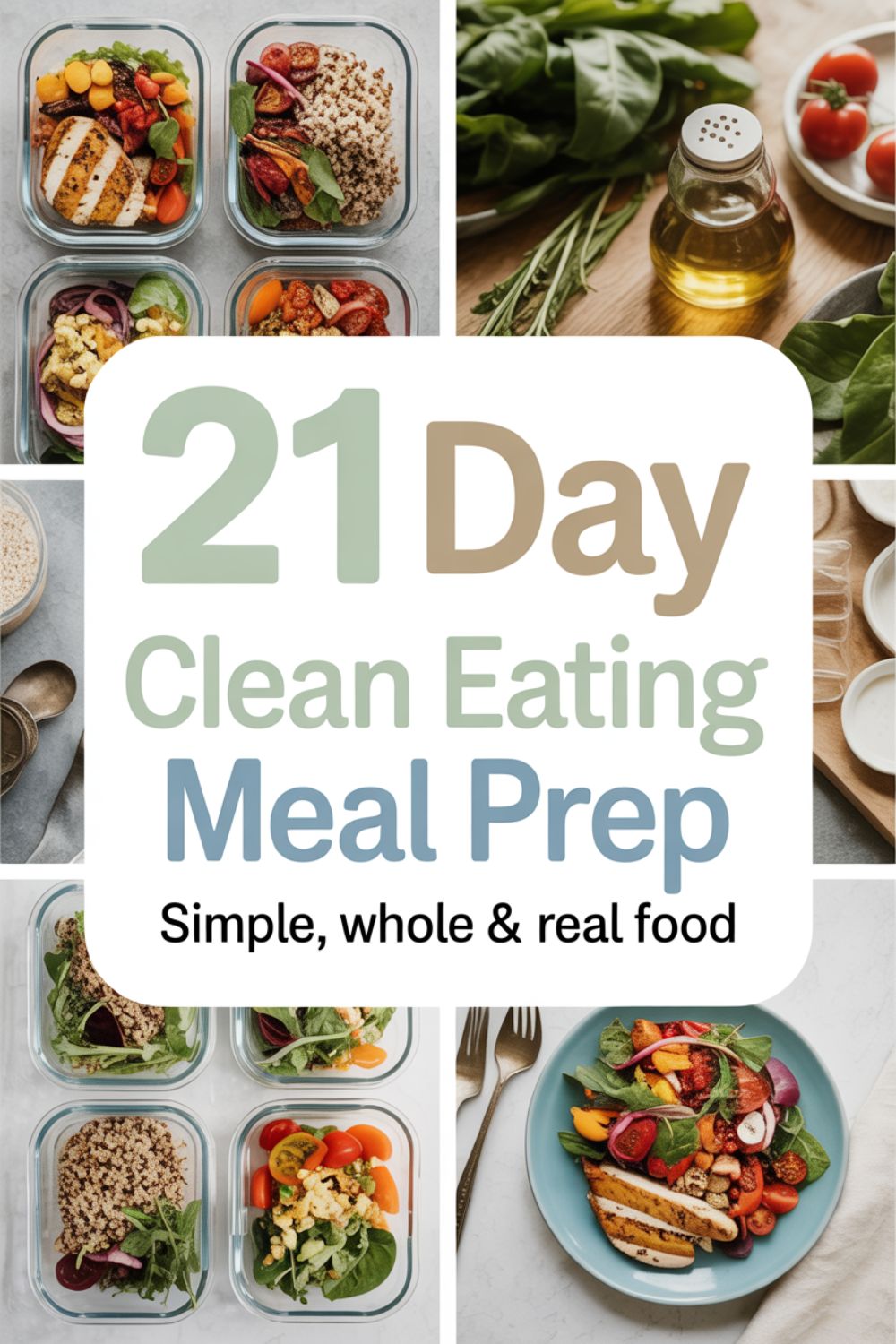
21-Day Clean Eating Meal Prep Guide: Real Results, Zero Drama
Look, I get it. You’re staring at your fridge on Sunday night, wondering how other people manage to eat healthy all week without living at the grocery store or morphing into a professional chef. The truth? They’re not superhuman. They just know the meal prep game.
This 21-day clean eating meal prep guide isn’t about perfection or Instagram-worthy grain bowls. It’s about actually eating real food consistently, without spending your entire weekend in the kitchen or eating sad desk salads that taste like regret. I’ve been meal prepping for years, and honestly, it’s the only reason I’m not eating cereal for dinner three times a week.
Over the next three weeks, you’ll build sustainable habits, discover what actually works for your schedule, and maybe even start enjoying the process. No weird detoxes, no overpriced supplements, just solid strategies and recipes that don’t require a culinary degree.
What Clean Eating Actually Means
Before we dive into meal prep logistics, let’s clear up what clean eating actually is because there’s a lot of nonsense floating around out there. At its core, clean eating means choosing whole, minimally processed foods that your great-grandmother would recognize as actual food. We’re talking vegetables, fruits, whole grains, lean proteins, and healthy fats.
It’s not about obsessing over every ingredient label or eliminating entire food groups. According to research on home meal preparation, people who cook at home with whole food ingredients consume fewer calories, spend less money on food, and experience less weight gain over time compared to those who regularly eat out or rely on prepared foods.
Clean eating focuses on quality ingredients that supply essential nutrients while minimizing inflammation in your body. The goal is to decrease your intake of processed foods loaded with additives, preservatives, and ingredients you can’t pronounce, while increasing nutrient-dense whole foods.
Pro Tip: Don’t let perfect become the enemy of good. If you eat clean 80% of the time, you’re winning. Life happens, pizza exists, and that’s totally fine.
Why 21 Days Changes Everything
You’ve probably heard it takes 21 days to form a habit. While the actual science is more nuanced, three weeks is genuinely enough time to establish new routines without feeling like you’re white-knuckling through some impossible challenge.
Week one is about survival and figuring out your system. Week two is where things click into place and you stop feeling like a meal prep rookie. Week three? That’s when it becomes second nature, and you’ll actually notice the difference in how you feel.
I’ve watched friends transform their eating habits in 21 days, not because they followed some restrictive diet, but because they finally had a practical system that worked with their actual life. One friend lost 12 pounds without even trying, just from consistently eating home-prepped meals instead of grabbing whatever was convenient.
The Real Benefits You’ll Notice
- Energy that actually lasts: No more 3 PM crashes when you’re fueling your body with balanced, nutrient-dense meals throughout the day
- Money stays in your wallet: The average person spends over $200 a month on takeout and lunch. Meal prep cuts that number significantly
- Decision fatigue disappears: When your meals are planned and prepped, you’re not standing in front of the fridge having an existential crisis at 6 PM
- Better sleep quality: Clean eating helps regulate blood sugar levels, which directly impacts sleep patterns and energy cycles
Harvard’s nutrition research shows that meal planning and preparation is one of the most effective strategies for maintaining a healthy diet, particularly for people with busy schedules who might otherwise default to convenience foods.
Week 1: Building Your Foundation
The first week is all about getting your systems in place. You’re not trying to be perfect; you’re trying to figure out what works. This is where most people either nail it or bail, so let’s make sure you’re set up for success.
Essential Meal Prep Tools You Actually Need
I’m not going to tell you to buy a bunch of stuff you’ll use once. These are the real workhorses that make meal prep actually manageable.
Meal Prep Essentials Used in This Plan
Physical Products That Make Life Easier:
- Glass meal prep containers with compartments – I cannot stress this enough. Get the ones with dividers so your food doesn’t turn into mystery mush. They’re microwave-safe, dishwasher-friendly, and you can actually see what’s inside without playing container roulette.
- Sharp chef’s knife and cutting board set – A decent knife cuts your prep time in half. Literally. I used to hack away with a dull knife like a caveman until I invested in a proper one. Game changer.
- Slow cooker or Instant Pot – Set it and forget it cooking is meal prep gold. You can batch cook proteins and grains while you’re doing literally anything else. I use mine at least three times a week.
Digital Resources Worth Your Time:
- Clean Eating Meal Plan Template – A customizable spreadsheet that helps you plan your weeks without overthinking it. Includes shopping lists and macro tracking if you’re into that.
- 21-Day Recipe Collection eBook – Over 60 clean eating recipes specifically designed for meal prep. Everything from breakfast bowls to dinner mains, with actual cooking times that don’t lie.
- Portion Control Guide PDF – Visual guide showing proper serving sizes so you’re not just eyeballing everything and wondering why your macros are off.
Join the Community: Connect with other meal preppers in our WhatsApp group where we share weekly wins, recipe swaps, and real talk about what’s actually working.
Your Week 1 Meal Prep Strategy
Start simple. Seriously, don’t try to prep 21 different meals on your first Sunday. Pick three breakfasts, three lunches, and three dinners that you’ll rotate. Variety is great, but consistency is better when you’re building the habit.
Sunday is meal prep day for most people, but pick whatever day actually works for your schedule. I do mine on Saturday mornings because Sunday mornings are sacred coffee-and-do-nothing time.
Quick Win: Prep your vegetables Sunday night while you’re making dinner anyway. Chop everything you’ll need for the week and store it properly. Your future self will thank you when weeknight cooking takes 15 minutes instead of an hour.
Sample Week 1 Breakfast Rotation
Breakfast is honestly the easiest meal to prep, and it sets the tone for your entire day. Here’s what actually works without requiring you to wake up at 5 AM.
- Overnight oats with berries and almonds: Mix everything in mason jars on Sunday, grab and go all week. Get Full Recipe
- Egg muffins loaded with vegetables: Bake a batch of 12, they last five days in the fridge, and you can eat them cold or heated. Get Full Recipe
- Greek yogurt parfaits with homemade granola: Layer them in jars, top with fresh fruit the night before. Simple, filling, delicious.
For more breakfast inspiration that won’t bore you to tears, check out these high-protein breakfast bowls that keep you full until lunch without the mid-morning snack attack.
Week 2: Finding Your Rhythm
By week two, you’ve got the basics down and you’re ready to level up. This is where meal prep stops feeling like a chore and starts feeling like just part of your routine. You know what containers work, what recipes you actually enjoy, and how long things really take.
Batch Cooking Like You Mean It
Batch cooking is the secret weapon of successful meal preppers. Instead of making one serving of chicken, cook four pounds. Instead of one cup of rice, make the whole bag. You’re using the same amount of dishes and effort, but getting way more meals out of it.
I typically batch cook proteins on Sunday – grilled chicken breasts, ground turkey, hard-boiled eggs. Then I batch cook grains and roasted vegetables. Everything else just comes together during the week with minimal effort.
“I used to think meal prep meant eating the exact same thing every single day, which sounded miserable. Then I learned about batch cooking components instead of full meals. Now I mix and match throughout the week and never get bored. Lost 15 pounds in three months without feeling deprived once.”
– Sarah, from our meal prep communitySmart Protein Rotation
Eating chicken every day is a surefire way to hate meal prep. Rotate your proteins to keep things interesting and give your body different nutrients.
- Monday/Tuesday: Grilled chicken breast with herbs and lemon
- Wednesday/Thursday: Baked salmon or white fish
- Friday: Ground turkey or lean beef for taco bowls Get Full Recipe
- Weekend: Whatever you’re craving, experiment with new recipes
When discussing digital meat thermometer usage, let me tell you this thing saves me from overcooking chicken into rubber consistency. You want 165°F for chicken, 145°F for fish, and you’re done guessing.
Vegetable Prep That Doesn’t Suck
Raw vegetables get boring fast. Roasted vegetables become your best friend. Toss them with olive oil, salt, and whatever seasonings sound good, spread on a silicone baking mat, and roast at 425°F until they’re caramelized and delicious.
My go-to combination: Brussels sprouts, sweet potatoes, and red onions. Roast them together and they’re good on literally everything from grain bowls to salads to eating straight from the container at midnight.
Tools & Resources That Make Cooking Easier
Kitchen Game Changers:
- Mandoline slicer with safety guard – Perfect uniform slices every time, and way faster than knife work. Just please use the safety guard, I’ve got scars from learning that lesson.
- Herb keeper containers – Keep fresh herbs actually fresh for weeks instead of days. Fill with water, change every few days, and stop throwing away slimy cilantro.
- Food scale for accurate portions – If you’re tracking macros or just want to understand serving sizes better, this is essential. Eyeballing works until it doesn’t.
Digital Helpers:
- Macro Calculator App – Free tool that calculates your specific protein, carb, and fat needs based on your goals and activity level.
- Grocery Shopping Checklist Template – Organized by store sections so you’re not zigzagging like a maniac trying to remember if you need eggs.
- Weekly Meal Rotation Planner – Pre-planned rotations you can customize, with automatic shopping list generation.
Stay Connected: Jump into our WhatsApp community for daily meal prep motivation, troubleshooting tips, and recipe inspiration when you’re feeling stuck.
Speaking of vegetables, if you’re looking for creative ways to use all those roasted veggies, try this Mediterranean quinoa bowl that’s basically a flavor bomb in a container. I make a huge batch every week and never get tired of it.
Week 3: Making It Sustainable
Week three is about fine-tuning your system and making sure this is something you’ll actually stick with beyond the 21 days. Because honestly, what’s the point if you burn out and go back to drive-thru dinners next month?
Meal Prep Doesn’t Mean Boring
The biggest mistake I see people make is thinking meal prep means eating identical meals in sad little containers forever. Wrong. Meal prep is about having components ready so you can actually cook during the week without it being a production.
Keep a variety of sauces, dressings, and seasonings on hand. The same grilled chicken tastes completely different with teriyaki sauce versus chimichurri versus buffalo sauce. Same protein, totally different experience.
Flexible Meal Prep Framework
Instead of planning exact meals, plan components. Have these ready each week:
- 2-3 protein options: Already cooked, seasoned differently
- 4-5 vegetable varieties: Mix of raw and roasted
- 2-3 grain or starch options: Rice, quinoa, sweet potatoes, etc.
- Healthy fats: Avocado, nuts, olive oil-based dressings
- Fresh herbs and aromatics: For adding flavor without calories
With these components, you can mix and match into bowls, wraps, salads, or whatever sounds good that day. It’s the difference between meal prep feeling like a prison sentence versus having a personal restaurant in your fridge.
Pro Tip: Label everything with dates. Use dry erase labels for containers so you can reuse them forever. Most cooked foods last 3-4 days in the fridge, but you’d be surprised how often you forget when you actually made something.
Handling Social Situations
Real talk: you’re going to have dinner invitations, work lunches, and random Tuesday nights where you just want pizza. That’s life, and meal prep should work with your life, not against it.
I plan my meal prep for weekday lunches and most dinners. Weekends are more flexible because that’s when I’m socializing. If I know I’ve got a work lunch on Thursday, I don’t prep Thursday lunch. Simple.
The 80/20 approach works because it’s realistic. Eat clean, home-prepped meals most of the time, and don’t stress about the occasional burger or brunch situation. Sustainability beats perfection every single time.
Smart Shopping Strategies
Your meal prep success starts at the grocery store. Shop wrong and you’ll waste money and food. Shop smart and you’ll save both while actually enjoying what you make.
The Ultimate Shopping List Framework
I organize my shopping list by grocery store sections. Sounds simple, but it cuts my shopping time in half and prevents those “oh crap, I forgot milk” moments that require a second trip.
Produce Section Must-Haves:
- Leafy greens (spinach, kale, mixed greens)
- Cruciferous vegetables (broccoli, cauliflower, Brussels sprouts)
- Root vegetables (sweet potatoes, carrots, beets)
- Aromatics (onions, garlic, ginger)
- Fresh herbs (cilantro, parsley, basil)
- Berries and seasonal fruit
Protein Picks:
- Chicken breasts or thighs (buy family packs and freeze portions)
- Wild-caught salmon or white fish
- Eggs (I go through 2-3 dozen a week)
- Greek yogurt (plain, not the sugar-bomb flavored stuff)
- Lean ground turkey or beef
Buy These Once, Use All Week
These staples sit in my pantry and fridge for weeks, getting used in multiple recipes. They’re worth the upfront investment because they make everything taste better without adding junk ingredients.
- Quality olive oil and avocado oil: For cooking and dressings
- Apple cider vinegar and balsamic vinegar: Dressing base that’s way better than store-bought
- Spice collection: Cumin, paprika, garlic powder, Italian seasoning, everything bagel seasoning
- Nut butters: Almond butter, peanut butter (the natural kind that separates)
- Canned goods: Black beans, chickpeas, diced tomatoes
FYI, I buy my spices from bulk spice suppliers online because grocery store spice prices are honestly insulting. You can get the same jar for a third of the price.
For complete shopping list templates organized by meal type, check out this comprehensive clean eating grocery guide that breaks down exactly what to buy based on your weekly meal plan.
Meal Prep Time Management
The number one complaint I hear about meal prep? It takes too long. That’s usually because people are approaching it wrong. You don’t need to spend six hours in the kitchen every Sunday. You need to work smarter.
The 90-Minute Meal Prep Method
This is my actual system that gets a week’s worth of food prepped in about 90 minutes. Some weeks it’s two hours if I’m making something more complex, but it’s never the all-day affair people imagine.
Prep Order That Maximizes Efficiency:
- Start oven items first (15 minutes): Get roasted vegetables and any baked proteins in the oven. Set timers and move on.
- Start slow cooker/Instant Pot (5 minutes): Dump ingredients in for whatever you’re batch cooking. Again, set it and forget it.
- Prep raw vegetables (20 minutes): While things are cooking, wash, chop, and store all your raw vegetables for the week.
- Cook grains and starches (30 minutes): Rice cooker or stovetop, get your carbs cooking while you work on other things.
- Cook quick proteins (15 minutes): If you’re doing stovetop proteins like ground turkey, do it now while monitoring oven items.
- Assembly and storage (15 minutes): Everything’s cooked, now portion it into containers and get it in the fridge.
I typically use a three-tier cooling rack to maximize oven space and cook everything at the same temperature. Saves time and energy, literally.
“I was spending like four hours every Sunday meal prepping and burning out hard. Started using this method and now I’m done before lunch, with better variety than when I was spending all afternoon in the kitchen. The trick is overlapping cooking times instead of doing everything sequentially.”
– Marcus, meal prep enthusiastStorage Solutions That Actually Work
Meal prep is only useful if your food stays fresh and edible. Let’s talk about storage because throwing away half your prepped food because it went bad defeats the entire purpose.
Container Strategy
I mentioned glass containers earlier, but let me be specific. Get containers with compartments for meals, and single-compartment containers for batch-cooked components. The compartmented ones keep your salad from getting soggy and your sauces separate until you’re ready to eat.
Store all dressings and sauces separately in small 2-ounce containers. Add them right before eating. This one trick keeps everything fresh and prevents the dreaded soggy salad situation.
Freezer Is Your Friend
Don’t overlook freezer meal prep. Soups, stews, casseroles, cooked grains, and even some proteins freeze beautifully. I always have backup meals in the freezer for weeks when life gets chaotic and meal prep doesn’t happen.
Use silicone freezer bags instead of plastic. They’re reusable, better for the environment, and actually keep food fresher longer. Label everything with contents and date using a permanent marker.
Need freezer-friendly recipe ideas? This freezer meal collection includes everything from breakfast burritos to complete dinner casseroles that reheat perfectly.
Troubleshooting Common Problems
Even with the best system, you’re going to hit some bumps. Here’s how to handle the most common meal prep problems without abandoning ship.
Problem: Food Gets Boring After Day 3
Solution: Prep components, not complete meals. Mix and match throughout the week. Use different sauces and seasonings to change up flavors. If you’re eating the exact same bowl Monday through Friday, yeah, it’s going to get boring.
Problem: Running Out of Time on Prep Day
Solution: You don’t have to prep everything in one day. Do proteins and grains on Sunday, vegetables on Wednesday. Or prep breakfast on Saturday, lunches on Sunday, dinners as needed during the week. The meal prep police won’t arrest you for splitting it up.
Problem: Food Spoiling Before You Eat It
Solution: Most cooked food lasts 3-4 days maximum in the fridge. If you’re prepping on Sunday, those Thursday and Friday meals might be pushing it. Either freeze some portions or do a mini prep session Wednesday evening to refresh your options.
Problem: Containers Taking Over the Kitchen
Solution: Invest in stackable containers that nest when empty. Store lids separately in a lid organizer rack. Dedicate one cabinet or shelf to meal prep containers so they’re not scattered everywhere.
Quick Win: Clean as you cook during meal prep. Wash cutting boards and knives immediately after using them instead of letting everything pile up. Your cleanup time drops from 45 minutes to maybe 15.
If you’re still hitting roadblocks, our troubleshooting guide covers 25 different meal prep problems and their solutions, because trust me, you’re not the first person to face these challenges.
Beyond the 21 Days
Three weeks is just the beginning. The real goal is building sustainable habits that stick around long after this guide. Here’s how to keep the momentum going without burning out.
Keep It Fresh
Rotate new recipes every few weeks. Join online meal prep communities for inspiration. Follow food bloggers who share realistic clean eating recipes instead of those perfect Instagram shots that take six hours to make.
I try one new recipe every week. Sometimes it’s a winner that joins my regular rotation. Sometimes it’s terrible and we order pizza. That’s part of the process.
Adjust Based on Results
Pay attention to how you feel. More energy? Better sleep? Clothes fitting differently? These are your metrics for success, not just the scale.
If something’s not working, change it. Meal prep should make your life easier, not harder. Maybe you need more variety, or less. Maybe Sunday prep doesn’t work and Wednesday is better. Customize the system to fit your actual life.
Looking for seasonal recipe inspiration to keep things interesting? Check out these seasonal meal prep ideas that use what’s fresh and available throughout the year.
Frequently Asked Questions
How long does meal prepped food actually last in the fridge?
Most cooked proteins and vegetables last 3-4 days when stored properly in airtight containers. Cooked grains can push to 5 days. Raw vegetables last longer, usually a full week. If you’re prepping for a full week, consider freezing portions you won’t eat in the first few days, or do a mid-week mini prep session to keep things fresh.
Can I meal prep if I have a small kitchen or limited storage?
Absolutely. Focus on batch cooking components rather than complete meals, which requires fewer containers. Use your freezer strategically for longer storage. Stackable, space-efficient containers are essential. You might prep for 3-4 days instead of a full week, which actually keeps food fresher anyway.
What if I get sick of eating the same things?
This usually means you’re prepping complete identical meals instead of components. Prep proteins, grains, and vegetables separately, then mix and match throughout the week with different sauces and seasonings. The same chicken breast tastes completely different in a burrito bowl versus on a salad versus with stir-fry vegetables.
Is meal prep worth it for just one person?
Definitely, maybe even more so than for families. You’re not cooking multiple meals anyway, so batch cooking makes even more sense. Plus you avoid the food waste from buying groceries that go bad before you use them. Just scale recipes appropriately or freeze extra portions for variety later.
Do I need expensive containers and kitchen gadgets?
No. Start with what you have and upgrade as needed. Good containers are worth the investment because cheap ones crack and leak, but you don’t need every gadget on the market. A sharp knife, cutting board, baking sheets, and basic storage containers will get you through 90% of meal prep tasks just fine.
Your Clean Eating Journey Starts Now
Twenty-one days from now, you can be the person who has their food situation figured out, or you can still be stressed about what to eat for lunch tomorrow. The choice is genuinely that simple.
Clean eating meal prep isn’t about being perfect or following some influencer’s impossible routine. It’s about making healthy eating practical and sustainable for your actual life. It’s about having more energy, saving money, and not having to think so hard about every single meal.
Start with week one. Just focus on getting the basics down. Don’t overthink it, don’t try to be perfect, and definitely don’t compare yourself to someone who’s been doing this for years. You’re building new habits, and that takes time.
The meal prep community is here if you need support, troubleshooting, or just want to share wins. And remember, every meal you prep yourself is a win, regardless of how it turns out. Even the disasters teach you something.
Now stop reading and go plan your first week. Your future self is already thanking you.
Similar Posts
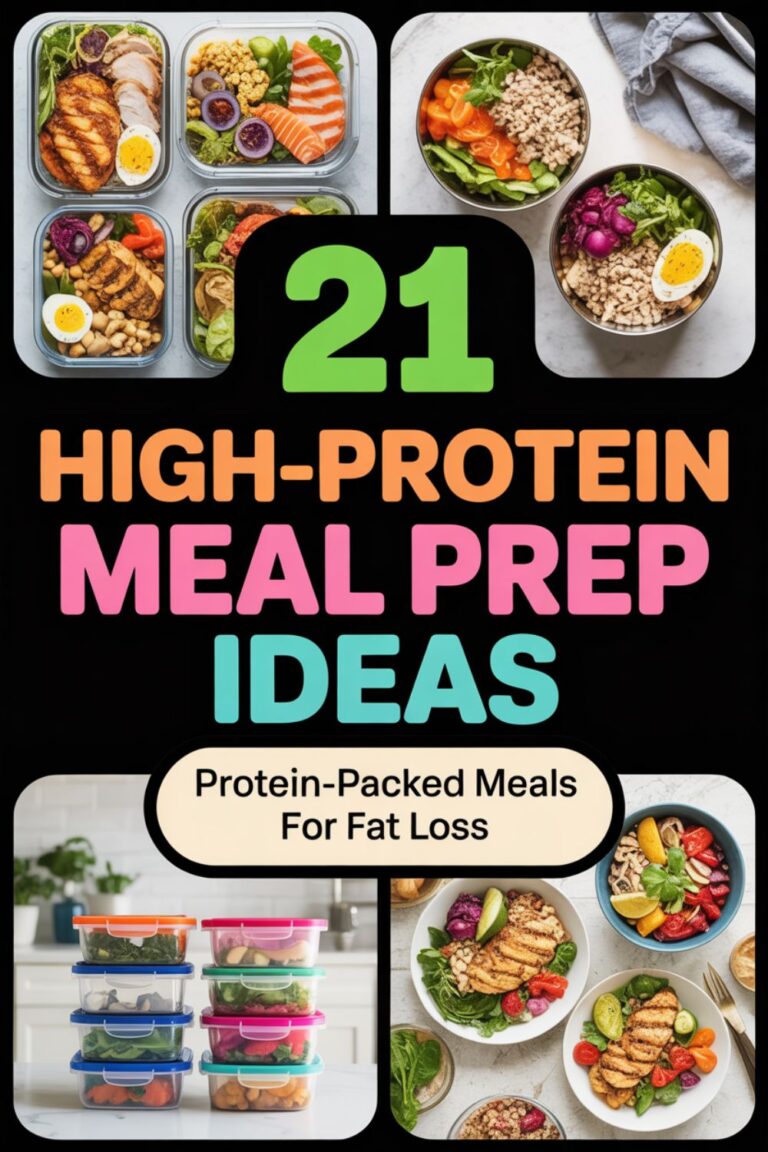
21 High-Protein Meal Prep Ideas for Fat Loss
21 High-Protein Meal Prep Ideas for Fat Loss 21 High-Protein Meal Prep Ideas for Fat Loss Look, I’m not going to sugarcoat it—trying to lose fat while maintaining muscle is basically like trying to have your cake and not eat it. But here’s the thing: high-protein meal prep actually makes it possible, and I’m about…
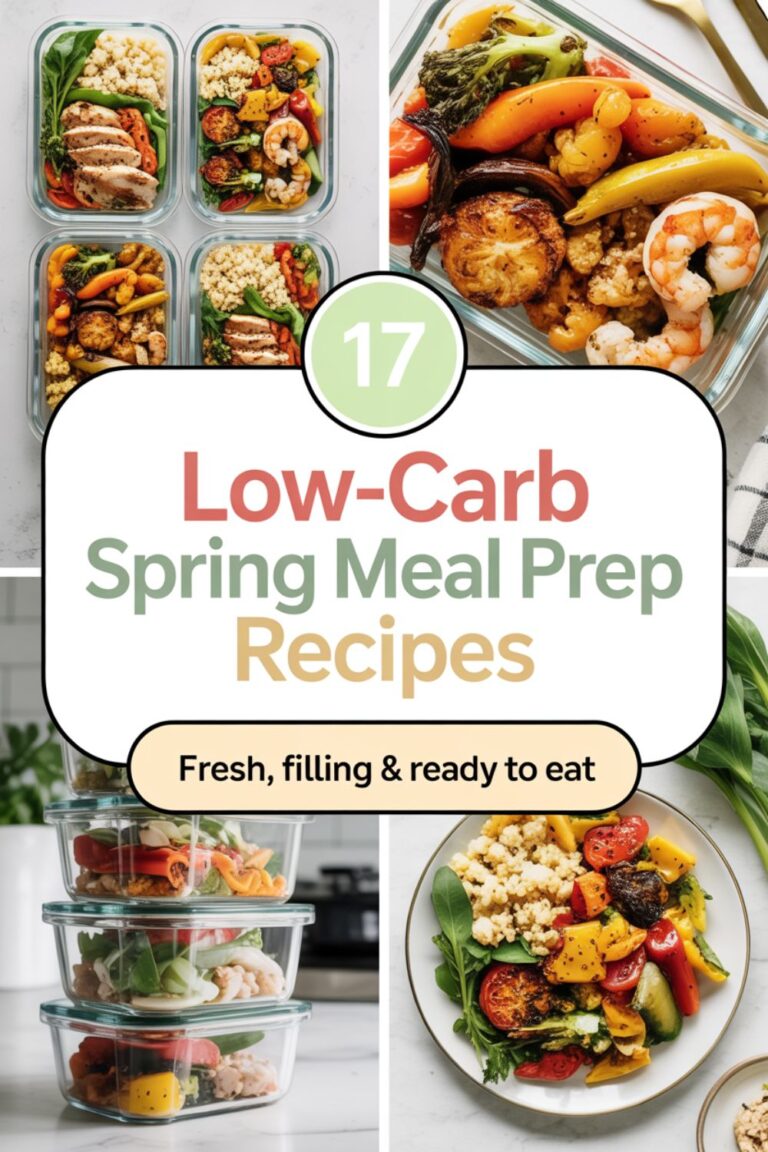
17 Low-Carb Spring Meal Prep Recipes That Actually Taste Good
17 Low-Carb Spring Meal Prep Recipes That Actually Taste Good 17 Low-Carb Spring Meal Prep Recipes That Actually Taste Good Spring meal prep shouldn’t mean choking down sad chicken and broccoli for the fifth day straight. I get it—you want to cut carbs, feel lighter, maybe fit into those shorts you optimistically bought last year….
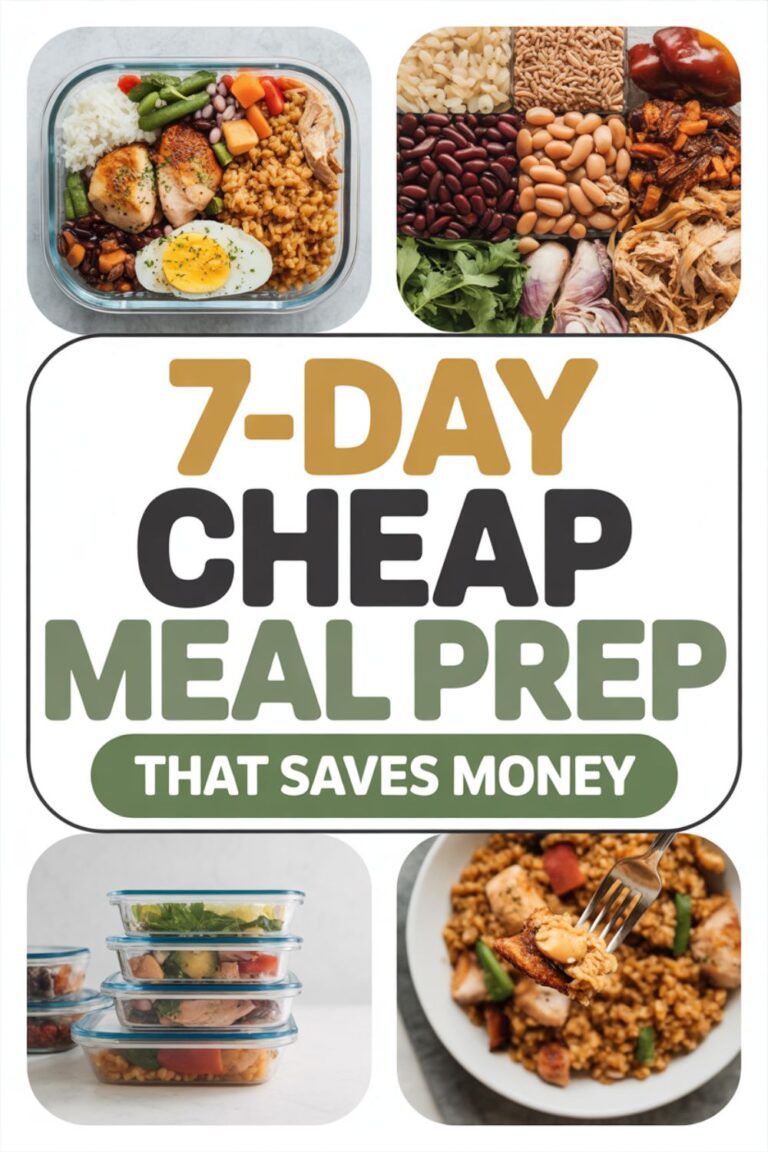
7-Day Cheap Meal Prep That Saves Money
7-Day Cheap Meal Prep That Saves Money Build Your Perfect Meal Prep Plan Your Goal Save MoneyWeight LossMuscle GainBalanced Nutrition Calorie Range Low (1200-1500)Medium (1500-1800)High (1800-2200) Diet Style Budget-FriendlyHigh ProteinVegetarianBalanced Prep Style Batch CookingQuick & EasyFresh Daily Generate Your Plan 7-Day Cheap Meal Prep That Saves Money Let’s be real—grocery bills are no joke right…
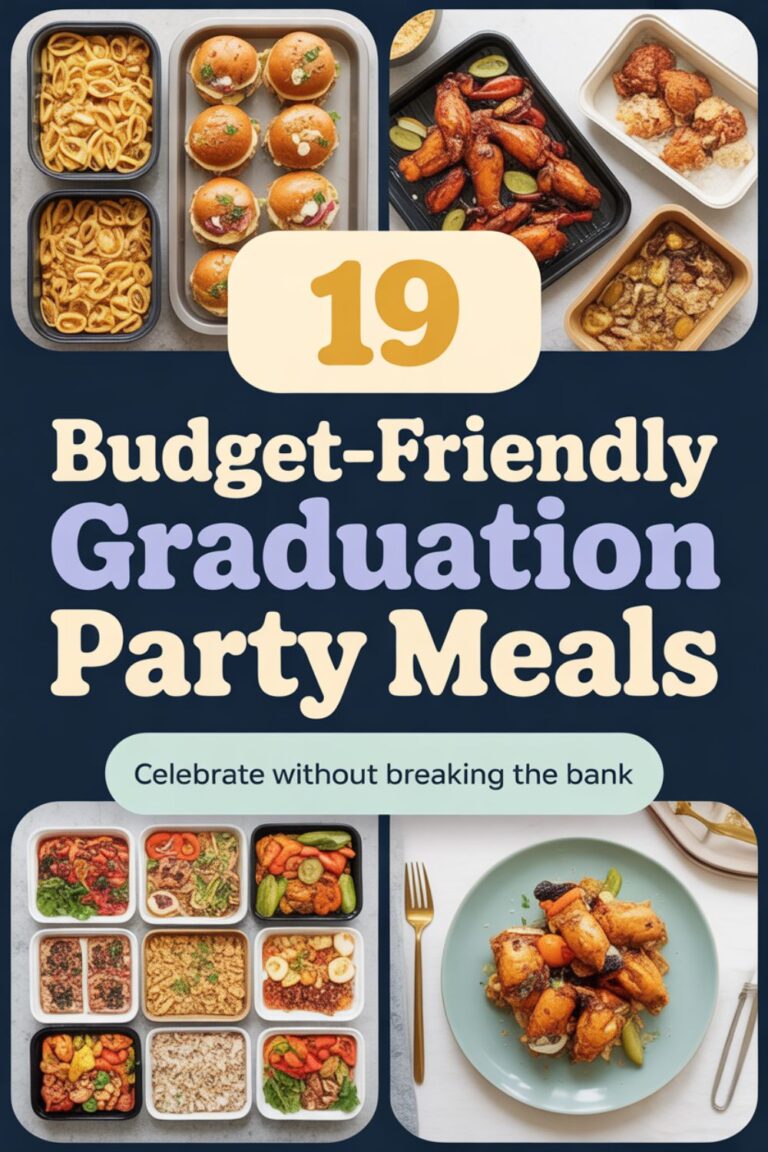
19 Budget-Friendly Graduation Party Meals That Actually Feed a Crowd
19 Budget-Friendly Graduation Party Meals That Actually Feed a Crowd Party Food 19 Budget-Friendly Graduation Party Meals That Actually Feed a Crowd Real food. Real guests. Zero regrets. Here is how to throw a party spread everyone remembers without silently crying at the grocery checkout. By TheMealEdit Team Updated 2025 15 min read Graduation season…
7-Day Sheet-Pan Meal Prep for Easy Cleanup
7-Day Sheet-Pan Meal Prep for Easy Cleanup – The Meal Edit 7-Day Sheet-Pan Meal Prep for Easy Cleanup Let’s be real—most of us start the week with big meal prep energy, only to find ourselves elbow-deep in a sink full of pots, pans, cutting boards, and mystery spatulas by Tuesday. The dishes pile up faster…