21-Day Family Meal Prep That Saves Time
Look, I’m gonna be straight with you—meal prepping changed my life. Not in some dramatic, movie-montage way, but in that quiet, powerful way where you suddenly realize you’ve got three extra hours every week and your grocery bill isn’t making you cry anymore. If you’re reading this, you probably know that Sunday evening panic when you realize you’ve got nothing planned for the week ahead. Or worse, you’re ordering takeout for the fourth time this week because “what else are you supposed to do?”
Here’s the thing: a 21-day meal prep plan isn’t just about cooking a bunch of food on Sunday. It’s about setting up a system that actually works for your family, your schedule, and your sanity. And yeah, the first week might feel a little weird, but stick with me here. By week three, you’ll wonder how you ever survived without it.
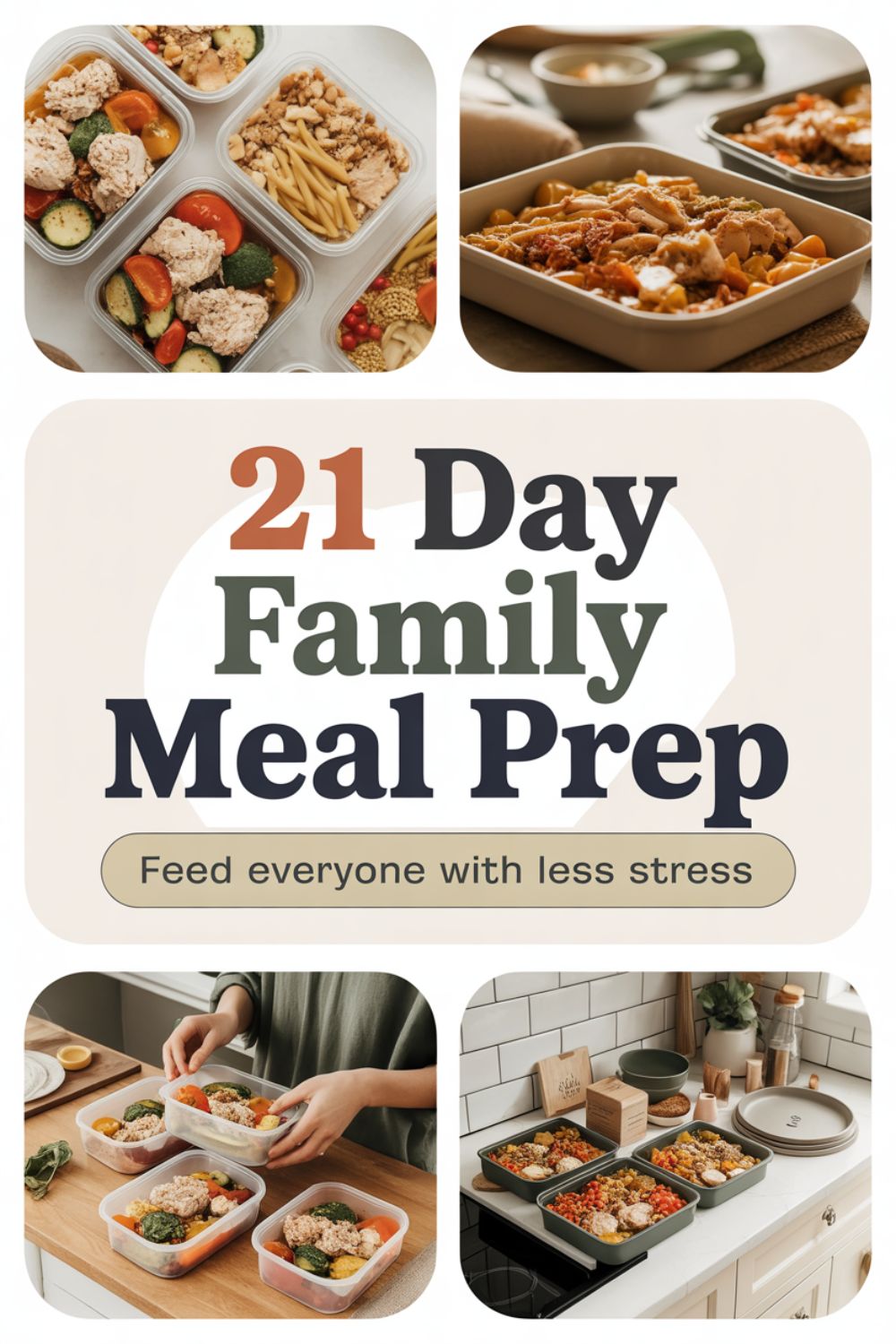
Why 21 Days Specifically?
You’ve probably heard that it takes 21 days to form a habit. While that’s not entirely scientifically accurate (the real number is closer to 66 days, but who’s counting?), three weeks is the perfect sweet spot for meal prep beginners. It’s long enough to get into a real rhythm without feeling overwhelming, and short enough that you can see the finish line from the start.
The beauty of a three-week cycle is that you can rotate your meals without getting bored out of your mind. Week one might be Mediterranean-inspired, week two could lean into comfort food territory, and week three? That’s where you experiment a little. Research shows that people who plan their meals are more likely to have better dietary quality and increased food variety, which makes total sense when you think about it.
Here’s what nobody tells you about meal prep: it’s not about perfection. Your containers don’t need to look Instagram-ready. Your chicken doesn’t need to be perfectly portioned. What matters is that when Wednesday night rolls around and you’re exhausted, you’ve got something ready to heat up that isn’t from a drive-thru window.
The Science Behind Meal Prep Success
Let’s talk nerdy for a second. Studies have found that home-cooked meals are associated with numerous health benefits, including reduced risk of type 2 diabetes and other chronic diseases. When you prep your meals, you’re not just saving time—you’re actively investing in your health and your family’s well-being.
But here’s where it gets interesting. The act of planning itself changes how you eat. According to nutrition experts, when you make food decisions separately from when you’re actually eating, you tend to make healthier choices. Your hungry brain at 6 PM is going to grab whatever’s easiest. Your well-fed brain on Sunday afternoon? That’s the one you want making the calls.
Think about the last time you tried to decide what’s for dinner while already starving. You probably grabbed whatever required the least effort, right? Maybe that was a frozen pizza, maybe it was cereal straight from the box (no judgment—we’ve all been there). When you meal prep, you’re removing that decision fatigue entirely. Speaking of easy meal solutions, Get Full Recipe for our 15-minute sheet pan dinners that make weeknight cooking almost effortless.
“I started the 21-day meal prep challenge skeptically—I’m not exactly what you’d call organized in the kitchen. But by week two, I was actually looking forward to Sunday prep sessions. My kids are eating more vegetables than ever, and we’ve saved over $300 on takeout. Game changer.” – Rachel M., community member
Setting Up Your Meal Prep Foundation
The Real Talk About Time Investment
I’m not going to sugarcoat it: your first meal prep session might take three hours. Maybe four if you’re figuring things out as you go. But here’s what happened to me by week three—I had my entire week prepped in about 90 minutes. The efficiency comes from repetition and getting your system dialed in.
The trick is batch cooking. You’re not making seven different meals from scratch. You’re cooking three proteins, roasting a big batch of vegetables, preparing a couple of grains, and then mixing and matching throughout the week. It’s like having a choose-your-own-adventure book, except with chicken and quinoa instead of dragons and treasure.
Kitchen Tools That Actually Matter
You don’t need a fancy kitchen to meal prep successfully, but a few key tools make life dramatically easier. I use glass meal prep containers for everything because they’re microwave-safe, don’t stain, and don’t make your food taste like plastic after the third reheat. Worth every penny, IMO.
A good chef’s knife speeds up your chopping by half. I’m serious—I timed it. And if you’re not using a slow cooker or Instant Pot, you’re missing out on the ultimate set-it-and-forget-it meal prep tool. Throw in your ingredients Sunday morning, come back to perfectly cooked protein that shreds beautifully.
Meal Prep Essentials Used in This Plan
- Premium Glass Meal Prep Container Set (24-piece) – Stackable, leak-proof, and dishwasher safe. These have survived everything from my clumsy drops to my kid’s backpack adventures.
- Professional Chef’s Knife (8-inch) – Sharp enough to make vegetable prep actually enjoyable. Changed my entire relationship with onions.
- Programmable Slow Cooker (6-quart) – For those mornings when you want dinner to cook itself while you’re at work. The ultimate lazy genius tool.
- 21-Day Meal Prep Blueprint (Digital Guide) – Complete meal plans, shopping lists, and prep schedules. Takes the guesswork out entirely.
- Family-Friendly Recipe Database – 200+ tested recipes that kids actually eat. Filters for dietary restrictions and prep time.
- Meal Prep Mastery Video Course – Step-by-step tutorials showing exactly how to prep efficiently. Watch once, use forever.
- Join our Meal Prep Community WhatsApp Group – Share tips, swap recipes, and get real-time advice from people who actually do this every week.
Week 1: Building Your Baseline
The first week is all about establishing your routine without overwhelming yourself. You’re learning what works for your family’s taste preferences and your own schedule. I recommend starting with simple, forgiving recipes—things that taste good even if you slightly overcook them or the proportions aren’t perfect.
Focus on proteins that reheat well: grilled chicken, ground turkey, baked salmon, and slow-cooked beef all make excellent meal prep staples. Pair them with roasted vegetables—literally any combination works—and a grain like rice, quinoa, or pasta. You’ve now got the foundation for five different dinners with minimal actual cooking time.
For breakfast, overnight oats become your best friend. Mix them up Sunday night in individual jars, and you’ve got grab-and-go breakfasts that require zero morning effort. If you need inspiration, Get Full Recipe for our protein-packed overnight oats that keep you full until lunch.
The Sunday Prep Session Blueprint
Here’s how I structure my Sunday prep, and this sequence actually matters for efficiency. Start by preheating your oven to 425°F and getting your slow cooker going with whatever protein you’re batch cooking. While those are working, chop all your vegetables at once. I’m talking everything you’ll need for the entire week—dice it, slice it, get it done in one go.
The oven gets loaded with sheet pans of vegetables. Season them simply with olive oil, salt, pepper, and maybe some garlic powder. You’re not trying to create restaurant-quality roasted vegetables here; you’re creating components that’ll work in multiple meals. Once those are roasting, tackle your grains. Get your rice cooker or pot going with whatever grains you’re using that week.
By the time your vegetables come out of the oven, your slow cooker protein is probably done or close to it. Your grains are ready. Now comes the fun part—assembly. Put on some music or a podcast, and start filling containers. Don’t stress about making them look perfect. Just get the food into containers in combinations that sound good to you.
Looking for more variety in your weekly rotation? Try incorporating one-pot pasta dishes or sheet pan chicken fajitas into your prep sessions—they’re crowd-pleasers that scale up beautifully.
Week 2: Leveling Up Your Game
By week two, you’ve got your basic system down. Now we’re going to make it more interesting without making it more complicated. This is where you start playing with flavors and getting a little more adventurous with your ingredient combinations.
The secret to preventing meal prep burnout? Variety in your flavor profiles. Week one might have been heavy on Italian seasonings. Week two, switch to Asian-inspired flavors with soy sauce, ginger, and sesame oil. Or go Mexican with cumin, chili powder, and lime. Same proteins, same vegetables, completely different taste experience.
Mastering the Mix-and-Match Method
This is where meal prep gets genuinely fun. Instead of prepping complete meals, you’re creating a buffet of components that can be combined in different ways. Monday might be teriyaki chicken with rice and broccoli. Wednesday, that same teriyaki chicken gets chopped into a salad with mandarin oranges and crunchy wontons. Friday, you’re making fried rice with leftover vegetables and that chicken.
The protein stays the same, but the meals feel completely different. This approach saves time, reduces food waste, and keeps things interesting. Plus, it gives you flexibility—if someone’s not feeling rice one night, they can swap in roasted sweet potatoes or cauliflower rice without you having to cook anything extra.
FYI, this is also when you might want to experiment with homemade sauces and dressings. A good sauce can transform boring chicken into something you’re actually excited to eat. Store them in small squeeze bottles for easy portion control.
“The mix-and-match approach was the breakthrough moment for me. I was so tired of eating the same exact meal five days in a row. Now I prep components instead of complete meals, and my family thinks I’m cooking fresh every night. Don’t tell them it’s all from Sunday’s prep session!” – Marcus T., meal prep convert
Speaking of variety, you might also enjoy Mediterranean bowl recipes or Asian-inspired stir-fry bases that work beautifully with this component-based approach.
Week 3: Making It Sustainable
Week three is where the magic happens. This is when meal prep stops feeling like a chore and starts feeling like just what you do on Sundays. You’ve developed muscle memory for the process. You know which containers work best for which foods. You’ve figured out your family’s favorite combinations.
This is also when you start getting creative with leftovers in ways that don’t feel like you’re eating leftovers. That roasted chicken from Sunday? By Thursday, it’s getting transformed into chicken salad sandwiches or chicken quesadillas. The roasted vegetables that are starting to look a little sad? They’re going into a frittata or getting blended into a soup.
Involving Your Family
Here’s something that surprised me: getting my kids involved in meal prep made them significantly less picky about eating the food. There’s actual research backing this up—children who help with meal preparation show increased consumption of fruits and vegetables and greater preference for healthy foods.
Even young kids can wash vegetables, tear lettuce, or help measure ingredients. Older kids can chop softer vegetables with a kid-safe knife, stir pots, or be in charge of container assembly. Make it fun, play some music, and suddenly Sunday meal prep becomes family bonding time instead of solo kitchen drudgery.
Dealing with Meal Prep Fatigue
Let’s be honest—some Sundays, you’re not going to feel like meal prepping. You’re tired, you’ve got other stuff going on, or you just can’t face another chicken breast. This is normal. This is where your backup plan comes in.
On low-energy weeks, scale back. Prep just proteins and vegetables, and buy pre-cooked grains. Or prep breakfast and lunch components, and keep a few freezer meals on hand for dinners. The point of meal prep is to make your life easier, not to become another source of stress. If you need to order pizza one night, that’s fine. You’re still meal prepping way more than you were three weeks ago.
Tools & Resources That Make Cooking Easier
- Digital Kitchen Scale – For accurate portion control and consistent results. Way more useful than you’d think.
- Silicone Baking Mats (Set of 3) – Zero sticking, zero cleanup. I use these on literally everything except cereal bowls.
- Vegetable Chopper/Dicer – Cuts your veggie prep time in half. Especially brilliant for onions because less crying.
- Weekly Meal Planning Template (Printable PDF) – Simple layout that helps you organize meals, shopping lists, and prep tasks. One page, maximum efficiency.
- Budget-Friendly Meal Prep Guide – Shows you how to meal prep for a family of four on $200/week. Real meals, real budgets.
- Freezer Meal Masterclass – Learn which meals freeze beautifully and which turn into soggy disasters. Includes thawing schedules and reheating tips.
- Join our Private Meal Prep Facebook Group – Thousands of members sharing their weekly preps, troubleshooting together, and celebrating wins.
The Nutritional Win You’re Not Thinking About
Here’s something that doesn’t get talked about enough: meal prep isn’t just about convenience and saving money. It’s about nutrition consistency. When you’re meal prepping, you’re naturally eating more balanced meals because you’re planning them when you’re not hungry and desperate.
You’re also more likely to incorporate a wider variety of foods into your diet. Instead of falling back on the same five takeout orders, you’re rotating through different proteins, different vegetables, different grains. That variety matters for getting a full spectrum of nutrients.
The difference between peanut butter and almond butter might seem small, but variety in protein sources matters for complete nutrition. Same with rotating between sweet potatoes and regular potatoes, or using both quinoa and brown rice throughout your week. These small variations add up to better overall nutrition without requiring you to think about it constantly.
Portion Control Without the Misery
Let’s talk about portion sizes for a second. When you meal prep, you’re naturally creating portion-controlled servings. But here’s the key: you’re doing it when you’re not already eating, which means you can be more rational about it.
I’m not talking about tiny, sad portions that leave you hungry an hour later. I’m talking about actual satisfying servings that include enough protein to keep you full, enough vegetables to get your nutrients, and enough carbs to fuel your day. When you pre-portion everything, you avoid that mindless second helping that you didn’t really need but grabbed anyway because the pot was right there.
If you’re looking to increase your protein intake specifically, high-protein meal prep bowls are your friend. They’re filling, versatile, and scale up easily for family meals.
Common Meal Prep Mistakes (And How to Avoid Them)
Mistake #1: Prepping Foods That Don’t Reheat Well
Not all foods are created equal when it comes to meal prep. Learned this the hard way when I spent two hours making beautiful lettuce-based salads that turned into soggy, brown disappointments by Wednesday. Some foods just don’t hold up well.
Skip: anything fried (gets soggy), most pasta salads with creamy dressing (gets mushy), cut avocados (turns brown), and fully assembled salads. Instead, prep your salad components separately and assemble right before eating. Keep dressings in small containers and add them fresh. For crispy foods, use your air fryer to reheat them—game changer for maintaining texture.
Mistake #2: Not Seasoning Enough
This is the number one reason people quit meal prep—their food tastes boring. When you’re batch cooking, it’s easy to under-season because you’re trying to keep things neutral. Don’t do this. Season your proteins well. Use herbs, spices, marinades. Make your food taste good.
If you’re worried about everyone’s preferences, season the base lightly and keep different sauce options available. I keep four or five different sauces in my fridge at all times: a basic vinaigrette, a creamy garlic sauce, some kind of Asian-inspired sauce, hot sauce, and whatever else sounds good that week. Same grilled chicken tastes completely different depending on which sauce you add.
Mistake #3: Trying to Prep Everything at Once
I see this all the time in meal prep communities. Someone decides they’re going to prep breakfast, lunch, dinner, and snacks for the entire week in one marathon Sunday session. They make it through week one, maybe week two, and then they burn out completely and never meal prep again.
Start smaller. Just dinners. Or just lunches. Once you’ve got that down and it feels manageable, add another meal. Sustainability beats perfection every single time.
Budget-Friendly Meal Prep Strategies
One of the biggest benefits of meal prepping is the money you save, but you’ve got to be strategic about it. The key is shopping sales and building your meal plan around what’s cheap that week, not the other way around.
I check my grocery store’s weekly ad before planning anything. Chicken on sale? We’re having chicken-heavy week. Ground beef marked down? Time for taco bowls, spaghetti sauce, and burger patties. This approach can easily cut your grocery bill by 30-40%.
Buying in Bulk Without Waste
Bulk buying only saves money if you actually use everything before it goes bad. Buy your staples in bulk—rice, beans, oats, frozen vegetables. These things last forever and you’ll definitely use them. For perishables like fresh produce and proteins, buy just what you need for that week’s meal plan.
Exception: if you’ve got freezer space, buying proteins in bulk when they’re on sale and freezing them individually is brilliant. I portion them into meal-sized amounts using a vacuum sealer before freezing. Prevents freezer burn and makes it easy to thaw exactly what you need.
Looking for more budget-friendly meal ideas? Check out cheap and healthy meal prep recipes that prove eating well doesn’t require a huge grocery budget.
Adapting the Plan for Different Dietary Needs
The beautiful thing about a component-based meal prep approach is how easily it adapts to different dietary requirements. Got a vegetarian in the house? They get the same roasted vegetables and grains, just swap the chicken for chickpeas or tofu. Someone doing keto? They get double vegetables instead of grains.
Plant-Based Meal Prep
Plant-based meal prep is actually easier in some ways because beans and lentils are cheap, nutritious, and incredibly forgiving when reheated. A big batch of seasoned black beans can become taco bowls, rice and beans, bean burgers, or salad toppers throughout the week.
The trick with plant-based proteins is making sure you’re getting variety to hit all your amino acids. Rotate between beans, lentils, tofu, tempeh, and seitan throughout your week. Each brings different nutrients and different flavors to the table.
Dairy-Free Alternatives
Dairy-free meal prep has gotten so much easier in the past few years. There are excellent plant-based alternatives for basically everything now. But here’s a pro tip: make your own cashew cream for sauces. Blend soaked cashews with water, and you’ve got a creamy base that works for everything from pasta sauce to salad dressing. Way cheaper than buying packaged alternatives and tastes better too.
Making Meal Prep Work Long-Term
The 21-day plan is just the beginning. The real question is: how do you make this a sustainable part of your life? The answer is flexibility and forgiveness. Some weeks you’ll nail it. Some weeks you’ll barely scrape together enough food for three dinners. Both are fine.
What matters is that you keep coming back to it. Even half-assing meal prep is better than not doing it at all. Prep just proteins one week. Buy a rotisserie chicken and some pre-cut vegetables another week. The goal isn’t perfection—it’s having more home-cooked meals than you would without any planning at all.
Seasonal Meal Prep
Your meal prep strategy should evolve with the seasons. Summer meal prep looks different than winter meal prep. In summer, I’m all about cold salads, grilled proteins, and fresh vegetables. Winter? Give me slow-cooked stews, roasted root vegetables, and hearty grain bowls.
Shopping seasonal produce is cheaper and tastier anyway. Tomatoes in August are a completely different experience than tomatoes in January. Build your meal plans around what’s actually good right now, and your food will taste better without any extra effort on your part.
Frequently Asked Questions
How long do meal-prepped foods actually stay fresh?
Most cooked proteins and vegetables stay good in the fridge for 3-4 days, which is why I typically prep through Wednesday or Thursday and then either cook fresh or use frozen meals for the end of the week. Rice and grains can push to 5 days if stored properly in airtight containers. When in doubt, freeze anything you won’t eat within four days—most meals freeze beautifully for up to three months.
Can I meal prep if I have a tiny kitchen?
Absolutely. I started meal prepping in an apartment kitchen with exactly four feet of counter space. The key is working in batches and using your oven, stovetop, and slow cooker simultaneously to maximize efficiency. You might need to wash dishes midway through your prep session, but it’s totally doable. Focus on one-pot meals and sheet pan dinners to minimize the number of dishes you’re juggling.
What if my family doesn’t like eating the same thing multiple days in a row?
This is where the component method really shines. Instead of prepping complete identical meals, prep versatile ingredients that can be combined differently each day. For example, that batch of grilled chicken becomes chicken Caesar salad Monday, chicken and rice bowls Tuesday, and chicken quesadillas Wednesday. Same protein, totally different meals.
Is meal prep actually cheaper than buying groceries throughout the week?
In my experience, yes—significantly so. When you meal prep, you buy exactly what you need and use everything you buy, which dramatically cuts down on food waste. Plus, you’re not making impulse purchases or hitting up the drive-thru because you don’t know what’s for dinner. Most families save between $200-400 per month once they get into a consistent meal prep routine.
What should I do if I get sick of my meal prep meals midweek?
Keep a few “emergency” ingredients on hand to transform your meals: different sauces, spices, cheese, or fresh herbs. Sometimes just adding a different sauce or serving method (wrapping it in a tortilla, serving it over greens, etc.) is enough to make it feel like a completely different meal. And honestly? If you really can’t face another meal, that’s what freezers are for. Just freeze what’s left and enjoy something else that night.
The Bottom Line
Three weeks from now, you could be the person who has their meal situation completely handled. No more 6 PM panic. No more expensive takeout three times a week because you “didn’t have anything planned.” No more throwing away groceries that went bad before you got around to cooking them.
Meal prep isn’t about being perfect or having Instagram-worthy containers. It’s about making your life easier and your family healthier without requiring you to become a professional chef or dedicate your entire weekend to cooking.
Start with one week. Prep just dinners. Use simple recipes. See how it feels. By week three, you’ll have developed your own system, figured out your family’s favorites, and created a routine that actually works for your real life. And yeah, you’ll probably still order pizza sometimes. That’s totally fine. The goal is progress, not perfection.
So grab some containers, pick a day, and give it a shot. Future you—the one who’s not scrambling to figure out dinner at 6:30 on a Wednesday—will thank you.
Similar Posts
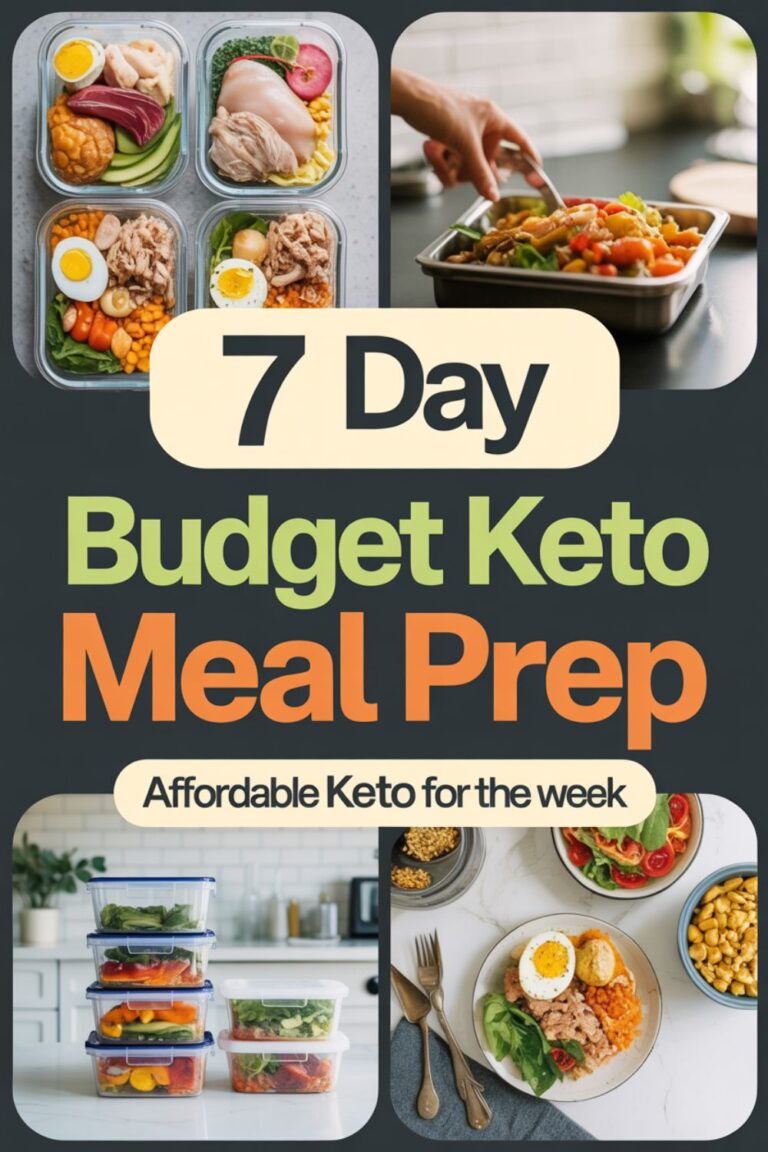
7-Day Budget Keto Meal Prep That’s Affordable
7-Day Budget Keto Meal Prep That’s Affordable 7-Day Budget Keto Meal Prep That’s Affordable Let me guess. You’ve heard about keto, maybe even tried it, but your wallet started crying after the first grocery run. All those fancy almond flour packages, grass-fed butter, and organic avocados add up faster than you can say “ketosis.” I’ve…
17 Sheet Pan Brunch Recipes for Easy Hosting
17 Sheet Pan Brunch Recipes for Easy Hosting | The Meal Edit The Meal Edit Sheet Pan Brunch 17 Sheet Pan Brunch Recipes for Easy Hosting One pan. One oven. Zero excuses for making guests wait while you sweat over a skillet for two hours. By The Meal Edit Team Read time: 12 min Updated:…
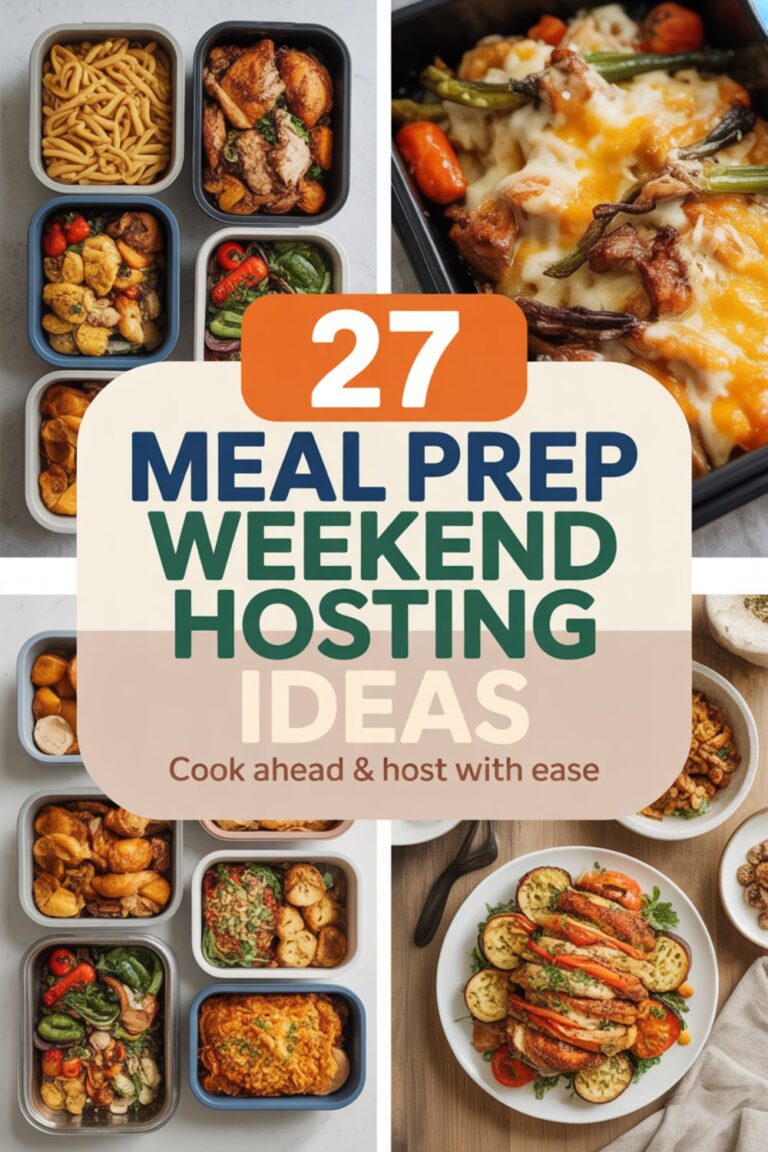
27 Meal Prep Ideas for Weekend Hosting That Actually Work
27 Meal Prep Ideas for Weekend Hosting | The Meal Edit The Meal Edit Weekend Hosting 27 Meal Prep Ideas for Weekend Hosting That Actually Work By The Meal Edit Team | Updated March 2026 | 12 min read Image Prompt Overhead shot of a rustic farmhouse kitchen counter set for weekend meal prep hosting….
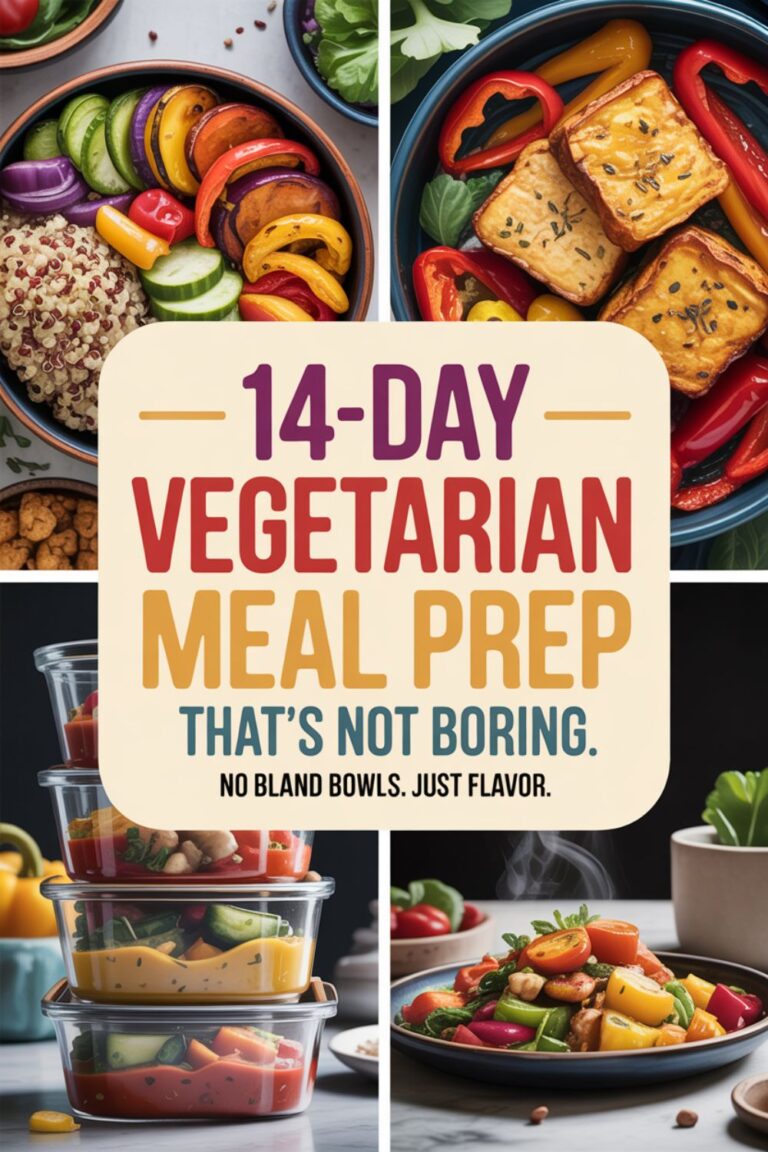
14-Day Vegetarian Meal Prep That’s Not Boring
14-Day Vegetarian Meal Prep That’s Not Boring Build Your Perfect Vegetarian Meal Prep Plan Your Goal: Weight LossMuscle BuildingBalanced NutritionEnergy & Focus Calorie Range: Low (1200-1500)Medium (1500-1800)High (1800-2200) Diet Style: VegetarianVeganLacto-Vegetarian Prep Style: Quick (30 min)Batch (2 hours)Fresh Daily Generate Your Plan 14-Day Vegetarian Meal Prep That’s Not Boring Let me guess—you’re tired of eating…
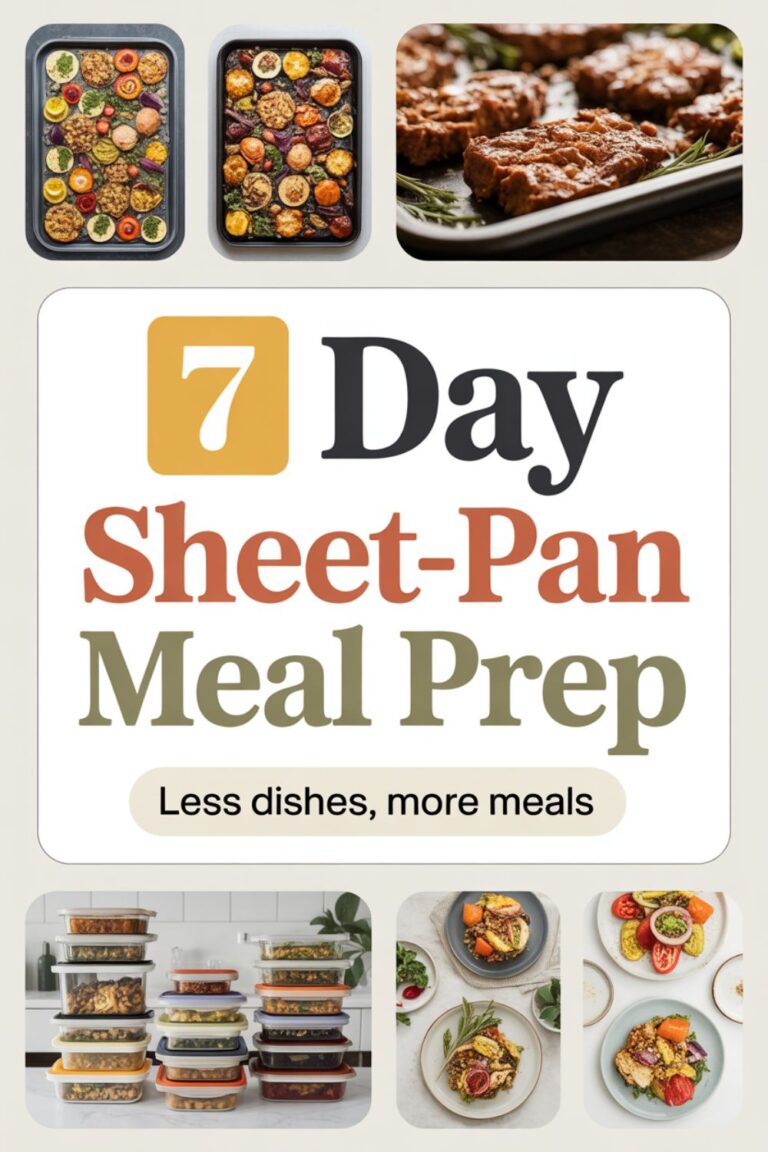
7-Day Sheet-Pan Meal Prep for Easy Cleanup
7-Day Sheet-Pan Meal Prep for Easy Cleanup – The Meal Edit 7-Day Sheet-Pan Meal Prep for Easy Cleanup Let’s be real—most of us start the week with big meal prep energy, only to find ourselves elbow-deep in a sink full of pots, pans, cutting boards, and mystery spatulas by Tuesday. The dishes pile up faster…
27 Healthy Mother’s Day Dinner Ideas That Actually Feel Special
27 Healthy Mother’s Day Dinner Ideas That Feel Special The Meal Edit — Real Food, Real Life Mother’s Day Special 27 Healthy Mother’s Day Dinner Ideas That Actually Feel Special Light, gorgeous, and made with real ingredients — because Mom deserves a meal that loves her back. By The Meal Edit Team | May 2025…