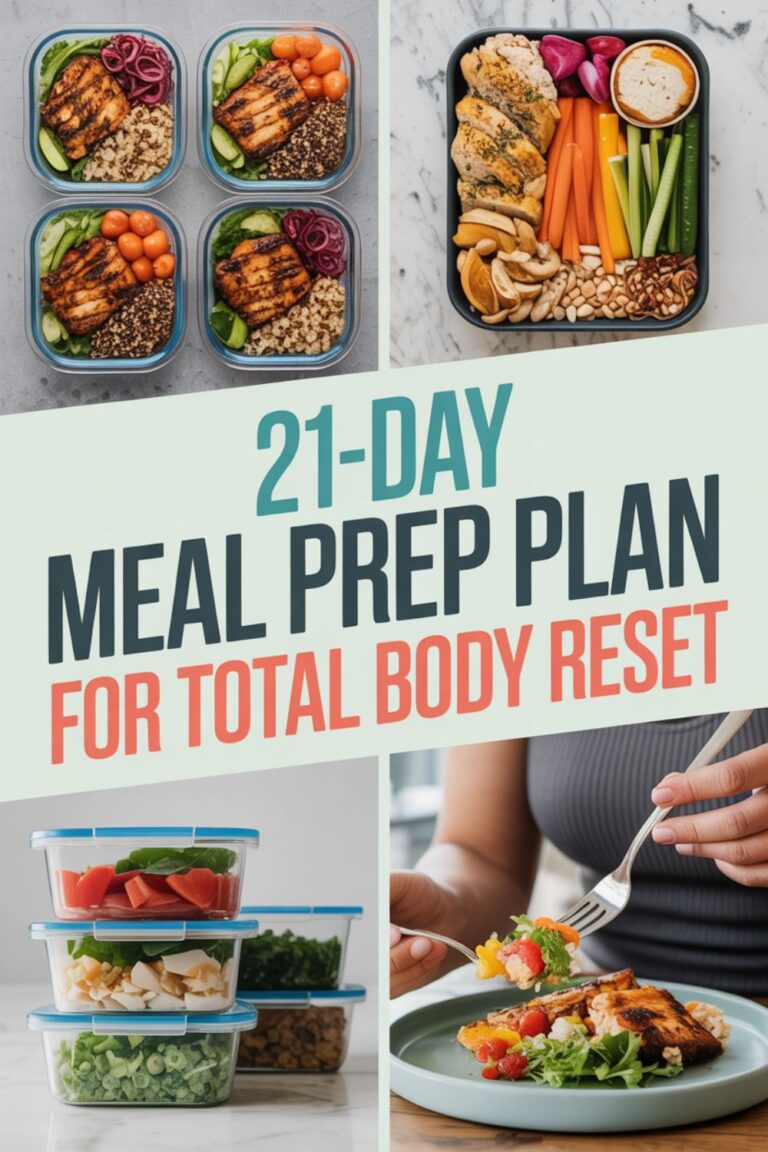
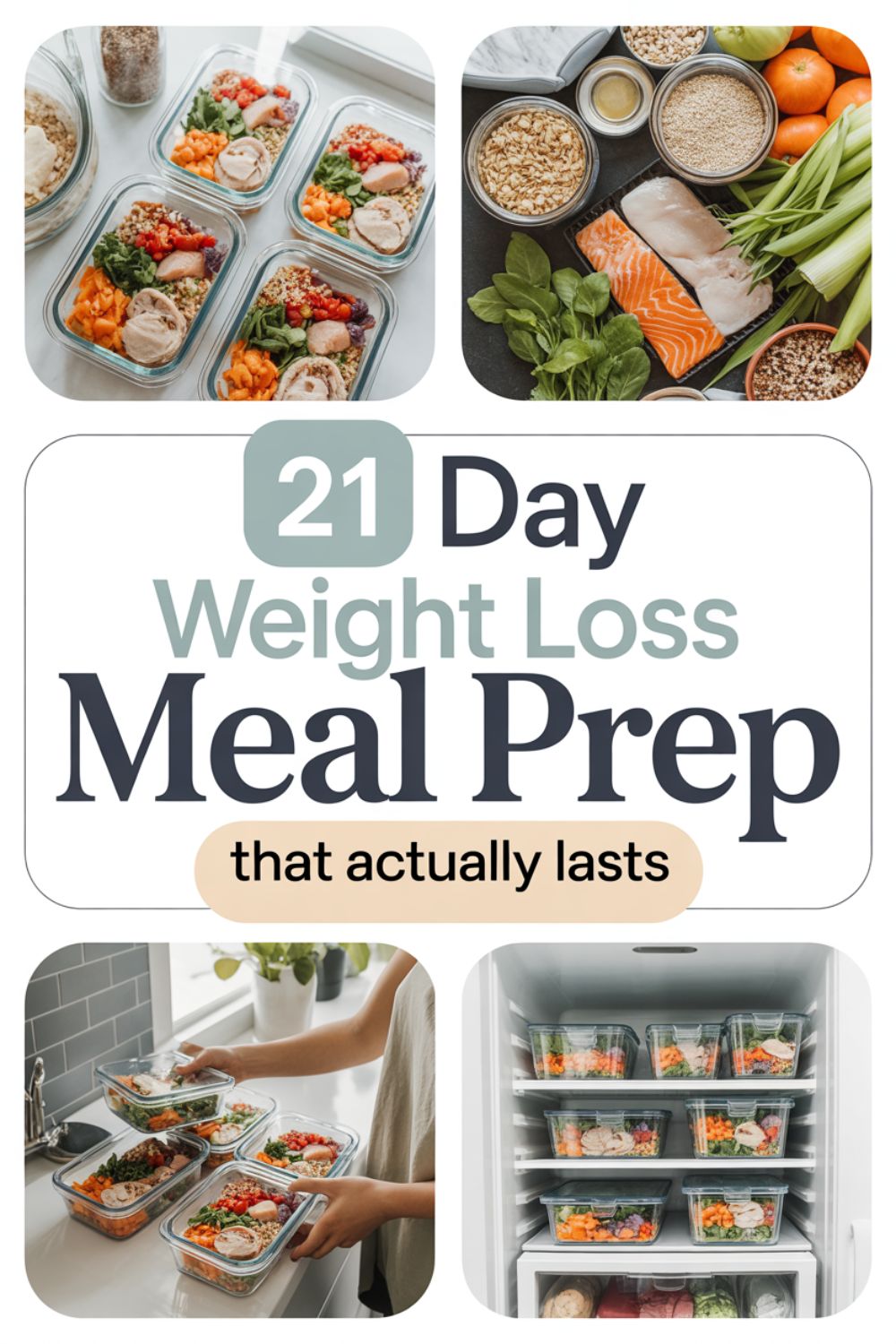
21-Day Weight Loss Meal Prep That Actually Lasts
Look, I’m not going to tell you meal prep is some magical solution where you wake up Monday morning suddenly transformed into a person who casually pulls perfectly portioned quinoa bowls from the fridge. But here’s what I will tell you: after three weeks of strategic meal prep, you’ll have figured out a system that actually works for your life—not just your Pinterest board.
Most meal prep plans fail because they’re designed by people who apparently have infinite time, infinite Tupperware, and zero interest in eating anything that actually tastes good past day two. This isn’t that plan.
I’ve been meal prepping for weight loss for about five years now, and the first dozen attempts were absolute disasters. Wilted salads. Rock-hard chicken. Mystery containers lurking in the back of the fridge that I was genuinely afraid to open. But somewhere along the way, I figured out what actually works—and more importantly, what doesn’t.
Why 21 Days? Because Three Weeks Is Long Enough to Build a Habit Without Losing Your Mind
Three weeks gives you enough time to actually see results without committing to some lifestyle overhaul that’ll have you eating sad desk salads until the end of time. You’ll prep, eat, adjust, and repeat enough times to figure out your personal rhythm.
Here’s the thing about weight loss meal prep: it’s not about perfection, it’s about consistency. You don’t need every meal photographed and labeled with calorie counts written in perfect handwriting. You need food that keeps you full, tastes decent reheated, and doesn’t require a culinary degree to prepare.
Research shows that people who lose weight at a gradual, steady pace of about 1 to 2 pounds per week are more likely to keep it off long-term. That’s exactly what strategic meal prep helps you achieve—no crash diets, no deprivation, just smart planning.
The Real Talk About Meal Prep Containers (And Why You Probably Have the Wrong Ones)
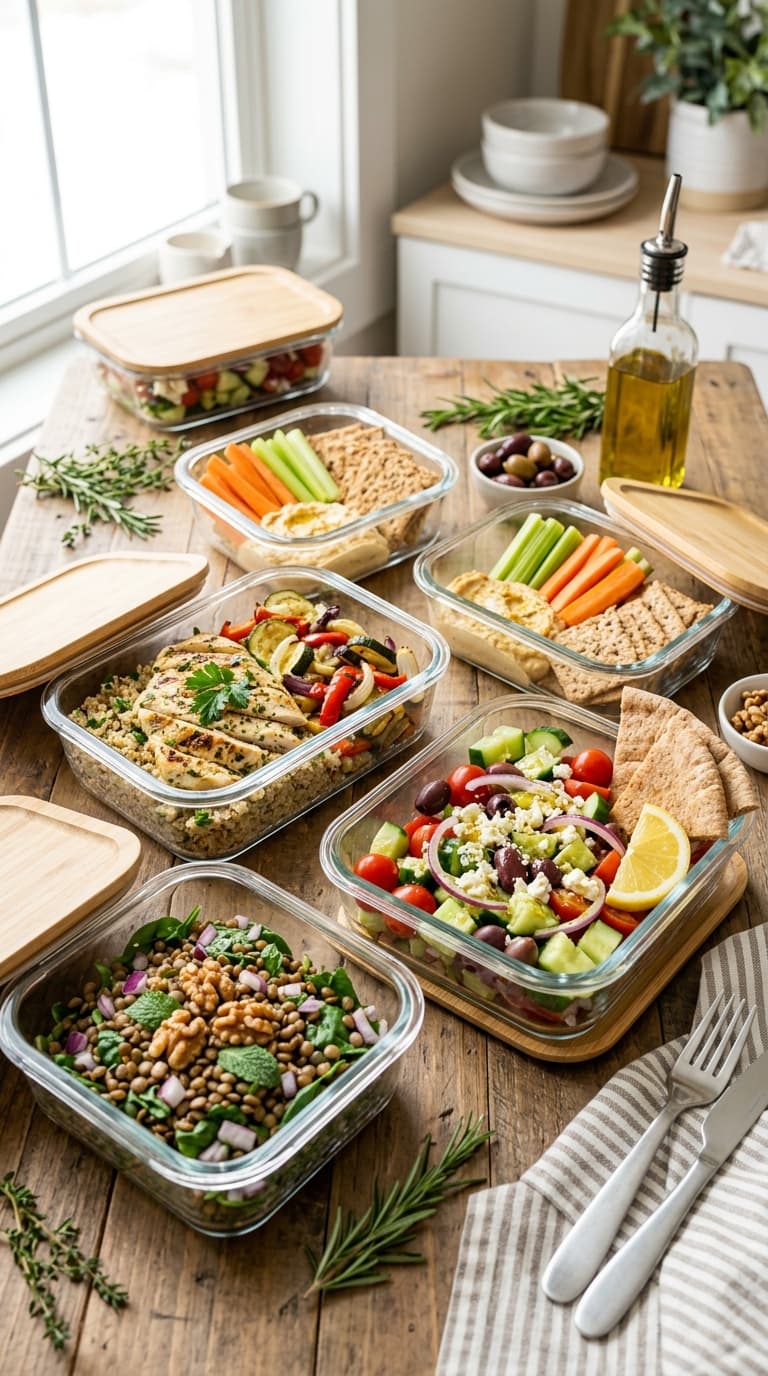
I spent way too much money on fancy divided containers before I realized the truth: you need about three different types of containers, and they all serve different purposes. Mason jars for salads and overnight oats, glass containers for anything with sauce, and simple plastic containers for your basic proteins and grains.
Don’t overthink this part. Seriously. I know someone who spent six months researching the “perfect” meal prep container system and never actually started meal prepping. Just get started with what you have, then upgrade as you figure out what you actually need.
Label everything with masking tape and a Sharpie. Date it. Your future self trying to figure out if that chicken is from last Sunday or two Sundays ago will thank you.
The best containers I’ve found are these stackable glass ones with the snap lids—they don’t stain, they don’t smell weird after three months, and they actually stack properly. For storage, I use these airtight containers with the one-touch lids because fumbling with complicated lids when you’re hangry at 6 AM is not the vibe.
Week One: Getting Your Bearings Without Burning Out
Your first week isn’t about being perfect. It’s about figuring out your workflow, your storage situation, and which recipes actually taste good on day four. Start simple. Pick three proteins, three carb sources, and load up on vegetables.
The Sunday Setup That Actually Works
Here’s my Sunday routine, and I’m not going to lie to you—it takes about three hours the first time. But by week three, you’ll have it down to ninety minutes, tops.
- 9:00 AM: Coffee, grocery list, no distractions
- 10:00 AM: Hit the grocery store before everyone and their yoga instructor shows up
- 11:30 AM: Unpack, wash all produce immediately (seriously, do it now or it’ll be soggy by Wednesday)
- 12:00 PM: Start your longest-cooking items first—roasted vegetables, slow-cooked proteins
- 1:30 PM: While those are going, prep your grab-and-go breakfasts
- 2:30 PM: Assembly time—portion everything out, label, stack in the fridge
For proteins, I rotate between baked chicken thighs, ground turkey, and salmon. Yeah, everyone meal preps chicken breast, but thighs stay moist and actually taste like something after being refrigerated. According to nutrition experts, meal prepping allows much more control over ingredients and portions compared to eating out, which is crucial for sustainable weight loss.
Carbs That Won’t Leave You Hungry an Hour Later
Let’s talk about the carb situation. Sweet potatoes, quinoa, and brown rice are your friends here. White rice is fine too—don’t let anyone tell you otherwise—but these options keep you fuller longer and won’t spike your blood sugar like you just mainlined a candy bar.
I prep my carbs in a rice cooker with the preset timer function because standing over a pot of rice watching it not boil is not how I choose to spend my Sunday. Set it, forget it, portion it out when it’s done.
The sweet potato game-changer? Roast them whole, then slice and reheat as needed. Trying to reheat cubed sweet potatoes is a one-way ticket to Mushy Town, population: your sad lunch.
Week Two: Leveling Up Your Strategy
By week two, you’ve probably figured out what you actually eat versus what you aspirationally packed. Maybe those elaborate Buddha bowls looked great on Sunday but by Wednesday you were just eating the components separately while standing at the counter. That’s fine. That’s data.
“I tried meal prep three times before it finally stuck. The difference? I stopped trying to make Instagram-worthy meals and started making stuff I’d actually eat. Lost 12 pounds in the first month just by having healthy food ready to go instead of ordering takeout every night.”
The Vegetables That Actually Survive the Week
Here’s what I’ve learned the hard way: not all vegetables are created equal when it comes to meal prep. Roasted broccoli, cauliflower, Brussels sprouts, and bell peppers all reheat beautifully. Zucchini and asparagus? Not so much. They turn into sad, watery shadows of their former selves.
Leafy greens are tricky. I keep them separate and assemble salads the night before or morning of. Use these salad containers with the separate dressing compartments if you’re taking them to work—nobody wants soggy lettuce at noon.
Pro move: roast your vegetables with different seasonings so you don’t get bored. Monday’s broccoli gets garlic and lemon, Wednesday’s gets a spicy kick, Friday’s goes Italian with herbs and parmesan. Same vegetable, completely different vibe.
Meal Prep Essentials Used in This Plan
Leak-proof, microwave-safe, and they won’t turn orange from spaghetti sauce. These have literally saved me hundreds in takeout costs.
Not to be obsessive, but portion control matters. This one switches between grams and ounces and actually fits in a drawer.
Stop buying parchment paper. These things are reusable, non-stick, and make cleanup ridiculously easy.
Printable planning sheets that actually help you stay organized. Includes shopping lists, prep schedules, and progress tracking.
Takes the guesswork out of balancing your meals. Just plug in your recipes and it does the math for you.
Every recipe tested for reheating quality and designed to last 4-5 days. Includes vegetarian, vegan, and high-protein options.
Want more support? Join our WhatsApp Meal Prep Community where we share weekly tips, swap recipes, and keep each other motivated.
Breakfast: The Meal You’ll Actually Stick With
I’m going to be honest with you: if breakfast requires more than two minutes of active thought before 8 AM, I’m not eating it. That’s why overnight oats and egg muffins are my go-to options. Make them Sunday, grab them all week, done.
The overnight oats formula is stupidly simple: ½ cup oats, ½ cup milk (whatever kind you like), chia seeds, protein powder if you’re into that, and whatever toppings won’t get weird overnight. Berries, nuts, nut butter, cinnamon. Skip the fresh banana—it’ll turn brown and mushy.
For the egg muffin crowd, Get Full Recipe for my foolproof version that doesn’t somehow end up rubbery. The secret is adding a splash of milk and not overcooking them. Revolutionary, I know.
Week Three: You’re Basically a Meal Prep Expert Now
By week three, you’ve got your system down. You know which containers work best for which foods. You’ve stopped making seventeen different recipes and settled into a rotation that works. You might even—dare I say it—be enjoying this.
The Lunch Situation: Bowls, Salads, or Whatever Makes You Happy
Lunch is where most people either thrive or completely abandon ship. The key is building meals that you can mix and match. I prep components, not complete meals. This week’s lunch might be rice + roasted vegetables + chicken, next week it’s quinoa + different roasted vegetables + salmon. Same effort, different meal.
When you’re building these bowls or plates or whatever you want to call them, think about protein + complex carb + vegetables + healthy fat. That’s it. That’s the formula. Everything else is just details.
My current favorite combination is ground turkey seasoned with taco spices, cilantro lime rice, roasted poblano peppers and onions, and topped with avocado. Get Full Recipe for the exact proportions and cooking method that keeps everything flavorful through day five.
For salad people (I see you, and I respect it even though I don’t understand you), the CDC recommends filling half your plate with fruits and vegetables as part of a healthy eating pattern that supports weight management.
Prep your vegetables Sunday night, thank yourself all week. Seriously, having pre-chopped vegetables ready to go eliminates at least half the friction of actually cooking.
Dinner: Keep It Simple, Keep It Satisfying
Here’s where I break from traditional meal prep advice: I don’t always prep dinner. Sometimes I do, sometimes I cook fresh, sometimes I use my prepped components to quickly assemble something. The flexibility matters more than the rigid adherence to a plan.
That said, having pre-marinated proteins in the freezer is a game-changer. I spend thirty minutes on Sunday making three different marinades, portioning chicken or fish, and freezing them flat in bags. Thaw one the night before, cook it fresh in fifteen minutes. Feels like cooking, tastes better than day-old meal prep, way easier than starting from scratch.
I use these reusable silicone freezer bags instead of disposable plastic—they’re better for the environment and they actually work better for quick-thawing.
The Snack Strategy Nobody Talks About
Let’s address the elephant in the room: snacks will either make or break your meal prep weight loss journey. You can have the most perfectly prepped meals in the world, but if you’re hitting the vending machine at 3 PM because you’re starving, you’re not setting yourself up for success.
I prep snacks just like I prep meals. Hard-boiled eggs, veggie sticks with hummus, apple slices with almond butter, protein balls, Greek yogurt with berries. All portioned out, all ready to grab.
The protein balls are clutch. Mix together oats, nut butter, honey, protein powder, and whatever mix-ins won’t get weird (chocolate chips, dried fruit, seeds). Roll into balls, refrigerate. They last two weeks and scratch that “I need something sweet” itch without derailing anything.
I keep nuts portioned in these small containers with the pop-top lids because an entire jar of almonds will disappear faster than you’d think possible when you’re working from home.
What to Do When You’re Bored (Because You Will Be)
Around day 14, you’re going to look at another container of chicken and rice and contemplate eating your own hand instead. This is normal. This is expected. This is why we plan for it.
The Spice Cabinet Save
Different seasonings transform the same basic ingredients into completely different meals. Mexican spices, Italian herbs, Asian-inspired sauces, Indian curry blends, Mediterranean za’atar—you get the idea. Same chicken, five different flavor profiles.
I keep this spice rack with the magnetic containers on my fridge door so I can actually see what I have instead of digging through a cabinet like an archaeologist looking for that cumin I know I bought six months ago.
Hot sauce is your friend. So is good mustard. And please, for the love of all that is holy, buy actual good olive oil and sea salt. The difference between sad desk lunch and enjoyable meal is often just better seasoning.
Tools & Resources That Make Cooking Easier
Pressure cook, slow cook, steam, sauté—it does everything. Perfect for batch cooking proteins and grains in a fraction of the time.
Cuts my prep time in half. Uniform pieces mean even cooking. Plus, less knife work means less chance of injury when you’re rushing.
For soups, smoothies, and sauces without dirtying an entire blender. Small, efficient, actually gets used unlike my standing blender.
Step-by-step video tutorials showing exactly how to prep efficiently. Includes knife skills, batch cooking techniques, and storage methods.
Editable template that adapts to your dietary needs and preferences. Never wonder what to make again.
Know what’s in season, what tastes best, and what’s cheapest when. Includes recipes optimized for each season.
Join our WhatsApp Meal Prep Tips Group for daily inspiration, troubleshooting help, and a community of people who actually get it.
Mix in Some Fresh
You don’t have to eat exclusively from containers for three weeks straight. If you need a fresh salad from the store or a rotisserie chicken from the grocery deli, that’s fine. The point isn’t deprivation—it’s having healthy options available so you make better choices more often.
I usually do fresh salads twice a week and cook one dinner completely from scratch. Keeps things interesting without abandoning the whole system.
The Money Conversation We Should Have
Yes, there’s an upfront investment. Containers, maybe some new storage, a few kitchen tools if you don’t already have them. But here’s the math I did after my first month: I spent about $120 on groceries per week (for one person, FYI) and maybe $80 upfront on containers and supplies.
Before meal prep, I was spending $15-20 per meal eating out, easily five to seven times a week. That’s $75-140 per week minimum, often more. The meal prep investment paid for itself in less than three weeks.
Plus, you waste less food. When you have a plan, you buy what you need, you use what you buy, and you’re not throwing away half a package of spinach every week because you forgot it was in there.
What Actually Changed for Me
Look, I’m not going to tell you I lost 50 pounds in 21 days or any of that nonsense. What I will tell you is that after three weeks of consistent meal prep, I’d lost about 6 pounds and I actually felt like I could keep doing this indefinitely.
The weight loss was almost secondary to the mental relief of not having to make food decisions three times a day. Decision fatigue is real, and when you’re hangry at 6 PM staring into an empty fridge, you’re not making optimal choices.
“Started meal prepping to lose weight, stayed for the time saved and stress eliminated. Down 18 pounds in two months and I haven’t eaten a sad desk salad yet. The key was finding recipes I actually wanted to eat.”
The Unexpected Benefits
Beyond the weight loss, which yeah, that’s nice, I noticed some other changes. Better sleep because I wasn’t eating heavy meals late at night out of desperation. More energy because I was eating consistently throughout the day instead of swinging between starving and stuffed. Less anxiety about food in general because I knew what I was eating and when.
Also, and this might sound weird, but my grocery shopping got way more efficient. I know what I need, I get it, I leave. No more wandering the aisles impulse-buying stuff that ends up rotting in the back of the fridge.
The Meals That Became Staples
After doing this for a while, you develop your rotation. Here are mine, the ones I come back to week after week because they work:
- Burrito bowls with seasoned ground turkey, cilantro lime rice, black beans, fajita vegetables, and all the fixings. Get Full Recipe for my version that actually stays good all week.
- Asian-inspired chicken and broccoli with brown rice and a sauce that doesn’t get weird when reheated. The secret is adding the sauce when you reheat, not when you prep.
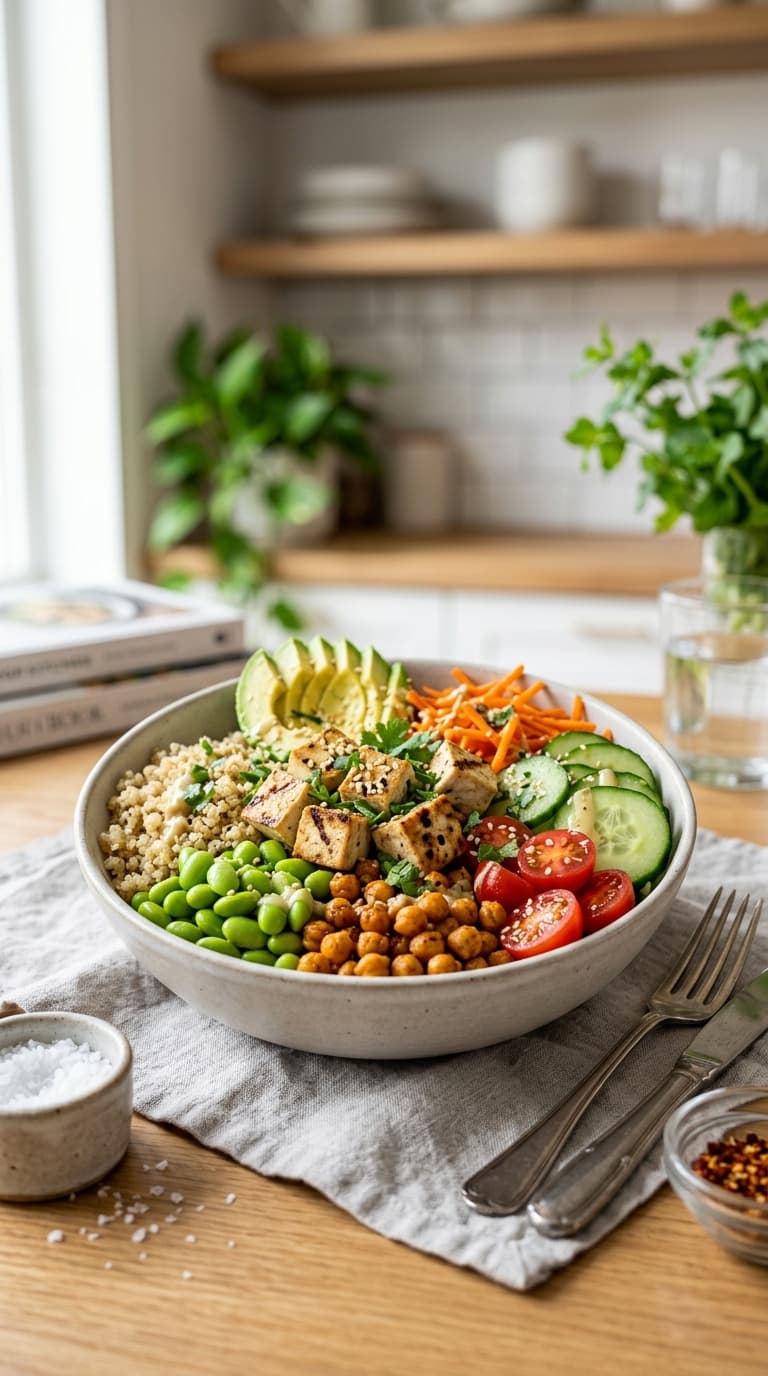
- Mediterranean chickpea bowls with quinoa, roasted vegetables, feta, and lemon tahini dressing. Vegetarian, filling, and somehow tastes better on day three.
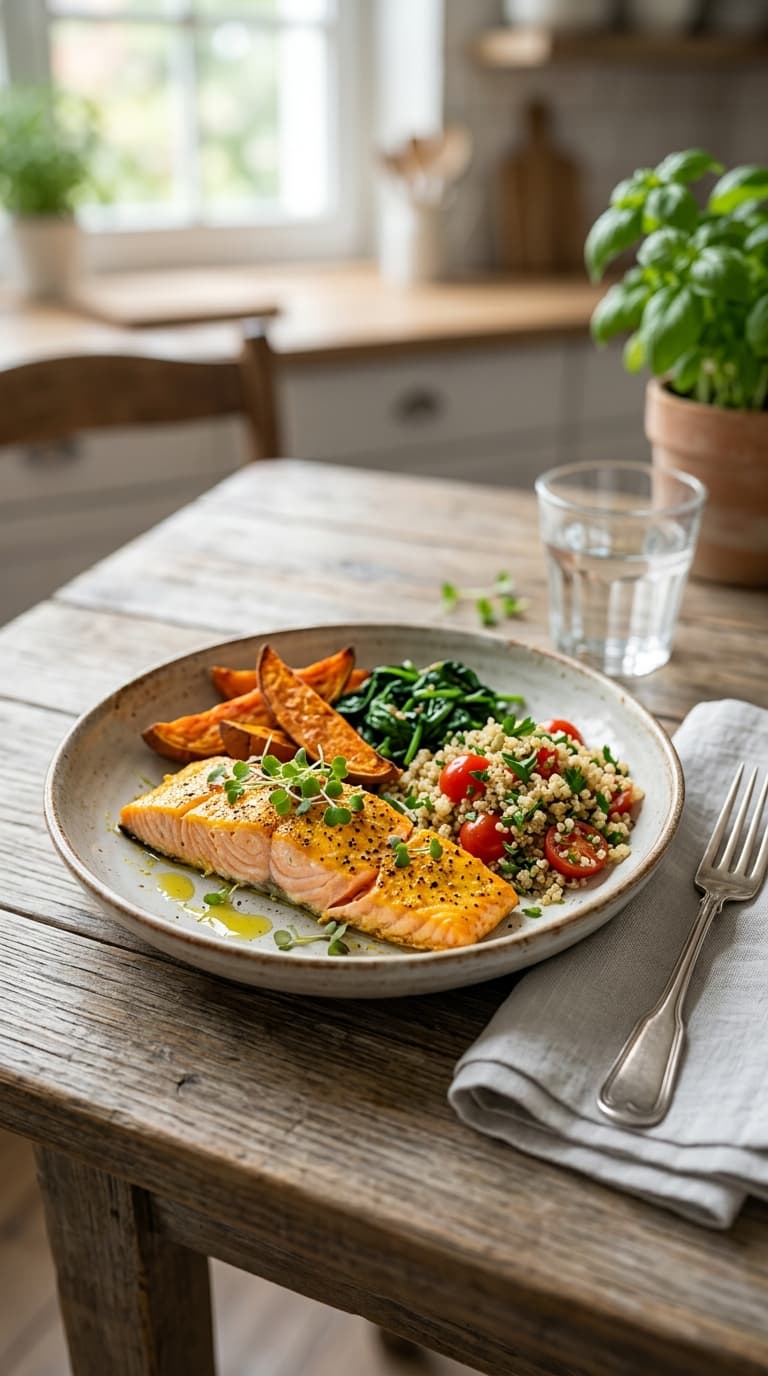
- Sheet pan salmon with roasted asparagus and sweet potato. Sounds fancy, takes forty minutes total, tastes like you tried way harder than you did.
Troubleshooting the Common Problems
Let me save you some frustration by addressing the issues everyone runs into:
Everything Tastes the Same by Wednesday
Season aggressively. Seriously, use more seasoning than you think you need. Food loses flavor as it sits, so compensate upfront. Also, keep your sauces and dressings separate until you’re ready to eat. Game changer.
You Run Out of Fridge Space
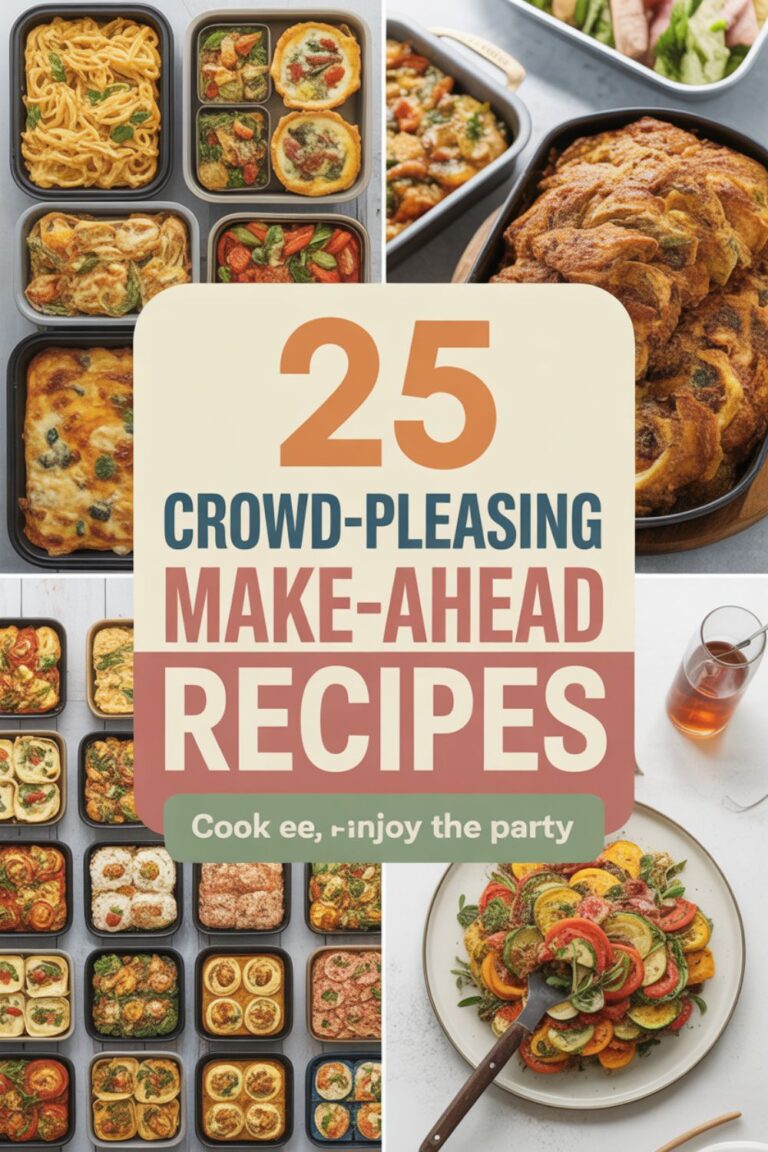
Stack better. Invest in stackable containers—they’re worth it. Also, use your freezer more strategically. Soups, grains, and proteins all freeze beautifully. Thaw as needed throughout the week.
You’re Starving Between Meals
Add more protein and fiber. If you’re hungry an hour after eating, your meals aren’t balanced properly. Managing your weight involves balancing the calories you consume with the calories you burn, but it also means eating foods that keep you satisfied.
Vegetables Get Soggy
Store them separately or add a paper towel to the container to absorb excess moisture. For salads, keep dressing separate always. For roasted vegetables, slight undercooking helps—they’ll finish cooking when you reheat.
Freeze half your batch if you’re meal prepping for one. Two weeks of variety beats one week of monotony every single time.
Making It Work Long-Term
The 21 days is just the start. The real question is: can you keep this going? And the answer is yes, if you build in flexibility and don’t treat it like an all-or-nothing proposition.
Some weeks you’ll prep everything perfectly. Some weeks you’ll prep breakfast and lunch and figure out dinner as you go. Some weeks you won’t prep at all because life happened. All of these are fine.
The goal isn’t perfection. The goal is having systems in place that make healthy eating easier more often than not. That’s it. That’s the whole thing.
Adapting for Special Diets
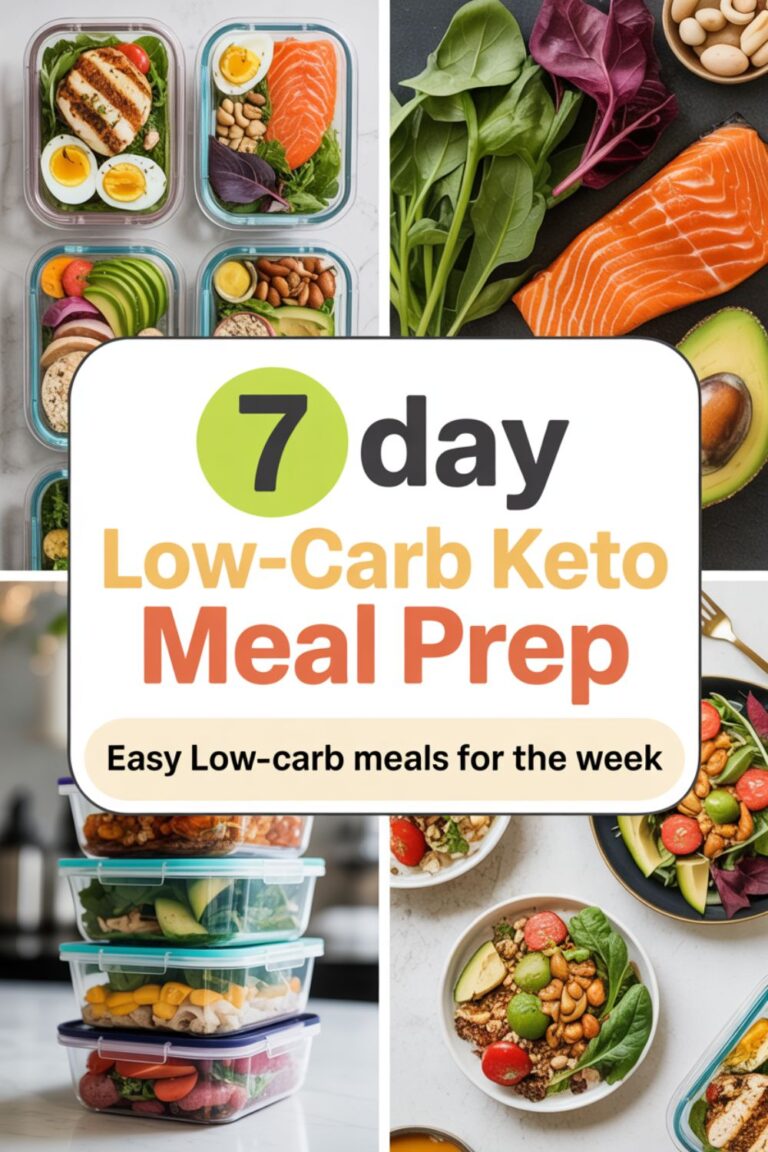
This approach works whether you’re vegetarian, vegan, keto, paleo, or just trying to eat more vegetables. The principles stay the same: prep proteins (or protein alternatives), prep carbs (or skip them if that’s your thing), prep vegetables, combine as needed.
For plant-based folks, tofu, tempeh, beans, and lentils all meal prep excellently. Press your tofu before marinating and cooking—nobody wants watery tofu. For keto people, load up on the vegetables and healthy fats, skip the grains, you know the drill.
Frequently Asked Questions
How much weight can I realistically lose in 21 days with meal prep?
Healthy weight loss is typically 1-2 pounds per week, so you’re looking at 3-6 pounds over three weeks. That might not sound dramatic, but it’s sustainable and more likely to stay off. Plus, you’re building habits that’ll continue working long after the initial 21 days.
Do I need to count calories when meal prepping?
Not necessarily. Focus on portion control and balanced meals instead of obsessive calorie counting. Fill half your plate with vegetables, a quarter with protein, and a quarter with complex carbs. That naturally creates a calorie deficit without the mental exhaustion of tracking every bite.
How long do meal prepped foods actually stay fresh?
Most properly stored meal prep lasts 4-5 days in the fridge. Proteins and cooked grains hit that 4-day mark, while raw vegetables last longer. If you’re prepping for a full week, freeze half and thaw midweek, or plan to grocery shop and do a smaller prep session Wednesday or Thursday.
What if I get sick of eating the same thing all week?
Prep components instead of complete meals, and mix up your seasonings and sauces. The same chicken tastes completely different with buffalo sauce versus teriyaki versus pesto. Also, there’s no rule saying you have to eat the same meal five days straight—prep two or three different options and rotate them.
Can I meal prep if I’m cooking for a family?
Absolutely, and honestly it’s easier in some ways because you’re already cooking in larger quantities. Prep family-friendly base recipes and let people customize their own bowls or plates. Kids can add cheese or different toppings, adults can adjust portions and seasonings. Everyone’s eating the same core meal but making it their own.
Final Thoughts: Just Start
Here’s the thing I wish someone had told me when I started: your first week of meal prep will probably be kind of a mess. You’ll make too much of one thing, not enough of another, forget to buy containers that actually fit in your fridge, and question all your life choices somewhere around hour two of Sunday prep.
Do it anyway.
Week two will be better. Week three will feel almost effortless. And by week four (yeah, I know this is a 21-day plan, but you’re going to keep going), you’ll wonder how you ever lived any other way.
The weight loss is great. The saved money is great. The reduced stress about food decisions is honestly what keeps most people doing this long-term. You’re not just prepping meals—you’re removing daily friction and decision fatigue from your life. That compounds in ways you wouldn’t expect.
Start small if you need to. Prep just breakfast for week one. Add lunch week two. Build up gradually. There’s no meal prep police checking whether you followed the rules correctly. The only rule is: do what works for you, keep doing it, adjust as needed.
Now stop reading and go make your grocery list. Your future self is already thanking you.