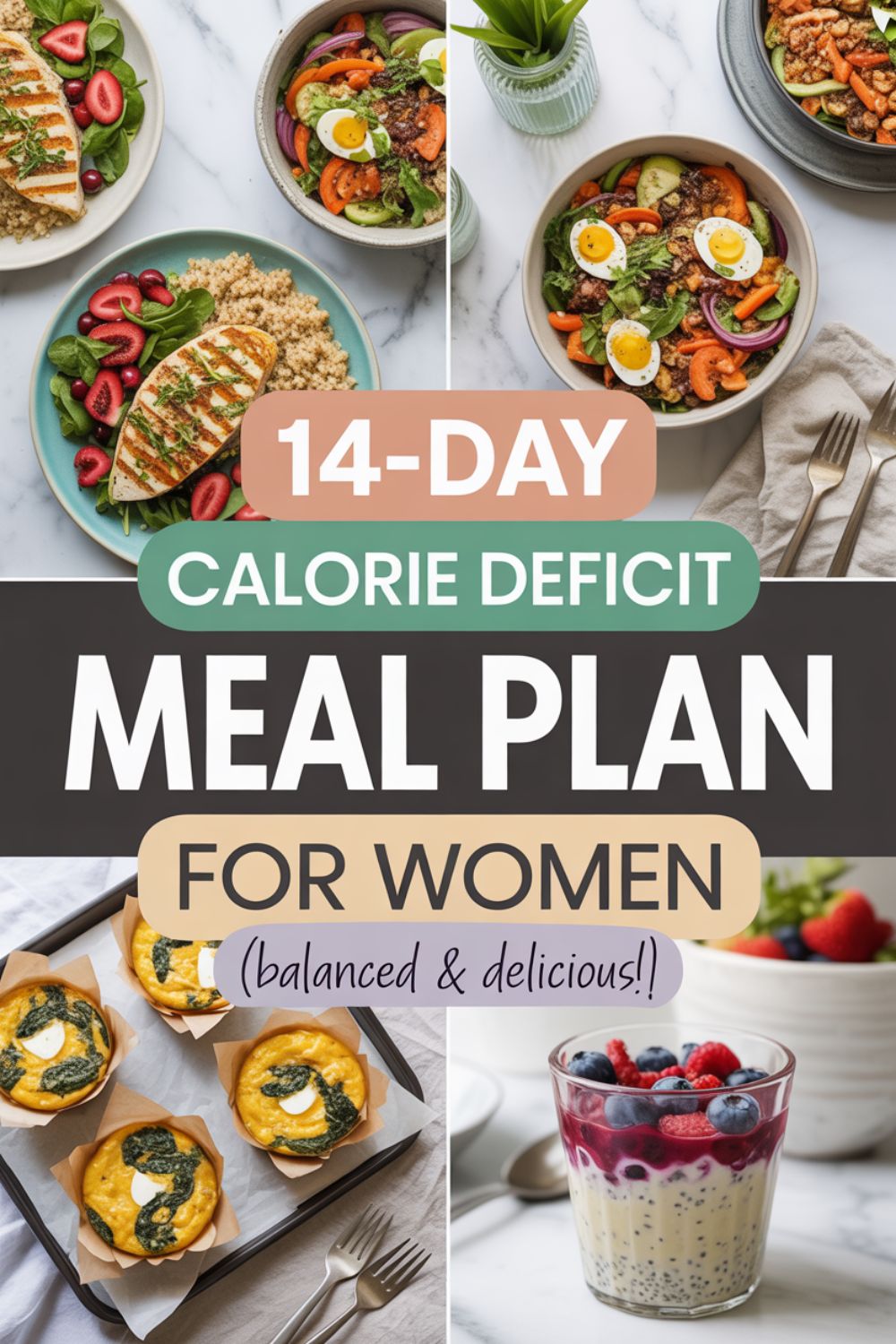
14-Day Calorie Deficit Meal Plan for Women
Let’s be honest—figuring out what to eat when you’re trying to lose weight can feel like solving a Rubik’s cube blindfolded. You want results, but you also don’t want to survive on celery sticks and sadness. That’s exactly why I put together this 14-day calorie deficit meal plan that actually works without making you hate your life.
I’ve been there, standing in front of the fridge at 7 PM, wondering if another boring chicken breast will be the thing that finally breaks me. Spoiler alert: it almost did. But here’s what I learned—eating in a calorie deficit doesn’t mean eating boring food or starving yourself. It means getting strategic about what you put on your plate.
This plan isn’t about deprivation. It’s about making smart swaps, planning ahead, and finding meals that keep you satisfied while creating that deficit your body needs to tap into stored fat. Ready to ditch the guesswork and actually enjoy what you’re eating? Let’s get into it.

What Actually Is a Calorie Deficit (And Why It Works)
Before we dive into the meal plan, let’s clear up what a calorie deficit actually means. Simply put, it’s when you consume fewer calories than your body burns in a day. Your body needs a certain amount of energy just to keep the lights on—breathing, pumping blood, thinking about what you’re going to watch on Netflix later. That’s your basal metabolic rate (BMR).
Add in your daily activities, workouts, and even fidgeting at your desk, and you get your total daily energy expenditure (TDEE). When you eat less than your TDEE, your body has to pull energy from somewhere else—hello, stored fat. According to Mayo Clinic’s research on weight loss, a deficit of 500-1000 calories per day typically results in losing about 1-2 pounds per week, which is considered safe and sustainable.
The sweet spot for most women? Somewhere between 1,400-1,800 calories per day, depending on your height, weight, activity level, and goals. But here’s the thing—it’s not just about the numbers. The quality of those calories matters just as much as the quantity.
The Foundation: Building Your Calorie Deficit Plate
Ever wonder why some meals keep you full for hours while others leave you raiding the pantry 30 minutes later? It’s all about macronutrient balance. Think of your plate like a well-organized closet—everything has its place, and when it’s done right, life just works better.
Protein Is Your Best Friend
I can’t stress this enough—protein is non-negotiable when you’re in a calorie deficit. It keeps you full, helps preserve your muscle mass (which you definitely want to keep), and has the highest thermic effect of all macronutrients. That means your body actually burns more calories just digesting protein compared to carbs or fats.
Aim for about 25-30 grams of protein per meal. Good sources include chicken breast, turkey, fish, Greek yogurt, eggs, and lean beef. If you’re plant-based, think lentils, chickpeas, tofu, and tempeh. High-Protein Breakfast Bowl is one of my go-to morning meals that hits that protein target perfectly.
Carbs Aren’t the Enemy
Despite what Instagram fitness gurus might tell you, carbs aren’t evil. Your brain runs on glucose, and your workouts need glycogen. The trick is choosing complex carbs that digest slowly and keep your blood sugar stable. We’re talking quinoa, brown rice, sweet potatoes, oats, and whole grain bread.
I usually aim for about 40-45% of my calories from carbs, focusing on fiber-rich options that actually fill me up. A medium sweet potato has about 4 grams of fiber and will keep you satisfied way longer than a slice of white bread with the same calories.
Healthy Fats for Hormone Balance
Here’s something most people overlook—cutting fat too low can mess with your hormones, especially as a woman. You need dietary fat for hormone production, vitamin absorption, and yes, even for weight loss. The key word here is “healthy” fats.
Think avocados, nuts, seeds, olive oil, and fatty fish like salmon. I keep portions reasonable (fats are calorie-dense at 9 calories per gram), but I never skip them entirely. A tablespoon of high-quality olive oil drizzled over roasted vegetables makes them taste amazing and helps your body absorb fat-soluble vitamins.
The 14-Day Meal Plan Breakdown
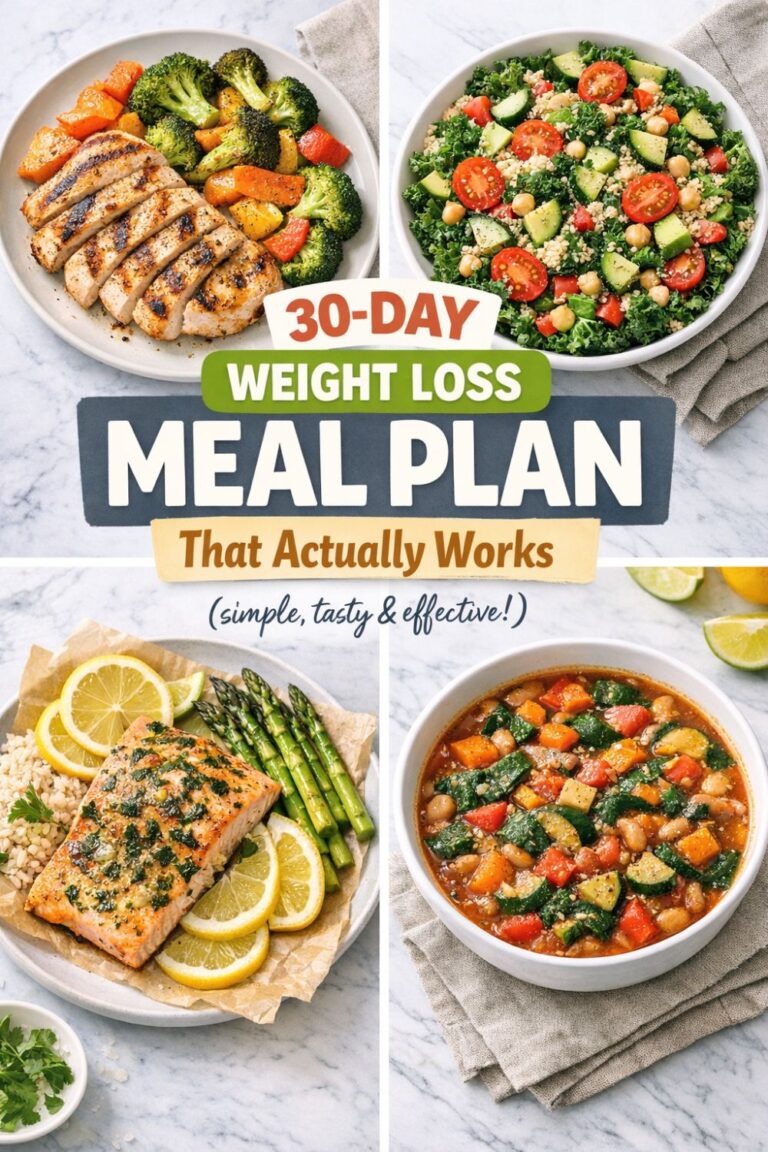
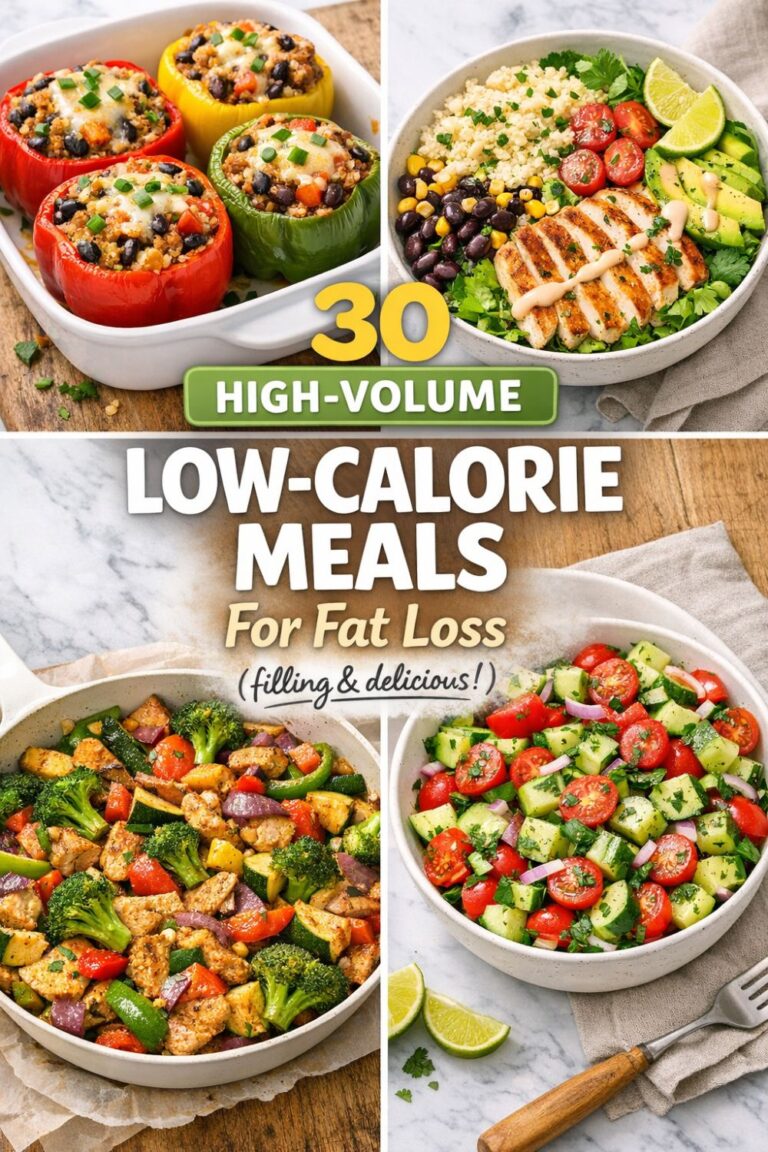
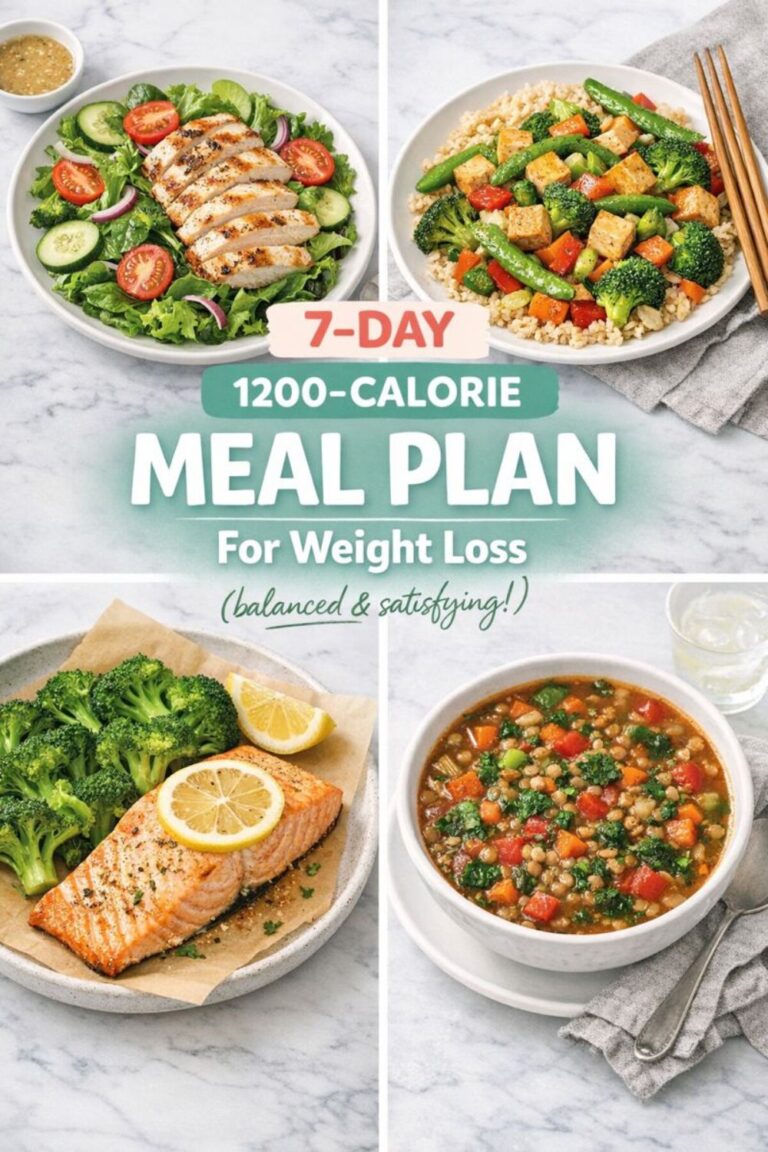
Alright, let’s get to the good stuff. This meal plan is designed for someone targeting around 1,500-1,600 calories per day. You can adjust portions based on your specific needs, but the meal combinations and timing will work regardless of your exact calorie target.
Week 1: Building the Habit
Day 1-2: Easing In
Start your morning with Overnight Oats with Berries. Seriously, if you’re not doing overnight oats yet, you’re making mornings harder than they need to be. Mix rolled oats with Greek yogurt, almond milk, chia seeds, and top with fresh berries. Prep it the night before, grab it from the fridge, and you’re done. No thinking required before coffee.
For lunch, keep it simple with a big salad that doesn’t suck. I’m talking mixed greens, grilled chicken, cherry tomatoes, cucumber, a sprinkle of feta, and a light vinaigrette. The key is making sure you have enough protein and fat to actually feel satisfied. Nobody likes being hungry at 3 PM.
Dinner is where you can get a bit more creative. Try baked salmon with roasted Brussels sprouts and quinoa. Season the salmon with lemon, garlic, and dill—it takes 15 minutes and tastes like you tried way harder than you actually did. I use this silicone baking mat for everything because cleanup is literally just rinsing it off.
Day 3-4: Finding Your Rhythm
Breakfast: Veggie-Packed Egg Scramble. Three eggs scrambled with spinach, mushrooms, bell peppers, and a small amount of cheese. Pair it with a slice of whole grain toast. The vegetables add volume without adding many calories, which is basically the secret weapon of any calorie deficit plan.
Lunch transitions to Turkey and Hummus Wrap. Use a whole wheat tortilla, spread some hummus, pile on sliced turkey, lettuce, tomatoes, and cucumber. Roll it up and you’ve got a portable lunch that won’t leave you hungry an hour later.
For dinner, try a stir-fry situation. Chicken or shrimp with broccoli, snap peas, carrots, and a light teriyaki sauce over cauliflower rice. If you’ve never tried cauliflower rice, it’s a game-changer for cutting calories while still feeling like you’re eating a proper meal. A good non-stick wok makes stir-frying so much easier—no sticking, no burning, just perfectly cooked veggies.
Looking for more morning inspiration? You might love these High-Protein Breakfast Ideas or this Mediterranean Smoothie Bowl that’s basically dessert for breakfast but actually nutritious.
Day 5-7: Getting Comfortable
By now, you’re probably noticing patterns in what keeps you full and what doesn’t. Breakfast can be Protein Pancakes made with banana, eggs, and protein powder. Top them with a small amount of maple syrup and fresh berries. Yes, you can have pancakes in a calorie deficit. Life is too short for unnecessary suffering.
Lunch: Leftover stir-fry or a new batch of Chicken Burrito Bowl. Load it up with lettuce, black beans, salsa, a small portion of brown rice, and some Greek yogurt instead of sour cream. According to Harvard Health’s guide on metabolism, eating consistent, balanced meals helps maintain steady energy levels throughout the day.
Dinner could be turkey meatballs with zucchini noodles and marinara sauce. I make a big batch of meatballs and freeze them—it’s the meal prep gift that keeps on giving. Using a spiralizer for the zucchini takes like two minutes and suddenly you’ve got “pasta” that’s mostly water and fiber.
Week 2: Mixing It Up
Day 8-10: Keeping It Interesting
Start with Greek Yogurt Parfait layered with granola and mixed berries. Use plain Greek yogurt and add a tiny drizzle of honey—flavored yogurts are basically candy in disguise with all that added sugar.
Lunch rotation: Tuna Salad on Whole Grain Crackers. Mix canned tuna with Greek yogurt (instead of mayo to save calories), diced celery, a squeeze of lemon, and some dill. Spread it on crackers or stuff it in a pita pocket.
For dinner, try baked chicken thighs with roasted sweet potato and green beans. Chicken thighs have more flavor than breasts and stay juicy even if you slightly overcook them (we’ve all been there). Season with paprika, garlic powder, and a touch of olive oil.
Day 11-12: Almost There
Breakfast: Breakfast Burrito with scrambled eggs, black beans, salsa, and a small amount of cheese wrapped in a whole wheat tortilla. It’s substantial enough to keep you full until lunch without being a calorie bomb.
Lunch: Grilled Chicken Salad but make it interesting. Add mandarin oranges, sliced almonds, and a light Asian-inspired dressing. The fruit adds natural sweetness and the almonds give you that satisfying crunch.
Dinner: Sheet pan salmon with asparagus and cherry tomatoes. Everything cooks on one pan, which means less cleanup and more time for literally anything else. Drizzle everything with quality balsamic vinegar before roasting—it caramelizes beautifully and adds tons of flavor without many calories.
If you’re craving something different, check out these Low-Calorie Dinner Recipes or this One-Pan Chicken and Vegetables that makes weeknight cooking ridiculously easy.
Day 13-14: Finishing Strong
You’re in the home stretch. Breakfast could be a simple Smoothie with spinach (you won’t taste it, I promise), banana, protein powder, almond milk, and a tablespoon of almond butter. Blend it in a good blender that actually pulverizes everything instead of leaving chunks.
Lunch: Quinoa Buddha Bowl with roasted chickpeas, kale, shredded carrots, and tahini dressing. Buddha bowls are basically a license to throw together whatever vegetables you have and call it a meal—and it works.
Final dinner: Grilled shrimp tacos with cabbage slaw and avocado. Use corn tortillas and load up on the vegetables. The crunch from the cabbage makes these tacos way more satisfying than you’d expect for something that’s actually pretty light on calories.
Snack Strategy That Won’t Derail Your Progress
Let’s talk about snacks because pretending you won’t get hungry between meals is just setting yourself up for failure. The difference between a helpful snack and one that sabotages your deficit is usually about 200 calories and some planning.
Smart snack options:
- Apple slices with a tablespoon of almond butter (about 180 calories)
- Carrots and hummus (around 150 calories for a generous portion)
- Greek yogurt with a handful of berries (roughly 130 calories)
- A small handful of almonds—like actually small, not “handful” where you end up eating half the bag (160 calories for about 23 almonds)
- Hard-boiled eggs with everything bagel seasoning (about 140 calories for two eggs)
The key is having these ready to go. When you’re hungry and unprepared, that’s when the office donuts start calling your name. I keep small portion containers filled with pre-measured snacks so I can just grab one without thinking.
The Meal Prep Game-Changer
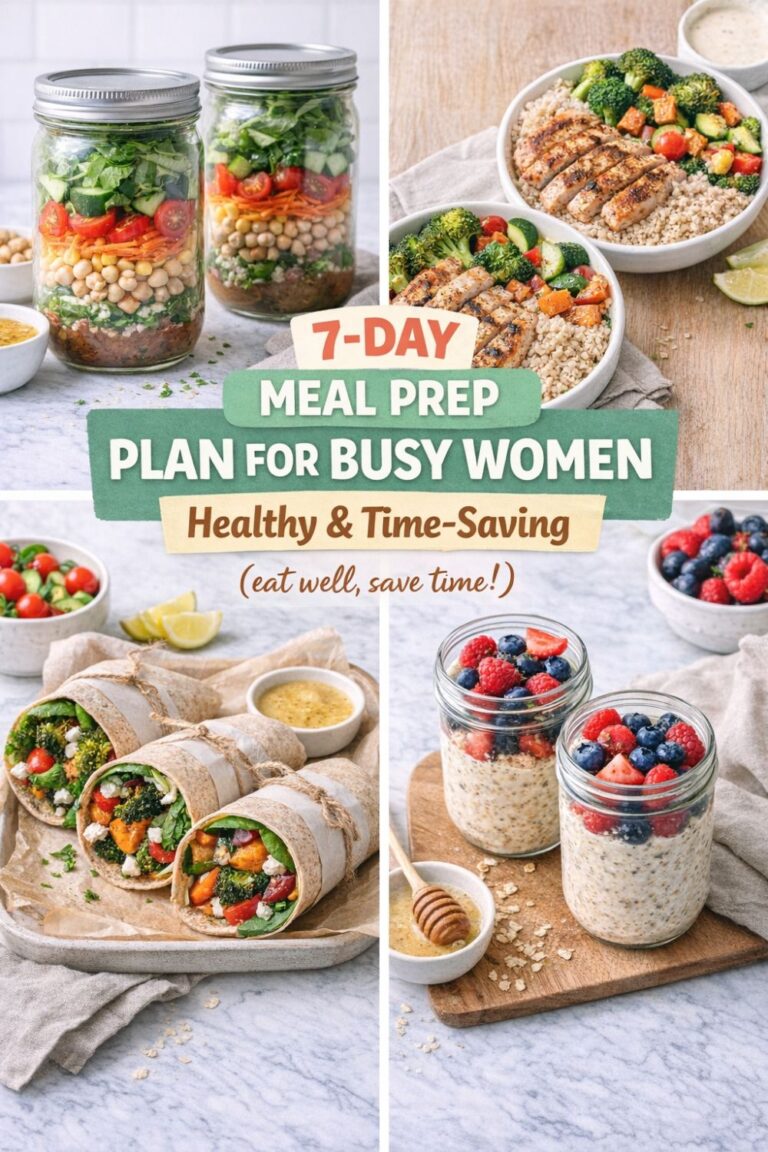
I’m going to level with you—this meal plan becomes 10 times easier if you do even minimal meal prep. You don’t need to spend your entire Sunday cooking, but a few strategic hours can save you from bad decisions all week long.
What to Prep Ahead
Proteins: Grill or bake 3-4 chicken breasts, cook a batch of hard-boiled eggs, and portion out some ground turkey. Store them separately and mix and match throughout the week.
Carbs: Cook a big pot of quinoa or brown rice. Roast a tray of sweet potatoes. These stay good in the fridge for about 5 days and reheat perfectly.
Vegetables: Wash and chop your vegetables right when you get home from the grocery store. Yes, it’s annoying. Yes, it’s absolutely worth it. Store them in glass containers with a paper towel to absorb excess moisture.
Sauces and dressings: Make a jar of basic vinaigrette, portion out some marinara sauce, prep some taco seasoning. Having flavor ready to go makes boring meals actually enjoyable.
For complete meal inspiration, you might want to check out these Meal Prep Ideas for Weight Loss or this Weekly Meal Prep Guide that walks you through the entire process step by step.
Dealing with Real Life (Because It Happens)
Here’s what nobody talks about—you’re going to have days where this plan goes sideways. Birthday parties happen. Work lunches appear. Your kid’s soccer team decides pizza is the only acceptable post-game food. Life is not a perfectly controlled meal plan, and that’s okay.
Social Situations
When you’re eating out, scan the menu for grilled proteins and vegetable-heavy options. Ask for dressing on the side. Skip the bread basket if it’s just going to make you hungrier. But also—if it’s your best friend’s birthday and there’s cake, have a slice of cake. One meal won’t ruin your progress, but obsessing over it might ruin your mental health.
The Weekend Challenge
Weekends are where calorie deficits often go to die. Structure disappears, social plans increase, and suddenly you’ve eaten half a pizza at 11 PM. Combat this by planning your weekend meals just like you do for weekdays. Healthy Weekend Brunch Ideas can help you start Saturday on the right foot.
According to Healthline’s research on sustainable dieting, people who have structured meal plans on weekends are significantly more likely to maintain their calorie deficit long-term.
Cravings and How to Handle Them
Sometimes you want something specific and nothing else will do. I’m a firm believer in the “bite rule”—if you’re craving chocolate, have a small piece of really good chocolate. Trying to substitute with 15 different “healthier” options usually just leads to eating all 15 things plus the chocolate anyway.
That said, sometimes cravings are actually your body asking for something specific. Craving salty foods? You might need more electrolytes. Craving sweets constantly? Check if you’re getting enough protein and complex carbs at meals.
Calorie Deficit Calculator & Meal Planner
Stop guessing your numbers. This digital tool calculates your exact calorie needs and generates custom meal plans based on your goals. Includes macro tracker and progress charts.
Get Instant Access →Tracking Without Losing Your Mind
Look, I know tracking calories isn’t everyone’s favorite activity. But when you’re starting out, it’s one of the most effective tools for understanding portion sizes and where your calories actually come from. Most people are terrible at eyeballing portions—I definitely was.
Use an app like MyFitnessPal or Cronometer for at least the first few weeks. You don’t have to track forever, but the education you get from seeing the actual numbers is invaluable. That “small” handful of trail mix you thought was 100 calories? It’s probably closer to 300.
Invest in a digital food scale. They’re cheap, they’re accurate, and they eliminate the guessing game. Once you’ve measured portions enough times, you’ll develop a pretty good eye for what a serving actually looks like.
Ultra-Precise Digital Kitchen Scale
This isn’t your grandma’s kitchen scale. Measures to the exact gram, has a tare function (game-changer), and the battery lasts forever. I’ve had mine for three years and it’s still going strong.
- Measures in grams, ounces, pounds, and ml
- Slim design that fits in a drawer
- Easy-to-clean tempered glass surface
- Auto-off function to save battery
Want Weekly Meal Plans Delivered Free?
Join 5,000+ women in our WhatsApp channel getting exclusive meal plans, grocery lists, and accountability check-ins every Monday. It’s like having a nutritionist in your pocket.
Get Free Meal Plans →Hydration: The Most Boring But Important Thing
Water isn’t sexy. It’s not Instagram-worthy unless you have one of those fancy bottles with motivational time stamps (which, okay, kind of work). But staying hydrated is crucial when you’re in a calorie deficit.
Water helps with appetite control, supports your metabolism, prevents headaches, and keeps your energy up. Aim for at least 8 glasses a day, more if you’re working out. Keep a water bottle with you always—you’ll drink more just because it’s there.
Coffee and tea count toward hydration, FYI. Just watch what you’re adding to them. A plain coffee has like 2 calories. A large vanilla latte with whipped cream has 400. That’s basically a meal.
Exercise and This Meal Plan
This meal plan assumes moderate activity—maybe you’re walking regularly, doing some strength training, or taking fitness classes a few times a week. If you’re training for a marathon or doing intense workouts daily, you’ll need to adjust your calories up accordingly.
That said, you can’t out-exercise a bad diet. I’ve tried. We’ve all tried. It doesn’t work. Exercise supports your weight loss, helps maintain muscle, and makes you feel great, but the calorie deficit happens in the kitchen.
On workout days, make sure you’re getting enough protein to support recovery. A post-workout snack with protein and carbs—like Protein Smoothie—helps your muscles recover and prevents you from getting ravenously hungry later.
28-Day Workout & Meal Bundle for Women
Pair your nutrition with the perfect workout plan. Get home workouts designed for fat loss, complete with video demos, plus 100+ calorie-controlled recipes. No gym required.
Start Your Transformation →Adjusting for Your Specific Needs
This meal plan is a template, not a prescription. Maybe you’re vegetarian and need to swap out the chicken. Maybe you hate fish and refuse to eat it. Maybe you’re allergic to nuts. That’s all fine—the principles stay the same.
For vegetarians: Swap animal proteins for legumes, tofu, tempeh, or seitan. Add nutritional yeast for a cheesy flavor that’s actually nutritious. Make sure you’re getting enough B12 and iron.
For vegans: All of the above, plus focus on iron absorption by pairing iron-rich foods with vitamin C. Consider a B12 supplement. Use fortified plant milks and don’t forget about complete proteins like quinoa and hemp seeds.
For those with dietary restrictions: Gluten-free? Swap the bread and wraps for gluten-free versions or just use lettuce wraps. Dairy intolerant? Coconut yogurt, almond milk, and nutritional yeast are your friends.
Done-For-You Meal Prep Templates
Never wonder what to cook again. Get 52 weeks of grocery lists, prep schedules, and portion guides—all in printable PDF format. Includes vegetarian, vegan, and gluten-free options.
Download Now →Frequently Asked Questions
How many calories should I eat to lose weight?
Most women need between 1,400-1,800 calories daily for healthy weight loss, depending on height, weight, age, and activity level. Calculate your TDEE and subtract 300-500 calories for a moderate deficit. Never go below 1,200 calories without medical supervision—your body needs adequate fuel to function properly.
Can I follow this meal plan if I’m vegetarian or vegan?
Absolutely. Swap animal proteins for plant-based options like tofu, tempeh, legumes, and seitan. Focus on complete proteins like quinoa and ensure you’re getting enough B12, iron, and omega-3s. The meal structure and calorie principles remain the same—just adjust the protein sources to match your dietary preferences.
What if I get too hungry on this plan?
First, make sure you’re drinking enough water—thirst often mimics hunger. Then check if you’re getting enough protein and fiber at meals, as these nutrients promote satiety. If you’re genuinely still hungry after addressing those factors, you may need slightly more calories. A deficit that’s too aggressive will backfire by slowing your metabolism and making adherence impossible.
Do I need to exercise while following this meal plan?
Exercise isn’t required for weight loss but it definitely helps with muscle retention, overall health, and creating a larger calorie deficit. Even moderate activity like walking 30 minutes daily or doing strength training 2-3 times weekly will enhance your results. Just remember—you can’t out-exercise a poor diet, so focus on getting your nutrition dialed in first.
How much weight can I expect to lose in 14 days?
Healthy weight loss is typically 1-2 pounds per week, so expect 2-4 pounds over two weeks. Some people lose more initially due to water weight, but that’s not fat loss. Focus on the process rather than just the scale number—take measurements, notice how your clothes fit, and pay attention to energy levels and how you feel overall.
Final Thoughts: Making This Work Long-Term
Here’s the truth about any meal plan—it only works if you can stick with it. This 14-day plan is designed to be a starting point, not a life sentence. Use these two weeks to learn what keeps you full, what you actually enjoy eating, and what fits into your lifestyle.
Weight loss isn’t linear. Some weeks the scale moves, some weeks it doesn’t. That’s normal and doesn’t mean you’re failing. Focus on building habits that support your goals: planning your meals, eating enough protein, staying hydrated, and moving your body in ways you enjoy.
The goal isn’t perfection—it’s consistency. You don’t need to follow this plan exactly every single day to see results. You need to follow it most days, most of the time, while also living your actual life. Give yourself permission to be human, to have off days, and to adjust as you learn what works for your body.
If after 14 days you feel good and want to continue, repeat the plan or mix and match the meals you loved. If something didn’t work for you, adjust it. This is your journey, and the best meal plan is the one you’ll actually follow. Now go prep some chicken, find yourself some good storage containers, and show that calorie deficit who’s boss.