10 Mediterranean Diet Breakfasts That Are Light & Satisfying
10 Mediterranean Diet Breakfasts That Are Light & Satisfying
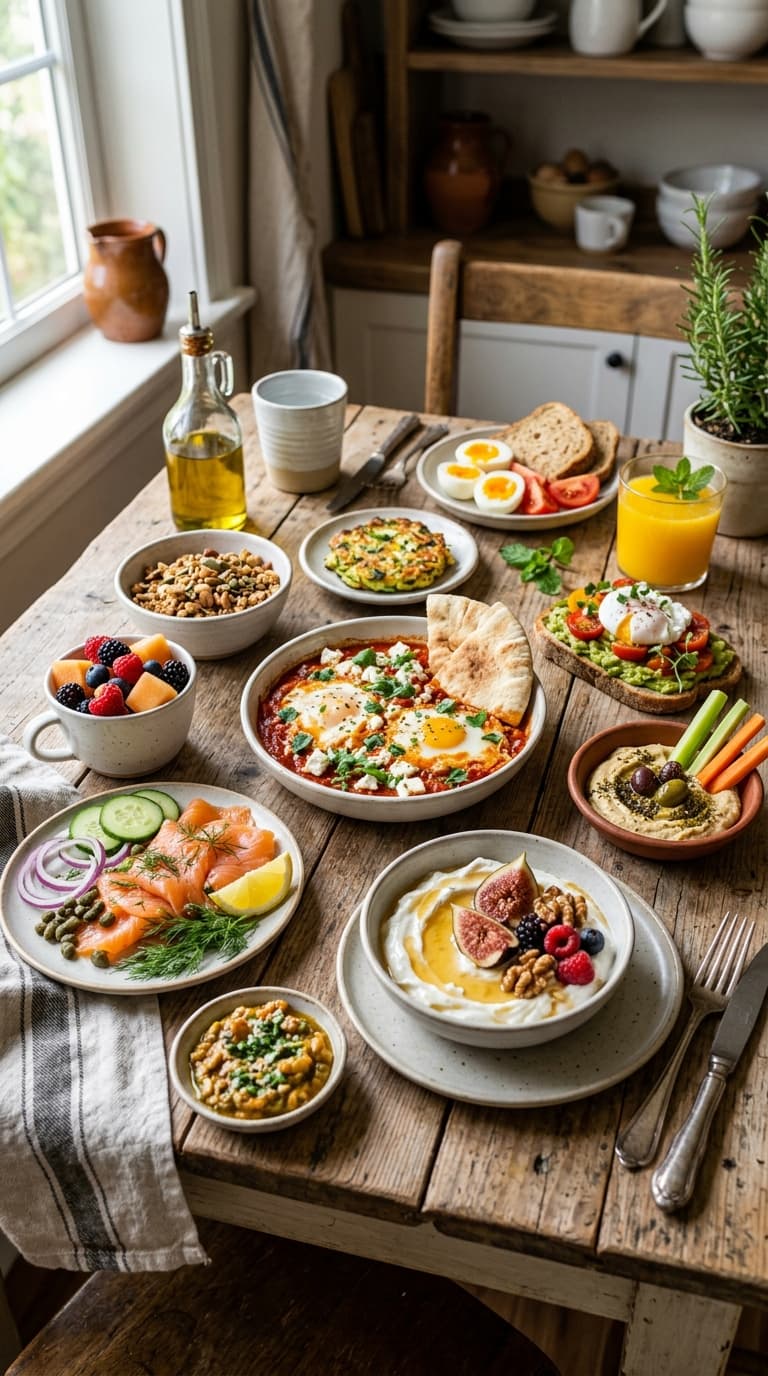
Mornings are rough enough without staring into your fridge wondering what to eat. You want something that doesn’t weigh you down, doesn’t take 45 minutes to prepare, and actually keeps you full until lunch. That’s exactly where the Mediterranean diet shines — and honestly, it’s been a game-changer for my mornings.
These breakfasts are built around whole foods, healthy fats, fresh produce, and quality protein. No sad desk food, no sugar crash at 10am. Just genuinely good meals that taste like you put in more effort than you actually did. 🙂
Why Mediterranean Breakfasts Hit Different
The Mediterranean diet isn’t a trend with an expiration date. It’s a centuries-old way of eating rooted in places like Greece, Italy, and Turkey — where people have been thriving on olives, legumes, vegetables, and whole grains forever.
What makes Mediterranean breakfasts work so well? They combine slow-digesting carbs with healthy fats and protein, so your energy stays stable instead of spiking and crashing. No dramatic hunger pangs, no reaching for the biscuit tin by 10:15am.
If you’re also thinking about how these breakfasts fit into a bigger eating strategy, pairing them with a structured plan like a 7-day calorie deficit meal prep can make the whole thing feel effortless.
1. Greek Yogurt with Honey and Walnuts
Let’s start with the one that requires almost zero effort. Greek yogurt with a drizzle of raw honey and a handful of walnuts is one of those breakfasts that looks fancy but takes about three minutes flat.
Greek yogurt brings a serious protein punch — we’re talking 15–20g per serving depending on the brand. Walnuts add omega-3 fatty acids and a satisfying crunch. And the honey? Just enough sweetness to make it feel like a treat without going overboard.
Tips to make it better:
- Choose full-fat or 2% Greek yogurt for more satiety
- Add a sprinkle of cinnamon for extra anti-inflammatory benefits
- Toss in some fresh berries if you want a fiber boost
This one is also perfect for low-calorie breakfast meal prep — prep a few jars the night before and your mornings are sorted.
2. Avocado Toast on Whole Grain Bread
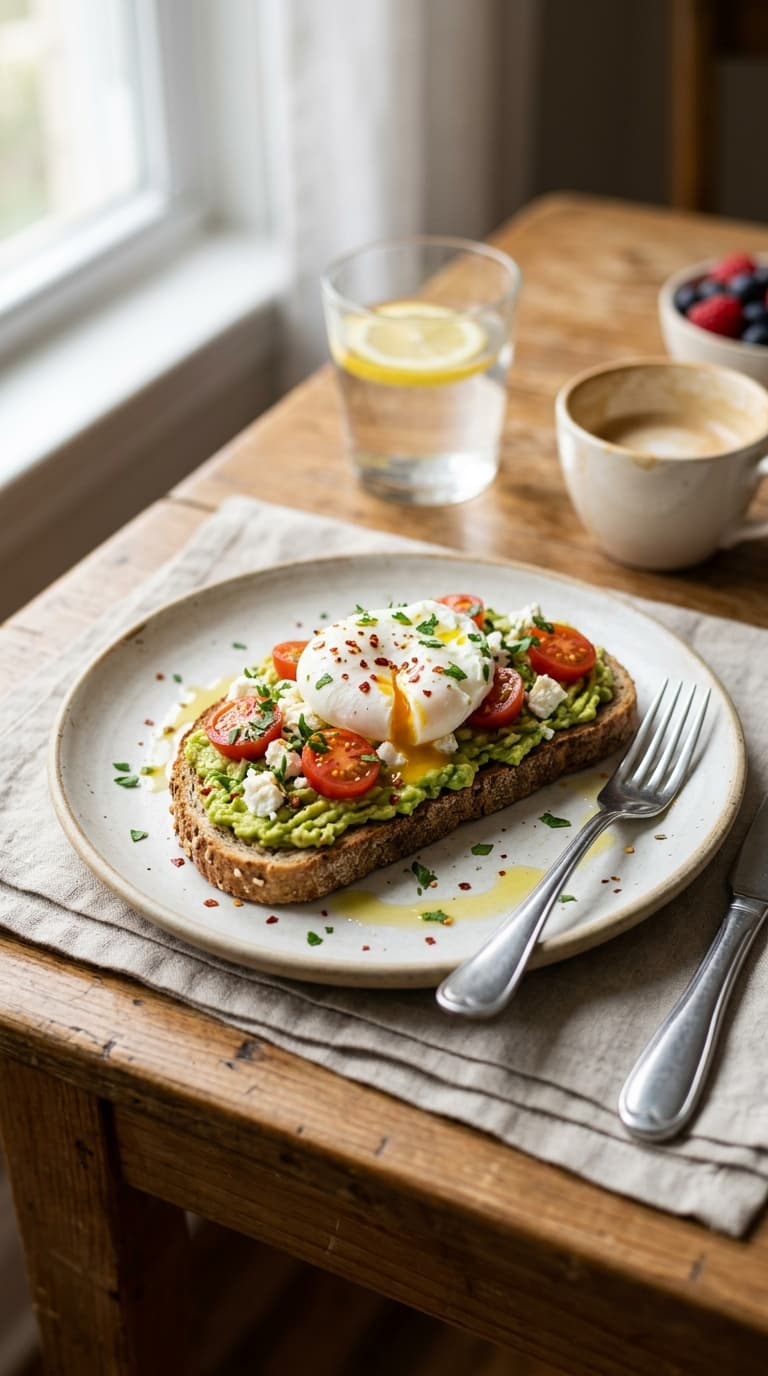
Yes, avocado toast is everywhere. And yes, it earned its place. Smashed avocado on whole grain or sourdough bread is genuinely one of the most nutritionally balanced quick breakfasts you can make.
Avocado gives you monounsaturated fats — the same kind found in olive oil — which support heart health and keep you full. Whole grain bread brings fiber and complex carbs. Together, they’re a slow-burn combo that keeps you going.
Top it with a poached or fried egg, a squeeze of lemon, and a pinch of chili flakes. Suddenly you’ve got a breakfast that wouldn’t be out of place in a café, made in your own kitchen in ten minutes. IMO, the egg is non-negotiable here.
3. Shakshuka (Eggs Poached in Tomato Sauce)
If you’ve never made shakshuka, today’s the day. Eggs poached directly in a spiced tomato and pepper sauce — it sounds elaborate, but it genuinely comes together in about 20 minutes.
This dish is big in North African and Middle Eastern cuisine but fits perfectly into the Mediterranean eating pattern. Tomatoes, bell peppers, onions, garlic, cumin, paprika — all ingredients that work together to create something deeply satisfying without being heavy.
The best part? It’s a one-pan meal. The eggs cook right in the sauce, so you’re getting protein, vegetables, and flavor all at once. Serve it with a slice of crusty whole grain bread and you’ve got yourself a proper breakfast.
4. Overnight Oats with Olive Oil and Fruit
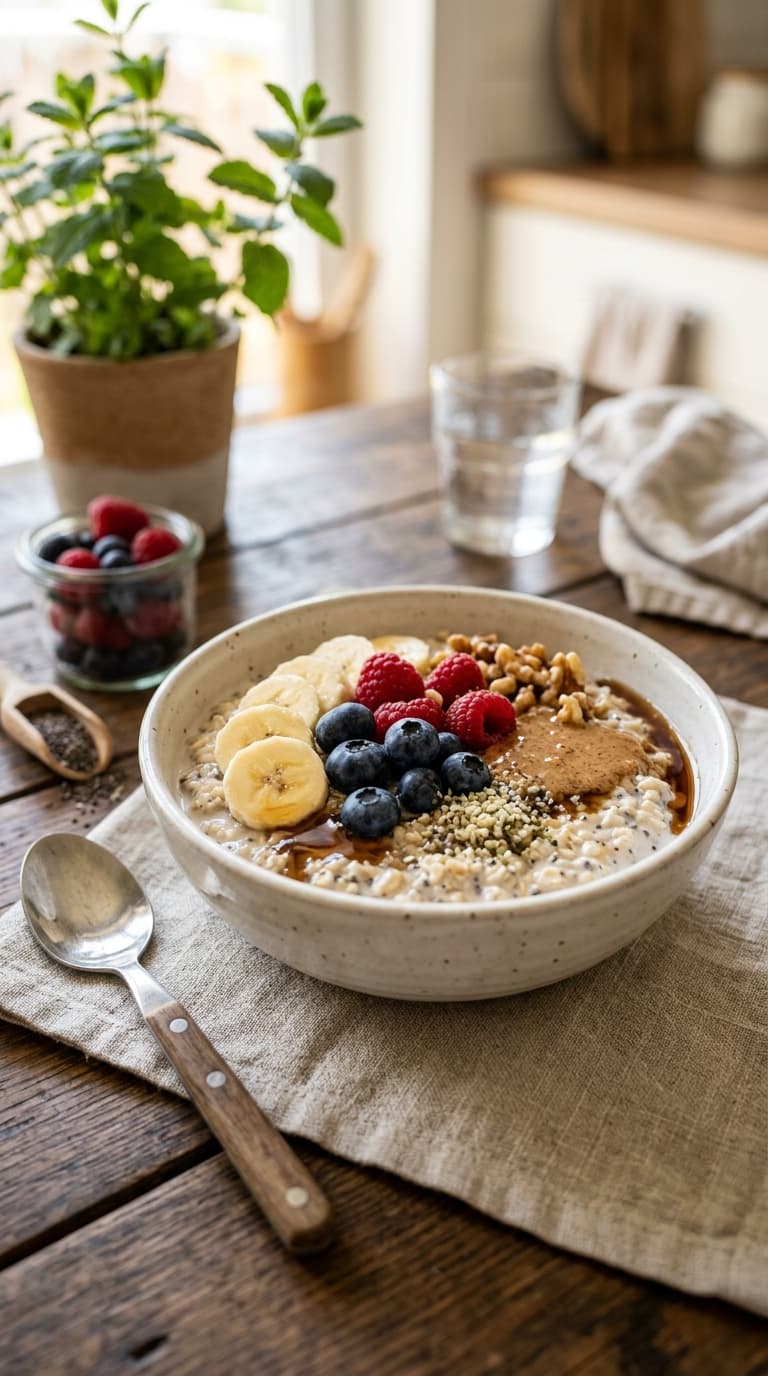
Wait — olive oil in oats? Hear me out. This is actually a traditional Mediterranean approach, and it works beautifully. A drizzle of high-quality extra virgin olive oil over overnight oats adds richness and healthy fat that transforms a basic bowl into something genuinely filling.
Combine rolled oats, a splash of milk (dairy or plant-based), a tablespoon of olive oil, fresh fruit, and a pinch of sea salt. Leave it overnight and it’s ready to grab and go in the morning.
The soluble fiber in oats helps keep you full, while the olive oil slows digestion and adds depth. This is a great option if you’re working through a 7-day healthy breakfast meal prep plan and want variety without extra work.
5. Hummus Toast with Sliced Vegetables
Hummus isn’t just a party dip. Spread generously on whole grain toast and topped with cucumber, cherry tomatoes, and a drizzle of olive oil, it becomes a legitimately satisfying Mediterranean breakfast.
Chickpeas — the base of hummus — are packed with plant-based protein and fiber. Pair that with the complex carbs from whole grain bread and the water content from fresh vegetables, and you’ve got a breakfast that keeps hunger quiet for hours.
Easy variations to try:
- Add a soft-boiled egg on top for more protein
- Use roasted red pepper hummus for extra flavor
- Top with za’atar and a squeeze of lemon for an authentic touch
6. Frittata with Mediterranean Vegetables
A frittata sounds fancy, but it’s basically a baked omelette. Eggs, olive oil, and whatever vegetables you have on hand — that’s the formula. Throw in some spinach, cherry tomatoes, olives, and crumbled feta, and you’ve got a Mediterranean frittata worth waking up for.
The big win with frittatas is that you can make them ahead. Bake a full pan on Sunday, slice it up, and you’ve got breakfast sorted for several days. It reheats well and holds up in the fridge. If you like the idea of prepping ahead for the whole week, a 7-day high-protein breakfast meal prep plan pairs perfectly with this approach.
Key ingredients for a Mediterranean frittata:
- 6 eggs whisked with a splash of milk
- Handful of spinach or kale
- Cherry tomatoes, halved
- Kalamata olives, sliced
- Crumbled feta cheese
- Salt, pepper, and dried oregano
7. Labneh with Za’atar and Olive Oil
If you haven’t tried labneh yet, you’re genuinely missing out. Labneh is a thick, strained yogurt cheese common across the Levant region, and it makes one of the easiest Mediterranean breakfasts you’ll ever pull together.
Spread it on a plate, drizzle generously with extra virgin olive oil, and dust with za’atar — a dried herb blend typically made with thyme, sesame seeds, and sumac. Serve with warm pita or whole grain bread and sliced vegetables on the side.
It’s creamy, tangy, rich, and satisfying all at once. The protein content is high, the fat is healthy, and the whole thing takes about four minutes to assemble. Honestly, it makes you wonder why you ever bothered with cereal. :/
8. Whole Grain Pita with Feta, Tomato, and Olive Oil
Simple food done well — that’s the Mediterranean philosophy in a nutshell. Warm whole grain pita topped with crumbled feta, sliced tomato, and a drizzle of olive oil is a breakfast that people in Greece have been eating for generations for good reason.
Feta provides calcium and protein. Tomatoes add lycopene and vitamin C. Olive oil brings heart-healthy monounsaturated fats. And whole grain pita keeps everything grounded with slow-release carbohydrates.
This is the kind of breakfast you can put together in literally five minutes with no cooking. If you’re trying to build consistent healthy habits without spending a fortune, pairing simple breakfasts like this with a 14-day clean eating meal prep plan gives you a solid structure to work within.
9. Smoked Salmon on Rye with Capers and Red Onion
Ever had one of those breakfasts that feels indulgent but is actually packed with nutrients? Smoked salmon on rye bread with capers, thinly sliced red onion, and a squeeze of lemon is exactly that.
Smoked salmon is loaded with omega-3 fatty acids, high-quality protein, and B vitamins. Rye bread is denser and more fiber-rich than regular white bread, meaning it keeps blood sugar steadier. Capers and lemon bring brightness and cut through the richness of the fish.
This breakfast leans slightly Scandinavian in influence, but the combination of fish, healthy fats, and whole grains puts it squarely in line with Mediterranean eating principles. FYI — this one also pairs incredibly well with a small side of Greek yogurt if you want to round out the protein.
10. Fresh Fruit Plate with Nuts, Seeds, and Olive Oil Drizzle
Okay, I know what you’re thinking — a fruit plate is barely a breakfast. But hear me out. A well-constructed Mediterranean fruit plate is not just fruit. It’s a combination of fresh seasonal fruit, a generous handful of mixed nuts, a tablespoon of seeds (pumpkin or flax work great), and a light drizzle of olive oil.
The olive oil might sound weird on fruit, but it’s actually a practice in parts of Greece and Southern Italy. It rounds out the sweetness and adds satiating fat that stops you from getting hungry again an hour later.
Build it like this:
- Sliced figs, melon, or citrus as the base
- Almonds, walnuts, or pistachios for protein and fat
- Pumpkin seeds for magnesium and zinc
- Light olive oil drizzle and a pinch of sea salt
- Optional: a spoonful of Greek yogurt on the side
This works especially well during lighter eating phases. If you’re aiming for fat loss while keeping meals satisfying, check out these high volume low calorie meals for ideas you can apply beyond breakfast too.
Building a Mediterranean Breakfast Habit That Actually Sticks
The biggest mistake people make when changing their breakfast routine is trying to overhaul everything at once. Start with one or two of these options — probably the ones that require the least prep — and build from there.
Greek yogurt and hummus toast are perfect entry points. They require no cooking and use ingredients you can keep stocked all week. Once those feel natural, add in something like shakshuka or a frittata on weekends when you have a bit more time.
If you find yourself wanting a broader weekly structure, a 7-day breakfast meal prep plan can help you map out exactly what you’re eating each morning without the daily decision fatigue. Batch prepping things like frittatas, overnight oats, and labneh at the start of the week makes the whole thing genuinely sustainable.
The Mediterranean Pantry Staples You Need
You don’t need a specialty grocery store to eat this way. Most of these ingredients are widely available and reasonably priced. Here’s what to keep on hand:
- Extra virgin olive oil — don’t skimp here, quality matters
- Greek yogurt and labneh — full-fat versions are more satisfying
- Whole grain bread, rye, or pita
- Eggs — endlessly versatile
- Feta cheese — adds flavor with smaller amounts
- Canned chickpeas or ready-made hummus
- Seasonal fresh fruit and vegetables
- Nuts and seeds — almonds, walnuts, pumpkin seeds
- Herbs and spices — za’atar, cumin, paprika, oregano, cinnamon
With these basics stocked, you can put together any of the ten breakfasts on this list without a last-minute grocery run. Planning even a week’s worth of meals in advance — like with a 21-day weight loss meal prep guide — can make this feel even more achievable over the long run.
Wrapping It Up
Mediterranean breakfasts work because they don’t ask you to give anything up. You still get satisfying food, real flavor, and genuine variety — just built around ingredients that support your energy, health, and weight goals rather than working against them.
Whether you’re starting with a five-minute hummus toast or committing to a full shakshuka on a slow Sunday morning, the point is to start somewhere. Pick one breakfast from this list this week. Try it for a few days. See how you feel.
My bet? You’ll wonder why you spent so long eating sad, rushed breakfasts when this was an option all along.