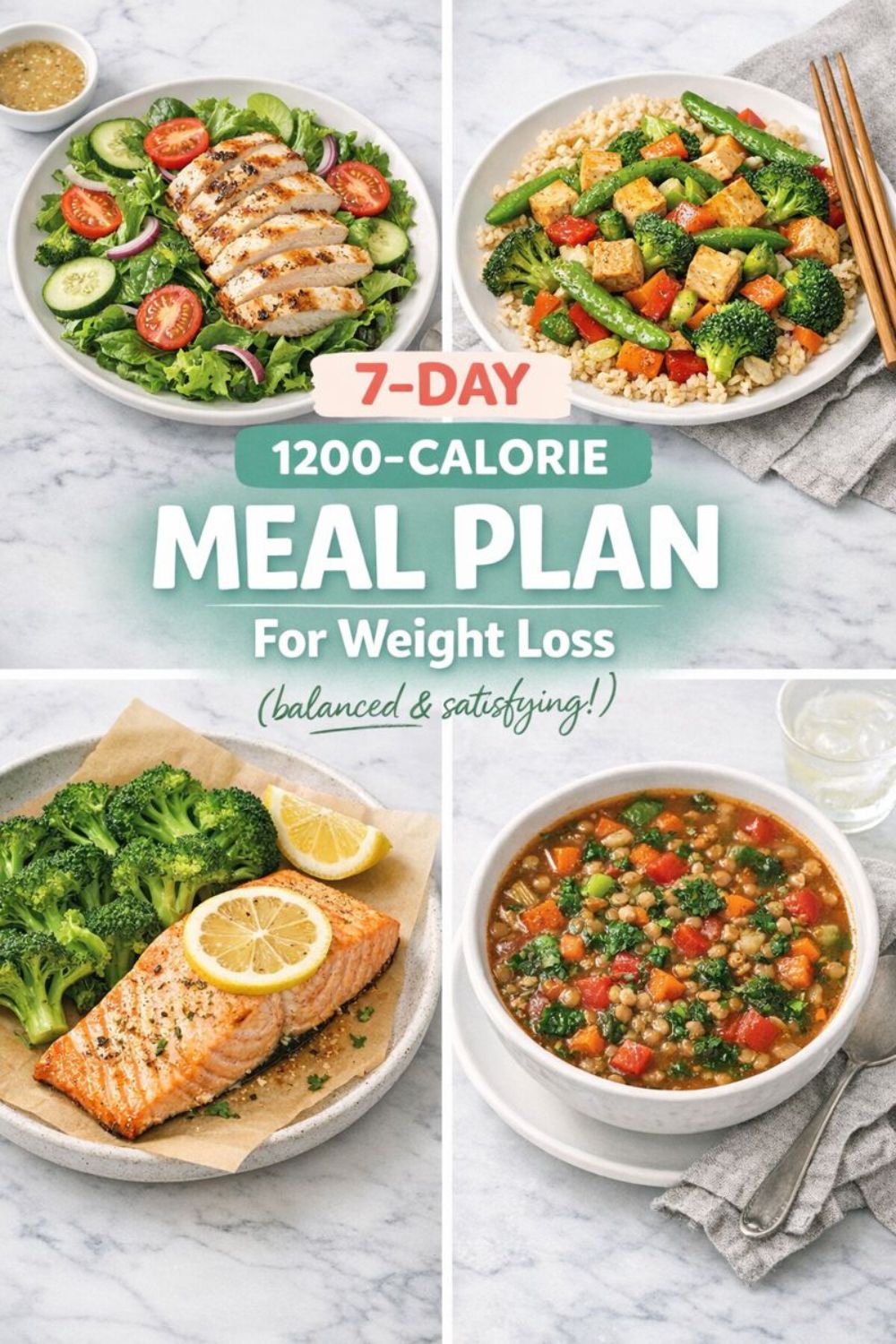
7-Day 1200-Calorie Meal Plan for Weight Loss
Let’s get real for a second: weight loss isn’t about starving yourself or munching on cardboard-flavored protein bars. It’s about finding a sustainable eating pattern that actually makes sense for your life. That’s where a 1200-calorie meal plan comes in—but before you roll your eyes thinking this is another restrictive diet, hear me out.
I’ve seen people transform their relationship with food through structured meal planning, and I’m not talking about the kind that leaves you fantasizing about pizza at 2 AM. This is about creating a balanced, nutrient-dense approach that fuels your body while helping you shed those stubborn pounds. According to Cleveland Clinic, some people can successfully follow a 1,200-calorie diet while still getting enough nutrients to maintain a healthy lifestyle—but it’s not a one-size-fits-all solution.
Here’s the thing: planning your meals ahead of time isn’t just about weight loss. Research shows that people who plan their meals are more likely to have better dietary quality, increased food variety, and lower odds of being overweight. It’s like having a roadmap instead of wandering around a grocery store hungry and confused.
Why 1200 Calories Anyway?
Before we jump into the meal plan, let’s talk numbers. The 1200-calorie threshold isn’t random—it’s generally considered the minimum amount of calories most people need to get adequate nutrients without going into “starvation mode.” Most people need between 1,600 and 3,000 calories daily to maintain their weight, so cutting down to 1200 creates a significant deficit that can promote rapid weight loss.
But here’s where it gets tricky. This eating pattern works better for women than men (sorry, guys—your bodies typically need 1500-1800 calories for effective weight loss). And honestly? It’s not for everyone. If you’re super active, pregnant, or have certain health conditions, you’ll need to chat with your doctor before diving in.
The beauty of this approach is that you’re not just randomly cutting calories. You’re strategically planning meals that pack maximum nutrition into every bite. Think of it as efficiency eating—getting the most bang for your caloric buck.
The Science Behind Meal Planning and Weight Loss
Ever notice how having a plan makes everything easier? Same goes for eating. When you map out your meals, you’re not making decisions when you’re hangry (yes, that’s a technical term). You’re making them when you’re calm, rational, and not three seconds away from ordering a large pizza.
Research backs this up too. Studies demonstrate that folks who plan their meals ahead are way more likely to make healthier food choices and stick to their nutritional goals. It’s not rocket science—it’s just smart preparation.
Plus, meal planning tackles one of the biggest diet saboteurs: convenience eating. When you’re tired after work and there’s nothing in the fridge, that drive-through starts looking really appealing. But when you’ve got prepped meals ready to go? Game changer.
What Happens to Your Body on 1200 Calories
Let’s get into the nitty-gritty. When you consistently eat fewer calories than you burn, your body taps into stored fat for energy. Simple enough, right? But here’s what most people don’t talk about: your body is smarter than you think.
After a few weeks of reduced calorie intake, your metabolism might slow down slightly. This is your body’s survival mechanism kicking in. That’s why it’s crucial to focus on nutrient-dense foods rather than just empty calories. You want foods that keep you full, energized, and actually nourished.
According to NHLBI research, losing just 5-10% of your initial weight can lead to major health benefits. We’re talking improved blood sugar levels, better cholesterol numbers, and reduced risk of type 2 diabetes. Not too shabby for eating three solid meals a day.
“I started meal planning with a 1200-calorie target last year, and it completely changed my approach to food. I lost 15 pounds in three months without feeling deprived. The key was having everything ready to go—no more 9 PM snack binges!” – Sarah K., community member
Building Your 7-Day Meal Plan Foundation
Alright, let’s get practical. A successful 1200-calorie meal plan isn’t about eating tiny portions of regular food and feeling miserable. It’s about choosing foods that give you volume and satisfaction without packing excessive calories.
Your daily breakdown should look something like this: 300-400 calories for breakfast, 350-400 for lunch, 400-450 for dinner, and about 100-150 for snacks. Yeah, you still get snacks. This isn’t medieval torture.
Speaking of breakfast ideas, you might want to check out some high-protein breakfast options that’ll keep you full until lunch. Protein is your friend here—it’s more sating than carbs alone and helps preserve muscle mass while you’re losing weight.
The Essential Food Groups
Every meal should hit these macronutrient targets. Think of them as your food group VIPs:
- Lean Proteins: Chicken breast, fish, tofu, Greek yogurt, eggs. These should be the star of most meals—they keep you full longer and help maintain muscle mass.
- Non-Starchy Vegetables: Load up on spinach, broccoli, cauliflower, peppers, and zucchini. These are basically free calories because they’re so low in energy but high in volume and nutrients.
- Whole Grains: Brown rice, quinoa, oats. Yes, you can eat carbs. Just be smart about portions—that’s where the meal prep containers with portion markings really come in handy.
- Healthy Fats: Avocado, nuts, olive oil. Small amounts pack serious flavor and help with nutrient absorption.
- Fruits: Berries, apples, oranges. Natural sweetness without the sugar crash.
Now, here’s a comparison worth noting: peanut butter versus almond butter. Both are great, but almond butter has slightly more fiber and vitamin E, while peanut butter wins on protein content. FYI, both will set you back about 100 calories per tablespoon, so measure carefully with that tablespoon measuring spoon set.
Day 1: Starting Strong
Monday sets the tone for your week, so we’re kicking things off with meals that are both satisfying and simple. No complicated recipes that require seventeen ingredients you don’t have.
Breakfast (320 calories)
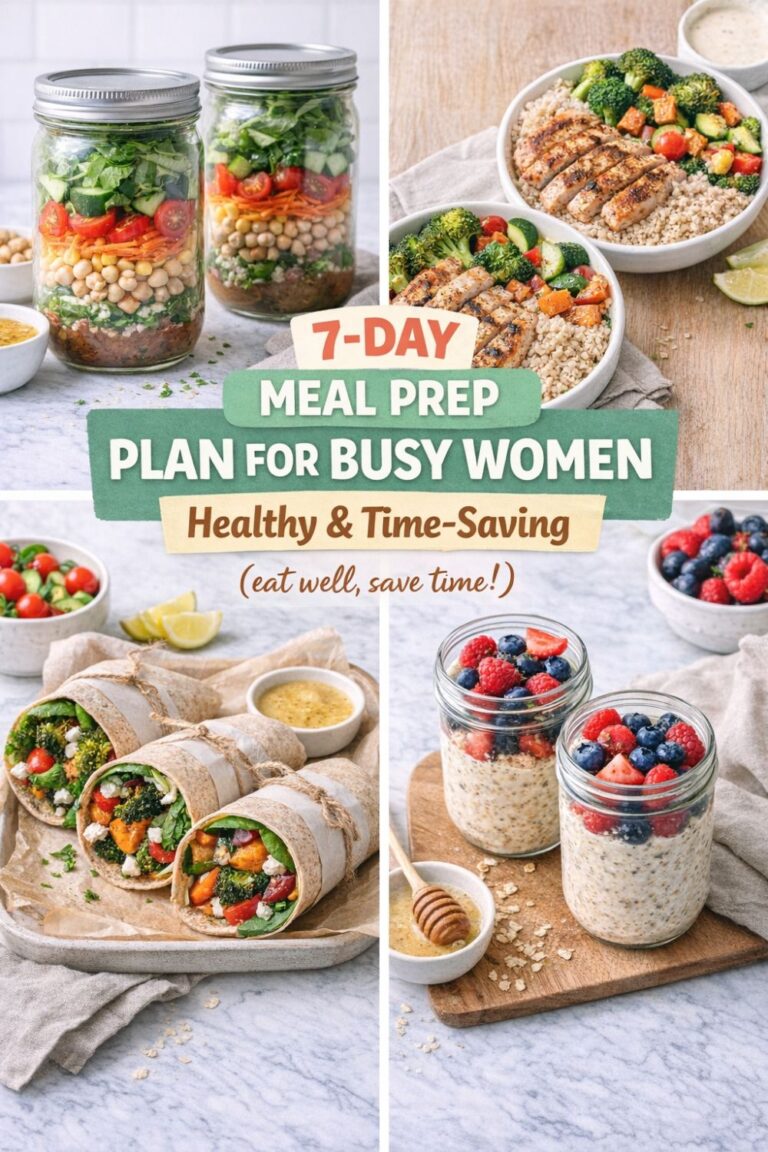
Start with overnight oats—½ cup rolled oats, ¾ cup unsweetened almond milk, 1 tablespoon chia seeds, and ½ cup mixed berries. Toss it in a glass mason jar the night before, and you’ve got breakfast ready when you stumble into the kitchen half-awake. Get Full Recipe
Lunch (380 calories)
A Mediterranean chickpea salad loaded with cucumbers, tomatoes, red onion, ¾ cup chickpeas, 2 cups mixed greens, and a lemon-olive oil dressing. This is one of those meals that actually tastes better after sitting in the fridge for a bit. The flavors meld together like they’re at a flavor party.
Dinner (400 calories)
4 ounces of grilled chicken breast seasoned with herbs, served over cauliflower rice (seriously, don’t knock it till you try it), and 1 cup of roasted Brussels sprouts tossed in balsamic vinegar. Pop those Brussels sprouts on a non-stick baking sheet at 400°F for 20 minutes—they’ll come out crispy and caramelized, not like those mushy green things from your childhood.
Snack (100 calories)
One small apple with 1 tablespoon of almond butter. Simple, portable, and it hits that sweet-salty craving combo.
Day 2: Mediterranean Vibes
Breakfast (330 calories)
Greek yogurt parfait time. 1 cup of plain Greek yogurt (the good stuff, not the sugar-bomb kind), topped with ⅓ cup granola and ½ cup fresh berries. I like to layer mine in a clear container because apparently eating with your eyes is a thing, and it works.
Lunch (370 calories)
Turkey and veggie wrap—3 ounces sliced turkey breast, loads of lettuce, tomato, cucumber, and bell peppers in a whole wheat tortilla with 1 tablespoon hummus. Roll it tight in some parchment paper, and it won’t fall apart during your lunch break. Pro move right there.
Dinner (420 calories)
4 ounces of baked salmon (omega-3s for the win) with roasted sweet potato wedges and steamed broccoli. Season that salmon with lemon, dill, and a tiny bit of olive oil, wrap it in foil, and let your oven do the work. A fish spatula makes flipping and serving way easier without turning your beautiful salmon into salmon salad.
Snack (80 calories)
10 baby carrots with 2 tablespoons of hummus. Crunchy, satisfying, and you feel virtuous eating it.
For more Mediterranean-inspired dishes that work perfectly with this meal plan, check out these Mediterranean diet recipes or try a Greek-style quinoa bowl.
Day 3: Comfort Food Makeover
Breakfast (310 calories)
Two scrambled eggs with spinach, mushrooms, and a sprinkle of feta cheese, plus one slice of whole-grain toast. Use a non-stick skillet so you don’t need much oil—every little bit counts when you’re working with a calorie budget.
Lunch (390 calories)
Veggie-loaded soup with lentils. I’m talking carrots, celery, onions, tomatoes, and 1 cup of cooked lentils in a flavorful vegetable broth. Make a huge batch in a slow cooker over the weekend, and you’ve got lunch sorted for days. Get Full Recipe
Dinner (400 calories)
Here’s where it gets interesting: turkey lettuce wraps. 4 ounces of ground turkey sautéed with ginger, garlic, and low-sodium soy sauce, wrapped in butter lettuce leaves. Top with shredded carrots and a squeeze of lime. It’s like those restaurant lettuce wraps but without the mystery ingredients and inflated price tag.
Snack (100 calories)
¼ cup of mixed nuts. Portion these out ahead of time in snack-size bags because it’s way too easy to demolish an entire container when you’re just “having a few.”
“The lentil soup became my go-to lunch! I never thought I’d look forward to soup, but when you make a big batch and it’s ready to heat up, it’s honestly life-changing. Plus, it kept me full for hours.” – Mike R., community member
Day 4: Asian-Inspired Flavors
Breakfast (325 calories)
Smoothie bowl alert. Blend 1 frozen banana, ½ cup frozen berries, 1 cup spinach (trust me, you won’t taste it), and ¾ cup unsweetened almond milk. Top with 1 tablespoon of chia seeds and a few sliced strawberries. Your high-speed blender makes this creamy instead of chunky—worth the investment if you’re doing this regularly.
Lunch (380 calories)
Asian-style salad with 3 ounces of grilled chicken, mixed greens, mandarin oranges, sliced almonds, and a ginger-sesame dressing (go easy on the dressing—it sneaks up on you calorie-wise). This is one of those salads that doesn’t taste like punishment.
Dinner (410 calories)
Stir-fry time. 4 ounces of shrimp or tofu, tons of vegetables (snap peas, bell peppers, broccoli, carrots), and ½ cup of brown rice. The secret? Get your wok screaming hot before adding anything. That’s what gives you that restaurant-quality sear without needing excess oil.
Snack (85 calories)
One hard-boiled egg. Boring? Maybe. Effective? Absolutely. Prep a batch on Sunday, and you’ve got protein-packed snacks ready to grab.
If you’re into Asian-inspired cooking, you’ll love these quick stir-fry recipes and this ginger-garlic sauce that works on everything.
Day 5: Tex-Mex Without the Guilt
Breakfast (315 calories)
Breakfast burrito bowl—scrambled eggs, black beans, diced tomatoes, a bit of shredded cheese, and salsa. Skip the tortilla, and you save yourself calories for later. IMO, the bowl format is actually better because you get more filling stuff and less bread.
Lunch (385 calories)
A bean and veggie taco salad using romaine lettuce as your base. Add black beans, corn, cherry tomatoes, red onion, cilantro, and a lime-cilantro dressing. The crunch from the vegetables gives you that taco shell satisfaction without the actual shell. Get Full Recipe
Dinner (405 calories)
4 ounces of grilled flank steak (sliced thin) with roasted bell peppers, onions, and a small portion of guacamole. Serve it over cauliflower rice or enjoy it as-is. That meat thermometer ensures you don’t overcook your steak—nobody wants expensive beef jerky.
Snack (95 calories)
Sliced bell peppers with 2 tablespoons of guacamole. Crunchy, creamy, and somehow tricks your brain into thinking you’re being bad when you’re totally not.
Premium Glass Meal Prep Containers Set (10-Pack)
Stop using plastic containers that stain and smell weird after a week. These BPA-free glass containers are microwave, oven, freezer, and dishwasher safe. Snap-lock lids that actually seal, portion control dividers included. Makes meal prep look professional and keeps food fresh for days.
Day 6: Comfort Classics Lightened Up
Breakfast (320 calories)
Protein pancakes made with mashed banana, eggs, and a scoop of protein powder. Top with a few fresh berries and a tiny drizzle of maple syrup. Make these in a non-stick griddle for even cooking and that perfect golden color.
Lunch (375 calories)
Quinoa and roasted vegetable bowl—½ cup cooked quinoa, roasted zucchini, eggplant, cherry tomatoes, and 2 ounces of crumbled feta. Drizzle with balsamic glaze. This is one of those meals that looks fancy but is basically just “throw everything on a sheet pan and roast it.”
Dinner (415 calories)
Here’s a game-changer: spaghetti squash with turkey meat sauce. Roast your spaghetti squash, scrape out those noodle-like strands, and top with a homemade turkey meat sauce. You get the pasta experience without the carb overload. A spaghetti squash slicer makes cutting that tough squash way safer—learned that after a close call with a chef’s knife.
Snack (90 calories)
½ cup of berries with a dollop of Greek yogurt. Sweet, tangy, and satisfying.
Day 7: Sunday Reset
Breakfast (310 calories)
Veggie omelet packed with mushrooms, spinach, tomatoes, and a sprinkle of cheese. Pair it with a slice of whole-grain toast. Sundays are for taking it slow, so actually sit down and enjoy this instead of eating it standing over the sink (we’ve all been there).
Lunch (390 calories)
Grilled chicken Caesar salad with a lighter homemade dressing. 4 ounces of chicken breast, loads of romaine, a few whole-grain croutons, and Parmesan cheese. Skip the bottled dressing that’s basically mayonnaise in disguise—making your own with Greek yogurt, lemon, and Parmesan takes five minutes. Get Full Recipe
Dinner (400 calories)
Baked cod with roasted vegetables. 5 ounces of cod seasoned with herbs and lemon, served with roasted asparagus and cherry tomatoes. Fish cooks fast in a convection oven—about 15 minutes and you’re done. Season generously because fish needs flavor help.
Snack (100 calories)
A small pear with a few walnuts. Naturally sweet and just enough fat to feel satisfying.
Looking for more variety? Try these light dinner recipes or explore this week-long clean eating plan that complements this approach.
Making It Work: Practical Tips for Success
Listen, following any meal plan sounds great until Wednesday afternoon when you’re exhausted and someone brought donuts to the office. Here’s how to actually stick with this thing.
Prep Like Your Life Depends On It
Seriously, meal prep is the difference between success and ordering takeout at 8 PM. Dedicate 2-3 hours on Sunday to washing, chopping, and cooking. Your future self will send thank-you notes.
Get yourself a good set of glass storage containers in various sizes. Plastic is fine, but glass doesn’t stain, doesn’t hold odors, and you can reheat directly in it. Plus, seeing your beautiful prepped meals through clear containers is oddly motivating.
Stay Hydrated
Water is your secret weapon. Half the time you think you’re hungry, you’re actually just thirsty. Keep a reusable water bottle with you constantly—the kind with time markers is surprisingly helpful for hitting your daily goals.
And before you ask: yes, coffee and tea count toward your fluid intake. Black coffee has basically zero calories, so enjoy that morning cup guilt-free. Just watch the add-ins—a “splash” of cream and “a little” sugar can sneakily add 100+ calories.
Be Strategic About Eating Out
You don’t have to become a hermit just because you’re following a meal plan. When eating out, scan the menu ahead of time and decide what you’ll order before you’re sitting there starving and everything looks amazing.
Ask for dressings on the side, swap fries for extra veggies, and don’t be shy about customizing your order. Restaurants are used to it. And honestly? Most places have way more options than you’d think if you just ask.
“I thought I’d have to give up my weekly brunch with friends, but I just started ordering smarter. Veggie omelets and fruit instead of pancakes and bacon. Still got to enjoy socializing without derailing my entire week.” – Jamie L., community member
Common Pitfalls (And How to Dodge Them)
The “I’m So Hungry” Trap
If you’re constantly ravenous, something’s wrong. Either your portions are too small, you’re not getting enough protein, or you’re not drinking enough water. Don’t suffer through hunger—that’s how you end up facedown in a pizza at midnight.
Try adding more volume foods to your meals. We’re talking leafy greens, cruciferous vegetables, and anything with high water content. You can eat massive amounts of these for minimal calories. A huge salad base makes your meal look substantial, which psychologically helps with satisfaction.
📚 The Complete Meal Prep Mastery eBook
Stop winging it every week. This comprehensive guide includes 100+ recipes, portion calculators, grocery lists, and a foolproof system for prepping an entire week in under 3 hours. Over 10,000 people have transformed their meal planning game with this.
Only $27 – Instant DownloadGet Your Copy Now
Weekend Warrior Syndrome
You’re perfect Monday through Friday, then Saturday hits and suddenly you’ve consumed three days’ worth of calories at one brunch. Sound familiar? The fix isn’t to be perfect 24/7—it’s to plan for flexibility.
If you know you have a dinner out on Saturday, eat a bit lighter during the day and focus on protein-rich foods to keep you satisfied. Save some calories for that meal, enjoy it without guilt, and get back on track the next day. One meal doesn’t derail anything—it’s the spiral of “well, I already messed up” that gets you.
The Scale Obsession
Step away from the scale. Seriously. Weighing yourself seventeen times a day will drive you insane. Your weight fluctuates based on water retention, sodium intake, hormones, and whether Mercury is in retrograde (kidding on that last one, but you get the point).
Weigh yourself once a week, same day, same time, same conditions. First thing in the morning after using the bathroom, before eating or drinking anything. That’s your most consistent measurement point. Better yet, track measurements and how your clothes fit—sometimes the scale doesn’t move but you drop a pants size.
Customizing Your Plan
Here’s the truth: this exact meal plan might not work perfectly for everyone. Maybe you hate salmon. Maybe chickpeas give you digestive issues. Maybe you’re dairy-free, gluten-free, or just free from caring about quinoa. That’s totally fine.
Dairy-Free Swaps
Replace Greek yogurt with coconut yogurt or dairy-free alternatives fortified with protein. Swap regular cheese for nutritional yeast (sounds weird, tastes surprisingly good) or cashew-based cheese. Almond milk, oat milk, or soy milk work great in place of regular milk—just check the labels because some are sneaky calorie bombs.
Vegetarian and Vegan Modifications
Replace all animal proteins with plant-based options. Think tofu, tempeh, seitan, legumes, and edamame. You’ll want to pay extra attention to getting enough complete proteins—combinations like rice and beans, or hummus and whole wheat pita. A tofu press is genuinely useful if you’re going this route—gets the water out so it actually crisps up when you cook it.
For plant-based inspiration, check out these vegan protein bowl recipes that’ll keep you satisfied without any animal products.
Adding More Calories
If 1200 feels too restrictive for your activity level, bump it up to 1400-1600 by adding healthy fats and slightly larger portions. An extra tablespoon of nut butter here, a few more ounces of protein there, maybe an additional snack. The principles stay the same—you’re just scaling up.
Beyond the First Week
Okay, so you crushed week one. Now what? The beauty of having a structured plan is that you can rotate and remix these meals for variety. Swap Day 2’s breakfast with Day 5’s. Mix up your proteins. Try different vegetable combinations.
The goal isn’t to eat these exact meals forever (though you could). It’s to establish patterns, understand portion sizes, and develop a repertoire of go-to meals that work for you. After a few weeks, this becomes second nature.
Tracking Your Progress
Whether you use a food tracking app or an old-school notebook, keeping tabs on what you eat helps tremendously. Not because you need to be perfect, but because awareness is powerful. You start noticing patterns—maybe you’re always hungrier on days you skip breakfast, or afternoons are your danger zone for snacking.
I use a simple meal planning journal where I jot down what I ate and how I felt. Nothing fancy, just “Tuesday: felt great, had tons of energy” or “Wednesday: dragging by 3 PM, need more protein at lunch.” These notes help you refine your approach.
🎯 30-Day Macro Tracking Template
Take the guesswork out of calorie counting. This printable and digital template helps you track macros, plan meals, and see exactly where you’re at every single day. Includes video tutorials and a private support group. Perfect for visual learners.
$19 – Lifetime AccessStart Tracking Today
For more structured tracking and meal rotation ideas, explore these 30-day meal plan templates and calorie tracking guide.
The Mental Game
Let’s talk about the elephant in the room: your relationship with food. Following a calorie-restricted plan can mess with your head if you’re not careful. Food becomes “good” or “bad,” and you start feeling guilty about eating things you enjoy.
Here’s my take: this meal plan is a tool, not a prison sentence. Some days you’ll follow it perfectly. Other days you’ll eat birthday cake at the office party and not track a single calorie. Both are fine. The difference between people who succeed long-term and those who don’t isn’t perfection—it’s consistency over time.
Dealing with Cravings
Cravings happen. They’re normal. Sometimes they mean you’re actually hungry and need more protein or fat in your meals. Sometimes they’re emotional. Sometimes you just really want chocolate because chocolate is delicious.
Instead of fighting cravings with willpower alone (spoiler: willpower runs out), try these tricks:
- Delay it: Tell yourself you can have it in 20 minutes. Often the craving passes. If it doesn’t, have a small portion and enjoy it.
- Find alternatives: Craving something crunchy? Try carrot sticks or air-popped popcorn. Want something sweet? Frozen berries can hit that spot.
- Build it in: If you know you want dessert, plan for it. Have a lighter lunch and save those calories for a small treat after dinner.
Social Situations
You’re going to face pressure. Well-meaning friends will tell you “one bite won’t hurt” or “you’re not eating enough.” Your mom will insist you have seconds. Your coworker will push their homemade brownies.
Have your responses ready. “I’m good, thanks” works wonders. You don’t owe anyone an explanation about your eating choices. If someone’s being pushy, a firm “I said no, thank you” usually does the trick.
And listen: sometimes it’s worth saying yes. Your best friend’s wedding? That special anniversary dinner? Enjoy it. Life is meant to be lived, not counted in calories 24/7.
“The hardest part wasn’t the food—it was dealing with people’s comments. Once I stopped explaining myself and just politely declined things I didn’t want, it got so much easier. People got used to it pretty quickly.” – Alex T., community member
Shopping List Essentials
Let’s make your grocery shopping efficient. Here’s what should be on your list every week. Print this, save it on your phone, or just memorize it—these are your staples.
Proteins
- Chicken breasts (boneless, skinless)
- Ground turkey (lean)
- Salmon fillets
- Eggs (lots of them)
- Greek yogurt (plain, full-fat or low-fat)
- Tofu or tempeh if you’re plant-based
Vegetables
- Leafy greens (spinach, kale, romaine)
- Broccoli, cauliflower, Brussels sprouts
- Bell peppers (all colors)
- Zucchini and other squashes
- Cherry tomatoes
- Mushrooms
- Onions and garlic
Fruits
- Berries (fresh or frozen)
- Apples
- Bananas
- Oranges or other citrus
Whole Grains & Legumes
- Quinoa
- Brown rice
- Rolled oats
- Whole grain bread
- Lentils (dried or canned)
- Black beans and chickpeas (canned for convenience)
Healthy Fats
- Avocados
- Olive oil
- Nuts and seeds (almonds, walnuts, chia seeds)
- Natural nut butters
Pantry Staples
- Low-sodium broths
- Herbs and spices (seriously, invest in these—they’re calorie-free flavor)
- Vinegars (balsamic, apple cider, rice wine)
- Low-sodium soy sauce or tamari
- Dijon mustard
- Hot sauce (if you’re into that)
Having these ingredients on hand means you can mix and match meals based on what sounds good. A pantry organization system helps you actually see what you have instead of buying duplicates—I’ve owned four containers of garlic powder at once because I couldn’t find the first three.
🍽️ Smart Kitchen Meal Planner App (Annual License)
Your personal meal planning assistant. Generate custom meal plans based on your calorie goals, dietary restrictions, and food preferences. Auto-generates grocery lists, scales recipes, and syncs across all your devices. No more scattered recipes and forgotten ingredients.
$49/year – 7-Day Free TrialTry It Free
For smarter grocery shopping strategies and budget-friendly tips, check out this meal prep grocery guide.
Kitchen Tools That Actually Matter
You don’t need a fancy kitchen to make this work, but a few key tools make life dramatically easier. Here’s what I consider essential versus nice-to-have.
Essential
- Digital food scale – Non-negotiable for accurate portions
- Set of measuring cups and spoons – For when you can’t weigh things
- Sharp chef’s knife – Prep goes way faster with the right tools
- Cutting board (large) – Get two: one for meat, one for produce
- Non-stick pan or cast iron skillet – Cooking with minimal oil
- Glass meal prep containers – For storing everything
Nice to Have
- Instant Pot or slow cooker – Set it and forget it cooking
- High-speed blender – For smoothies that aren’t chunky disasters
- Vegetable spiralizer – Zucchini noodles without the arm workout
- Air fryer – “Fried” food with way less oil
Professional Chef’s Knife Set with Magnetic Block
Meal prep takes twice as long with dull knives. This German stainless steel set includes everything you need: chef’s knife, santoku, paring, bread knife, and kitchen shears. Ergonomic handles, perfectly balanced, and they stay sharp forever. Comes with a sleek magnetic wooden block that saves counter space.
When to Adjust the Plan
Pay attention to your body. If you’re experiencing any of these signs, it might be time to reassess:
- Constant fatigue: You should have energy, not feel like you’re dragging through mud.
- Trouble sleeping: Sometimes eating too little disrupts sleep patterns.
- Hair loss or brittle nails: Signs you’re not getting enough nutrients.
- Mood swings: Hunger makes everyone cranky, but you shouldn’t feel emotionally unstable.
- Losing weight too fast: More than 2 pounds per week consistently means you need to eat more.
According to CDC guidelines, losing 1-2 pounds per week is considered safe and sustainable. Anything faster might work short-term but rarely lasts.
Making It a Lifestyle
Here’s the uncomfortable truth: if you go back to eating exactly how you did before, you’ll gain the weight back. I know, revolutionary insight, right? But so many people treat meal plans like a temporary thing—they’ll “be good” for a few weeks then return to old habits.
The real magic happens when you start thinking of this as building new habits rather than following a diet. You’re learning what proper portions look like. You’re discovering you actually like Brussels sprouts when they’re roasted properly. You’re realizing meal prep Sunday sets up your entire week for success.
🌟 Join Our Free WhatsApp Community!
Get daily meal prep tips, recipe updates, and motivation from people just like you who are crushing their weight loss goals. We share exclusive content, answer questions, and keep each other accountable.
Join the CommunityThe 80/20 Approach
Once you hit your goals, consider shifting to an 80/20 approach. Eat nutritiously and mindfully 80% of the time, and give yourself flexibility the other 20%. This means most of your meals follow the patterns you’ve established, but you’re not tracking every single thing or stressing about birthday cake.
This isn’t permission to go wild every weekend. It’s about finding balance—eating healthy most of the time while still enjoying life. Because what’s the point of losing weight if you’re miserable?
Related Recipes You’ll Love
Frequently Asked Questions
Is 1200 calories too low for everyone?
It depends on your individual needs. For sedentary, smaller-framed women, 1200 calories can work well under medical supervision. However, men and more active individuals typically need more—usually 1500-1800 calories minimum. If you’re exercising regularly, doing physical labor, or very tall, this calorie level is likely too restrictive. Always consult with a healthcare provider before starting any calorie-restricted plan, especially if you have underlying health conditions.
Can I exercise while following this meal plan?
Absolutely, but be smart about it. Light to moderate exercise like walking, yoga, or light strength training works great with this plan. If you’re doing intense workouts or training for something specific, you’ll need to eat more—probably adding 200-300 calories on workout days. Listen to your body; if you feel weak or dizzy during exercise, that’s a sign you need more fuel.
What if I’m still hungry after meals?
First, make sure you’re drinking enough water—sometimes thirst masquerades as hunger. If you’re genuinely still hungry, add more volume foods like leafy greens and non-starchy vegetables. You can eat huge amounts of these for minimal calories. Also check your protein intake; if your meals are carb-heavy, you might not be getting enough protein to feel satisfied. Consider adding an extra snack of vegetables with hummus or a hard-boiled egg.
How long should I follow a 1200-calorie plan?
This isn’t meant to be forever. Most experts recommend staying at this calorie level for 8-12 weeks maximum, then gradually increasing to maintenance calories. Your body adapts to reduced calories over time, which can slow weight loss. Once you reach your goal weight, slowly add calories back—about 100-200 per week—until you find your maintenance level where your weight stabilizes.
Can I drink alcohol on this plan?
Technically yes, but alcohol is just empty calories with no nutritional value. A glass of wine runs about 120-150 calories, which is almost your entire snack budget for the day. If you do choose to drink, factor it into your daily calories and maybe skip a snack. Better yet, save alcohol for special occasions while you’re actively trying to lose weight—you’ll see better results.
Final Thoughts
Look, I’m not going to lie and say following a 1200-calorie meal plan is easy. Some days you’ll nail it. Other days you’ll eat your planned dinner at 3 PM and then wonder what to do for the rest of the evening. That’s normal. That’s being human.
The difference between this working and not working isn’t perfection—it’s persistence. It’s getting back on track after a rough day instead of throwing in the towel completely. It’s learning that one cookie doesn’t ruin everything, but eating the entire package might set you back a bit.
This meal plan gives you structure, but you still need to bring the commitment. Prep your meals. Track what you eat. Stay hydrated. Get enough sleep. Move your body. These aren’t revolutionary concepts, but they work when you actually do them consistently.
And here’s something nobody tells you: losing weight reveals who you are. Not physically—though that too—but mentally. You learn discipline. You learn delayed gratification. You learn that you’re capable of more than you thought. Those lessons stick with you way longer than the actual weight loss.
💪 Ready to Start? We’re Here to Help!
Join 5,000+ members in our supportive WhatsApp community. Get instant answers to your meal prep questions, share your wins, swap recipes, and stay motivated every single day. It’s free, friendly, and actually helpful.
Click Here to JoinSo whether you follow this plan exactly as written or use it as a jumping-off point to create your own approach, the point is to start. Stop overthinking, stop waiting for the perfect moment, and just begin. Your future self is waiting, and trust me, they’re going to thank you for starting today.
Now go make that grocery list. Sunday meal prep isn’t going to do itself.