7-Day Budget Meal Plan Under $30 For One Person
7-Day Budget Meal Plan Under $30 For One Person
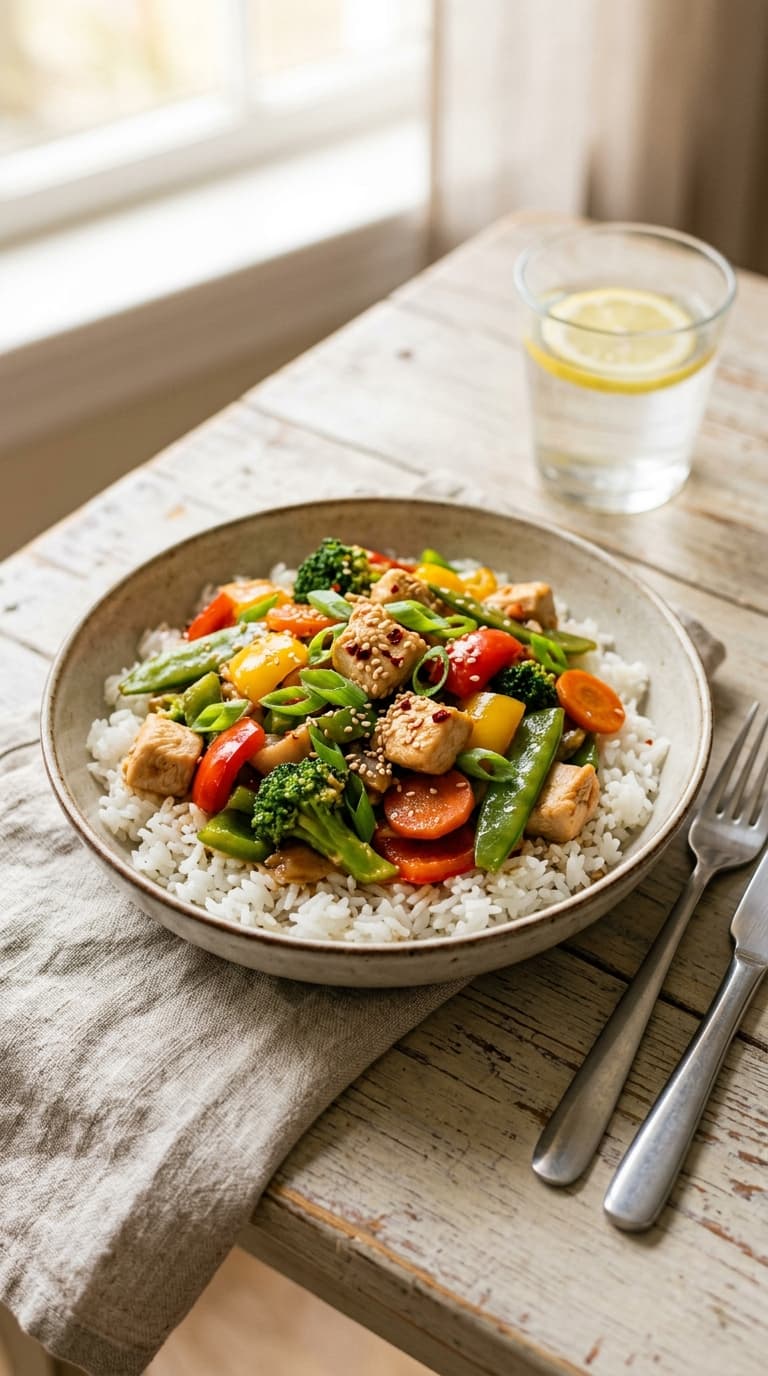
Thirty bucks. That’s it. That’s your whole food budget for the week, and honestly? You’re going to eat better than you think. I know what you’re telling yourself right now — “there’s no way I can eat real, satisfying meals without spending a fortune.” But here’s the thing: I’ve been there, staring at my near-empty wallet before grocery day, and I figured it out. You can too.
This isn’t some sad rice-and-canned-beans situation (well, there’s a little rice and beans, but bear with me). This is a full 7-day budget meal plan under $30 for one person that covers breakfast, lunch, and dinner — with flavor, variety, and enough food to actually keep you full. Let’s get into it.
Why Budget Meal Planning Actually Works
Most people overspend on groceries because they shop without a plan. They wander the aisles, grab whatever looks good, and then wonder why half of it goes bad in the fridge by Thursday. Sound familiar? 🙂
Meal planning flips that script completely. When you know exactly what you’re eating each day, you buy only what you need. No waste, no random splurges, no “I’ll figure out dinner later” moments that end in ordering takeout for $18.
If you want to see how far intentional planning can take you, check out this 7-day cheap meal prep that actually saves you money — it pairs perfectly with the mindset we’re building here.
The $30 Grocery List (Shop This First)
Before we hit the daily plan, let’s talk ingredients. The secret to staying under $30 is buying versatile staples that show up in multiple meals. You’re not buying fancy cuts of meat or exotic produce — you’re buying smart.
Here’s your shopping list:
- Oats (large canister) — ~$3
- Eggs (1 dozen) — ~$3
- Dried lentils (1 lb bag) — ~$2
- Canned chickpeas (2 cans) — ~$2
- Canned diced tomatoes (2 cans) — ~$2
- Rice (2 lb bag) — ~$2
- Frozen mixed vegetables (1 large bag) — ~$3
- Bananas — ~$1.50
- Cabbage (1 head) — ~$1.50
- Carrots (1 lb bag) — ~$1.50
- Garlic (1 bulb) — ~$0.75
- Onions (2 medium) — ~$1
- Peanut butter (small jar) — ~$3
- Soy sauce (small bottle) — ~$1.50
- Olive oil or vegetable oil (small bottle) — ~$3
- Spices you likely already own: cumin, paprika, salt, pepper, chili flakes
Total: approximately $27–$30, leaving you a small buffer.
The beauty of this list? Almost every item shows up in at least two or three different meals. Nothing gets wasted, and nothing gets boring — if you use your spices right.
Day-by-Day Meal Breakdown
Day 1 — Start Strong
Breakfast: Classic oatmeal with a sliced banana and a spoonful of peanut butter. This combo keeps you full for hours and costs maybe 60 cents to make. That’s not a typo.
Lunch: Lentil soup with carrots and onion. Cook a big batch of lentils with diced onion, carrot, garlic, cumin, and canned tomato. Season generously — this is where most budget meals fail people. Lentils are a blank canvas, not a punishment.
Dinner: Fried rice with frozen vegetables and a scrambled egg mixed in. Use day-old rice if you have it (it fries up way better), toss in your frozen veg, a splash of soy sauce, and you’ve got a genuinely satisfying dinner.
Day 2 — Remix and Refresh
Breakfast: Scrambled eggs (2 eggs) with a side of banana. Simple, protein-packed, done in five minutes.
Lunch: Leftover lentil soup. Yes, leftovers. This is the backbone of budget eating and there’s zero shame in it. IMO, lentil soup tastes even better on day two anyway.
Dinner: Chickpea and cabbage stir-fry. Sauté sliced cabbage with a can of drained chickpeas, garlic, soy sauce, and a pinch of chili flakes. Serve over rice. This meal costs about $1.50 and tastes like something you’d actually order.
Day 3 — Mid-Week Momentum
Breakfast: Peanut butter oatmeal again — swap the banana for some shredded carrot mixed in if you want to change things up. Sounds weird, I know. Trust the process.
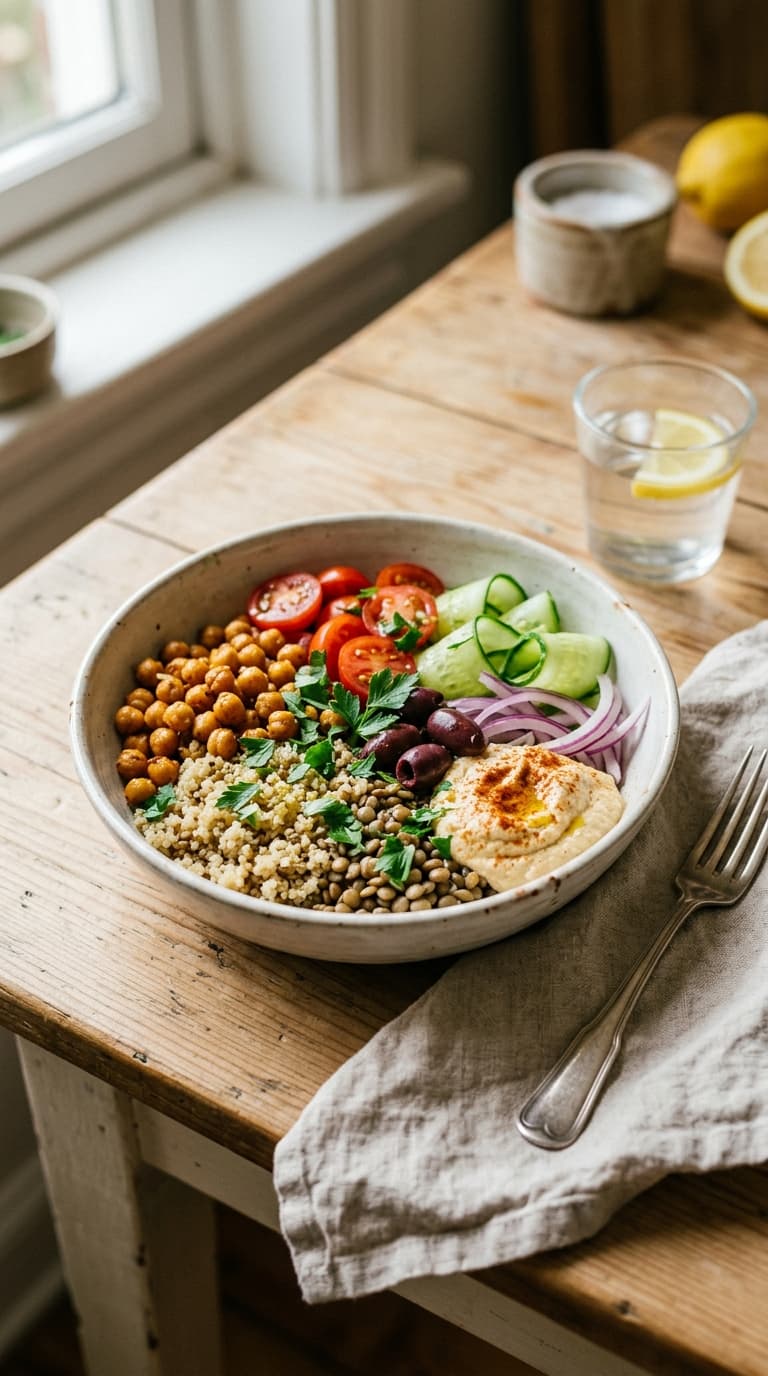
Lunch: Rice and chickpeas with a simple tomato sauce made from canned diced tomatoes, garlic, and spices. Warm it all together in a pan and you have a Mediterranean-style bowl that would cost $14 at a trendy café.
Dinner: Egg fried cabbage with soy sauce and rice. This is a classic minimal-ingredient meal that sounds too basic but hits different when you’re hungry and it’s a Wednesday night.
Looking for more meals that prove budget eating doesn’t have to be boring? These budget meal prep bowls that cost less than $5 each are a brilliant next step once you get comfortable with this week.
Day 4 — Halfway There, Keep Going
Breakfast: Two boiled eggs with a banana. Quick, no-cook (well, barely), and gives you solid protein to start the day.
Lunch: Lentil and vegetable stew — cook your remaining lentils with frozen vegetables, canned tomato, garlic, and paprika. This is warming, filling, and genuinely good when you get the seasoning right.
Dinner: Peanut noodle bowl. Cook some rice (yes, using it as a base again), mix peanut butter with a little soy sauce, a splash of water, and garlic to make a quick sauce. Pour over rice and top with steamed frozen vegetables. If you’ve never tried peanut sauce on rice, you’re in for a treat. :/
Day 5 — Beat the Budget Fatigue
This is the day most people crack and order pizza. Don’t. Instead, mix up your presentation — eat at the table, use a nicer bowl, add a squeeze of lemon if you have one. Half of meal fatigue is psychological.
Breakfast: Oatmeal with peanut butter. Add a little extra cinnamon if you have it — it makes everything taste like you tried.
Lunch: Cabbage and carrot slaw with a soy-peanut dressing. Shred your cabbage and carrot raw, toss with a dressing made from peanut butter, soy sauce, a tiny bit of water, and garlic. This is fresh, crunchy, and surprisingly satisfying.
Dinner: Chickpea curry with rice. Use your second can of chickpeas, canned tomatoes, onion, garlic, and spices (cumin, paprika, chili). Simmer it low and slow for 15 minutes. This is the star of the week. It’s warm, spiced, creamy (the chickpeas break down a little), and pairs perfectly with fluffy rice.
If you enjoy plant-based meals like this chickpea curry, you’ll love browsing through easy vegan meal prep ideas for busy weeks — tons of inspiration that fits comfortably within a tight budget.
Day 6 — Weekend Energy
Weekends feel different. You might have a bit more time to cook, so use it.
Breakfast: Make a big batch of oatmeal and load it up — banana, peanut butter, a little soy sauce (yes, seriously, it’s a thing in some cultures), or just keep it classic. Cook enough to have some tomorrow.
Lunch: Egg and vegetable scramble. Sauté your remaining frozen vegetables in a pan, crack in two or three eggs, scramble everything together, and serve over rice. Fast, filling, and uses up whatever’s left in the bag.
Dinner: Lentil and tomato stew with crusty bread if you happen to have any left, or just serve it over rice. Add extra spice tonight — you’ve earned it. Throw in some chili flakes, a heavy hand of cumin, and let it simmer while you relax.
Day 7 — The Grand Finale
Breakfast: Last of the oatmeal with your final banana. Simple and satisfying.
Lunch: A loaded rice bowl — combine everything you have left. Rice as the base, any remaining chickpeas or lentils, frozen vegetables steamed or pan-fried, soy sauce drizzled over the top. This is called a “clean out the fridge” bowl and it’s honestly one of the best meals of the week every time.
Dinner: Peanut butter and soy rice with fried egg on top. A fried egg on top of anything makes it feel like a proper meal. This is your victory dinner. You made it through the whole week under $30. FYI — that deserves a fist pump.
Tips to Make This Plan Work Even Better
Want to get more out of this plan? Here are a few things that make a real difference:
- Batch cook your rice and lentils on Sunday. Having them ready means you’re never more than five minutes from a meal.
- Season everything twice — once during cooking, once right before eating. It changes the flavor profile completely.
- Freeze half your lentil soup if you made a huge batch. Future you will be grateful.
- Buy spices at ethnic grocery stores if you have one nearby — they’re a fraction of the price and usually fresher.
- Rotate your protein sources — eggs for breakfast, lentils at lunch, chickpeas at dinner keeps things interesting.
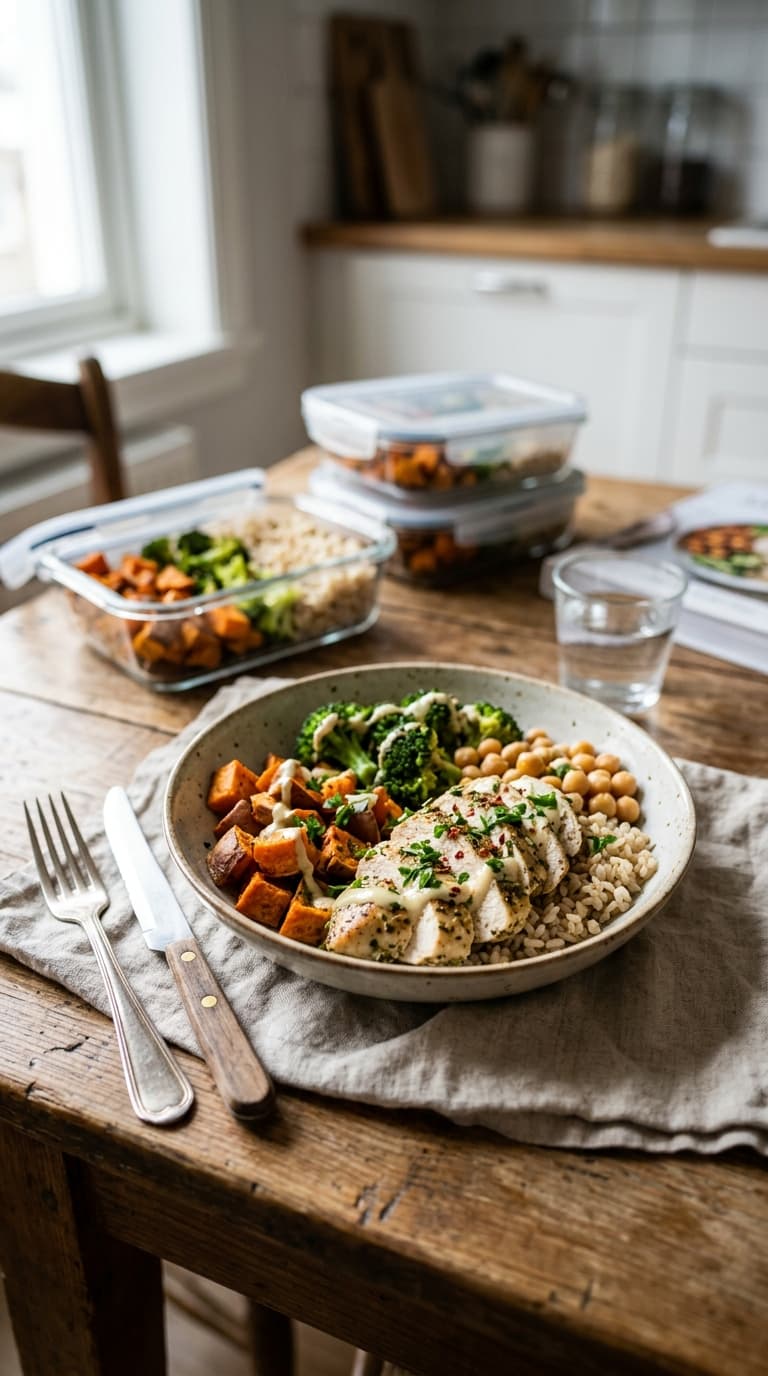
If you want to level up your prep game beyond this week, the 7-day meal prep plan that actually works is a great place to take your new skills.
How to Stay Full on a Budget
Here’s something nobody tells you about budget eating: volume matters more than variety. When you fill your plate with fiber-rich foods like lentils, oats, cabbage, and chickpeas, you stay full for longer without spending more.
Protein is your other best friend. Eggs are one of the cheapest, most complete proteins you can buy. Lentils and chickpeas aren’t far behind. Built this plan around those three ingredients deliberately — because fullness shouldn’t be a luxury.
If staying full while eating light is something you’re focused on, these low-calorie meals that actually keep you full are worth bookmarking alongside this plan.
Budget Meal Planning for the Long Game
One week is great. But what happens next week, and the week after that? The good news is once you nail the basics — batch cooking, versatile ingredients, intentional shopping — you can apply this same framework indefinitely.
You can swap lentils for black beans. Swap frozen mixed vegetables for whatever’s on sale. Swap rice for pasta if you find a deal. The framework stays the same; the ingredients rotate.
For those of you thinking bigger picture, a 21-day budget meal prep plan for tight schedules shows you exactly how to scale this approach across an entire month without losing your mind or your money.
What This Week Teaches You
After seven days on this plan, you’ll realize a few things. Good food doesn’t require much money — it requires attention. It requires seasoning properly, cooking with intention, and not treating budget meals like a sentence you’re serving until you can afford “real” food.
Budget eating done right is real food. Lentil curry is real food. Egg fried rice is real food. Chickpea stew that simmers on your stove and makes your whole kitchen smell amazing — that’s real food.
And honestly? The confidence you build from feeding yourself well on $30 a week is something that sticks with you long after your budget improves.
Wrapping It Up
So there you have it — a full 7-day budget meal plan under $30 for one person, no culinary degree required. The plan works because it leans on cheap, filling staples; keeps prep simple; and builds in enough variety to stop you from losing the will to cook by Wednesday.
Your action step is simple: screenshot the grocery list, head to the store, and start Sunday with a batch cook session. One hour on Sunday can set up your entire week. That’s a trade worth making every single time.
Now go save some money and eat well — you’ve got everything you need.