Build Your Perfect Vegetarian Meal Prep Plan
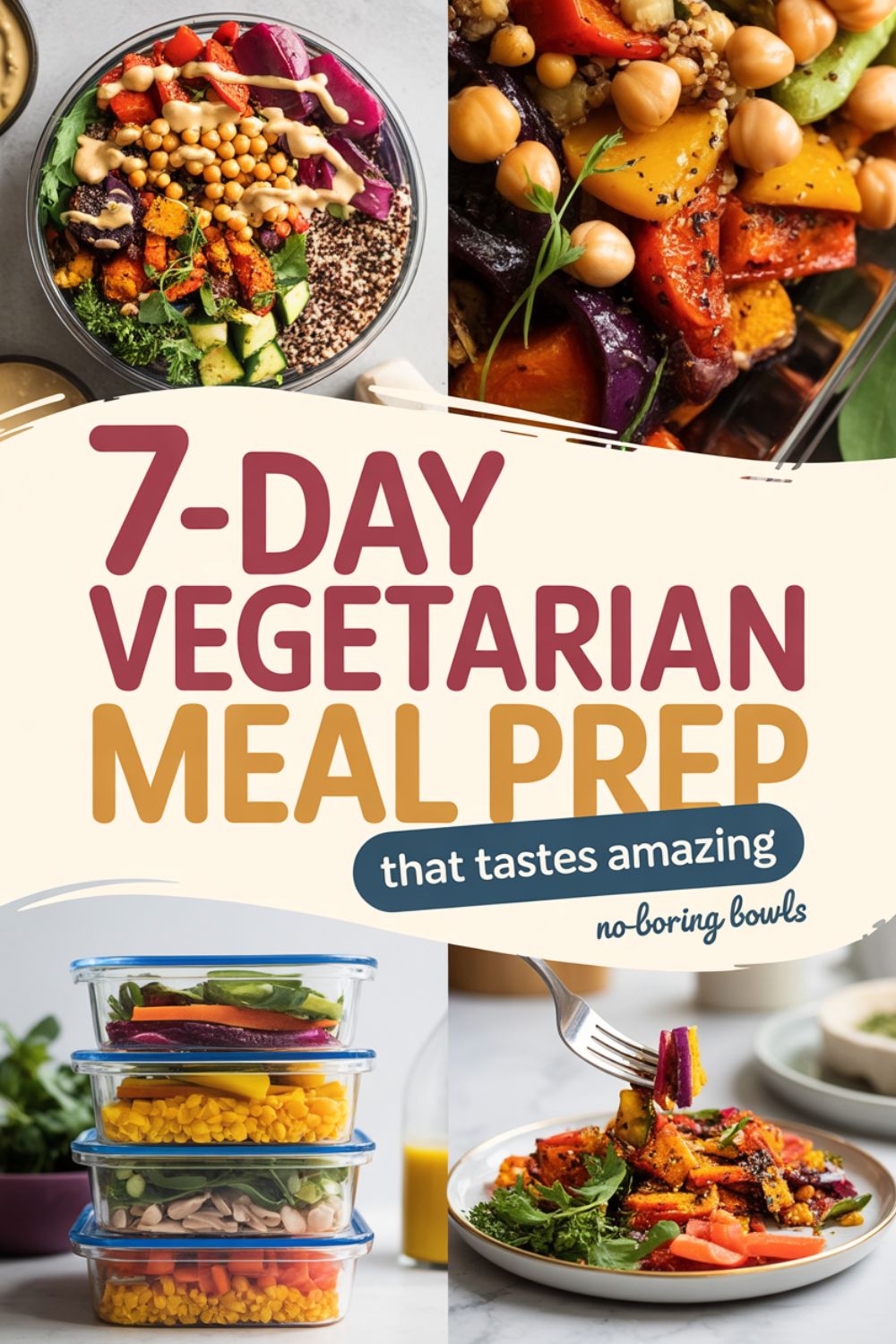
7-Day Vegetarian Meal Prep That Tastes Amazing
Let me guess. You’ve been thinking about meal prepping for weeks now, but every time Sunday rolls around, you end up ordering takeout instead. Or maybe you’ve tried it before, made a giant batch of something that tasted like cardboard by Wednesday, and never looked back.
Here’s the truth: vegetarian meal prep doesn’t have to be boring, bland, or complicated. In fact, when done right, it’s one of the easiest ways to eat healthy without spending your entire weekend in the kitchen. You just need the right plan.
This 7-day vegetarian meal prep guide is different. Every meal actually tastes good. Nothing goes soggy. You won’t be eating the same thing five days in a row. And the best part? You’ll spend less time cooking during the week while eating better than you have in months.
Ready to make meal prep work for you? Let’s dive in.
How This Vegetarian Meal Prep Plan Works
This isn’t your typical meal prep where you cook one giant casserole and call it a week. This plan is built around variety, flavor, and actually enjoying what you eat.
The strategy here is simple. You’ll prep ingredients on Sunday that work across multiple meals throughout the week. Think cooked grains, roasted vegetables, and prepped proteins like tofu and beans. Then you’ll assemble fresh meals each day or every few days using those components.
This approach gives you the convenience of meal prep without the food fatigue. Your Tuesday lunch won’t taste exactly like your Monday dinner. Everything stays fresh. And you’re never more than 10 minutes away from a complete, satisfying meal.
The Science Behind Vegetarian Meal Prep Success
According to nutrition experts, planning your meals in advance helps you include a more diverse range of fruits, vegetables, whole grains, nuts, and seeds. This variety ensures you’re getting adequate nutrition while keeping your taste buds interested.
Research published by the National Center for Biotechnology Information shows that well-planned vegetarian diets can reduce the risk of chronic diseases while supporting weight management. The key word here is “well-planned,” which is exactly what this meal prep system delivers.
What Makes This Plan Different
Most meal prep plans fail because they focus on quantity over quality. You make a ton of food, store it all week, and by Thursday you’re gagging at the sight of it. This plan solves that problem through strategic ingredient prep and meal rotation.
You’ll batch cook your grains, beans, and proteins. But you’ll keep your vegetables, sauces, and toppings fresh. This way, your meals stay interesting and delicious all week long without requiring you to cook from scratch every single day.
Pro Tip: Invest in quality storage containers with airtight seals. According to meal prep experts, glass containers are ideal because they don’t absorb odors, heat evenly, and can go straight from fridge to oven. They’re worth the upfront investment.
Your Complete 7-Day Meal Plan
Each day includes three main meals plus snacks. Protein amounts are listed to help you track your intake. All meals are designed to be prepared mostly on Sunday with quick assembly throughout the week.
Day 1 – Monday
Breakfast: Greek Yogurt Power Bowl with granola, mixed berries, sliced almonds, and a drizzle of honey (18g protein). Prepare the night before and grab in the morning.
Lunch: Mediterranean Chickpea Salad with cucumber, tomatoes, red onion, feta cheese, olive oil, and lemon dressing over mixed greens (22g protein). Takes 5 minutes to assemble from prepped ingredients.
Dinner: Quinoa Buddha Bowl with roasted sweet potato, sautéed kale, crispy tofu, avocado, and tahini dressing (28g protein). Warm the components and assemble fresh.
Snack: Hummus with sliced bell peppers and carrots (8g protein).
Day 2 – Tuesday
Breakfast: Overnight Oats with chia seeds, banana slices, peanut butter, and cinnamon (15g protein). Made the night before in a mason jar.
Lunch: Lentil and Vegetable Soup with a side of whole-grain crackers and cherry tomatoes (20g protein). Reheat pre-made soup in 3 minutes.
Dinner: Black Bean Burrito Bowl with brown rice, black beans, corn, salsa, avocado, sour cream, and shredded cheese (25g protein). Quick assembly from prepped components.
Snack: String cheese with apple slices (10g protein).
Day 3 – Wednesday
Breakfast: Veggie-Packed Scrambled Eggs with spinach, mushrooms, tomatoes, and whole-wheat toast (20g protein). Cook fresh in 8 minutes.
Lunch: Caprese Quinoa Salad with mozzarella pearls, cherry tomatoes, basil, balsamic glaze, and mixed greens (19g protein). Assembled from prepped ingredients.
Dinner: Thai Peanut Tofu Stir-Fry with broccoli, bell peppers, snap peas, and rice noodles (26g protein). Stir-fry takes 12 minutes using pre-marinated tofu.
Snack: Trail mix with almonds, walnuts, and dried cranberries (7g protein).
Quick Swap Options
- Not a fan of tofu? Swap for tempeh or extra beans in any meal
- Don’t like quinoa? Use brown rice, farro, or couscous instead
- Need more protein? Add a hard-boiled egg or Greek yogurt to any meal
- Running low on time? Replace any cooked meal with a simple wrap using prepped ingredients
Day 4 – Thursday
Breakfast: Protein Smoothie Bowl with banana, spinach, protein powder, almond milk, topped with granola and berries (25g protein). Blend and top in 5 minutes.
Lunch: Falafel Wrap with hummus, cucumber, tomato, lettuce, and tzatziki sauce in a whole-wheat tortilla (18g protein). Assemble from pre-made falafel.
Dinner: Vegetarian Chili with kidney beans, black beans, tomatoes, and spices, served over brown rice with shredded cheese (24g protein). Reheat pre-made chili.
Snack: Cottage cheese with cucumber slices and everything bagel seasoning (14g protein).
Day 5 – Friday
Breakfast: Avocado Toast on whole-grain bread with sliced tomatoes, hemp hearts, and a poached egg (16g protein). Quick 7-minute breakfast.
Lunch: Asian-Inspired Edamame Bowl with brown rice, edamame, shredded carrots, cucumber, sesame dressing (21g protein). Assembled from prepped ingredients.
Dinner: Stuffed Bell Peppers with quinoa, black beans, corn, salsa, and cheese, baked until golden (23g protein). Reheat pre-stuffed peppers for 15 minutes.
Snack: Roasted chickpeas seasoned with paprika and garlic powder (9g protein).
Day 6 – Saturday
Breakfast: Whole-Grain Pancakes with Greek yogurt, fresh strawberries, and maple syrup (19g protein). Cook fresh batter in 15 minutes.
Lunch: Moroccan-Spiced Lentil Salad with roasted cauliflower, chickpeas, dried apricots, almonds, and lemon-tahini dressing (20g protein). Quick assembly.
Dinner: Eggplant Parmesan with marinara sauce, mozzarella, and a side of whole-wheat pasta (22g protein). Bake pre-breaded eggplant for 25 minutes.
Snack: Greek yogurt with chia seeds and a handful of walnuts (12g protein).
Day 7 – Sunday
Breakfast: Veggie Frittata with bell peppers, onions, spinach, mushrooms, and feta cheese (24g protein). Bake fresh in 25 minutes.
Lunch: Caprese Sandwich on ciabatta with fresh mozzarella, tomatoes, basil, balsamic glaze, and arugula (17g protein). Simple 5-minute assembly.
Dinner: Coconut Curry with chickpeas, sweet potatoes, spinach, and jasmine rice (21g protein). Reheat pre-made curry.
Snack: Peanut butter on celery sticks with raisins (6g protein).
Week 1 Prep Checklist
Complete these tasks on Sunday for maximum efficiency:
- Cook 4 cups quinoa and 3 cups brown rice
- Roast 2 large sweet potatoes and 1 head of cauliflower
- Press and marinate 2 blocks of tofu
- Cook a large pot of lentil soup and vegetarian chili
- Prepare overnight oats for Days 2 and 6
- Make falafel patties and store in airtight container
- Wash and chop all vegetables for salads
- Hard-boil 6 eggs for quick protein
- Prep smoothie bags with measured ingredients
Looking for more filling meal ideas? Check out these 30 high-volume, low-calorie meals that keep you satisfied without the extra calories. They pair perfectly with this vegetarian meal prep approach.
What You’ll Eat: High-Level Overview
This meal plan gives you everything your body needs without any of the guesswork. You’re getting around 1,800 to 2,000 calories per day with at least 80-100 grams of protein, which is ideal for most active adults.
Protein Sources Throughout the Week
Every meal includes a solid protein source. You’ll rotate between Greek yogurt, eggs, tofu, tempeh, chickpeas, lentils, black beans, quinoa, and dairy products. This variety ensures you’re getting all essential amino acids while keeping meals interesting.
The Mayo Clinic recommends that vegetarians focus on strategic protein combinations. That’s exactly what this plan does by pairing grains with legumes and including dairy or eggs for complete protein profiles.
Carbohydrates for Energy
You’ll get your carbs from whole grains like quinoa, brown rice, oats, and whole-wheat products. These complex carbohydrates provide sustained energy without the blood sugar crashes you’d get from refined grains.
Sweet potatoes, beans, and lentils add additional complex carbs while loading you up with fiber. You’re looking at 30-40 grams of fiber daily, which helps with digestion and keeps you full between meals.
Healthy Fats Keep You Satisfied
Avocado, nuts, seeds, olive oil, and tahini provide healthy fats throughout the week. These fats help your body absorb vitamins, support hormone production, and keep meals satisfying so you’re not hungry an hour later.
Speaking of satisfying meals, if you’re trying to manage calories while staying full, you’ll love these 21 low-calorie meals that keep you full. They work beautifully alongside this vegetarian approach.
Micronutrients and Variety
Every day includes at least 5-7 servings of fruits and vegetables. This isn’t just for show. The variety ensures you’re getting vitamin C from bell peppers and citrus, iron from leafy greens and legumes, calcium from dairy and fortified foods, and B vitamins from whole grains and nutritional yeast.
The rainbow of colors on your plate translates to different antioxidants and phytonutrients. Purple cabbage and berries give you anthocyanins. Orange vegetables provide beta-carotene. Dark leafy greens deliver lutein. You get the idea.
“I was skeptical about getting enough protein on a vegetarian diet, but this meal plan proved me wrong. I actually hit my protein goals every day without even trying. The variety made it so easy to stick with.” – Sarah K., completed this plan twice
Meal Prep & Kitchen Setup That Makes Life Easy
The right tools make meal prep feel effortless instead of overwhelming. You don’t need a fancy kitchen, but having these basics will save you hours of frustration.
Essential Kitchen Equipment
Start with good glass meal prep containers in multiple sizes. Get at least 10 to 12 containers so you can store everything without playing Tetris in your fridge. Look for ones that are microwave, dishwasher, and freezer safe.
A quality chef’s knife speeds up vegetable prep significantly. Pair it with a large cutting board that won’t slip around your counter. Trust me, trying to chop vegetables on a tiny cutting board is the fastest way to hate meal prep.
Invest in sheet pans for roasting vegetables. Two large rimmed baking sheets let you roast different vegetables at once without crowding them. Crowded vegetables steam instead of roast, and nobody wants soggy broccoli.
Time-Saving Appliances Worth Having
An Instant Pot or pressure cooker cuts cooking time dramatically. Dried beans that normally take hours are done in 30 minutes. Rice cooks perfectly every time. It’s basically meal prep magic.
A food processor makes quick work of chopping vegetables, making hummus, and preparing sauces. What would take 15 minutes with a knife takes 2 minutes with a food processor.
Don’t sleep on a good blender either. Morning smoothies, salad dressings, and soups all become infinitely easier when you can blend ingredients in seconds.
Smart Storage Solutions
Beyond meal prep containers, grab some mason jars for overnight oats, salad dressings, and dry ingredients. They’re stackable, see-through, and keep food fresh longer than plastic bags.
Use reusable silicone bags for snacks, chopped vegetables, and marinating tofu. They take up less space than rigid containers and work great for portion control.
Pro Tip: Label everything with masking tape and a marker. Write the contents and date. Your future self will thank you when you’re staring into a fridge full of identical containers on a Wednesday morning.
Your Sunday Prep Workflow
Here’s the most efficient order for getting everything done in about 2 hours:
- Start the grains: Get your rice and quinoa cooking first. They take the longest and don’t need much attention.
- Prep vegetables: While grains cook, wash and chop all your vegetables. Store them in containers with damp paper towels to keep them crisp.
- Roast your veggies: Get your sheet pans in the oven with sweet potatoes, cauliflower, or whatever needs roasting.
- Cook your proteins: Press and marinate tofu, cook beans or lentils, hard-boil eggs.
- Make your sauces: Whip up tahini dressing, peanut sauce, or any other sauces while everything else finishes.
- Assemble what you can: Put together overnight oats, portion out snacks, prep smoothie bags.
- Store everything: Let hot food cool completely before sealing containers. Stack everything in your fridge logically.
If you’re looking for more structured meal planning that takes the guesswork out of the equation, this 21-day weight loss meal prep plan walks you through every single step with even more detail.
Meal Prep Essentials Used in This Plan
Glass Meal Prep Containers Set
BPA-free glass containers with snap-lock lids. Microwave, dishwasher, and freezer safe. These are the containers I use daily.
Check it outInstant Pot Duo
7-in-1 pressure cooker that makes meal prep ridiculously fast. Perfect for cooking beans, rice, and soups in a fraction of the time.
See detailsProfessional Chef’s Knife
Sharp, balanced knife that makes vegetable prep actually enjoyable. A good knife is the difference between loving and hating meal prep.
View productVegetarian Meal Prep eBook
50+ plant-based meal prep recipes with full nutritional information and shopping lists. Perfect companion to this plan.
Get the eBookPrintable Meal Prep Planner
Weekly planner templates with grocery lists, prep checklists, and meal tracking sheets. Stay organized all month long.
Download nowComplete Vegetarian Nutrition Guide
Everything you need to know about balanced vegetarian eating, protein combining, and nutrient timing for optimal results.
Learn moreCommon Mistakes That Kill Results
I’ve seen people make the same meal prep mistakes over and over. Here’s what to avoid if you want this plan to actually work.
Making Everything in Advance
The biggest mistake is cooking every single meal on Sunday and storing it for the week. By Thursday, everything tastes reheated because, well, it is. Your salads are wilted. Your rice is dried out. You’re miserable.
Instead, prep ingredients and assemble meals fresh when possible. Cooked grains and beans keep well. Chopped vegetables stay crisp. But don’t assemble that salad until you’re ready to eat it.
Ignoring Protein Distribution
Some people load up on protein at dinner and barely get any at breakfast. Your body can only use so much protein at once. Spreading it evenly across meals helps with muscle maintenance, satiety, and energy levels.
According to research from the Journal of the International Society of Sports Nutrition, distributing protein intake throughout the day optimizes muscle protein synthesis better than consuming most of your protein in one meal.
Using the Wrong Containers
Cheap plastic containers warp in the microwave, leak in your bag, and make your food taste like plastic after a few uses. Glass containers cost more upfront but last forever and don’t affect food taste or quality.
Similarly, using containers that are too big or too small creates problems. Food dries out in oversized containers. You can’t fit full meals in tiny containers. Get the right sizes for what you’re actually storing.
Not Seasoning Properly
This is huge. Bland meal prep is why most people quit. Salt, pepper, herbs, and spices aren’t optional. They’re essential. Season your food well, and you’ll actually look forward to eating it.
Keep different sauces and dressings on hand. A boring bowl of rice and vegetables becomes exciting with the right sauce. Make tahini dressing, peanut sauce, salsa, and pesto all at once and rotate them throughout the week.
Pro Tip: Store sauces and dressings separately from your meals. Add them right before eating so everything stays fresh and crispy. Nobody wants soggy lettuce from dressing that’s been sitting for 3 days.
Forgetting About Texture
Meals need textural variety to stay interesting. Include something crunchy (nuts, seeds, crispy chickpeas), something creamy (avocado, hummus, tahini), and something fresh (raw vegetables, herbs) in each meal.
This is why the meal plan includes components like sliced almonds, crispy tofu, and fresh vegetables. These elements make prepped meals feel fresh instead of sad.
Want to see how professional meal preppers structure their weeks? Check out this 7-day meal prep plan for busy women that breaks down the entire process step-by-step.
Customizing This Plan for Your Lifestyle
This plan is a template, not a strict rulebook. Here’s how to adapt it to fit your specific needs and preferences.
Adjusting for Different Calorie Needs
Need fewer calories? Reduce portion sizes of grains and healthy fats slightly. Drop from 1 cup of quinoa to 3/4 cup. Use 1/4 avocado instead of 1/2. You’ll cut 200-300 calories easily without sacrificing volume or satisfaction.
Need more calories? Add extra servings of nuts, nut butter, avocado, and whole grains. Throw in additional snacks like energy balls, trail mix, or protein bars. Increase your grain portions at meals from 1 cup to 1.5 cups.
If you’re following a specific calorie target for weight loss, this 7-day 1200-calorie meal plan shows you exactly how to structure lower-calorie days while staying satisfied.
Making It Work for Athletes
Athletes and very active people need more protein and carbs. Bump protein to 120-140 grams daily by adding protein powder to smoothies, extra tofu to meals, and Greek yogurt as snacks.
Increase complex carbs around workouts. Have oatmeal before morning training. Add sweet potatoes or extra rice to your post-workout meals. Your body needs that fuel to perform and recover properly.
Adapting for Different Vegetarian Styles
If you’re lacto-vegetarian (no eggs), swap eggs for extra tofu, tempeh, or Greek yogurt. The breakfast frittata becomes a tofu scramble. Hard-boiled egg snacks become cottage cheese or cheese with crackers.
Ovo-vegetarians (no dairy) can use nutritional yeast for cheesy flavor, coconut yogurt instead of Greek yogurt, and plant-based milk in smoothies. Most meals in this plan already work without modification.
Budget-Friendly Modifications
Tight on cash? Buy dried beans and lentils instead of canned. They’re crazy cheap and just require advance planning. Skip expensive nuts and use sunflower seeds or pumpkin seeds instead.
Buy whatever produce is on sale that week and adjust meals accordingly. The structure stays the same, you’re just using different vegetables. Frozen vegetables work perfectly for most of these meals and cost half as much as fresh.
For more budget-conscious meal planning, check out this 30-day weight loss meal plan that includes cost-saving strategies throughout.
Time-Saving Shortcuts
Absolutely slammed for time? Use pre-cooked rice and quinoa from the grocery store. Buy pre-cut vegetables. Grab rotisserie preparation shortcuts where they make sense without destroying your budget.
Batch cook on two different days instead of one big Sunday session. Do grains and proteins on Sunday, then prep fresh components on Wednesday. This keeps food fresher and breaks up the work.
“I tweaked this plan to include more tempeh because I love the texture, and it worked perfectly. The flexibility made it sustainable for me long-term. I’m on week 8 now and still enjoying it.” – Mike T., modified for higher protein needs
Tools & Resources That Make Cooking Easier
Vegetable Chopper
Dice onions, peppers, and vegetables in seconds instead of minutes. Makes meal prep so much faster and keeps your knife skills sharp.
Shop nowSilicone Baking Mats
Non-stick, reusable mats that make cleanup instant. Roast vegetables without oil or parchment paper waste. I use these constantly.
Get yoursDigital Kitchen Scale
Accurate portion control and nutrition tracking made simple. Measure ingredients in grams or ounces. Essential for meal prep precision.
View optionsComplete Macro Tracking Guide
Learn how to track proteins, carbs, and fats for your specific goals. Includes calculators and tracking templates.
Download guide50 Vegetarian Snack Ideas
High-protein snacks that support your goals between meals. Perfect for complementing this meal prep plan.
Get the listMeal Prep Masterclass Video Course
Step-by-step video tutorials showing exactly how to prep a week of meals efficiently. Watch over my shoulder as I prep.
Start courseIf you prefer grab-and-go options that don’t need reheating, these 21 grab-and-go weight loss meals are perfect for busy days when you barely have time to think.
Frequently Asked Questions
Can I really get enough protein on a vegetarian diet?
Absolutely. This plan provides 80-100 grams of protein daily through strategic combinations of beans, lentils, tofu, tempeh, Greek yogurt, eggs, quinoa, and nuts. That’s more than enough for most people, including active individuals. The key is eating a variety of protein sources throughout the day.
How long does Sunday meal prep actually take?
Plan for about 2 to 2.5 hours if you’re following the workflow efficiently. Your first time might take 3 hours as you get familiar with the process. By week 3 or 4, most people get it down to 90 minutes. Breaking it into two shorter sessions on Sunday and Wednesday can make it feel less overwhelming.
Will the food actually stay fresh all week?
Yes, if you store it correctly. Grains, beans, and roasted vegetables stay fresh for 5-7 days in airtight glass containers in the fridge. Store components separately and assemble meals fresh when possible. Keep dressings separate until ready to eat. Salads should be assembled the day you eat them, not days in advance.
What if I don’t like some of the meals listed?
Swap them out. The meal plan is flexible. Don’t like quinoa? Use brown rice or farro. Hate chickpeas? Use black beans or lentils. The structure matters more than specific ingredients. As long as you’re hitting similar protein, carb, and fat targets, you can customize based on your preferences.
Is this plan suitable for weight loss?
It can be. At 1,800-2,000 calories daily with high protein and fiber, many people will lose weight following this plan, especially if coming from a higher-calorie diet. Adjust portions based on your specific calorie needs. For more targeted weight loss plans, check out the 14-day calorie deficit meal plan for women which provides more specific guidance.
Ready to Transform Your Week?
You now have everything you need: a complete 7-day meal plan, a shopping list, prep strategies, and the knowledge to customize it for your life. No more decision fatigue about what to eat. No more emergency takeout orders because you forgot to plan ahead.
Start small if you need to. Try prepping just lunches for the first week. Then add breakfasts. Eventually, you’ll have the whole system down and meal prep will feel automatic.
The hardest part is always the first Sunday. After that, you’ll wonder why you didn’t start sooner. Block off 2 hours this weekend, grab your containers, and get to work. Your future self will thank you.