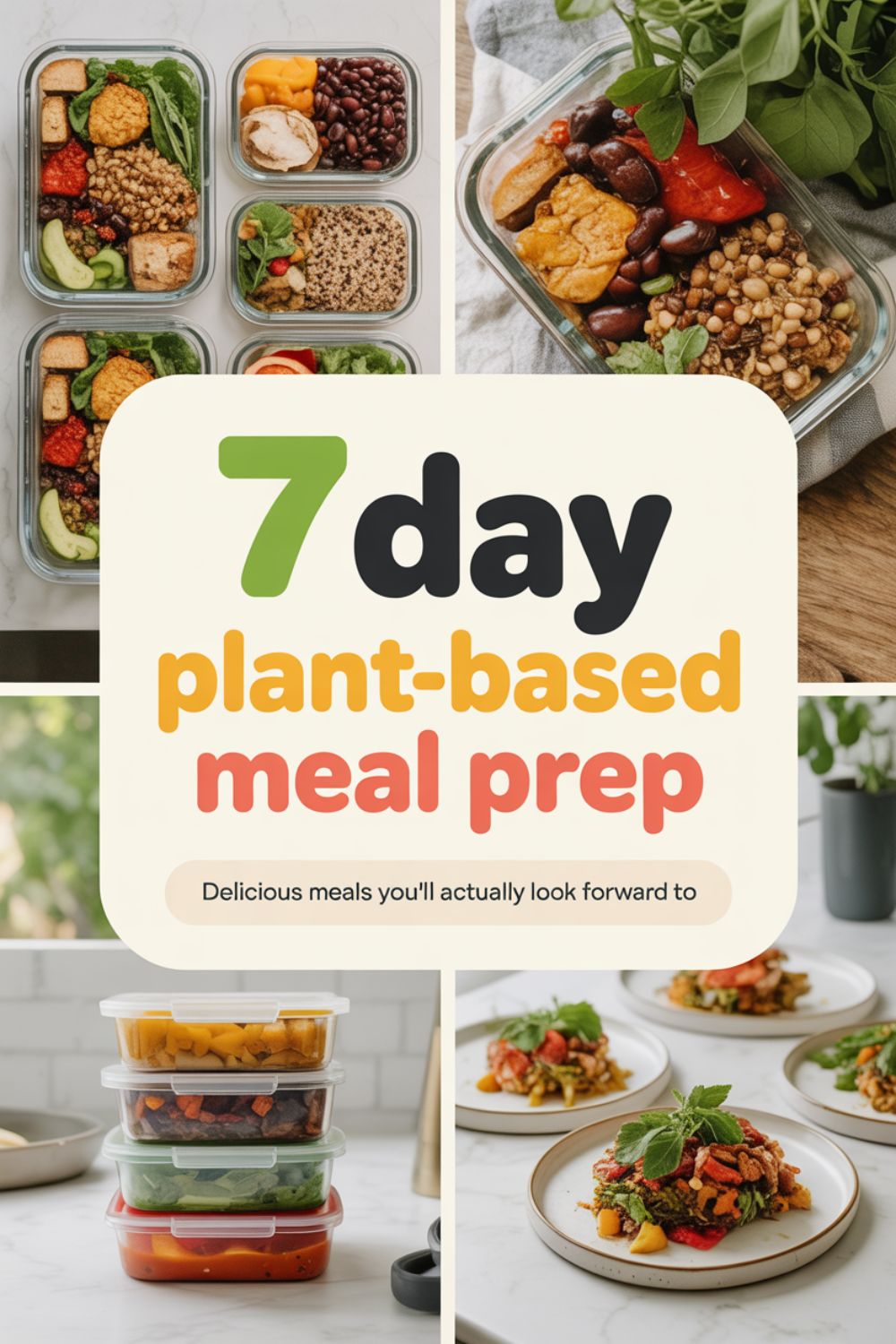
7-Day Plant-Based Meal Prep That Tastes Amazing
Look, I get it. You’re tired of those sad, wilted salads that taste like cardboard by Wednesday. You’ve tried plant-based eating before, and it left you hungry, bored, or both. But here’s the thing—plant-based meal prep doesn’t have to suck. Actually, when you do it right, it can be the best decision you make all week.
I’m not here to preach about saving the planet or converting you to veganism (though hey, if that’s your jam, awesome). I’m here to show you how to meal prep seven days of plant-based food that actually tastes incredible, keeps you full, and won’t have you ordering takeout by Thursday.
This isn’t some restrictive diet plan where you eat plain chickpeas and cry into your kale. This is real food with bold flavors, satisfying textures, and enough variety to keep your taste buds happy all week long.
Why Plant-Based Meal Prep Actually Works
Before we jump into the how, let’s talk about the why. Plant-based meal prep isn’t just trendy Instagram content—there’s solid science backing it up. Research shows that plant-based diets can lower your BMI, improve blood pressure, and even reduce the number of medications needed for chronic conditions.
But beyond the health stats, there’s something beautifully practical about plant-based prep. Plants last longer than meat in the fridge. They’re cheaper. And when you prep them right, they taste better on day five than most animal-based meals do on day two.
I learned this the hard way after years of meal prepping chicken breast that turned into rubber by midweek. Plants are forgiving. They soak up flavors, they stay fresh, and they don’t make your entire fridge smell like yesterday’s protein.
The 7-Day Plant-Based Blueprint
Here’s what makes this plan different: it’s built on repeatable foundations with enough variety to keep things interesting. You’re not cooking seven completely different meals—you’re cooking smart components that mix and match throughout the week.
Day 1-2: Buddha Bowls That Don’t Bore You
Start your week with two days of customizable buddha bowls. The base is simple: roasted sweet potatoes, fluffy quinoa, crispy chickpeas, and whatever greens you can find. But here’s where it gets good—you’re going to make three different dressings.
Day one gets a creamy tahini-lemon sauce. Day two switches to a spicy peanut situation. Same bowl, completely different vibe. I use this glass meal prep container set because they’re actually leakproof (unlike the 47 other sets I’ve tried), and you can see what you grabbed without opening the fridge door like a confused raccoon at 6 AM.
The secret to crispy chickpeas that stay crispy? Don’t add them to your bowl until you’re ready to eat. Keep them separate in a small airtight container and toss them on right before you dig in.
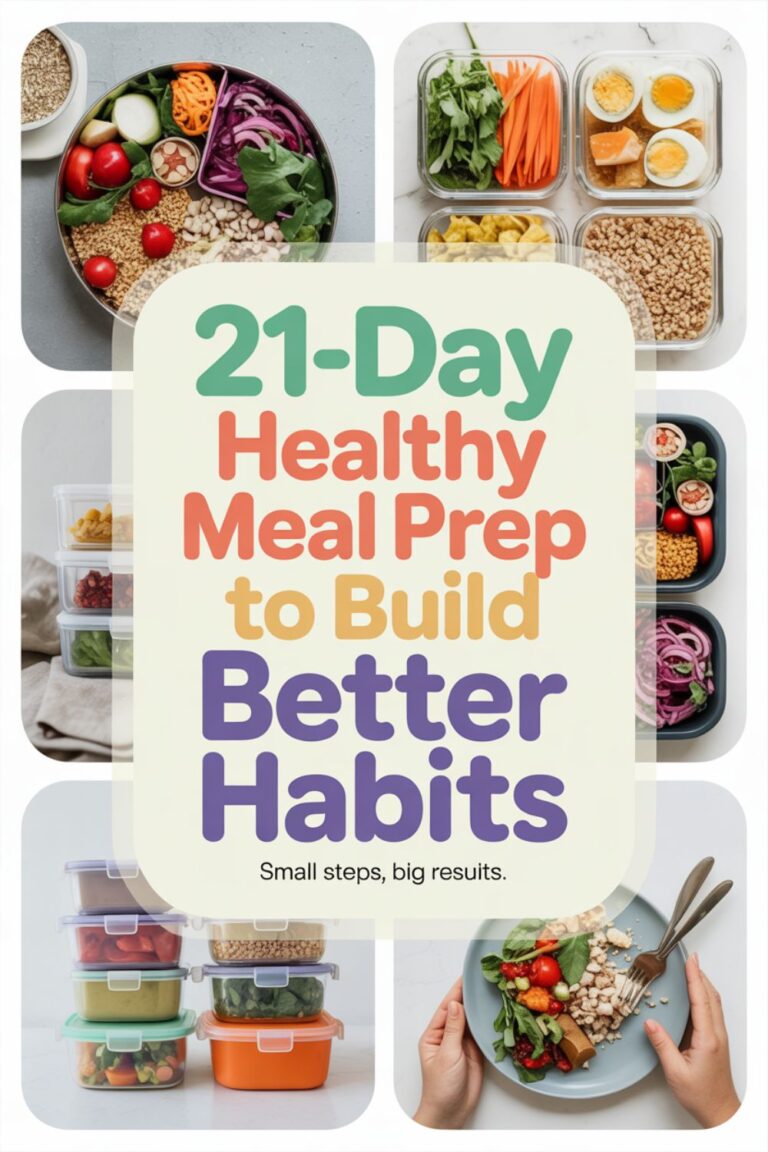
For more complete meal planning inspiration that follows this same build-it-smart philosophy, check out this 21-day vegetarian meal prep guide or these 30 healthy meal prep recipes you can actually repeat without losing your mind.
Day 3-4: The Burrito Bowl Hack
Wednesday and Thursday are burrito bowl days, and this is where meal prep gets fun. You’re making Mexican-spiced black beans, cilantro-lime rice, roasted peppers and onions, and keeping everything separate until assembly.
Why separate? Because soggy rice is a crime against humanity, and nobody wants watery beans making everything else sad. Plus, when everything’s in its own container, you can customize each bowl based on your mood. Feeling spicy? Load up on the jalapeños. Need something milder? Skip them.
I prep my peppers and onions on a silicone baking mat—zero sticking, zero scrubbing, and they come out perfectly caramelized every time. Total game changer.
Day 5: Stir-Fry Friday
By Friday, you need something that feels fresh and exciting. Enter: the build-your-own stir-fry kit. Prep your veggies (broccoli, snap peas, carrots, bell peppers—whatever you like), cook a batch of rice or noodles, and make a killer stir-fry sauce.
The sauce is crucial. I’m talking garlic, ginger, soy sauce, a touch of maple syrup, and some sriracha if you’re feeling dangerous. Keep it in a jar, and it’ll last way longer than the week. Trust me on this—once you have homemade stir-fry sauce in your fridge, you’ll find excuses to use it on everything.
For even more quick weeknight solutions that won’t leave you scrambling, these 5-day healthy lunch meal prep ideas are clutch.
Day 6-7: Weekend Comfort Food
Weekends are for comfort, and plant-based comfort food hits different. I’m talking loaded sweet potato “nachos,” creamy pasta primavera, or a hearty lentil shepherd’s pie situation.
These aren’t quick 20-minute meals—they’re weekend projects that make your house smell incredible and give you leftovers that actually get better with time. The lentil shepherd’s pie? Even better on day two when all the flavors have had time to become best friends.
Speaking of comfort, if you’re looking to keep things simple without sacrificing flavor, this 7-day healthy dinner meal prep plan walks you through making satisfying dinners that don’t require a culinary degree.
The Protein Question Everyone Asks
Let’s address the elephant in the room—or should I say, the lack of elephant? “But where do you get your protein?” is the question every plant-based eater gets asked approximately 47,000 times.
Here’s the deal: plants have plenty of protein. Lentils, chickpeas, black beans, quinoa, tofu, tempeh, edamame, nuts, seeds—the list goes on. You just need to be intentional about including them.
Harvard Health points out that plant-based diets offer all necessary proteins, fats, carbohydrates, vitamins, and minerals for optimal health. The key is eating a variety of foods, not obsessing over hitting some arbitrary protein target at every single meal.
IMO, the protein panic is overblown. Unless you’re training for the Olympics or trying to become a bodybuilder, the protein in a well-planned plant-based diet is more than enough. And bonus: you’re getting fiber, antioxidants, and phytonutrients that animal products don’t provide.
If you’re specifically looking to boost your protein intake while keeping things plant-forward, these high-protein breakfast meal prep ideas and 30 high-protein recipes are solid starting points.
Meal Prep Essentials Used in This Plan
Look, you don’t need a kitchen full of fancy gadgets to make this work, but these few things genuinely make life easier:
- Glass meal prep containers with dividers – Because plastic gets gross and these actually seal properly
- Quality chef’s knife – Stop struggling with that dull blade. Chopping vegetables shouldn’t feel like punishment
- Large sheet pans (set of 2) – For roasting everything at once instead of in sad batches
- Plant-Based Meal Prep Master Guide (Digital) – Complete shopping lists, prep schedules, and 50+ recipes
- 7-Day Plant-Based Starter Kit (Digital) – Beginner-friendly plan with step-by-step instructions
- Budget Plant-Based Meal Planner (Digital) – Eat well without going broke
- WhatsApp Community: Plant-Based Prep Squad – Join 500+ people sharing recipes, tips, and honest reviews of what actually works
Storage Secrets That Actually Matter
You can have the best recipes in the world, but if you don’t store things right, you’ll be eating mush by Wednesday. Let me save you from my early mistakes.
Keep wet separate from dry. Dressings, sauces, and anything liquid goes in its own container until you’re ready to eat. Those cute mason jar salads look great on Instagram, but in real life? The bottom gets soggy and sad.
Use the right containers. Glass is worth the investment. It doesn’t stain, doesn’t hold smells, and you can actually see what’s inside without playing refrigerator roulette. I learned this after batch-cooking beet soup and permanently dyeing every plastic container I owned a lovely shade of pink.
Label everything. I know it seems obvious, but when you’ve got seven containers of various brown and beige foods, you’ll thank yourself for the labels. Use masking tape and a marker—nothing fancy needed.
The Freezer Is Your Friend
Not everything needs to be made fresh each week. Cooked grains freeze beautifully. Soups and stews? Even better after freezing. I keep a rotation of frozen portions for those weeks when life gets chaotic and Sunday meal prep doesn’t happen.
My freezer strategy involves making double batches of things like marinara sauce, curry bases, and cooked beans. Half goes in this week’s meals, half gets frozen in portions using these freezer-safe containers that stack neatly and don’t shatter when frozen.
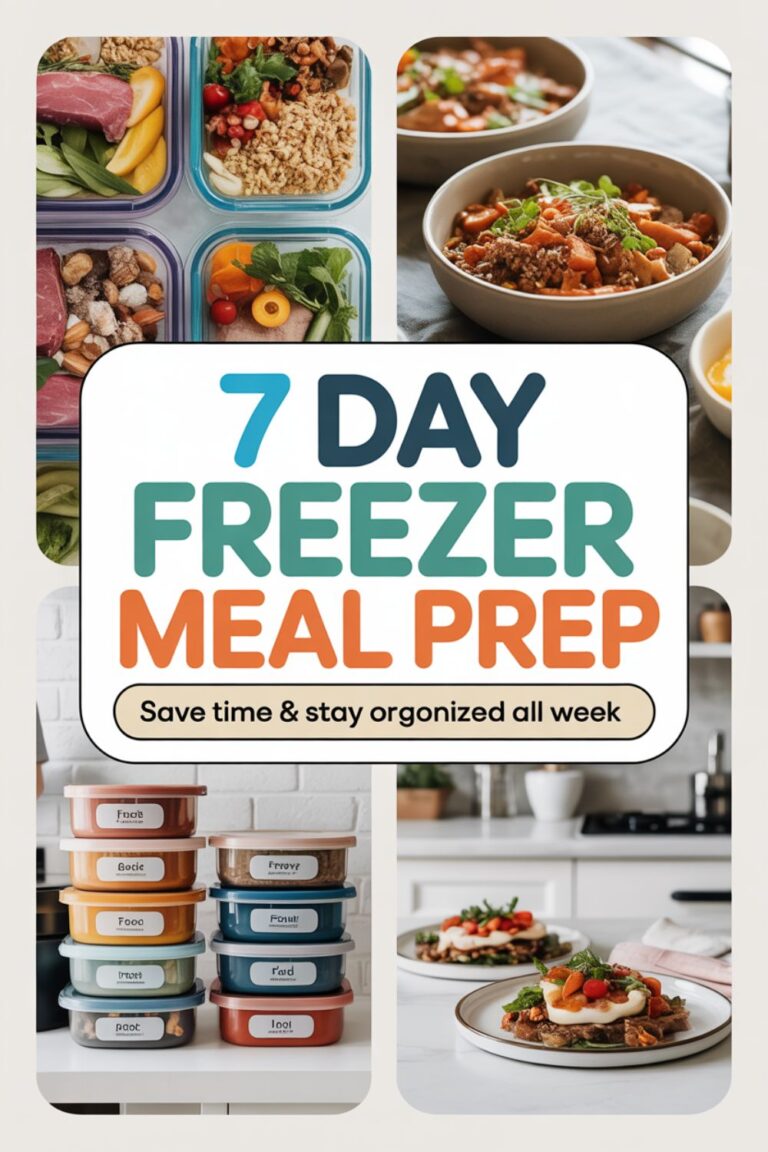
For serious freezer meal prep inspiration, these guides to 7-day freezer meals and make-ahead freezer prep are absolute lifesavers.
Flavor Bombs That Make Everything Better
Here’s what separates “this is okay I guess” plant-based food from “holy hell this is delicious” plant-based food: layers of flavor. You can’t just boil some vegetables and call it a day.
Roast everything. Seriously. Roasting brings out natural sugars, creates crispy edges, and makes vegetables taste like they actually have a personality. Cauliflower goes from boring to crave-worthy. Brussels sprouts transform from childhood trauma to adult addiction.
Fresh herbs aren’t optional. They’re the difference between “I made this” and “I made THIS.” Keep cilantro, basil, or parsley around and throw them on right before eating. They wake up tired leftovers like nothing else.
Fat is not the enemy. Good olive oil, tahini, avocado, nuts—these make plant-based food satisfying. They carry flavors, they keep you full, and they make your food taste like something you’d actually order at a restaurant.
The nutrition science backs this up too. Studies show that well-planned plant-based diets rich in healthy fats from nuts, seeds, and oils support heart health and improve overall dietary quality.
The Sauce Situation
Want to know the real secret to meal prep that doesn’t get boring? Sauces. Make three different sauces, and suddenly you have three completely different meals using the same base ingredients.
My weekly rotation includes:
- Creamy cashew sauce – Soaked cashews, lemon, garlic, nutritional yeast. Blends into magic.
- Spicy peanut sauce – Peanut butter, soy sauce, lime, ginger, sriracha. Good on literally everything.
- Herb chimichurri – Parsley, cilantro, garlic, red wine vinegar, olive oil. Bright, fresh, perfect.
Keep these in small glass jars in your fridge, and you’ll actually look forward to eating the same base ingredients all week because the flavors change completely.
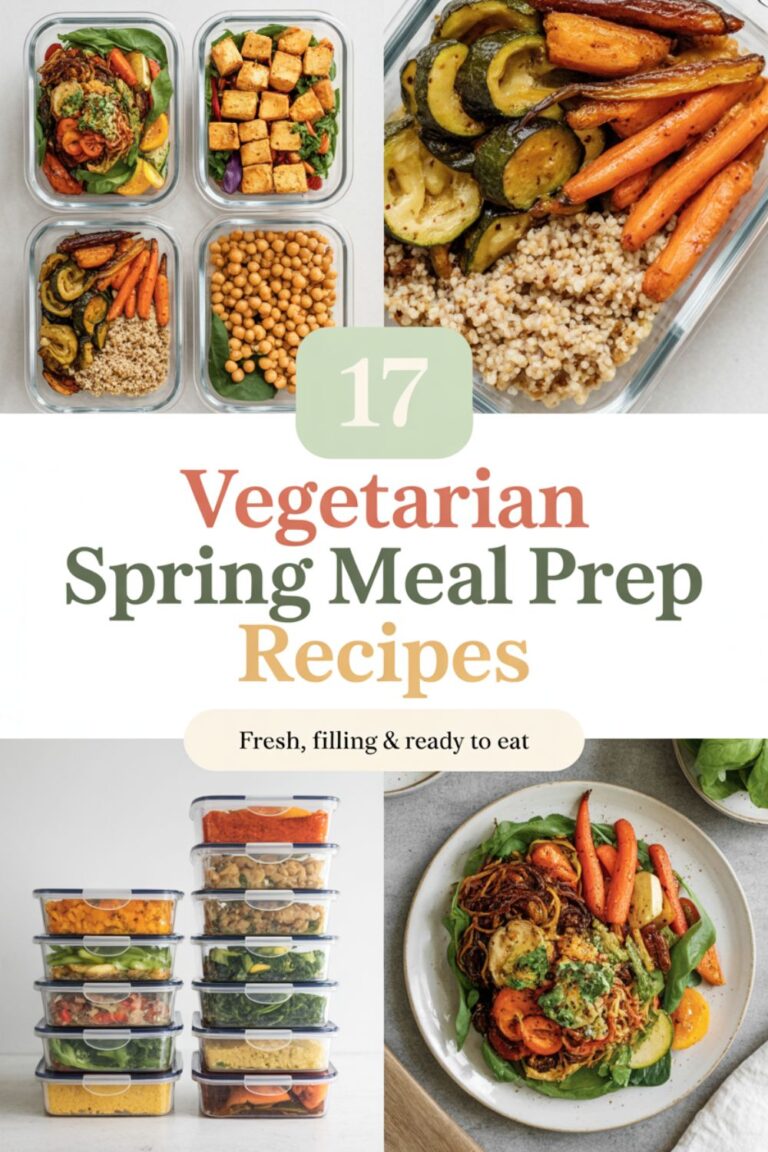
Looking for more variety without the complexity? Check out these 30 budget-friendly meal prep recipes and 21 easy weekly meal prep ideas that keep things simple but delicious.
The Budget-Friendly Truth
Let’s talk money, because “plant-based is expensive” is one of those myths that won’t die. Yes, if you’re buying fancy plant-based cheese and mock meats, it adds up. But real, whole-food plant-based eating? It’s actually cheaper than eating meat.
Beans cost pennies. Rice is dirt cheap. Lentils are basically free. Even when you buy organic produce, you’re still spending less than you would on meat and fish. My weekly grocery bill dropped by about 40% when I started meal prepping plant-based.
Buy in bulk when possible. Dried beans, grains, nuts, and seeds are all cheaper in bulk and last forever. I buy a 10-pound bag of quinoa every few months and store it in these airtight containers. Saves money and cabinet space.
Smart Shopping Strategies
Shop seasonally. Strawberries in January? Expensive and tasteless. Strawberries in June? Cheap and amazing. Work with what’s abundant and affordable in your area.
Frozen vegetables are underrated. They’re picked at peak ripeness, flash-frozen, and often more nutritious than “fresh” produce that’s been sitting in a truck for a week. Plus they’re pre-chopped, which saves time and knife skills.
Don’t overbuy fresh herbs. They always go bad before you use them all. Instead, buy them when you need them, or grow a small indoor herb garden—it pays for itself in about two weeks and makes your kitchen smell fantastic.
For even more budget-conscious planning, these budget meal prep plans and 5-day budget lunch ideas show you exactly how to eat well without breaking the bank.
Tools & Resources That Make Cooking Easier
These aren’t must-haves, but they genuinely simplify the whole process:
- Instant Pot or pressure cooker – Turns dried beans into dinner in 30 minutes instead of overnight soaking nonsense
- High-speed blender – For sauces, smoothies, and turning cashews into cream. Worth every penny
- Kitchen scale – Not for calorie counting, but for actually knowing if you made enough food for the week
- Meal Prep Time Saver Checklist (Digital) – Weekly prep schedule that cuts your time in half
- Plant-Based Protein Guide (Digital) – No more “where’s the protein” questions
- Batch Cooking Blueprint (Digital) – Make once, eat three times strategy
When Meal Prep Goes Wrong (And How to Fix It)
Let’s be real—not every week goes according to plan. Sometimes Sunday hits and you’d rather watch Netflix than chop vegetables. Sometimes Wednesday arrives and you realize you’re already sick of buddha bowls. Sometimes you forget to pack your lunch and eat sad vending machine pretzels. It happens.
The key is having backup plans. Keep a stash of emergency meals in the freezer. Always have these staples on hand: pasta, marinara sauce, canned beans, frozen vegetables. You can throw together a decent meal in 15 minutes with just those ingredients.
If you prepped something and you’re just not feeling it? Don’t force it. Eating should be enjoyable, not a punishment. Freeze what you prepped and make something fresh. Your future self will appreciate having a ready-made meal waiting in the freezer.
The Flexibility Factor
Plant-based meal prep is actually more flexible than meat-based prep. You’re not worried about chicken going bad or salmon getting sketchy. You can prep Monday, eat it Friday, and it’s still good. You can freeze almost everything. You can repurpose leftovers more easily.
That burrito bowl from Wednesday? Mash those beans, add some spices, and boom—you’ve got filling for stuffed peppers or a base for chili. Those roasted vegetables? Blend them into soup. That cooked quinoa? Breakfast porridge with almond milk and cinnamon.
For more versatile meal planning that adapts to your schedule, check out this no-stress 21-day plan and these quick meal prep ideas for busy people.
Real Talk About Nutrition
I’m not a nutritionist, but I’ve done my homework. Plant-based eating isn’t automatically healthy—you can absolutely eat garbage on a plant-based diet (hello, Oreos and french fries). The magic happens when you focus on whole foods.
Whole grains instead of white bread. Actual beans instead of weird processed “bean” products. Real vegetables instead of vegetable-flavored chips. You get the idea.
The one supplement you might need? B12. It’s not naturally abundant in plant foods, so most plant-based eaters take a supplement. That’s it. Everything else—protein, iron, calcium, omega-3s—you can get from plants if you’re eating a variety of whole foods.
FYI, organizations like the American College of Lifestyle Medicine recommend predominantly plant-based diets with a variety of minimally processed vegetables, fruits, whole grains, legumes, nuts, and seeds. They’re not fringe science—they’re mainstream medicine.
Comparing Plant Proteins to Animal Proteins
Here’s something interesting: plant proteins come packaged with fiber, antioxidants, and zero cholesterol. Animal proteins? They come with saturated fat and no fiber. From a pure nutrition standpoint, plants are giving you more bang for your buck.
Take lentils versus ground beef. Similar protein content, but the lentils also give you fiber, folate, and iron without the saturated fat. Same with chickpeas versus chicken—the chickpeas bring fiber and antioxidants to the party.
This isn’t about being preachy. It’s just facts. Research consistently shows that plant-based dietary patterns have beneficial effects on body weight, cardiovascular health, and diabetes prevention.
Want to explore more plant-based alternatives and meal ideas? These healthy meal prep bowls and 21 healthy meal prep ideas make it easy to get started.
Making It Work for Your Life
The perfect meal prep plan is the one you’ll actually do. If Sunday doesn’t work for you, prep Wednesday. If you hate quinoa, use rice. If you can’t stand chickpeas, use black beans. This isn’t a rigid diet—it’s a framework you customize to fit your life.
Some people prep every single meal for the week. Others just prep lunches and wing dinner. Some batch-cook on Sundays. Others do a little prep every day. Find what works for your schedule, your kitchen, and your sanity level.
I typically prep lunches for the full week and dinners for the first half of the week. By Thursday, I’m ready to cook something fresh and different. That balance keeps me from burning out on meal prep while still saving tons of time.
Family-Friendly Adaptations
If you’re feeding a family, the base components work for everyone. Let people customize their bowls. Keep some plain options for picky eaters. Add optional toppings instead of mixing everything together.
Kids often surprise you with what they’ll eat when they can build their own plate. Set out all the components and let them create their own combinations. They might not touch the Brussels sprouts, but they’ll demolish the roasted sweet potatoes.
For family-specific strategies, this 21-day family meal prep guide is incredibly helpful.
Frequently Asked Questions
How long does plant-based meal prep actually last in the fridge?
Most cooked plant-based meals stay fresh for 4-5 days in proper airtight containers. Grains and roasted vegetables can push to 5-6 days, while fresh greens are best eaten within 2-3 days. When in doubt, freeze anything you won’t eat within four days—almost everything freezes beautifully.
Do I need to eat every meal from my meal prep?
Absolutely not. Meal prep is meant to make your life easier, not more restrictive. Think of it as having options available rather than mandatory meals. If you want to eat out or cook something fresh, go for it—your prepped meals will be waiting in the fridge or freezer for another day.
What if I get bored eating the same things?
This is where sauces and toppings become your best friend. The same bowl of quinoa, beans, and roasted vegetables tastes completely different with peanut sauce versus tahini dressing. Switch up fresh herbs, add different seasonings, or repurpose leftovers into entirely new dishes like soups or wraps.
Is plant-based meal prep more expensive than regular meal prep?
Actually, no. Whole plant foods like beans, lentils, rice, and seasonal vegetables are typically cheaper than meat and fish. Where costs add up is buying specialty items like plant-based cheeses or mock meats. Stick to whole foods and your grocery bill will likely decrease, not increase.
Can I still build muscle on a plant-based meal prep plan?
Yes. Plant-based athletes exist and thrive at every level. Focus on protein-rich plants like lentils, chickpeas, tofu, tempeh, quinoa, and edamame. Pair these with strength training and adequate calories, and you’ll build muscle just fine. Many bodybuilders and professional athletes follow plant-based diets successfully.
The Bottom Line
Plant-based meal prep isn’t about restriction or following some perfect Instagram-worthy plan. It’s about making your life easier while eating food that tastes good and makes you feel good.
You don’t need to be perfect. You don’t need fancy equipment. You don’t need to spend all day Sunday in the kitchen. You just need a decent plan, some basic containers, and the willingness to experiment a little.
Start small if you need to. Maybe just prep lunches for three days instead of seven. Maybe just make one big batch of something and eat it a few times this week. Maybe just roast a bunch of vegetables and figure out the rest later.
The goal isn’t perfection—it’s progress. It’s having something delicious and ready to eat when hunger hits. It’s not ordering expensive takeout because you forgot to plan. It’s feeling good about what you’re eating without stressing about it.
Give this 7-day plan a shot. Adjust it to fit your taste. Make it work for your schedule. And most importantly, enjoy the food. Plant-based eating shouldn’t feel like punishment—it should feel like the best decision you made all week.